





— Blogs —
—Products—
 Consumer hotline +8618073152920
 WhatsApp:+8615367865107
Address:Room 102, District D, Houhu Industrial Park, Yuelu District, Changsha City, Hunan Province, China
Product knowledge
Time:2026-06-20 15:46:44 Popularity:233
A campus weather station is both an outdoor environmental monitoring system and a teaching data platform. It can record wind, rainfall, radiation, air temperature, humidity, pressure, soil data, air quality, and other parameters while supporting science education, outdoor activity planning, and campus environmental awareness. For contractors, successful delivery depends on safe installation, clean wiring, stable power, clear sensor layout, and a platform that teachers can actually use.
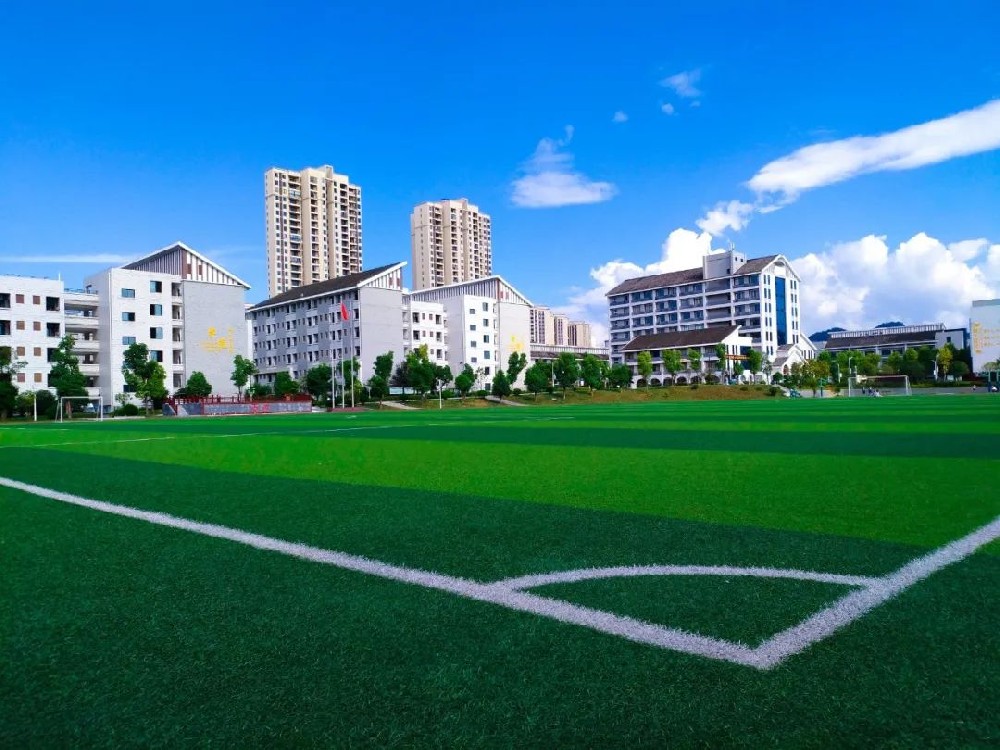
A school weather station should be visible enough for education, but installed where students cannot damage the equipment or be exposed to structural and electrical risk. The pole foundation, sensor height, cable routing, solar panel position, display location, and maintenance access should be confirmed before construction.
NiuBoL campus weather stations use internal wiring to avoid external cable exposure. This improves appearance and helps protect cables from ultraviolet aging, weather, and bird damage. Waterproof one-to-one connectors inside the pole make installation clearer and reduce wiring mistakes during assembly.
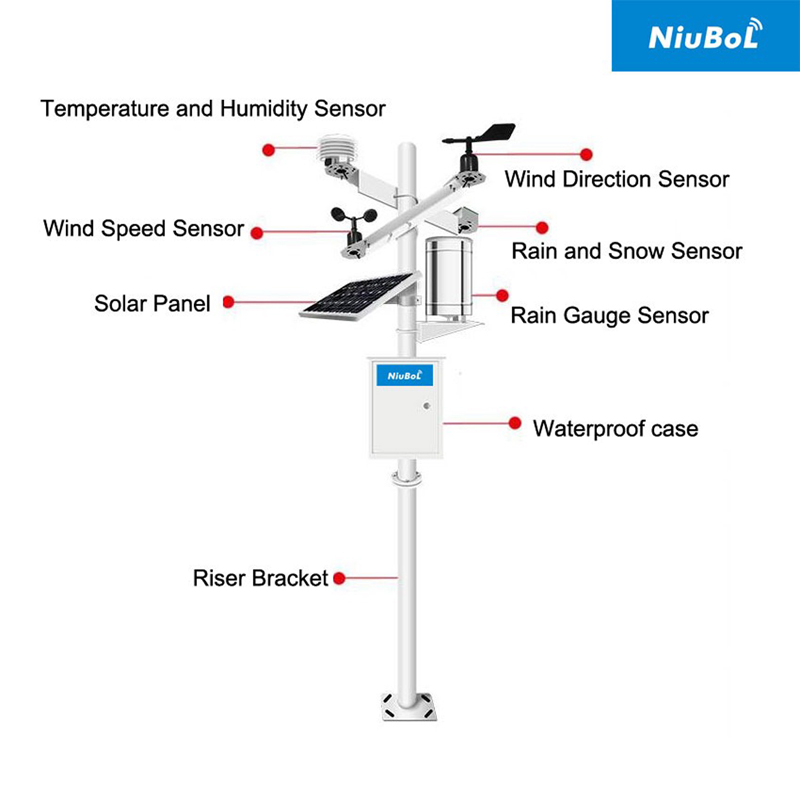
The main shaft can be assembled from two equal-length poles with flange connection. High-yield carbon steel and anti-rust treatment support long-term outdoor use. The bottom can be fixed with four M14 expansion bolts to improve wind resistance and structural stability.
A cross bracket at the top can support several monitoring instruments. Devices mounted on the bracket use support plates and waterproof connectors. The middle section can be configured with a solar panel or a large display depending on the project design and available power.
| Installation Item | Recommended Practice | Reason |
|---|---|---|
| Internal wiring | Run waterproof connector cables inside the pole | Improves protection and appearance |
| Foundation fixing | Use four M14 expansion bolts | Supports wind resistance and stable mounting |
| Solar option | 60W solar panel with battery system where suitable | Supports outdoor power supply when mains is limited |
| Soil sensor route | Run soil device wiring through the inspection port under the 1.5m pole | Keeps cable route clean and maintainable |
| Control box | Use metal sprayed cabinet and correct terminal connection | Protects power, communication, and optional sensors |
| Student safety | Place equipment where it can be observed without contact risk | Supports education while reducing damage and injury risk |
A campus station can include wind speed, wind direction, rainfall, solar radiation, atmospheric pressure, air temperature and humidity, soil temperature, soil moisture, ultraviolet radiation, rain and snow status, PM2.5, PM10, noise, carbon dioxide, ozone, negative oxygen ion, and other environmental parameters.
For an education-focused project, the sensor list should match teaching goals. A basic station can support weather observation, while an expanded station can support environmental science, air quality comparison, soil experiments, and student data projects.
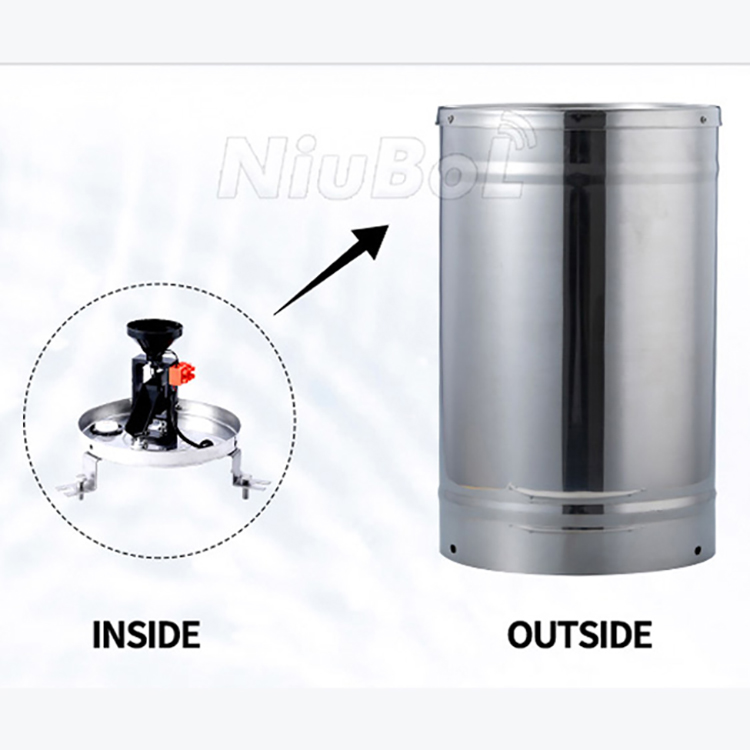
When a solar panel is installed, the project can support outdoor power where cable access is limited. A 60W panel can be paired with a battery system according to site demand. If a large screen display is required, mains power is usually preferred to ensure stable operation and brightness.
The display should be placed where students and teachers can read values safely. If the school also uses an online platform, the display can show live campus data while the platform provides historical curves, export, and classroom analysis.
The station can provide real campus data for science classes, weather observation clubs, environmental activities, and outdoor activity planning. Teachers can use temperature, humidity, wind, rainfall, pressure, radiation, and air quality records to explain weather change and local environmental conditions.
For the system to remain useful after handover, the platform should be simple enough for teachers to operate. Live values, charts, station status, and data export are more important than complicated functions that are rarely used in daily teaching.
Before handover, contractors should check pole stability, bolt fixing, bracket orientation, sensor connection, internal wiring, waterproof connectors, power input, battery status, solar panel output, communication upload, display values, and platform access.
Each sensor should be named clearly in the platform. Units should be correct, and live values should be compared with expected site conditions. The school should receive guidance for basic inspection, cleaning, and reporting abnormal operation.
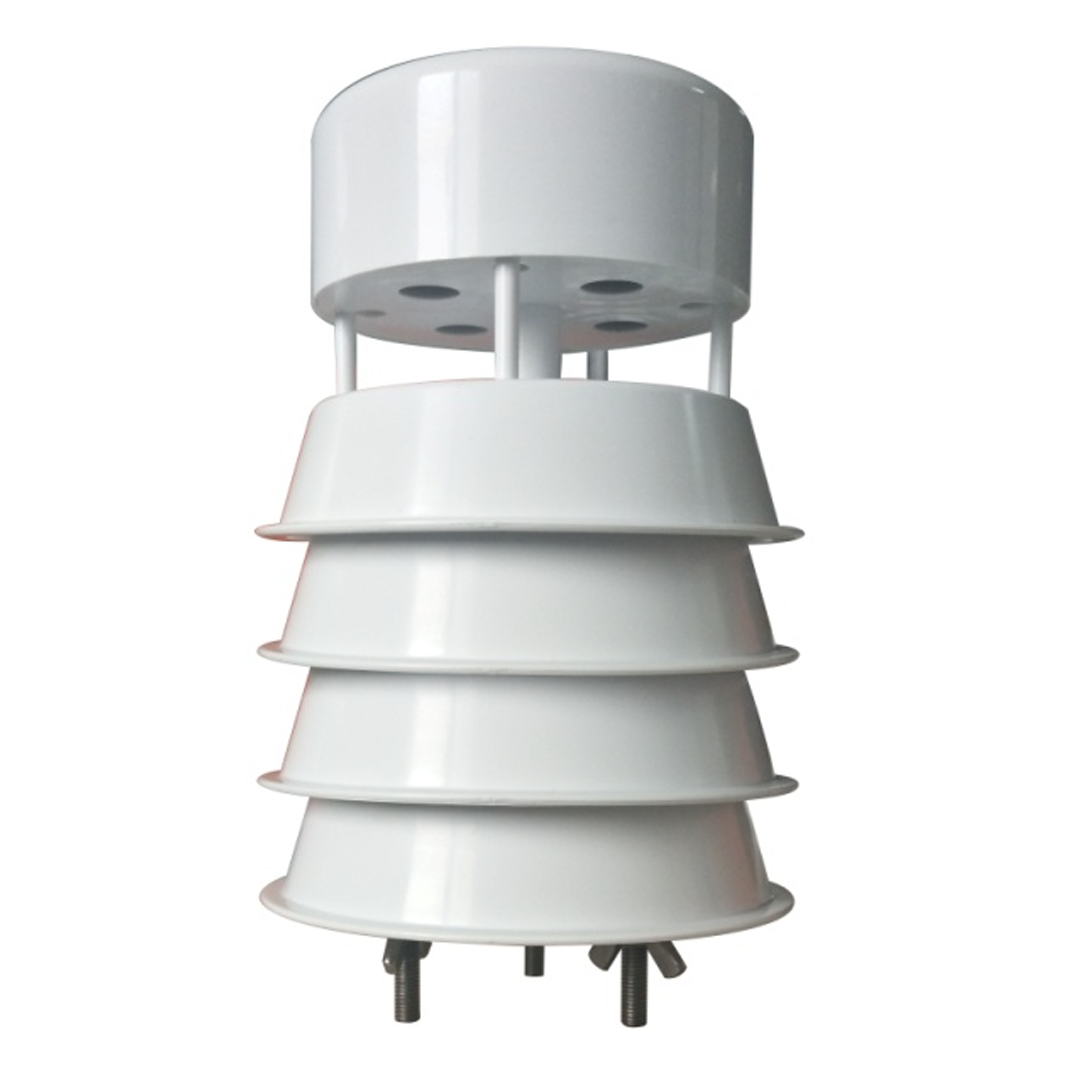
Procurement teams should confirm parameter list, pole height, bracket capacity, display requirement, solar or mains power, communication method, installation location, safety requirements, platform access, and maintenance plan. The station should be designed as a complete educational system, not only a hardware set.
For schools that want advanced environmental education, selecting an expandable station is useful. Additional sensors can be added later if the platform, bracket structure, and power design are prepared in the first phase.
A campus station should not be designed only for technical staff. Teachers need readable values, simple charts, and exportable records that can be used in lessons. Students need visible equipment that connects classroom concepts with real weather and environmental changes on campus.
The best design gives the school both a physical observation point and a digital data source. The outdoor station creates interest, while the platform supports repeated learning, comparison, reports, and student projects throughout the year.
Contractors should provide an installation record, sensor list, wiring description, power plan, platform login guidance, basic maintenance notes, and troubleshooting contacts. A school may not have dedicated technical staff, so simple documentation is essential for long-term use.
The handover should also include a demonstration of live data, historical curve viewing, data export, and basic inspection. When teachers understand these functions, the station is more likely to remain active in courses rather than becoming unused outdoor equipment.
A school may begin with weather parameters and later add soil sensors, air quality sensors, ultraviolet radiation, or a larger display. If the first installation considers bracket capacity, power budget, platform fields, and cable routes, future expansion will be easier and less disruptive.
Procurement teams should therefore discuss the future course plan, not only the first equipment list. A station that supports later expansion can serve science education, environmental activities, and campus management for many years.
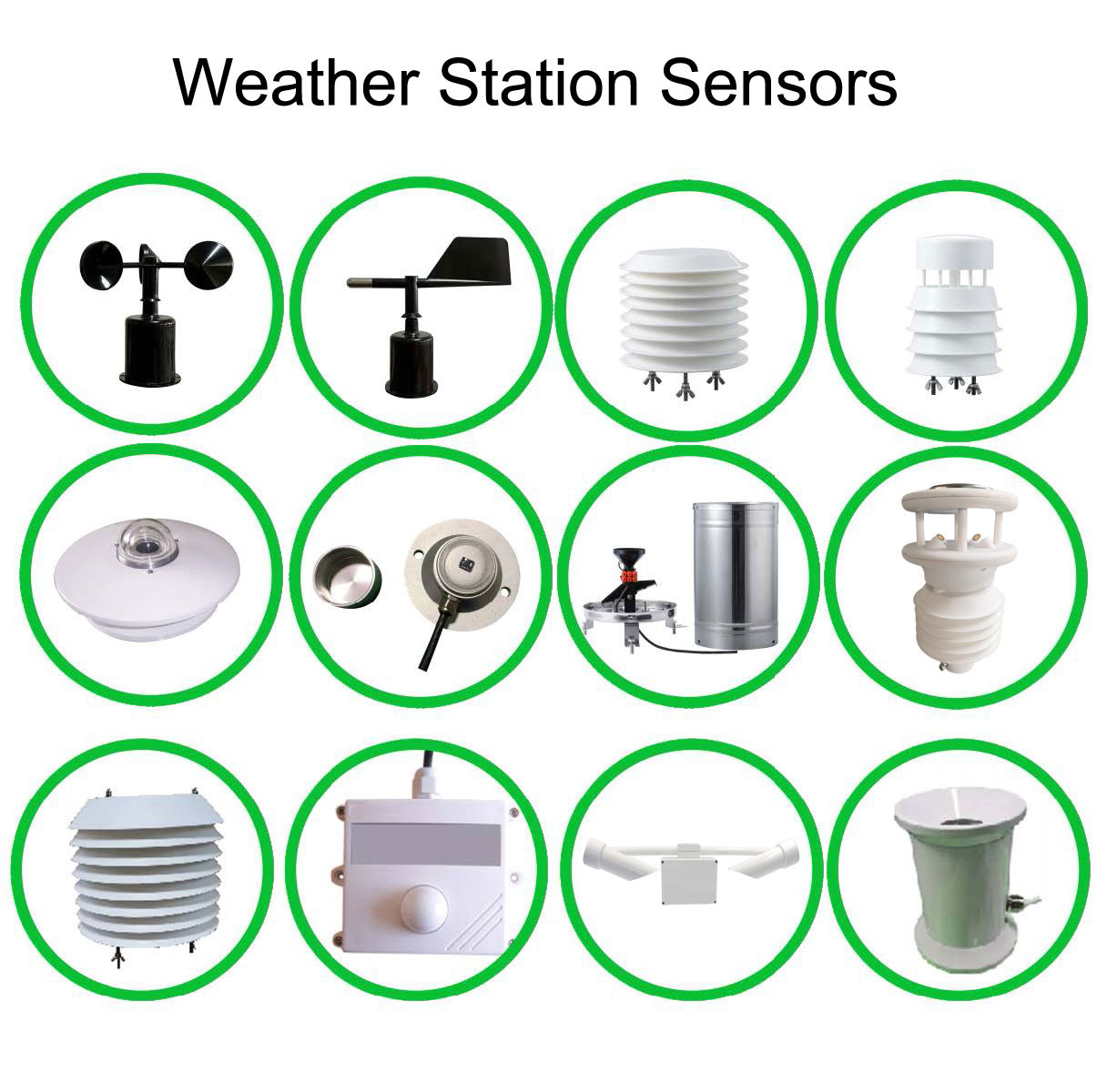
If the school mainly teaches weather observation, wind, rainfall, temperature, humidity, pressure, and radiation may be enough. If the school wants environmental science activities, PM2.5, PM10, noise, carbon dioxide, and ultraviolet radiation can add more teaching material.
For garden or campus agriculture activities, soil temperature, soil moisture, electrical conductivity, pH, or soil nutrients can connect the weather station with plant growth lessons. Parameter selection should follow course use rather than device quantity alone.
After installation, the school should know who checks the station, how often the display is reviewed, how to report abnormal values, and how to clean or inspect exposed components. Simple responsibilities help prevent small issues from becoming long interruptions.
The contractor can provide a maintenance schedule that includes bracket inspection, cable check, solar panel cleaning, platform login test, and sensor condition review. This is especially important for schools without dedicated equipment staff.
A campus weather station should support repeated activities, not only the opening demonstration. Teachers can compare seasonal data, rainfall events, high-temperature days, wind patterns, and air quality changes. Students can build observation reports from real campus records.
When the station is connected to classroom tasks, it remains active and visible. That long-term use is the main difference between a successful education project and a device that is noticed only on installation day.
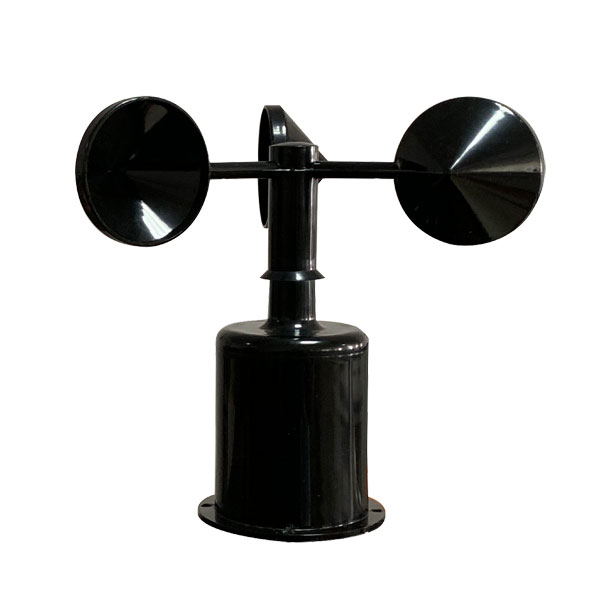
Campus users often include teachers, students, administrators, and visitors, so the data presentation should be clear and direct. Live values should use familiar units, charts should be easy to read, and exported records should be suitable for classroom reports.
If the station includes many parameters, the platform can group them by weather, soil, radiation, and air quality. Grouping makes the system easier to explore and prevents students from being overwhelmed by a long unorganized list.
A school project should be evaluated by educational use, installation safety, and long-term maintainability. Equipment that looks impressive but cannot be used in lessons will not deliver the same value as a station that provides clear data and simple operation.
For this reason, contractors should present the station as a complete teaching and monitoring system, including sensors, display, platform, installation, handover, and maintenance guidance.
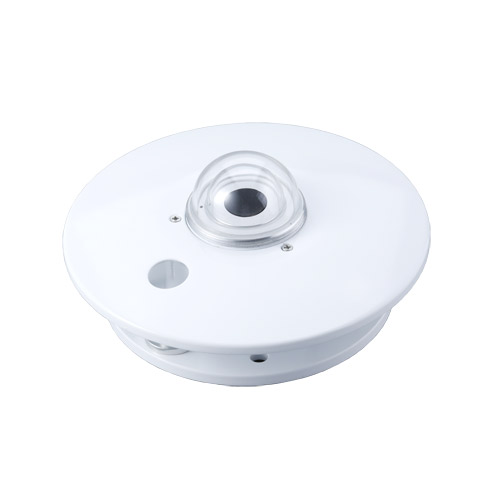
A campus weather station provides local environmental data for science education, student observation, outdoor activity support, and campus environmental awareness. It can also become a visible teaching facility that connects weather knowledge with real measurements from the school environment.
Common sensors include wind speed, wind direction, rainfall, air temperature, humidity, atmospheric pressure, solar radiation, ultraviolet radiation, soil temperature, soil moisture, PM2.5, PM10, noise, and carbon dioxide. The final selection should match teaching objectives, budget, and installation conditions.
Internal wiring protects cables from sunlight, rain, physical damage, and bird pecking. It also makes the station look cleaner on campus and reduces the chance of students pulling or damaging exposed cables. Waterproof connectors inside the pole simplify installation and maintenance.
Yes. A solar panel and battery system can be used where mains power is limited. However, if a large display screen is required, mains power is often recommended because displays need stable energy. The final power plan should be confirmed according to equipment load and local sunlight.
The location should be open enough for representative weather readings, safe for students, accessible for maintenance, and suitable for pole fixing. It should avoid strong obstructions, roof edges, heavy foot traffic, and places where equipment may be damaged during school activities.
Contractors should check foundation fixing, pole stability, sensor mounting, waterproof connectors, internal wiring, power supply, solar charging, communication upload, display values, platform login, data units, and alarm or status functions. A documented checklist helps project acceptance.
Teachers can use live and historical data for lessons on weather, climate, environmental monitoring, data analysis, and field observation. Students can compare daily changes, seasonal trends, rainfall events, wind patterns, and air quality conditions using real campus records.
NiuBoL provides campus weather station equipment with flexible sensor options, clean installation structure, internal wiring, solar or mains power options, display support, and platform-oriented data. This helps contractors deliver a station that works as both a monitoring system and a teaching resource.
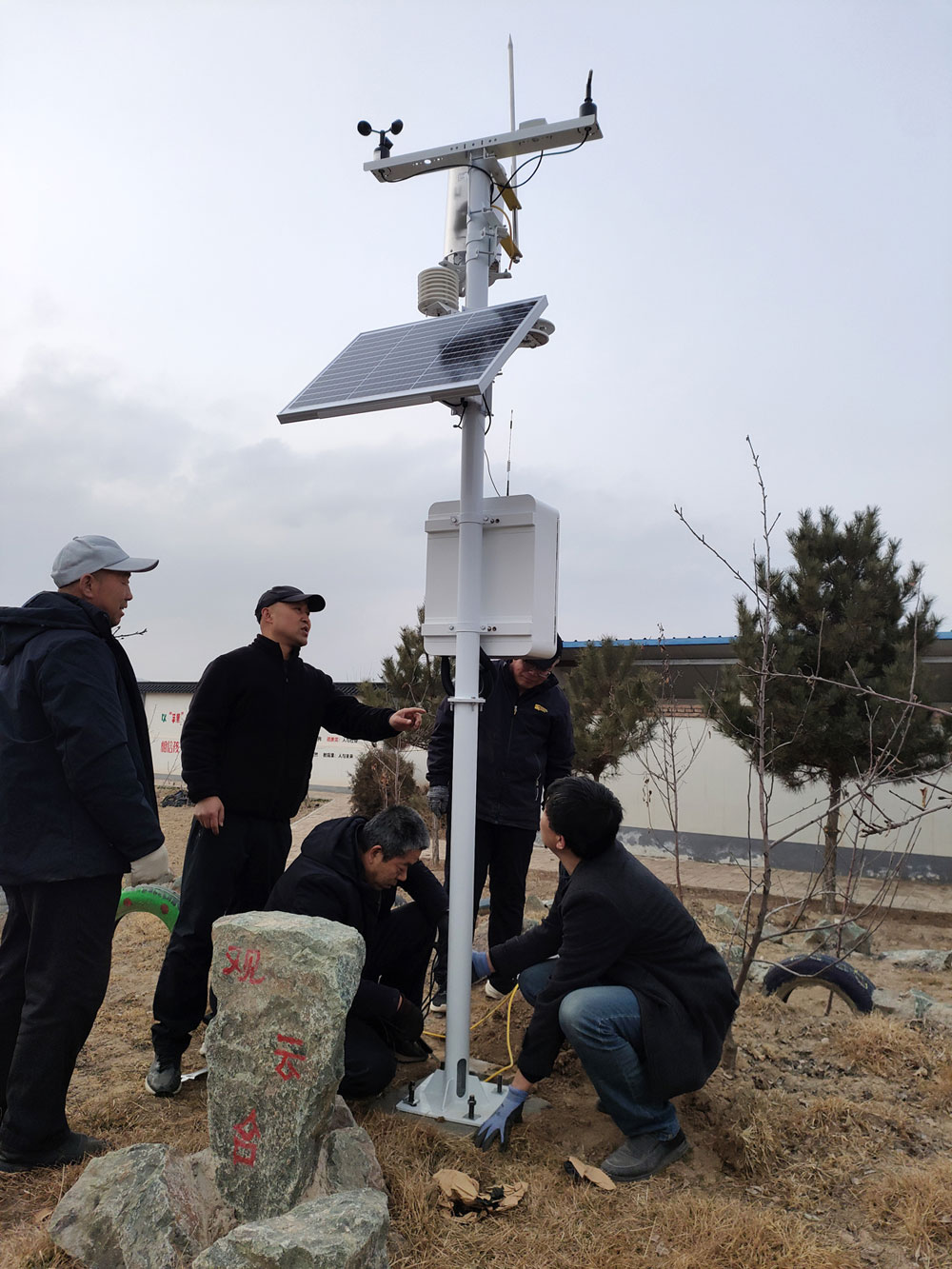
A campus weather station should be planned as a safe outdoor system and a practical teaching platform. Internal wiring, stable pole fixing, correct sensor layout, suitable power design, and easy-to-use data display are central to successful delivery. NiuBoL school weather station solutions support expandable monitoring, campus science education, and long-term environmental data use.
Related recommendations
Sensors & Weather Stations Catalog
 Agriculture Sensors and Weather Stations Catalog-NiuBoL.pdf
Weather Stations Catalog-NiuBoL.pdf
Agriculture Sensors Catalog-NiuBoL.pdf
Water Quality Sensor Catalog-NiuBoL.pdf
Related products
 Combined air temperature and relative humidity sensor
 TDR Soil Moisture & Temperature Sensor for irrigation| RS485 |4-20mA| NBL-S-THR
 Soil pH sensor RS485 soil Testing instrument soil ph meter for agriculture |NBL-S-PH
 Wind Speed sensor Output Modbus/RS485/Analog/0-5V/4-20mA
 Tipping bucket rain gauge for weather monitoring auto rainfall sensor RS485/Outdoor/stainless steel
 Pyranometer Solar Radiation Sensor 4-20mA/RS485

Screenshot, WhatsApp to identify the QR code
WhatsApp number:+8615367865107
(Click on WhatsApp to copy and add friends)

