





— Blogs —
—Products—
 Consumer hotline +8618073152920
 WhatsApp:+8615367865107
Address:Room 102, District D, Houhu Industrial Park, Yuelu District, Changsha City, Hunan Province, China
Product knowledge
Time:2026-06-20 15:45:39 Popularity:213
Dust monitoring equipment is used to measure particulate matter and provide real-time environmental data for construction sites, roads, yards, industrial parks, and other open areas. Three monitoring methods are commonly discussed in engineering selection: beta ray attenuation, laser scattering, and micro oscillating balance. For project contractors, the choice should be based on application requirements, response speed, maintenance conditions, data upload, and site management workflow.
The beta ray method measures particle mass by analyzing the attenuation of beta radiation through a filter where particles accumulate. Under low-energy conditions, attenuation is related to mass and is less affected by particle size, composition, color, or dispersion state. This makes it suitable for reference-style mass concentration measurement, but it usually involves a more complex sampling structure.
The laser scattering method uses a laser light source and a photoelectric receiver to detect scattered light from particles. The number of scattered signals relates to particle count, while signal intensity helps estimate particle size. Statistical conversion is then used to calculate mass concentration. This method is widely used in online dust monitoring because it responds quickly and supports continuous field data.
The micro oscillating balance method uses a tapered oscillating tube with a replaceable filter. As particles deposit on the filter, the mass changes and the oscillation frequency shifts. By combining frequency change, flow rate, temperature, and pressure, the instrument calculates particle concentration during the sampling period.
This method is often considered in projects where gravimetric-style measurement logic is required, but it can be more demanding in terms of maintenance, operating conditions, and cost. For construction site supervision, many projects prefer fast online monitoring with data upload and alarm linkage.
| Method | Measurement Principle | Typical Project Consideration |
|---|---|---|
| Beta ray attenuation | Particle mass is calculated from beta energy attenuation through loaded filter paper | Stable mass concentration logic, more complex sampling and maintenance |
| Laser scattering | Scattered light count and intensity are converted to particle concentration | Fast response, suitable for online site monitoring and alarm linkage |
| Micro oscillating balance | Particle mass changes oscillation frequency of a tapered tube filter system | Useful where mass-based measurement logic is prioritized |
| NiuBoL online dust monitor | Laser scattering with integrated environmental monitoring | Suitable for construction sites, yards, roads, and industrial park monitoring |
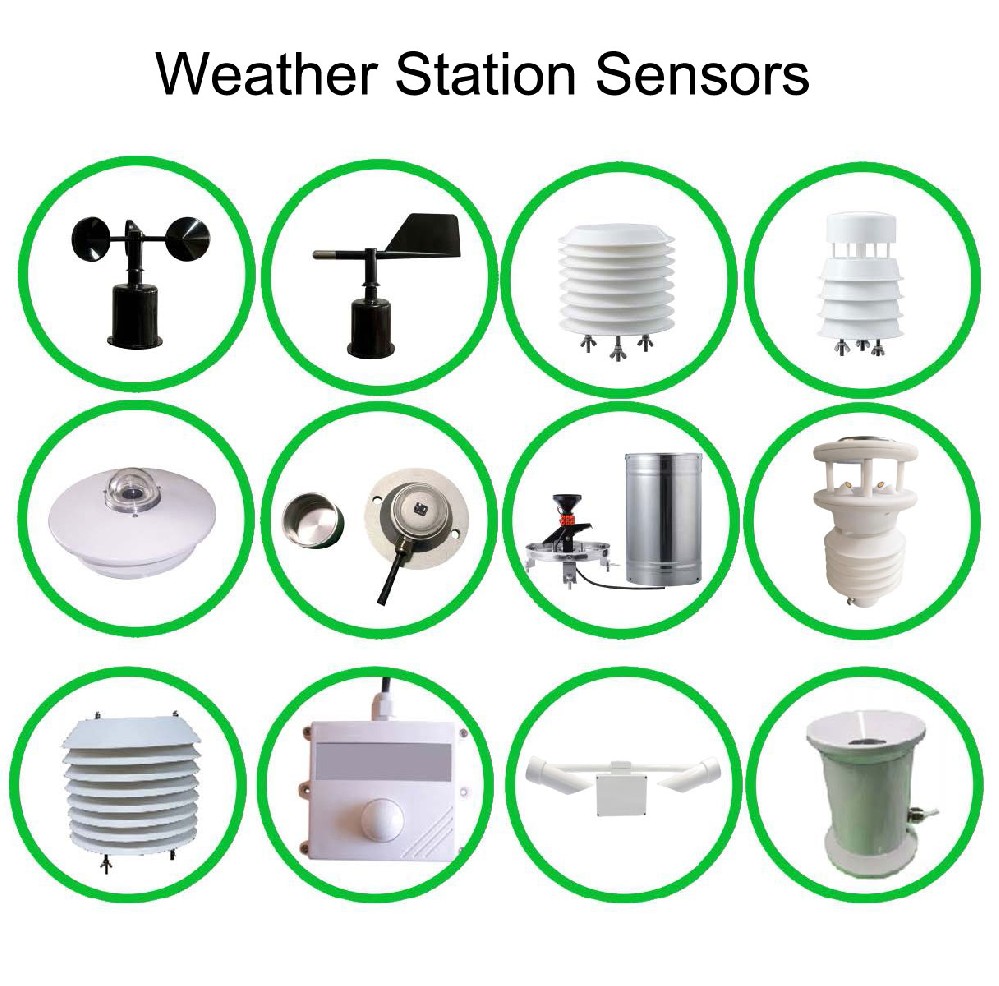
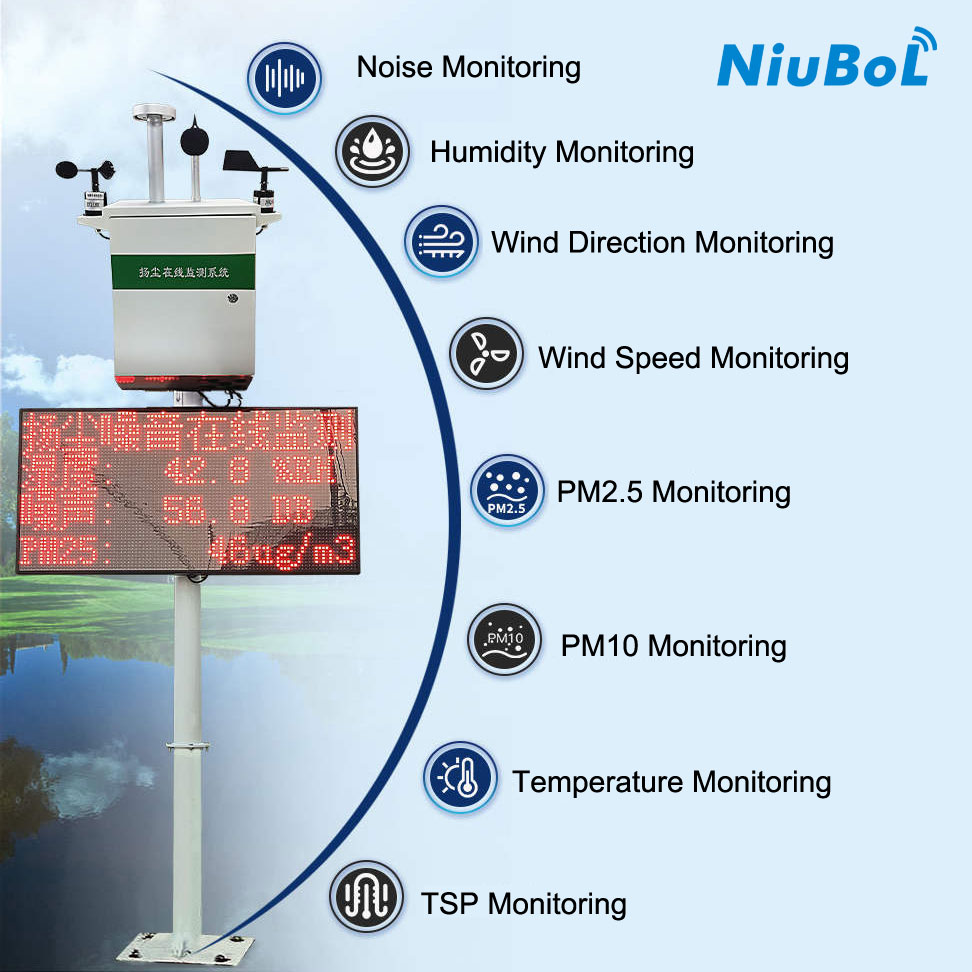
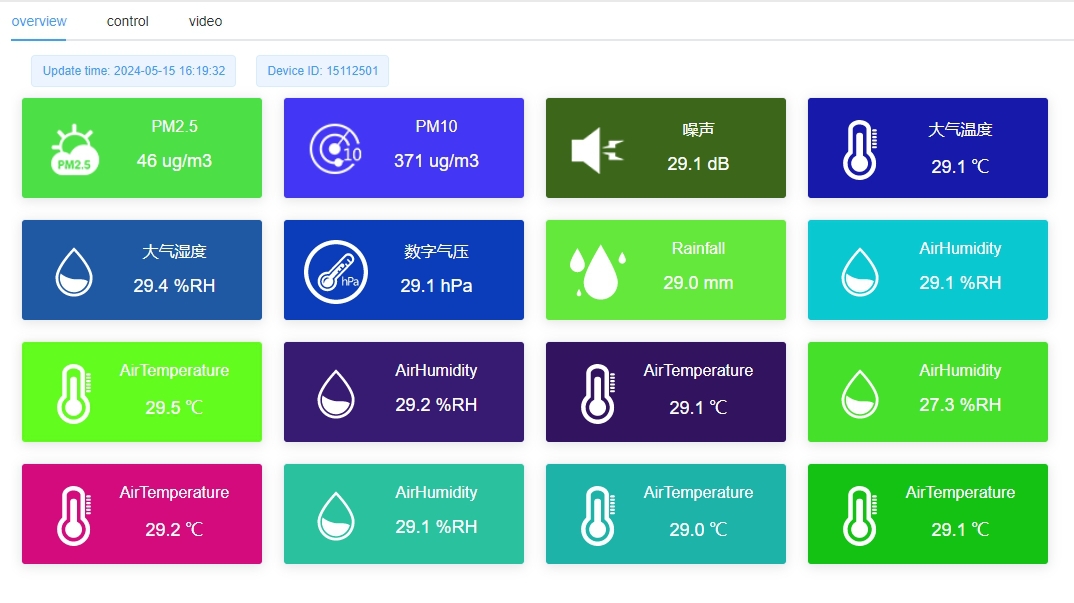
The NiuBoL online dust monitoring terminal can integrate PM2.5, PM10, temperature, humidity, atmospheric pressure, light, wind speed, wind direction, noise, data acquisition, data transmission, video monitoring management, and platform functions. A 7-inch LCD can display real-time values and system settings on site.
Video functions can support recording and exceedance snapshots when the project requires visual evidence. Solar power can be added for locations where stable mains power is difficult. The system is suitable for roads, construction sites, sand and gravel yards, coal yards, straw-burning source areas, residential zones, commercial areas, and industrial parks.
A regular package may include PM2.5, PM10, temperature, and humidity. A six-parameter configuration adds wind speed and wind direction. A seven-parameter configuration adds atmospheric pressure, while an eight-parameter configuration adds noise. The correct configuration depends on reporting requirements and the environmental questions the owner needs to answer.
Wind data is important because dust dispersion depends strongly on wind speed and direction. Noise data is useful where the project needs environmental boundary management. Temperature and humidity help interpret particle changes during different weather conditions.
Dust monitoring equipment can support automatic alarms and linkage with fog cannon or sprinkler systems. When PM values exceed a configured threshold for a defined duration, the platform or controller can trigger dust suppression equipment. When values fall below the lower threshold, the system can stop spraying to reduce water waste.
For contractors, threshold logic should be agreed during commissioning. The project should define parameter limits, delay time, notification method, linkage equipment, manual override, and alarm record retention. This makes the system more useful for daily management and compliance reporting.
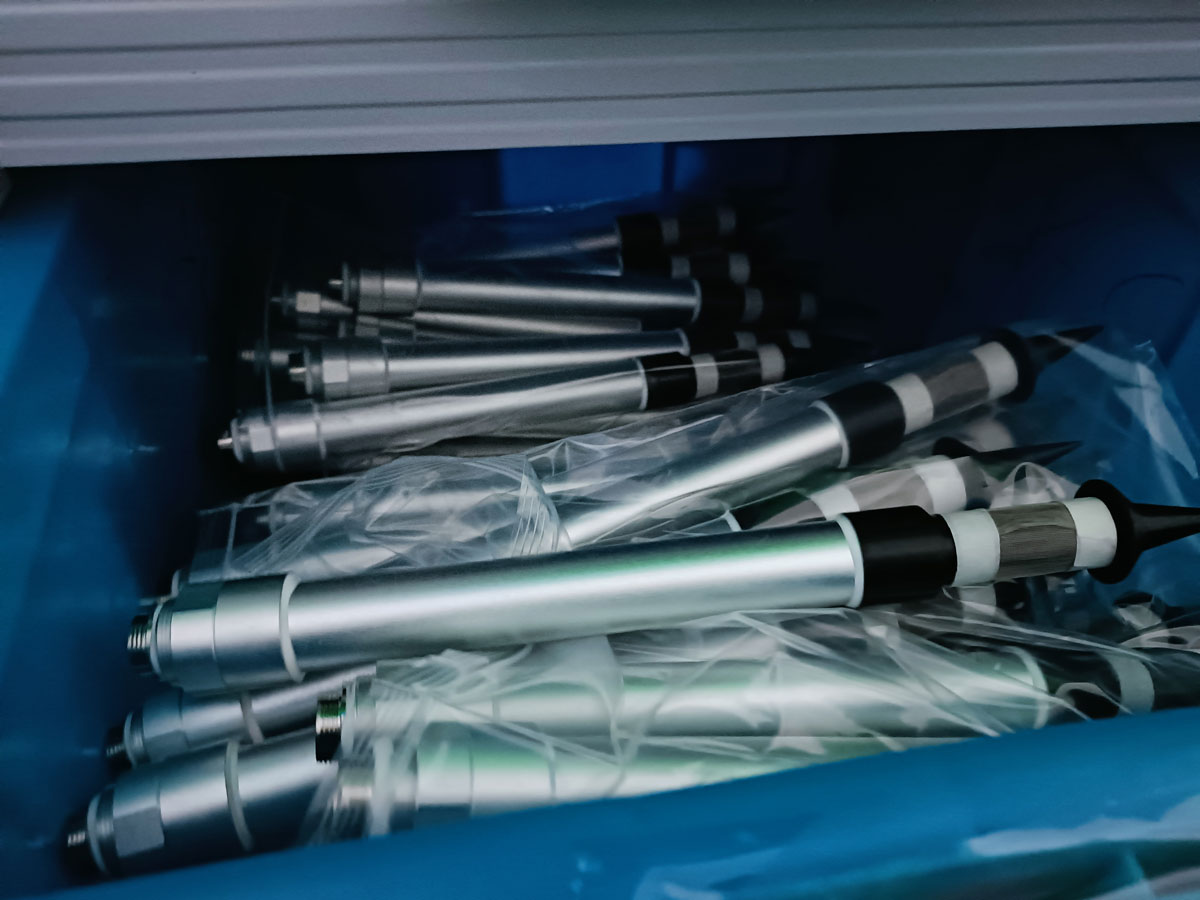
Construction sites are harsh. Dust, vibration, temporary power, water exposure, moving machinery, and cable damage can affect operation. The equipment should use a protected cabinet, stable mounting structure, metal sampling head, heat dissipation, insulation, lightning protection, and suitable cable routing.
Maintenance should include checking the sampling inlet, power supply, communication status, fan or pump operation where applicable, display function, sensor condition, and platform upload. A monitoring system that is not maintained may still display values, but those values may not be reliable enough for management decisions.
Procurement teams should confirm particle measurement range, required parameters, communication protocol, display method, platform upload format, alarm linkage, video requirements, power supply, cabinet material, and maintenance procedures. If data must be reported to more than one platform, the interface requirement should be confirmed before purchasing.
For integrators, the strongest delivery package includes hardware, installation accessories, platform setup, alarm configuration, communication testing, and acceptance records. This turns the dust monitor into a site management system instead of a standalone instrument.
If the project prioritizes fast response and site management, laser scattering is often practical because it provides continuous online values and supports alarm linkage. If the project requires reference-style mass logic, beta ray or oscillating balance methods may be considered, but maintenance and cost should be evaluated carefully.
For construction site supervision, the monitoring system normally needs more than a particle sensor. It must also provide platform upload, display, alarm records, power stability, enclosure protection, and sometimes video evidence. These system functions strongly affect whether the equipment solves the actual management problem.
Environmental service providers often need to deliver reports, not only install equipment. Useful evidence includes PM curves, wind direction during exceedance, alarm duration, suppression response, device status, and communication records. When these records are organized, the owner can review events instead of arguing from memory.
The platform should therefore preserve both raw measurements and event summaries. Contractors should configure reporting fields during commissioning, because changing the structure after data has accumulated can make historical comparison difficult.
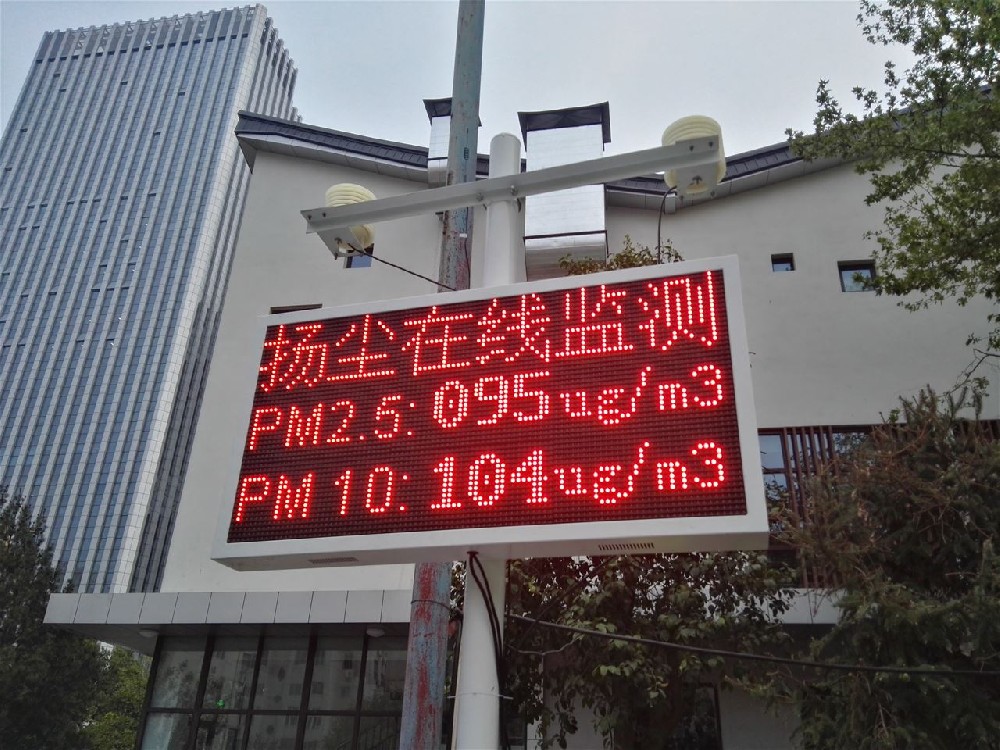
Common risks include choosing a range that is too low for dusty sites, omitting wind direction when dispersion analysis is needed, selecting a cabinet that is not suitable for outdoor construction conditions, or ignoring data upload requirements until after installation.
Another risk is unclear alarm linkage. If the fog cannon, sprinkler, and platform are provided by different parties, interface responsibilities must be confirmed early. Otherwise the sensor may work, but the automatic response may fail during acceptance.
Dust concentration should be reviewed with wind, humidity, temperature, and site activity. A high PM value during strong wind may have a different cause from a high value during calm demolition work. Weather context helps managers decide whether the response should be watering, covering material, changing work timing, or checking a sensor inlet.
This is why adding wind speed and wind direction often improves the project. The data does not only show that dust increased; it helps explain where dust may have moved and which area needs attention.
A proper acceptance record should include device model, parameter list, monitoring range, installation photos, cabinet condition, power test, platform screenshot, upload test, alarm threshold, linkage test, and data export sample. These records reduce disputes after handover.
For multi-site projects, the same acceptance format should be used across sites. Consistent records make later maintenance and reporting easier for both the contractor and the owner.
Although many dust systems are purchased for supervision requirements, they also improve daily site management. Live data helps the site team see whether mitigation measures are working, and historical records help review which activities create the most dust.
When managers use the data actively, the monitoring equipment becomes a control tool rather than a passive requirement. This improves the value of the whole environmental management system.
An on-site display helps workers and managers see current conditions immediately, while the platform provides historical review, alarm evidence, and remote supervision. Using both creates a stronger management loop than either function alone.
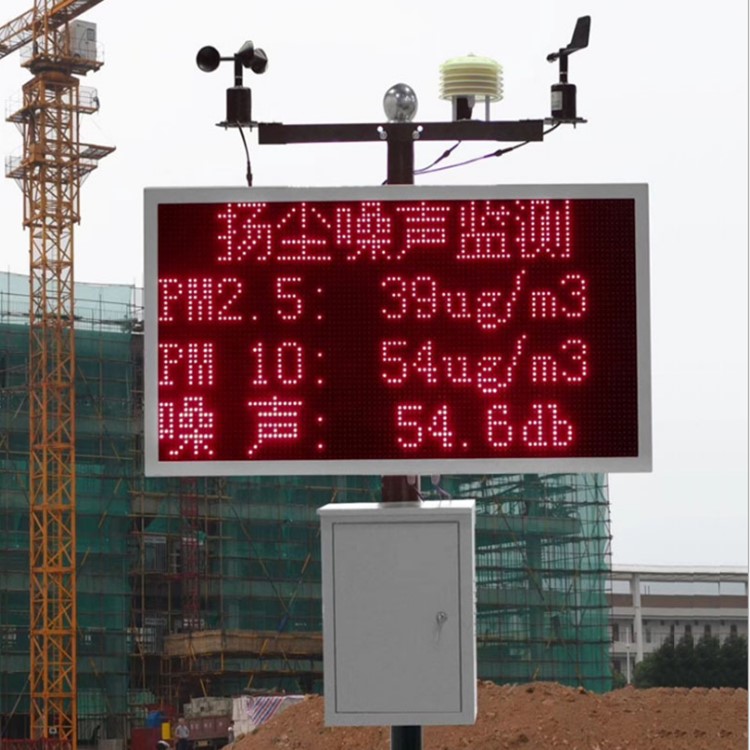
The three commonly discussed methods are beta ray attenuation, laser scattering, and micro oscillating balance. Beta ray attenuation calculates mass from radiation attenuation, laser scattering converts scattered light signals into concentration, and micro oscillating balance calculates mass from frequency changes caused by particle deposition.
Laser scattering responds quickly and supports continuous online monitoring, which is important for construction site management. It can provide real-time PM2.5 and PM10 values, trigger alarms, upload data to platforms, and support linkage with dust suppression equipment.
A basic system may include PM2.5, PM10, temperature, and humidity. Many projects add wind speed, wind direction, atmospheric pressure, and noise. Wind data helps interpret dust dispersion, while noise monitoring supports broader site environmental supervision.
Yes. The system can be configured to trigger fog cannon or sprinkler equipment when PM values exceed preset thresholds. The control logic should include upper and lower limits, delay time, manual override, and alarm records so the system operates consistently and avoids unnecessary spraying.
NiuBoL dust monitoring equipment can support optional ranges such as 0 to 1000ug/m3, 0 to 2000ug/m3, 0 to 10mg/m3, and 0 to 20mg/m3. The correct range depends on expected site dust levels and reporting requirements.
The monitoring point should represent the environmental boundary or emission area required by the project. It should avoid direct obstruction, water spray, heavy vibration, and locations where machinery may damage cables or the cabinet. Wind direction and site layout should be considered during placement.
Useful functions include live data, historical curves, alarm records, threshold settings, device status, data export, video linkage, and multi-site management. These functions help contractors and owners review exceedance events and maintain continuous supervision.
NiuBoL provides integrated online dust monitoring equipment with particulate matter, weather, noise, display, communication, alarm, and optional video functions. The system is suitable for construction sites, roads, yards, industrial parks, and other environmental monitoring projects that require real-time data and platform connection.
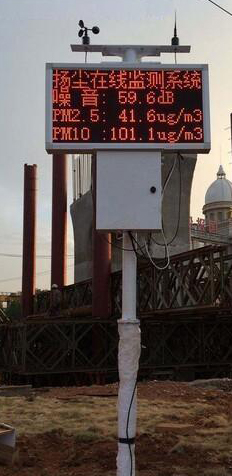
Dust monitoring equipment should be selected according to measurement method, site conditions, reporting needs, and management workflow. Beta ray attenuation, laser scattering, and micro oscillating balance each have different engineering characteristics. For construction site supervision, NiuBoL online dust monitoring systems provide fast particulate measurement, multi-parameter integration, alarm linkage, display, and platform upload for practical environmental management.
Related recommendations
Sensors & Weather Stations Catalog
 Agriculture Sensors and Weather Stations Catalog-NiuBoL.pdf
Weather Stations Catalog-NiuBoL.pdf
Agriculture Sensors Catalog-NiuBoL.pdf
Water Quality Sensor Catalog-NiuBoL.pdf
Related products
 Combined air temperature and relative humidity sensor
 TDR Soil Moisture & Temperature Sensor for irrigation| RS485 |4-20mA| NBL-S-THR
 Soil pH sensor RS485 soil Testing instrument soil ph meter for agriculture |NBL-S-PH
 Wind Speed sensor Output Modbus/RS485/Analog/0-5V/4-20mA
 Tipping bucket rain gauge for weather monitoring auto rainfall sensor RS485/Outdoor/stainless steel
 Pyranometer Solar Radiation Sensor 4-20mA/RS485

Screenshot, WhatsApp to identify the QR code
WhatsApp number:+8615367865107
(Click on WhatsApp to copy and add friends)

