





— Blogs —
—Products—
 Consumer hotline +8618073152920
 WhatsApp:+8615367865107
Address:Room 102, District D, Houhu Industrial Park, Yuelu District, Changsha City, Hunan Province, China
Product knowledge
Time:2026-03-31 14:08:53 Popularity:598
With the acceleration of urbanization, large-scale infrastructure construction, old city demolition, and real estate development have promoted economic growth while also bringing severe atmospheric environmental challenges. Fugitive dust generated by construction, as one of the main sources of urban PM10 and PM2.5, not only directly affects the Air Quality Index (AQI), but its fine particles can enter the human respiratory system and pose potential threats to public health.
For system integrators, IoT solution providers, and environmental protection project contractors, deploying highly reliable dust monitoring stations has become a rigid requirement for compliant construction and smart city management. The all-weather outdoor dust monitoring system developed by NiuBoL provides regulatory departments and construction parties with a high-precision digital monitoring solution through integrated multi-dimensional environmental sensors and wireless communication technology.
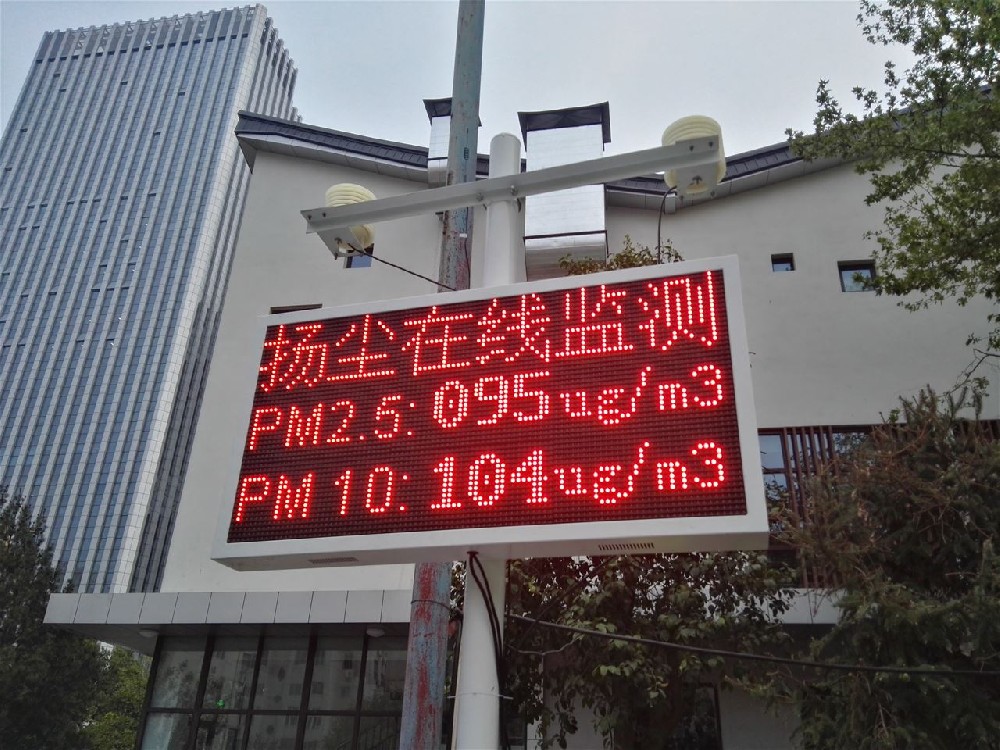
In construction site operations, wind erosion of exposed ground, transfer of building materials, excavation of earth and stone, and mechanical demolition of building facilities are the core links that generate dust.
1. Environmental Impact: Dust particles remain suspended in the air for a long time and spread over a wide range. Due to the dense high-rise buildings in cities, the “canyon effect” of local micro-climate often causes dust to accumulate near construction areas, making it difficult to dilute naturally.
2. Regulatory Pressure: Environmental protection departments at all levels have increasingly strict control over construction site dust emissions. If monitoring data exceeds standards and effective dust suppression measures (such as linkage with fog cannons or water spraying) are not taken, construction units will face work stoppage rectification or even high fines.
3. Health Value: Real-time monitoring of PM1.0, PM2.5, PM10, and TSP (Total Suspended Particulates) helps to take timely dust suppression measures and reduce the risk of respiratory diseases.
The NiuBoL dust monitoring station integrates a data collector, high-precision sensor array, video surveillance, wireless transmission system, and backend management platform. Its core advantage lies in the high sensitivity of the sensors and the industrial-grade stability of the system.
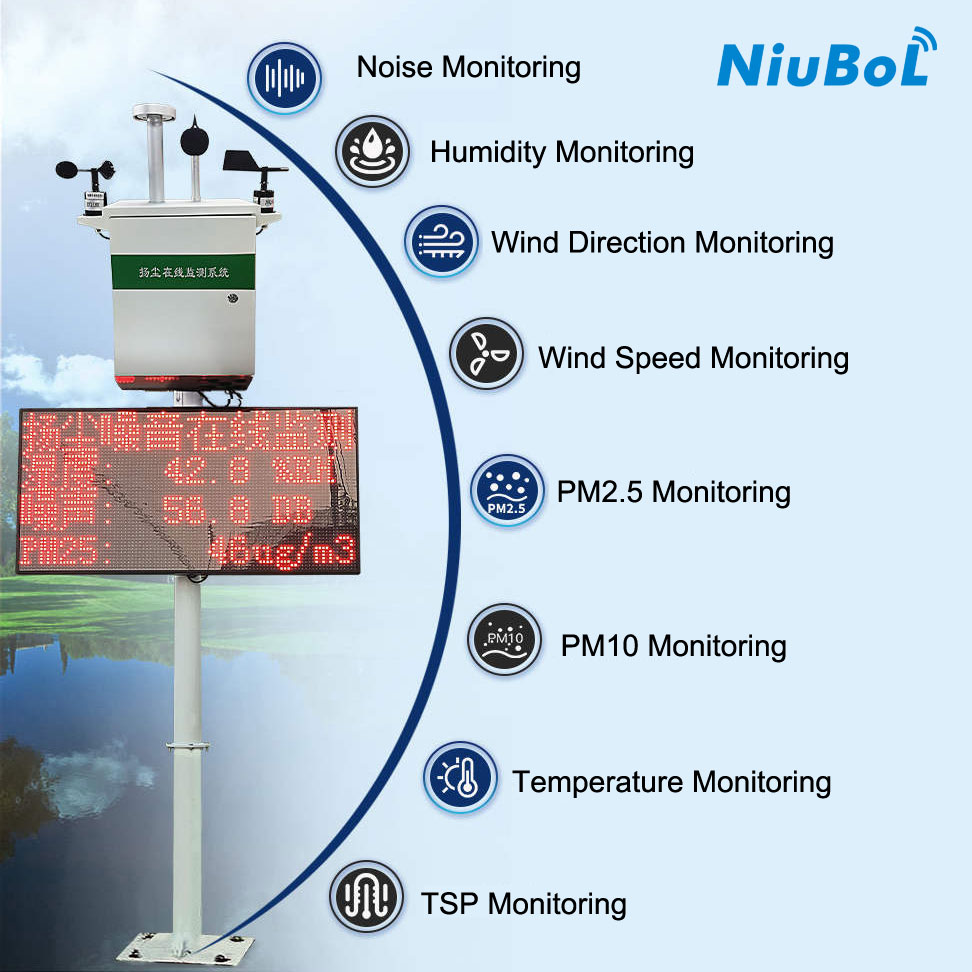
The system uses particulate sensors based on the laser scattering principle, which can quickly identify particles larger than 0.3μm.
| Parameter Item | Technical Specifications | Remarks |
|---|---|---|
| Monitoring Range | PM2.5: 0-1000μg/m³; PM10: 0-2000μg/m³ | Covers heavy pollution conditions |
| Minimum Detectable Particle | 0.3μm diameter | High-sensitivity laser module |
| TSP Measurement Range | 0.01-10000μg/m³ | Meets total suspended particulate monitoring requirements |
| Relative Error | ±15% or ±10μg/m³ (25℃, 50%RH) | Ensures data linearity |
| Detection Sensitivity | 0.01μg/m³ | Accurately captures subtle fluctuations |
| Protection Design | Built-in fan, high integration | Ensures constant sampling flow |
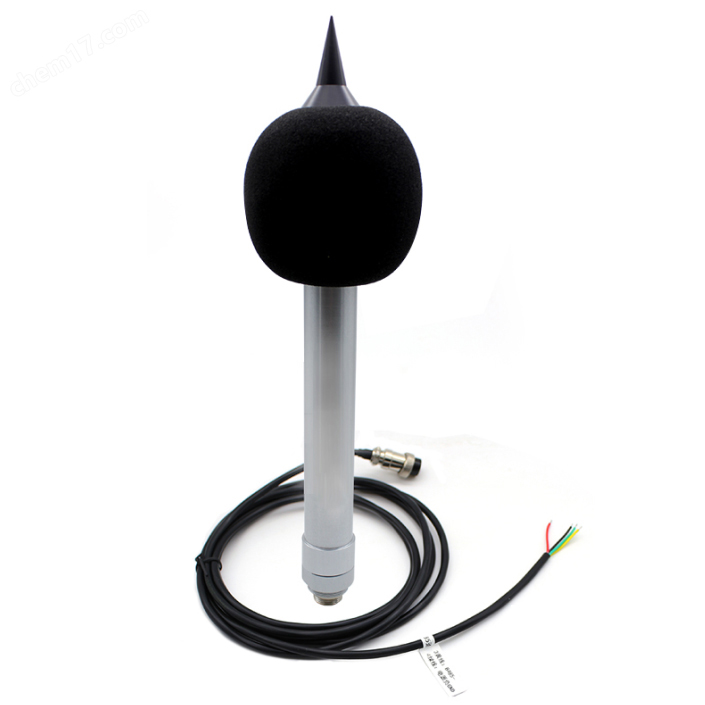
To address construction noise disturbing residents, the system integrates the NBL-W-NS noise sensor to achieve 24-hour acoustic environment monitoring.
| Parameter Item | Technical Specifications | Remarks |
|---|---|---|
| Measurement Range | 30 - 130dB | Covers the full range from silence to blasting |
| Accuracy | ±1.5dB (at 94dB standard source) | Industrial-grade precision measurement |
| Frequency Range | 31.5Hz - 12.5kHz | Captures wide-band construction noise |
| Microphone Type | Condenser microphone | Fast response and high stability |
| Shell Material | Industrial-grade ABS plastic | Corrosion-resistant and oxidation-resistant |
For project contractors, the deployment of dust monitoring stations is not only for data display; the core value lies in automated linkage governance.
Automated Dust Suppression Linkage
The NiuBoL dust monitoring system supports closed-loop linkage with on-site governance devices (such as fog cannons, enclosure spray systems, and spray systems):
Threshold Setting: Managers set warning thresholds for PM10 or TSP in the backend.
Automatic Trigger: When real-time data at monitoring points exceeds the standard, the collector automatically sends control signals to spray equipment.
Efficiency Closed Loop: After spraying is activated, the system continues to monitor the decline in data until it returns to normal values and then automatically shuts down. This method is efficient for dust removal while maximizing water resource savings.
To ensure data representativeness, engineering installation must follow these guidelines:
Representative Layout: Install in the downwind direction of the prevailing wind to capture the maximum particle concentration diffusing outward from the construction area.
Environmental Avoidance: Stay away from artificial airflow interference (such as air conditioner outdoor units and large fans) to avoid data distortion.
Installation Method: Must be installed vertically to prevent water accumulation or moisture at the sampling port.
Physical Protection: Installation locations should avoid areas with dense viscous particles (such as oil smoke and willow catkins) to prevent damage to optical components.
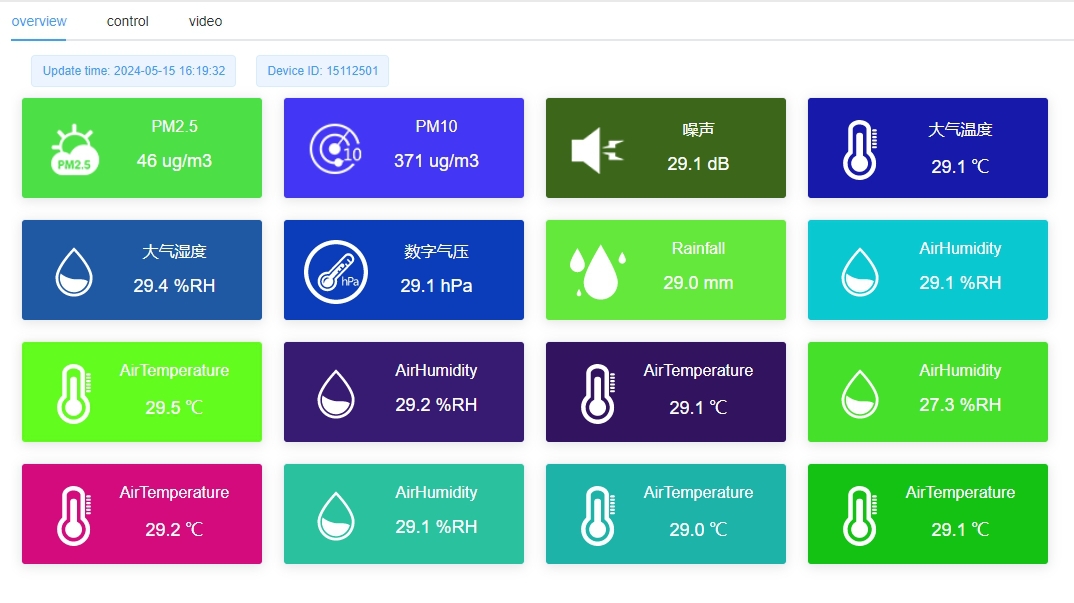
As a manufacturer, NiuBoL provides global partners with stable and open sensing-layer hardware support:
Data Platform Docking: Supports standard RS485 (Modbus-RTU) protocol; data can be seamlessly uploaded to urban sanitation platforms, smart construction site clouds, or third-party regulatory backends.
Wireless Communication Flexibility: Supports multiple remote communication methods such as 4G/5G and Wi-Fi, significantly reducing cabling costs.
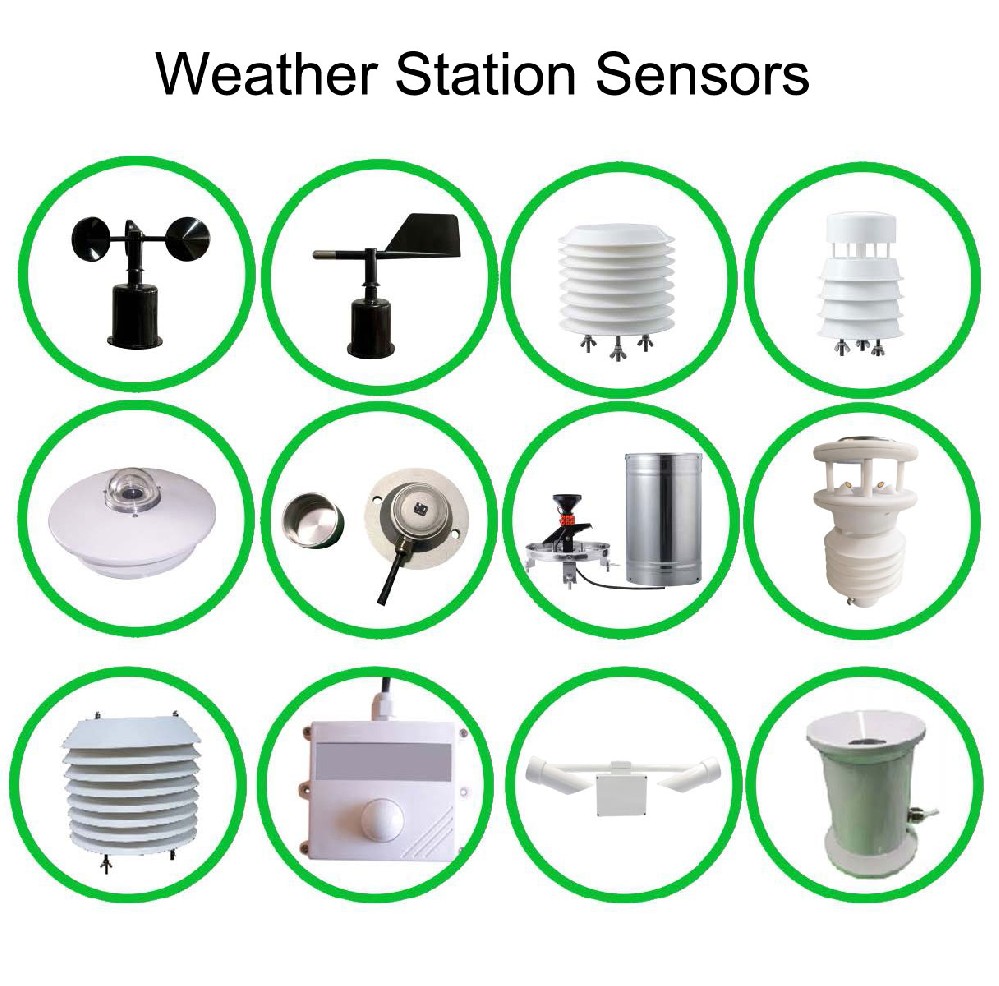
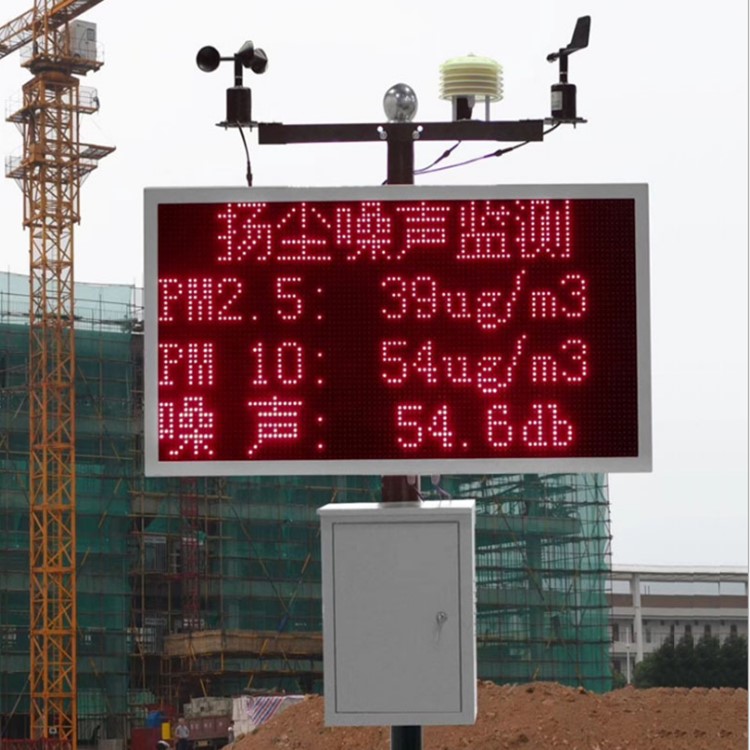
Multi-Element Monitoring: The system can be extended with environmental temperature and humidity, air pressure, wind speed, wind direction, and other meteorological factors to provide meteorological model support for dust migration and diffusion.
Cost-effectiveness: High degree of automation reduces the frequency of manual spot checks by environmental protection departments and greatly improves regulatory efficiency.
Smart Construction Sites: Real-time monitoring of dust emissions during demolition, excavation, and transportation.
Municipal Road Construction: Monitoring dust diffusion during road widening and paving.
Industrial and Mining Wharf Stockyards: Long-term monitoring of stockpiling areas for coal, mineral powder, and other dust-prone materials.
Urban Environmental Air Quality Assessment: As a micro air station, assisting in analyzing regional atmospheric pollution distribution.
| Monitoring Status | Environmental Trigger Conditions | Linkage Action | Governance Objective |
|---|---|---|---|
| Normal Monitoring | PM10 < 50 μg/m³ | System silent, maintain low-power operation | Real-time background monitoring |
| Mild Warning | 50 < PM10 < 100 μg/m³ | Activate enclosure spray system (low-pressure mode) | Suppress diffusion and prevent exceeding standards |
| Severe Pollution | PM10 > 150 μg/m³ | Trigger high-pressure fog cannon + video capture | Rapid dust reduction and evidence retention |
| Abnormal Fluctuation | Noise > 85dB & Wind speed > 8m/s | Remind managers to check exposed stockpile covering | Prevent wind erosion and dust generation |
Q1. What parameters does the dust monitoring station mainly monitor?
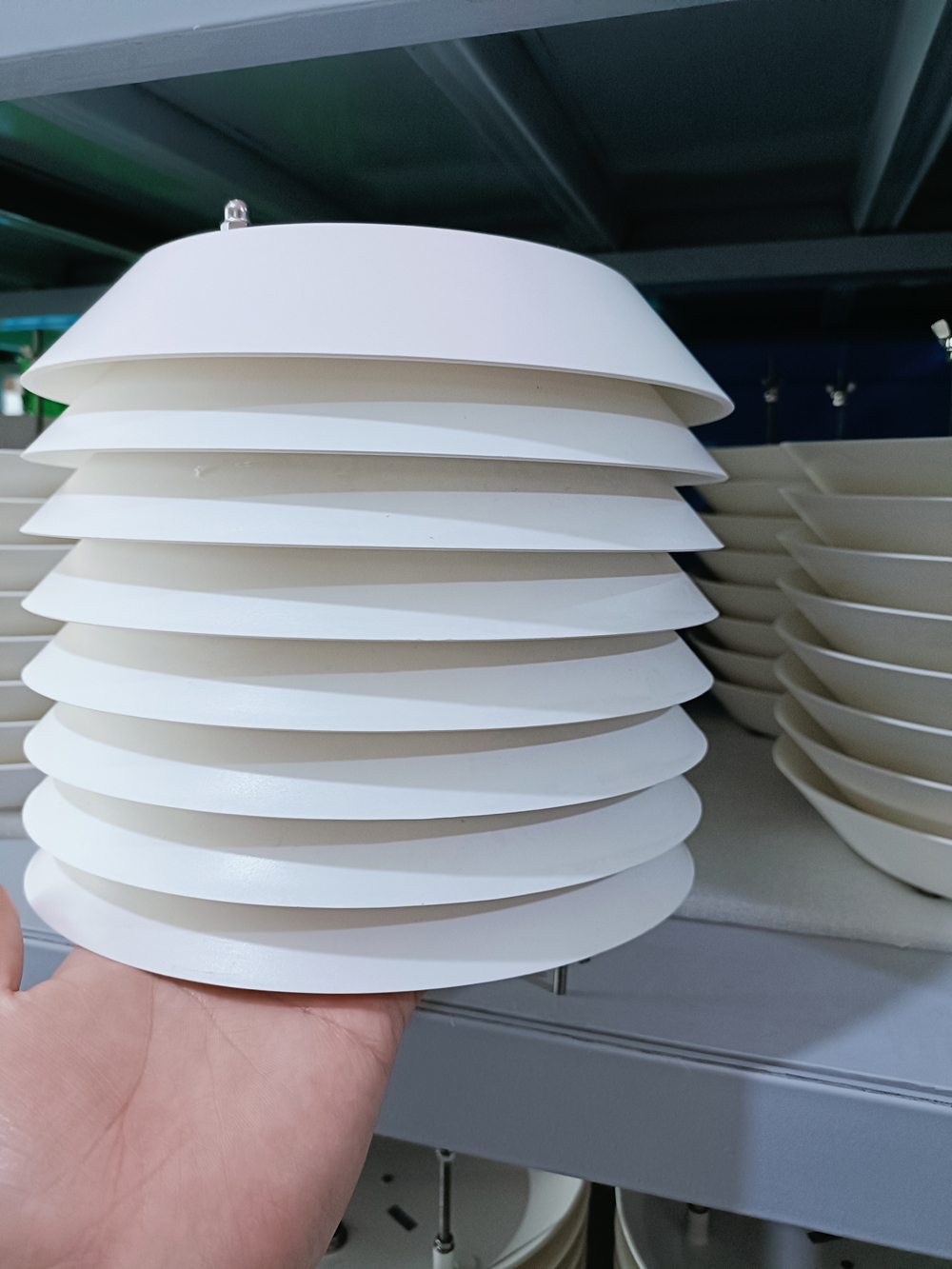
In addition to the core PM2.5, PM10, TSP, and noise, it usually includes wind speed, wind direction, environmental temperature and humidity, and air pressure to assist in analyzing the source and diffusion of dust.
Q2. Why is TSP monitoring very important on construction sites?
TSP (Total Suspended Particulates) includes particles of all sizes. Since construction sites often produce larger particles, TSP can more comprehensively reflect the direct physical impact of construction on the surrounding environment.
Q3. Is the data from laser scattering principle sensors accurate in humid environments?
High humidity does affect the measurement of laser sensors.
Q4. Does the system support video linkage capture?
Yes. When dust concentration exceeds the standard, the system can trigger the video surveillance system to capture on-site images, retain evidence of violations, and facilitate subsequent regulatory traceability.
Q5. What is the sampling frequency of this monitoring station?
Standard settings support second-level sampling. For IoT applications, it is usually set to report data every 1-5 minutes, balancing real-time performance and data traffic costs.
Q6. How to ensure the long-term accuracy of the noise sensor?
We recommend using a standard sound level calibrator for on-site verification once a year. The NBL-W-NS uses a condenser microphone with excellent long-term stability.
Q7. Can the device be used portably?
In addition to fixed bracket installation, we also provide portable or vehicle-mounted dust monitoring solutions, suitable for short-term monitoring of mobile operation areas.
Q8. What is the protection level of this device?
Our enclosure uses ABS industrial plastic, with a waterproof rating usually reaching IP65 or higher, capable of handling all-weather harsh outdoor environments.
Q9. What is the difference between TSP and PM10? Why must construction sites measure TSP?
PM10 refers to particles with a diameter less than 10μm, mainly affecting the respiratory tract; TSP (Total Suspended Particulates) includes all particle sizes. Construction site dust is mostly large particles. TSP can more intuitively reflect the “settling dust” situation on the construction site and is the main basis for urban management department enforcement.
Q10. How does this device connect to the city’s “smart sanitation” large screen?
NiuBoL provides standard 4G transparent transmission protocol or MQTT protocol docking. Integrators only need to obtain the device serial number and key to push real-time data streams to government regulatory platforms, achieving cross-departmental data sharing.
Q11. What to do if the sensor is blocked by dust?
The system has a sensor status self-diagnosis function. If the intake flow is abnormal, the backend will automatically warn. It is recommended that engineering personnel use a cleaning balloon to purge the intake channel every quarter to keep the optical path clear.
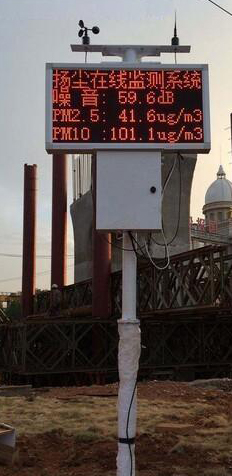
In modern urban management, dust monitoring stations are not only a technical tool for controlling air pollution but also a standard configuration for smart construction site development. Through NiuBoL’s industrial-grade high-precision sensors and intelligent linkage control, system integrators can provide environmental protection departments and construction units with an efficient and precise “sky net” system to jointly protect the city’s blue sky.
As a manufacturer, NiuBoL continues to provide underlying hardware and technical support for global project contractors. If you are looking for a stable, easy-to-integrate, and standards-compliant dust monitoring solution, please contact our engineering team to obtain the technical white paper.
Related recommendations
Sensors & Weather Stations Catalog
 Agriculture Sensors and Weather Stations Catalog-NiuBoL.pdf
Weather Stations Catalog-NiuBoL.pdf
Agriculture Sensors Catalog-NiuBoL.pdf
Water Quality Sensor Catalog-NiuBoL.pdf
Related products
 Combined air temperature and relative humidity sensor
 TDR Soil Moisture & Temperature Sensor for irrigation| RS485 |4-20mA| NBL-S-THR
 Soil pH sensor RS485 soil Testing instrument soil ph meter for agriculture |NBL-S-PH
 Wind Speed sensor Output Modbus/RS485/Analog/0-5V/4-20mA
 Tipping bucket rain gauge for weather monitoring auto rainfall sensor RS485/Outdoor/stainless steel
 Pyranometer Solar Radiation Sensor 4-20mA/RS485

Screenshot, WhatsApp to identify the QR code
WhatsApp number:+8615367865107
(Click on WhatsApp to copy and add friends)


