





— Blogs —
—Products—
 Consumer hotline +8618073152920
 WhatsApp:+8615367865107
Address:Room 102, District D, Houhu Industrial Park, Yuelu District, Changsha City, Hunan Province, China
Product knowledge
Time:2026-07-13 09:42:12 Popularity:272
An online dust monitoring project is not a decorative environmental display. Construction sites, demolition areas, road work, factories, mines, ports and residential boundaries all create dust in different ways. Buyers need a system that can measure particles, upload data, warn site managers and support corrective action when PM values rise.
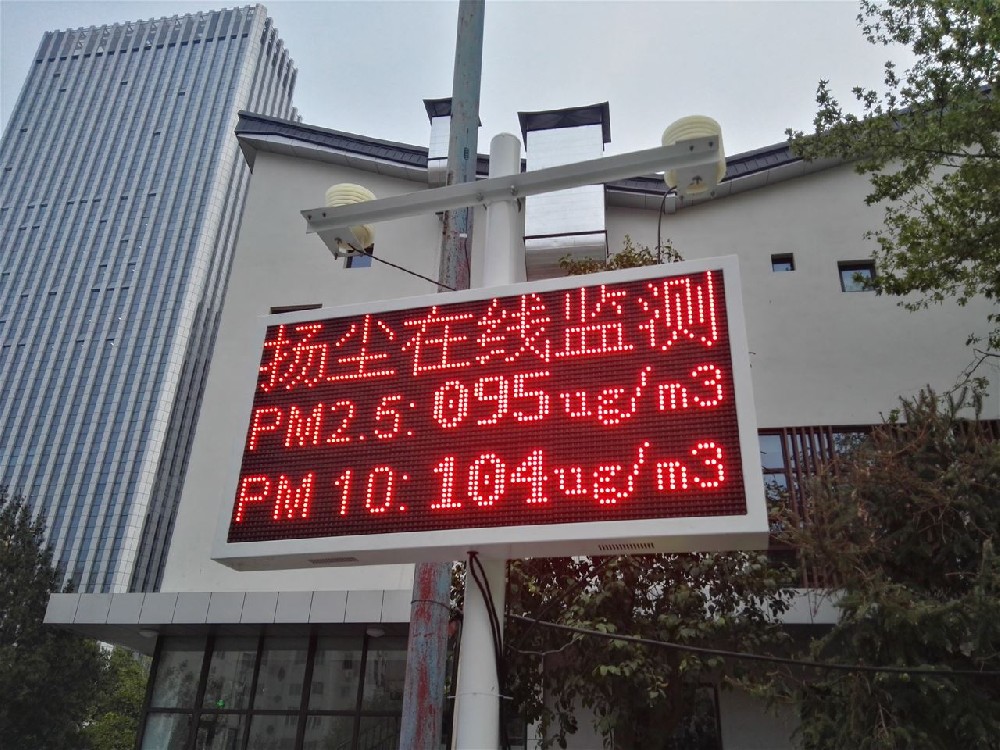
Manual inspection is too slow for dust control. Dust changes with earthwork, truck movement, wind, exposed soil, loading, road cleaning and humidity. A useful online dust monitoring system records PM2.5, PM10, TSP, noise, temperature, humidity, wind speed and wind direction so the project team can connect measured peaks with site activity.
For procurement teams, the buying question is simple: will the system produce usable records after installation? A cheap sensor without platform, display, alarm and maintenance access may show numbers, but it will not support project acceptance, complaint response or linked dust suppression.
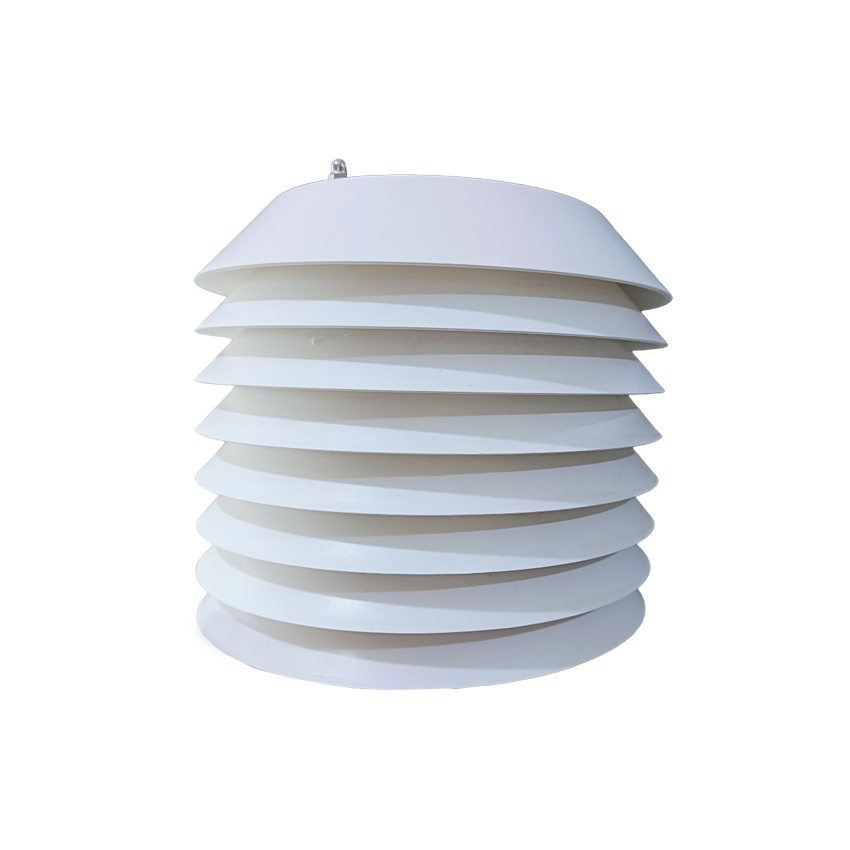
The field layer includes PM sensors, noise sensors, wind sensors, temperature and humidity sensors, optional camera and outdoor LED display. The data acquisition layer collects readings and sends them by wired or wireless communication to the platform. The platform stores history, compares thresholds, sends alarms and can link dust suppression devices.
For system integrators, the important interface is the chain from sensor to decision: sensor, collector, power cabinet, communication module, platform, alarm recipient and control output. If one link is not defined, the project can pass a visual inspection but still fail in operation.
| Parameter | Reference Value | Procurement Meaning |
|---|---|---|
| PM2.5 range | 0-1000 ug/m3 | Covers fine particle trend monitoring at construction and industrial sites |
| PM10 range | 0-2000 ug/m3 | Useful for fugitive dust and site boundary management |
| Relative error | PM2.5 / PM10: ±15% and ±10 ug/m3 max at 25 C, 50% RH | Gives a practical basis for acceptance and comparison |
| Minimum particle size | 0.3 um diameter | Matches fine particulate detection requirements |
| Power supply | DC 12-24 V | Fits field cabinets and monitoring stations |
| Output signal | RS485 | Supports data collector, gateway and platform integration |
| Cable length | Standard 2.5 m | Should be checked against cabinet and pole layout |
| Operating temperature | -20 to +60 C | Suitable for outdoor environmental monitoring |
| Operating humidity | 0-99% RH | Needs enclosure and anti-condensation planning |
| Power consumption | 350 mW | Low enough for remote monitoring cabinets |
The numbers in the table should be used as engineering checks, not decoration. Range tells whether the device can cover normal and abnormal conditions. Output signal tells whether the device can enter the existing control architecture. Power and enclosure requirements decide whether the product can work at the site without frequent service visits.
For project documents, write the parameter, the unit, the acceptance condition and the responsibility for maintenance. This prevents a common problem: the supplier quotes a device, the installer wires it, but nobody records how it should be operated or checked later.
| Scenario | Field Challenge | Recommended Configuration | User Value |
|---|---|---|---|
| Construction site | Earthwork, exposed soil, vehicle movement and intermittent dust peaks | PM2.5, PM10, TSP, noise, wind, LED display, 4G platform and optional camera | Managers receive real-time evidence and can trigger cleaning, covering or spray action |
| Factory or mine yard | Material loading and stockpiles create high particulate load | Outdoor PM station with wind data, platform alarm and maintenance plan | The owner can track high-risk operation periods and reduce blind inspection |
| Urban road or demolition area | Dust affects nearby traffic and residents | Boundary monitoring, noise data, video evidence and public display | Complaints can be handled with time-stamped data and visual records |
| Port or bulk cargo yard | Wind direction changes dust path quickly | PM10/TSP, wind speed, wind direction, camera and control linkage | Operators can connect dust events with loading, unloading and weather conditions |
| Buying Option | When It Works | Risk if Misused |
|---|---|---|
| PM sensor only | Existing cabinet and platform already exist | No display, alarm or report if used alone |
| Integrated dust station | Construction sites and yards needing quick deployment | Poor location can make the whole station unrepresentative |
| Dust + noise + video | Complaint response and acceptance projects | Needs network bandwidth and correct camera view |
| Dust + linkage control | Sites with spray or fog cannon equipment | Requires safety logic and maintenance |
Install PM modules vertically and away from artificial airflow such as fans or direct exhaust. Keep the inlet open so external airflow can enter the sensor path. Avoid sticky particles such as oil mist or plant fibers because they can attach to optical components and cause failure.
Humidity can affect electronic and optical parts, so the enclosure, cable entry and cabinet ventilation should be planned. For construction sites, protect the pole and cabinet from vehicle impact. For platform integration, document RS485 address, data unit, upload interval, alarm thresholds and linkage contacts.
Acceptance should include live data, LED display content, platform upload, alarm test, historical records, video if included and image loading on the public or private platform. If spray linkage is ordered, test manual and automatic trigger logic before handover.
A buyer will keep reading when the article helps compare quotations. For dust monitoring, similar-looking quotations may differ in sensor range, display size, communication method, camera inclusion, platform storage, alarm logic and linkage output. Those differences decide whether the project can be accepted and operated.
The article should also make one boundary clear: monitoring is not dust control by itself. Dust control happens when monitoring data triggers cleaning, covering, watering, spray linkage, work adjustment or management action. That is why procurement documents should include alarm handling and corrective workflow.
| Acceptance Item | Check Method | Why It Matters |
|---|---|---|
| Live PM values | Confirm PM2.5, PM10 and TSP appear on platform and display | Proves sensor and collector communication |
| Noise and weather data | Check noise, wind, temperature and humidity values | Adds explanation context for dust events |
| Alarm function | Simulate threshold or set temporary low threshold | Confirms management response chain |
| Image and video | Check camera angle and over-limit evidence if included | Supports complaint and inspection records |
| Report export | Export history or alarm report | Confirms long-term use after handover |
For a construction-site dust monitoring project, the procurement document should not only say "dust monitor". It should state the site boundary to be monitored, required PM parameters, noise requirement, LED display size, communication method, camera requirement, alarm recipients, spray linkage need and whether the data must be reported to an environmental platform.
The document should also define who acts after an alarm. If PM10 exceeds the threshold, does the site stop earthwork, start spray, clean roads, cover bare soil or check vehicle washing? This operating rule is part of the system value. Without it, the monitoring station becomes a passive number board.
A standard online dust monitoring system is not a laboratory reference station. It is designed for site management, trend monitoring, warning and operational evidence. If a buyer needs legally certified reference-method air quality measurement, the acceptance rule should be checked before ordering. This distinction prevents over-promising and makes the proposal more credible.
A complete dust monitoring quotation should separate equipment, installation accessories, platform service, display, camera, communication and linkage control. This makes supplier comparison more honest. If two proposals have the same title but one excludes the platform or LED display, the cheaper one is not the same system.
The handover file should include wiring definition, sensor list, platform account, alarm threshold, SIM card or network information, maintenance interval and acceptance photos. These documents are useful later when site staff changes or when a monitoring point must be moved.
A: It solves the problem of delayed, manual and incomplete dust supervision. A construction site can generate dust from excavation, exposed soil, vehicle movement, material loading and road cleaning gaps. Continuous PM2.5, PM10 and TSP monitoring gives the site manager time-stamped data, alarm records and trend evidence, so control measures can be started before complaints or inspection failures occur.
A: A practical construction-site configuration should include PM2.5, PM10, TSP, noise, temperature, humidity, wind speed and wind direction. PM data shows dust concentration, wind data explains dust movement, and noise data supports construction disturbance management. LED display, camera and platform upload should be included when the local authority or project owner requires visible public disclosure and traceable evidence.
A: Install the station where the data represents the managed dust risk, usually near the site boundary, vehicle entrance, earthwork area or downwind side. Avoid wall corners, exhaust outlets, fans, water spray impact zones and places where vehicles can strike the pole. If the site is large, use several points rather than forcing one station to represent every work area.
A: Yes, but the control logic must be specified before quotation. The buyer should define which parameter triggers action, the alarm threshold, delay time, spray duration, manual override and whether wind direction should block unnecessary spraying. Without these rules, linkage may work electrically but still fail as an operating dust-control process.
A: Compare the complete system, not the PM sensor alone. A lower price may exclude the LED screen, camera, 4G data module, platform account, pole, enclosure, lightning protection, installation materials or linkage output. Ask each supplier to list included parameters, display size, communication method, platform functions, warranty scope and after-sales response.
A: The sensor inlet, fan path, enclosure, cables, display, power supply and communication module need periodic inspection. Sites with cement dust, sticky particles, heavy vehicle movement or frequent spraying need shorter cleaning intervals. Maintenance should be written into the handover document because a blocked inlet can make a good sensor produce poor field data.
A: It can provide time-stamped concentration records, alarm logs, trend curves, camera evidence if installed, and weather context such as wind direction. This does not replace legal reference monitoring, but it gives project managers a defensible operation record for complaints, internal correction and owner supervision.
A: Send site area, number of entrances, dust sources, required parameters, display size, camera requirement, power condition, communication method, platform or authority reporting need, spray linkage requirement, installation country and expected quantity. Site photos help the supplier judge pole height, cable length, enclosure and installation accessories.
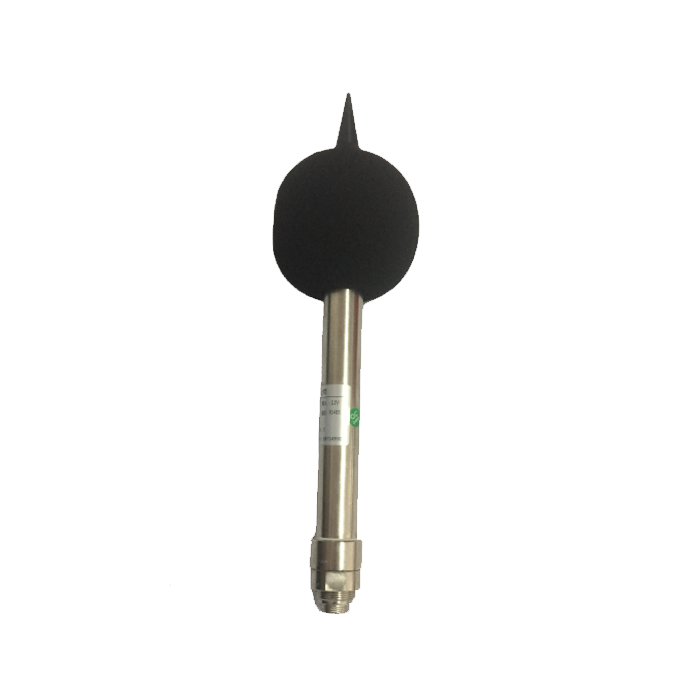
Why Install an Online Dust Monitoring System at Construction Sites? should be evaluated as a project decision, not as a single product name. The useful configuration is the one that matches the site condition, data use, installation method, maintenance capacity and purchasing scope. NiuBoL can support buyers who need practical selection documents for benefits and management value.
For quotation, send the application, site photos, required parameters, power condition, communication method, installation country, quantity and any platform or reporting requirement. With those details, the supplier can match a complete configuration instead of guessing from a short model name.
Prev:Real-Time Rainfall Monitoring System Guide for Flood Control, Roads and Agriculture
Next:Automatic Weather Station Procurement Guide for Field, Campus and Industrial Projects
Related recommendations
Sensors & Weather Stations Catalog
 Agriculture Sensors and Weather Stations Catalog-NiuBoL.pdf
Weather Stations Catalog-NiuBoL.pdf
Agriculture Sensors Catalog-NiuBoL.pdf
Water Quality Sensor Catalog-NiuBoL.pdf
Related products
 Combined air temperature and relative humidity sensor
 TDR Soil Moisture & Temperature Sensor for irrigation| RS485 |4-20mA| NBL-S-THR
 Soil pH sensor RS485 soil Testing instrument soil ph meter for agriculture |NBL-S-PH
 Wind Speed sensor Output Modbus/RS485/Analog/0-5V/4-20mA
 Tipping bucket rain gauge for weather monitoring auto rainfall sensor RS485/Outdoor/stainless steel
 Pyranometer Solar Radiation Sensor 4-20mA/RS485

Screenshot, WhatsApp to identify the QR code
WhatsApp number:+8615367865107
(Click on WhatsApp to copy and add friends)

