





— Blogs —
—Products—
 Consumer hotline +8618073152920
WhatsApp:+8615367865107
Address:Room 102, District D, Houhu Industrial Park, Yuelu District, Changsha City, Hunan Province, China
Product knowledge
Time:2026-08-30 09:02:00 Popularity:198
Quick Answer: A dissolved oxygen sensor quotation should distinguish the probe from its controller, cable, mounting and service parts. Compare the measurement method, operating range, optical-cap or electrode maintenance and the expected replacement scope. The unit price alone does not describe the cost of an operating DO point.
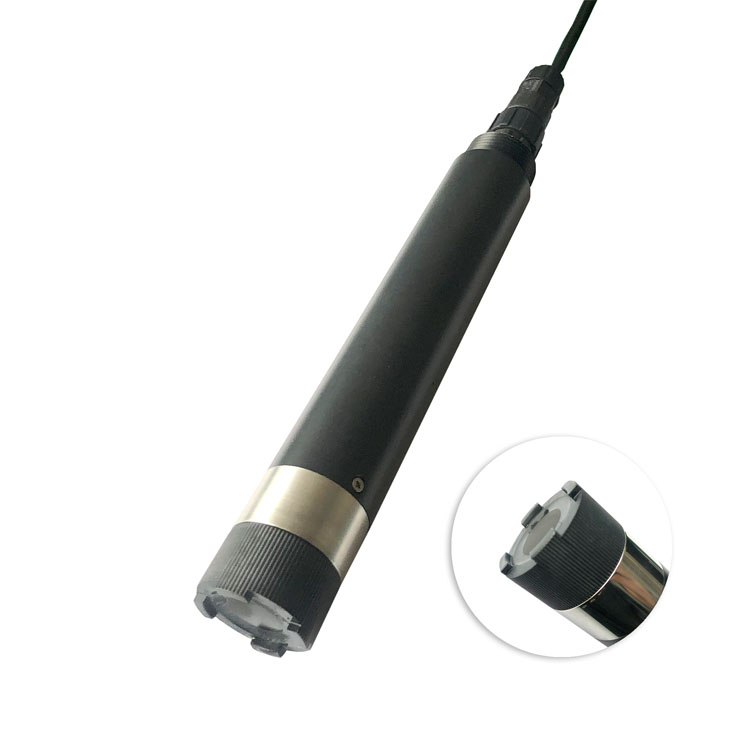
A price comparison becomes useful only after the two offers describe the same measurement point. One quotation may cover a digital immersion probe with its standard cable; another may include a display, holder and analog conversion. The cheaper line item may simply contain fewer components. Ask for the equipment list before comparing totals.
Separate an initial installation from a replacement purchase. A new aquaculture point may need a controller, remote communications and a retrieval arrangement. An existing wastewater installation may need only a compatible probe or fluorescent cap. Buying another controller for a working acquisition system adds cost without necessarily improving the measurement.
The DO sensor price also depends on whether the measurement is suitable for the actual decision. A general process-monitoring probe and a low-level oxygen instrument are not equivalent purchases. Compare accuracy at the required operating level, not only the number of decimal places on the screen. Reject an unsuitable range before negotiating the cost of its accessories.
| Quotation line | Details to identify | Reason for separating it |
|---|---|---|
| DO probe | Exact model, principle, range, output and included cable. | Establishes the instrument being priced. |
| Acquisition equipment | Controller, display, logger or interface converter, if required. | A digital probe does not include these by implication. |
| Installation hardware | Immersion holder, retrieval support or a compatible sample arrangement. | Service access can dominate later field work. |
| Service parts | Correct cap or model-specific electrode parts, seals and protective accessories. | Different technologies do not share one consumables list. |
| Commissioning and service | Configuration, reference checks, installation labor and support coverage. | Equipment delivery and a working measurement point are different deliverables. |
An optical DO probe uses an oxygen-sensitive fluorescent cap. It does not consume oxygen as part of the measurement and does not require electrolyte for an electrochemical reaction. That removes some service tasks, but not cleaning, inspection, reference checks or cap replacement. Biofilm and sediment can still interfere with the exposed sensing surface.
For a membrane-based electrochemical instrument, identify the exact design before costing membrane and electrolyte service. Galvanic and polarographic instruments have different operating arrangements. Do not apply an optical probe's consumables list or preparation procedure to either simply because both report mg/L. Compare the procedures the site's technicians will actually perform.
Service access changes the comparison. A probe on a retrievable holder can be inspected without dismantling a permanent structure. A poorly accessible installation can turn a short cleaning task into a substantial site visit. Ask how the sensing end will be removed safely, where it will be checked and whether the process can continue during that work.
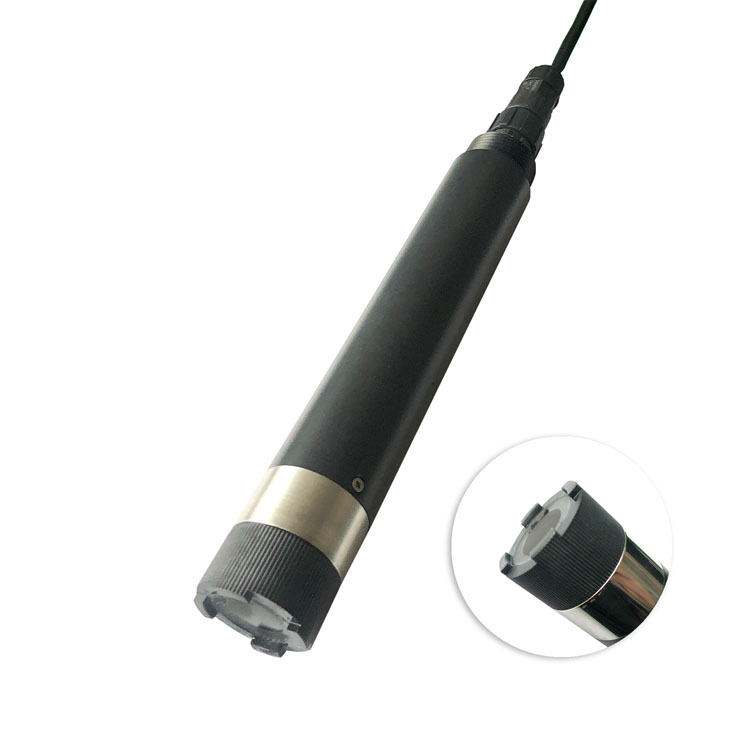
The NiuBoL NBL-WQ-DO optical dissolved oxygen sensor is an immersion instrument with RS485 Modbus RTU output. Its replaceable fluorescent cap is a service item. These specifications identify this configuration; they are not a common specification for every NiuBoL DO family.
| Parameter | NBL-WQ-DO specification | Effect on the purchase |
|---|---|---|
| Measurement principle | Fluorescence quenching. | No electrolyte consumable for this optical measurement. |
| DO range | 0-20 mg/L; 0-200% saturation at 25 degrees C. | Check suitability for the actual process range. |
| Accuracy and resolution | DO +/-2% FS; resolution 0.01 mg/L. | Full-scale accuracy is not a percentage of every reading. |
| Temperature | Accuracy +/-0.3 degrees C; automatic Pt1000 compensation. | Temperature compensation is included in the measurement arrangement. |
| Operating conditions | 0-45 degrees C; pressure below 0.2 MPa. | Check liquid and cleaning conditions before selecting the mounting method. |
| Supply and consumption | 12-24 V DC; below 0.3 W at 12 V. | Budget the controller and communications separately. |
| Output | RS485 Modbus RTU. | Verify the existing host can read the required registers. |
| Housing and protection | POM and 316L stainless steel; IP68. | Check wetted-material compatibility and protect field terminations separately. |
| Cable | 5 m standard; other lengths configurable. | Specify route, length and jacket requirements in the quotation. |
| Mounting and calibration | Immersion installation; two-point calibration. | Allow access for retrieval and reference procedures. |
Across the 20 mg/L span, +/-2% FS corresponds to +/-0.4 mg/L. A resolution of 0.01 mg/L does not turn this into a trace-oxygen instrument. If the process requires distinguishing changes much smaller than that stated tolerance, resolve measurement suitability before comparing DO sensor price offers.
A fluorescent cap is part of the optical measurement assembly. Match it to the probe model and its revision, not merely its thread diameter or external appearance. A mechanically fitting cap is not automatically optically compatible. Provide the installed model, serial identification and photographs of the sensing end when requesting a replacement.
Ask whether the replacement procedure requires any model-specific calibration information, configuration step or subsequent reference check. Obtain the required instructions with the part. Do not assume that a coefficient used by another manufacturer's instrument applies to this probe, or that an apparently stable reading after fitting a cap establishes correct measurement.
For the NBL-WQ-DO, annual cap replacement is a normal-use maintenance planning recommendation. It is not a prediction that every cap remains suitable for exactly one year regardless of abrasion, deposits, storage or process exposure. Inspect condition and measurement performance, and agree the applicable service and warranty terms for the ordered parts.
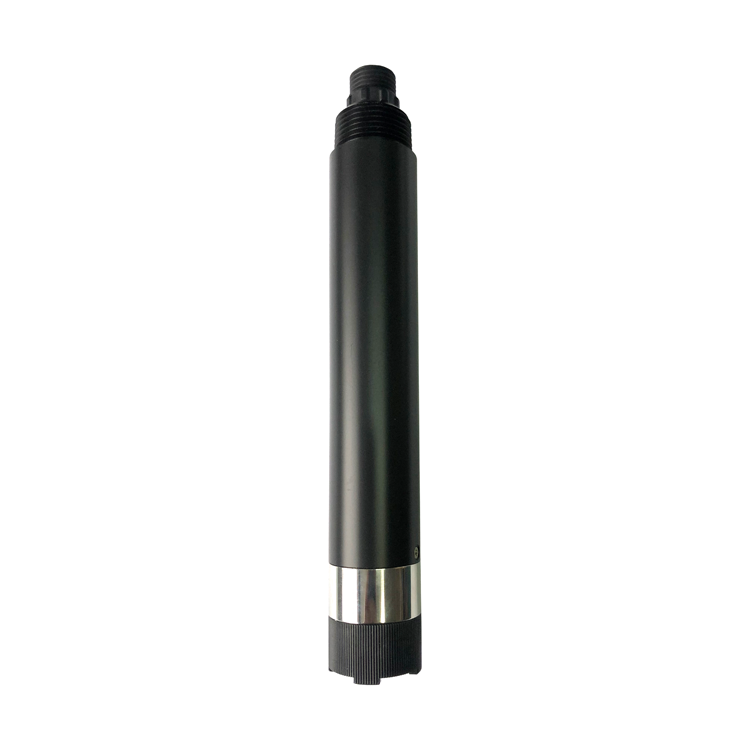
A cap addresses a different failure from a damaged cable or flooded electronics. Before ordering, describe whether the device communicates, whether its temperature channel is plausible and what inspection found on the optical surface. A new cap will not repair a severed supply conductor. Conversely, replacing a whole probe may be unnecessary when the cap alone is damaged and the instrument can be verified after service.
Set spare stock from the installed population, access conditions and acceptable interruption. A distributor supporting one repeated model can organize a different inventory from an integrator maintaining several revisions. Identify each cap-to-probe pairing in the stock record. Check storage requirements and the supplier's current availability before buying a large quantity of consumables that may age on the shelf.
A complete standby probe can reduce interruption only if it is ready to connect. Its cable, connector, address, firmware interpretation and mounting must suit the installation. Keep commissioning information with the spare. Otherwise, a stocked instrument can remain unusable while staff search for the register map or discover that its output differs from the installed input.
RS485 is the electrical interface; Modbus RTU provides the serial message format. Confirm the delivered probe's register map, units, data type and compensation settings against the PLC, RTU or data logger driver. Sharing a protocol name does not make two sensor families interchangeable.
A current-input controller cannot read RS485 directly. If an existing installation needs 4-20 mA, specify a supported instrument configuration or an appropriate conversion arrangement. Some NiuBoL families offer an optional current output; availability in another family does not make 4-20 mA an output of the NBL-WQ-DO configuration. Include configuration and verification work when comparing replacement costs.
Protect the cable route from tension and repeated bending at the probe entry. Avoid a submerged field splice unless the connection system is designed and rated for that service. Cable extensions, waterproof joints and surge protection are installation items with their own requirements; the probe's IP68 marking does not cover an improvised connection.
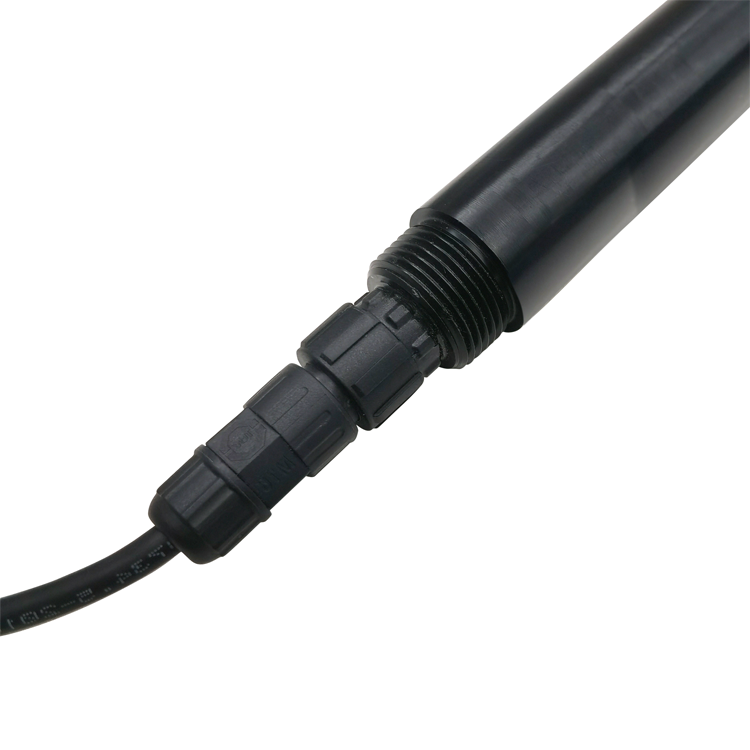
For a defined evaluation period, add the initial equipment and installation cost to planned service parts, technician visits, reference materials, communications and support charges. Use the site's expected visit plan and actual quoted part prices. Keep one-time engineering work separate from recurring costs so a later expansion can be assessed correctly.
Do not convert a laboratory maintenance interval into a guaranteed field-service interval. A clean-water installation and a fouling aeration basin can require different inspection frequencies. Start with the selected instrument's procedure, observe deposits and reference-check results, and adjust the site's plan. The objective is a credible maintenance budget, not a universal claim that one measurement method is always cheaper.
For a current quotation, send NiuBoL the water type, measurement objective, operating temperature and pressure, immersion arrangement, cable length and host interface. For spares, add the installed identification and required restoration date. Request separate prices for the probe, matched cap, mounting, acquisition equipment and service work. Confirm lead time and support terms rather than treating an undated price as a project commitment.
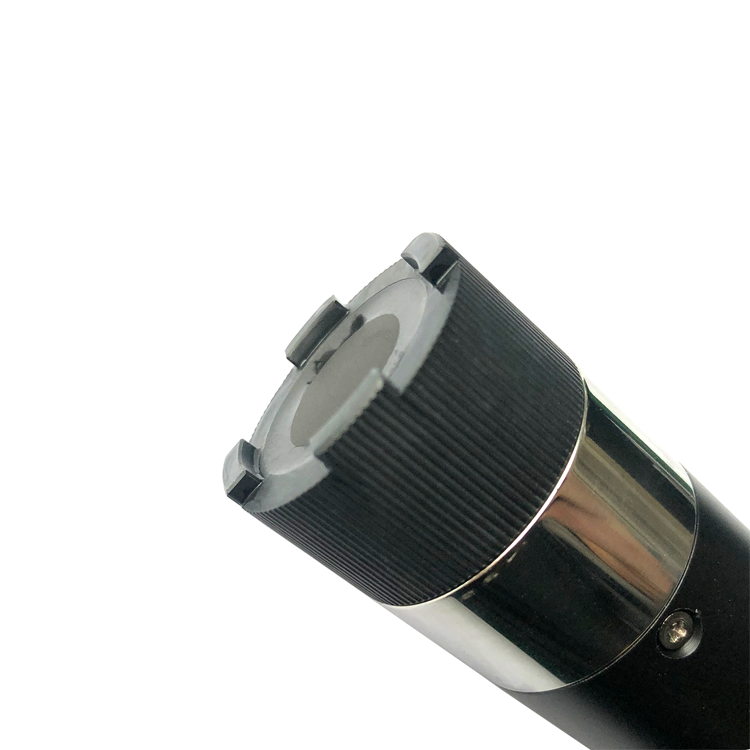
The probe, output version, cable, controller and installation arrangement vary. An itemized current quotation is needed to compare equivalent points. A sensor-only price excludes work or equipment that another offer may already include.
The NBL-WQ-DO optical configuration uses a fluorescent cap and does not require electrolyte. Membrane-based electrochemical instruments have different service parts. Order consumables for the identified measurement principle and model.
No. Mechanical fit does not establish compatibility with the optical measurement and calibration. Confirm the cap against the installed model and revision, and obtain the applicable replacement and verification procedure.
No. First check bubbles, deposits, sample changes, power, cable condition and decoding. Record the as-found condition before cleaning. Replace the cap when inspection or verification supports that diagnosis, not as a substitute for fault finding.
No. It is a normal-use planning recommendation for this configuration. Actual condition depends on use and storage. Confirm the ordered part's service terms, inspect it and retain reference-check results.
Request exact part identification, compatible probe revisions, storage requirements, replacement instructions, current availability and warranty terms. Include the installed model and serial information so an inexpensive but incompatible spare is not ordered.
Compare DO sensor price on a matched measurement and installation basis. Identify the probe, compatible service parts and the work needed to keep the point operating. A clear quotation and a usable spare-parts plan are more valuable than a low unit price for an incomplete or unsuitable installation.
Prev:Water Quality pH Sensor: Diagnose Pump-Related Reading Changes
Next:Weather Station Sensor Replacement: Verify the Wind Alarm Input
Related recommendations
Sensors & Weather Stations Catalog
 Agriculture Sensors and Weather Stations Catalog-NiuBoL.pdf
Weather Stations Catalog-NiuBoL.pdf
Agriculture Sensors Catalog-NiuBoL.pdf
Water Quality Sensor Catalog-NiuBoL.pdf
Related products
 Combined air temperature and relative humidity sensor
 TDR Soil Moisture & Temperature Sensor for irrigation| RS485 |4-20mA| NBL-S-THR
 Soil pH sensor RS485 soil Testing instrument soil ph meter for agriculture |NBL-S-PH
 Wind Speed sensor Output Modbus/RS485/Analog/0-5V/4-20mA
 0.2mm Tipping Bucket Rain Gauge for Weather & Hydrology | NiuBoL
 Pyranometer Solar Radiation Sensor 4-20mA/RS485


Screenshot, WhatsApp to identify the QR code
WhatsApp number:+8615367865107
(Click on WhatsApp to copy and add friends)

