





— Blogs —
—Products—
 Consumer hotline +8618073152920
 WhatsApp:+8615367865107
Address:Room 102, District D, Houhu Industrial Park, Yuelu District, Changsha City, Hunan Province, China
Product knowledge
Time:2026-07-17 11:16:31 Popularity:313
A pest monitoring system supports green crop protection by turning manual scouting into remote image collection, trend analysis and earlier pest-warning decisions.
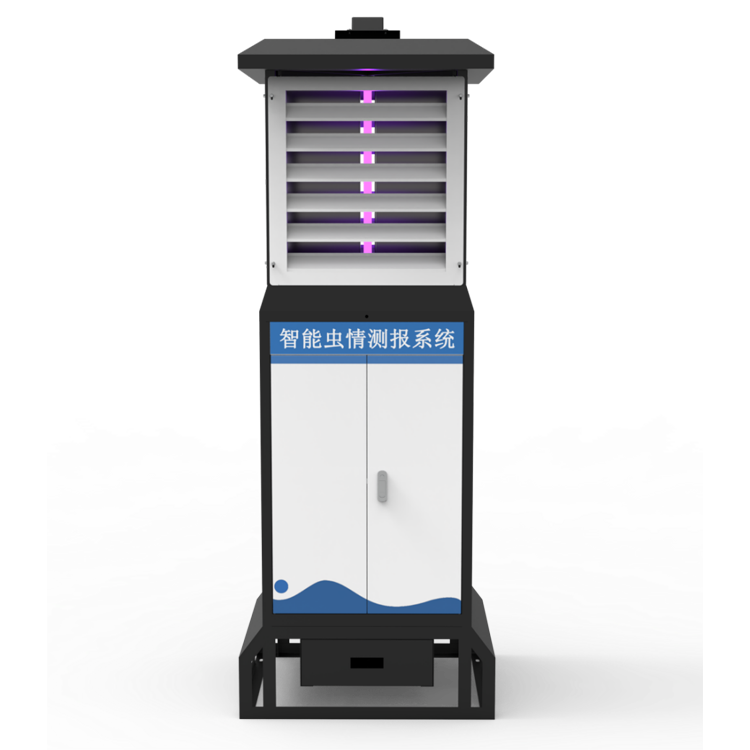
Green crop protection requires timely pest information, not only later chemical response. Traditional pest monitoring depends heavily on labor and often cannot meet modern warning requirements for larger farms, cooperatives or regional plant-protection projects.
For project buyers, the monitoring system should be evaluated as a data workflow: field collection, image upload, platform analysis, warning responsibility and treatment decision.
| Item | Typical Specification | Buyer Meaning |
|---|---|---|
| System type | Remote insect monitoring and reporting terminal | Provides pest occurrence data, not only physical trapping |
| Image acquisition | Industrial camera, product page specifies 12-megapixel image capture | Supports visual evidence and pest-count review |
| Pest processing | Far-infrared processing and drying chamber | Keeps insect samples more complete for image recognition |
| Communication | 4G / Ethernet with RS485 / RS232 expansion on the product page | Supports platform integration for agricultural IoT projects |
| Control interface | On-site industrial touchscreen and remote platform functions | Helps contractors commission and manage field stations |
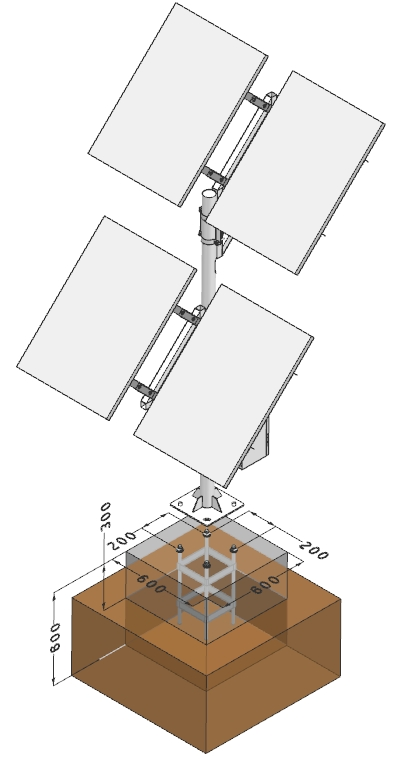
| Power options | AC supply or solar power options depending on site configuration | Allows deployment in farms, forests and remote monitoring points |
Manual scouting is still useful, but it becomes slow when farms, counties or production bases need frequent monitoring across many points. A remote system can collect insect images, upload data and show occurrence trends by time and location.
This helps plant-protection teams compare pest development across sites and decide whether to inspect, warn or treat. The value is not that machines replace all agronomic judgment; the value is that judgment is based on more timely evidence.
| Workflow Step | Field Device Role | Management Value |
|---|---|---|
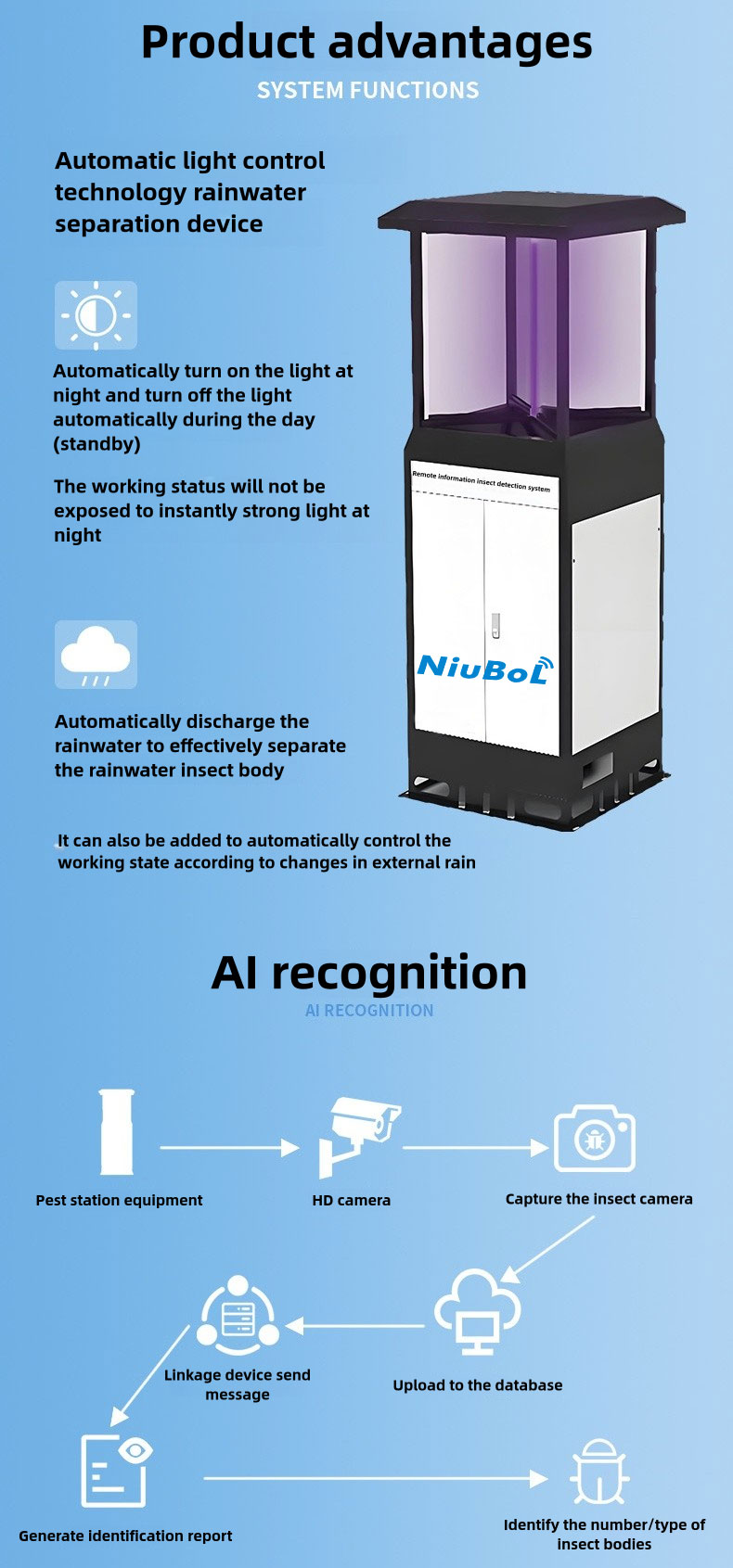
| Attraction and collection | Attracts target insects and prepares them for imaging | Creates repeatable field samples |
| Image capture | Captures insect images at scheduled times | Reduces manual site visits |
| Data upload | Sends images and status to platform | Enables remote review |
| Trend analysis | Counts or reviews pest occurrence by time and site | Supports warning and treatment timing |
| Action record | Links warning with field response | Improves accountability |
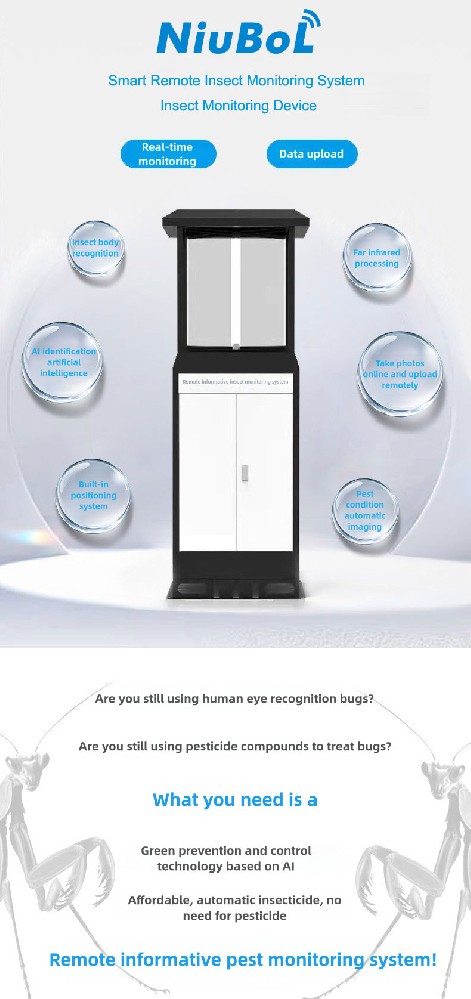
Green crop protection usually aims to reduce unnecessary chemical use while still protecting yield and quality. That balance is difficult without evidence. If pest pressure is only checked after visible damage, the farm may spray late or spray broadly. A pest monitoring system gives managers earlier field information, allowing them to decide whether intervention is necessary, where to inspect and which blocks need priority.
For agricultural bureaus, cooperatives and large farms, the value also includes standardized records. When every monitoring point uploads data with station names and time stamps, managers can compare fields and seasons. This supports technical guidance, internal reporting and supplier accountability.
The first design question is who receives the warning and what they do with it. If a platform shows pest trends but no one checks them, the system is not creating value. A practical project defines data review frequency, threshold logic, field inspection responsibility and treatment documentation before the device is installed.
| Workflow Question | Good Project Answer | Risk if Ignored |
|---|---|---|
| Who reviews data? | Named agronomist, manager or service team | Warnings are missed |
| How often? | Daily or seasonally adjusted schedule | Trend changes are noticed late |
| What triggers action? | Pest count, image evidence or field threshold | Data does not change decisions |
| How is action recorded? | Platform note or farm work record | No proof of response |
| Who maintains devices? | Local staff or service contractor | Image and upload quality decline |
This is why a monitoring system should be purchased as an operational service package. Hardware selection, platform setup and staff responsibility should be discussed together.
Green crop projects are often evaluated by both yield and residue risk. A monitoring system supports this goal by giving managers more confidence to delay, reduce or target chemical treatment when pest pressure is low. It also helps justify timely intervention when pest pressure is rising. The system does not make the agronomic decision by itself; it gives the evidence needed for a more disciplined decision.
For buyers selling to premium markets, monitoring records can also support internal quality management. Images, trend curves and station histories help show that pest-control decisions were based on field conditions rather than routine calendar spraying. This is useful for cooperatives, export-oriented farms and demonstration bases.
Deployment density should follow crop blocks, pest-risk zones and management responsibility. A large farm with one station may still miss local outbreaks. A farm with too many stations but no data-review owner may waste budget. A practical starting point is usually a representative pilot layout, followed by expansion after the first season confirms workload and data value.
| Planning Item | Recommended Buyer Question | Why It Matters |
|---|---|---|
| Station density | Which crop blocks need separate records? | Avoids distorted averages |
| Data review | Who checks the platform and how often? | Turns monitoring into action |
| Warning rules | What pest level triggers field inspection? | Prevents unused alerts |
| Maintenance | Who cleans and verifies image quality? | Protects long-term reliability |
| Reporting | What file or chart is needed? | Supports management and audits |
For a pest monitoring system, delivery is not only the field terminal. The buyer should confirm platform account setup, station naming, image upload, user permissions, data export, power accessories, communication card or network requirements and installation documentation. Missing software scope is a common reason a monitoring project works physically but fails operationally.
If the project is handled by a contractor, the handover file should include installation photos, device IDs, platform screenshots, maintenance interval and the first successful data upload. These records help the farm or plant-protection team continue operating the system after installation.
After-sales support should define how image problems, offline devices and platform questions are reported. Photos, device status screenshots and sample images are usually more useful than general descriptions.
Site challenge: Manual scouting is slow and chemical control may be applied late or too broadly. Integration or deployment plan: Deploy insect monitoring terminals, weather data and cloud records for occurrence trend review. User value: Managers can decide treatment timing from field evidence instead of routine blanket spraying.
Site challenge: Many monitoring points need comparable data and remote access. Integration or deployment plan: Use remote insect monitoring stations with unified platform naming and data export. User value: Plant-protection teams can compare regions, dates and pest pressure.
Site challenge: High-value crops require early warning and residue-conscious management. Integration or deployment plan: Combine pest images, trend curves and local weather records. User value: Buyers can support quality control and reduce unnecessary field visits.
Site challenge: Target pests may occur in remote zones where manual inspection is expensive. Integration or deployment plan: Install remote stations at representative routes or risk edges. User value: Teams receive earlier evidence for intervention and reporting.
A pest monitoring system is suitable for agricultural bases, plant-protection departments, smart farms, orchards and forestry projects that need occurrence trends. It is not necessary for a very small plot where manual checking is enough and no one will review platform data.
Buyers should confirm communication condition, station quantity, platform access, image review method, maintenance owner and whether weather data should be integrated.
Before requesting a quotation, send the crop type, target pests, field or orchard area, installation layout, power condition, local rainfall and wind conditions, expected working season, maintenance responsibility, and whether the project requires monitoring data or only physical pest reduction. These details determine whether the right solution is a frequency vibration solar insect trap, a wind-suction insect trap light, or a smart remote insect monitoring system.
For export orders and engineering projects, buyers should also confirm packaging, spare lamps or wearing parts, installation accessories, shipping method, documentation language, warranty terms and after-sales response method. A clear bill of materials prevents disputes during installation and helps local contractors prepare foundations, poles, batteries and maintenance tools before equipment arrives.
A: Its main value is earlier and more consistent pest information. It helps managers see when pest numbers are changing, where pressure is increasing and whether field response should be adjusted.
A: No. It reduces repetitive field checking and improves data availability, but plant-protection staff still interpret local crop risk and decide treatment measures.
A: A useful system should provide images, time, site name, device status, pest counts or review records, trend curves and exportable historical data.
A: It is justified when monitoring points are dispersed, field visits are costly, warning timeliness matters or the project needs records for management and reporting.
A: Check 4G or Ethernet availability, platform access, data upload interval and offline handling. RS485 or RS232 expansion is relevant only for compatible monitoring terminals and integration projects.
A: Weak value usually comes from poor site selection, no review workflow, unstable power, weak signal, dirty imaging area or no person assigned to act on alerts.
A: Compare image quality, pest processing method, communication, platform functions, maintenance access, data export and supplier support rather than only device price.
A: Acceptance should include live image upload, station naming, platform login, device status, alarm or trend view, data export and maintenance training.
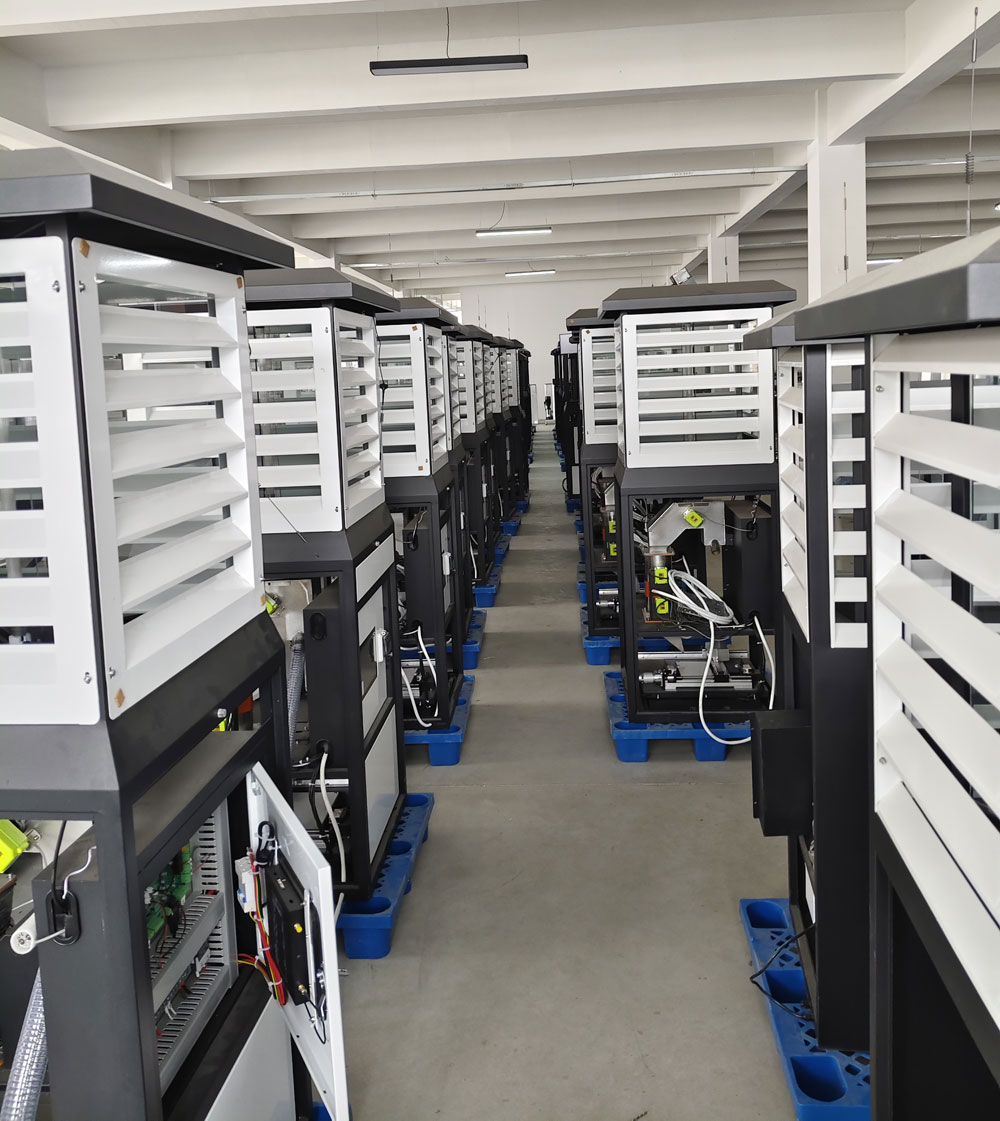
A pest monitoring system is valuable when it produces data that changes field decisions. Buyers should plan the monitoring workflow, not only the device purchase. NiuBoL smart remote insect monitoring systems can support green crop protection projects that require image evidence, remote access and trend analysis.
Prev:Solar Frequency Vibration Insect Trap for Walnut Pest Control: Project Selection Guide
Next:Main Purpose of an Insect Forecasting Lamp in Agricultural Pest Warning Projects
Related recommendations
Sensors & Weather Stations Catalog
 Agriculture Sensors and Weather Stations Catalog-NiuBoL.pdf
Weather Stations Catalog-NiuBoL.pdf
Agriculture Sensors Catalog-NiuBoL.pdf
Water Quality Sensor Catalog-NiuBoL.pdf
Related products
 Combined air temperature and relative humidity sensor
 TDR Soil Moisture & Temperature Sensor for irrigation| RS485 |4-20mA| NBL-S-THR
 Soil pH sensor RS485 soil Testing instrument soil ph meter for agriculture |NBL-S-PH
 Wind Speed sensor Output Modbus/RS485/Analog/0-5V/4-20mA
 Tipping bucket rain gauge for weather monitoring auto rainfall sensor RS485/Outdoor/stainless steel
 Pyranometer Solar Radiation Sensor 4-20mA/RS485

Screenshot, WhatsApp to identify the QR code
WhatsApp number:+8615367865107
(Click on WhatsApp to copy and add friends)

