





— Blogs —
—Products—
 Consumer hotline +8618073152920
 WhatsApp:+8615367865107
Address:Room 102, District D, Houhu Industrial Park, Yuelu District, Changsha City, Hunan Province, China
Product knowledge
Time:2026-07-17 11:20:32 Popularity:263
The main purpose of an insect forecasting lamp is to collect reliable pest occurrence information so plant-protection teams can judge pest trends before field damage becomes widespread.
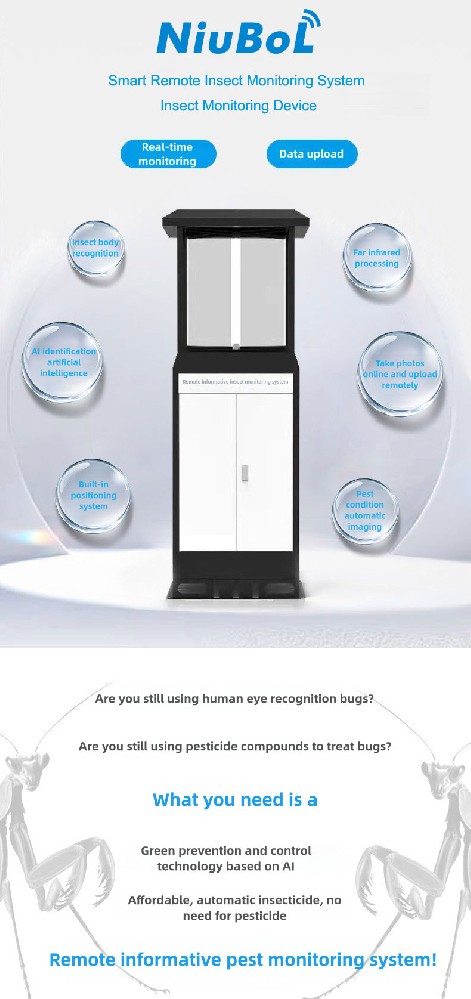
Insect forecasting lamps are used to improve pest monitoring and warning work. In modern agriculture, the purpose is not only to kill insects. The more important value is collecting representative pest information.
For buyers, this distinction matters. If the goal is warning and data records, a remote insect monitoring system is more suitable than a simple insect trap light.
| Item | Typical Specification | Buyer Meaning |
|---|---|---|
| System type | Remote insect monitoring and reporting terminal | Provides pest occurrence data, not only physical trapping |
| Image acquisition | Industrial camera, product page specifies 12-megapixel image capture | Supports visual evidence and pest-count review |
| Pest processing | Far-infrared processing and drying chamber | Keeps insect samples more complete for image recognition |
| Communication | 4G / Ethernet with RS485 / RS232 expansion on the product page | Supports platform integration for agricultural IoT projects |
| Control interface | On-site industrial touchscreen and remote platform functions | Helps contractors commission and manage field stations |
| Power options | AC supply or solar power options depending on site configuration | Allows deployment in farms, forests and remote monitoring points |
An insect trap for pest reduction focuses on lowering adult pest numbers. An insect forecasting lamp focuses on representative collection, processing, imaging and reporting. It helps answer when pests appear, how numbers change and whether intervention is needed.
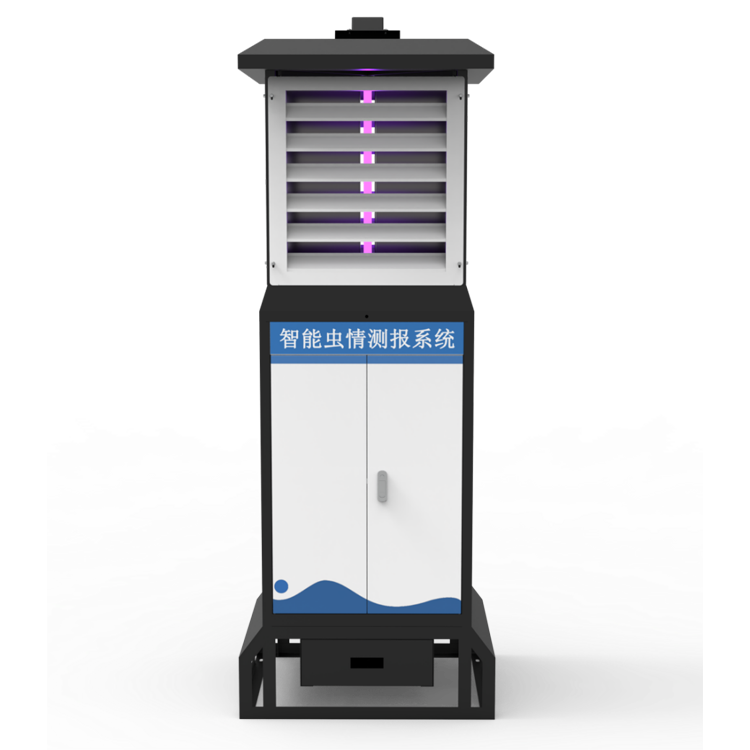
This makes the product suitable for plant-protection departments, agricultural service centers, research fields and smart farm platforms where data continuity matters.
| Data Use | Practical Decision | Buyer Requirement |
|---|---|---|
| Occurrence timing | When the pest starts appearing | Reliable time stamps |
| Population trend | Whether pressure is increasing | Consistent collection method |
| Regional comparison | Which site has higher pressure | Unified station naming |
| Treatment timing | When to inspect or treat | Warning workflow |
| Seasonal review | How pest pressure changed year to year | Exportable historical data |
Forecasting data should help answer three questions: when did the pest appear, is the population increasing, and where should the field team inspect first? If the system cannot support these questions, it may still be a useful trap but it is not yet a strong forecasting tool. Buyers should request sample platform screenshots, image examples and export formats before purchase.
The forecasting lamp also needs a representative site. A station placed for convenience may not describe the crop area. For example, a location near strong artificial light or heavy obstruction can distort attraction results. The installation point should be chosen by monitoring purpose, not only by easy access.
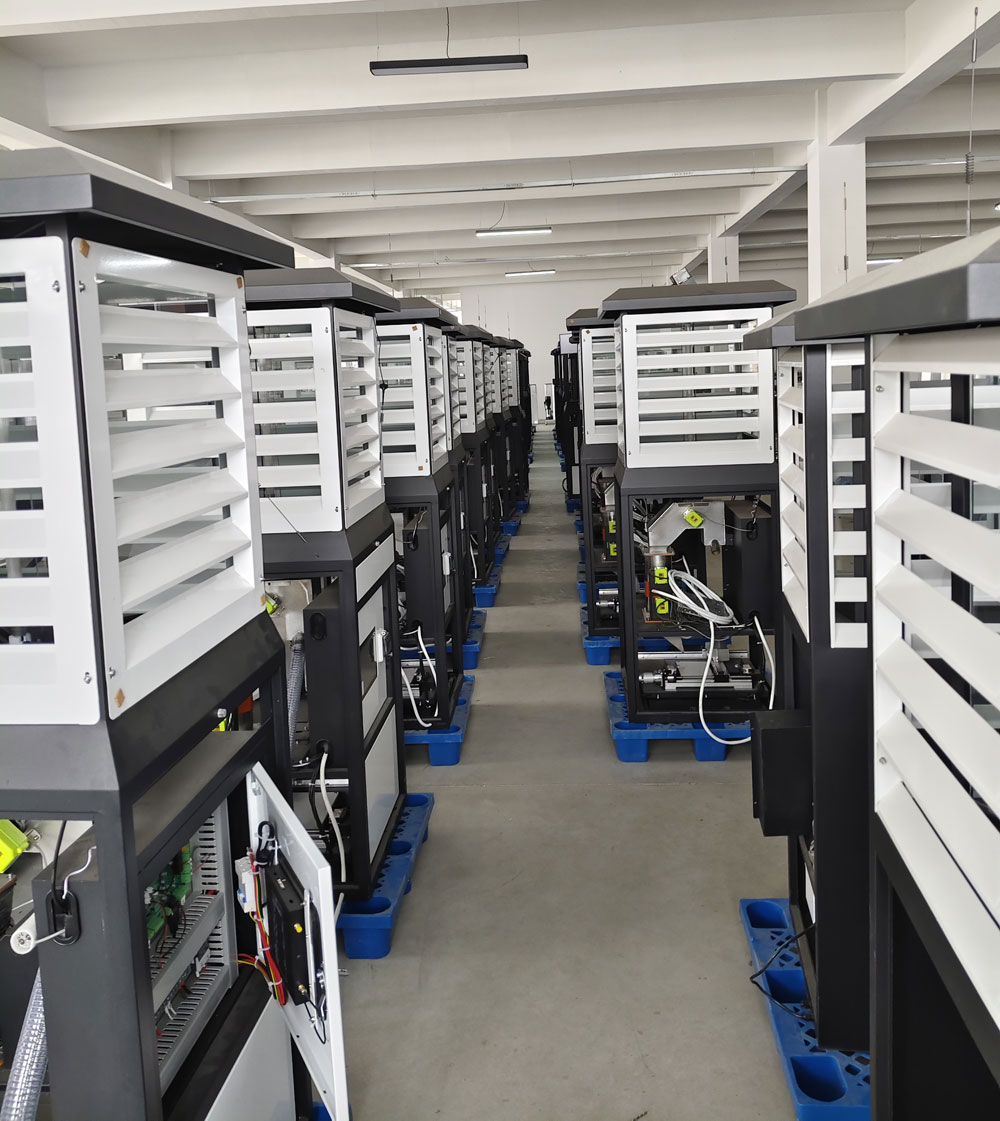
| Item | Forecasting Lamp | Physical Control Trap |
|---|---|---|
| Main goal | Pest occurrence data and warning | Adult pest reduction |
| Output | Images, records, trends and platform data | Captured or killed insects |
| Buyer | Plant-protection team, smart farm, research site | Farm, orchard, ecological control project |
| Success measure | Timely warning and usable records | Trapping performance and field reduction |
| Maintenance focus | Image quality and upload continuity | Cleaning, light source and power |
Large projects may combine both product types. Forecasting lamps provide data, while solar insect traps help reduce pest pressure at selected field points. This avoids expecting one device to do every job.
Forecasting data is useful only when it changes the timing or priority of field work. If pest numbers rise at one station, the field team can inspect nearby crop blocks first. If several stations show low activity, the farm may avoid unnecessary broad treatment. If pest occurrence appears earlier than expected, managers can prepare labor and control materials before visible damage spreads.
This is why an insect forecasting lamp should be connected to a decision routine. The routine can be simple: review platform data, check image records, compare with weather and crop stage, inspect the field, then decide whether treatment is needed. Without this routine, the device may collect data that nobody uses.
| Buyer Type | Main Value | Key Requirement |
|---|---|---|
| Plant-protection department | Regional warning and technical guidance | Consistent station naming and exportable data |
| Large farm | Earlier response and fewer blind sprays | Simple platform and clear alerts |
| Research plot | Traceable pest occurrence records | Data continuity and image quality |
| Distributor | A higher-value solution than trap lights alone | Training materials and after-sales support |
| Engineering contractor | Deliverable monitoring infrastructure | Installation drawings and acceptance checklist |
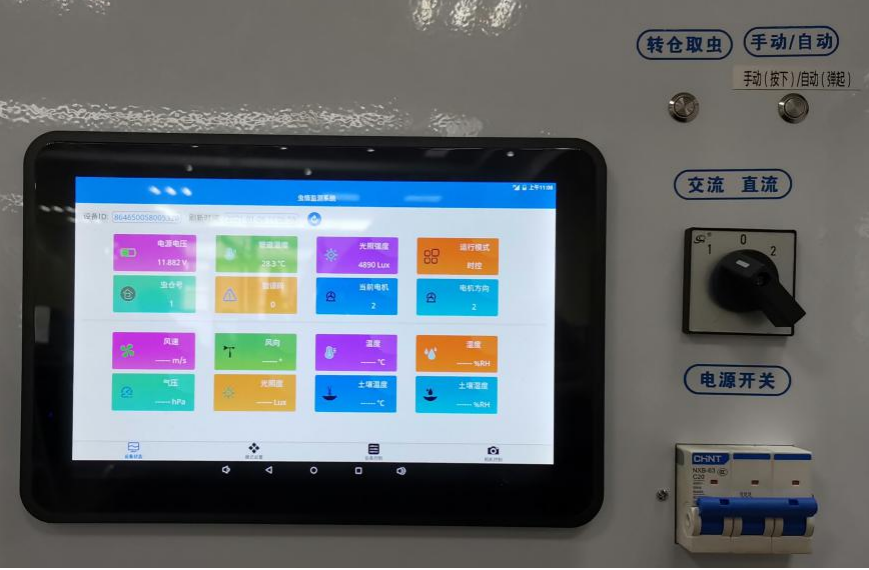
A forecasting lamp purchase should include the device, power configuration, communication method, platform function, image or sample record method, installation accessories and user training. If the project only includes hardware, the buyer may still lack the data workflow needed for pest warning.
The supplier should provide sample records or platform screenshots before order confirmation. This helps the buyer judge whether the system can support occurrence timing, trend review and regional comparison rather than only field trapping.
For multi-station projects, station naming and data export format should be agreed before deployment. Otherwise, later reporting becomes inconsistent and harder to use.
The project should be judged by whether forecasting data changes field action. Strong value means earlier warning, clearer inspection priority, usable image records and fewer blind treatments. Weak value means the device collects data but nobody reviews it or connects it to pest-control decisions.
For distributors, the selling point should be the decision workflow, not only the lamp body. Explain who reviews the platform, what data is exported and how warning information supports treatment timing.
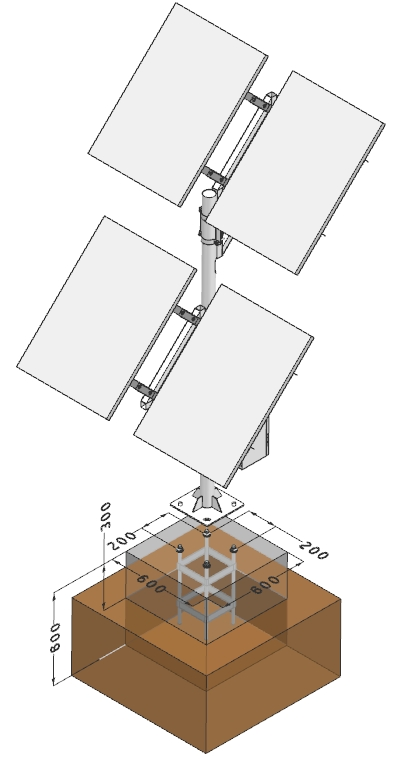
The buyer should understand that forecasting equipment is justified when the project needs timing, trend and evidence. If the buyer only wants to reduce adult insects in one field, a physical trap light may be the simpler purchase. This distinction prevents overbuying and makes the quotation easier to defend.
Site challenge: Manual scouting is slow and chemical control may be applied late or too broadly. Integration or deployment plan: Deploy insect monitoring terminals, weather data and cloud records for occurrence trend review. User value: Managers can decide treatment timing from field evidence instead of routine blanket spraying.
Site challenge: Many monitoring points need comparable data and remote access. Integration or deployment plan: Use remote insect monitoring stations with unified platform naming and data export. User value: Plant-protection teams can compare regions, dates and pest pressure.
Site challenge: High-value crops require early warning and residue-conscious management. Integration or deployment plan: Combine pest images, trend curves and local weather records. User value: Buyers can support quality control and reduce unnecessary field visits.
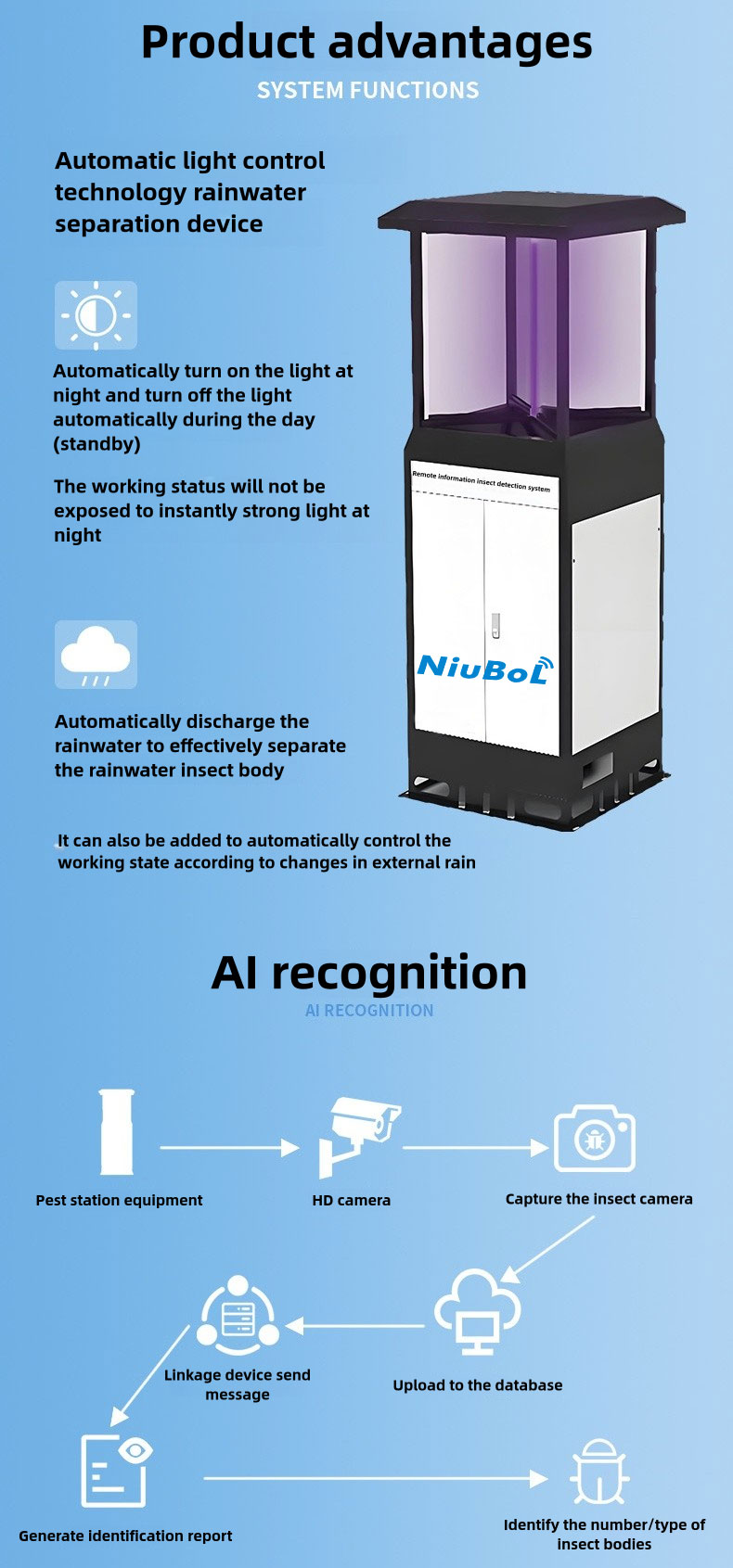
Site challenge: Target pests may occur in remote zones where manual inspection is expensive. Integration or deployment plan: Install remote stations at representative routes or risk edges. User value: Teams receive earlier evidence for intervention and reporting.
Choose an insect forecasting lamp when the project needs monitoring records, remote images and trend analysis. Choose a solar insect trap when the main goal is physical pest reduction. Some large projects use both: forecasting lamps for data, trap lights for control.
A forecasting lamp is not suitable where no one will review the data or maintain the device. The project should include platform responsibility and maintenance scheduling.
Before requesting a quotation, send the crop type, target pests, field or orchard area, installation layout, power condition, local rainfall and wind conditions, expected working season, maintenance responsibility, and whether the project requires monitoring data or only physical pest reduction. These details determine whether the right solution is a frequency vibration solar insect trap, a wind-suction insect trap light, or a smart remote insect monitoring system.
For export orders and engineering projects, buyers should also confirm packaging, spare lamps or wearing parts, installation accessories, shipping method, documentation language, warranty terms and after-sales response method. A clear bill of materials prevents disputes during installation and helps local contractors prepare foundations, poles, batteries and maintenance tools before equipment arrives.

A: Its main purpose is pest monitoring and warning. It collects pest occurrence information so managers can judge timing, trend and response measures before damage expands.
A: No. Some models process insects, but the main project value is data collection and warning. If the buyer only needs physical pest reduction, a solar insect trap may be more suitable.
A: It is suitable for plant-protection departments, agricultural service centers, smart farms, research plots, orchards and forestry monitoring projects that need traceable pest data.
A: It should generate images or records with time, station location, device status and pest trend information. The data should be viewable and exportable from the platform.
A: Communication determines whether data is available remotely and on time. 4G or Ethernet upload is useful for distributed points, while RS485 or RS232 expansion is relevant for system integration where supported.
A: The biggest risk is buying the device without defining who reviews data and what action follows warning information. Monitoring is only valuable when it changes decisions.
A: Yes, compatible projects can combine pest occurrence with weather data. This helps explain pest activity and supports more practical warning models.
A: Ask for image quality, communication method, platform functions, data export, maintenance requirements, power plan, installation guidance and after-sales support.
 Intelligent Remote Insect Monitoring and Reporting System(Insect Monitoring Device) Data Sheet.pdf
An insect forecasting lamp should be purchased as a pest-warning data tool. Buyers should define the monitoring objective, data workflow and response responsibility before selecting hardware. NiuBoL smart remote insect monitoring systems can support agricultural warning projects that require remote images, platform records and trend analysis.
Prev:Pest Monitoring System for Green Crop Protection: How Buyers Should Plan the Project
Next:Insect Forecasting Lamp Use and Maintenance: Practical Checks Before Installation
Related recommendations
Sensors & Weather Stations Catalog
Agriculture Sensors and Weather Stations Catalog-NiuBoL.pdf
Weather Stations Catalog-NiuBoL.pdf
Agriculture Sensors Catalog-NiuBoL.pdf
Water Quality Sensor Catalog-NiuBoL.pdf
Related products
 Combined air temperature and relative humidity sensor
 TDR Soil Moisture & Temperature Sensor for irrigation| RS485 |4-20mA| NBL-S-THR
 Soil pH sensor RS485 soil Testing instrument soil ph meter for agriculture |NBL-S-PH
 Wind Speed sensor Output Modbus/RS485/Analog/0-5V/4-20mA
 Tipping bucket rain gauge for weather monitoring auto rainfall sensor RS485/Outdoor/stainless steel
 Pyranometer Solar Radiation Sensor 4-20mA/RS485

Screenshot, WhatsApp to identify the QR code
WhatsApp number:+8615367865107
(Click on WhatsApp to copy and add friends)

