





— Blogs —
—Products—
 Consumer hotline +8618073152920
 WhatsApp:+8615367865107
Address:Room 102, District D, Houhu Industrial Park, Yuelu District, Changsha City, Hunan Province, China
Product knowledge
Time:2026-07-17 11:52:25 Popularity:279
A remote insect monitoring system collects pest information through field attraction, controlled processing, image capture, data upload and platform analysis, giving farm managers earlier evidence for pest decisions.
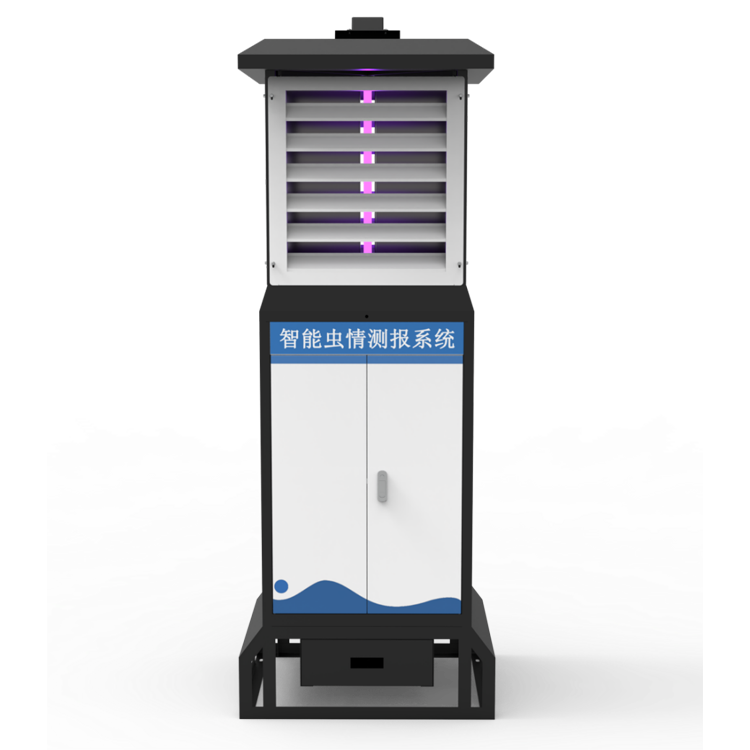
Remote pest information comes from a field-to-platform workflow rather than one single device function. The system must attract insects, process or collect samples, capture images, upload data and make the records usable for review.
For system integrators, the important points are image reliability, communication stability, platform access, device status and data export.
| Item | Typical Specification | Buyer Meaning |
|---|---|---|
| System type | Remote insect monitoring and reporting terminal | Provides pest occurrence data, not only physical trapping |
| Image acquisition | Industrial camera, product page specifies 12-megapixel image capture | Supports visual evidence and pest-count review |
| Pest processing | Far-infrared processing and drying chamber | Keeps insect samples more complete for image recognition |
| Communication | 4G / Ethernet with RS485 / RS232 expansion on the product page | Supports platform integration for agricultural IoT projects |
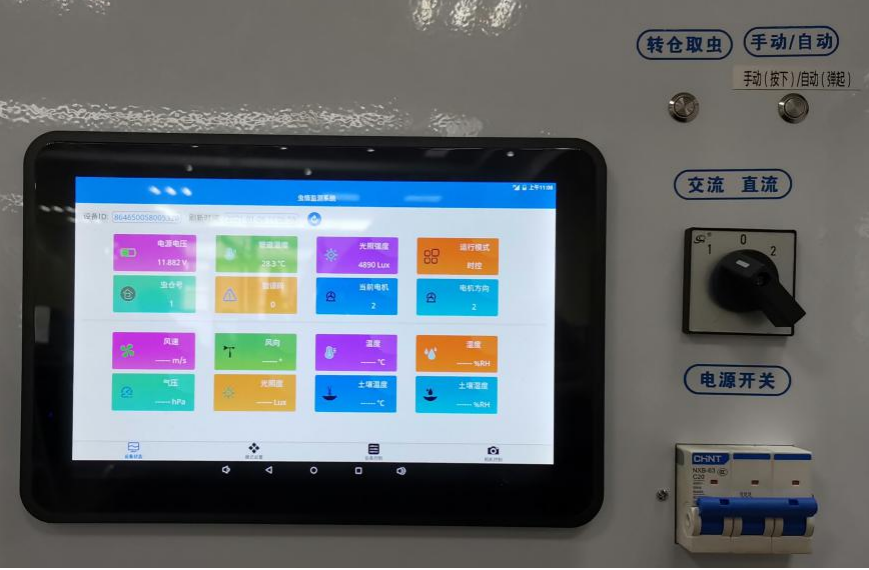
| Control interface | On-site industrial touchscreen and remote platform functions | Helps contractors commission and manage field stations |
| Power options | AC supply or solar power options depending on site configuration | Allows deployment in farms, forests and remote monitoring points |
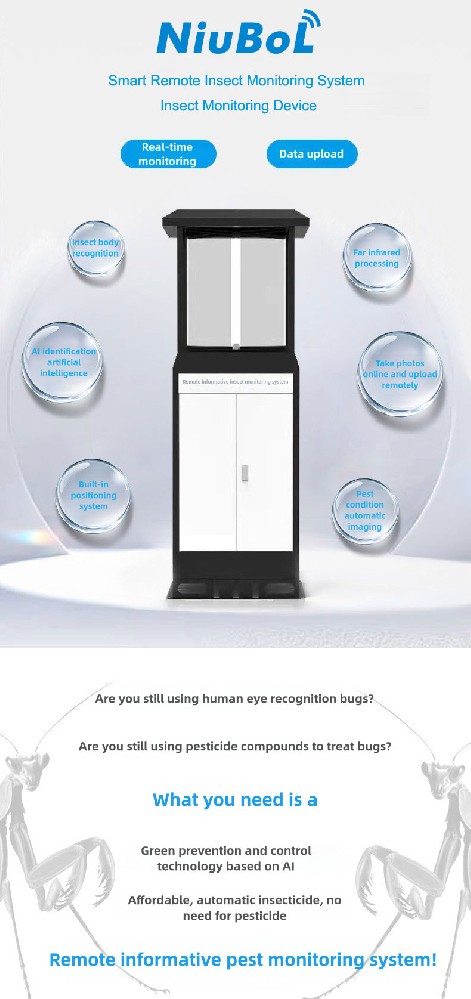
A monitoring terminal attracts target insects, processes samples, captures images and uploads data through communication networks. The platform stores images, records time and location, and supports trend review or recognition functions depending on project configuration.
This chain allows managers to compare pest pressure by site and date. It also reduces the delay caused by manual collection and office-based data entry.
| Integration Point | What to Confirm | Why It Matters |
|---|---|---|
| Communication | 4G, Ethernet and supported expansion interfaces | Determines remote access and integration |
| Image quality | Camera resolution, lighting and cleaning | Affects recognition and review |
| Power | AC or solar configuration | Controls uptime |
| Platform | User roles, export and alerts | Makes data usable |
| Maintenance | Cleaning and status checks | Protects long-term reliability |
A project with fewer well-maintained monitoring points can be more useful than a project with many unmanaged devices. Data reliability depends on representative placement, stable power, communication uptime, clean imaging, correct station naming and staff review. Buyers should evaluate these items before expanding station quantity.
For system integrators, data openness is often a key issue. If the monitoring system must connect to an existing agricultural platform, the project should confirm API availability, export format, communication protocol and ownership of images and historical data. These questions should be answered during procurement, not after installation.
| Data Chain Stage | Acceptance Evidence | Failure Sign |
|---|---|---|
| Field attraction | Device operates during target period | No samples during expected pest activity |
| Image capture | Clear images with time stamp | Blurred or blocked images |
| Upload | Platform receives records on schedule | Long missing periods |
| Review | Pest data can be checked by site | Unclear station names |
| Export | Historical file can be downloaded | Data locked inside platform |
The buyer should run a pilot point before a large roll-out when the project covers many fields or regions. A pilot verifies communication, image quality and maintenance workload under local conditions.
Remote monitoring reduces site visits, but it does not remove management responsibility. Someone still needs to review images, check abnormal trends, confirm device status and arrange maintenance. The project should define whether this responsibility belongs to the farm, distributor, local service team or central plant-protection department.
A common mistake is assuming that cloud upload equals decision-making. Upload is only the transport layer. The buyer still needs clear rules for reviewing pest images, verifying unusual counts, comparing weather conditions and deciding whether to inspect the field.

For long-term agricultural projects, data ownership and export matter. Buyers should confirm whether images and records can be downloaded, how long they are stored and whether the data can be used in reports. If the system is part of a government or enterprise platform, integration rights should be clarified before purchase.
| Data Requirement | Buyer Question | Project Impact |
|---|---|---|
| Image access | Can original images be viewed and exported? | Supports manual review and reporting |
| Historical records | How long is data stored? | Supports seasonal comparison |
| Device status | Can offline or fault states be checked? | Reduces missed monitoring periods |
| User roles | Can different teams have different access? | Supports multi-site management |
| Integration | Is API or file export available? | Supports third-party platforms |
For remote insect monitoring, the buyer should receive more than an installed device. Handover should include platform login, station names, communication settings, upload interval, sample images, export method and device-status explanation. Without these details, the field terminal may operate but the data may not be usable by the management team.
System integrators should confirm whether data can be exported or connected to a third-party platform. This includes image access, historical records, API or file export options and user permission control. These items affect long-term project value more than minor hardware appearance differences.
After-sales diagnosis should be based on evidence: screenshots, device ID, latest upload time, power status and sample images. This shortens troubleshooting and prevents repeated site visits.
Remote monitoring value should be measured by usable data, not device quantity. A good system provides clear images, reliable upload, station-level comparison, exportable records and device-status visibility. A system with many terminals but poor data review is a weak investment.
Buyers should ask how the information will be used in weekly or seasonal decisions. If the answer is unclear, the project scope should be simplified before more devices are purchased.
For farm groups and regional projects, the first deployment should prove that staff can read the records and act on them. Expansion is easier to justify after the pilot produces useful pest trends.
Site challenge: Manual scouting is slow and chemical control may be applied late or too broadly. Integration or deployment plan: Deploy insect monitoring terminals, weather data and cloud records for occurrence trend review. User value: Managers can decide treatment timing from field evidence instead of routine blanket spraying.
Site challenge: Many monitoring points need comparable data and remote access. Integration or deployment plan: Use remote insect monitoring stations with unified platform naming and data export. User value: Plant-protection teams can compare regions, dates and pest pressure.
Site challenge: High-value crops require early warning and residue-conscious management. Integration or deployment plan: Combine pest images, trend curves and local weather records. User value: Buyers can support quality control and reduce unnecessary field visits.
Site challenge: Target pests may occur in remote zones where manual inspection is expensive. Integration or deployment plan: Install remote stations at representative routes or risk edges. User value: Teams receive earlier evidence for intervention and reporting.
Remote monitoring is suitable when the buyer needs distributed monitoring points, trend data, pest images, reporting and reduced manual visits. It is not necessary for a small farm that only wants pest reduction and has no need to store or analyze data.
If the project includes weather stations or farm IoT platforms, confirm protocol, API or data export requirements before ordering.
Before requesting a quotation, send the crop type, target pests, field or orchard area, installation layout, power condition, local rainfall and wind conditions, expected working season, maintenance responsibility, and whether the project requires monitoring data or only physical pest reduction. These details determine whether the right solution is a frequency vibration solar insect trap, a wind-suction insect trap light, or a smart remote insect monitoring system.
For export orders and engineering projects, buyers should also confirm packaging, spare lamps or wearing parts, installation accessories, shipping method, documentation language, warranty terms and after-sales response method. A clear bill of materials prevents disputes during installation and helps local contractors prepare foundations, poles, batteries and maintenance tools before equipment arrives.
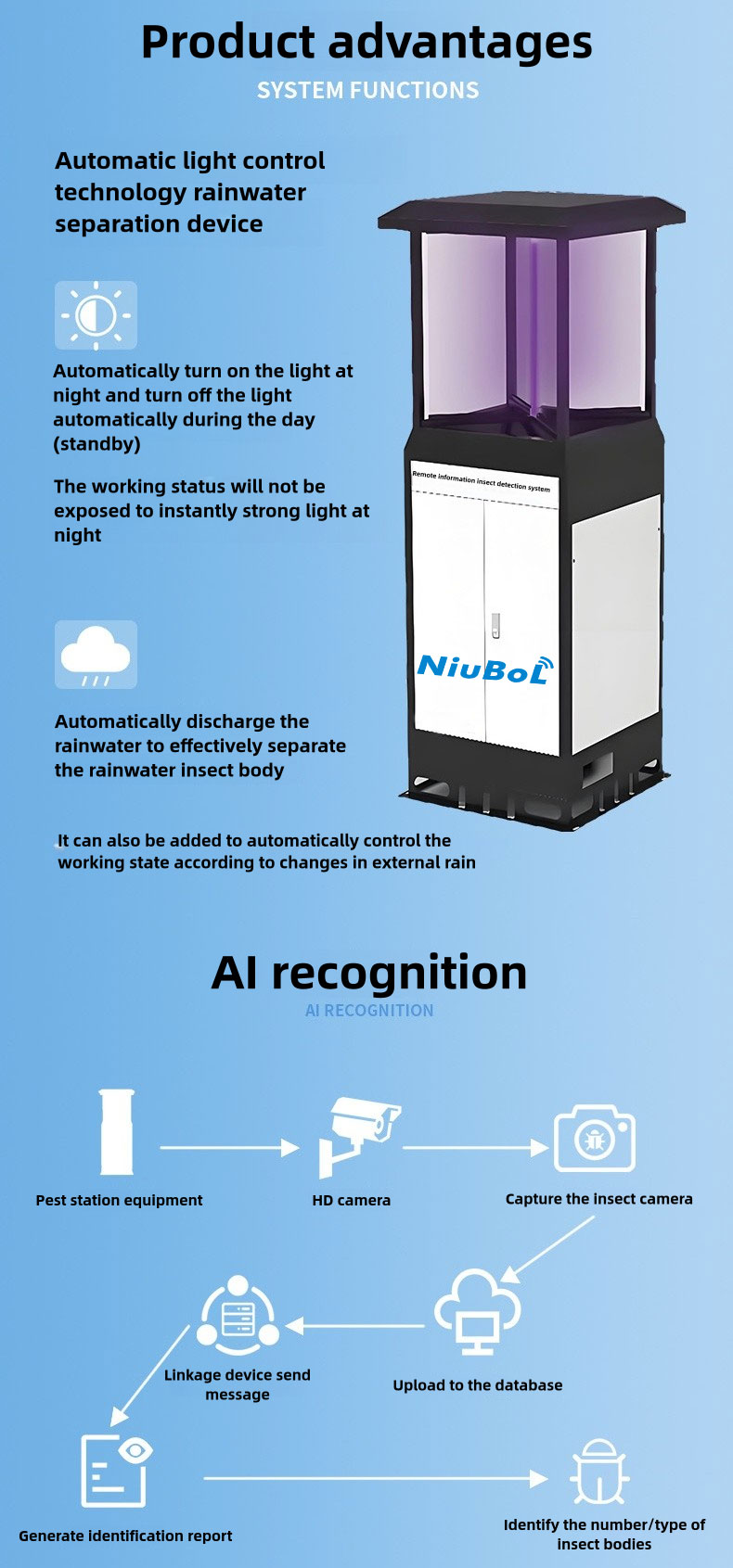
A: It attracts insects in the field, processes or collects them, captures images, uploads data and stores records on a platform. The system converts field insect occurrence into time-based digital evidence.
A: A platform can show station location, images, device status, pest counts or review results, occurrence trends and historical records. Exact functions depend on configuration and software scope.
A: Image quality affects manual review and algorithm recognition. Dirty imaging areas, poor lighting or overlapping insects can reduce identification reliability and make trend data less useful.
A: 4G and Ethernet are useful for remote upload. RS485 or RS232 expansion matters when the project connects additional devices or integrates with a local data collector, where supported by the product.
A: It can support integration when protocol documentation, API access or data export is provided. Buyers should confirm this before purchase, not after installation.
A: Missing data can come from power failure, weak signal, full storage, dirty collection area, wrong schedule or platform configuration errors. Acceptance should test the whole data chain.
A: Integrators should ask for communication settings, data format, platform roles, maintenance instructions, image examples, power plan and installation drawings.
A: Measure value by warning timeliness, reduced manual visits, usable images, trend records and whether data supports field action. Device operation alone is not enough.
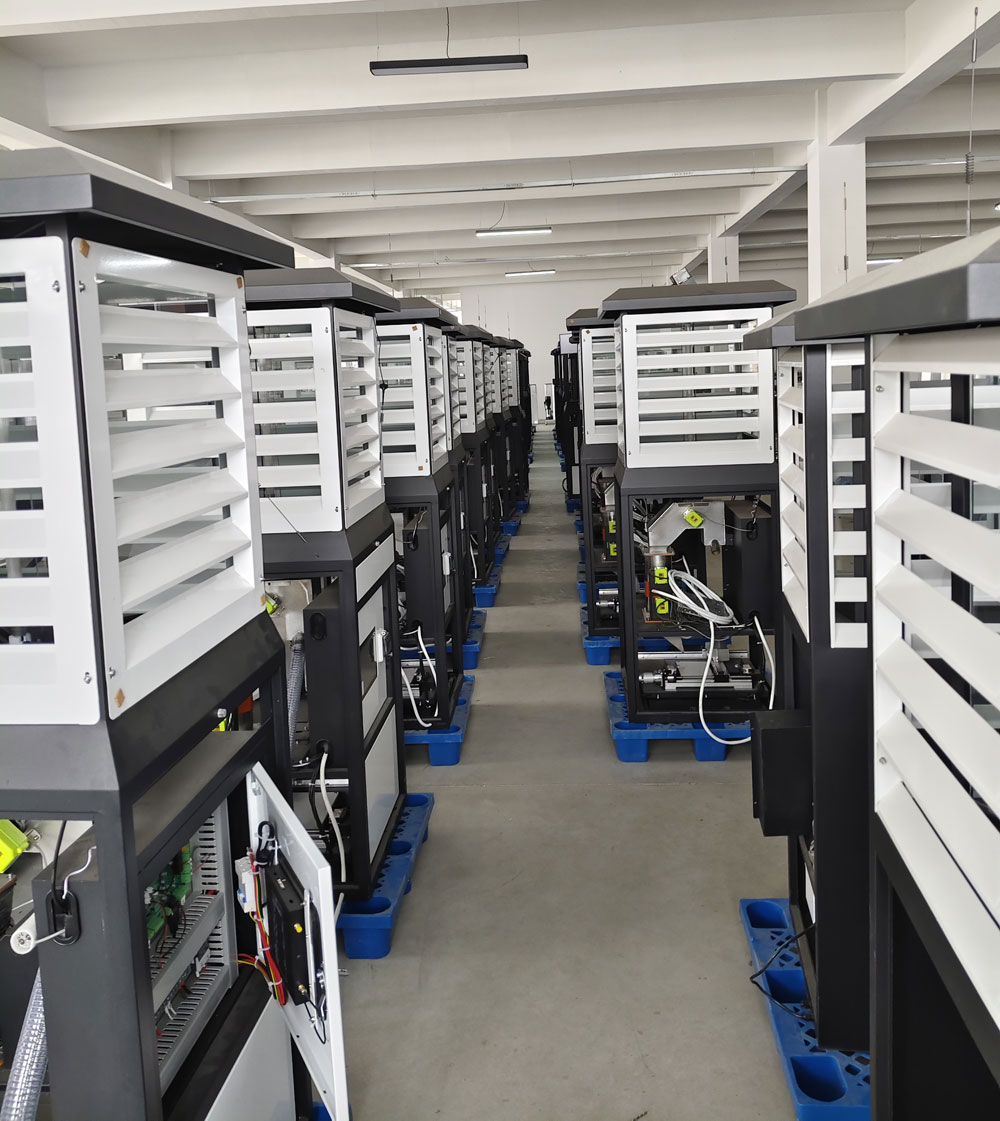
A remote insect monitoring system is a data chain from field insects to platform decisions. Buyers should verify attraction, imaging, upload, platform and maintenance before ordering. NiuBoL smart remote insect monitoring systems are suitable for agricultural IoT projects needing pest images and trend evidence.
 Intelligent Remote Insect Monitoring and Reporting System(Insect Monitoring Device) Data Sheet.pdf
Prev:Insect Forecasting Lamp Use and Maintenance: Practical Checks Before Installation
Next:High-Altitude Insect Forecasting Lamp Principle and Selection Guide for Monitoring Projects
Related recommendations
Sensors & Weather Stations Catalog
Agriculture Sensors and Weather Stations Catalog-NiuBoL.pdf
Weather Stations Catalog-NiuBoL.pdf
Agriculture Sensors Catalog-NiuBoL.pdf
Water Quality Sensor Catalog-NiuBoL.pdf
Related products
 Combined air temperature and relative humidity sensor
 TDR Soil Moisture & Temperature Sensor for irrigation| RS485 |4-20mA| NBL-S-THR
 Soil pH sensor RS485 soil Testing instrument soil ph meter for agriculture |NBL-S-PH
 Wind Speed sensor Output Modbus/RS485/Analog/0-5V/4-20mA
 Tipping bucket rain gauge for weather monitoring auto rainfall sensor RS485/Outdoor/stainless steel
 Pyranometer Solar Radiation Sensor 4-20mA/RS485

Screenshot, WhatsApp to identify the QR code
WhatsApp number:+8615367865107
(Click on WhatsApp to copy and add friends)

