





— Blogs —
—Products—
 Consumer hotline +8618073152920
 WhatsApp:+8615367865107
Address:Room 102, District D, Houhu Industrial Park, Yuelu District, Changsha City, Hunan Province, China
Product knowledge
Time:2026-07-17 12:07:53 Popularity:286
A high-altitude insect forecasting lamp is selected for pest monitoring projects where attraction height, open exposure and representative pest occurrence data are more important than simple local trapping.
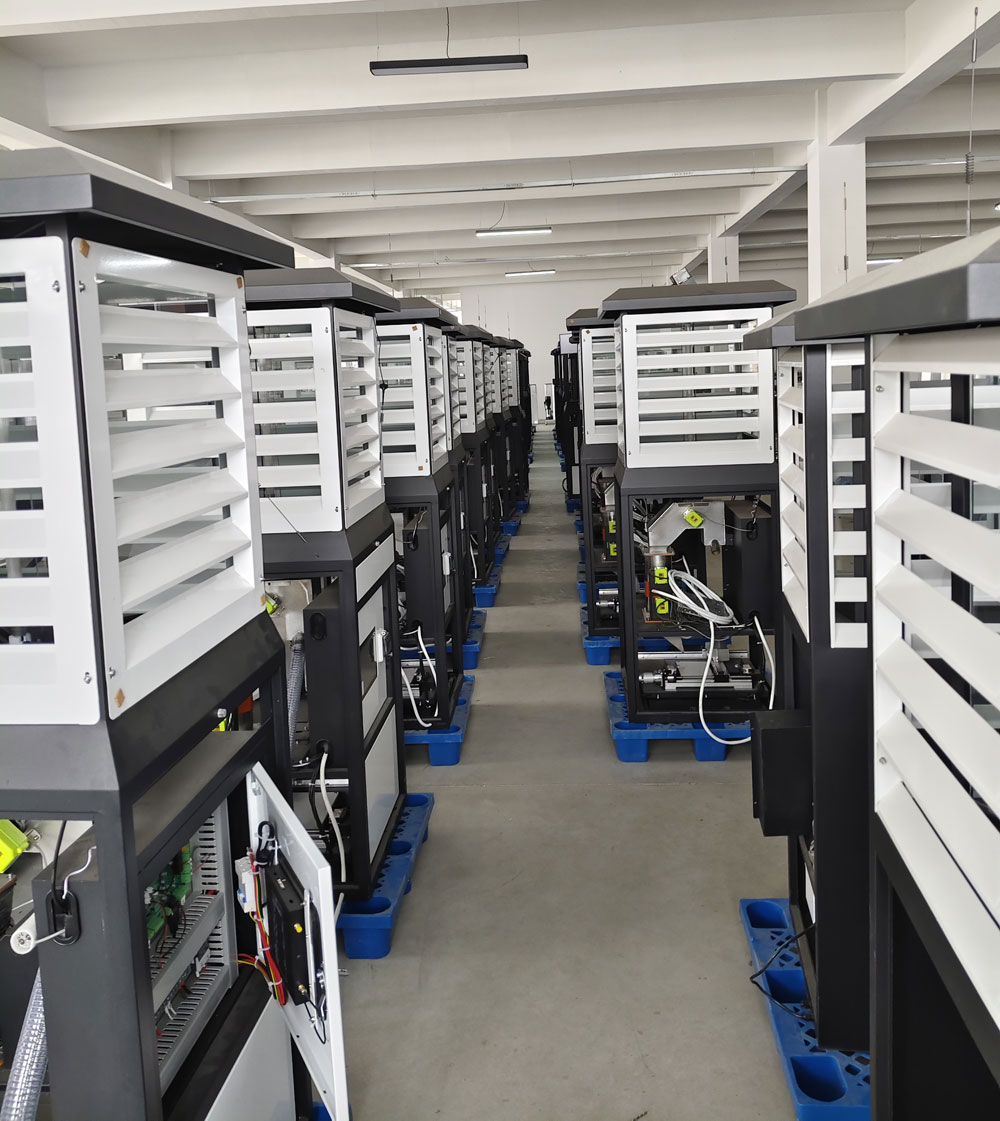
For high-altitude forecasting lamps, the practical purchasing issue is clear: buyers need to understand the working principle and when high-position monitoring is useful.
High-altitude deployment can be considered where pest migration, adult insect activity or regional monitoring requires wider exposure than a low-position field trap.
| Item | Typical Specification | Buyer Meaning |
|---|---|---|
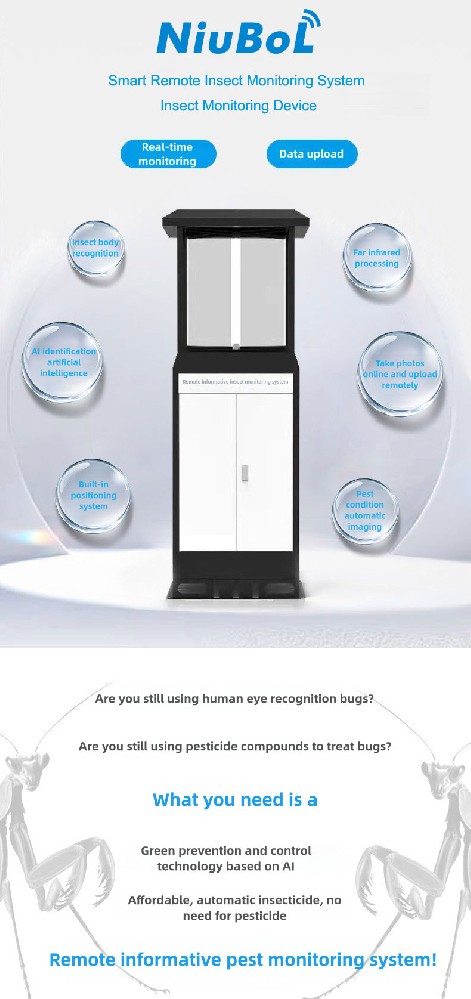
| System type | Remote insect monitoring and reporting terminal | Provides pest occurrence data, not only physical trapping |
| Image acquisition | Industrial camera, product page specifies 12-megapixel image capture | Supports visual evidence and pest-count review |
| Pest processing | Far-infrared processing and drying chamber | Keeps insect samples more complete for image recognition |
| Communication | 4G / Ethernet with RS485 / RS232 expansion on the product page | Supports platform integration for agricultural IoT projects |
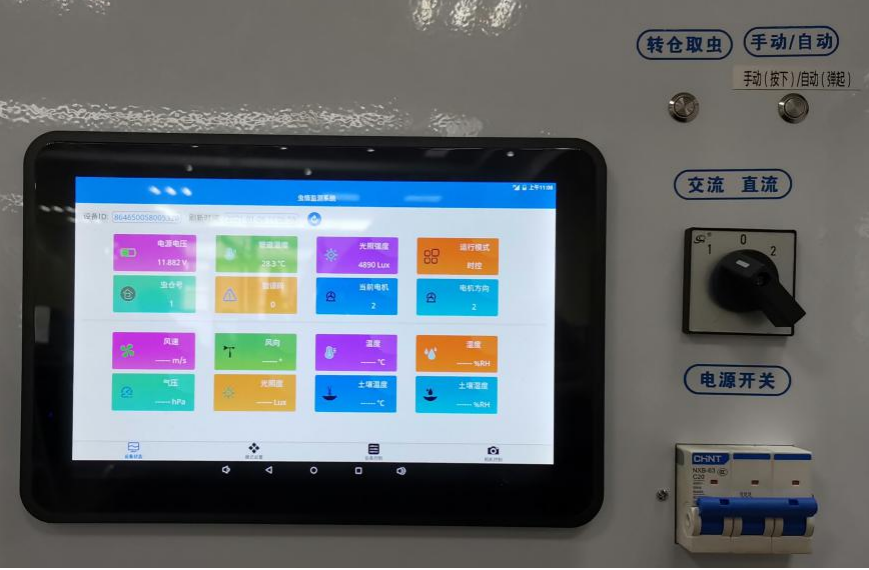
| Control interface | On-site industrial touchscreen and remote platform functions | Helps contractors commission and manage field stations |
| Power options | AC supply or solar power options depending on site configuration | Allows deployment in farms, forests and remote monitoring points |
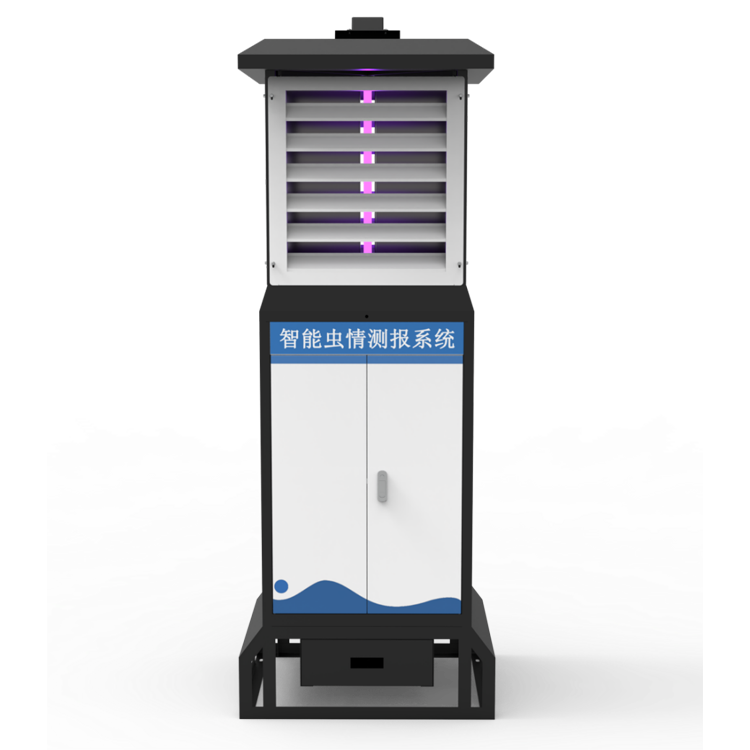
The basic principle is to use insect phototaxis and suitable light conditions to attract target adults, then collect or process samples for monitoring records. In a smart monitoring project, the device may also capture images and upload data for remote review.
The word high-altitude should not be treated as a marketing label. It means the installation height and exposure should match the monitoring objective, site safety and maintenance capability.
| Use Case | Reason | Buyer Check |
|---|---|---|
| Regional pest warning | Wider exposure helps observe adult activity | Confirm target pest and location |
| Orchard or forestry edge | Can monitor movement near canopy or boundary | Check maintenance access |
| Research monitoring | Needs consistent and representative records | Define data format and schedule |
| Remote agricultural base | Reduces manual field visits | Confirm communication and power |
| Migration observation | May require open high point | Check safety and foundation |
High-position monitoring requires more engineering attention than a low field trap. Pole strength, foundation depth, wind load, lightning protection, access for cleaning and safe work procedures should be considered. A high installation point that cannot be maintained will quickly lose monitoring value.
The monitoring objective should also be explicit. If the goal is local crop block control, a normal field device may be enough. If the goal is migration observation, regional warning or canopy-level activity, a higher and more open installation may be justified.
| Checklist Item | Why It Matters | Decision Signal |
|---|---|---|
| Target pest behavior | Light attraction must match pest biology | Confirmed adult phototaxis |
| Installation height | Affects exposure and safety | Defined by monitoring goal |
| Power and communication | Controls data continuity | Stable solar or AC plan and signal |
| Maintenance access | Cleaning and inspection remain necessary | Safe route and responsible team |
| Data use | Prevents decorative installation | Warning, research or reporting workflow defined |
Buyers should request drawings and installation guidance for any high-position project. This reduces installation improvisation and helps contractors quote labor and materials more accurately.
Higher installation can improve exposure for some monitoring goals, but it also increases installation and maintenance requirements. The buyer should not choose a high-altitude structure only because it looks more professional. Height should be justified by pest behavior, monitoring radius, terrain, canopy level or regional warning needs.
If the target is a local vegetable field, a lower monitoring device may provide more relevant data and easier maintenance. If the target is migratory or canopy-level adult activity, a higher position may be reasonable. This decision should be made before the supplier quotes pole structure and power configuration.
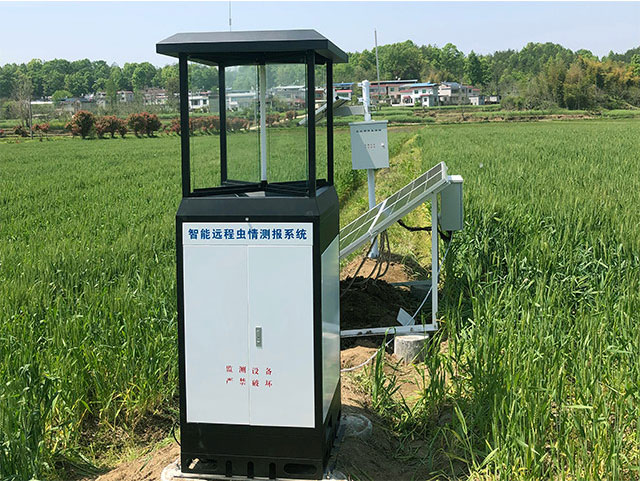
Acceptance should include foundation photos, pole stability, power wiring, lightning protection advice, device working status, image or sample records and platform upload. Maintenance access should be documented because every monitoring device eventually needs cleaning, inspection or part replacement.
| Documentation | What It Proves | Why Buyers Need It |
|---|---|---|
| Foundation photo | Installation stability | Reduces safety disputes |
| Height and position record | Monitoring design was followed | Supports future comparison |
| Power and communication test | Device can operate remotely | Prevents early downtime |
| Platform screenshot | Data is visible | Confirms handover |
| Maintenance method | Staff can service the unit | Protects long-term data quality |
High-altitude monitoring projects need clearer delivery boundaries than ordinary field devices. The quote should separate monitoring terminal, pole or tower structure, foundation materials, power supply, communication, lightning-protection advice, platform access and installation labor. This prevents underquoting the structure while overemphasizing the device.
The buyer should request drawings or installation guidance before shipment. Maintenance access, safe working height and wind exposure should be reviewed before the foundation is built. If these details are ignored, the project may be difficult or unsafe to service.
Acceptance should verify structural stability, working light source, image or sample collection, remote upload, station naming and maintenance method.
High-altitude monitoring should be judged by representative data and safe maintenance, not by height alone. If the installation improves exposure and supports a defined warning objective, the higher structure can be justified. If it only increases visual impact, a lower and easier-to-maintain device may be more practical.
The buyer should compare the added structure cost with the actual monitoring benefit. This keeps the project focused on pest-warning value rather than decorative engineering.
If a high-position device is selected, the article should help buyers ask for foundation details, safe maintenance access and communication tests. These are the points that decide whether the system remains usable after installation. They also help contractors price installation work correctly instead of treating the pole as a minor accessory. That makes the project safer, easier to maintain, easier to accept and easier to explain to the buyer.
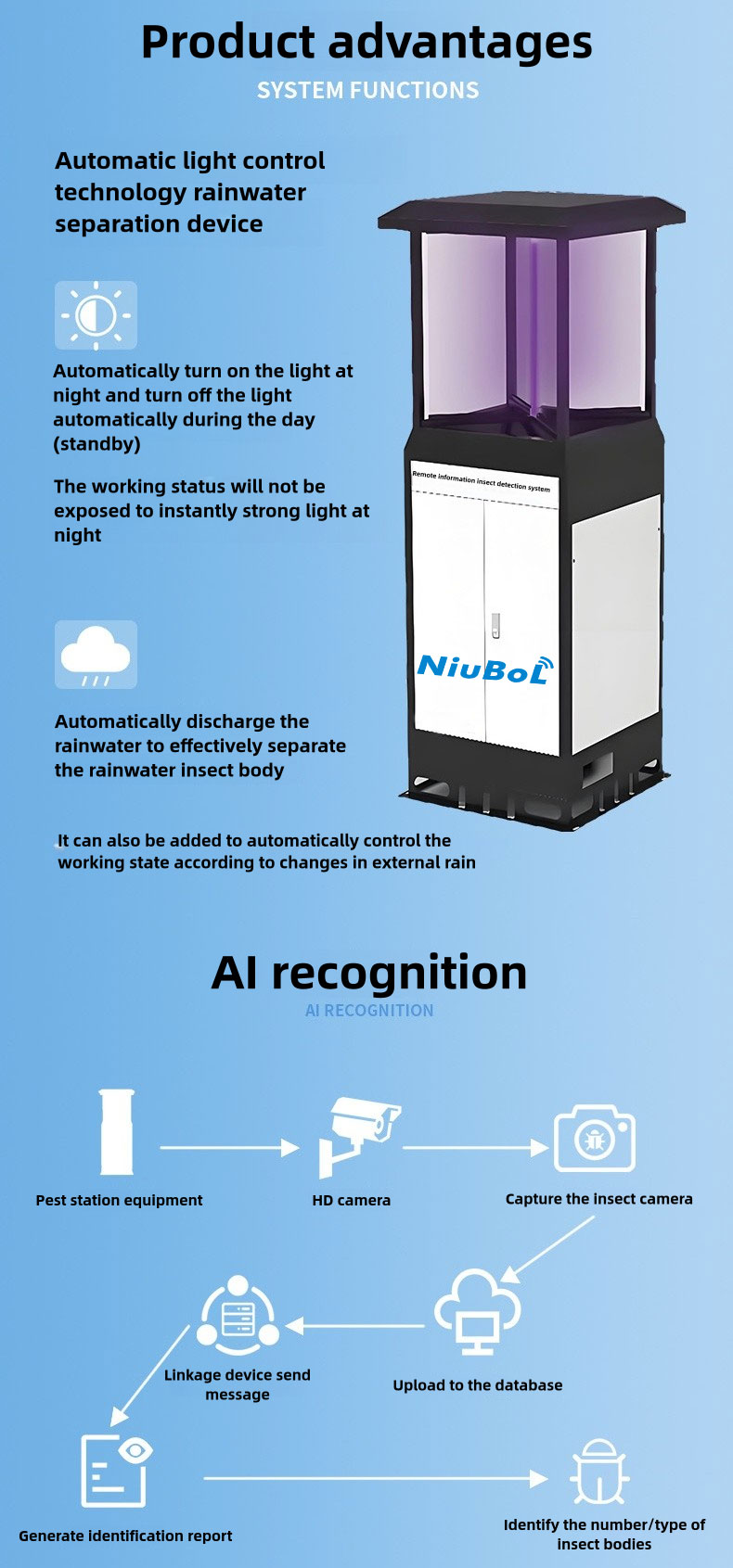
Site challenge: Manual scouting is slow and chemical control may be applied late or too broadly. Integration or deployment plan: Deploy insect monitoring terminals, weather data and cloud records for occurrence trend review. User value: Managers can decide treatment timing from field evidence instead of routine blanket spraying.
Site challenge: Many monitoring points need comparable data and remote access. Integration or deployment plan: Use remote insect monitoring stations with unified platform naming and data export. User value: Plant-protection teams can compare regions, dates and pest pressure.
Site challenge: High-value crops require early warning and residue-conscious management. Integration or deployment plan: Combine pest images, trend curves and local weather records. User value: Buyers can support quality control and reduce unnecessary field visits.
Site challenge: Target pests may occur in remote zones where manual inspection is expensive. Integration or deployment plan: Install remote stations at representative routes or risk edges. User value: Teams receive earlier evidence for intervention and reporting.
A high-altitude insect forecasting lamp is suitable when the project needs representative monitoring and can support safe installation. It is not suitable where maintenance access is unsafe, solar exposure is poor or the target pest is not attracted by light.
Buyers should request installation drawings, foundation guidance, power plan, cleaning method and platform data scope before confirming the order.
Before requesting a quotation, send the crop type, target pests, field or orchard area, installation layout, power condition, local rainfall and wind conditions, expected working season, maintenance responsibility, and whether the project requires monitoring data or only physical pest reduction. These details determine whether the right solution is a frequency vibration solar insect trap, a wind-suction insect trap light, or a smart remote insect monitoring system.
For export orders and engineering projects, buyers should also confirm packaging, spare lamps or wearing parts, installation accessories, shipping method, documentation language, warranty terms and after-sales response method. A clear bill of materials prevents disputes during installation and helps local contractors prepare foundations, poles, batteries and maintenance tools before equipment arrives.
A: It uses pest phototaxis and elevated exposure to attract target adult insects, then collects, processes or images them for monitoring. In remote systems, the data can be uploaded for warning and trend analysis.
A: It is useful when the project needs broader exposure, migration observation, orchard or forestry boundary monitoring, or regional warning data. It should not be used only because the structure looks more advanced.
A: The main safety concern is stable installation and safe maintenance access. Pole height, foundation, wind load, lightning protection and worker access should be checked before purchase.
A: No. It provides monitoring evidence, but field scouting is still needed to confirm crop damage, larval stages and treatment decisions.
A: Buyers should expect time-based pest records, images or sample data, device status and historical trend information when a remote monitoring configuration is used.
A: Unsuitable sites include heavily shaded areas, locations with strong competing lights, unsafe maintenance access, poor communication and places where the target pests do not respond to light.
A: The quote should include device, pole or mounting structure, power supply, communication, platform, installation accessories, maintenance tools and documentation.
A: Acceptance should verify safe installation, working light source, image or sample collection, upload status, station naming, platform access and maintenance procedure.

A high-altitude insect forecasting lamp should be selected for monitoring value, not appearance. Buyers should confirm pest target, site exposure, safety, communication and maintenance before ordering. NiuBoL remote insect monitoring systems can support pest-warning projects that require representative data and platform access.
 Intelligent Remote Insect Monitoring and Reporting System(Insect Monitoring Device) Data Sheet.pdf
Prev:How a Remote Insect Monitoring System Collects Pest Information for Farm Projects
Next:Sensor Types and Technology Trends: A Procurement Guide for Industrial and IoT Projects
Related recommendations
Sensors & Weather Stations Catalog
Agriculture Sensors and Weather Stations Catalog-NiuBoL.pdf
Weather Stations Catalog-NiuBoL.pdf
Agriculture Sensors Catalog-NiuBoL.pdf
Water Quality Sensor Catalog-NiuBoL.pdf
Related products
 Combined air temperature and relative humidity sensor
 TDR Soil Moisture & Temperature Sensor for irrigation| RS485 |4-20mA| NBL-S-THR
 Soil pH sensor RS485 soil Testing instrument soil ph meter for agriculture |NBL-S-PH
 Wind Speed sensor Output Modbus/RS485/Analog/0-5V/4-20mA
 Tipping bucket rain gauge for weather monitoring auto rainfall sensor RS485/Outdoor/stainless steel
 Pyranometer Solar Radiation Sensor 4-20mA/RS485

Screenshot, WhatsApp to identify the QR code
WhatsApp number:+8615367865107
(Click on WhatsApp to copy and add friends)

