





— Blogs —
—Products—
 Consumer hotline +8618073152920
 WhatsApp:+8615367865107
Address:Room 102, District D, Houhu Industrial Park, Yuelu District, Changsha City, Hunan Province, China
Product knowledge
Time:2026-07-17 10:40:31 Popularity:268
A solar frequency vibration insect trap can support walnut pest control when the target pests are phototactic adults and the orchard needs a physical control method that reduces routine chemical pressure.
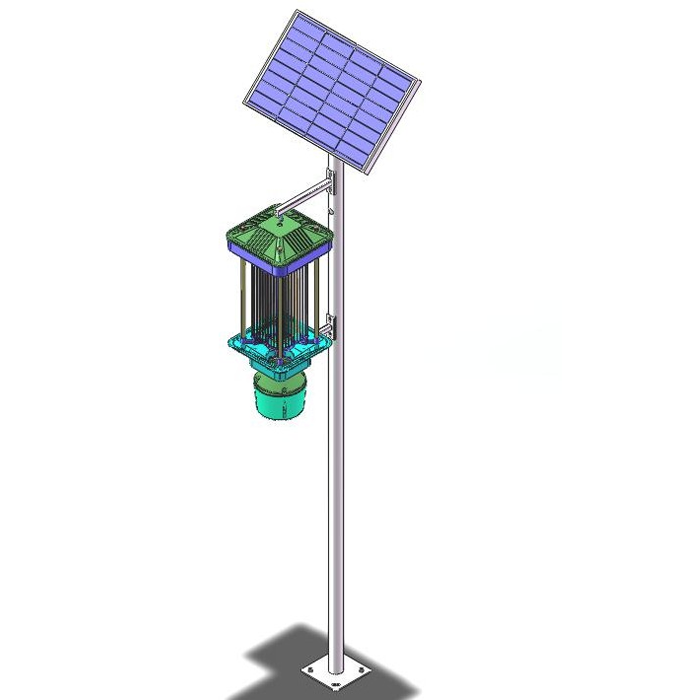
Walnut orchards face pest pressure that can affect tree growth, yield and nut quality. Practical walnut pest management should emphasize prevention and integrated control rather than relying only on chemical treatment. In that context, a solar frequency vibration insect trap is a practical field device for reducing adult pest populations.
The procurement decision should be made by orchard layout, pest target, power condition and maintenance access. A trap light installed in the wrong position or used against the wrong pest group will not deliver the expected value.
| Item | Typical Specification | Buyer Meaning |
|---|---|---|
| Attraction principle | Phototaxis attraction with frequency vibration light source | Targets field and orchard pests that respond to light wavelength |
| Power supply | Solar panel with rechargeable battery, project configuration varies by model | Suitable for orchards and fields without mains power |
| Control mode | Light control, time control and rain protection functions | Reduces unnecessary operation and protects equipment in wet weather |
| Killing method | High-voltage electric grid | Physical pest reduction without routine chemical spraying |
| Protection | Outdoor structure with weather-resistant design, commonly IP65 class for field use | Supports seasonal outdoor deployment |
| Application | Orchards, vegetable fields, forestry, nurseries and agricultural bases | Suitable where phototactic adult pests are part of the control target |
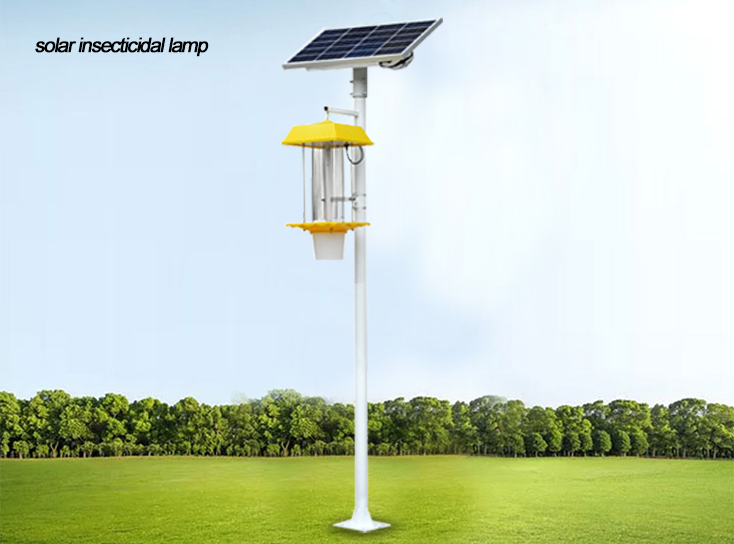
Walnut is a high-value orchard crop. Pest damage can influence growth, flowering, fruit development and final commercial quality. A prevention-first approach uses agricultural and physical control methods as much as possible to reduce chemical use. This is where solar insect traps fit.
Frequency vibration trap lights use light attraction and a high-voltage grid to reduce adult pest populations. In walnut orchards, buyers often consider them for pests such as scarabs, longhorn beetles and moths that respond to light. The equipment should be used as part of an integrated plan, not as a single guarantee.
Spacing should not be copied from another orchard without checking terrain, tree height, canopy density, pest pressure and maintenance route. A flat young orchard may need a different layout from an older orchard with dense canopy and uneven terrain. The buyer should mark roads, slopes, water areas and high-pressure pest zones before installation.
Solar power is valuable in orchards because cable power is often expensive or unavailable. The buyer should still check shading from trees. If the solar panel is shaded for long periods, battery performance and night operation can suffer.
In walnut orchards, installation points should support both trapping performance and maintenance. Poles should be placed where light is visible to target adult pests but does not interfere with normal orchard work. Roads, irrigation lines, slopes and harvest routes should be considered before foundations are prepared. If the orchard has blocks with different ages or canopy density, one spacing rule may not fit all blocks.
The working season should be matched to the activity period of target pests. Running the trap outside the useful season wastes battery cycles and maintenance time. Running it too late misses the opportunity to reduce adult pest population before eggs and larvae increase. The buyer should connect the installation schedule with local pest occurrence history or plant-protection advice.
The economic value comes from repeated use, reduced adult pest pressure, lower chemical dependence and easier green-production documentation. It does not come from claiming that one device solves every walnut pest problem. Buyers should compare the trap cost with seasonal pesticide cost, labor, crop quality requirements and the value of lower residue risk.
| Project Variable | Low-Risk Condition | Higher-Risk Condition |
|---|---|---|
| Target pests | Phototactic adult pests confirmed | Pest species unknown or mainly non-phototactic |
| Solar exposure | Open sunlight at installation point | Panel shaded by canopy or terrain |
| Maintenance | Staff can clean and inspect regularly | No assigned maintenance owner |
| Installation | Stable pole and accessible route | Temporary or unstable mounting |
| Control plan | Trap used with scouting and IPM | Trap expected to replace all controls |
After installation, acceptance should confirm more than power-on status. The buyer should check solar charging, night lighting, grid operation, rain protection, pole stability, collection access and whether each unit is installed at the agreed orchard block. If the orchard is divided into several management zones, each unit should be labeled so maintenance records can be linked to location.
During the first operating week, staff should record whether the trap attracts target insects and whether non-target insect capture is acceptable. These records help adjust placement and working time. A practical project allows field adjustment rather than assuming the first layout is perfect.
For walnut orchard projects, the quotation should state whether the package includes the trap head, solar panel, battery, pole, mounting bracket, controller, collection tray, spare light source and installation accessories. A low unit price can become expensive if the buyer later discovers that poles, spare lamps or field mounting parts were excluded.
Export buyers should also confirm carton or wooden-case packaging, fragile electrical parts, spare grid components, warranty evidence and the troubleshooting process. Orchard projects are seasonal, so a missing part during pest peak can reduce the value of the whole purchase.
Acceptance should check safe mounting, solar charging, night operation, grid function, rain protection, collection access and maintenance labeling by orchard block.
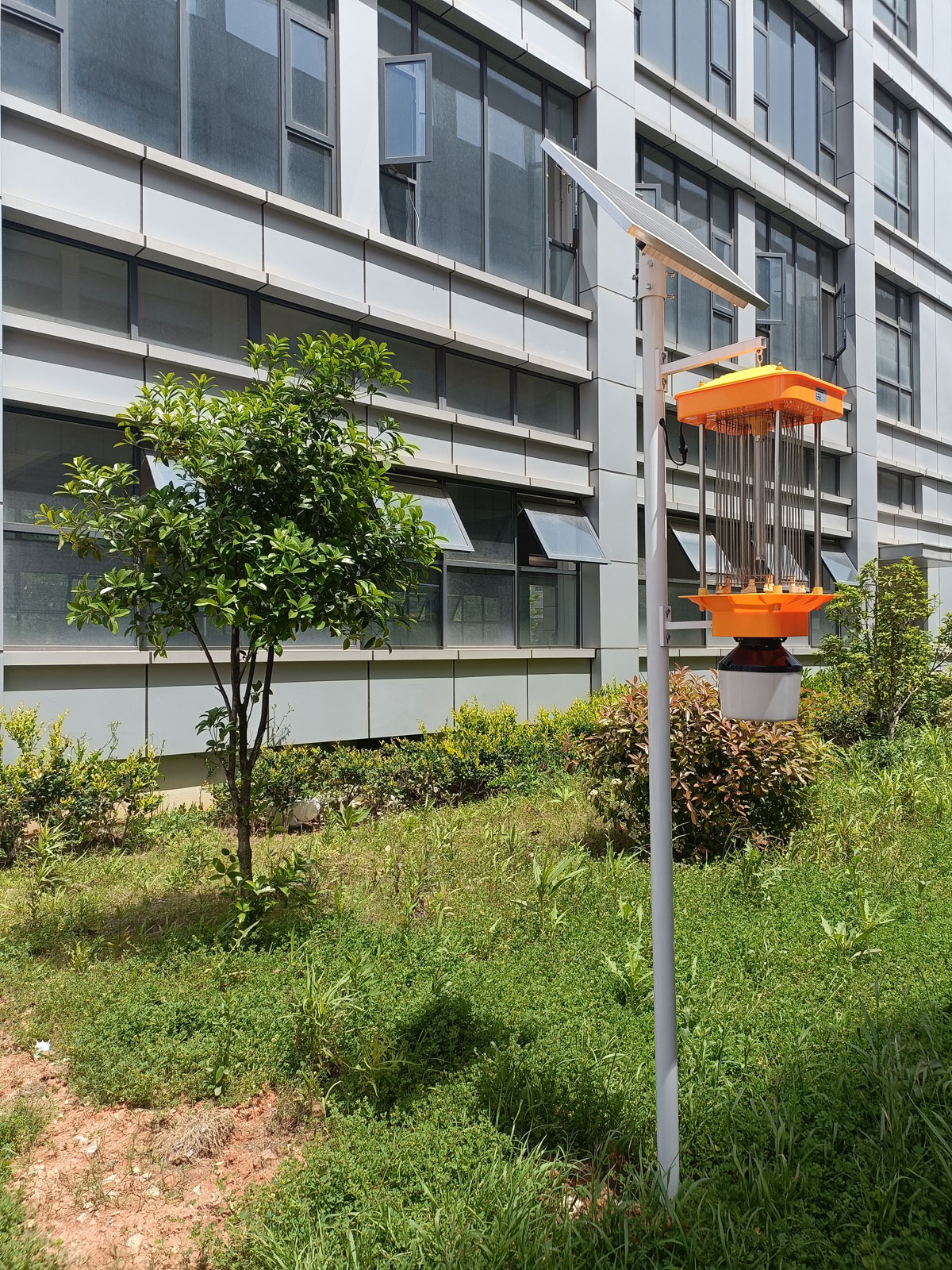
Site challenge: Adult pests such as scarabs, longhorn beetles and moths can affect growth and yield. Integration or deployment plan: Use solar insect trap spacing based on orchard terrain, pest target and maintenance route. User value: The orchard reduces adult pest base while lowering routine pesticide dependence.
Site challenge: Short crop cycles require fast pest reduction and low residue risk. Integration or deployment plan: Install traps at field edges and pressure points; combine with scouting. User value: Growers can reduce chemical frequency when pest pressure is suitable for light trapping.
Site challenge: Power supply is often limited and pest pressure varies by season. Integration or deployment plan: Use solar-powered trap lights with stable foundations and scheduled cleaning. User value: Operators gain a physical control method without laying long power cables.
Site challenge: Projects need visible green-control measures and documentation. Integration or deployment plan: Combine insect trap installation records, maintenance logs and seasonal pest observations. User value: Contractors can deliver a practical green-control package for inspection and buyer reporting.
| Cost Factor | Why It Matters | Buyer Check |
|---|---|---|
| Orchard area | Determines quantity and spacing | Provide map or area size |
| Tree canopy | Affects light visibility and solar charging | Check shade and installation height |
| Target pests | Determines whether light trapping is suitable | List main pests and season |
| Solar system | Affects night operation reliability | Check local sunshine and rainy season |
| Maintenance | Collection and cleaning affect performance | Assign staff and route |
Buyers should avoid selecting only by unit price. A lower-priced unit that lacks stable solar charging, weather protection or spare parts can become more expensive during the season.
Before requesting a quotation, send the crop type, target pests, field or orchard area, installation layout, power condition, local rainfall and wind conditions, expected working season, maintenance responsibility, and whether the project requires monitoring data or only physical pest reduction. These details determine whether the right solution is a frequency vibration solar insect trap, a wind-suction insect trap light, or a smart remote insect monitoring system.
For export orders and engineering projects, buyers should also confirm packaging, spare lamps or wearing parts, installation accessories, shipping method, documentation language, warranty terms and after-sales response method. A clear bill of materials prevents disputes during installation and helps local contractors prepare foundations, poles, batteries and maintenance tools before equipment arrives.
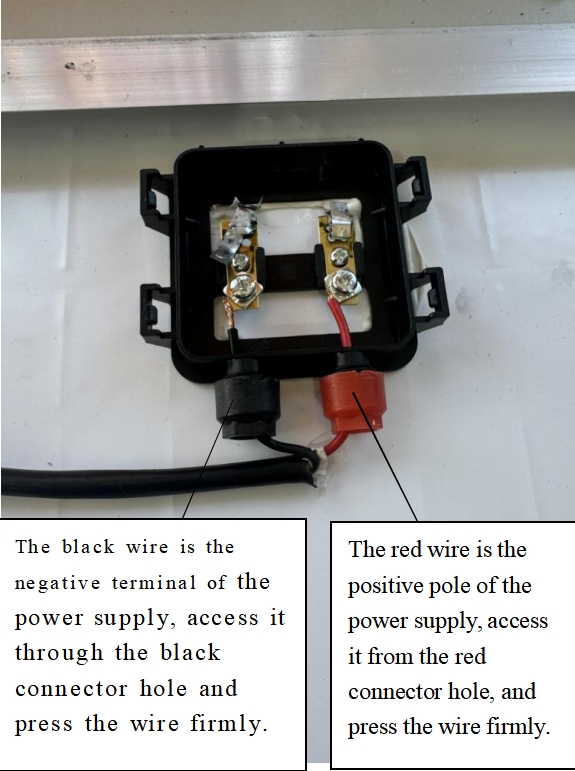
A: Yes, when the target pests are phototactic adult insects and the orchard has suitable open installation points. It is not a complete pest-control program by itself, but it can reduce adult pest pressure and support lower chemical dependence.
A: Projects usually consider light trapping for adult beetles, moths and other insects with light-response behavior. The buyer should confirm local pest species first because larvae, soil pests and non-phototactic pests cannot be controlled effectively by trap lights alone.
A: Quantity should be planned by orchard area, terrain, canopy, pest pressure and maintenance route. A supplier should not quote only from acreage without asking about tree age and layout. Dense canopy or uneven terrain may require different placement.
A: No. Solar power avoids cable installation, but panel shading, rainy periods and battery capacity still matter. Buyers should check whether the selected point receives enough sunlight during the pest season.
A: It can help reduce pesticide pressure when used with monitoring, sanitation, biological control and targeted treatment. It should not be promised as a full replacement for all chemical control, especially during severe outbreaks.
A: Check pole stability, panel angle, light height, grid protection, collection box access, drainage and distance from obstacles. The equipment should be easy to clean without damaging trees or interfering with orchard work.
A: Common spare items include light tubes or LED modules, battery components, collection trays, fuses and grid-related parts depending on model. Export buyers should confirm these items before shipment.
A: Send orchard area, crop stage, main pests, planned installation season, sunlight condition, terrain photos and whether local installation support is required. These details allow a practical configuration instead of a generic product quote.
A solar frequency vibration insect trap is useful in walnut pest control when target pests and orchard conditions are suitable. Buyers should evaluate pest species, layout, solar exposure, maintenance and spare parts before ordering. NiuBoL frequency vibration solar insect traps can be configured for orchard and agricultural physical pest-control projects.
Prev:Agricultural Insect Trap vs Mosquito Lamp: Buyer Guide for Farm Pest Control
Next:Pest Monitoring System for Green Crop Protection: How Buyers Should Plan the Project
Related recommendations
Sensors & Weather Stations Catalog
 Agriculture Sensors and Weather Stations Catalog-NiuBoL.pdf
Weather Stations Catalog-NiuBoL.pdf
Agriculture Sensors Catalog-NiuBoL.pdf
Water Quality Sensor Catalog-NiuBoL.pdf
Related products
 Combined air temperature and relative humidity sensor
 TDR Soil Moisture & Temperature Sensor for irrigation| RS485 |4-20mA| NBL-S-THR
 Soil pH sensor RS485 soil Testing instrument soil ph meter for agriculture |NBL-S-PH
 Wind Speed sensor Output Modbus/RS485/Analog/0-5V/4-20mA
 Tipping bucket rain gauge for weather monitoring auto rainfall sensor RS485/Outdoor/stainless steel
 Pyranometer Solar Radiation Sensor 4-20mA/RS485

Screenshot, WhatsApp to identify the QR code
WhatsApp number:+8615367865107
(Click on WhatsApp to copy and add friends)

