





— Blogs —
—Products—
 Consumer hotline +8618073152920
 WhatsApp:+8615367865107
Address:Room 102, District D, Houhu Industrial Park, Yuelu District, Changsha City, Hunan Province, China
Product knowledge
Time:2026-07-08 16:11:25 Popularity:222
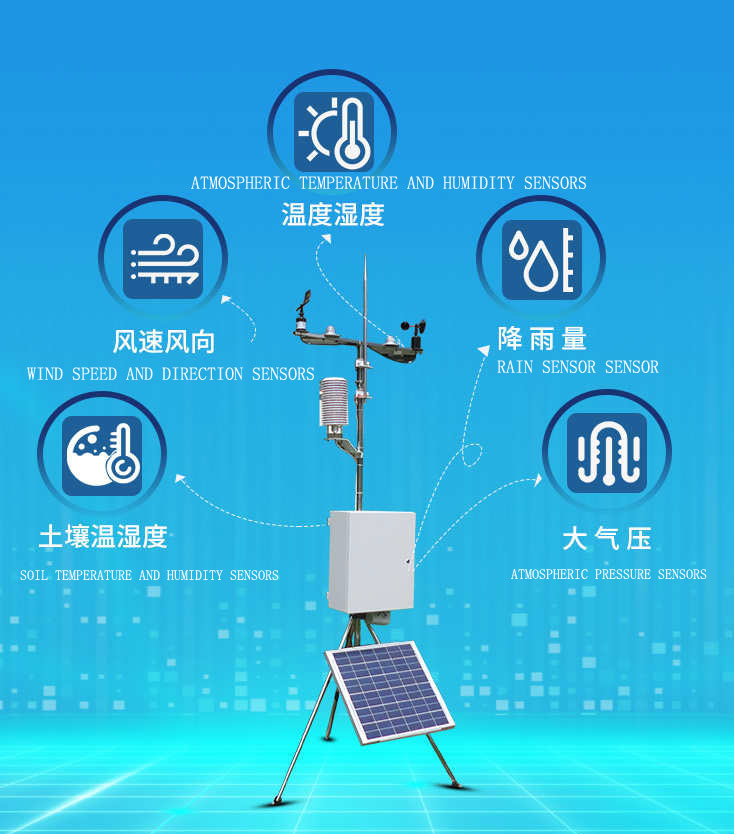
A portable weather station is valuable in disaster response because rescue teams often need weather data before a permanent station can be installed. Floods, landslides, heavy rain, hail, drought, snowstorms and secondary disasters all require local monitoring. The equipment should be fast to deploy, simple to transport and able to run without complex wiring.
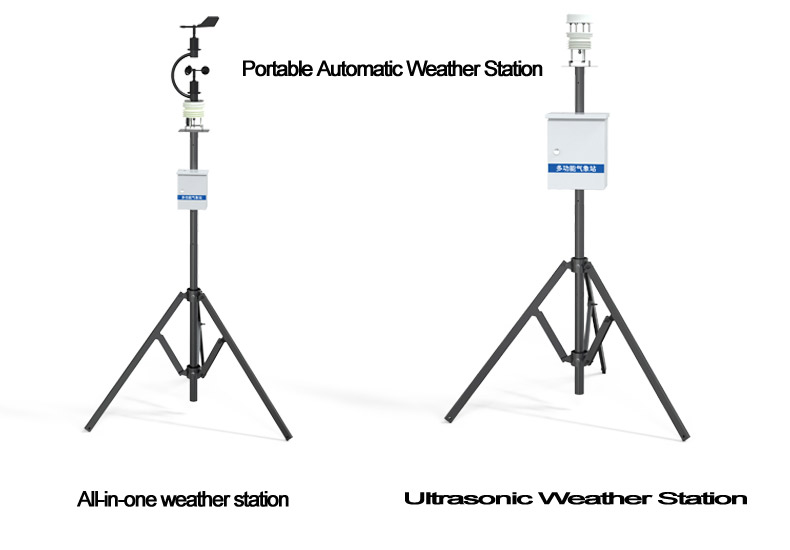
A practical emergency configuration uses a portable station carried in a shockproof trolley case with an aluminum alloy telescopic bracket. One person can complete deployment in under two minutes in suitable conditions. A removable lithium battery eliminates the need for special wiring. For emergency buyers, that deployment speed is often more important than decorative appearance.
| Parameter | Why It Matters in Disaster Response | Procurement Note |
|---|---|---|
| Wind speed and direction | Affects rescue safety, fire spread, dust movement and temporary structures | Fast response and stable mounting matter |
| Air temperature and humidity | Supports worker safety and weather trend assessment | Useful for heat, cold and humidity risk |
| Atmospheric pressure | Helps monitor weather change trend | Should be recorded with timestamp |
| Light and rainfall | Supports field visibility, rainfall process and warning | Optical rainfall can support compact deployment |
| PM2.5 and PM10 | Useful after fire, dust, collapse or construction rescue | Select when air quality is part of the response |
| Noise | Useful for environmental monitoring around emergency sites | Optional depending on project |
| Communication | Wired, GPRS, 4G or 5G | Choose based on local signal and command center needs |
It is suitable for emergency management departments, meteorological teams, rescue organizations, forestry departments, environmental teams, airports, ports, scientific expedition teams and campus emergency training. It is less suitable where long-term official observation is required at a fixed point; in that case, a permanent automatic weather station is a better long-term investment.
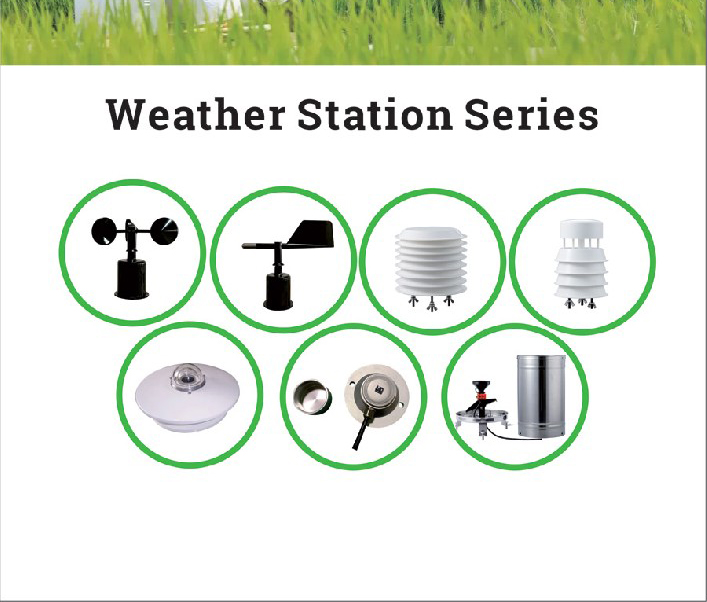
Choose a trolley case and quick bracket if the station must move with the rescue team.
Choose 4G/5G upload if command staff need remote access.
Choose local display and storage if the site has poor signal.
Choose PM and noise sensors for fire, collapse, dust or environmental response.
Choose solar or spare battery support if monitoring must continue beyond one shift.
A large fixed station is stronger for continuous local climate records and official site monitoring. A portable station is stronger for emergency deployment, temporary observation and mobile command support. The right choice depends on whether the buyer needs long-term data or immediate field data.
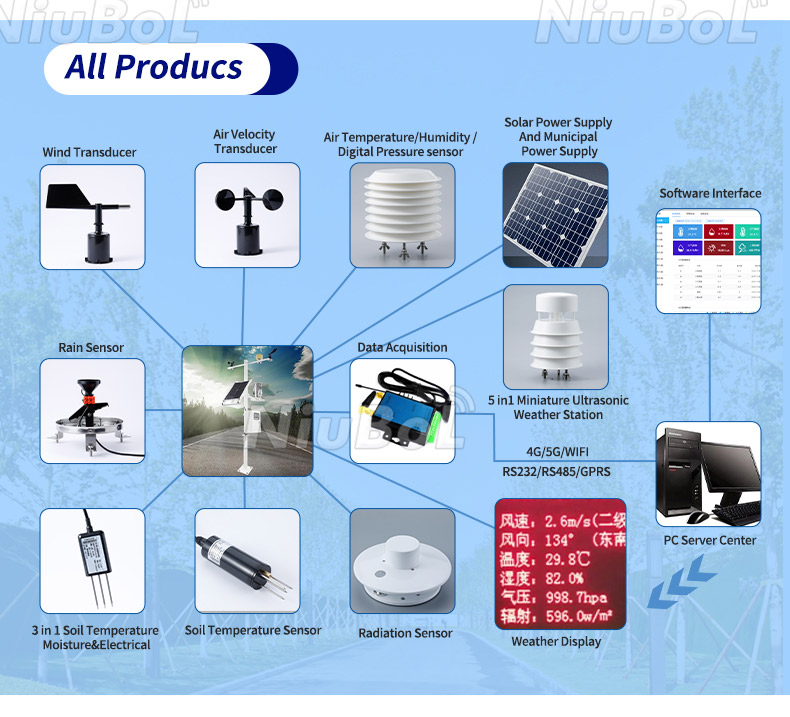
Ask whether the system includes trolley case, telescopic bracket, battery, charger, data logger, communication module, SIM configuration, software access, and English operation guide. For disaster-response procurement, spare batteries and quick-start training are worth adding. The buyer should also ask whether remote troubleshooting is available during deployment.
A practical emergency workflow is simple: arrive, select an open and safe point, deploy the tripod, power the station, confirm local readings, enable transmission if signal is available, and report the station location to the command team. The first useful record should be available within minutes, not after a long setup process.
If the communication signal is weak, local display and internal storage still matter. The team can export records later. For rescue operations, the ability to keep collecting data without network connection is a real procurement requirement.
Shockproof case for transport.
Spare battery for long operations.
Replacement charging cable and data cable.
Tripod locking parts.
Printed quick-start card for non-specialist operators.
The biggest risk in emergency equipment is buying a device that is accurate but slow to use. Rescue teams need quick deployment, visible readings, simple power management and clear data export. A complex station that needs specialist setup may fail in the first hour of a response.
Before ordering, simulate the field workflow: who carries the case, who sets the bracket, who confirms the data, who receives remote transmission and who exports records after the response. This often reveals missing accessories before purchase.
A disaster-ready portable station should be specified as a kit. The kit should include the station body, sensors, quick bracket, battery, charger, transport case, data cable, software or app access and a printed quick-start guide. If one of these items is missing, the device may not be field-ready when the response team needs it.
The station should also support a fallback mode. If wireless transmission is unavailable, the device should still display local data and store records. Emergency teams often work in areas with damaged networks, so local operation is not optional.
Training should be short and practical. Staff should know how to deploy the bracket, power on the station, check readings, confirm battery status, start transmission and export data. A quarterly readiness check is useful for agencies that may keep equipment in storage for long periods.
In a disaster response, local weather data helps command teams understand whether conditions are improving or worsening. Wind direction can affect smoke or dust movement. Rainfall can increase landslide or flood risk. Temperature and humidity affect rescue worker safety. PM readings help air quality assessment after fire, collapse or dust events.
The station should be placed where it represents the response area while remaining safe for staff. If the site is unstable, the team may need a compromise between ideal exposure and safe access. The location should be recorded so later data can be interpreted correctly.
After the response, exported records can support reports, training and equipment review. Teams can check whether the station was deployed quickly enough, whether communication worked, and whether the selected parameters were sufficient. This improves the next procurement or emergency plan.
Emergency equipment may sit unused for months. Storage should include battery maintenance, case inspection, software check and a short function test. If the battery is empty or the bracket is missing when a disaster happens, the purchase has failed operationally even if the instrument itself is good.
A simple readiness checklist should be attached inside the case: battery charged, sensors clean, tripod complete, data cable included, SIM card active, and quick guide present.
For disaster response, the correct purchase is a field-ready kit, not just a weather sensor. The station should be packed, charged, documented and easy for a trained team member to deploy under pressure. A good emergency station reduces uncertainty in the first hours of response, when command teams need local information quickly.
The buyer should also plan ownership. If no department is responsible for battery checks, SIM status, software access and periodic testing, the station may fail during real use. Procurement should include a readiness procedure, not only equipment delivery.
For large agencies, buying two or more identical kits can be more practical than one high-configuration kit. Identical kits simplify training, spare battery management and cross-team support. If several teams may deploy at the same time, quantity and standardization should be discussed during procurement.
For emergency response, the station should be treated as operational equipment. It needs a storage owner, test schedule, spare battery plan and clear deployment procedure. Without these, even a capable station may not be ready during a real incident.
A good disaster-response purchase should include equipment, accessories, training and a readiness checklist. The goal is not only accurate measurement, but fast and repeatable field use.
A: It provides local weather data quickly when a permanent station is unavailable or too slow to install.
A: The referenced emergency design can be deployed by one person in under two minutes under suitable site conditions.
A: A removable lithium battery allows temporary operation without laying dedicated power lines.
A: Yes. Wired, GPRS, 4G and 5G communication options can be selected by project.
A: Wind, temperature, humidity, pressure, rainfall, PM2.5, PM10 and noise are common for emergency monitoring.
A: It can support temporary monitoring, but permanent official sites usually need a fixed station and formal siting.
A: Sensor count, communication, bracket, case, battery capacity, software and after-sales support affect price.
A: Station body, sensors, bracket, case, battery, charger, cables, software access and operation documents should be confirmed.
A: Yes, if PM and wind sensors are included, it can help evaluate air quality and pollutant movement.
A: Send disaster type, required parameters, monitoring duration, communication condition, deployment frequency and delivery country.
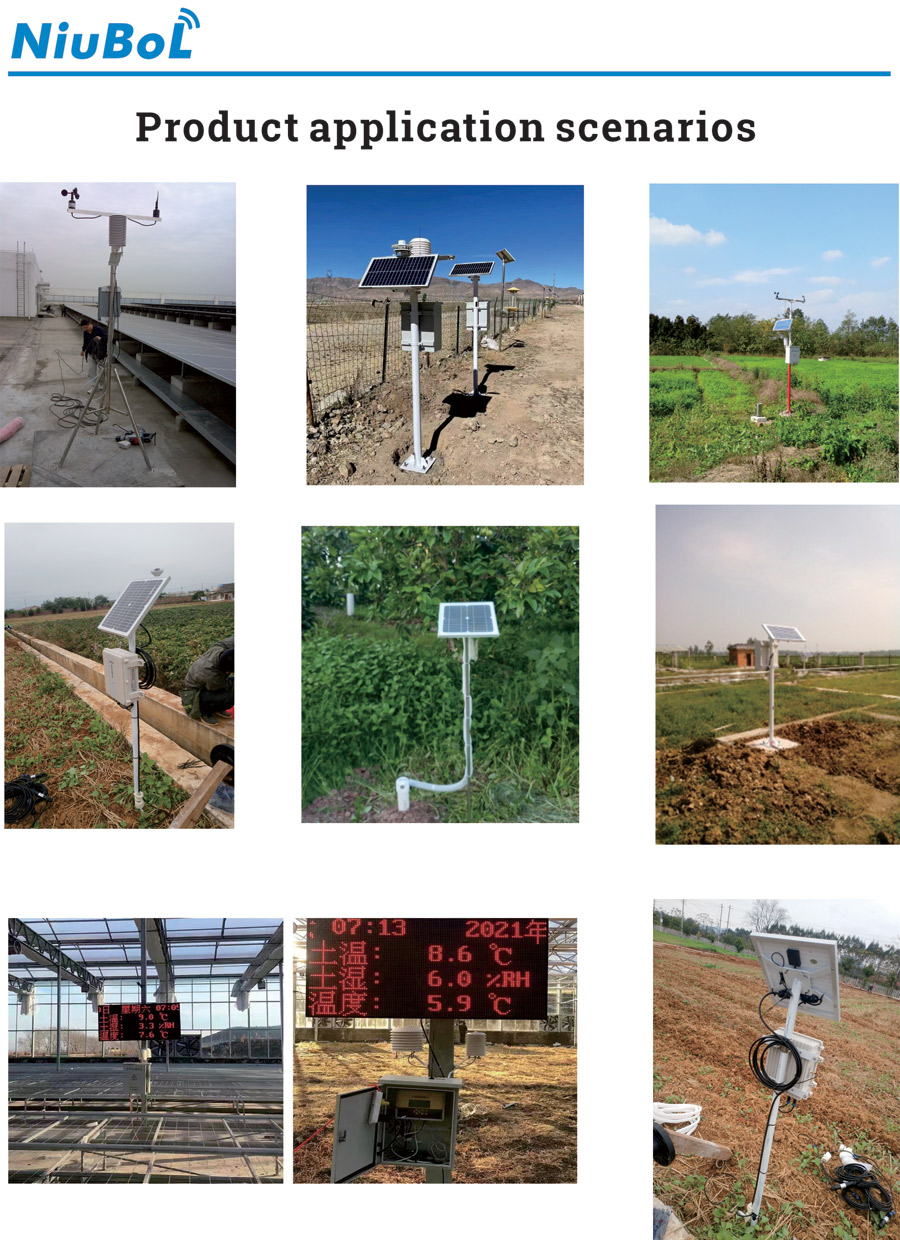
A disaster-response portable weather station should be chosen for speed, reliability and field usability. The buyer should prioritize deployment time, power independence, essential weather variables, communication method and training support.
Prev:Portable Weather Station for Sports Events: What Organizers Should Check Before Buying
Next:Solar Smart Agricultural Weather Station Buying Guide for Remote Farms
Related recommendations
Sensors & Weather Stations Catalog
 Agriculture Sensors and Weather Stations Catalog-NiuBoL.pdf
Weather Stations Catalog-NiuBoL.pdf
Agriculture Sensors Catalog-NiuBoL.pdf
Water Quality Sensor Catalog-NiuBoL.pdf
Related products
 Combined air temperature and relative humidity sensor
 TDR Soil Moisture & Temperature Sensor for irrigation| RS485 |4-20mA| NBL-S-THR
 Soil pH sensor RS485 soil Testing instrument soil ph meter for agriculture |NBL-S-PH
 Wind Speed sensor Output Modbus/RS485/Analog/0-5V/4-20mA
 Tipping bucket rain gauge for weather monitoring auto rainfall sensor RS485/Outdoor/stainless steel
 Pyranometer Solar Radiation Sensor 4-20mA/RS485

Screenshot, WhatsApp to identify the QR code
WhatsApp number:+8615367865107
(Click on WhatsApp to copy and add friends)

