





— Blogs —
—Products—
 Consumer hotline +8618073152920
 WhatsApp:+8615367865107
Address:Room 102, District D, Houhu Industrial Park, Yuelu District, Changsha City, Hunan Province, China
Product knowledge
Time:2026-07-08 16:11:22 Popularity:252
A greenhouse helps agriculture by creating a more controllable growing environment. It can reduce humidity problems caused by flood irrigation, improve water and fertilizer delivery, reduce disease pressure, protect crops from low temperature, and make year-round or early-season production more practical. The important point for buyers is this: a greenhouse is not only a cover over crops. Its value depends on irrigation design, ventilation, light, heat preservation, site selection and management habits.
For farms considering greenhouse investment, the question should not be whether greenhouses are useful. The better question is what problem the greenhouse must solve: off-season production, water-saving irrigation, disease reduction, seedling protection, yield stability, or higher product quality. Different goals require different structures and equipment.
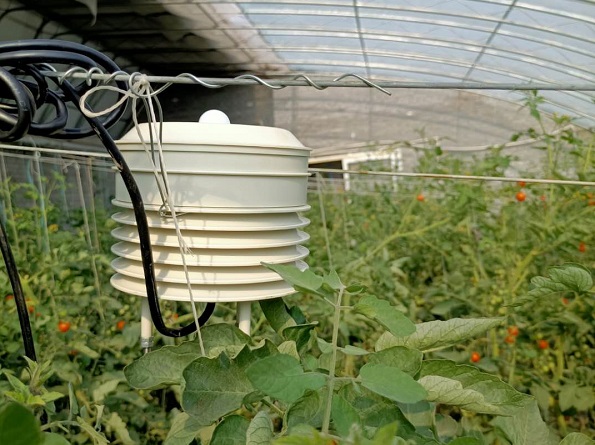
Water-fertilizer integration is one practical reason for building or upgrading greenhouses. When irrigation is delivered in a timed and quantitative way to the root zone, surface runoff is reduced and greenhouse humidity is lower than flood irrigation. Lower humidity reduces the conditions that cause many greenhouse diseases, which can reduce chemical use in suitable crop management.
Fertilizer use also becomes more efficient because nutrients are delivered with water directly to the root area. This avoids part of the uneven water and fertilizer distribution seen in flood irrigation. Crops grow under a more stable water and nutrient condition, which can promote earlier maturity and yield improvement.
| Benefit | How It Happens | Buyer Note |
|---|---|---|
| Lower humidity | Drip or water-fertilizer irrigation reduces surface water accumulation | Useful where disease pressure is humidity-related |
| Reduced disease pressure | Less excess humidity reduces disease conditions | Does not replace sanitation or ventilation |
| Better fertilizer use | Nutrients are delivered with water to the root zone | Requires correct fertilizer concentration and filtration |
| Earlier maturity | More suitable temperature and irrigation conditions support crop metabolism | Depends on crop, climate and management |
| Soil protection | Avoids repeated flood irrigation and excessive water saturation | Supports better root oxygen condition |
For a large greenhouse group, choose an open site with no tall trees or buildings blocking the east, south and west sides. Avoid wind outlets where strong airflow can damage covering or reduce heat retention. The site should have reliable water source, water quality, water pressure and drainage. Fertile, loose soil with low groundwater and no salinity or pollution is preferable for crop production.
Logistics also matters. A greenhouse producing vegetables or seedlings should be close enough to main roads for delivery, input transport and market connection. When protected cultivation and open-field cultivation are used together, the greenhouse area should fit the whole farm layout instead of blocking later expansion.
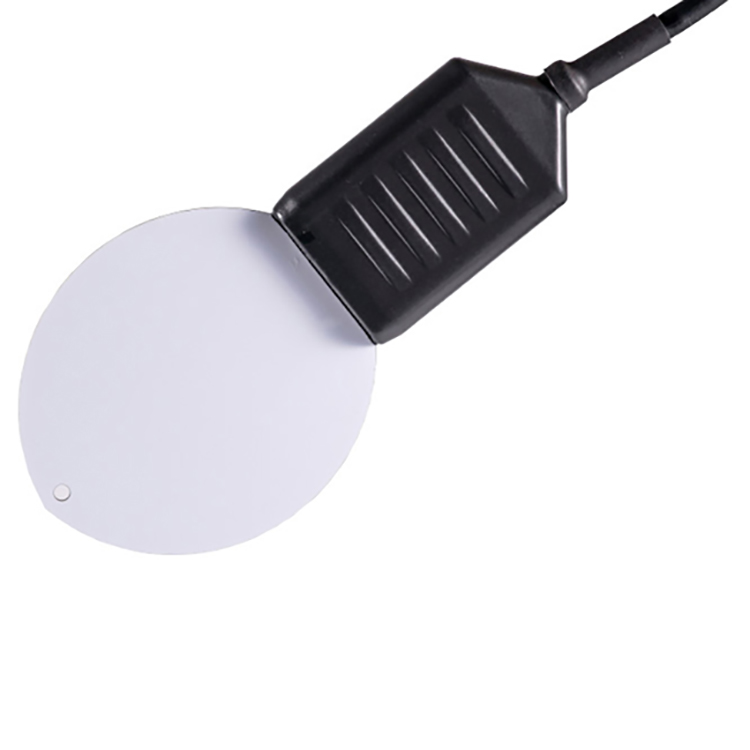
A greenhouse may not solve the farm's problem if the real limitation is poor seed quality, lack of market access, unsafe water, weak management, or no plan for ventilation and irrigation. If a buyer only builds a structure but continues flood irrigation and manual guesswork, the improvement will be limited. A smaller greenhouse with good irrigation and monitoring is often more useful than a larger house without control.
For simple seasonal protection, a basic film greenhouse may be enough.
For higher production stability, consider better frame strength, insulation and ventilation design.
For water-saving production, include water-fertilizer integration at the design stage.
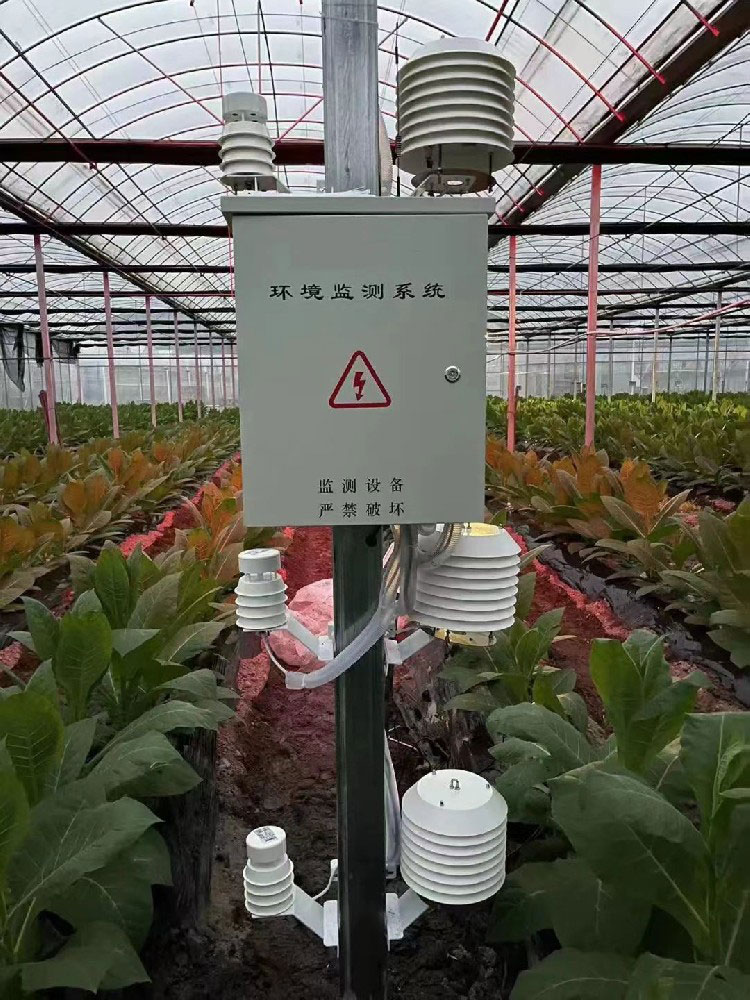
For crop quality control, add temperature, humidity, light and soil moisture monitoring.
For multi-house farms, use a cloud platform and device naming rules from the beginning.
Greenhouse cost is affected by span, height, frame material, covering material, foundation, ventilation, irrigation, water-fertilizer system, sensors, control cabinet, installation and shipping. If the quotation does not separate structure, irrigation and monitoring, buyers should ask for a clearer breakdown.
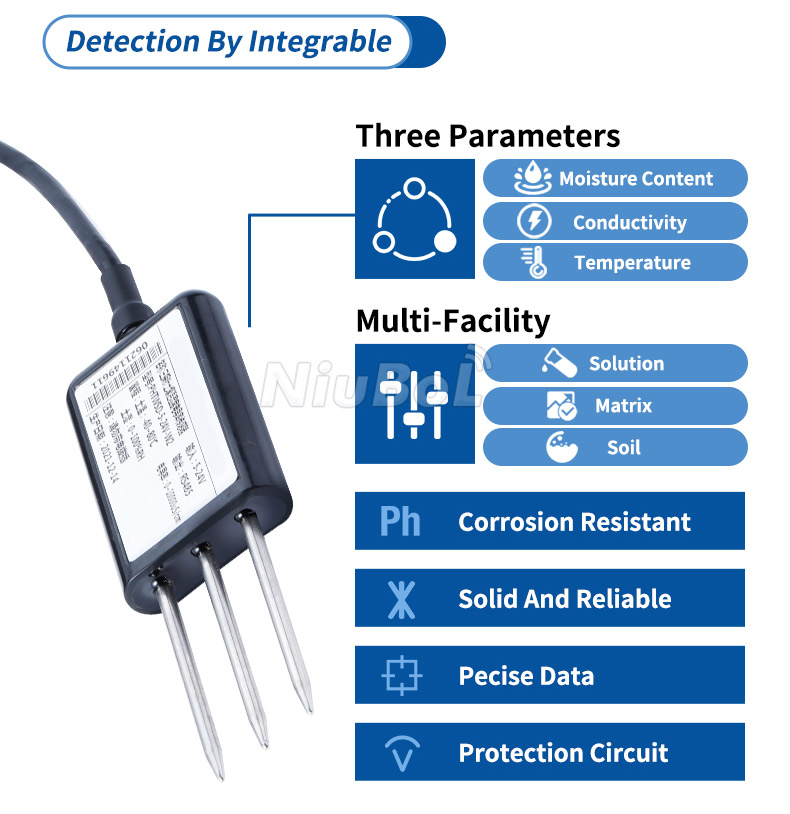
A greenhouse becomes a practical investment when the buyer connects structure, irrigation and crop management. If the buyer wants lower disease pressure, humidity and ventilation must be monitored. If the buyer wants water saving, the irrigation method and filtration system matter more than the greenhouse size alone.
For new projects, ask the supplier to separate the quotation into structure, covering, irrigation, sensors, control cabinet and installation. This makes comparison easier and prevents a cheap structure quote from hiding missing operating equipment.
Frame and covering matched to local wind and snow risk.
Drip or water-fertilizer irrigation for root-zone delivery.
Temperature, humidity and soil moisture monitoring.
Ventilation design suitable for the greenhouse width.
Basic cloud records if the farm has more than one house.
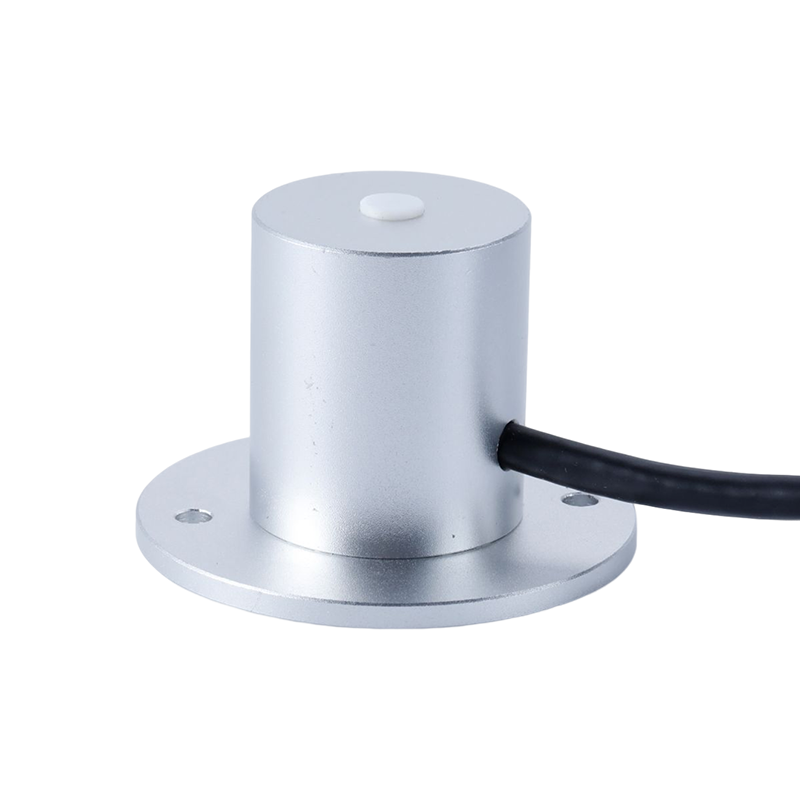
A greenhouse can protect crops, but it also concentrates management mistakes. Poor drainage, blocked filters, excessive humidity or wrong planting density can become worse inside a protected structure. Buyers should plan water source, drainage, ventilation and crop spacing before choosing the final structure size.
If budget is limited, prioritize the parts that directly affect production: reliable frame, suitable covering, irrigation, ventilation and basic sensors. Decorative screens and advanced dashboards can be added later, but poor drainage and weak frame design are expensive to correct.
Some benefits appear quickly. Lower humidity from drip or water-fertilizer irrigation can be observed within days. Better fertilizer use and crop uniformity may take one crop cycle to evaluate. Soil structure improvement takes longer because it depends on irrigation practice, drainage and cultivation habits.
Buyers should define measurable goals before construction: lower disease incidence, reduced water use, earlier harvest, more stable yield or better seedling survival. Without measurable goals, it is difficult to judge whether the greenhouse investment worked.
Buyers often compare a larger simple greenhouse with a smaller but better-equipped greenhouse. The better choice depends on the production bottleneck. If the farm mainly lacks protected area, a larger basic greenhouse may make sense. If the farm loses yield because of humidity, poor irrigation or unstable temperature, a smaller greenhouse with water-fertilizer integration and monitoring may create more value.
A greenhouse should also be compared with open-field production. If the crop already grows well outdoors and market price is low, greenhouse investment may not pay back quickly. If the crop benefits from early maturity, quality improvement or off-season supply, the greenhouse has a clearer business case.
After construction, the farm should record irrigation amount, fertilizer use, disease occurrence, harvest date, yield and quality grade. These records show whether the greenhouse is solving the intended problem. Without records, the buyer may know the greenhouse is useful in general but cannot judge which part of the investment worked.
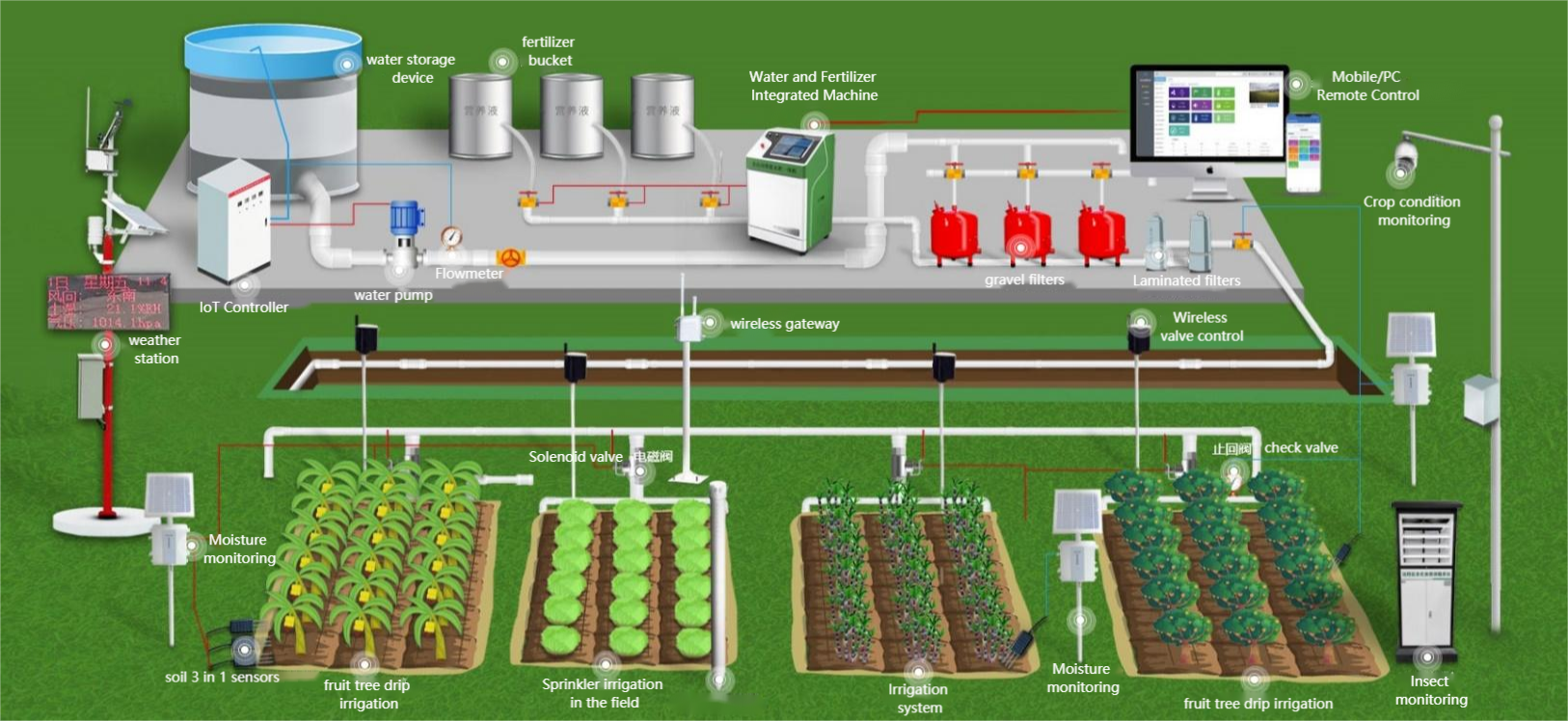
Ask whether the system includes filtration, fertilizer mixing, pump matching, valve control, pipeline design and sensor linkage. A water-fertilizer machine alone does not guarantee good irrigation. The whole water path must match the greenhouse layout and crop root zone.
If the farm water quality is poor, filtration and maintenance become important. Blocked emitters will destroy irrigation uniformity and reduce the value of the greenhouse investment.
A greenhouse project should be judged by whether it solves a production problem. If the problem is disease pressure, focus on humidity and ventilation. If the problem is water and fertilizer waste, focus on irrigation and filtration. If the problem is unstable yield, combine structure, sensors and management records. The right design is the one that fits the farm's real bottleneck.
A: It creates a more controlled environment for crop temperature, humidity, irrigation, light and protection, helping stabilize production.
A: No. Yield improvement depends on crop, irrigation, ventilation, fertilizer management, pest control and operator skill.
A: It delivers water and nutrients to the root zone more evenly and can reduce humidity caused by flood irrigation.
A: Check sunlight, wind exposure, water supply, drainage, soil quality, pollution source and road access.
A: No. It is more suitable for crops with clear market value, environmental sensitivity or off-season production potential.
A: Ventilation, irrigation, water-fertilizer machine, sensors, control cabinet and platform should be considered according to crop needs.
A: Structure size, material, covering, automation level, irrigation system, sensors, installation and shipping are major cost factors.
A: Yes. Irrigation, sensors, ventilation control and cloud monitoring can often be added if the structure and power allow it.
A: Building a greenhouse first and planning irrigation, drainage and monitoring later often causes extra cost and poor operation.
A: Send crop type, location, greenhouse size, site photos, water and power condition, expected automation level and budget range.
A greenhouse is valuable when it is designed around a real production problem. Buyers should decide whether the goal is humidity reduction, water-saving irrigation, earlier maturity, disease reduction, or year-round production. The structure, irrigation, site and monitoring system should then be matched to that goal.
Prev:Negative Oxygen Ion Detector Manufacturer Guide: Online Monitoring Station or Handheld Meter?
Next:Portable Weather Station for Sports Events: What Organizers Should Check Before Buying
Related recommendations
Sensors & Weather Stations Catalog
 Agriculture Sensors and Weather Stations Catalog-NiuBoL.pdf
Weather Stations Catalog-NiuBoL.pdf
Agriculture Sensors Catalog-NiuBoL.pdf
Water Quality Sensor Catalog-NiuBoL.pdf
Related products
 Combined air temperature and relative humidity sensor
 TDR Soil Moisture & Temperature Sensor for irrigation| RS485 |4-20mA| NBL-S-THR
 Soil pH sensor RS485 soil Testing instrument soil ph meter for agriculture |NBL-S-PH
 Wind Speed sensor Output Modbus/RS485/Analog/0-5V/4-20mA
 Tipping bucket rain gauge for weather monitoring auto rainfall sensor RS485/Outdoor/stainless steel
 Pyranometer Solar Radiation Sensor 4-20mA/RS485

Screenshot, WhatsApp to identify the QR code
WhatsApp number:+8615367865107
(Click on WhatsApp to copy and add friends)

