





— Blogs —
—Products—
 Consumer hotline +8618073152920
 WhatsApp:+8615367865107
Address:Room 102, District D, Houhu Industrial Park, Yuelu District, Changsha City, Hunan Province, China
Product knowledge
Time:2026-07-08 16:11:20 Popularity:228
A negative oxygen ion detector should be selected according to how the data will be used. If the buyer needs temporary measurement in rooms, products, coatings or air treatment demonstrations, a handheld detector may be enough. If the buyer needs 24-hour scenic area data, public display, remote platform records or multi-point environmental management, an online negative oxygen ion monitoring station is the better choice.
NiuBoL provides negative oxygen ion monitoring stations, handheld detectors and sensor modules for different project needs. The right product depends on measurement range, data continuity, communication, display, power, maintenance and whether the data must be shared with visitors or management platforms.
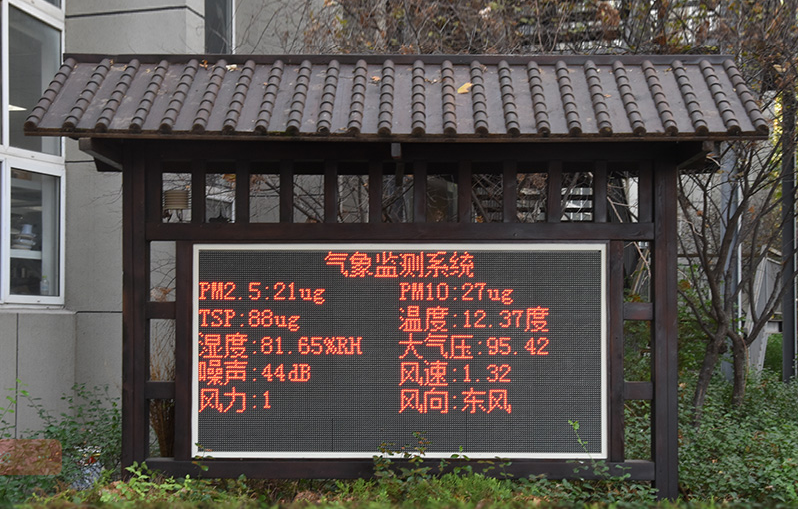
| Item | Online Monitoring Station | Handheld Detector |
|---|---|---|
| Main purpose | 24-hour continuous site monitoring | Spot measurement and demonstration |
| Typical users | Scenic areas, parks, environmental stations | Inspectors, labs, indoor testing, product demonstration |
| Data output | Platform, LED display, remote records | Local screen and USB export depending on model |
| Power | Mains, DC or solar system | Built-in rechargeable battery |
| Expansion | Can add PM2.5, temperature, humidity, noise and weather sensors | Usually limited to portable measurement functions |
| Procurement focus | Reliability, communication, installation and maintenance | Accuracy, portability, battery and screen readability |
A handheld detector for field checking can use cylindrical capacitive capture of negative ions, a 5.0-inch full-color touch screen with 800 x 480 resolution, real-time display, automatic average calculation and simple operation. It uses a built-in 12V 3000mAh lithium battery, supports one-second measurement interval, continuous measurement and USB communication.
| Parameter | Reference Value | Buyer Meaning |
|---|---|---|
| Measurement method | Cylindrical capacitive negative ion capture | Suitable for professional air ion measurement |
| Range | 0-50,000; 10-50,000; 10-5,000,000 pcs/cm3 ranges by configuration | Choose based on expected concentration |
| Accuracy | ±5% | Useful for comparing sites or products |
| Resolution | 1 pcs/cm3 | Supports fine reading display |
| Mobility | 0.4 to 1.0 cm2/V*sec | Defines target ion mobility range |
| Measurement interval | 1 second per reading | Supports quick response observation |
| Communication | USB | Allows local data connection |
| Battery | 12V 3000mAh lithium battery | Supports mobile testing without site power |

Choose an online station if the project needs public environmental display, tourism brand data, ecological assessment, long-term trend records or remote management. Choose a handheld detector if the project needs mobile inspection, indoor testing, product demonstration, coating test, air purifier comparison or laboratory checks.
Do not use a handheld detector as the only tool for a public scenic area display system. It cannot provide continuous unattended data. Do not buy a full online station if the only need is occasional spot verification.
Can the manufacturer provide both handheld and online options?
Is the measurement principle clearly explained?
Are range, accuracy, resolution and mobility stated?
Does the online station support modular sensors and remote platform?
Can the supplier provide packing, shipping and operation documents?
Is after-sales support available for calibration, repair and sensor replacement?
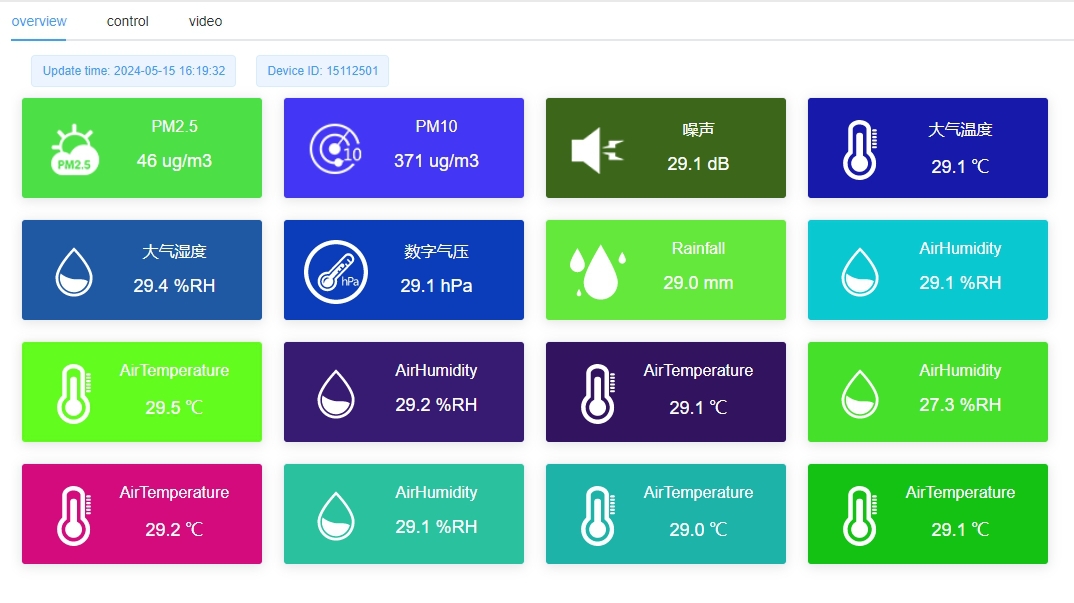
Price depends on detector type, range, display, battery, communication, sensor modules, station cabinet, LED display and platform functions. Handheld meters are usually simpler to ship and use. Online stations require more project work: bracket, power, communication, platform setup and installation guidance.
For export orders, buyers should confirm packing protection, English manuals, spare parts, calibration support and delivery time. If the detector is part of a tender or government project, ask for datasheets, test information and acceptance documents before ordering.
A handheld detector is suitable for comparison checks, but readings can change with airflow, humidity, location and sampling method. Buyers should standardize the measurement position, measurement time and record method if they plan to compare different rooms, products or scenic spots.
For public display or environmental reporting, an online monitoring station is more credible because it records data continuously and reduces operator influence. The choice depends on whether the buyer needs a portable inspection tool or a fixed data source.
Handheld detector with screen protection and charger.
Online station packed with sensor, cabinet, bracket and cables separately.
English operation guide for export orders.
Calibration or test record when required.
Warranty and spare sensor policy.
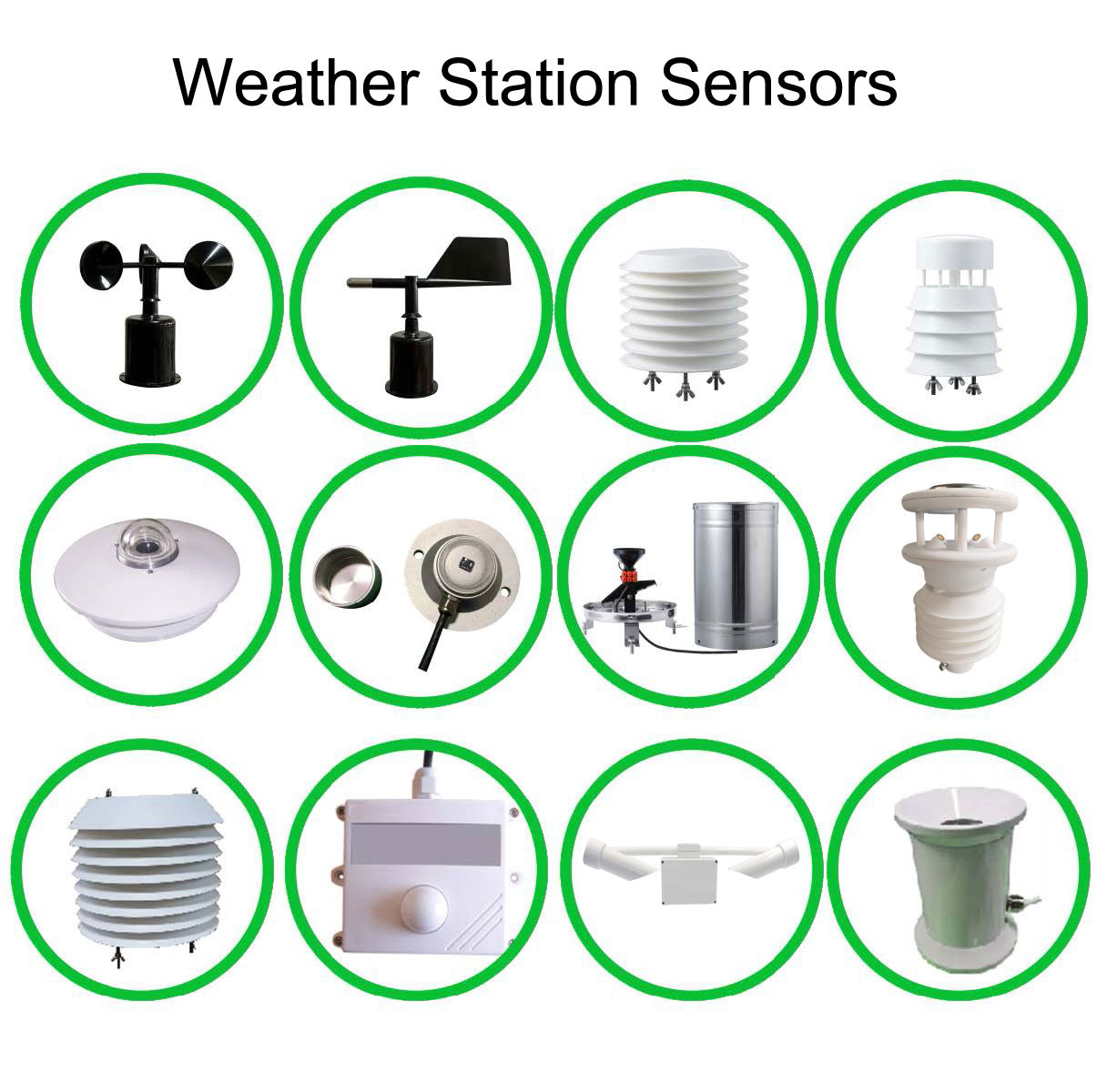
A handheld detector is suitable for product demonstrations, indoor checks and mobile inspection. It is not suitable as the only data source for a scenic area LED display or public environmental report. An online station is suitable for long-term records but is unnecessary for a buyer who only needs occasional spot testing.
Before purchase, decide whether the data is for internal comparison, customer demonstration, research, public display or platform integration. That single decision will determine whether a handheld meter, sensor module or online station is the right product.
The decision starts with the data use. If the buyer needs to inspect several rooms, compare coating samples or demonstrate an air treatment product, a handheld detector is more practical. If the buyer needs a scenic area display, historical trend, remote platform or unattended monitoring, an online station is the right direction. Buying the wrong type usually creates more cost later.
Handheld instruments are easy to carry and quick to operate, but readings depend more on operator method and sampling location. Online stations are less flexible but more consistent because they collect data at fixed points under defined conditions.
Buyers should check measurement range, accuracy, resolution, mobility range, screen size, battery capacity, data interval and USB communication. A 5.0-inch full-color display is useful when readings need to be shown clearly to customers or inspectors. A one-second measurement interval is useful for quick comparison, but the operator should still allow readings to stabilize before recording a result.
For export orders, packing should protect the screen and sensor inlet. The buyer should request English instructions, charging accessories, calibration or test information and warranty terms. If several units are purchased, ask whether readings are checked for consistency before shipment.
Confirm whether negative oxygen ion, PM2.5, temperature and humidity are included.
Ask for LED display and platform options if public display is needed.
Confirm power supply and communication method.
Request installation bracket and cabinet details.
Ask for data export, historical curve and maintenance support.
Handheld detector results should be interpreted with a consistent method. Measure at a consistent height, avoid direct airflow from fans or air outlets, allow readings to stabilize, and record temperature, humidity and location. If one measurement is taken beside a waterfall and another inside a closed room, the values are not directly comparable without context.
For sales demonstrations, the detector should be used honestly. It can show relative differences between environments or products, but it should not be presented as a permanent environmental monitoring system. If the buyer needs public data, an online station with fixed installation and historical records is more appropriate.
Before contacting a manufacturer, decide whether the product is for handheld inspection, laboratory comparison, scenic area display, indoor air treatment, or IoT platform integration. Then provide expected range, quantity, destination country, language requirement, data export need and whether calibration documents are required.
A low-cost detector may be enough for simple demonstrations, but professional buyers should check accuracy, range, display, battery, sampling method and data export. If the detector will be used for customer-facing reports or technical comparison, consistency and documentation matter more than the lowest unit price.
For a manufacturer inquiry, send the expected use case first. The correct answer may be a handheld detector, a sensor module, or a complete online station.
A: It is an instrument that measures the concentration of negative ions in air, usually in pcs/cm3.
A: Choose online station for continuous monitoring and public display. Choose handheld meter for spot testing and mobile inspection.
A: Indoor testing, coating and material demonstration, air purifier checks, laboratory work and temporary site comparison.
A: Scenic areas, forest parks, wetlands, ecological parks and environmental monitoring projects.
A: Select according to expected concentration. Some handheld configurations cover up to 5,000,000 pcs/cm3.
A: Handheld models can support USB communication; online stations can upload data to platforms and displays.
A: Measurement range, detector type, screen, battery, communication, cabinet, platform and sensor expansion affect price.
A: Yes. Online stations can be customized for parameters, display, communication and platform; handheld options depend on model.
A: Request datasheet, operation guide, packing list, calibration or test information and warranty policy.
A: Send application, online or handheld preference, range, quantity, destination country and data use requirement.
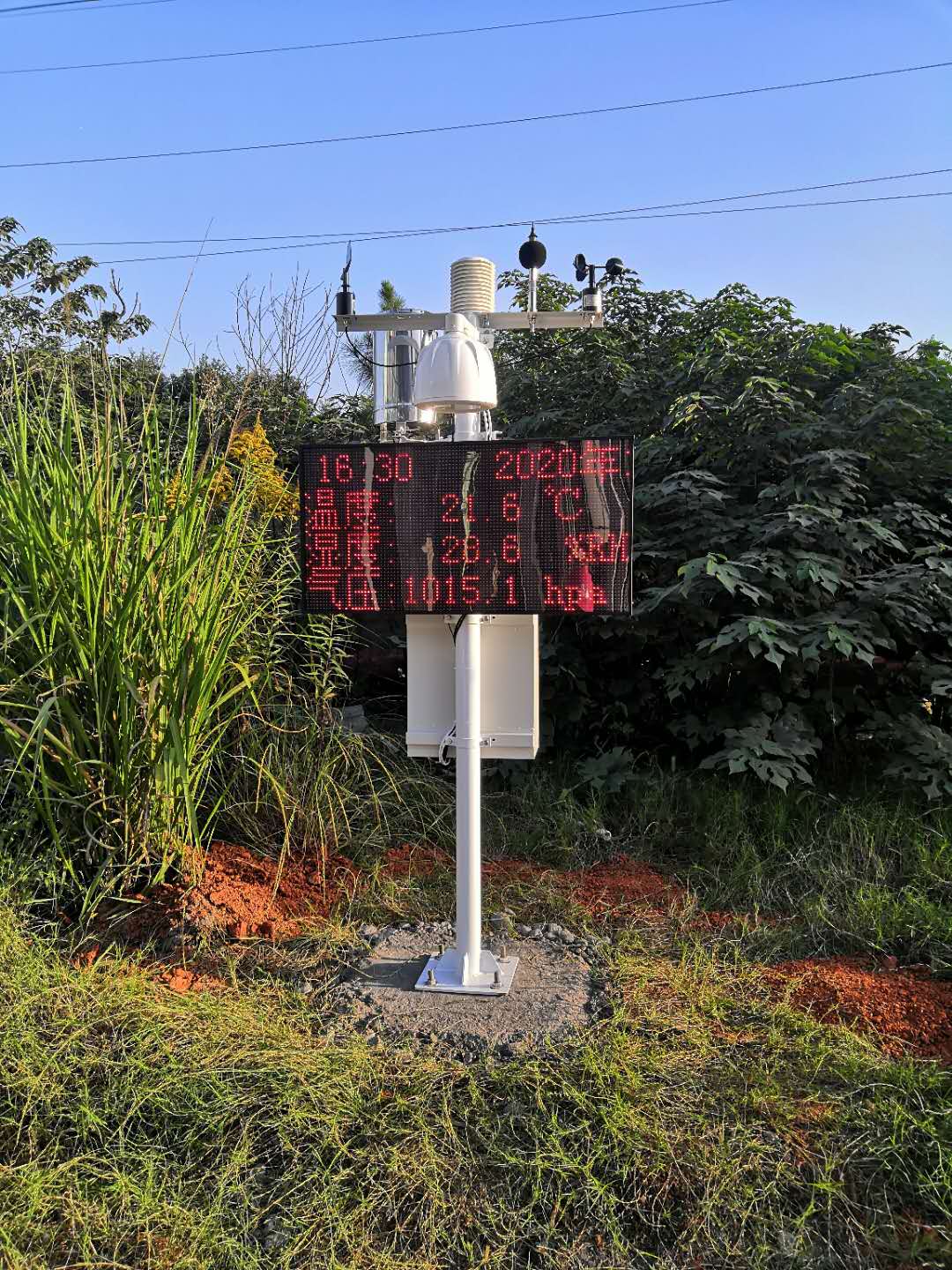
A negative oxygen ion detector is not one product for every use case. Buyers should decide whether they need spot testing or continuous monitoring first. Then compare measurement principle, range, accuracy, communication, display, delivery documents and after-sales support.
Prev:Negative Oxygen Ion Sensor Manufacturer Selection Guide: Principle, Accuracy, and Industrial Use
Next:What Does a Greenhouse Do for Agriculture? Irrigation, Yield, and Site Selection Guide
Related recommendations
Sensors & Weather Stations Catalog
 Agriculture Sensors and Weather Stations Catalog-NiuBoL.pdf
Weather Stations Catalog-NiuBoL.pdf
Agriculture Sensors Catalog-NiuBoL.pdf
Water Quality Sensor Catalog-NiuBoL.pdf
Related products
 Combined air temperature and relative humidity sensor
 TDR Soil Moisture & Temperature Sensor for irrigation| RS485 |4-20mA| NBL-S-THR
 Soil pH sensor RS485 soil Testing instrument soil ph meter for agriculture |NBL-S-PH
 Wind Speed sensor Output Modbus/RS485/Analog/0-5V/4-20mA
 Tipping bucket rain gauge for weather monitoring auto rainfall sensor RS485/Outdoor/stainless steel
 Pyranometer Solar Radiation Sensor 4-20mA/RS485

Screenshot, WhatsApp to identify the QR code
WhatsApp number:+8615367865107
(Click on WhatsApp to copy and add friends)

