





— Blogs —
—Products—
 Consumer hotline +8618073152920
 WhatsApp:+8615367865107
Address:Room 102, District D, Houhu Industrial Park, Yuelu District, Changsha City, Hunan Province, China
Product knowledge
Time:2026-04-02 12:02:05 Popularity:583
In tourist scenic area management and ecological protection projects, real-time and accurate environmental meteorological data is an important support for achieving safe operation, optimizing tourist experience, and sustainable development. Traditional manual observation methods are difficult to meet the needs of high-frequency and all-weather monitoring, especially in remote or complex terrain scenic areas, where operation and maintenance costs are high and data timeliness is insufficient. The scenic area automatic weather station and negative oxygen ion monitoring system developed by NiuBoL adopts a modular high-integration design and follows international meteorological WMO organization observation standards to build an integrated platform from end-side perception to data release.
This solution can simultaneously monitor conventional meteorological elements and air quality indicators, especially the ecological characteristic parameter of negative oxygen ion concentration, providing engineering-grade data support for scenic area environmental quality assessment, disaster early warning, and publicity and promotion. The system supports wired and wireless (GSM/GPRS/4G/5G) communication methods. Data can be directly connected to scenic area management platforms, LED display terminals, or cloud systems, significantly reducing integration complexity and long-term operation and maintenance investment.
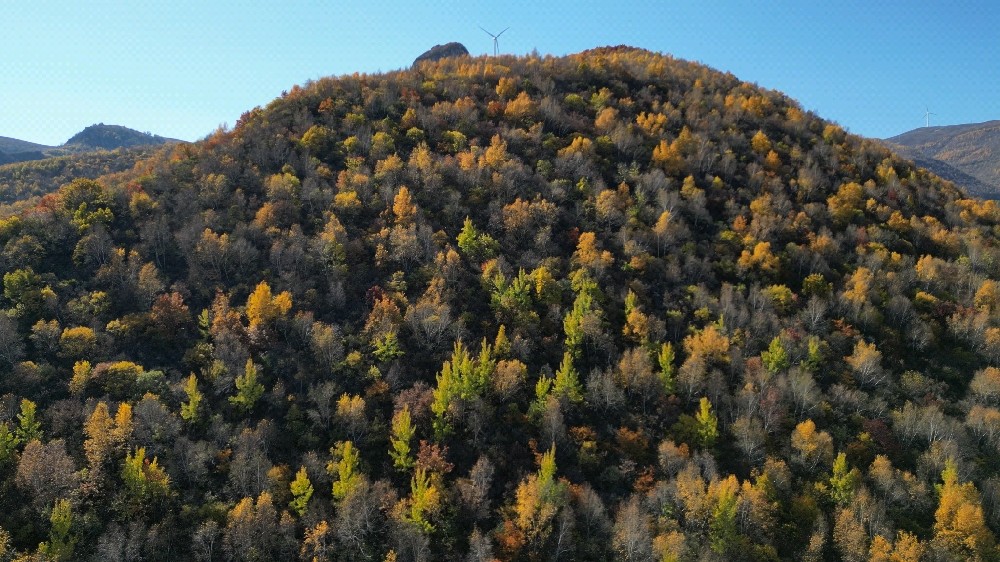
The scenic area automatic weather station is a multi-element automatic observation device customized for tourist attraction environmental monitoring. It can operate all-weather and unattended in harsh outdoor conditions. The system mainly monitors conventional meteorological parameters such as air temperature, air humidity, wind direction, wind speed, atmospheric pressure, rainfall, and light intensity to meet the data collection needs of meteorology, hydrology, environmental protection, and tourism fields for basic environmental data.
In actual projects, automatic weather stations can provide the following engineering support for scenic area management:
Disaster Early Warning and Safety Assurance: Real-time monitoring of changes in wind speed, rainfall, and air pressure assists in the early identification of meteorological disasters such as lightning, heavy rain, and strong winds, supporting the dynamic adjustment of scenic area emergency plans.
Operation Optimization Decision-Making: Combined with light intensity and total radiation data, it guides outdoor activity arrangements, landscape lighting control, and energy scheduling.
Ecological and Tourist Experience Management: Linkage with extended elements such as negative oxygen ions forms a scenic area micro-climate assessment system, supporting differentiated regional management.
The NiuBoL automatic weather station adopts a sturdy protective structure and integrates high-precision sensors. The data processing unit supports local storage and remote transmission and is compatible with mainstream IoT platforms and SCADA systems. The modular design allows flexible expansion of elements according to project needs, reducing repeated point deployment and wiring work.
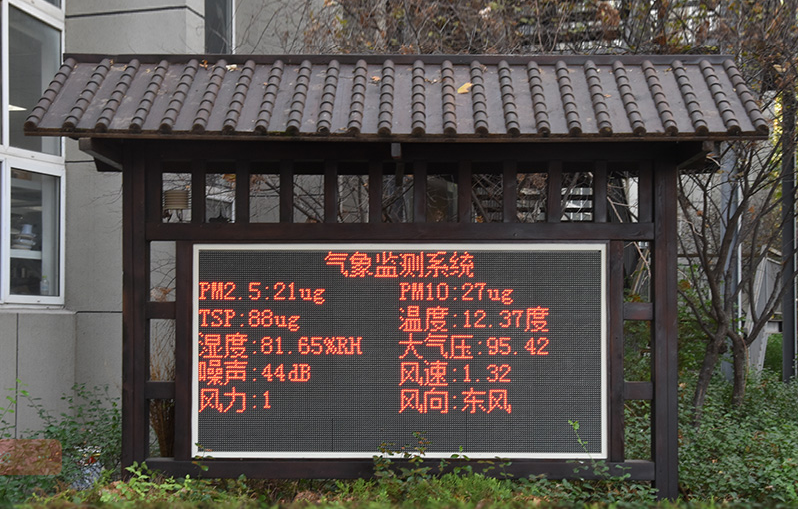
Negative oxygen ions (air negative ions) are an important ecological indicator for measuring air freshness, mainly produced through natural processes such as atmospheric ionization, plant photosynthesis, and water shear. Their concentration level directly reflects the air quality and ecological health of scenic areas. Referring to relevant standards, environments with negative oxygen ion concentrations above 1000 ions/cm³ are generally considered fresh air and help improve human comfort. Higher concentrations (above 1500 ions/cm³) have significant value in ecological publicity.
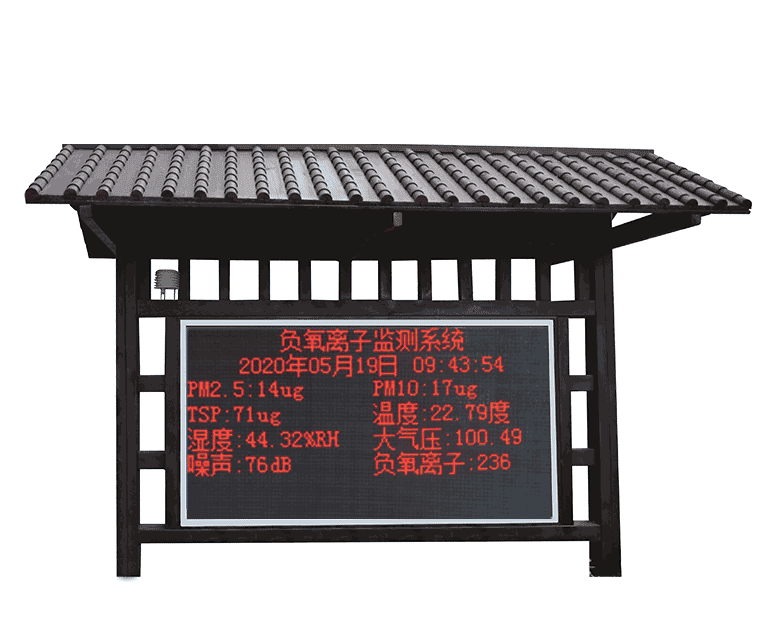
The NiuBoL scenic area negative oxygen ion online monitoring system is optimized for field and scenic area scenarios with a low-cost and easy-to-deploy architecture, overcoming the limitations of traditional national control-level systems that are expensive, complex to operate, and difficult to maintain. The system takes a high-sensitivity negative oxygen ion sensor as the core and can simultaneously extend monitoring of environmental parameters such as temperature, humidity, PM2.5, PM10, carbon dioxide, ozone, and carbon monoxide to achieve multi-dimensional comprehensive perception.
The system consists of a monitoring terminal, data transmission module, server, monitoring management software, display and release terminal, and mobile client. It supports 24-hour continuous recording and real-time transmission. Data can be stored as historical curves, generate reports, and support on-site sound and light alarms. The unique modular structure allows each sensor to be interchangeable, making later maintenance convenient. It is equipped with a professional installation bracket as standard, suitable for wall or column installation.
In scenic area projects, the system can perform correlation analysis between negative oxygen ion concentration data and meteorological elements to form a comprehensive evaluation model of “meteorology–air quality–ecological value,” supporting the construction of “natural oxygen bar” brands and ecological tourism planning.
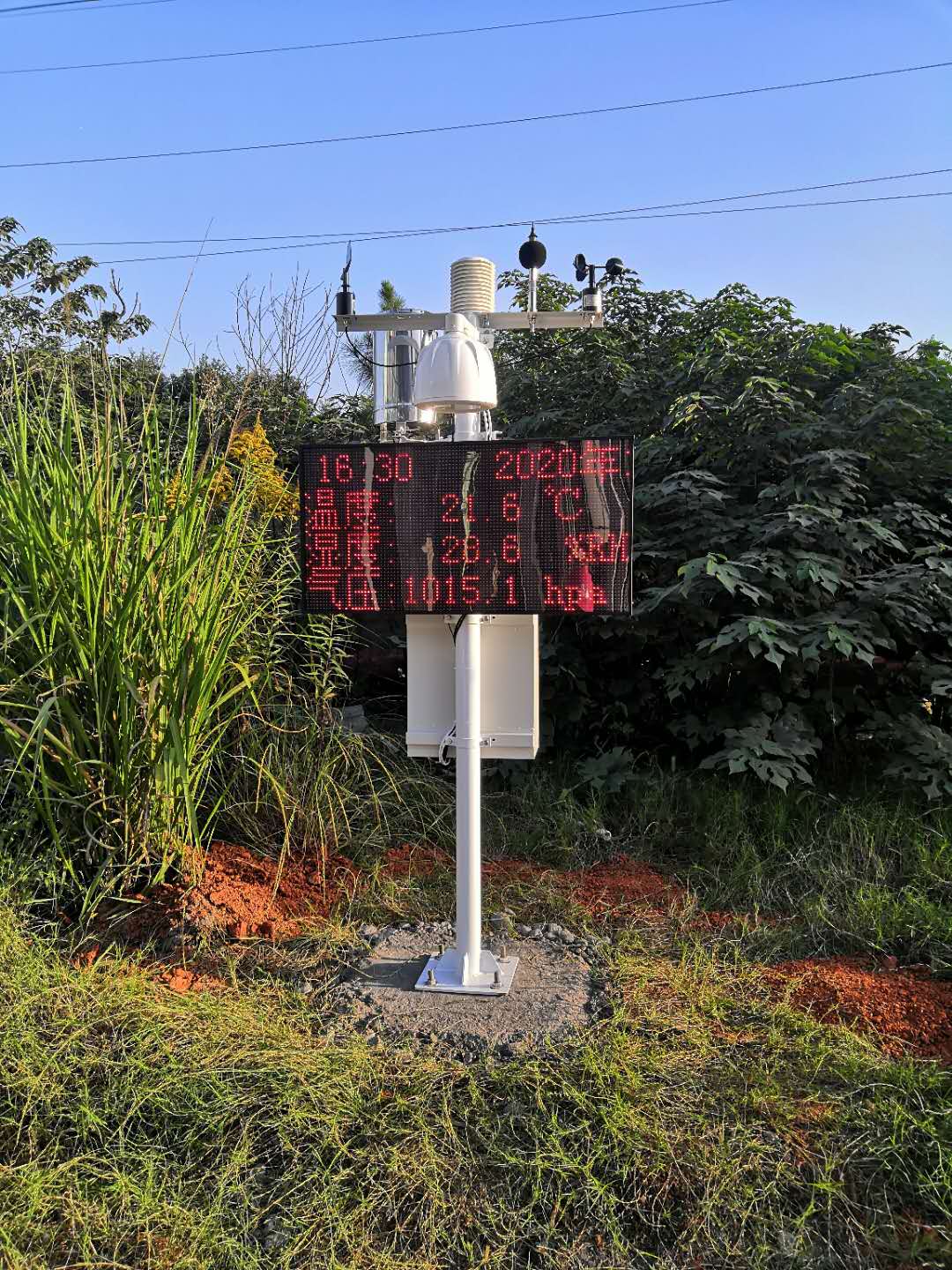
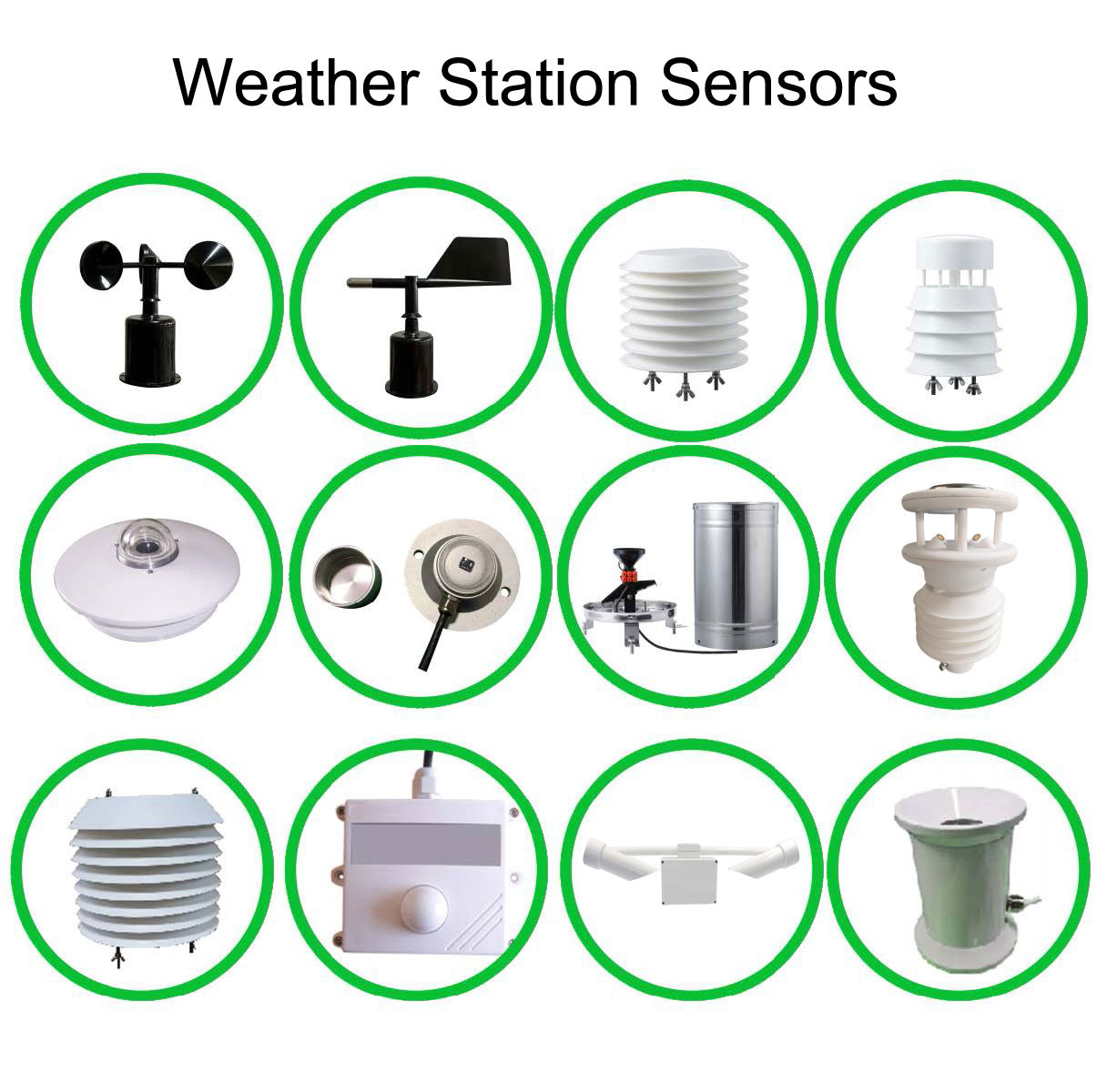
The core sensors in the NiuBoL scenic area environmental monitoring solution include conventional meteorological sensors and dedicated negative oxygen ion sensors, all of which adopt high-stability designs and support long-term outdoor operation.
The system can integrate ultrasonic or traditional meteorological sensors to achieve multi-element synchronous collection. Main functions include:
Wind Speed and Direction: Real-time monitoring of atmospheric flow conditions to support wind warning and diffusion model calculation.
Temperature and Humidity and Air Pressure: Assess human comfort and micro-climate changes.
Rainfall and Radiation: Support precipitation process recording and light resource assessment.
Sensors output standard digital signals for easy integration with collectors.
Adopts high-sensitivity electrode or cylindrical principle, with measurement range covering low to high concentration scenarios (typical 0 to several million ions/cm³), resolution up to 10 ions/cm³, and accuracy ±10%. The sensor has built-in temperature and humidity compensation to reduce environmental interference. Output form supports interfaces such as RS485 and can be uniformly protocol-output with meteorological elements.
The system host supports protection level above IP65. The large-size display screen displays data and curves in real time and supports collection interval setting and data export (Excel format). Power supply is flexible, including mains power and solar + battery combination, suitable for long-term deployment in areas without electricity or remote scenic areas.
| Parameter | Example Range | Resolution/Accuracy | Remarks |
|---|---|---|---|
| Air Temperature | -40~80℃ | ±0.5℃ | High-precision thermal element |
| Air Humidity | 0~100%RH | ±5%RH | Capacitive or similar |
| Wind Speed | 0~60m/s | ±0.3+3%FS | Ultrasonic or mechanical optional |
| Wind Direction | 0~359° | ±3° | Synchronous output |
| Atmospheric Pressure | 10~1100hPa | ±1.5hPa | Air pressure sensor |
| Rainfall | 0~8mm/min | ±10% | Tipping bucket or piezoelectric type |
| Total Radiation / Light | 0~2000W/m² or Lux level | ±7~10% | Radiometer or illuminance meter |
| Negative Oxygen Ion Concentration | 0~5,000,000 ions/cm³ | 10 ions/cm³, ±10% | Core ecological parameter |
| PM2.5/PM10 | 0~1000/2000μg/m³ | ±10% | Laser scattering optional extension |
Communication Protocol: RS485 (MODBUS standard), optional wireless module.
Protection Level: IP65/IP68 (sensor end).
Operating Environment: -40℃~85℃, adapting to complex scenic area climates.
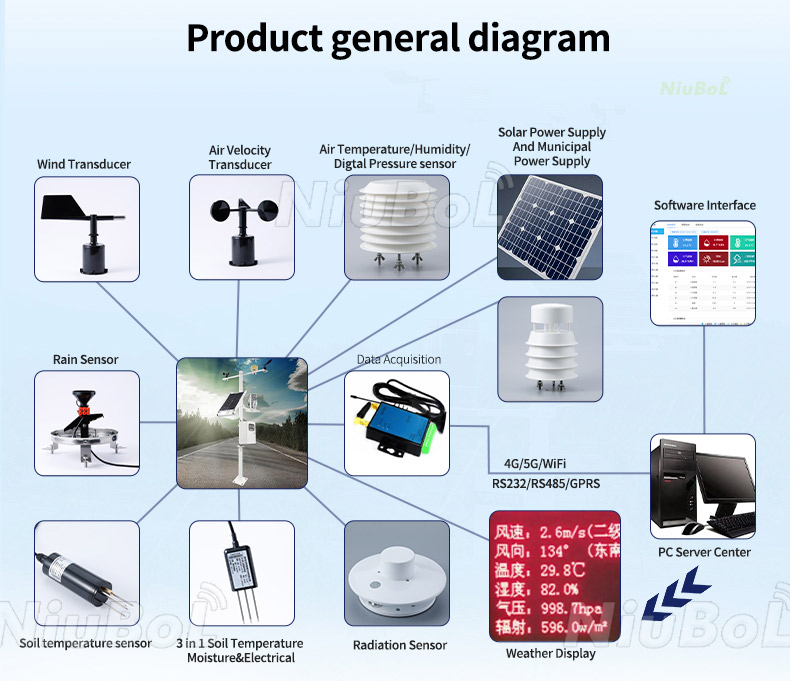
The NiuBoL solution emphasizes modularity and openness. The monitoring terminal uniformly adopts standard protocol output and can be directly connected to PLC, DTU, edge computing gateways, or scenic area IoT cloud platforms. Data transmission supports wired Ethernet and wireless 4G/5G to achieve remote real-time monitoring and multi-site data aggregation.
The management software provides map positioning, historical query, threshold alarm setting, report export, and curve analysis functions. The display terminal can be connected to LED large screens to achieve on-site real-time release. The system supports linkage with sub-systems such as video surveillance and tourist flow statistics to form a comprehensive smart scenic area perception layer.
For project contractors, this integration solution can significantly shorten the deployment cycle, reduce interface adaptation costs, and optimize operation and maintenance efficiency through remote diagnosis functions.
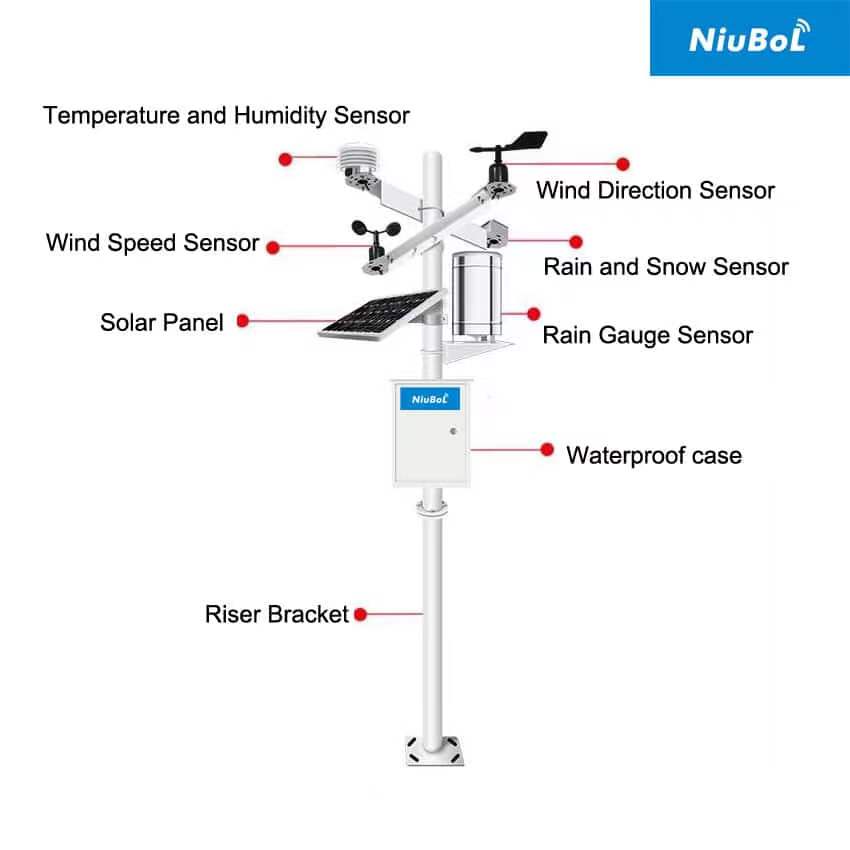
Comprehensive Monitoring of Eco-Tourism Scenic Areas: Deploy multi-point station networks in forests, wetlands, or mountainous scenic areas to synchronously collect meteorological and negative oxygen ion data. In the project, the system can provide the basis for generating “negative oxygen ion concentration distribution maps,” supporting ecological value assessment and zoning management.
Tourist Safety and Operation Management: Real-time wind speed and rainfall data are used for outdoor activity safety warnings. Temperature, humidity, and radiation data assist in comfort index calculation to guide tour route adjustments and facility scheduling.
Air Quality and Environmental Protection Supervision: Negative oxygen ions combined with PM2.5/PM10 monitoring form a comprehensive scenic area air quality index to support environmental protection department data reporting and public information release.
Smart Scenic Area Platform Construction: Data is connected to a unified management backend and fused with GIS maps to achieve visual display and big data analysis, assisting in the acceptance of “smart tourism” projects.
Networked Deployment in Remote or Large Scenic Areas: Using solar power supply and wireless transmission, a regional-level network is built at multiple monitoring points to reduce manual inspections and achieve 24-hour unattended operation.
In the above engineering applications, the NiuBoL system helps project parties control total cost of ownership with its high integration and low maintenance characteristics while improving data reliability and timeliness.
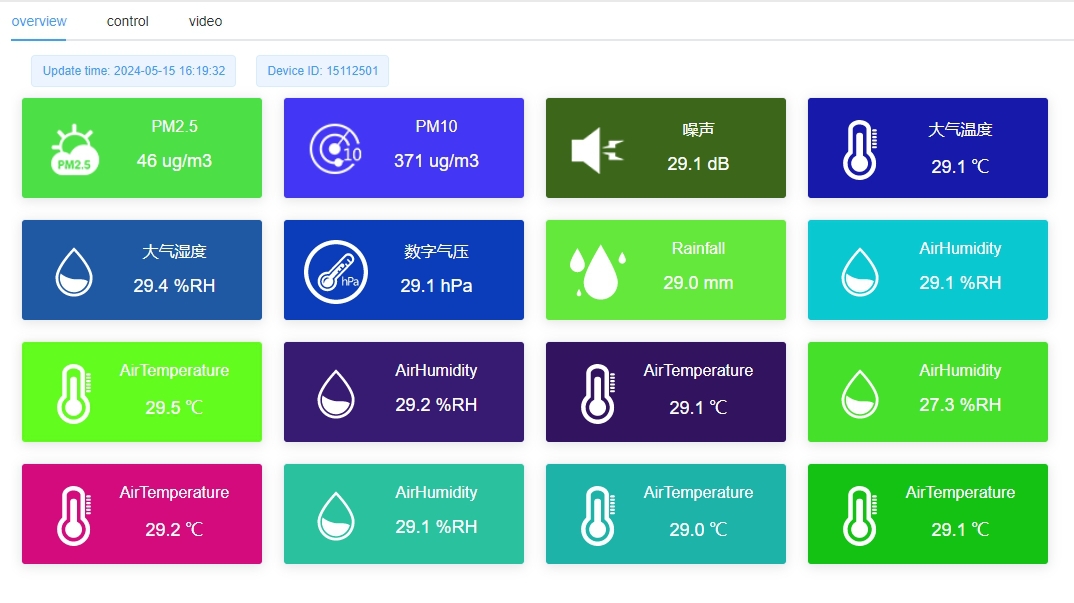
The installation location should be selected in an open area without obvious obstructions to avoid turbulence and interference caused by buildings or vegetation. The bracket should be firmly fixed, and the sensor orientation should comply with observation specifications. The negative oxygen ion sensor is recommended to be installed at ecologically sensitive points with good air circulation and representativeness.
In terms of operation and maintenance, the modular design allows independent sensor replacement. Regularly check power supply and communication links. The software supports remote parameter configuration and firmware upgrades. The system has built-in protection circuits and watchdog functions to improve field operation stability.
Q1. What is the main difference between scenic area automatic weather stations and ordinary weather stations?
Scenic area dedicated stations focus more on the integration of ecological parameters such as negative oxygen ions. The modular design is convenient for expansion. Data release and visualization functions are optimized for tourism scenarios while complying with WMO observation standards.
Q2. Can the negative oxygen ion monitoring system be integrated with other meteorological elements?
Yes. The system supports multi-dimensional expansion and simultaneously monitors parameters such as temperature, humidity, PM2.5, and wind speed, with unified protocol output, making it convenient to build a comprehensive environmental monitoring platform.
Q3. How to ensure long-term power supply and data transmission of the system in remote scenic areas?
It supports solar + battery combination power supply and cooperates with 4G/5G wireless modules to achieve real-time data upload to the cloud or local server under unattended conditions.
Q4. How is negative oxygen ion concentration data used for scenic area publicity and management?
The system can generate historical curves and reports and support real-time display on LED large screens and platform release, providing quantitative basis for ecological brand construction and tourist guidance.
Q5. Does the system support docking with existing scenic area management platforms?
Yes. It supports standard MODBUS protocol and multiple communication interfaces and can seamlessly connect to mainstream IoT platforms, GIS systems, or third-party software.
Q6. How reliable are the sensors under harsh weather conditions?
The sensors adopt high protection level design, acid and alkali resistant, impact resistant, and with all-weather structure, they can operate stably in -40℃ to high temperature and high humidity environments.
Q7. Are the data export and analysis functions complete?
Yes. It supports Excel table export, curve graph generation, and alarm record query, facilitating further statistical analysis and report preparation.
Q8. As a manufacturer, what support does NiuBoL provide for scenic area projects?
Complete technical parameters, integration docking guidance, installation scheme references, and customized services are provided, focusing on delivering stable and reliable environmental monitoring solutions for system integrators, project contractors, and engineering companies.
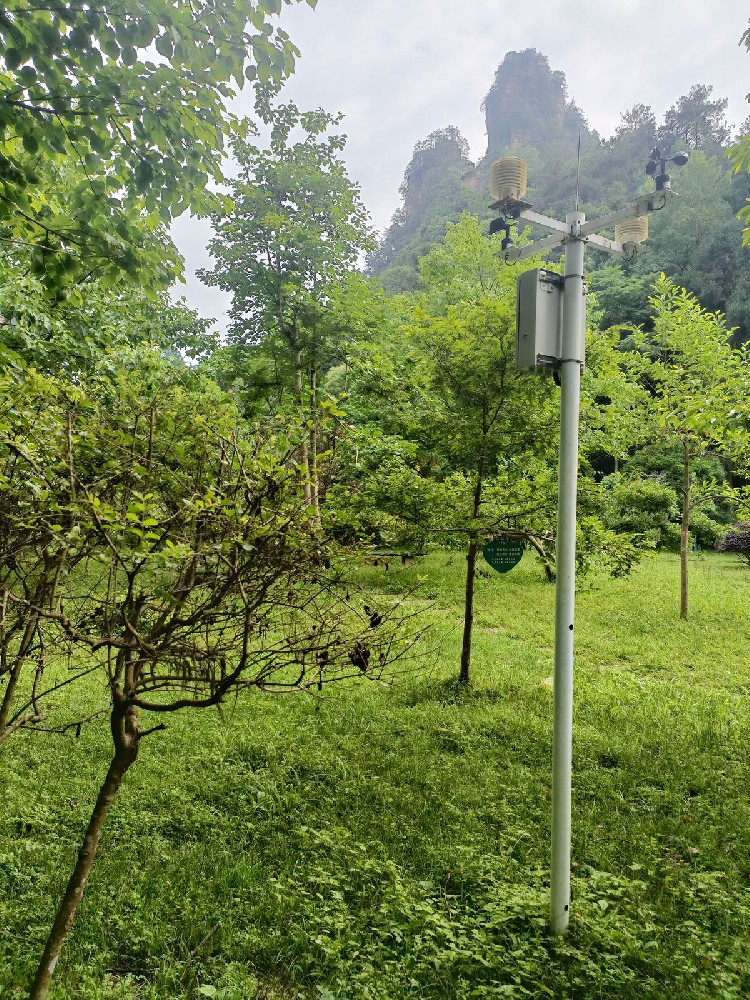
The NiuBoL scenic area automatic weather station and negative oxygen ion monitoring system are based on WMO standards and integrate multi-element perception, flexible communication, and intelligent analysis functions to form a professional environmental monitoring integration solution suitable for tourist scenic areas. The system not only meets conventional meteorological observation needs but also improves the level of scenic area ecological value assessment and refined management through precise collection of characteristic parameters such as negative oxygen ions.
For engineering teams pursuing project delivery efficiency, data stability, and long-term operation and maintenance optimization, the NiuBoL solution is an important choice for building the smart scenic area perception layer. If you need detailed technical specifications, project case references, or targeted integration support, please contact the NiuBoL professional team. We will provide engineering-oriented customized solutions according to specific scenic area conditions and system requirements to help tourist scenic area environmental monitoring projects land efficiently and operate sustainably.
Related recommendations
Sensors & Weather Stations Catalog
 Agriculture Sensors and Weather Stations Catalog-NiuBoL.pdf
Weather Stations Catalog-NiuBoL.pdf
Agriculture Sensors Catalog-NiuBoL.pdf
Water Quality Sensor Catalog-NiuBoL.pdf
Related products
 Combined air temperature and relative humidity sensor
 TDR Soil Moisture & Temperature Sensor for irrigation| RS485 |4-20mA| NBL-S-THR
 Soil pH sensor RS485 soil Testing instrument soil ph meter for agriculture |NBL-S-PH
 Wind Speed sensor Output Modbus/RS485/Analog/0-5V/4-20mA
 Tipping bucket rain gauge for weather monitoring auto rainfall sensor RS485/Outdoor/stainless steel
 Pyranometer Solar Radiation Sensor 4-20mA/RS485

Screenshot, WhatsApp to identify the QR code
WhatsApp number:+8615367865107
(Click on WhatsApp to copy and add friends)

