





— Blogs —
—Products—
 Consumer hotline +8618073152920
 WhatsApp:+8615367865107
Address:Room 102, District D, Houhu Industrial Park, Yuelu District, Changsha City, Hunan Province, China
Product knowledge
Time:2026-04-02 11:51:42 Popularity:614
In the evolution of modern smart agriculture, the precise quantification of environmental elements has become the core variable for improving agricultural output benefits. Solar radiation, ambient temperature and humidity, soil moisture, and aerodynamic parameters are not only the energy sources for crop growth and development but also the underlying drivers determining the quality and economic returns of agricultural products. Relying on advanced IoT sensing technology and data processing algorithms, NiuBoL has launched an industrial-grade agricultural microclimate automatic monitoring station, aiming to provide global agricultural projects with standardized, modular, and highly scalable environmental monitoring solutions.
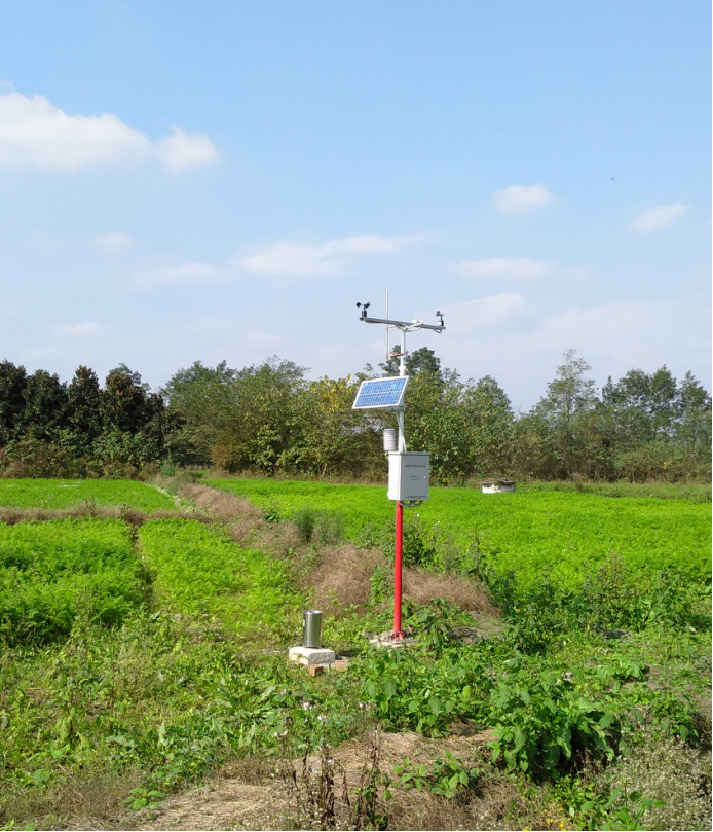
The accuracy of agricultural IoT systems depends on the underlying physical sensors. The NiuBoL weather station integrates a sensor array that complies with international meteorological organization (WMO) observation standards, achieving all-weather and high-frequency collection of farmland micro-environments.
1. Ambient Temperature and Humidity Sensor
Role: Monitor the basic thermal environment and moisture saturation for crop growth.
Function: Temperature directly affects the activity of biological enzymes and respiration, while humidity is related to plant transpiration and the probability of pest and disease occurrence. NiuBoL uses high-precision digital temperature and humidity sensing elements with extremely low drift rate and fast response time.
2. Wind Direction and Wind Speed Sensor
Role: Evaluate field air circulation and physical mechanical force effects.
Function: Wind speed affects crop pollination efficiency and water loss rate; in high-intensity wind disaster scenarios, real-time monitoring can provide early warning data for windproof reinforcement.
3. Solar Radiation Sensor
Role: Quantify the energy source of photosynthesis.
Function: Measure total radiation or photosynthetically active radiation (PAR). This is a key input parameter for calculating crop potential yield and regulating shading systems in facility agriculture (such as greenhouses).
4. Rainfall Sensor
Role: Monitor natural precipitation intensity and total amount.
Function: Using tipping bucket mechanical structure, rainfall is converted into digital pulse signals to provide scientific basis for formulating agricultural irrigation plans and mountain flood/inland inundation early warning.
5. Atmospheric Pressure Sensor
Role: Assist in weather trend prediction.
Function: Sharp fluctuations in air pressure usually indicate the arrival of frontal systems and are an important parameter for building mesoscale meteorological forecasting models.
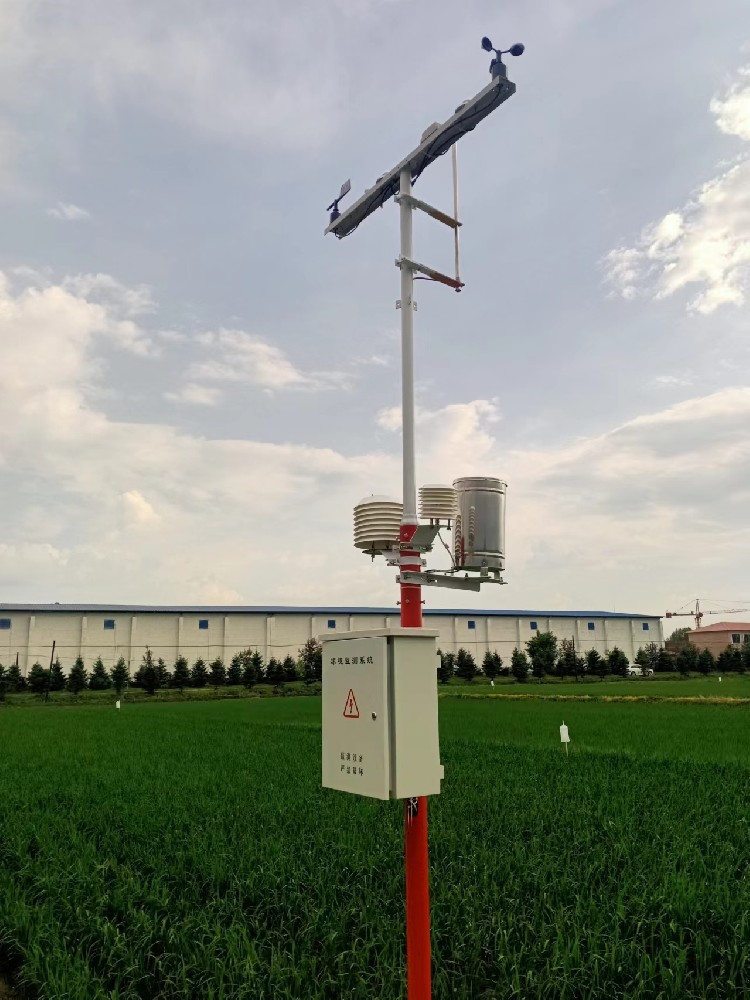
As an integrated solution, the NiuBoL weather station consists of an information collection terminal, data recorder, power supply system (solar/lithium battery), support bracket, and cloud monitoring software to ensure stable operation in unattended harsh field environments.
| Monitoring Element | Sensor Type | Measurement Range | Accuracy | Output Signal |
|---|---|---|---|---|
| Air Temperature | Digital probe / Shielded cover | -40 - 80°C | ±0.3°C | RS485 / Modbus |
| Air Humidity | Polymer capacitor | 0 - 100% RH | ±3% RH | RS485 / Modbus |
| Wind Speed | Three-cup / Ultrasonic | 0 - 60 m/s | ±(0.3+0.03V)m/s | Pulse / RS485 |
| Wind Direction | Mechanical tail / Ultrasonic | 0 - 360° | ±3° | RS485 |
| Rainfall | Tipping bucket | 0.2 mm / 0.5 mm | ±3% (indoor test) | Pulse / RS485 |
| Solar Radiation | Silicon photocell / Thermopile | 0 - 2000 W/m² | < 5% | RS485 / 0-2V |
| Atmospheric Pressure | Piezoresistive | 300 - 1100 hPa | ±0.5 hPa | RS485 |
| Soil Temperature and Humidity | FDR/TDR frequency domain | 0-100% Vol / -40-80°C | ±3% / ±0.5°C | RS485 |
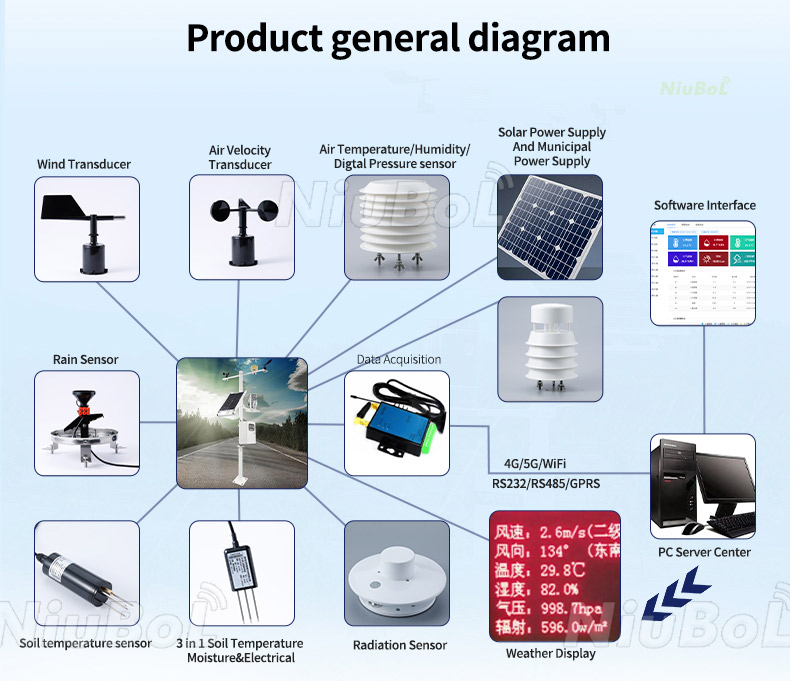
In the actual engineering deployment of agricultural IoT (Agri-IoT), the “reachability” and “security” of data are as important as sensor accuracy. The NiuBoL microclimate monitoring station supports multi-level data integration links:
Physical Layer Stability: Uses industrial-grade RS485 isolated circuit design, supporting wired transmission up to 1200 meters, effectively resisting induced lightning and electrostatic interference in complex field wiring environments.
Protocol Standard: Strictly follows the standard Modbus-RTU protocol. This not only means it can connect to NiuBoL’s own cloud platform but also means system integrators can seamlessly connect it to existing industrial SCADA, smart city management systems, or central controllers (PLC) of large farms.
Edge Computing and Caching: The collector has data local temporary storage function. In field areas with fluctuating 4G/5G signals, the device will automatically store data in non-volatile memory and trigger breakpoint resume after network recovery, ensuring 100% integrity of agricultural meteorological historical records.
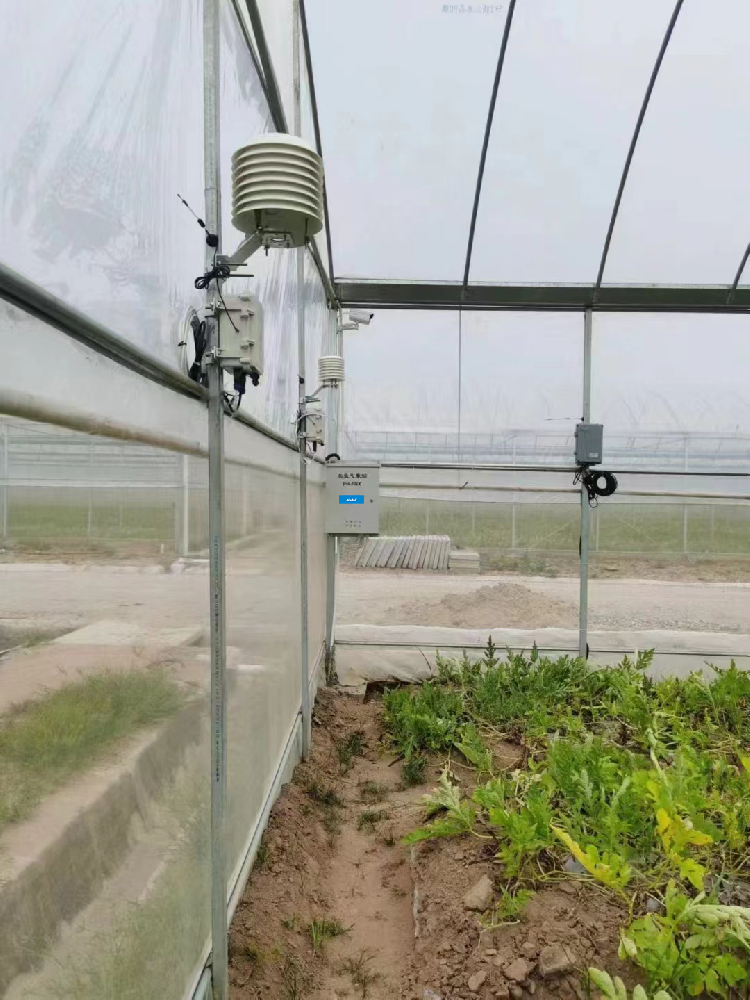
All-Weather Unattended Operation: The system adopts energy-saving design and supports solar power supply with backup batteries, enabling year-round continuous operation in field areas without electricity.
High System Compatibility: The data recorder supports standard Modbus-RTU protocol and can be easily integrated into third-party ERP, smart platforms, or industrial SCADA systems.
Industrial-grade Weather Resistance: The bracket uses stainless steel material with field protection boxes, offering excellent corrosion resistance and anti-electromagnetic interference performance, adapting to various harsh outdoor environments.
Data Closed-Loop Management: From bottom-layer sensor collection to analysis and display by meteorological environment monitoring software, NiuBoL provides one-stop software and hardware integration, reducing communication and debugging costs for project integrators.
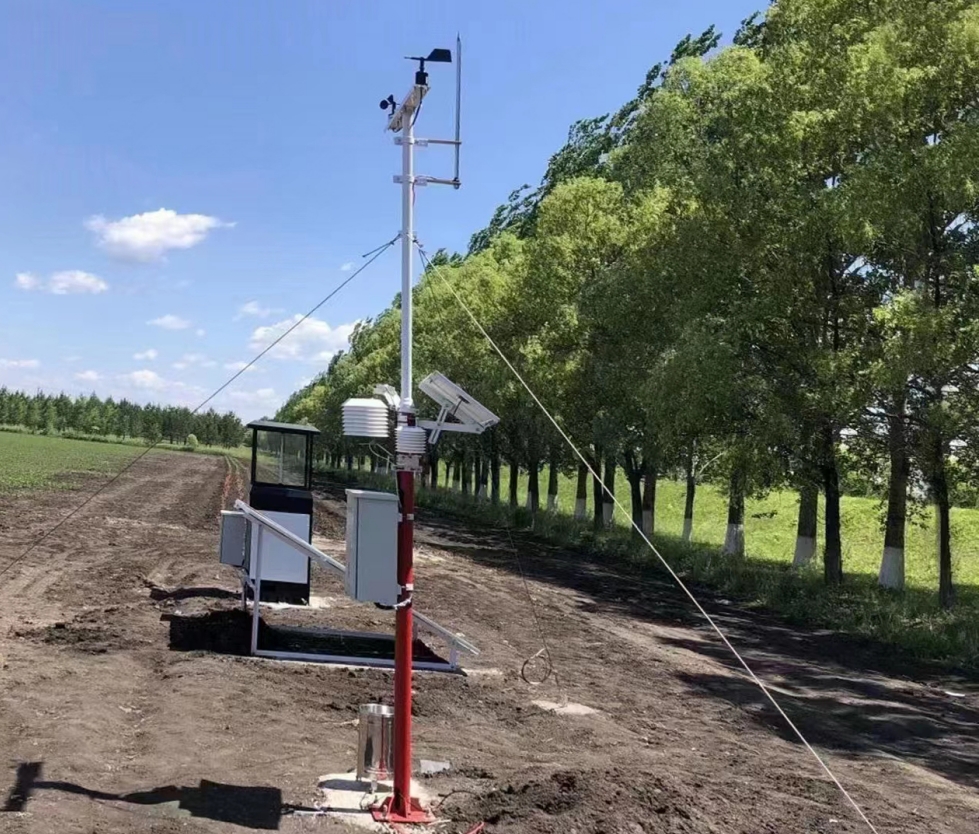
1. High-Economic-Value Crops: Optimization of Wild Green Mango Planting
Wild green mango has strict requirements for the climate environment. It grows best in areas with an annual average temperature of 10-15°C. Through real-time monitoring by the NiuBoL weather station, growers can accurately grasp the rainfall during the flowering period (mid-April to early May) to avoid pollination failure caused by excessive rain. At the same time, for meteorological disasters such as “late spring cold” and “wind and hail,” the system can issue over-limit alarms in advance to guide farmers to take covering or physical protection measures, significantly reducing the risk of yield reduction.
2. Facility Agriculture and Vegetable Greenhouses
In greenhouses, microclimate observers can automatically monitor maximum/minimum temperature, relative humidity, and dew point. These data are transmitted to the control system through IoT gateways to automatically regulate exhaust fans, shading nets, or wet curtains, achieving closed-loop environmental control. At the same time, monitoring based on dew point temperature can effectively predict the outbreak timing of fungal diseases and reduce pesticide usage.
3. Regional Meteorological Disaster Prevention and Scientific Research Monitoring
In key mountain flood warning monitoring areas or campus meteorological science popularization stations, the NiuBoL solution provides a low-power, high-reliability data acquisition chain. Through 4G/5G or LoRa transmission, data can be summarized in real time to regional central stations, providing support for grid-based weather forecasting and disaster prevention decision-making.
Taking high-economic-value orchards as an example, the data provided by the NiuBoL monitoring station is not only data but also decision-making basis:
Accumulated Temperature and Fruit Quality: By monitoring effective accumulated temperature (GDD), the system can accurately predict the maturity period of mangoes, helping the post-harvest logistics supply chain schedule resources 10–15 days in advance.
Leaf Wetness and Disease Warning: The unique leaf wetness sensor can be combined with ambient temperature and humidity to calculate the “fungal infection model.” Early warning during the “window period” before disease outbreak can reduce pesticide usage by 15%–20% while improving the pesticide residue compliance rate for fruit exports.
Wind and Hail Resistance: Real-time wind speed monitoring can trigger automatic opening of hail protection nets in orchards or wind protection modes of irrigation systems, minimizing direct losses caused by extreme meteorological disasters.
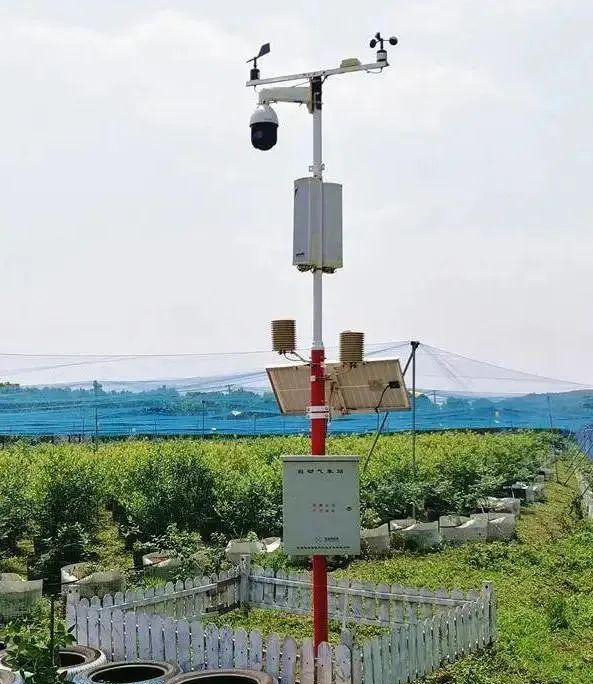
Q1: Does the NiuBoL weather station support the addition of additional sensors, such as soil nutrients or water quality monitoring?
Yes. The system adopts a modular design. The data recorder has multi-channel expansion capability and can add soil NPK, electrical conductivity (EC), water quality pH, or water level sensors according to project needs to achieve true multi-element agricultural IoT monitoring.
Q2: How is the system’s endurance in continuous rainy weather?
NiuBoL has optimized for low power consumption in field environments. With a standard solar power supply system and 20Ah backup battery, the system can usually maintain 7-15 days of continuous data collection and transmission under completely no-light conditions.
Q3: How to ensure the stability of meteorological data transmission in field environments?
We provide multiple communication interfaces such as GPRS, 4G, 5G, and RS485. In areas with poor network signals, the data recorder has local large-capacity storage function (breakpoint resume) to ensure data is not lost due to network fluctuations.
Q4: Do NiuBoL sensors require regular calibration?
To maintain measurement accuracy, it is recommended to perform standard calibration every 12-24 months. Our sensors have undergone strict simulated testing before leaving the factory and have extremely high long-term stability.
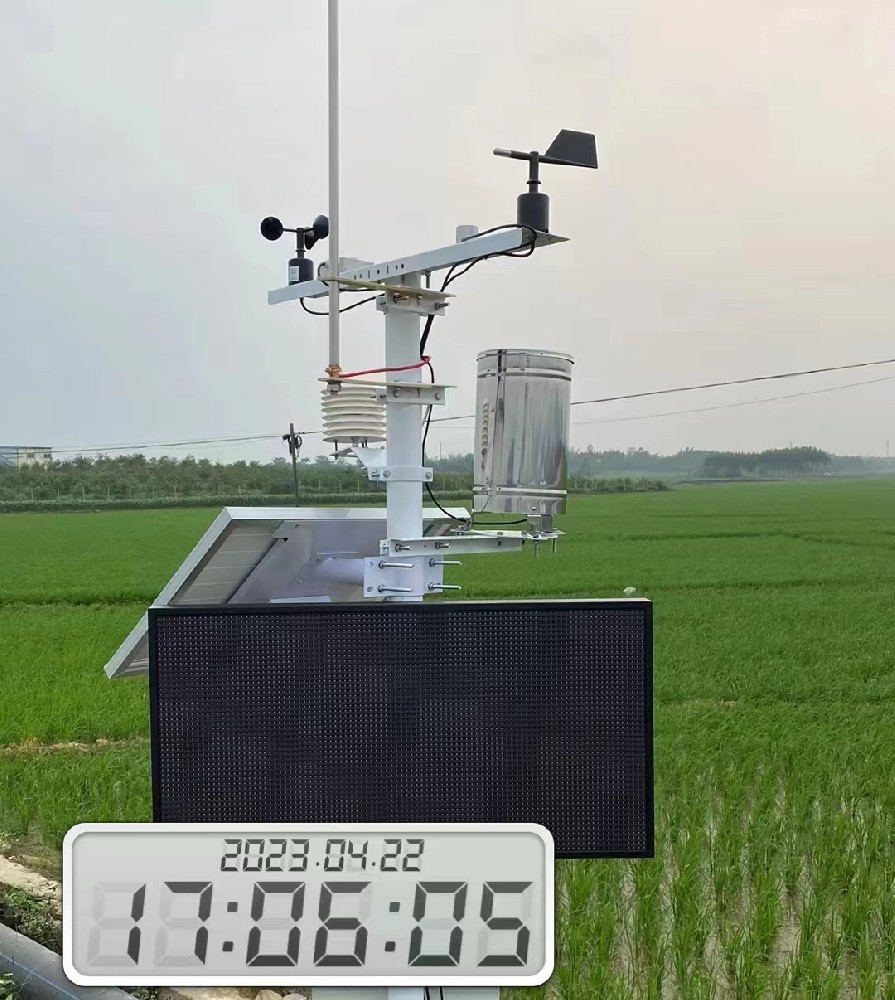
Q5: Does system installation require a professional engineering background?
NiuBoL adopts the “plug-and-play” design concept. Sensors and collectors are connected using waterproof aviation plugs. The stainless steel bracket structure is simple, and ordinary technicians can complete on-site deployment within 30 minutes according to the installation manual.
Q6: Does the meteorological environment monitoring software support multi-platform viewing?
Yes. The supporting software supports viewing on PC management platforms, mobile Apps, and WeChat mini-programs. It supports data export, report generation, and remote alarm parameter setting.
Q7: For fruit trees such as mango, how does the weather station assist in pest and disease control?
The reproduction of many pathogens is closely related to specific accumulated temperature and accumulated humidity conditions. By monitoring leaf wetness and ambient temperature and humidity, the system can combine prediction models to remind farmers to spray during the “window period” before disease outbreak, achieving precise prevention and control.
Q8: Can the equipment adapt to extreme cold or extreme heat climates?
NiuBoL sensor operating temperature range is usually -40°C to +80°C, and the protection level reaches IP65 or above. The shell material has been treated with UV protection and can effectively cope with extreme climates in high-altitude or tropical desert areas.
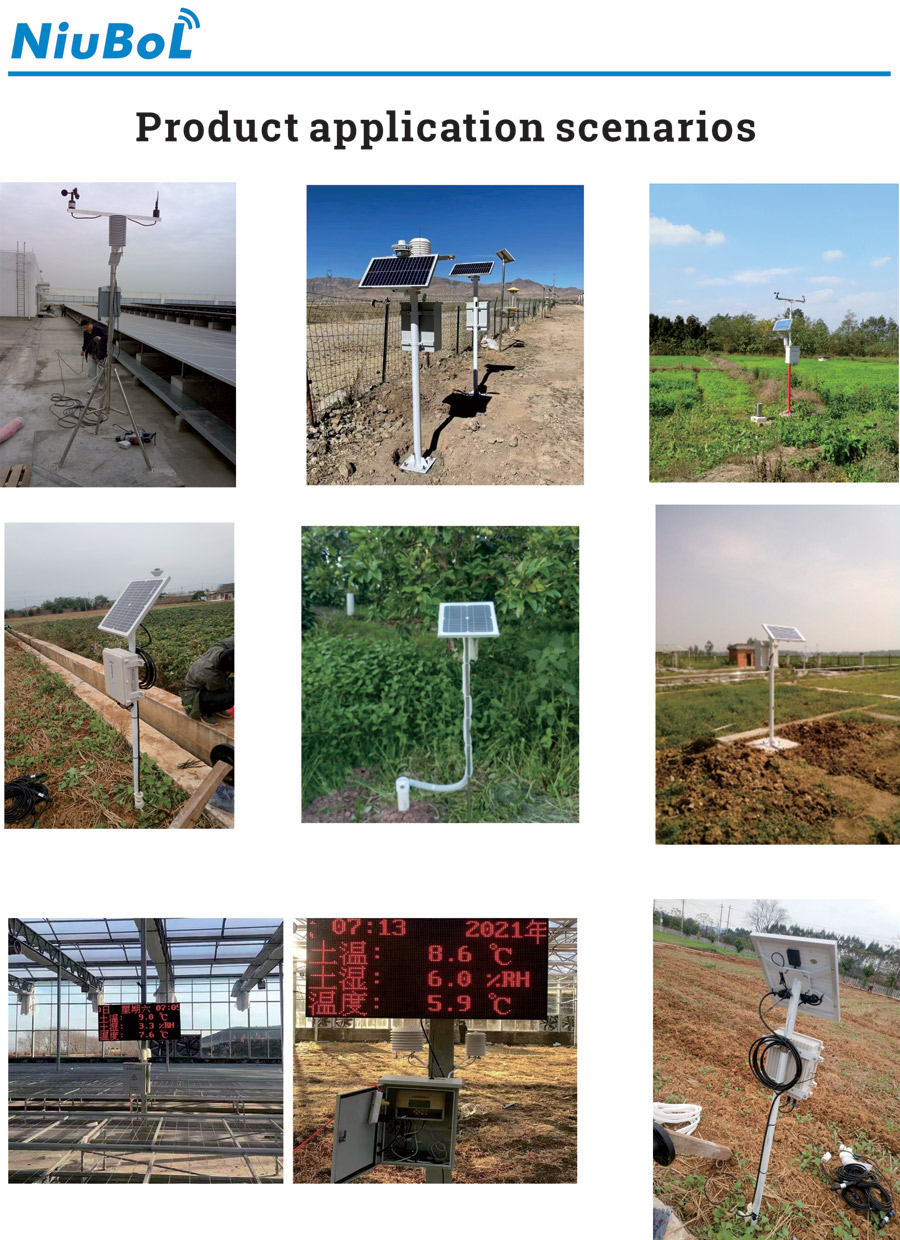
The leap from traditional experience-based agriculture to precision science-based agriculture is essentially an increase in the weight of data. The NiuBoL Agri-IoT microclimate automatic monitoring station is not just a stack of sensors — it is a decision support system that has been industrially verified and complies with WMO standards. By quantifying every meteorological factor that affects crop growth, we help agricultural producers gain core competitiveness in responding to climate change, resisting meteorological disasters, and optimizing production efficiency. From the sensor’s resistance to environmental interference to the stable transmission of the data link, and then to the application depth for high-value crops, NiuBoL always stands at the forefront of agricultural digital transformation. For project parties seeking reliable, precise, and highly compatible solutions, NiuBoL is undoubtedly the optimal choice for achieving agricultural environmental quantification and meteorological disaster defense.
Related recommendations
Sensors & Weather Stations Catalog
 Agriculture Sensors and Weather Stations Catalog-NiuBoL.pdf
Weather Stations Catalog-NiuBoL.pdf
Agriculture Sensors Catalog-NiuBoL.pdf
Water Quality Sensor Catalog-NiuBoL.pdf
Related products
 Combined air temperature and relative humidity sensor
 TDR Soil Moisture & Temperature Sensor for irrigation| RS485 |4-20mA| NBL-S-THR
 Soil pH sensor RS485 soil Testing instrument soil ph meter for agriculture |NBL-S-PH
 Wind Speed sensor Output Modbus/RS485/Analog/0-5V/4-20mA
 Tipping bucket rain gauge for weather monitoring auto rainfall sensor RS485/Outdoor/stainless steel
 Pyranometer Solar Radiation Sensor 4-20mA/RS485

Screenshot, WhatsApp to identify the QR code
WhatsApp number:+8615367865107
(Click on WhatsApp to copy and add friends)

