





— Blogs —
—Products—
 Consumer hotline +8618073152920
 WhatsApp:+8615367865107
Address:Room 102, District D, Houhu Industrial Park, Yuelu District, Changsha City, Hunan Province, China
Product knowledge
Time:2026-04-02 11:48:08 Popularity:619
In modern industrial IoT (IIoT) and smart infrastructure construction, automatic weather stations (AWS) have evolved from simple observation tools into core data decision nodes. For system integrators, government tender projects, and industrial park managers, the accuracy of meteorological data, system compatibility, and survivability in extreme environments are key indicators for measuring equipment value.
NiuBoL is committed to developing automatic observation stations that comply with World Meteorological Organization (WMO) observation standards. Through highly integrated sensor arrays and data acquisition technology, our solutions aim to provide global customers with stable, precise, and low-maintenance digital meteorological foundations.
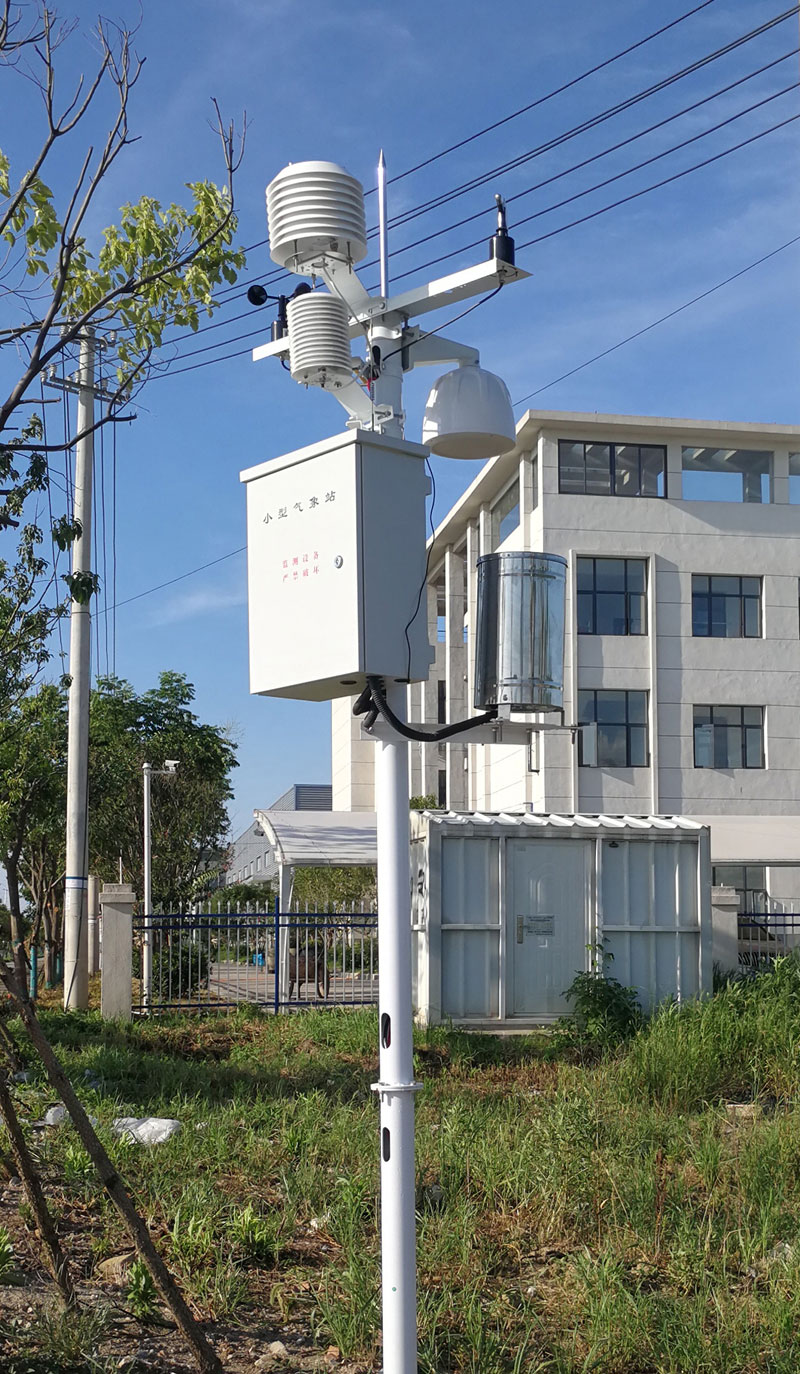
Unlike consumer-grade or simple monitoring devices, industrial-grade AWS must maintain continuous operation for several years in unattended harsh environments. NiuBoL focuses on strengthening the following dimensions in design:
1. Physical Reliability in Extreme Environments
Automatic weather stations are exposed year-round to strong ultraviolet rays, high humidity, and salt spray corrosion. NiuBoL uses 304/316 stainless steel brackets and aviation-grade aluminum alloy protective covers, with excellent corrosion resistance. Its mechanical structure has undergone wind tunnel testing and structural stress simulation to ensure stability and reliability even in typhoons or strong sandstorms.
2. Electromagnetic Compatibility and Anti-Interference Design
In the vicinity of power facilities or high-frequency communication base stations, electromagnetic interference (EMI) often causes sensor signal drift. NiuBoL systems use shielded cables and differential signal transmission technology, combined with complete lightning protection grounding devices, to ensure data maintains extremely high linearity and accuracy in complex electromagnetic environments.
3. Modular Open Architecture
To meet the personalized needs of different industries, NiuBoL adopts a modular hardware and software design. Users can freely combine sensor modules such as temperature and humidity, wind direction and speed, radiation, and precipitation according to project budget and monitoring objectives. The system supports plug-in expansion, allowing functional upgrades without replacing the main control board.
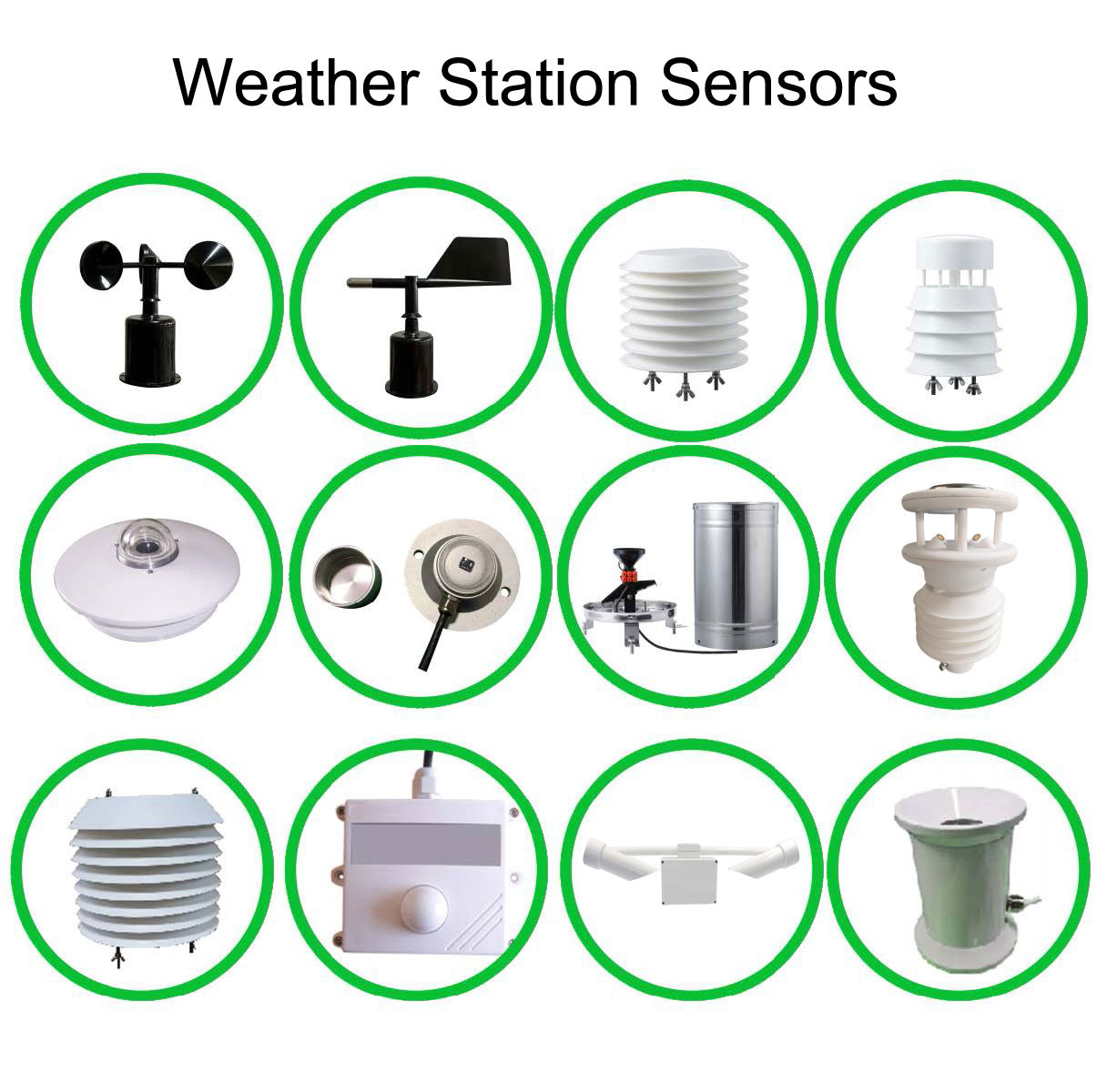
The NiuBoL automatic weather station integrates a variety of high-sensitivity sensors. The following are the core technical parameters under standard configuration:
| Monitoring Element | Measurement Range | Accuracy | Resolution |
|---|---|---|---|
| Wind Speed | 0 - 60 m/s | ±(0.3 + 0.03V) m/s | 0.1 m/s |
| Wind Direction | 0 - 360° | ±3° | 1° |
| Air Temperature | -40 - 85°C | ±0.3°C | 0.1°C |
| Air Humidity | 0 - 100% RH | ±3% RH | 0.1% RH |
| Atmospheric Pressure | 300 - 1100 hPa | ±0.5 hPa | 0.1 hPa |
| Rainfall | 0 - 4 mm/min | ±3% | 0.2 mm |
| Photosynthetically Active Radiation | 0 - 2000 W/m² | < 5% | 1 W/m² |
| PM2.5/PM10 | 0 - 1000 μg/m³ | ±10% | 1 μg/m³ |
| Soil Temperature and Humidity | 0 - 100% | ±3% | 0.1% |
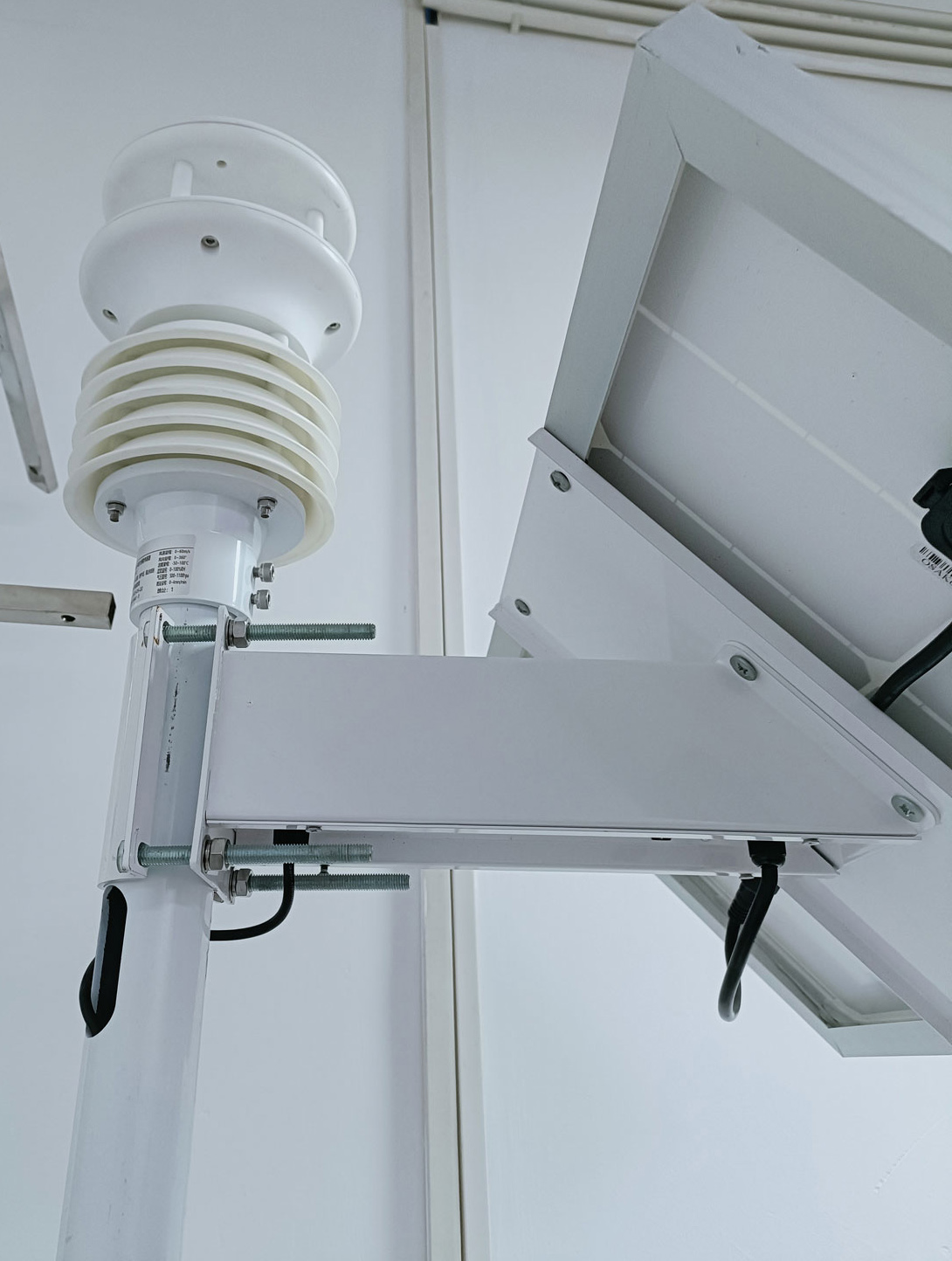
NiuBoL automatic weather stations support deep embedding into existing industrial control networks:
Standard Industrial Interfaces: The physical layer uses isolated RS485 bus and standard Modbus-RTU protocol to ensure seamless docking with mainstream PLCs (Siemens, Schneider, etc.) and industrial gateways.
Multi-link Redundant Transmission: In the field of wireless communication, in addition to standard 4G/5G cellular networks, the system can be extended to support Beidou satellite short message transmission, ensuring data is still reported on time in unmanned areas without operator signals (such as deserts and deep mountains).
In B2B procurement, the initial purchase price is only part of the cost. NiuBoL significantly reduces customers’ long-term operating costs through technical means:
1. Low Power Consumption Design: The core collector has extremely low quiescent power consumption. This means projects can be equipped with smaller, lower-cost solar panels and batteries, reducing overall hardware costs and installation difficulty.
2. Maintenance-Free Sensor Technology: Especially the ultrasonic wind speed and direction instrument, which has no internal mechanical wear parts, avoiding accuracy degradation caused by bearing aging in traditional three-cup wind speed instruments and greatly extending the calibration cycle.
3. Anti-theft and Anti-damage Design: For field environments, we provide reinforced anti-theft design to reduce additional investment risks caused by equipment damage.
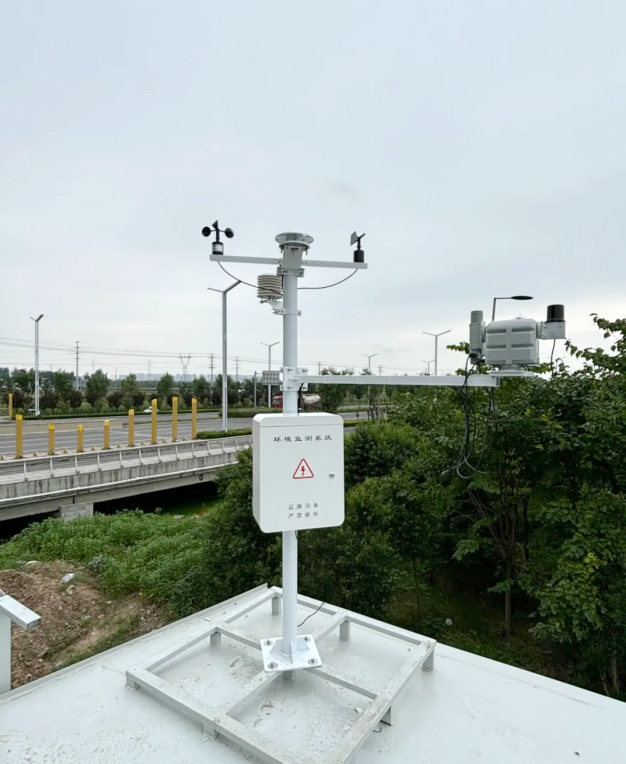
1. Smart Agriculture and Precision Irrigation
In large farms or scientific breeding bases, NiuBoL compact automatic weather stations provide real-time triggering conditions for automated irrigation systems (PLC) by monitoring evaporation, photosynthetic radiation, and soil moisture. This shift from “experience-driven” to “data-driven” can significantly increase crop yields and save more than 30% of water resources.
2. Urban Grid Meteorological Forecasting
Urban micro-climate is significantly affected by building density. By deploying medium-scale dense networks in campuses, parks, and transportation hubs, meteorological bureaus can obtain more refined data sources for inland inundation warnings and refined weather forecasts, effectively improving urban emergency management response speed.
3. Industrial Environmental Protection and Energy-Saving Monitoring
In chemical plant areas, mines, and construction sites, NiuBoL integrates noise and dust (PM2.5/PM10) monitoring modules. The system supports video overlay functions, allowing real-time meteorological data to be directly embedded into monitoring screens to provide legal basis for environmental supervision.
4. General Aviation and Traffic Safety
Small airports and highway sections can monitor visibility, crosswind intensity, and road conditions in real time by deploying AWS, providing scientific decision-making basis for dispatch centers and ensuring transportation safety.
For distributed meteorological networks, efficient remote operation and maintenance capabilities are crucial.
Communication Fault Diagnosis: NiuBoL supports multiple transmission methods including GPRS/4G/5G. If a sub-station’s online status is abnormal, the system supports remote parameter testing to quickly determine whether it is network fluctuation, central station platform failure, or on-site collector abnormality.
Data Quality Control: The collector has built-in verification algorithms. When sensors show data jumps (such as rain gauge blockage or temperature probe water ingress), the system will automatically mark abnormal data and push alarm information.
Power Management System: For remote areas without electricity, the system is equipped with high-power solar panels and high-capacity battery packs, combined with low-power operation mode, to ensure normal operation even during 15 consecutive days of rainy weather.
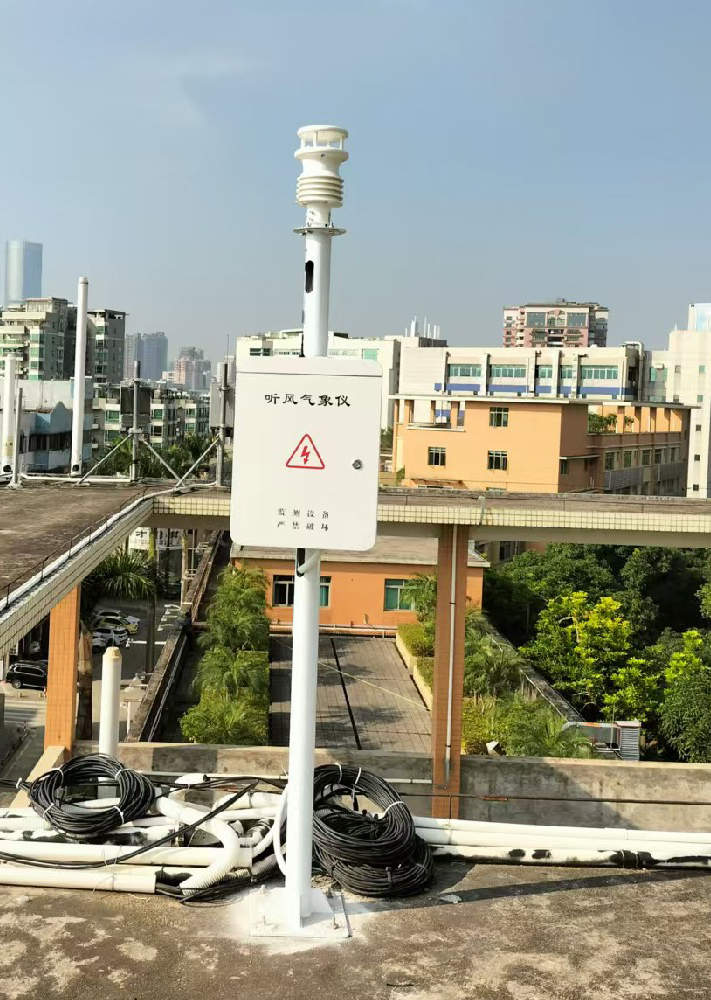
Q1: Does the NiuBoL weather station support specific industry communication protocols?
Yes. The system’s standard output is RS485 (Modbus-RTU). It also supports customized protocol encapsulation and can easily connect to various industrial upper computers, SCADA systems, and cloud APIs.
Q2: How does the equipment perform in terms of corrosion resistance in coastal high-salt fog areas?
Our structural parts have undergone special anti-corrosion processes and use highly weather-resistant materials, effectively resisting salt spray and humid heat environments to ensure long-term operation without rusting.
Q3: Does the system have local data storage function in case of network interruption?
Yes. The collector motherboard has built-in high-reliability storage that supports breakpoint resume. During communication interruption, data will be automatically stored locally and automatically retransmitted to the server after network recovery.
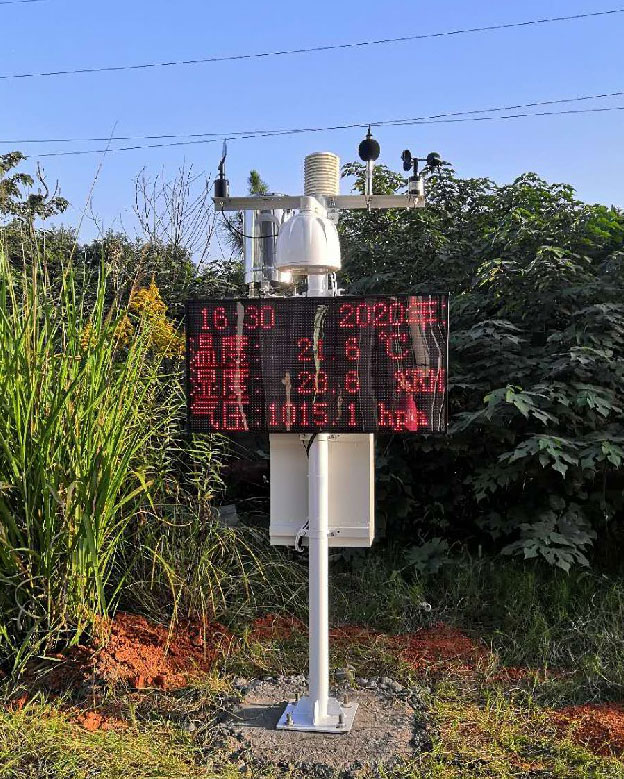
Q4: What is the starting wind speed of the wind speed and direction sensor?
Our high-sensitivity mechanical sensor has a starting wind speed ≤0.5m/s; the ultrasonic version supports zero wind speed start, which is very suitable for light wind environment monitoring.
Q5: Do sensors need regular calibration?
It is recommended to perform routine inspection and calibration once a year.
Q6: How to prevent lightning from damaging the weather station?
The system is equipped with lightning protection modules as standard, including external lightning rods and internal signal/power surge protectors, which can effectively release instantaneous high voltage generated by induced lightning.
Q7: Is replacement complicated if a sensor is damaged?
It uses standardized interface design and supports hot-swappable replacement. No rewiring is required — simply replace the corresponding module and perform simple configuration to restore operation.
Q8: What supporting software services does NiuBoL provide?
We provide PC meteorological environment monitoring software, mobile App, and cloud platform interfaces, supporting real-time data viewing, historical curve analysis, and over-limit alarm push.
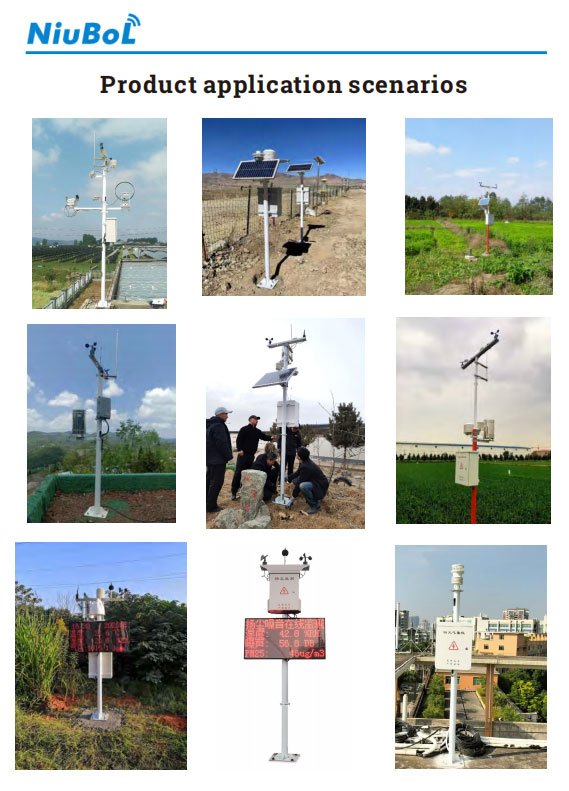
The construction of automatic weather stations is a systematic project. Its core value lies in the continuity, accuracy, and real-time nature of the data. With its profound sensor R&D background and rich project integration experience, NiuBoL provides global users with full-lifecycle services from hardware selection and system integration to after-sales support. Whether used for refined meteorological forecasting or industrial environmental safety monitoring, NiuBoL is a trustworthy technical partner.
Related recommendations
Sensors & Weather Stations Catalog
 Agriculture Sensors and Weather Stations Catalog-NiuBoL.pdf
Weather Stations Catalog-NiuBoL.pdf
Agriculture Sensors Catalog-NiuBoL.pdf
Water Quality Sensor Catalog-NiuBoL.pdf
Related products
 Combined air temperature and relative humidity sensor
 TDR Soil Moisture & Temperature Sensor for irrigation| RS485 |4-20mA| NBL-S-THR
 Soil pH sensor RS485 soil Testing instrument soil ph meter for agriculture |NBL-S-PH
 Wind Speed sensor Output Modbus/RS485/Analog/0-5V/4-20mA
 Tipping bucket rain gauge for weather monitoring auto rainfall sensor RS485/Outdoor/stainless steel
 Pyranometer Solar Radiation Sensor 4-20mA/RS485

Screenshot, WhatsApp to identify the QR code
WhatsApp number:+8615367865107
(Click on WhatsApp to copy and add friends)

