





— Blogs —
—Products—
 Consumer hotline +8618073152920
 WhatsApp:+8615367865107
Address:Room 102, District D, Houhu Industrial Park, Yuelu District, Changsha City, Hunan Province, China
Product knowledge
Time:2026-04-02 11:43:12 Popularity:610
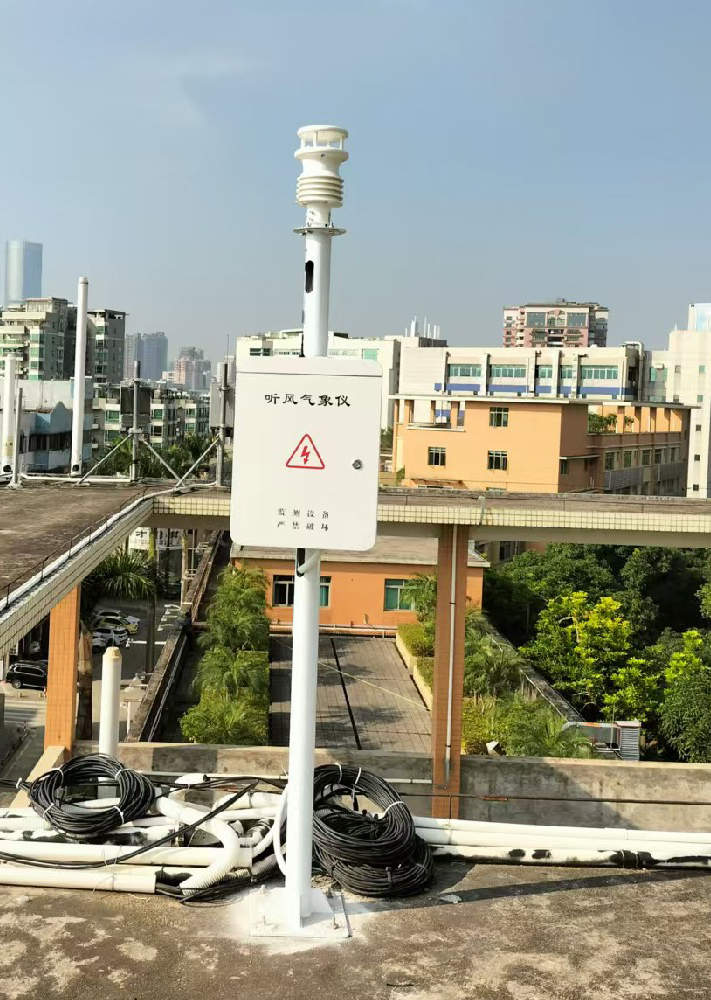
In current urban grid environmental monitoring, smart lamp pole renovation, and industrial park air pollution control projects, traditional split meteorological sensors have difficulty meeting the needs of efficient integration and stable operation due to high maintenance frequency, complex interfaces, and susceptibility to mechanical wear. The integrated micro-meteorological sensor (model NBL-W-10GUWS) launched by NiuBoL adopts ultrasonic principle and high-integration structural design to provide system integrators, IoT solution providers, project contractors, and engineering companies with a reliable end-to-end meteorological data acquisition unit.
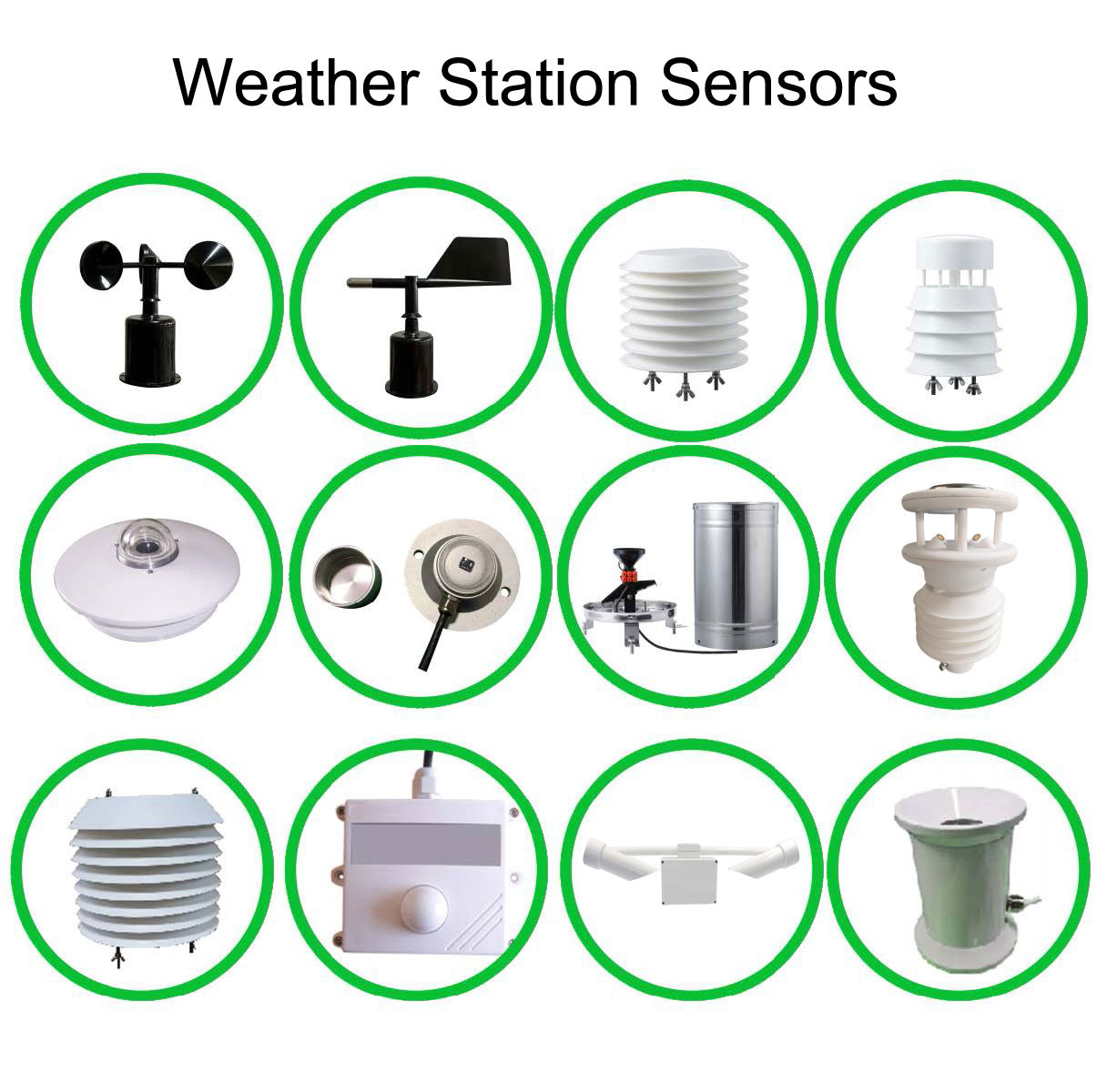
This sensor not only covers the core meteorological five parameters (temperature, humidity, air pressure, wind direction, wind speed) specified in the "2021 National Ecological Environment Monitoring Plan" and the "Technical Specifications for Operation and Quality Control of Continuous Automatic Monitoring System for Environmental Air Particulates (PM10 and PM2.5)", but can also be extended to integrate elements such as solar radiation, rainfall, noise, and illuminance, achieving true integrated deployment.
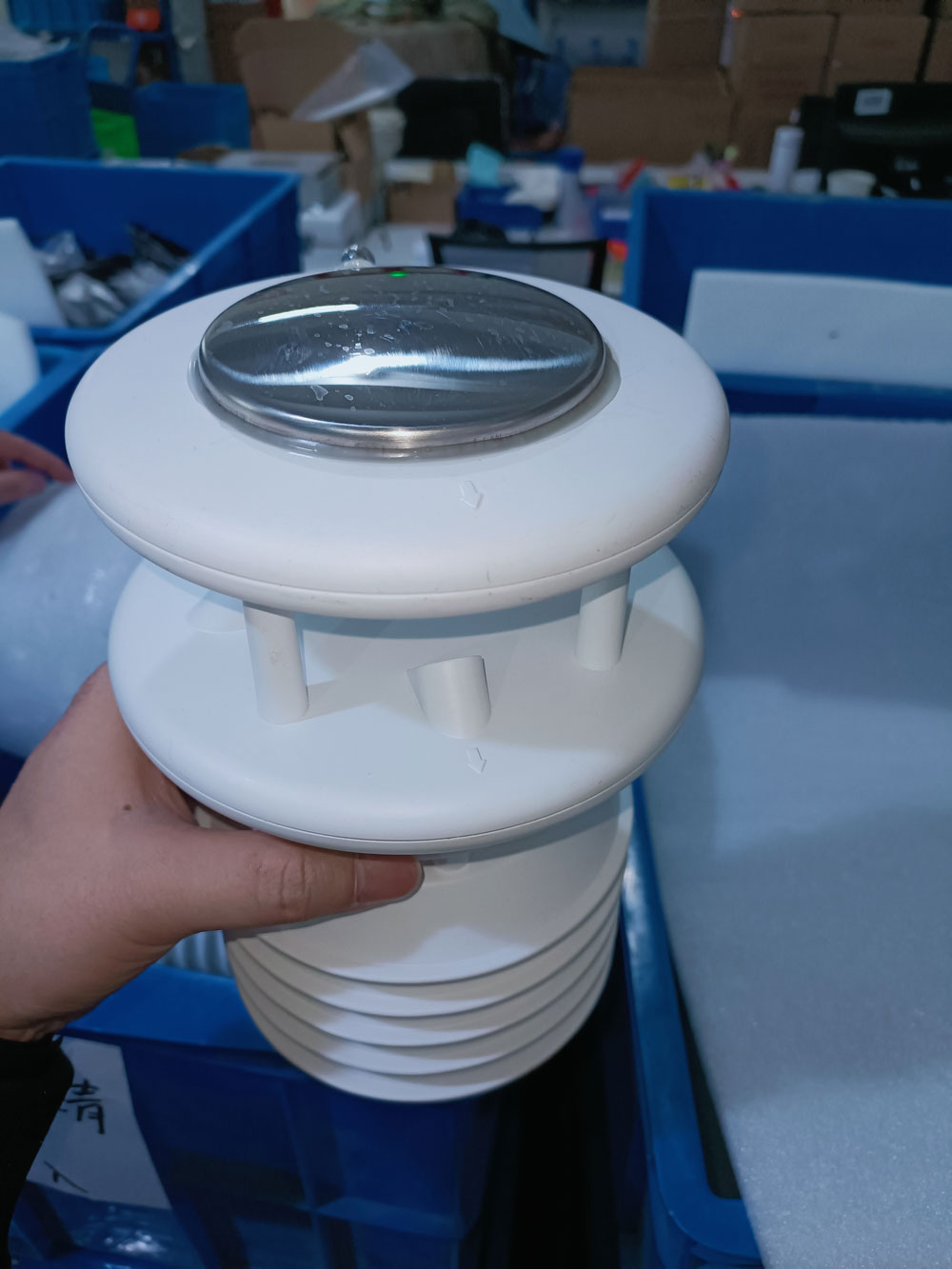
The core of the NBL-W-10GUWS lies in its fully digital and highly integrated design. The top adopts a hidden ultrasonic probe to effectively avoid interference from wind, rain, snow, and foreign objects. It has no rotatable mechanical parts, fundamentally eliminating measurement deviations and frequent calibration needs caused by bearing wear and blade jamming in traditional mechanical wind speed and direction sensors.
The sensor is small in size and light in weight, with an average power consumption of only 0.4W (without dust sensor) or 1W (with dust sensor). It supports DC 9-24V wide voltage power supply and can be directly connected to a solar + lithium battery combination power supply system, ensuring 24-hour continuous operation around the clock. Even in extreme temperature and humidity environments from -40°C to 80°C, it can still maintain stable output under IP65 protection level.
Compared with traditional automatic weather stations, this integrated solution greatly simplifies on-site wiring and bracket design. Peripheral equipment such as collectors, power supply systems, and radiation-proof ventilation covers can be optionally configured as needed, while all core meteorological elements are realized through a single sensor, significantly reducing the total cost of ownership (TCO) of the project.
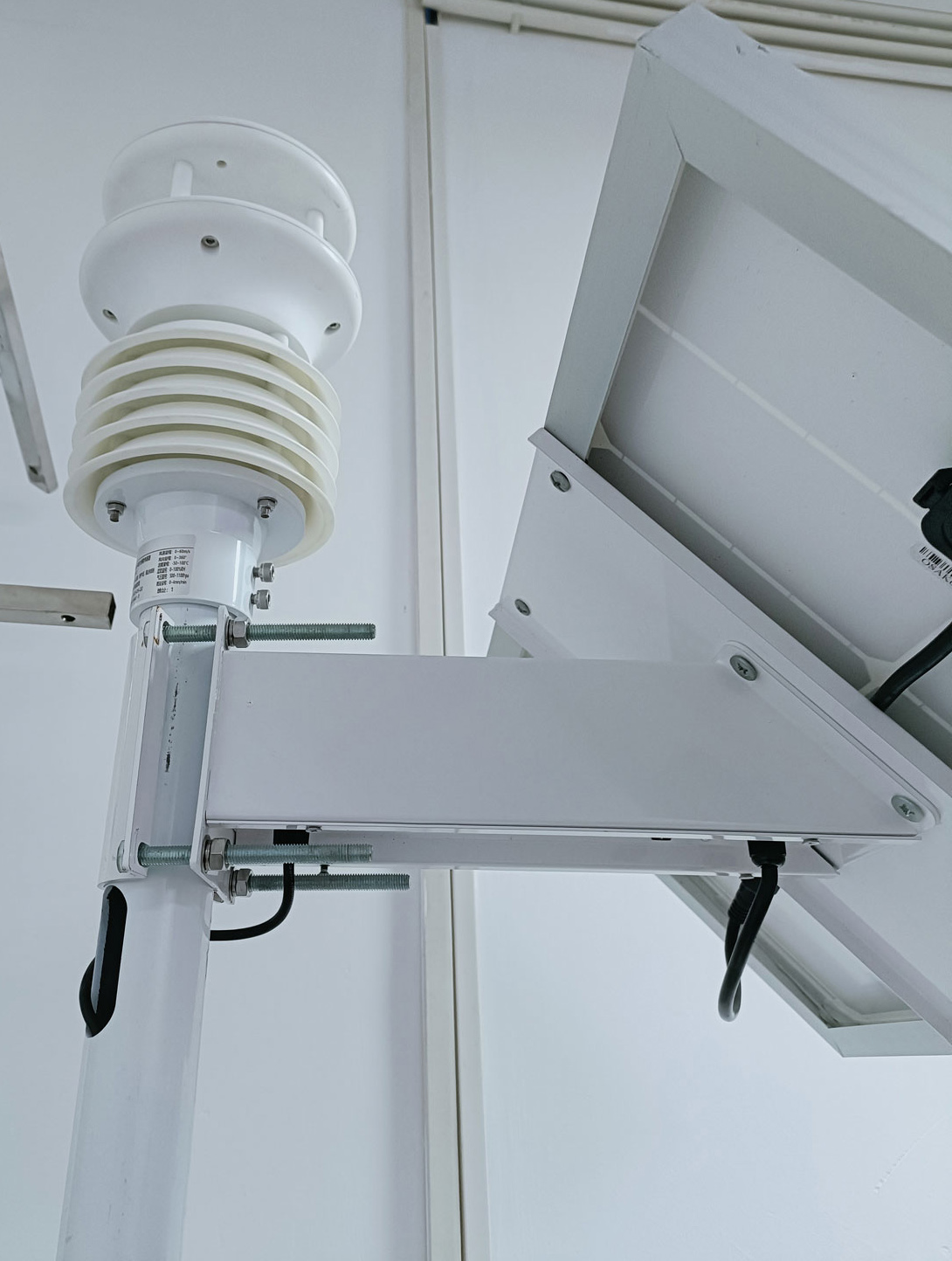
The wind speed and direction measurement of the NBL-W-10GUWS is based on the principle of ultrasonic propagation time difference in air: by comparing the round-trip transmission time differences of ultrasonic waves in the north-south and east-west directions, wind speed (0~60m/s, accuracy ±0.3+3%FS) and wind direction (0~359°, accuracy ±3°) are accurately calculated. This method is independent of environmental variables such as temperature and humidity, avoiding the starting threshold problem of traditional mechanical sensors in low wind speed or freezing conditions, and achieving real-time monitoring with zero starting wind speed.
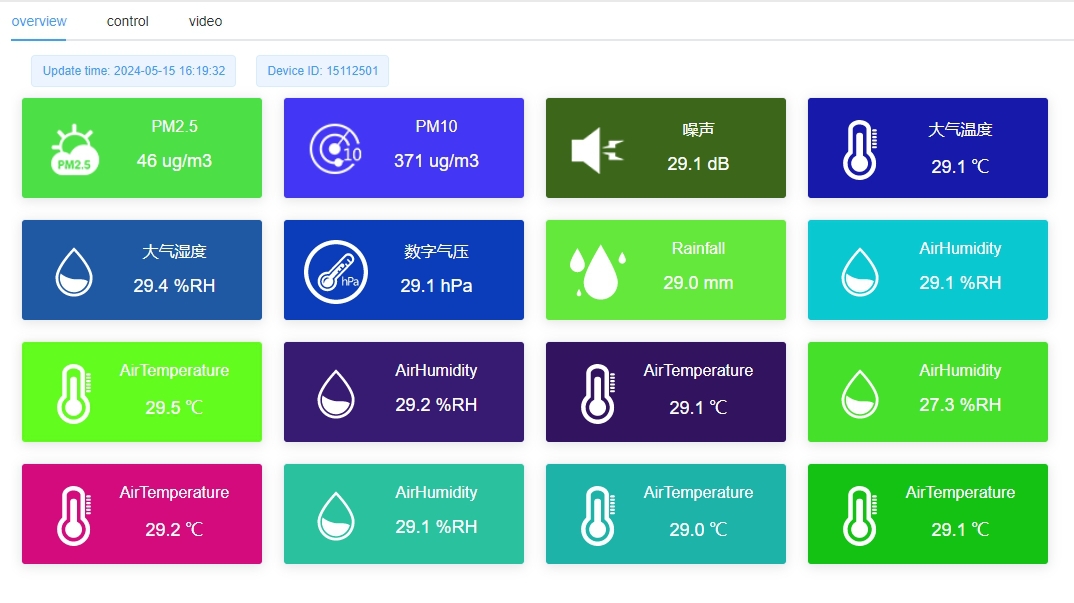
Rainfall measurement adopts the piezoelectric ceramic kinetic energy principle, identifying rainfall intensity according to the impact force of raindrops, and can accurately measure from light rain to heavy rain. PM2.5 and PM10 measurement is completed through a built-in high-precision laser scattering module, with ranges covering 0~1000μg/m³ and 0~2000μg/m³ respectively, meeting the requirements of the technical specifications for continuous automatic monitoring systems of ambient air quality.
All data is processed by the built-in signal processing unit and output through the RS485 interface in standard MODBUS protocol (default baud rate 9600 bps). It also supports optional RS232, USB, and Ethernet interfaces, making it convenient to seamlessly connect with existing PLC, DTU, edge gateways, or cloud platforms.

The NBL-W-10GUWS is particularly suitable for smart lamp pole integrated renovation projects. It can be directly mounted on the top of the lamp pole, synchronously collecting parameters such as wind speed and direction, temperature and humidity, air pressure, and PM2.5/PM10 while providing lighting functions, and uploading data to the urban IoT cloud platform in real time.
In actual project deployment, the sensor can be modularly combined with lamp pole controllers, video surveillance, and 5G micro base stations to form a “multi-pole in one” comprehensive perception node. System integrators do not need to design additional meteorological subsystems to achieve linkage control of environmental meteorological data with lighting, monitoring, and traffic signals. For example, in urban main road smart lamp pole projects, the sensor can provide basic data support for scenarios such as haze early warning, road icing prediction, and high-temperature traffic restrictions, assisting in refined urban management.
Urban Grid Environmental Monitoring: Deployed in urban air quality monitoring micro-station networks to achieve high-density, real-time correlation analysis of PM2.5/PM10 and meteorological parameters, supporting grid-based pollution tracing.
Smart Lamp Poles and Smart City Construction: Integrated into lamp pole systems to provide micro-meteorological data for the city brain platform, supporting applications such as smart lighting, environmental early warning, and traffic dispatching.
Scenic Areas and Ecological Protection Zone Environmental Monitoring: Low power consumption and maintenance-free characteristics make it suitable for long-term deployment in remote areas, achieving unattended data collection combined with solar power supply.
Factory, Mine, and Construction Site Dust Monitoring: Real-time monitoring of PM2.5/PM10 and wind speed/direction provides data basis for dust control and construction permit decisions, meeting construction site environmental protection supervision requirements.
Highway and Airport Perimeter Meteorological Support: High-precision wind speed and direction data supports visibility and crosswind warnings to ensure traffic and aviation operation safety.
Farmland and Agricultural Meteorological Monitoring: Combined with extended equipment such as soil sensors, it builds a smart agricultural environmental monitoring system to provide support for precision irrigation and pest and disease early warning.
In the above scenarios, the NBL-W-10GUWS replaces traditional multi-sensor combinations with a single device, reducing installation points and failure points, and significantly improving project delivery efficiency.
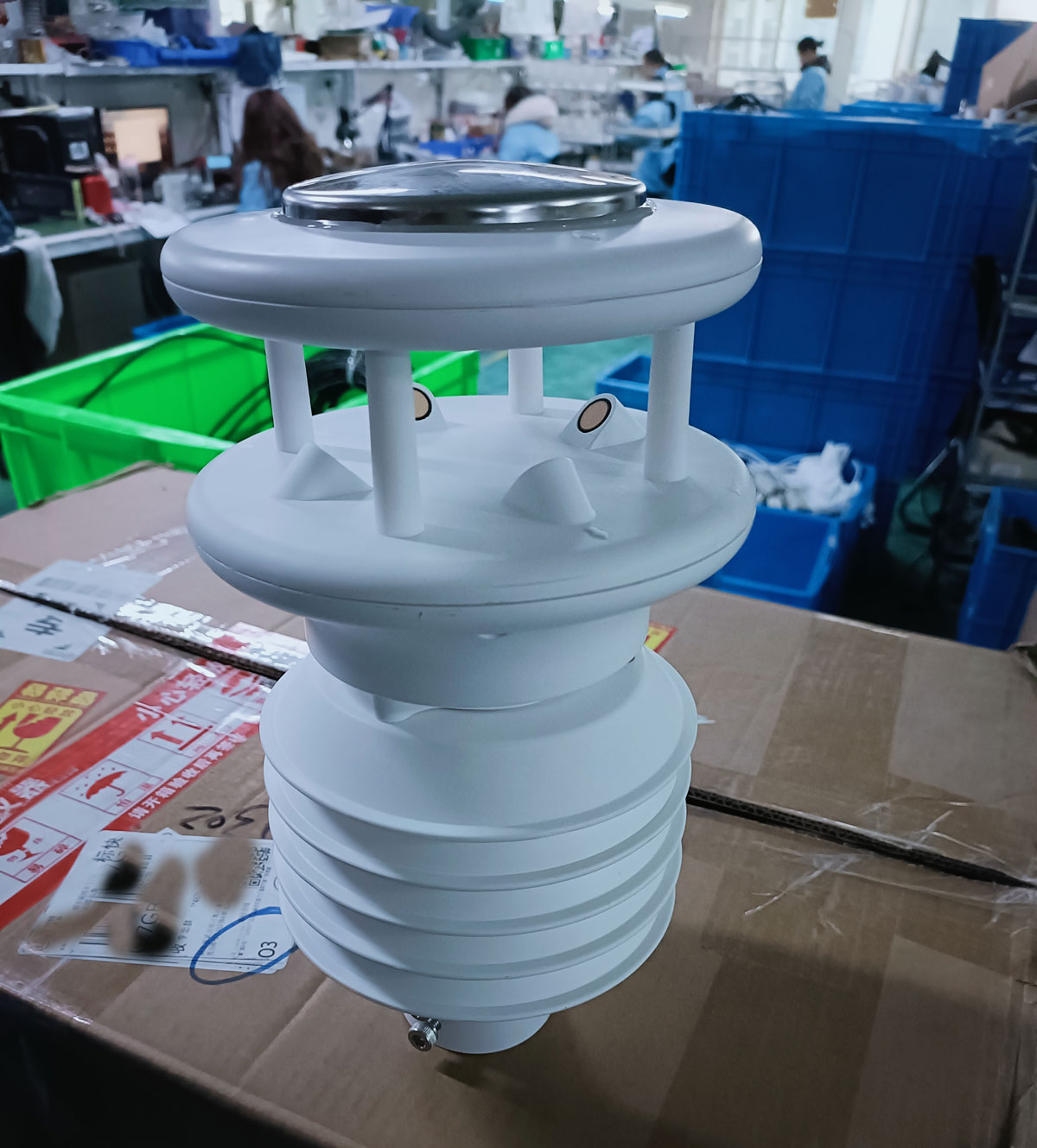
During on-site installation, it is recommended to avoid arranging on the same plane as radar, transmitting antennas, engines, and other interference sources, and maintain a distance of at least 2 meters. The installation location should be away from buildings, trees, utility poles, and other obstacles that may generate turbulence to ensure wind field measurement accuracy.
It is recommended to use the original factory shielded cable and ensure the cable shielding layer is correctly grounded. The sensor has a built-in watchdog circuit with automatic reset function, further improving long-term system operation stability.
Compared with traditional automatic weather stations, the NBL-W-10GUWS requires no regular calibration and no frequent cleaning of mechanical parts. Daily operation and maintenance only require checking the power supply status and installation fixation, significantly reducing labor investment in project operation and maintenance.
| Parameter | Range | Accuracy | Resolution |
|---|---|---|---|
| Wind Speed | 0~60m/s | ±0.3+3%FS | 0.01m/s |
| Wind Direction | 0~359° | ±3° | 1° |
| Temperature | -40~80℃ | ±0.5℃ | 0.1℃ |
| Humidity | 0~100%RH | ±5%RH | 0.1%RH |
| Air Pressure | 10~1100hPa | ±1.5hPa | 0.1hPa |
| PM2.5 | 0~1000μg/m³ | ±10% | 1μg/m³ |
| PM10 | 0~2000μg/m³ | ±10% | 1μg/m³ |
| Noise | 30~130dB | ±5dB | 0.1dB |
| Illuminance | 0~200000Lux | ±7% | 10Lux |
| Rainfall | 0~8mm/min | ±10% | 0.01mm |
| Radiation | 0~1500W/m² | ±10% | 1W/m² |
Power Supply Voltage: DC 9-24V
Signal Output: RS485 (standard MODBUS protocol)
Average Power Consumption: 0.4W (without dust) / 1W (with dust)
Operating Temperature: -40~80℃
Protection Level: IP65
Q1. What is the main difference between the NBL-W-10GUWS and traditional five-element split sensors?
It adopts an ultrasonic integrated structure with no mechanical wear parts, achieving maintenance-free and zero-start wind speed measurement. At the same time, it integrates elements such as PM2.5/PM10, significantly reducing system integration complexity and operation and maintenance costs.
Q2. Does this sensor support docking with existing SCADA or IoT platforms?
Yes. It supports standard MODBUS protocol RS485 output and optional RS232, USB, and Ethernet interfaces, directly compatible with mainstream PLC, DTU, and cloud platforms.
Q3. How to achieve real-time data upload in smart lamp pole projects?
The sensor can be directly installed on the lamp pole and connected to the lamp pole controller or edge gateway via RS485 to achieve unified upload of meteorological data with lighting, monitoring, and other systems to the city cloud platform.
Q4. Can solar power supply meet all-weather operation requirements?
Yes. Combined with lithium batteries, the average power consumption is as low as 0.4-1W, ensuring 24-hour continuous operation. It is particularly suitable for deployment in remote areas or areas without mains power.
Q5. How reliable is the sensor in strong wind, heavy rain, or high-dust environments?
IP65 protection level combined with hidden ultrasonic probe design ensures reliable operation in -40~80℃ and 0-95%RH environments, with strong anti-interference capability and built-in watchdog circuit for automatic reset.
Q6. What interference factors need special attention during installation?
Avoid installing on the same plane as radar or transmitting devices, keeping a distance of more than 2 meters; stay away from vibration sources and turbulence obstacles; use the original factory recommended cables and ensure correct grounding.
Q7. Do rainfall and particulate measurements meet national environmental monitoring specification requirements?
Rainfall adopts the piezoelectric ceramic kinetic energy principle, and PM2.5/PM10 comply with the quality control specifications of continuous automatic monitoring systems. They can be used as basic data sources for ambient air quality monitoring.
Q8. As a manufacturer, what support does NiuBoL provide to system integrators?
Technical parameters, communication protocol docking guidance, installation scheme references, and project customization support are provided, focusing on providing stable and reliable bulk procurement and technical services for IoT solution providers, project contractors, and engineering companies.
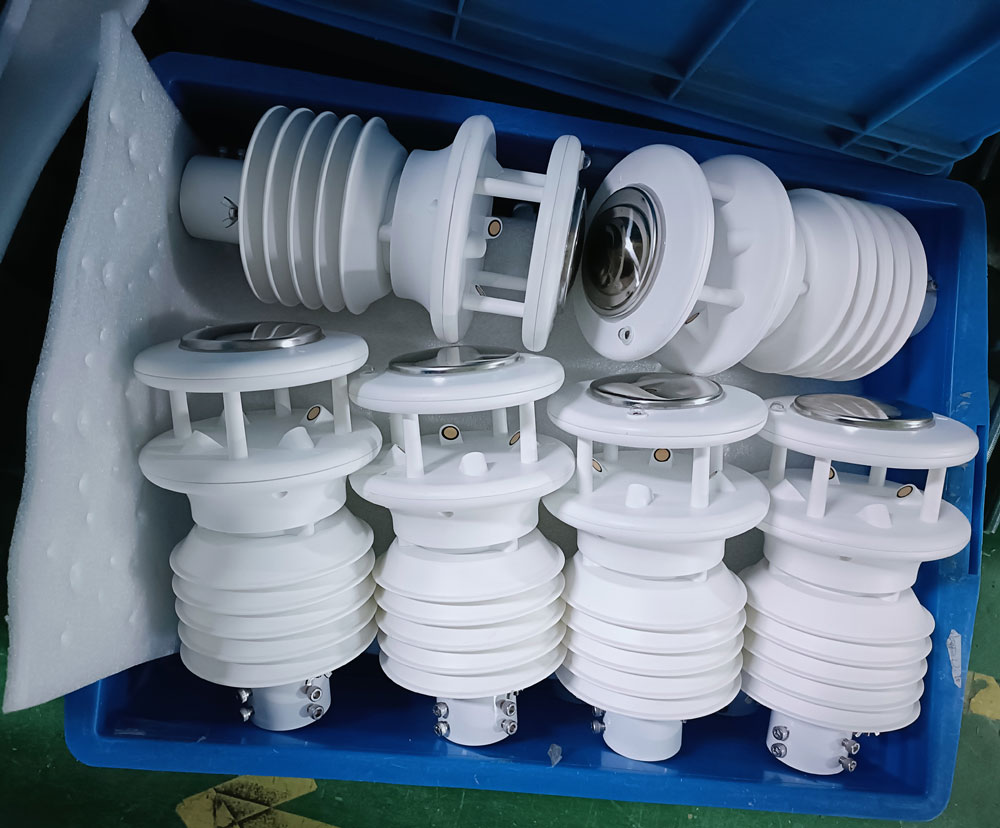
The NiuBoL integrated micro-meteorological sensor NBL-W-10GUWS builds a high-precision, multi-element, and integrated meteorological perception solution with ultrasonic technology as the core. It not only solves the operation and maintenance problems of traditional mechanical sensors but also achieves seamless integration with various projects such as smart lamp poles, urban environmental monitoring, and industrial safety through standardized MODBUS protocol and low-power design.
For system integrators and engineering companies pursuing project delivery efficiency, long-term operational stability, and cost optimization, the NBL-W-10GUWS is a trustworthy end-side perception device choice. If you need detailed technical docking, bulk procurement solutions, or project application references, please contact the NiuBoL professional team. We will provide targeted solutions according to specific scenarios to help your environmental monitoring projects land efficiently.
 NBL-W-21GUWS-Ultrasonic-Wind-speed-and-direction-Sensor.pdf
NBL-W-61MUWS-Ultrasonic-Weather-Station-Instruction-Manual.pdf
NBL-W-71MUWS-Micrometeorological-Sensor-Operating-Instructions.pdf
Related recommendations
Sensors & Weather Stations Catalog
Agriculture Sensors and Weather Stations Catalog-NiuBoL.pdf
Weather Stations Catalog-NiuBoL.pdf
Agriculture Sensors Catalog-NiuBoL.pdf
Water Quality Sensor Catalog-NiuBoL.pdf
Related products
 Combined air temperature and relative humidity sensor
 TDR Soil Moisture & Temperature Sensor for irrigation| RS485 |4-20mA| NBL-S-THR
 Soil pH sensor RS485 soil Testing instrument soil ph meter for agriculture |NBL-S-PH
 Wind Speed sensor Output Modbus/RS485/Analog/0-5V/4-20mA
 Tipping bucket rain gauge for weather monitoring auto rainfall sensor RS485/Outdoor/stainless steel
 Pyranometer Solar Radiation Sensor 4-20mA/RS485

Screenshot, WhatsApp to identify the QR code
WhatsApp number:+8615367865107
(Click on WhatsApp to copy and add friends)

