





— Blogs —
—Products—
 Consumer hotline +8618073152920
 WhatsApp:+8615367865107
Address:Room 102, District D, Houhu Industrial Park, Yuelu District, Changsha City, Hunan Province, China
Product knowledge
Time:2026-07-22 12:11:34 Popularity:209
A salinity sensor is usually selected by water type first: freshwater aquaculture, brackish water, seawater intake and recirculating systems create different range and corrosion requirements.
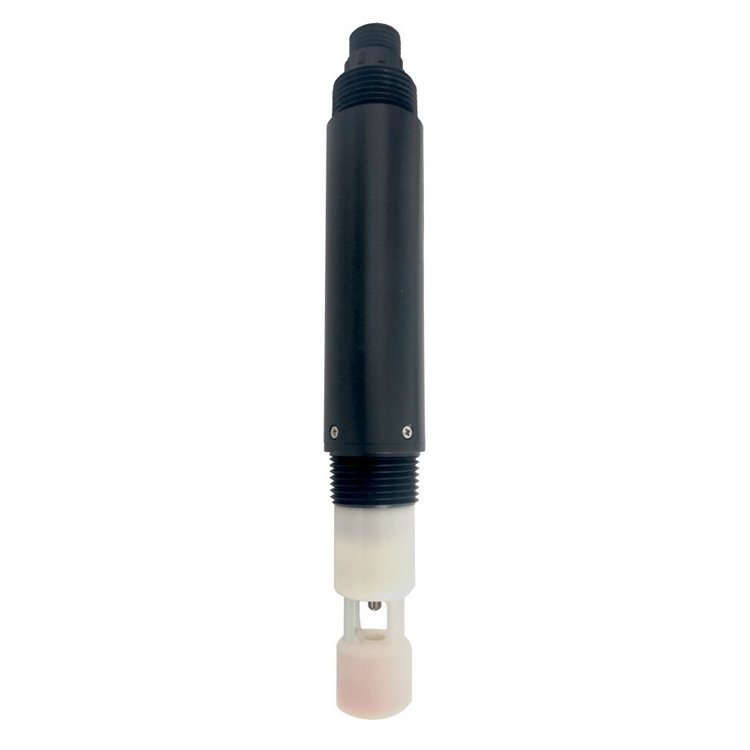
For buyers, the core decision is whether salinity alone is needed or whether EC, temperature, pH and DO should be monitored together in one station.
This article focuses on salinity measurement in ponds, tanks, brackish water intake, seawater channels and recirculating aquaculture systems.
Start by defining the decision made from the measurement. A treatment plant may need process control, an aquaculture farm may need early warning, and an environmental station may need continuous records. These objectives require different accessories and acceptance checks.
A useful purchase document avoids vague phrases. It states the water type, measuring point, expected range, output interface, power condition, installation method and maintenance responsibility.
| Project question | Why it matters |
|---|---|
| What water is measured? | Clean water, seawater, wastewater and aquaculture water have different range and fouling needs. |
| Who uses the data? | Operators, regulators, farm managers and engineers need different alarm and record formats. |
| Where is it installed? | Pipe, tank, pond, river, buoy and cabinet installations change mounting accessories. |
| How is data collected? | PLC, RTU, gateway, display and cloud platform require different output planning. |
This salinity sensor solution is suitable when the project needs online records, stable field installation and integration with a control or data acquisition system. It is not the right choice when the buyer only needs a one-time laboratory result or where no maintenance access can be provided.
For remote or unattended projects, the quotation should include cleaning, calibration and spare part planning. For staffed process sites, simpler mounting may be acceptable if operators can inspect the sensor regularly.
| Technical item | Verified value or project note |
|---|---|
| Measurement basis | Salinity calculated from conductivity with temperature compensation |
| Conductivity options | 0 to 5000 uS/cm, 0 to 200 mS/cm model options |
| Salinity option | 0 to 70 PSU on salinity-oriented configuration |
| Accuracy | Conductivity accuracy typically +/-1% F.S. or +/-1.5% F.S. by model |
| Temperature compensation | Pt1000 automatic compensation |
| Power and output | 12 to 24 VDC; RS485 Modbus RTU |
| Installation | 3/4 NPT immersion mounting; customizable cable length |
| Protection | IP68 sensor construction for immersion deployment |
Range and accuracy must be read together. A larger range does not automatically make a better instrument. The useful range is the one that covers real process variation while preserving enough resolution for the normal operating band.
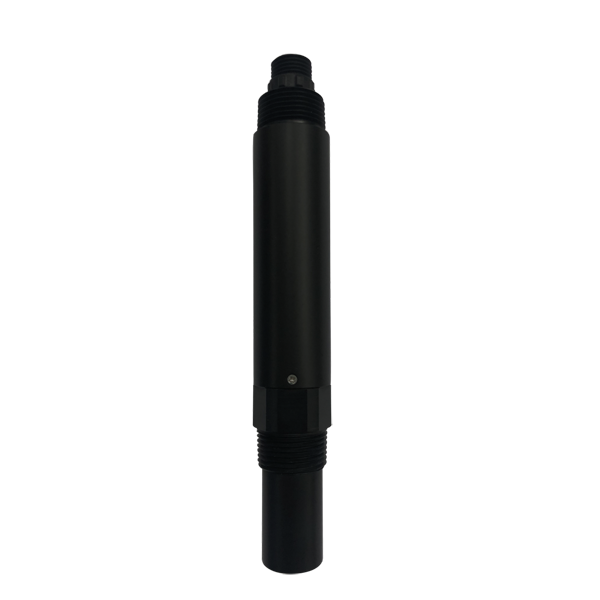
RS485 Modbus RTU output is valuable for multi-point stations because it reduces wiring and provides digital values to PLC, RTU or IoT gateways. For older control cabinets, analog conversion or controller output may still be required.
Field environment challenge: Water quality changes with feeding, aeration, algae and water exchange.
System integration plan: Combine online sensors with gateway alarms and scheduled calibration.
User value: Gives farm managers earlier warning and reduces manual test gaps.
Field environment challenge: Influent and effluent conditions can change quickly and foul probes.
System integration plan: Install sensors at representative process points and integrate values into PLC or SCADA.
User value: Supports process adjustment, trend review and discharge risk control.
Field environment challenge: Remote rivers and reservoirs face power, fouling and communication limits.
System integration plan: Use RS485 sensors with RTU or solar station and a realistic cleaning interval.

User value: Creates continuous records for environmental assessment.
Field environment challenge: Repeat orders need consistent wiring, documents and packaging.
System integration plan: Standardize model, cable, output and spare parts across batches.
User value: Improves installation repeatability and after-sales response.
Price is shaped by the sensor configuration, cable length, controller or gateway, mounting accessories, calibration supplies, documents and delivery quantity. A complete quote should separate these items so the buyer can compare equivalent scopes.
The lowest unit price is not always the lowest project cost. Commissioning delays, missing communication documents, wrong range or poor mounting can cost more than the initial saving.
| Selection factor | Recommended action |
|---|---|
| Range | Base it on historical water data or expected process extremes. |
| Output | Confirm RS485 register map, analog requirement or gateway protocol. |
| Installation | Check flow, depth, bubbles, fouling and maintenance access. |
| Calibration | Define standard, interval and responsible team before acceptance. |
| Documents | Request manual, wiring, Modbus map and packing list with model number. |
| Check | Engineering note |
|---|---|
| 1 | Define whether the displayed value must be conductivity, TDS or salinity. TDS is normally calculated from conductivity using a conversion factor. |
| 2 | Match the range to the real water type: pure water, RO permeate, brackish water and wastewater do not use the same useful range. |
| 3 | Temperature compensation must be enabled and checked because conductivity changes significantly with water temperature. |
| 4 | For dosing control, verify scaling in the PLC so uS/cm, mS/cm and mg/L are not mixed in the HMI. |
| RFQ field | Why it changes selection or quote |
|---|---|
| Water type and range | Determines sensor model and whether the quoted range is useful. |
| Point quantity | Affects bus address planning, cable, controller and spare ratio. |
| Output interface | PLC, gateway, recorder or display requirements change configuration. |
| Installation drawing | Mounting hardware cannot be selected accurately without site structure. |
| Maintenance scope | Cleaning tools, calibration liquid and spare parts affect yearly cost. |
For serious procurement, ask the supplier to mark what is included and what is excluded. This avoids disputes about controllers, gateways, calibration supplies, mounting parts and freight packaging after the purchase order is issued.
A good engineering specification also states the acceptance method. Without a defined comparison sample, calibration standard and communication test, the buyer may receive hardware that is technically correct but difficult to approve on site.
A salinity sensor for freshwater aquaculture does not face the same corrosion and range requirements as seawater intake. Brackish water projects sit between the two, and seasonal dilution can change salinity quickly after rain or water exchange. The buyer should state the normal range and expected extremes.
Because salinity is normally based on conductivity and temperature, the project should confirm whether it wants PSU, mS/cm, uS/cm or TDS display. Mixing these units in the HMI or report can create wrong operational decisions.
| Water condition | Practical selection |
|---|---|
| Freshwater aquaculture | EC/TDS may be enough unless salinity is a controlled variable. |
| Brackish water | Use salinity range that covers dilution and concentration changes. |
| Seawater | Check corrosion risk, cable protection and maintenance frequency. |
| RAS system | Combine salinity with pH, DO and temperature for biological stability. |
For saline environments, the cable entry, connector protection and mounting hardware matter as much as the sensor body. A project quote should include cable length and installation depth because replacement is expensive once the sensor is deployed in ponds, cages or seawater channels.
Salinity monitoring should be linked to the biological tolerance of the cultured species. The alarm range for shrimp, marine fish, freshwater fish or aquaponics is not identical. Buyers should provide the species or process target if they want a useful recommendation.
For outdoor ponds and seawater channels, cable protection is not a minor detail. Rodent damage, UV exposure, wave movement and accidental pulling can all stop a monitoring point even when the sensor itself is suitable. The RFQ should include cable route and installation depth.
In aquaculture, salinity changes should be interpreted together with water exchange, rainfall, evaporation and feeding cycle. A sensor package becomes more useful when the alarm setting reflects these site conditions instead of a generic fixed threshold.
For seawater or brackish installations, ask the supplier to confirm wetted material, cable sheath and mounting hardware compatibility. Corrosion often starts at accessories and cable protection before the sensing element becomes the limiting part.
For salinity projects with seasonal variation, ask whether the selected range still gives useful resolution during normal operation. A sensor chosen only for the maximum possible salinity may be less useful during diluted, low-salinity periods, especially when operators need to see small changes after rainfall, water exchange or evaporation.
Salinity is not a universal alarm value. Shrimp ponds, marine fish tanks, brackish water nurseries and aquaponics loops all have different operating bands. Rainfall, evaporation, water exchange and feed management can change the value faster than buyers expect.
For procurement, this means the RFQ should include normal salinity, acceptable variation, maximum expected value and installation depth. Without those values, a supplier can only quote a generic salinity sensor, and the buyer may receive a range that is technically broad but not very useful for daily management.
| Aquaculture condition | Selection consequence |
|---|---|
| Outdoor shrimp pond | Need range headroom for evaporation and dilution after rain. |
| Marine fish tank | Stable PSU display and corrosion-resistant installation are more important. |
| Brackish nursery | Resolution in the lower salinity band may matter more than maximum range. |
| RAS | Combine salinity with pH, DO and temperature to protect biological stability. |
During acceptance, check the salinity or conductivity reading against a reference method, verify the temperature value, confirm the displayed unit and inspect cable protection. For aquaculture, record the species or process salinity band used for the alarm setting.
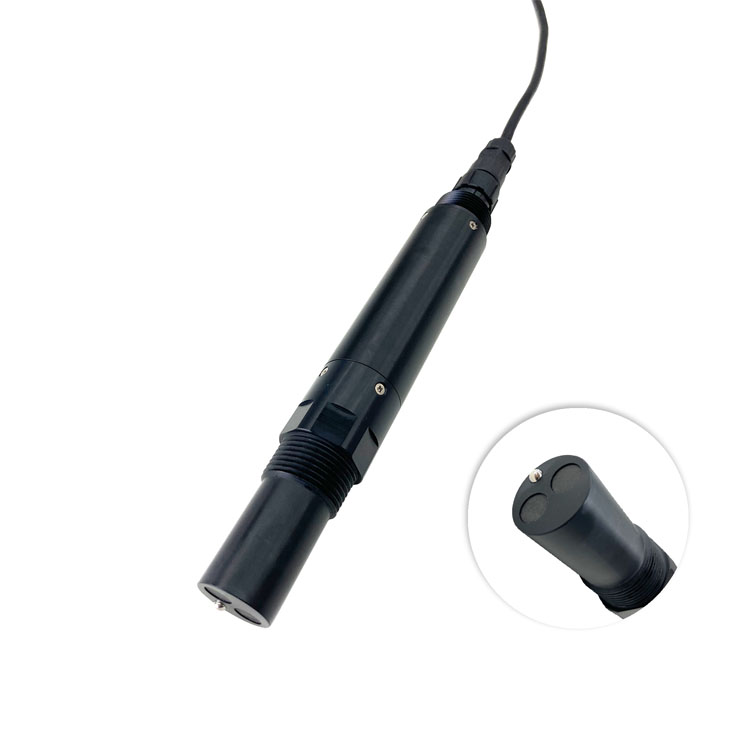
A: Check water type, normal salinity range, maximum expected salinity, required unit, corrosion risk, installation depth and whether pH, DO or temperature are also needed.
A: In many online sensors, salinity is calculated from conductivity with temperature compensation. Buyers should confirm whether the output is PSU, conductivity or another displayed value.
A: Brackish water can move across a wide band after rainfall, evaporation or water exchange. The range must cover peaks without losing useful resolution in normal operation.
A: Seawater increases corrosion risk at sensor body, cable entry, connector and mounting hardware. Cable protection and installation material should be part of the quote.
A: No. Shrimp, marine fish, freshwater species and aquaponics systems have different tolerance bands. Alarm limits should be set from the species and production method.
A: For freshwater water treatment, EC or TDS may be enough. Salinity output is more useful when the site manages brackish or seawater conditions directly.
A: Check standard solution or reference meter, temperature reading, output unit, cable protection, installation depth and alarm value under actual water conditions.
A: Include water type, salinity range, unit, temperature, installation depth, cable length, output interface, point quantity and corrosion or outdoor exposure conditions.
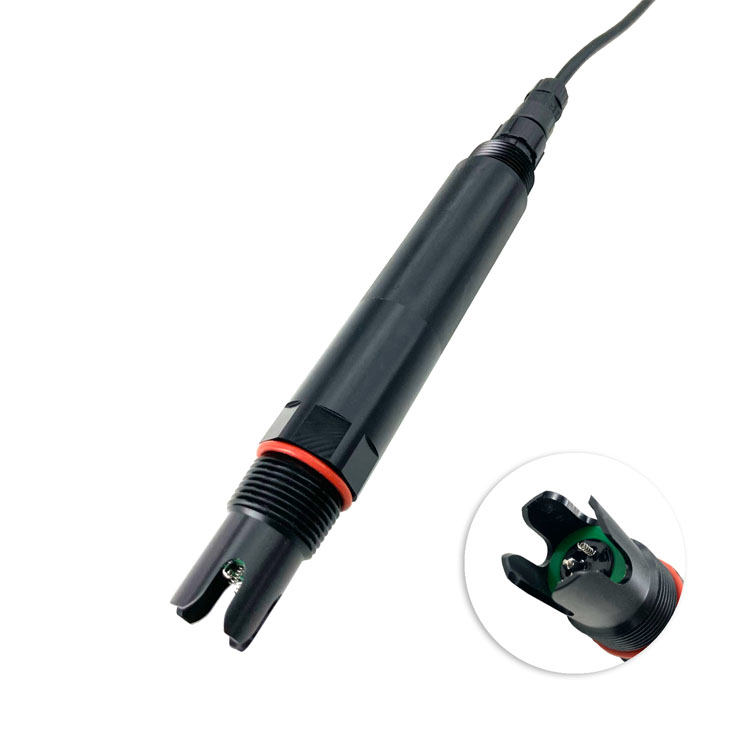
Salinity Sensor Buying Guide for Aquaculture, Seawater and Brackish Water should be approached as an engineering selection task. NiuBoL water quality sensors provide RS485 Modbus RTU integration, IP68 field construction and product options for pH, DO, EC/TDS, salinity, turbidity, TSS, COD, ammonia nitrogen and multiparameter stations. Buyers get better quotes when they define range, site, output, installation and maintenance scope before ordering.
Prev:TDS Meter Price and Quality: How to Compare Industrial Offers
Next:Online Monitoring System for STP: Sensor List, Installation Points and Budget
Related recommendations
Sensors & Weather Stations Catalog
 Agriculture Sensors and Weather Stations Catalog-NiuBoL.pdf
Weather Stations Catalog-NiuBoL.pdf
Agriculture Sensors Catalog-NiuBoL.pdf
Water Quality Sensor Catalog-NiuBoL.pdf
Related products
 Combined air temperature and relative humidity sensor
 TDR Soil Moisture & Temperature Sensor for irrigation| RS485 |4-20mA| NBL-S-THR
 Soil pH sensor RS485 soil Testing instrument soil ph meter for agriculture |NBL-S-PH
 Wind Speed sensor Output Modbus/RS485/Analog/0-5V/4-20mA
 Tipping bucket rain gauge for weather monitoring auto rainfall sensor RS485/Outdoor/stainless steel
 Pyranometer Solar Radiation Sensor 4-20mA/RS485

Screenshot, WhatsApp to identify the QR code
WhatsApp number:+8615367865107
(Click on WhatsApp to copy and add friends)

