





— Blogs —
—Products—
 Consumer hotline +8618073152920
 WhatsApp:+8615367865107
Address:Room 102, District D, Houhu Industrial Park, Yuelu District, Changsha City, Hunan Province, China
Product knowledge
Time:2026-06-24 11:45:14 Popularity:223
A water-fertilizer integrated smart irrigation control system combines irrigation, fertilizer dosing, field sensing, valve control and remote management. It is used in greenhouses, field crops, orchards and vegetable bases where water and nutrient delivery must be more accurate than manual operation can provide.
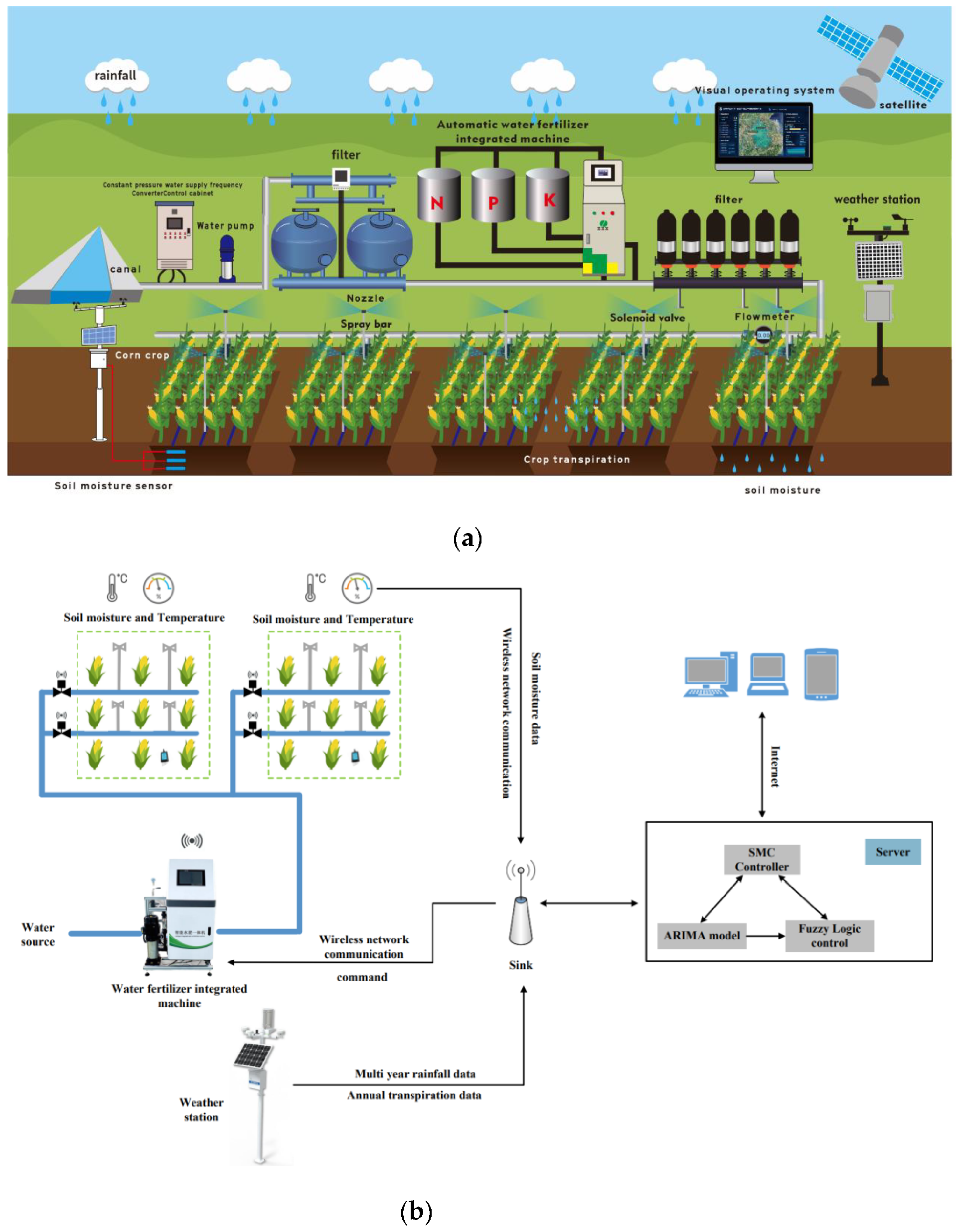
For procurement teams, the main value is not only saving labor. The system connects water source, pump station, fertilizer mixing, filtration, pipeline pressure, flow, EC, pH, valves and platform control into one operating chain. This makes it possible to manage irrigation zones, fertilizer concentration and operating records with a repeatable method.
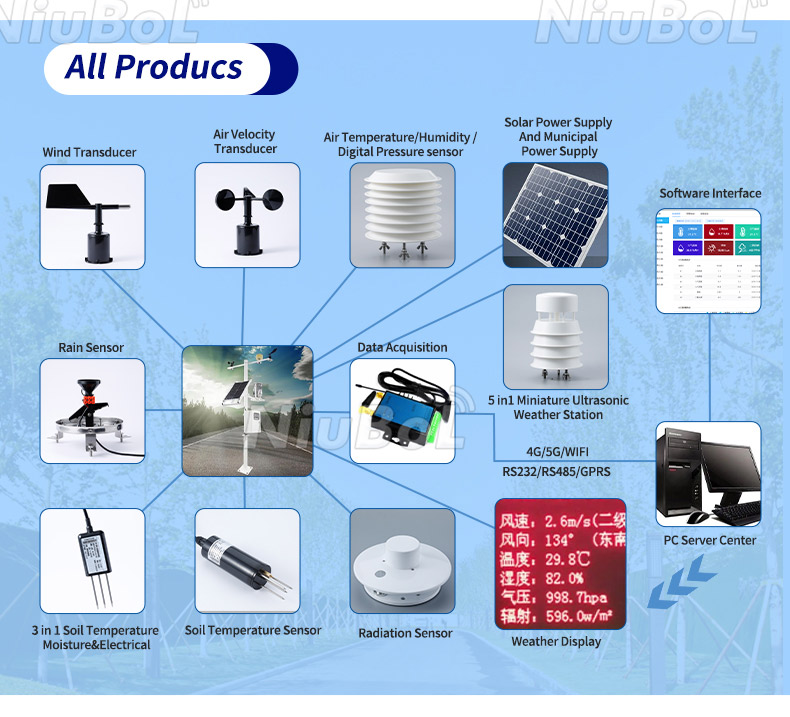
Greenhouses and dense-root crops such as leafy vegetables and wheat need water and nutrients delivered at the right time and in the right proportion. Manual irrigation may over-water some zones and under-water others. Manual fertilizer mixing may also create inconsistent concentration, especially when the planted area is large or several crop stages are managed at the same time.
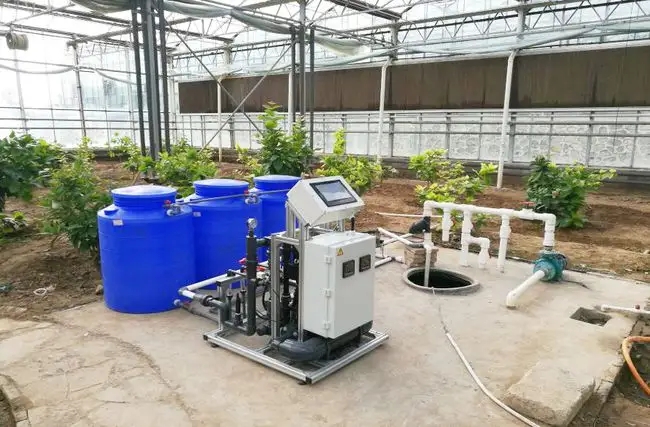
An intelligent fertigation machine can use proportional fertilization, pump suction and controlled mixing to deliver nutrient solution through drip irrigation, sprinkler irrigation or micro-sprinkler systems. When combined with EC, pH, flow and pressure sensors, the system gives operators a measurable basis for irrigation and fertilization decisions.
The system normally includes a water source, head control system, filtration, fertilizer tanks or dosing channels, mixing equipment, pumps, pressure sensors, flowmeters, EC and pH sensors, irrigation pipes, solenoid valves, field controllers and a management platform. In greenhouses, inverted micro-sprinklers are often used; in fields, pole sprinklers or drip lines may be selected according to crop type.
A smart control cabinet and touchscreen provide local operation, while GPRS, 4G or Ethernet communication allows remote control through a platform or mobile terminal. The system can support relay outputs, valve grouping, irrigation programs and data records according to project configuration.
Field controllers, acquisition modules and gateways may use RS485 or other industrial communication interfaces to collect flow, pressure, EC and pH values. For project integration, the communication method should be defined together with the control cabinet, valve layout and platform requirements.
Remote communication through GPRS, 4G or Ethernet is useful when managers need to start irrigation, check status or review records away from the pump room. The project should define user permissions so local workers and remote managers have appropriate control authority.
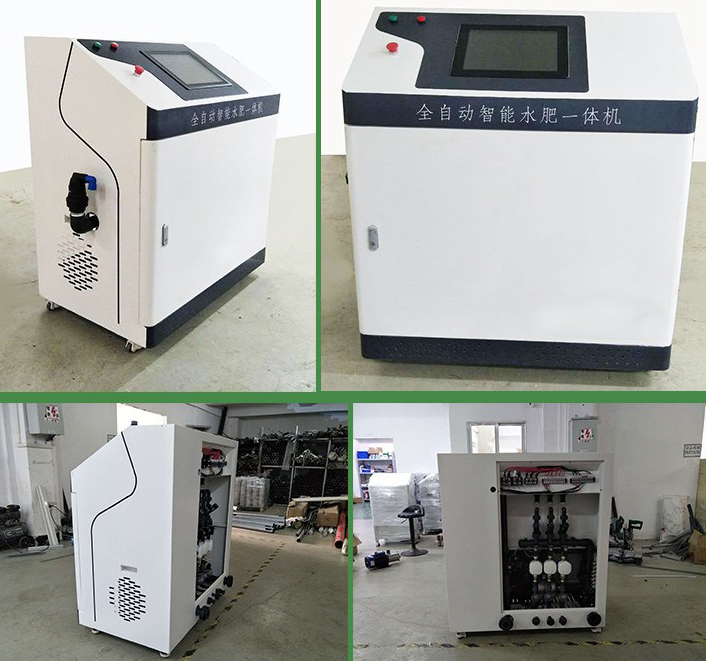
| Parameter | Reference Value | Engineering Note |
|---|---|---|
| Control cabinet | Intelligent irrigation control cabinet with touchscreen option | Local control and commissioning interface |
| Display | 10-inch touchscreen used in many smart fertigation configurations | Supports local parameter setting and operation review |
| Fertilizer channels | Single-channel, three-channel or multi-channel configuration | Select according to crop formula and dosing complexity |
| Dosing method | Proportional fertilization and pump suction fertilizer mixing | Supports more consistent nutrient delivery than manual mixing |
| Sensor inputs | Flow, pressure, EC and pH sensors | Used for operating status and nutrient solution reference |
| Valve control | Solenoid valve grouping through controller or relay outputs | Supports zone irrigation and program control |
| Relay outputs | Up to 99 relay outputs depending on controller configuration | Confirm final channel quantity before purchase |
| Communication | GPRS / 4G / Ethernet, RS485 integration where required | Supports remote platform and field device connection |
| Power supply | Project-specific AC cabinet power with DC supply for sensors and controllers | Power design should be confirmed with pump and valve requirements |
| Protection | Outdoor cabinet protection selected according to pump room or field exposure | Cabinet placement affects service life and maintenance |
| Irrigation method | Drip irrigation, sprinkler irrigation, micro-sprinkler or greenhouse inverted micro-sprinkler | Select according to crop, soil and greenhouse layout |
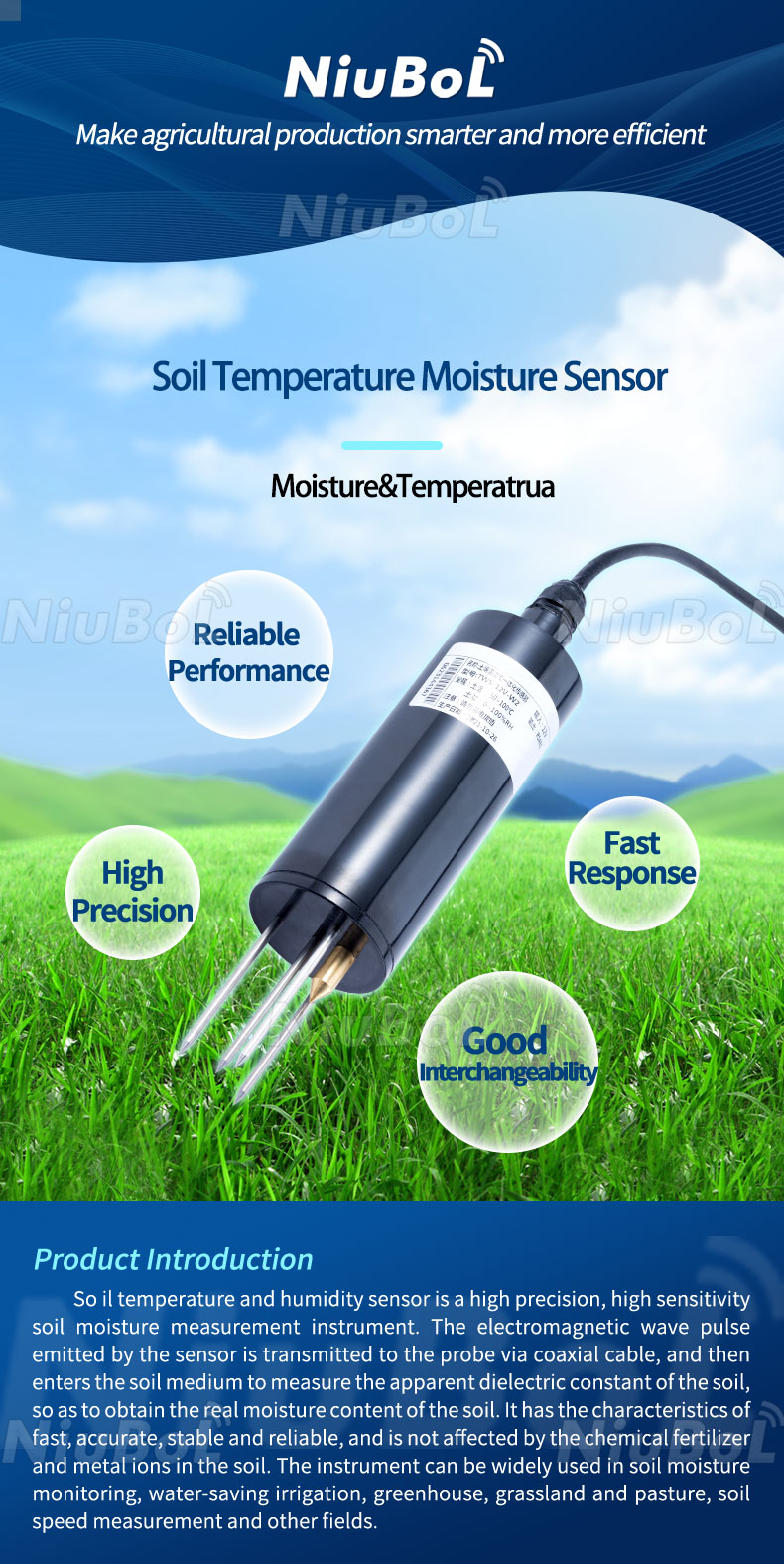
Site challenge: Greenhouse crops need frequent irrigation and stable nutrient concentration under changing temperature and light conditions.
System integration scheme: Use fertigation machine, EC and pH monitoring, zone valves and greenhouse micro-sprinkler or drip lines.
User value: Operators can manage nutrient delivery with records and reduce manual mixing errors.
Site challenge: Large areas require high labor input if irrigation zones are opened manually.
System integration scheme: Use pump station control, solenoid valves, pipeline pressure and flow monitoring with remote programs.
User value: The farm can reduce labor and run irrigation by zone with clearer timing.
Site challenge: Tree crops need controlled water and nutrient supply across blocks with different growth stages.
System integration scheme: Use drip irrigation, dosing channels and block-level valve control.
User value: Managers can apply different irrigation programs by orchard block and reduce nutrient waste.
Site challenge: Shared irrigation infrastructure must serve many plots and operators.
System integration scheme: Build a central control cabinet, pipeline monitoring and remote management platform.
User value: The project can improve scheduling, reduce conflict and create operating records.
Site challenge: Projects need repeatable irrigation and fertilization records for comparison.
System integration scheme: Use EC, pH, flow and pressure records with crop stage programs.
User value: Researchers and managers can evaluate input strategy using actual operating data.
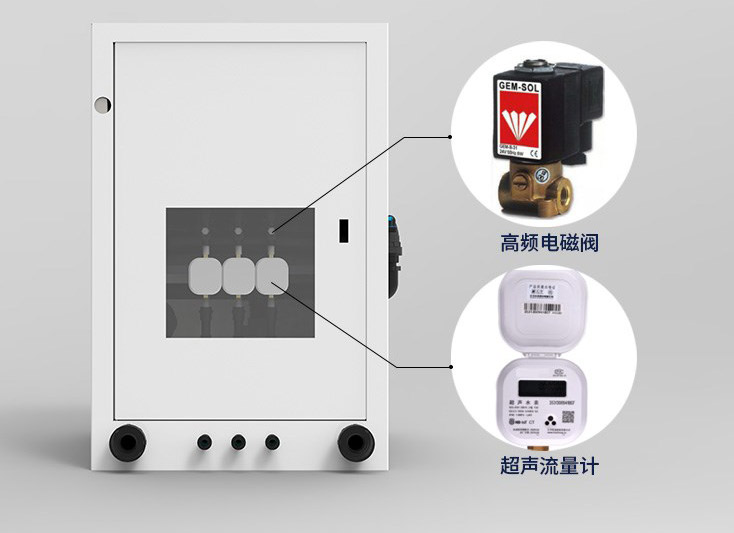
Define crop type, planting area, irrigation zones and fertilizer formulas before selecting the machine.
Confirm whether single-channel, three-channel or multi-channel dosing is required.
Select EC and pH monitoring when nutrient solution concentration must be tracked.
Calculate pump flow, pipeline pressure and valve grouping before ordering control equipment.
Choose drip, sprinkler or micro-sprinkler according to crop and site conditions.
Confirm communication requirements: local touchscreen, mobile control, PC platform or Ethernet connection.
Check whether the controller output quantity is enough for all valves, pumps and alarms.
Plan filtration and pipe flushing to reduce blockage and maintenance problems.
The hydraulic design and control design must match. If pipe diameter, pump capacity or filtration is insufficient, the control system cannot deliver stable irrigation even if the software is correct. Integrators should review water source, pressure, flow and zone size before finalizing valve groups.
EC and pH sensors should be installed where the mixed solution is representative. The system should also include a maintenance method for sensor cleaning and calibration. Without maintenance, nutrient solution data may drift and reduce the value of automatic control.
A smart fertigation project should be accepted with water flowing through real zones, not only by checking whether the cabinet powers on. The team should verify pump start, valve grouping, pressure, flow, EC, pH display and record storage during an actual irrigation program.
The fertilizer channel quantity should match crop formulas and management skill. More channels can support more complex recipes, but they also require better maintenance, clearer labeling and trained operators.
For daily operation, the owner should record irrigation date, selected zone, formula, EC and pH values, flow volume and abnormal alarms. These records help connect irrigation decisions with crop response and equipment maintenance.
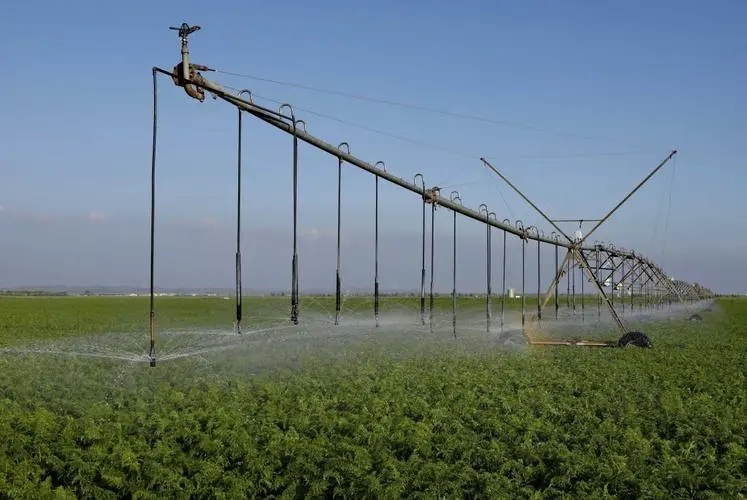
A field sprinkler system has four practical parts: water source, head system, transmission pipeline and sprinklers. If one part is weak, automatic control cannot solve the problem. Poor filtration blocks emitters, insufficient pump capacity reduces uniformity, and wrong sprinkler choice creates uneven water distribution.
Greenhouse inverted micro-sprinklers and field pole sprinklers serve different environments. Greenhouse systems usually focus on crop canopy, humidity and limited space, while field systems must consider wind drift, coverage radius and machine access. The irrigation method should therefore be selected after crop, terrain and management method are confirmed.
The control cabinet, touchscreen, wireless acquisition modules and solenoid valves should be treated as one network. The buyer should know which valve belongs to which field block, which sensor verifies the run, and which alarm tells the operator that pressure, flow, EC or pH has moved outside the expected range.
Water source, filtration, pump flow and pipeline pressure are tested before automatic programs are enabled.
Every solenoid valve is matched with the correct field zone name on the touchscreen or platform.
EC and pH sensors are installed after mixing where the solution is representative.
The dosing channel labels match the actual fertilizer tanks and crop formula.
Remote control permissions are separated between managers and field operators.
Acceptance includes a recorded irrigation run with flow, pressure, EC, pH and valve status.
Choosing the dosing machine before calculating irrigation zone flow and pump capacity.
Adding many fertilizer channels without training operators to maintain formulas and labels.
Installing EC and pH sensors before the solution is fully mixed.
Accepting the cabinet without testing real valve groups under operating pressure.
Project acceptance should include a real irrigation test. The team should confirm that the selected zone opens correctly, pressure remains stable, flow is recorded, EC and pH values are visible, and the platform stores the operation record.
A: It is a system that combines irrigation water delivery, fertilizer dosing, sensors, valve control and platform management to deliver water and nutrients by program.
A: Flow, pressure, EC and pH sensors are important because they describe system operation and nutrient solution condition.
A: Yes. The irrigation method and valve layout change by site, but the core architecture of pump, dosing, sensors, valves and control remains similar.
A: The number depends on crop formula complexity. Simple projects may use one channel, while multi-crop or precise nutrient programs may require three or more channels.
A: Remote control is useful for large farms, multiple greenhouses and projects where managers are not always near the pump room. Local manual control should still be available.
A: Check water source, pump capacity, filtration, pipeline pressure, valve quantity, cable route, communication signal and power supply.
A: EC and pH values help operators understand nutrient concentration and acidity, supporting more consistent fertigation than manual mixing alone.
A: It can reduce unnecessary irrigation when programs and sensors are correctly configured, but savings depend on crop, soil, irrigation method and operation discipline.
A: Include control cabinet, touchscreen, dosing channels, sensors, valves, gateway, software, installation accessories and commissioning support.
A: NiuBoL can provide monitoring and control components for smart irrigation and fertigation projects, supporting greenhouse and field integration needs.
A water-fertilizer integrated smart irrigation control system should be purchased as an operating system, not as isolated pumps and valves. The strongest project design links crop demand, hydraulic design, sensor feedback, valve control and platform records. NiuBoL can support smart irrigation and fertigation projects with sensor and control integration components for practical agricultural deployment.
Prev:Water Environment Monitoring System Guide for Water Quality, Level, Flow and Platform Integration
Next:Online PV Weather Monitoring System Installation Guide for Solar Power Projects
Related recommendations
Sensors & Weather Stations Catalog
 Agriculture Sensors and Weather Stations Catalog-NiuBoL.pdf
Weather Stations Catalog-NiuBoL.pdf
Agriculture Sensors Catalog-NiuBoL.pdf
Water Quality Sensor Catalog-NiuBoL.pdf
Related products
 Combined air temperature and relative humidity sensor
 TDR Soil Moisture & Temperature Sensor for irrigation| RS485 |4-20mA| NBL-S-THR
 Soil pH sensor RS485 soil Testing instrument soil ph meter for agriculture |NBL-S-PH
 Wind Speed sensor Output Modbus/RS485/Analog/0-5V/4-20mA
 Tipping bucket rain gauge for weather monitoring auto rainfall sensor RS485/Outdoor/stainless steel
 Pyranometer Solar Radiation Sensor 4-20mA/RS485

Screenshot, WhatsApp to identify the QR code
WhatsApp number:+8615367865107
(Click on WhatsApp to copy and add friends)

