— Blogs —
—Products—
 Consumer hotline +8618073152920
 WhatsApp:+8615367865107
Address:Room 102, District D, Houhu Industrial Park, Yuelu District, Changsha City, Hunan Province, China
Product knowledge
Time:2026-06-22 10:12:30 Popularity:272
Selecting a weather station equipment supplier is not only a price comparison. Weather station projects involve sensors, data acquisition, communication, power supply, mounting structure, software, installation and after-sales support. A supplier must be able to provide equipment that matches the application and documentation that helps the integrator install, commission and maintain the system.
NiuBoL focuses on meteorological and environmental monitoring equipment and provides products such as ultrasonic weather stations, portable weather stations, handheld weather stations and automatic weather stations. For buyers in agriculture, industry, research, campuses and environmental monitoring, supplier evaluation should focus on product fit, system integration and long-term data reliability.
Weather monitoring equipment is being used in more industries as economic development and environmental management needs increase. Traditional data transmission methods are no longer enough for many projects. Buyers need real-time, reliable weather data through communication, computer, network and database technology. The supplier should therefore understand both sensors and system architecture.
A strong supplier should not recommend the same station for every project. Agricultural projects may need soil sensors and solar power. Industrial projects may need wind, pressure and environmental parameters. Research projects may need data export and stable long-term records. Mobile inspection projects may need portable or handheld equipment. The product range should support different use cases without forcing a mismatched configuration.
For system integrators, supplier documentation is part of the product. Request datasheets, wiring diagrams, Modbus or communication documents, platform instructions, installation drawings, calibration guidance and maintenance recommendations. Without these documents, the project may face delays even if the hardware arrives on time.
| Item | Engineering Reference | Project Note |
|---|---|---|
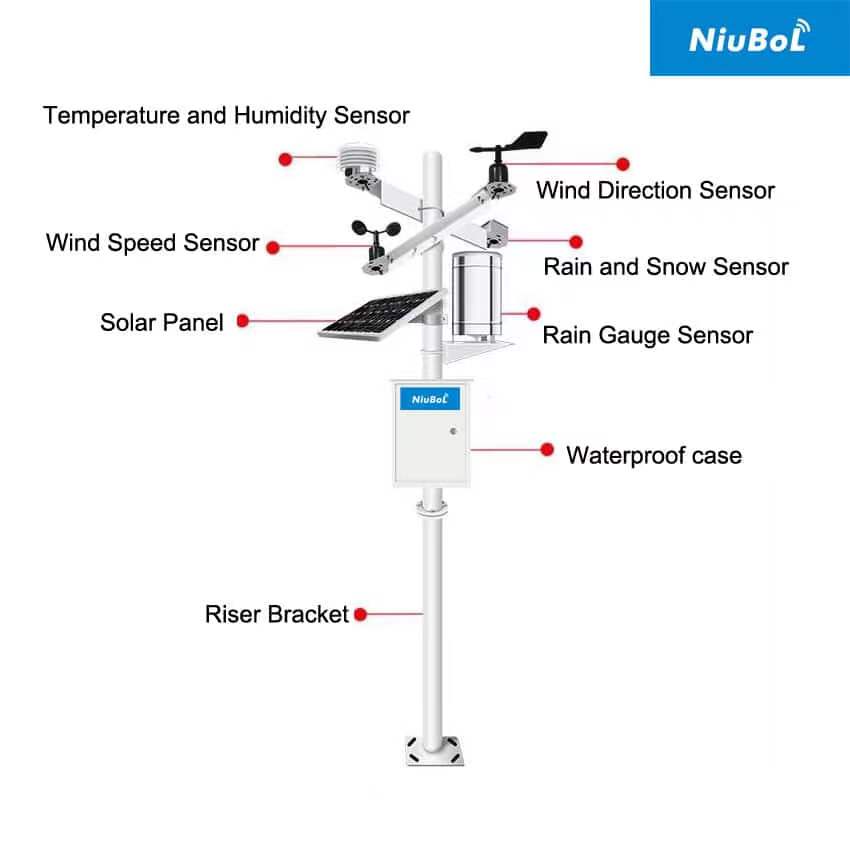
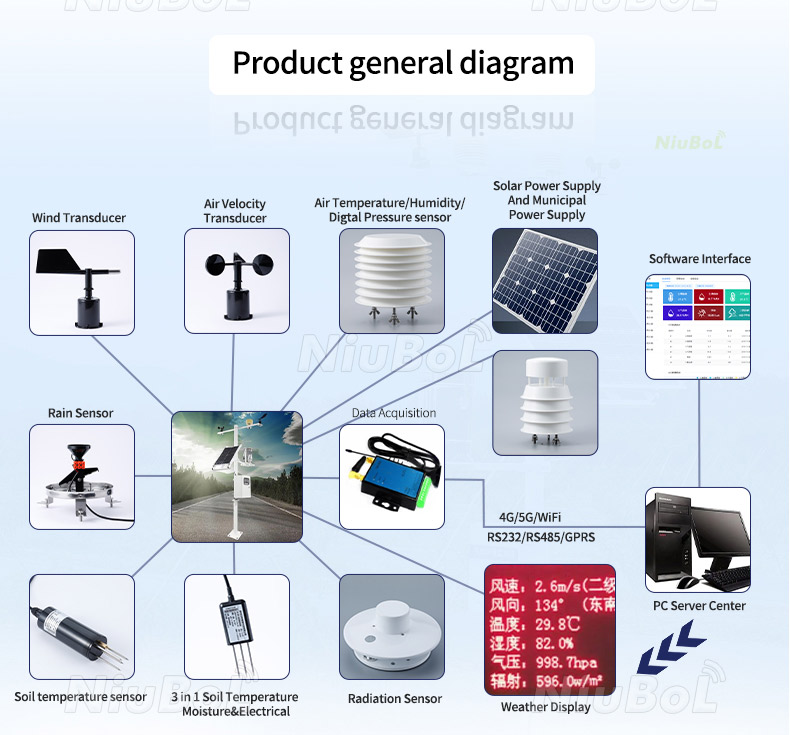
| Measured elements | Temperature, relative humidity, wind speed, wind direction, rainfall, atmospheric pressure, solar radiation or light intensity; soil temperature and soil moisture when configured | Select elements according to the management decision, not only by sensor quantity |
| Data acquisition | Industrial data collector or station host collects sensor signals | Confirm channel capacity and expansion reserve |
| Communication | RS485 / Modbus for many field sensors; GPRS / 4G / 5G or Ethernet for platform upload depending on station configuration | Confirm protocol documents before platform integration |
| Power supply | Solar panel with battery, mains power, or mixed supply depending on site | Calculate autonomy for remote and unattended operation |
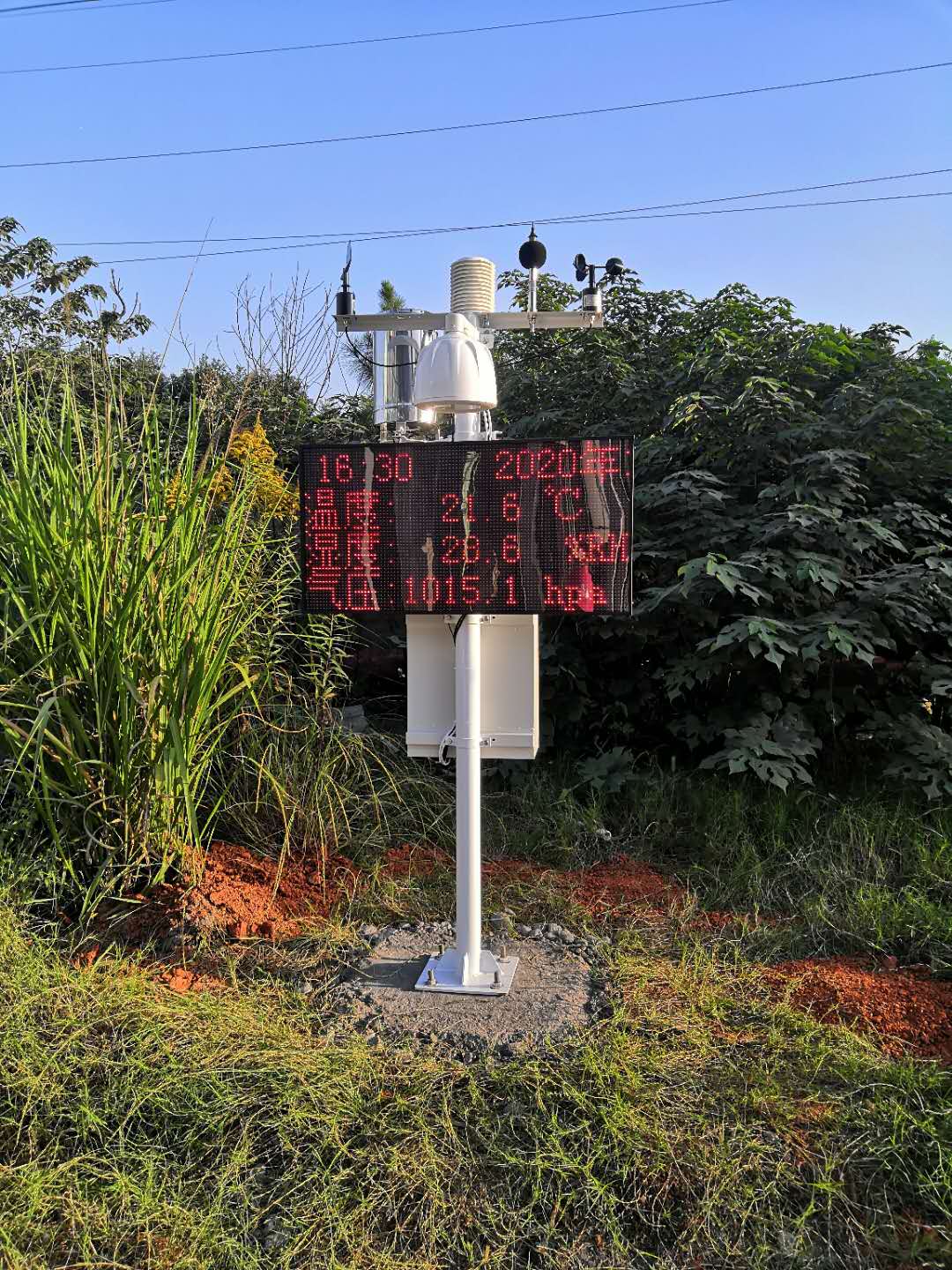
| Display and software | LED display, local terminal, web platform, mobile APP or data receiving software can be configured | Define who needs to view data and how reports are used |
| Mechanical system | Pole, bracket, protective box, sensor arms and grounding accessories | Installation quality directly affects data representativeness |
| Data functions | Real-time display, automatic recording, data query, statistics, charts, alarms and communication | Useful for management, research and acceptance |
| Installation site | Flat, open and representative area away from tall buildings, strong magnetic fields and major obstruction | Poor siting creates data error even with good sensors |
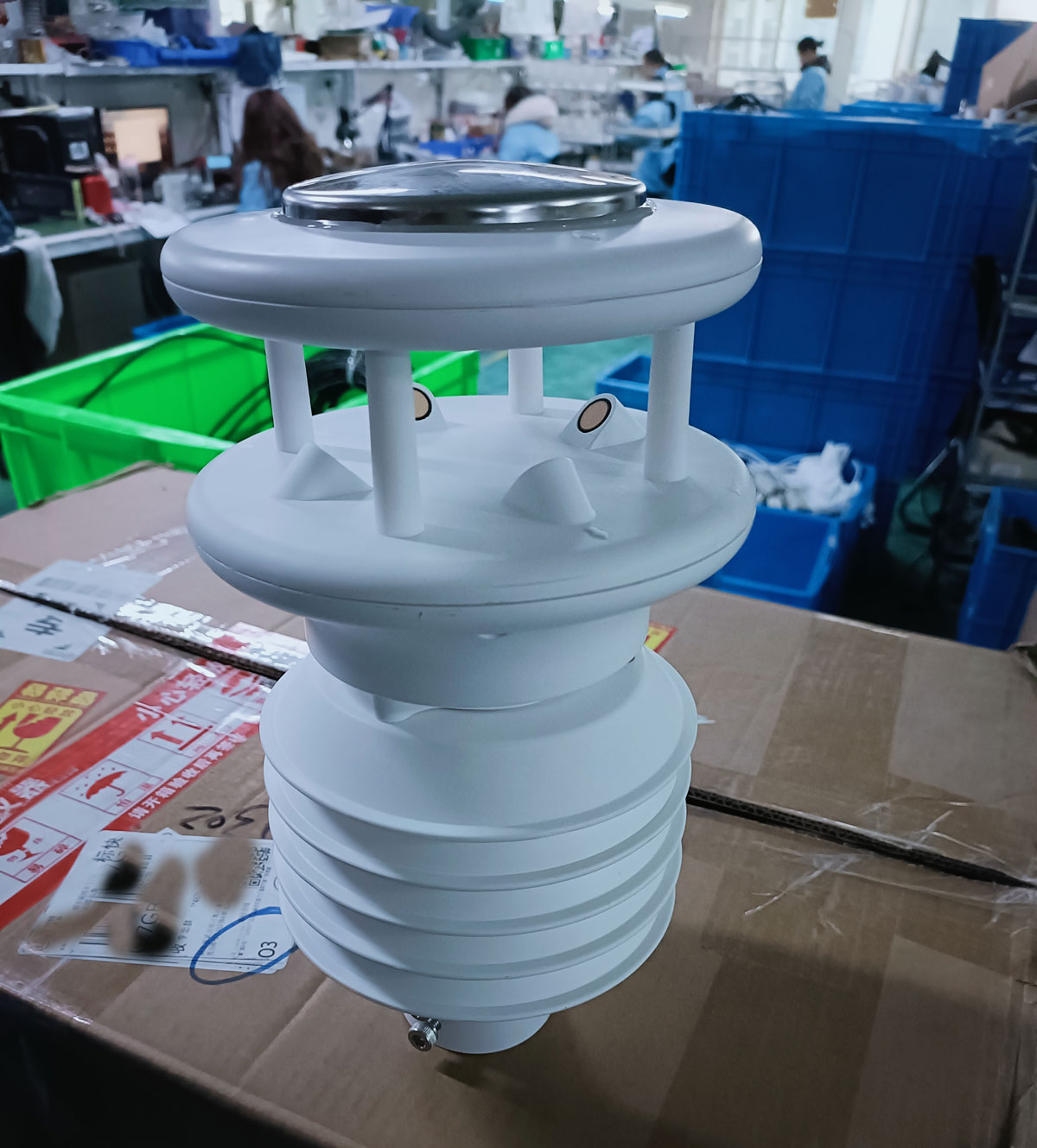
| Product types | Ultrasonic, portable, handheld, automatic and agricultural weather stations | Choose according to application and installation mode |
| Supplier support | Datasheet, wiring, protocol, installation and platform guidance | Critical for integrators and distributors |
| Customization | Sensor list, power, communication and display can be configured | Clarify scope before quotation |
Site challenge: Distributors need products that can be explained and supported in local projects.
System integration scheme: Request complete datasheets, image materials, protocol files and application guidance.
User value: The distributor can quote faster and reduce post-sale confusion.
Site challenge: Projects need hardware plus wiring, communication and platform compatibility.
System integration scheme: Select a supplier that provides Modbus documents and installation drawings.
User value: The integrator reduces commissioning risk.
Site challenge: Users may need special sensor combinations and data export.
System integration scheme: Discuss sensor list, data interval, software and maintenance before order.
User value: The project receives a station matched to research or farm management needs.
Site challenge: Weather data may support safety, dust, gas dispersion or process operation.
System integration scheme: Select robust station hardware with reliable communication and power design.
User value: The owner obtains data that can be used operationally.
Evaluate whether the supplier can provide the required weather station type, sensor selection, communication interface, platform function, power solution, mechanical installation accessories and after-sales support. Ask how the supplier handles customization, spare parts, warranty, documentation and remote troubleshooting.
For international procurement, clarify packing list, lead time, certificates if required, export documents, language of manuals, installation video or remote guidance. A supplier that answers these questions clearly is easier to work with during project delivery.
Before shipment or final acceptance, check product model, sensor list, cable length, communication settings, platform account, accessories and user manual. For project orders, a pre-shipment photo or test record can reduce misunderstanding. On site, verify live readings, data upload, alarm configuration and installation position.
A capable supplier should be able to explain which station type fits the project, which sensors are necessary, how data will be transmitted, what documents are provided, and what maintenance the customer should expect. If a supplier only quotes a device name without asking about application, installation and platform requirements, the configuration may not match the real project.
Buyers can ask for a sample wiring diagram, Modbus register description, platform screenshot, packing list and installation reference. These documents show whether the supplier understands field implementation. For distributors, such materials are also useful for local sales and technical support.
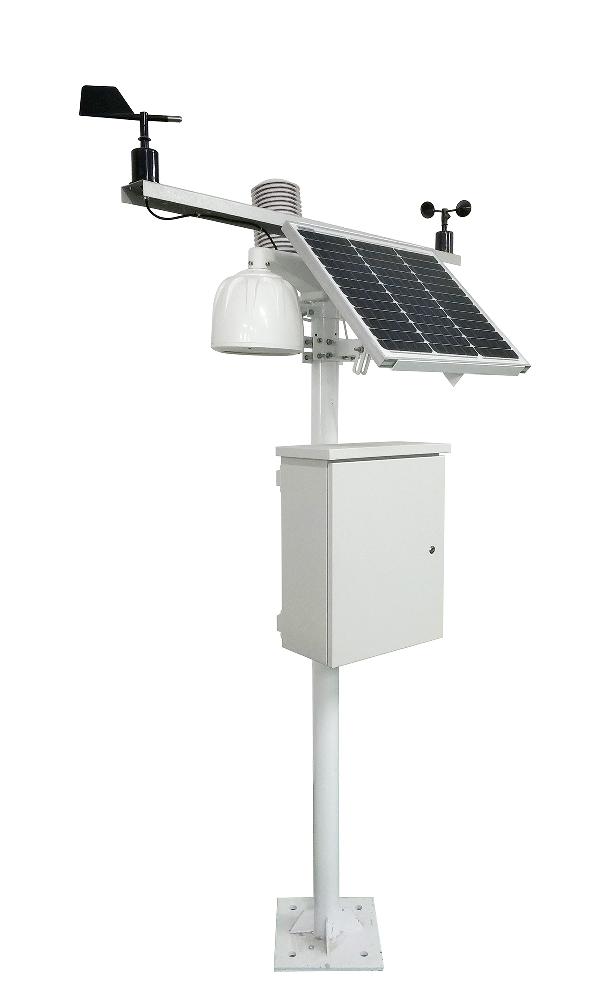
The lowest price may not be the lowest project cost. Missing cables, unclear protocols, weak documentation or poor after-sales support can increase installation cost and delay acceptance. A weather station supplier should provide not only hardware, but also enough technical information for the buyer to deploy and maintain the system.
For international projects, communication speed matters. Time zone differences, language clarity, export documents, spare parts and remote troubleshooting should be considered before order confirmation. A supplier that can answer these topics clearly reduces project risk.
A strong inquiry helps the supplier respond with a usable proposal. Include application scenario, required parameters, number of stations, installation country or region, power supply condition, communication preference, software requirement, delivery deadline and whether installation guidance is needed. If there is a tender document, attach the technical clauses rather than only asking for a price list.
For distributors, it is useful to request product photos, datasheets, manuals, protocol documents and application examples at the same time. These materials help explain the product to end users and reduce repeated technical questions during quotation.
A supplier that understands the project will ask about application, installation site, required parameters, data use, power, communication and platform workflow. These questions are not delays; they are how the supplier prevents wrong configuration. If the buyer only receives a one-line price, important accessories or software items may be missing.
Supplier capability can also be judged by how clearly the quotation is structured. A useful quotation separates sensors, collector, pole, power supply, communication, platform, accessories, packaging and service. This makes it easier for procurement teams to compare offers and confirm what is included.
Distributors need more than product shipment. They need images, manuals, specifications, wiring diagrams, protocol files and clear answers for local customer questions. Project owners need spare parts, warranty rules and remote troubleshooting. Supplier selection should consider these support items because they affect the customer's ability to complete the project.
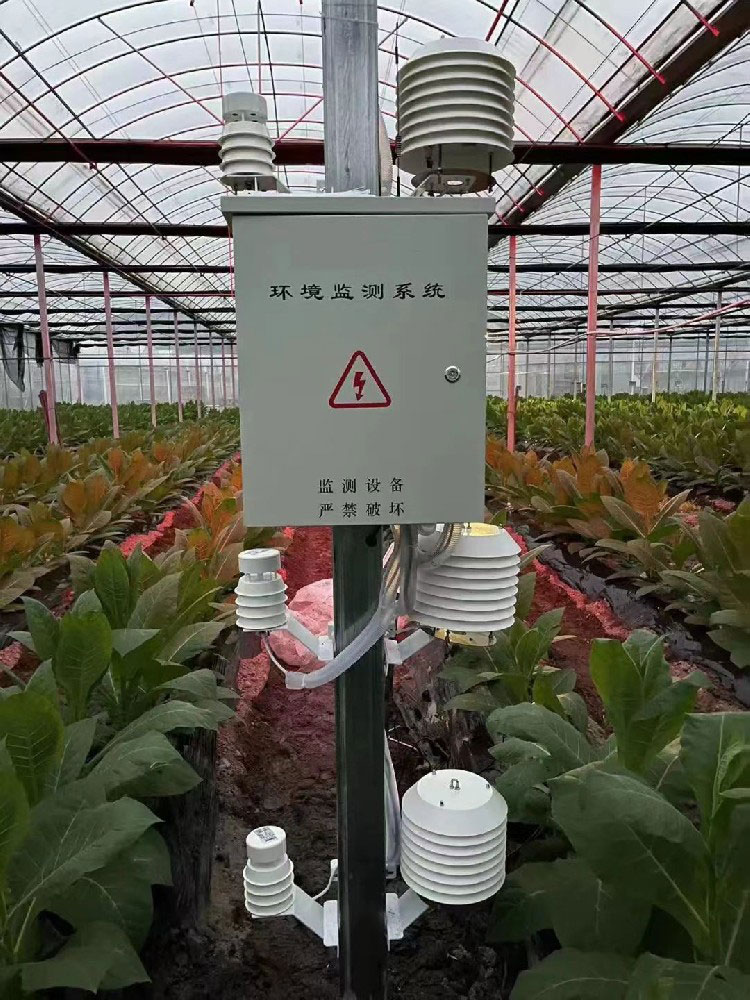
Before production or shipment, the supplier should confirm the exact sensor list, output type, cable length, mounting accessories, power supply, communication method, platform account and language of documents. These details may look small, but they determine whether the buyer can install and test the station quickly.
For project orders, pre-shipment photos and a short test record are useful. They allow the buyer or distributor to confirm the configuration before international shipping, reducing the cost of correcting mistakes after delivery.
For procurement departments, supplier selection should end with a clear technical comparison table. The table should show product type, sensor list, communication, power, software, documents, warranty, delivery time and included accessories. This prevents comparing incomplete offers as if they were equivalent.
For long-term cooperation, the buyer should also consider whether the supplier can support future product updates, replacement sensors and additional station orders with consistent documentation.
A good supplier also helps the buyer avoid over-configuration. If a project only needs rainfall and wind warning, the supplier should not push unnecessary modules. If a project needs future expansion, the supplier should explain how expansion will be handled. Clear advice at this stage saves budget and reduces later rework.
For repeated purchases, consistent documentation and compatible product generations are also important because distributors may need to support stations for several years.
When buyers search for a weather station equipment supplier, they are often comparing more than equipment. They want to know whether the supplier can provide the right station type, sensor configuration, documentation, communication support, platform option and after-sales response. A useful supplier article should therefore answer procurement questions, not only introduce the company.
This article is written for buyers who need to prepare a supplier shortlist, distributor quotation or project procurement file. It explains what to request from a supplier and how to compare offers so the buyer can avoid incomplete quotations and integration problems.
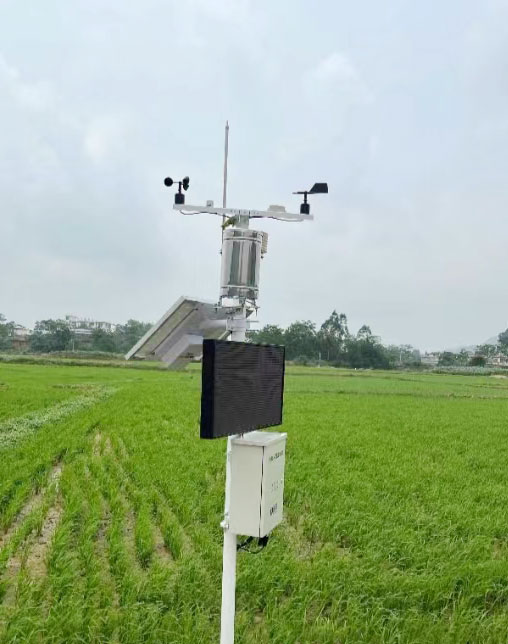
A: Evaluate product range, sensor options, technical documentation, communication support, customization ability, delivery, warranty and after-sales response.
A: Missing documents, cables, software access or protocol support can increase installation cost and delay project acceptance.
A: Datasheets, wiring diagrams, Modbus registers, installation guides, platform instructions, packing lists and maintenance recommendations.
A: Compare product fit, documentation, response speed, spare parts, warranty terms, images, protocol support and project references, not only unit price.
A: Application, parameters, quantity, installation environment, power, communication method, platform needs, delivery requirements and any certification requirements.
A: A capable supplier should support automatic, ultrasonic, portable, handheld and agricultural station configurations according to application.
A: Experience helps prevent mismatched configuration, missing accessories and unclear integration responsibilities.
A: Model, sensor list, cables, accessories, manuals, communication settings, platform account information and packaging.
A: Verify live data, upload, alarms, history, installation stability, training and documentation handover.
A: NiuBoL provides weather station products and project-oriented support for agricultural, industrial, research and environmental monitoring applications.
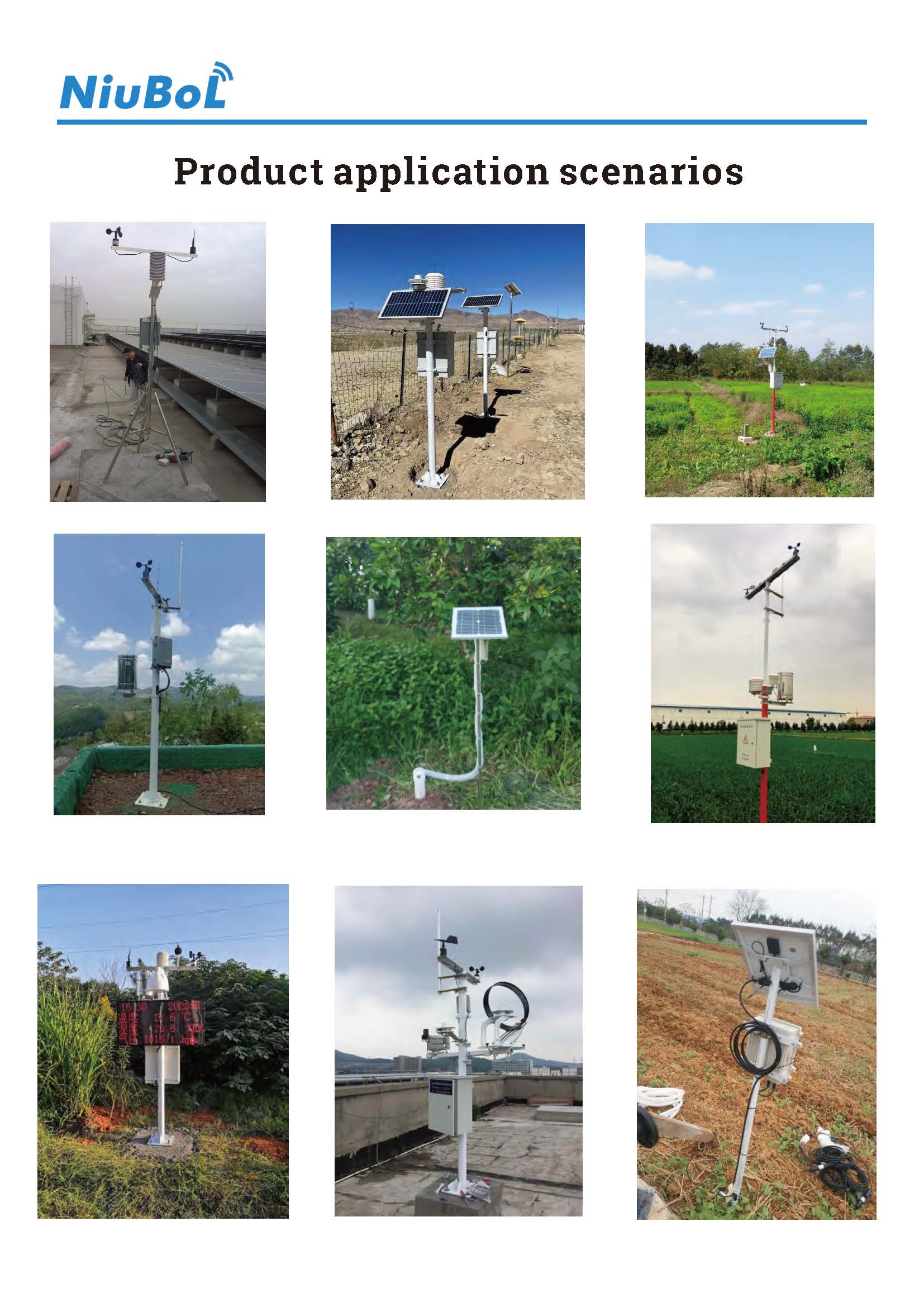
A weather station equipment supplier should help buyers configure a monitoring system that can be installed, connected and maintained. NiuBoL provides weather station products and project-oriented support for agricultural, industrial, research and environmental monitoring applications.
Related recommendations
Sensors & Weather Stations Catalog
 Agriculture Sensors and Weather Stations Catalog-NiuBoL.pdf
Weather Stations Catalog-NiuBoL.pdf
Agriculture Sensors Catalog-NiuBoL.pdf
Water Quality Sensor Catalog-NiuBoL.pdf
Related products
 Combined air temperature and relative humidity sensor
 TDR Soil Moisture & Temperature Sensor for irrigation| RS485 |4-20mA| NBL-S-THR
 Soil pH sensor RS485 soil Testing instrument soil ph meter for agriculture |NBL-S-PH
 Wind Speed sensor Output Modbus/RS485/Analog/0-5V/4-20mA
 Tipping bucket rain gauge for weather monitoring auto rainfall sensor RS485/Outdoor/stainless steel
 Pyranometer Solar Radiation Sensor 4-20mA/RS485

Screenshot, WhatsApp to identify the QR code
WhatsApp number:+8615367865107
(Click on WhatsApp to copy and add friends)