





— Blogs —
—Products—
 Consumer hotline +8618073152920
 WhatsApp:+8615367865107
Address:Room 102, District D, Houhu Industrial Park, Yuelu District, Changsha City, Hunan Province, China
Product knowledge
Time:2026-06-22 10:51:20 Popularity:210
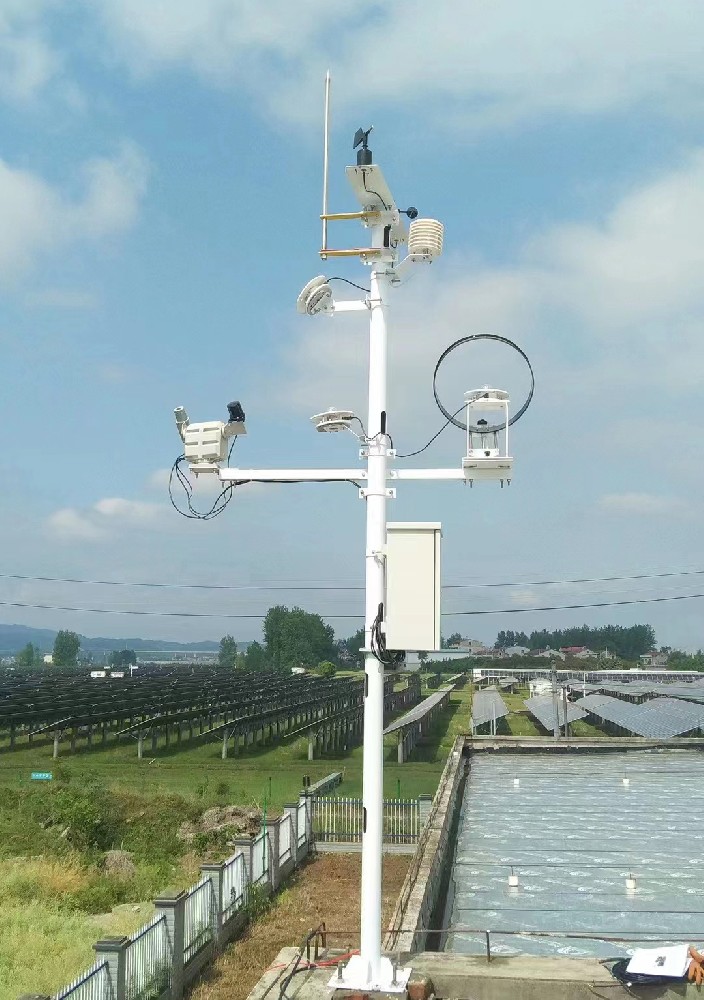
A weather observation station is a system made of several coordinated components. Sensors measure environmental elements, the collector gathers data, the transmission module sends data to a computer or platform, the power system keeps equipment running, and the support structure positions sensors correctly. Understanding these components helps buyers prepare a more accurate procurement specification.
The main function of a weather observation station is to monitor environmental elements and provide reference data for users. It can collect temperature, humidity, wind speed, wind direction, atmospheric pressure, solar radiation, rainfall and other parameters. Users can add additional sensors such as CO2, visibility or soil parameters according to project needs.
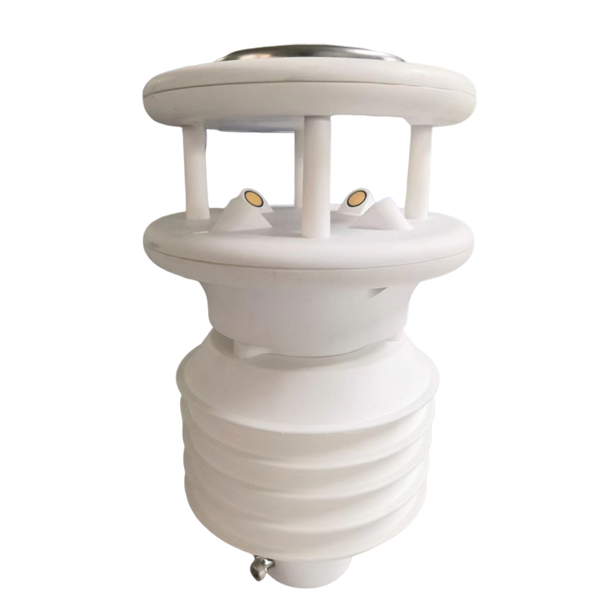
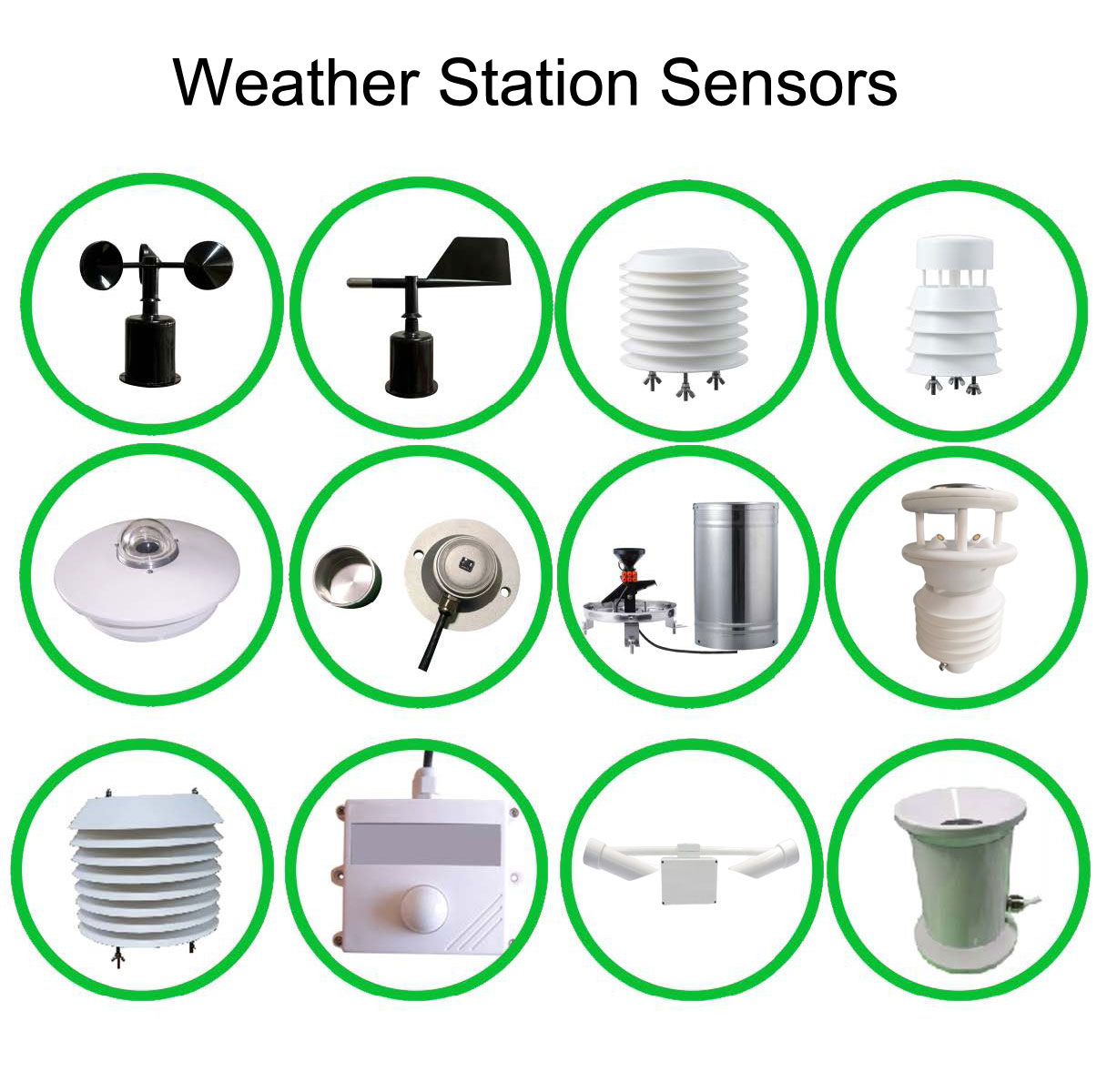
Sensors are responsible for measuring weather elements. Wind speed and wind direction sensors measure air movement. Rain gauges record precipitation. Pressure sensors measure atmospheric pressure. Radiation sensors measure solar radiation or light intensity. Temperature and humidity sensors measure air conditions. Each sensor should be selected according to the parameter, range, accuracy, output signal and installation environment required by the project.
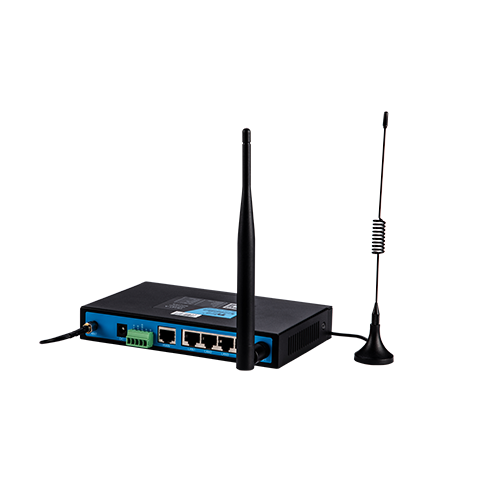
The acquisition module collects sensor data and prepares it for storage or transmission. It may read RS485 / Modbus sensors, analog signals or integrated station outputs depending on configuration. After collection, data can be transmitted wirelessly or through a network to a backend computer, cloud platform or local database.
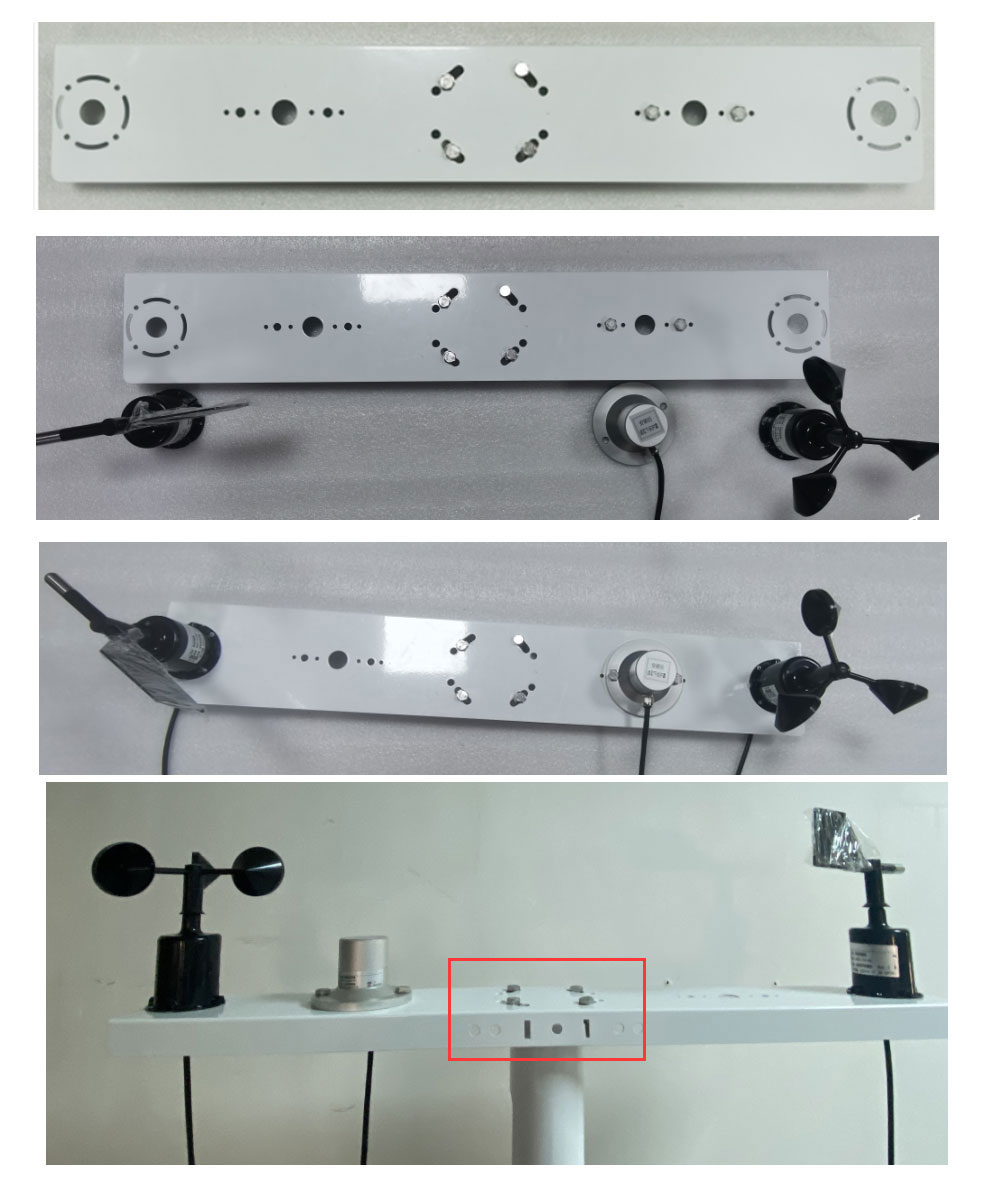
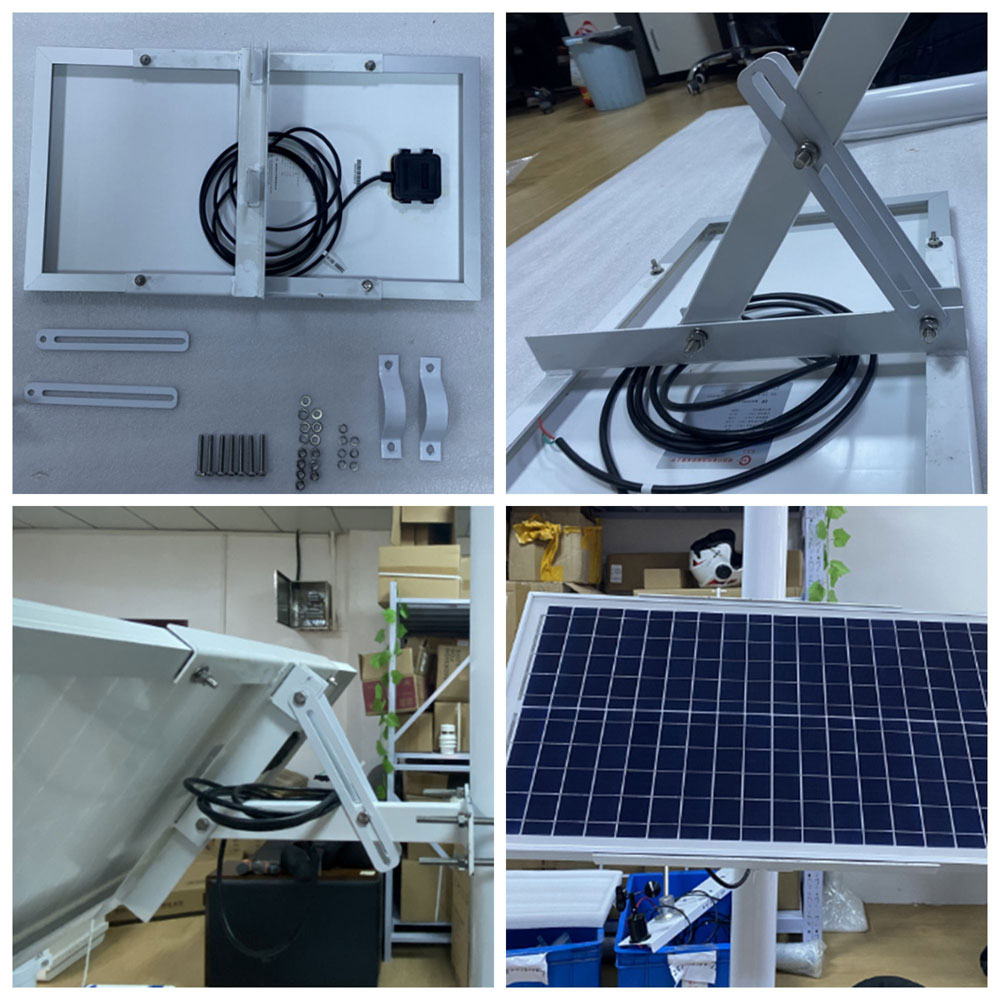
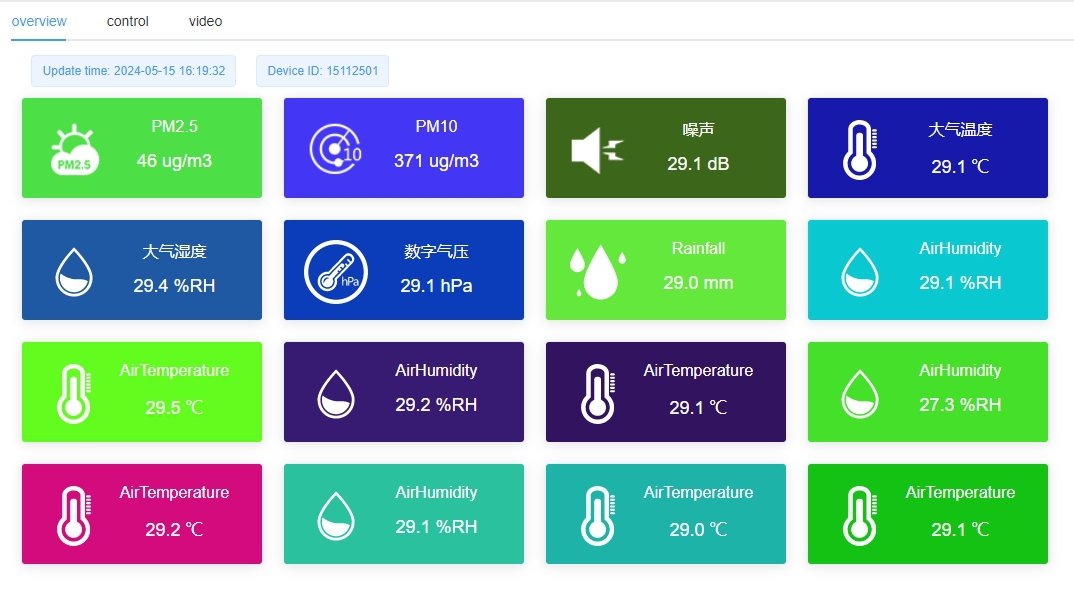
The backend terminal displays values and curves, stores historical data and allows users to view records. Solar panels and batteries provide power in remote locations; mains power can be used where available. The bracket or pole supports sensors, solar panels, collector and protective box. Correct mounting is important because wind, radiation and rainfall sensors need representative exposure.
| Item | Engineering Reference | Project Note |
|---|---|---|
| Measured elements | Temperature, relative humidity, wind speed, wind direction, rainfall, atmospheric pressure, solar radiation or light intensity; soil temperature and soil moisture when configured | Select elements according to the management decision, not only by sensor quantity |
| Data acquisition | Industrial data collector or station host collects sensor signals | Confirm channel capacity and expansion reserve |
| Communication | RS485 / Modbus for many field sensors; GPRS / 4G / 5G or Ethernet for platform upload depending on station configuration | Confirm protocol documents before platform integration |
| Power supply | Solar panel with battery, mains power, or mixed supply depending on site | Calculate autonomy for remote and unattended operation |
| Display and software | LED display, local terminal, web platform, mobile APP or data receiving software can be configured | Define who needs to view data and how reports are used |
| Mechanical system | Pole, bracket, protective box, sensor arms and grounding accessories | Installation quality directly affects data representativeness |
| Data functions | Real-time display, automatic recording, data query, statistics, charts, alarms and communication | Useful for management, research and acceptance |
| Installation site | Flat, open and representative area away from tall buildings, strong magnetic fields and major obstruction | Poor siting creates data error even with good sensors |
| Sensor module | Wind, rainfall, pressure, radiation, temperature, humidity and optional environmental sensors | Each parameter requires suitable mounting and calibration consideration |
| Collector | Collects and packages sensor data | Check channels, protocol and storage capacity |
| Backend terminal | Displays digital values, curves and historical data | Important for review and analysis |
Weather monitoring stations should be installed in flat, open and representative locations. Avoid tall buildings, trees and structures that block wind or shade radiation sensors. Avoid strong magnetic fields because they may affect sensor performance. The site should also be safe, maintainable and suitable for stable power and communication.
Challenge: Crop fields often need local rainfall, air temperature, humidity, wind and radiation data that differ from regional weather forecasts. For irrigation, frost prevention, spraying windows and disease risk review, the buyer needs a station layout that represents the actual planting area rather than only a nearby town-level forecast.
System integration scheme: Configure temperature and humidity, wind speed, wind direction, rainfall, pressure and optional radiation or soil sensors on a representative station pole. Connect field sensors to the data collector, confirm reporting interval, and keep installation photos, sensor heights and soil probe positions in the handover file.
User value: Farm managers can review local microclimate records, compare rainfall with irrigation events, reduce manual observation work and provide more defensible data for seasonal crop management.
Challenge: Drainage channels, reservoirs, urban runoff points and flood-prone areas require reliable rainfall and weather context. A station that only lists sensors without considering exposure, leveling and communication can produce data that is difficult to use during heavy rain events.
System integration scheme: Use a rain gauge with stable mounting, wind and pressure sensors where needed, a protected collector box, solar or mains power and a communication method suitable for the site. Define data upload interval, rainfall accumulation method and the report format before procurement.
User value: Project teams can connect rainfall records with drainage response, review storm events after they occur and reduce ambiguity when evaluating waterlogging, runoff or flood-control performance.
Challenge: Industrial parks, mining areas, storage yards and construction sites need weather context for dust, odor, lifting operation, spraying work and safety review. Wind direction or rainfall data from a distant public station may not represent the actual working area.
System integration scheme: Install the weather observation station in an open but serviceable location, away from large obstructions and local heat sources. Integrate wind, rainfall, temperature, humidity and pressure data with the site's environmental or safety management workflow.
User value: Operators gain time-stamped site weather evidence for operation scheduling, incident review, environmental explanation and maintenance decisions.
Challenge: Solar farms and other outdoor energy assets are affected by radiation, ambient temperature, wind and rainfall. Without local weather observation, it is difficult to separate weather-related output changes from equipment faults.
System integration scheme: Match radiation, wind, temperature, humidity and rainfall components with a stable power system and data platform. Confirm whether the station data needs to be exported for comparison with generation records or asset management software.
User value: Asset owners can compare environmental conditions with equipment performance, improve maintenance planning and build a clearer record for operational analysis.
Challenge: Universities, research institutes and demonstration bases need consistent historical data. The station must support traceable installation records, stable parameter naming, exportable data and clear component documentation.
System integration scheme: Select sensors by research objective, document calibration and installation metadata, standardize units and reporting intervals, and prepare a complete component list for future maintenance or sensor replacement.
User value: Researchers and project owners can maintain comparable datasets over multiple seasons, reduce uncertainty caused by undocumented installation changes and protect the continuity of long-term observation work.
A complete procurement document should list required parameters, sensor ranges, output signals, collector channels, power supply, communication method, pole height, foundation or mounting method, platform function and maintenance responsibility. If future expansion is expected, specify spare channel capacity and software support.
During installation, record sensor height, orientation, site photos, cable routing, grounding and communication settings. Acceptance should verify each sensor, data logger, platform display, historical storage, solar charging, battery status and physical stability. This documentation makes future maintenance and troubleshooting much easier.
When comparing weather observation station quotations, buyers should check whether each component is included. A low-cost quote may omit pole, foundation accessories, lightning protection, communication module, solar panel, battery, software access or installation hardware. Missing components can cause delays after the equipment arrives on site.
The procurement document should list sensor type, mounting method, collector model, communication mode, power design, bracket material, cable length, platform functions and maintenance items. This makes quotations easier to compare and reduces misunderstandings between supplier, distributor and project owner.
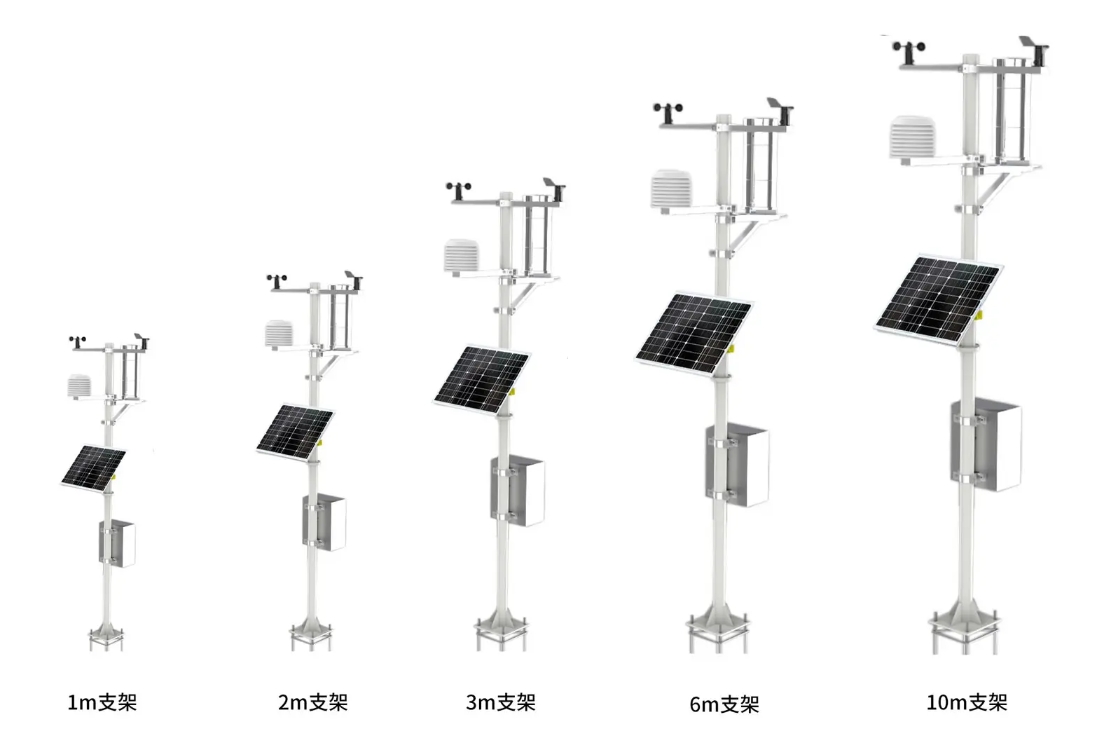
Weather observation stations measure the environment around them, so installation errors become data errors. A wind sensor blocked by a building cannot represent local wind. A radiation sensor under partial shade cannot represent solar radiation. A rain gauge that is not level may produce inaccurate rainfall records. Component quality matters, but installation context matters just as much.
For long-term stations, keep an installation file with photos, coordinates, sensor heights, cable routing and platform settings. This file helps future maintenance teams understand how the station was built and why data may change after site modifications.
Component selection should match the project type. An agricultural station may need soil sensors and solar power. A hydrological point may require rainfall accuracy and reliable communication. An industrial station may need wind direction, pressure and robust mounting. A research station may require exportable historical data and clear calibration records.
This is why buyers should not compare weather observation stations only by the number of sensors. A station with fewer but correct components may produce better project value than a larger station that lacks installation accessories, platform support or maintenance documentation.
Weather stations operate outdoors, so troubleshooting should be considered during procurement. If data stops, the cause may be sensor failure, loose cable, weak battery, blocked communication, platform setting error or physical damage. Clear component labeling and wiring records make troubleshooting much faster.
Spare parts planning also matters. Rain gauge parts, wind sensor components, cables, batteries and communication modules may need replacement over time. Buyers should ask which spare parts are recommended and whether they can be shipped separately for maintenance.
For long-term observation stations, acceptance records should include site photos, sensor heights, mounting directions, serial numbers, communication settings, platform account, power configuration and first-day data screenshots. These records help future teams understand the station and protect data continuity when staff changes.
When two quotations look similar, compare whether they include the same component scope. One supplier may include solar power, bracket, cables and software, while another may list only sensors and collector. Buyers should ask for a complete bill of materials so the final project cost is visible.
For system integrators, component clarity also helps installation planning. Knowing cable length, bracket type, power design and communication method before arrival reduces on-site improvisation and shortens commissioning time.
A component checklist also helps with warranty and maintenance. If each sensor, cable, collector, power part and mounting accessory is listed, the user can identify replacement parts quickly. This is especially important for remote stations where a missing spare part can create long data gaps.
For project handover, the integrator should provide the component list together with photos and configuration files, so future service teams can understand the system without rebuilding the project history.
Component-level clarity also improves training. Operators can learn what each part does, how to inspect it and when to contact the supplier, reducing dependence on emergency support. For remote sites, this knowledge is especially useful because a simple cable or battery issue may otherwise require an unnecessary service trip.
Clear component records also make it easier to order replacement parts without dismantling the entire station for inspection.
Searches for weather observation station components usually come from buyers who are preparing specifications or comparing quotations. They need to know what parts must be included so the system can actually operate outdoors. Sensors alone are not enough; the project also needs acquisition, communication, power, mounting, platform and maintenance records.
This article helps buyers move from a component list to a complete station scope. By understanding the role of each part, the buyer can identify missing accessories, compare quotations fairly and reduce commissioning delays after delivery.
A: A complete quotation should identify the sensor set, data collector or station host, communication module, power supply, battery, solar panel when required, pole or bracket, protective box, cables, grounding accessories, platform or software access, manuals and installation documents. If any of these items are missing, the buyer may receive sensors but still lack a complete outdoor observation system.
A: Buyers should list the measured parameters, required range, accuracy expectation, output signal, installation height, cable length, protection requirement and whether each sensor must connect through RS485 / Modbus, analog output or an integrated station host. This keeps the quotation focused on project use rather than only sensor quantity.
A: The sensor measures one or more environmental parameters. The data collector reads and organizes the sensor values. The platform stores, displays, exports and sometimes alarms on the data. A procurement document should define all three layers because field measurement is only useful when data can be collected and reviewed reliably.
A: The supplier should know the communication method, reporting interval, local sunlight condition, expected autonomy during cloudy days and whether mains power is available. Solar panel and battery capacity should be selected according to station load and site conditions, not copied from another project without review.
A: Provide installation purpose, location type, terrain, nearby buildings or trees, expected pole height, network signal condition, power availability, maintenance access and any special exposure requirements. Photos of the planned site help the supplier identify mounting and communication risks early.
A: Common mistakes include placing wind sensors near obstructions, installing radiation sensors in partial shade, leaving a rain gauge unlevel, routing cables without protection, ignoring grounding, using weak communication signals and failing to record sensor height or orientation during handover.
A: Expansion is possible when the station has spare collector channels, enough power capacity, suitable mounting space and platform fields for new parameters. If expansion is likely, buyers should mention it during procurement so the station is not configured with no reserve capacity.
A: Useful handover documents include the bill of materials, wiring diagram, Modbus register or protocol document when applicable, platform account information, sensor serial numbers, installation photos, calibration or inspection records, power configuration and maintenance guidance.
A: Acceptance should verify each sensor reading, data collector channel, upload interval, platform display, historical data storage, export file, battery charging, solar panel output, bracket stability, cable protection and alarm rule if configured. Screenshots and site photos should be kept as the first acceptance record.
A: It helps buyers compare quotations on the same scope, identify missing accessories, plan installation labor and reduce delays after delivery. A weather observation station is not only a sensor package; it is a field system made of measurement, power, communication, mounting, software and maintenance components.
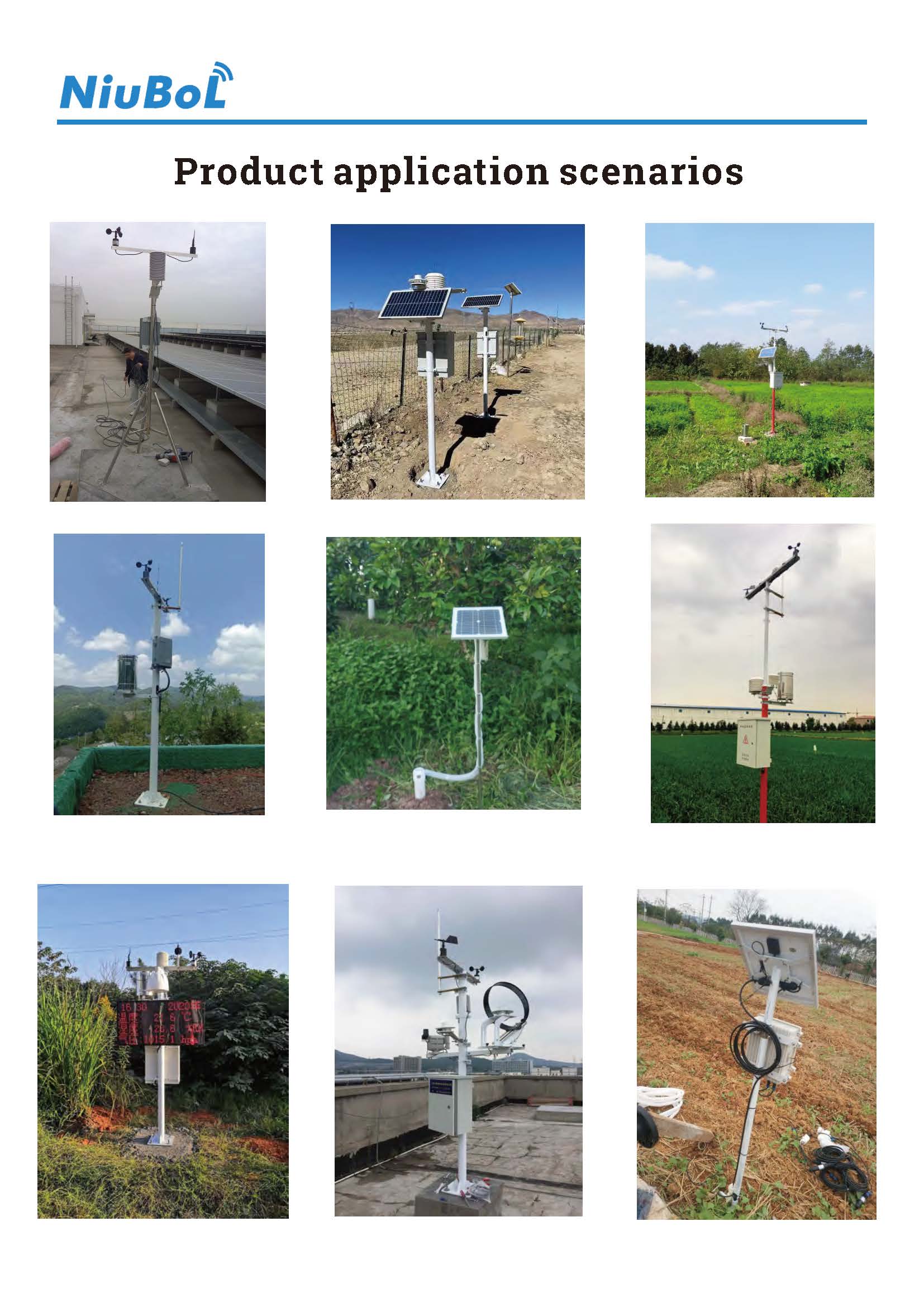
A weather observation station is only reliable when its sensors, collector, power system, platform and installation structure work together. NiuBoL weather station configurations can be adapted to agriculture, research, industry, energy and environmental monitoring when each component is specified clearly.
Related recommendations
Sensors & Weather Stations Catalog
 Agriculture Sensors and Weather Stations Catalog-NiuBoL.pdf
Weather Stations Catalog-NiuBoL.pdf
Agriculture Sensors Catalog-NiuBoL.pdf
Water Quality Sensor Catalog-NiuBoL.pdf
Related products
 Combined air temperature and relative humidity sensor
 TDR Soil Moisture & Temperature Sensor for irrigation| RS485 |4-20mA| NBL-S-THR
 Soil pH sensor RS485 soil Testing instrument soil ph meter for agriculture |NBL-S-PH
 Wind Speed sensor Output Modbus/RS485/Analog/0-5V/4-20mA
 Tipping bucket rain gauge for weather monitoring auto rainfall sensor RS485/Outdoor/stainless steel
 Pyranometer Solar Radiation Sensor 4-20mA/RS485

Screenshot, WhatsApp to identify the QR code
WhatsApp number:+8615367865107
(Click on WhatsApp to copy and add friends)

