





— Products —
 Consumer hotline +8618073152920
WhatsApp:+8615367865107
Address:Room 102, District D, Houhu Industrial Park, Yuelu District, Changsha City, Hunan Province, China
Water Quality Sensors

NBL-WQ-COL-408-S online water color sensor measures 0–500 Hazen chroma and 0–200 NTU turbidity with RS485 Modbus RTU and an automatic cleaning brush.
Tel/WhatsApp:+8615367865107
Email:Arvin@niubol.com +Nearly 100 partner companies in more than 75 countries. We are committed to providing high-quality, practical products to meet your needs and help you solve problems. Our products comply with international standards and are certified with ISO, CE and RoHS.Product Details
Product Overview: The NiuBoL NBL-WQ-COL-408-S is an online water color sensor for continuous chroma and turbidity monitoring. Using dual-wavelength visible-light absorption, it measures water color from 0–500 Hazen and turbidity from 0–200 NTU. The sensor features RS485 Modbus RTU communication, an automatic cleaning brush, a 316L stainless steel housing and IP68 protection. It is designed for compatible wastewater treatment, industrial water and environmental monitoring applications.
Water color is an important quality indicator in wastewater treatment, industrial water processing and environmental monitoring. Changes in dissolved substances, suspended particles and process conditions can affect the appearance of water.
The NBL-WQ-COL-408-S uses a dual-wavelength optical measurement system. A visible-light channel operating at 470 nm measures color-related absorption, while a reference channel provides additional information for turbidity compensation.
The instrument processes the optical signals to produce a color measurement in Hazen units and a turbidity measurement in NTU.
Unlike reagent-based water color analysis, the sensor does not consume chemical reagents during routine optical measurement. Calibration, optical cleaning and periodic inspection are still necessary.
The RS485 Modbus RTU output allows integration with compatible PLCs, industrial RTUs, data loggers and water quality monitoring systems.

Dual-wavelength visible-light measurement: Optical color monitoring with a 470 nm measurement channel and a reference channel.
0–500 Hazen color range: Continuous color measurement using the calibrated optical method.
0–200 NTU turbidity range: Additional optical measurement for water turbidity.
0.1 Hazen resolution: Digital color readings with one decimal place.
Turbidity compensation: Reference-channel information helps reduce some particle-related optical interference.
Automatic cleaning brush: Adjustable cleaning intervals and rotation cycles.
RS485 Modbus RTU: Digital data transmission to compatible monitoring equipment.
Optional 4–20 mA: Analog output configuration available when specified.
316L stainless steel housing: Suitable for compatible water monitoring environments.
IP68 protection: Designed for immersion within the specified operating limits.
Two-point calibration: Supports color and turbidity calibration using suitable reference solutions.
12–24 VDC power supply: Compatible with appropriate industrial monitoring systems.
| Parameter | Specification |
|---|---|
| Brand | NiuBoL |
| Model | NBL-WQ-COL-408-S Online Water Color (Chroma) Sensor |
| Product Type | Online Water Color and Turbidity Sensor |
| Measurement Principle | Dual-Wavelength Visible-Light Absorption |
| Color Measurement Wavelength | 470 nm |
| Measured Parameters | Chroma, Turbidity and Temperature |
| Chroma Range | 0–500 Hazen |
| Chroma Resolution | 0.1 Hazen |
| Chroma Accuracy | ±5% of Reading |
| Chroma Detection Limit | 2 Hazen |
| Turbidity Range | 0–200 NTU |
| Turbidity Resolution | 0.1 NTU |
| Turbidity Accuracy | ±5% |
| Response Time | T90 <30 s |
| Calibration Method | Two-Point Calibration |
| Cleaning System | Automatic Cleaning Brush |
| Default Cleaning Interval | 30 Minutes |
| Adjustable Cleaning Interval | 6–6000 Minutes |
| Default Cleaning Rotations | 3 |
| Adjustable Cleaning Rotations | 0–6 |
| Digital Output | RS485 Modbus RTU |
| Optional Analog Output | 4–20 mA |
| Power Supply | 12–24 VDC |
| Specified Power Consumption | 0.2 W @12 VDC |
| Operating Temperature | 0–45°C |
| Operating Pressure | <0.1 MPa |
| Storage Temperature | -5 to 65°C |
| Housing Material | 316L Stainless Steel |
| Protection Rating | IP68 |
| Installation Method | Immersion Installation |
| Maximum Installation Depth | 2 m |
| Recommended Mounting | Horizontal, Securely Fixed |
| Electrical Connector | M16 Waterproof Connector |
| Standard Cable Length | 5 m; Custom Lengths Available |
The standard digital interface is RS485 Modbus RTU. A 4–20 mA configuration is available as an option and should be specified when ordering.
The stated power consumption is 0.2 W at 12 VDC. For a power system supplying the automatic cleaning mechanism, sufficient operating capacity should be provided for the complete sensor assembly.
The NBL-WQ-COL-408-S uses two optical channels to measure water color and provide turbidity-related compensation.
The color measurement channel uses visible light at approximately 470 nm.
When light passes through water, certain dissolved and suspended substances absorb or scatter part of the incident light.
The sensor measures the optical response and converts the signal into a calibrated water color value expressed in Hazen.
A reference channel provides additional information about turbidity and optical-path changes.
By combining the measurement and reference signals, the instrument can reduce some interference caused by suspended particles.
However, the compensation does not completely eliminate turbidity interference in every water sample.
Changes in particle characteristics, bubbles, fouling and sample composition may still influence the measured color.
Hazen is a water color scale commonly associated with the platinum-cobalt (Pt-Co) color reference system.
It is used to report color intensity under a defined measurement and calibration procedure.
A higher Hazen reading generally indicates a stronger color response on the applicable calibration scale.
The NBL-WQ-COL-408-S has a color measurement range of 0–500 Hazen.
This color reading should not be interpreted as the concentration of an individual dye, organic compound, metal or other chemical pollutant.
Different dissolved substances can produce similar color readings while having very different chemical compositions.
Likewise, two water samples with similar pollutant concentrations may produce different optical color responses.
Water color can be described as true color or apparent color depending on how the sample is prepared and measured.
| Measurement | Description |
|---|---|
| True Color | Color determined after suspended particles have been removed using the applicable sample preparation method. |
| Apparent Color | Color measured in the original sample, including optical effects from suspended material. |
| Online Optical Color | A calibrated optical reading from water passing through the sensor's measurement region. |
The NBL-WQ-COL-408-S measures water continuously without requiring a separate filtration step during routine operation.
Its turbidity compensation helps reduce some particle-related interference, but the online reading should not automatically be considered identical to laboratory true color.
For projects requiring comparison with a specified laboratory color method, confirm the sample preparation and reporting basis used by the reference method.
Color and turbidity describe different optical characteristics of water.
| Parameter | Unit | Main Purpose |
|---|---|---|
| Water Color / Chroma | Hazen | Monitoring color intensity on a defined optical calibration scale. |
| Turbidity | NTU | Monitoring light scattering associated with suspended particles. |
| Total Suspended Solids | mg/L | Measuring or estimating suspended particulate mass concentration. |
A sample can be highly colored but have relatively low turbidity, particularly when the color comes from dissolved substances.
Another sample may have low dissolved color but significant turbidity from suspended particles.
The NBL-WQ-COL-408-S provides both color and turbidity readings, helping users distinguish these different optical conditions.
Neither parameter independently identifies the chemical composition of the water.
Textile and dyeing wastewater can contain colored compounds that change throughout the production and treatment process.
The NBL-WQ-COL-408-S may be used to observe online color trends where its 470 nm optical method and 0–500 Hazen range are appropriate.
Because different dyes have different visible absorption spectra, suitability should be evaluated using representative wastewater samples.
The sensor does not independently measure the concentration of each dye or establish wastewater discharge compliance.
Pulp and paper processes may generate wastewater containing colored dissolved or suspended substances.
Online color monitoring can provide information about changes in water appearance during suitable treatment processes.
For projects requiring numerical comparison with a specific color testing method, reference measurements should be used to evaluate the optical relationship.
Color and turbidity can be useful supplementary indicators in municipal wastewater treatment.
The NBL-WQ-COL-408-S may be installed at a suitable monitoring point to observe changes in these parameters over time.
Changes in readings may prompt additional investigation, but the readings alone cannot identify all pollutants or determine treatment effectiveness.
Water color in rivers and lakes may change with dissolved organic matter, sediment inputs, algae and other environmental conditions.
The sensor can support monitoring of optical color and turbidity trends at a representative location.
For environmental applications, consider seasonal water conditions, sediment deposition and the frequency of optical-window cleaning.
Color monitoring may provide supplementary information about changes in source water or selected water treatment stages.
For drinking water projects, instrument selection should follow the required color parameter, reference method and measurement acceptance criteria.
Online color readings do not independently determine microbial safety, disinfectant concentration or the presence of individual chemical contaminants.
For industrial wastewater, selecting a color sensor requires more than knowing the expected Hazen value.
Different process chemicals and dyes absorb visible light differently. A fixed-wavelength optical sensor may respond strongly to one type of colored water and less strongly to another.
The following information helps determine whether the NBL-WQ-COL-408-S is suitable for the monitoring project.
| Selection Factor | What to Confirm |
|---|---|
| Monitoring Objective | Color trend monitoring, process observation or laboratory comparison. |
| Expected Color | Normal and maximum color values in Hazen. |
| Water Composition | Types of dyes, dissolved organic substances and other colored components. |
| Turbidity | Expected range and changes in suspended particles. |
| Reference Method | True color, apparent color or another specified analytical method. |
| Operating Conditions | Water temperature, pressure, depth and chemical compatibility. |
| Communication | RS485 Modbus RTU or optional 4–20 mA. |
For water containing unusual or strongly varying dyes, representative sample comparison is particularly useful before selecting an online optical color sensor.
The NBL-WQ-COL-408-S supports immersion installation.
The recommended arrangement is a securely fixed horizontal position, with the optical measurement region facing the water flow where suitable.
Install the sensor no deeper than 2 meters below the water surface.
To accommodate water-level changes, the sensor should remain at least 30 cm below the lowest expected water level.
| Installation Parameter | Requirement |
|---|---|
| Installation Method | Immersion |
| Recommended Orientation | Horizontal, Securely Fixed |
| Maximum Installation Depth | 2 m |
| Minimum Submergence | 30 cm Below the Lowest Expected Water Level |
| Operating Temperature | 0–45°C |
| Operating Pressure | <0.1 MPa |
Avoid installation points where persistent bubbles obstruct the optical measurement region.
Protect the sensor against mechanical impact from water flow, floating debris or surrounding structures.
Provide suitable cable support and protect all outdoor or immersed electrical connections against moisture.
The IP68 rating does not establish unrestricted suitability for every immersion depth or chemically aggressive water environment.
The NBL-WQ-COL-408-S includes an automatic cleaning brush designed to help remove deposits from the optical measurement window.
During continuous monitoring, biological growth and suspended material may accumulate on optical surfaces.
Cleaning at configurable intervals helps reduce certain fouling-related measurement effects.
| Cleaning Parameter | Setting |
|---|---|
| Cleaning Interval Register | 0x1300 |
| Default Cleaning Interval | 30 Minutes |
| Adjustable Cleaning Interval | 6–6000 Minutes |
| Cleaning Rotation Register | 0x1301 |
| Default Cleaning Rotations | 3 |
| Adjustable Cleaning Rotations | 0–6 |
The automatic cleaning system does not eliminate the need for routine maintenance.
Inspect the optical window, brush, housing, cable and waterproof connector regularly.
Clean deposits using water and a soft, damp cloth. Avoid abrasive materials that may scratch the optical measurement surfaces.
The maintenance schedule includes periodic servicing of the cleaning mechanism and its dynamic sealing components. For continuous operation, an approximately 18-month factory inspection interval is recommended, with actual maintenance adjusted according to water conditions and equipment wear.
The NBL-WQ-COL-408-S operates from a 12–24 VDC power supply and uses RS485 Modbus RTU communication.
| Wire Color | Function |
|---|---|
| Red | 12–24 VDC Positive |
| Black | Ground (GND) |
| Blue | RS485 A |
| White | RS485 B |
The optional analog-output configuration uses additional connection requirements. Follow the wiring information supplied with the ordered output version.
Before applying power, verify polarity, communication wiring and the waterproof connector arrangement.
For remote or solar-powered monitoring systems, size the power supply for the complete sensor assembly, including automatic cleaning operation and any external data logger or gateway.
The NBL-WQ-COL-408-S provides digital color, temperature and turbidity measurements through RS485 Modbus RTU.
| Communication Parameter | Default Setting |
|---|---|
| Interface | RS485 |
| Protocol | Modbus RTU |
| Baud Rate | 9600 bps |
| Data Bits | 8 |
| Parity | None |
| Stop Bits | 1 |
| Default Modbus Address | 16 (0x10) |
| Configurable Address Range | 1–255 |
| Read Function Code | 03 |
| Write Function Code | 06 |
| Register Address | Function |
|---|---|
| 0x0000 | Color Measurement and Decimal Scaling, 2 Registers |
| 0x0002 | Temperature Measurement and Decimal Scaling, 2 Registers |
| 0x0004 | Turbidity Measurement and Decimal Scaling, 2 Registers |
| 0x1000 | Color Zero-Point Calibration |
| 0x1004 | Color Slope Calibration |
| 0x1010 | Temperature Calibration |
| 0x1020 | Turbidity Zero-Point Calibration |
| 0x1024 | Turbidity Slope Calibration |
| 0x1100 | Measurement Enable / Disable |
| 0x1300 | Cleaning Interval Setting |
| 0x1301 | Cleaning Rotation Setting |
| 0x2002 | Device Address Configuration |
| 0x2020 | Restore Calibration Defaults |
Each measurement channel uses two consecutive 16-bit registers: one for the measurement value and one for the number of decimal places.
The following request reads four measurement registers from the sensor at its default device address of 16.
Request: 10 03 00 00 00 04 47 48
Example Response: 10 03 08 03 62 00 01 00 B9 00 01 EB DD
The color raw value is 0x0362, equivalent to 866 decimal. With one decimal place, the result is 86.6 Hazen.
The temperature raw value is 0x00B9, equivalent to 185 decimal. With one decimal place, the result is 18.5°C.
The turbidity measurement can be read from the register block beginning at 0x0004.
Configure the receiving PLC, RTU or data logger to apply the correct scaling and display color in Hazen and turbidity in NTU.
The NBL-WQ-COL-408-S can connect to compatible monitoring equipment through RS485 Modbus RTU.
Water Color Sensor → RS485 Modbus RTU → PLC / RTU / Data Logger → Monitoring Software
A compatible external communication gateway may transmit acquired measurements to a remote server when required.
The sensor itself does not provide built-in cellular communication, cloud services or independent wastewater treatment control.
During commissioning, confirm the device address, register order, units and correct interpretation of color, turbidity and temperature readings.
For online monitoring projects, record calibration and maintenance events so that changes in the measured optical response can be interpreted correctly.
The NBL-WQ-COL-408-S supports two-point calibration for color and turbidity measurements.
Use a suitable low-color reference solution within the specified 0–100 Hazen calibration region.
Allow the measurement to stabilize before performing the required adjustment.
The color zero-point calibration register is 0x1000.
Use a suitable color reference solution within the documented 200–500 Hazen calibration range.
The color slope calibration register is 0x1004.
The calibration data uses the reference color value multiplied by 10.
The turbidity channel supports zero calibration using a suitable zero-turbidity reference and slope calibration using a reference within 100–200 NTU.
The turbidity zero-point register is 0x1020, and the slope calibration register is 0x1024.
Calibration should use appropriate reference solutions and stable measurement conditions.
For applications requiring agreement with a specific laboratory color method, compare online results with representative water samples using the required analytical procedure.
For industrial water monitoring, it is useful to evaluate the sensor response using representative samples from the intended measurement point.
Install the sensor at a stable, representative monitoring location.
Confirm power supply and RS485 Modbus RTU communication.
Check that the receiving system displays color in Hazen and turbidity in NTU.
Inspect the optical measurement region for bubbles and deposits.
Collect representative water samples while recording corresponding online readings.
Analyze the samples using the laboratory method required by the project.
Compare the results over the expected range and consider differences caused by turbidity and sample composition.
This procedure can help establish whether the optical color reading is appropriate for the actual water and monitoring objective.
For industrial wastewater containing strongly varying dyes, measurement suitability should be assessed across representative process conditions.
A1. It measures water color on a 0–500 Hazen scale and turbidity over 0–200 NTU using a dual-wavelength optical method.
A2. Water color is reported in Hazen, while turbidity is reported in NTU. They describe different optical properties and cannot be converted using one universal factor.
A3. The sensor performs online optical color measurement with turbidity compensation. For comparison with laboratory true color or apparent color results, use the appropriate reference method and representative samples.
A4. No. The sensor measures an optical color response and does not independently identify the chemical composition of the water.
A5. It may be suitable where the expected color range and the 470 nm optical measurement method match the wastewater characteristics. Representative sample evaluation is recommended for strongly varying dyes.
A6. Yes. The reference optical channel helps reduce some turbidity-related interference, but complete compensation cannot be guaranteed for every sample.
A7. Yes. The integrated cleaning brush supports configurable intervals and rotations. Routine inspection and maintenance are still required.
A8. The default RS485 Modbus RTU address is 16 (0x10), with a default communication rate of 9600 bps.
A9. An optional 4–20 mA output configuration is available. Specify the required output when ordering.
A10. The maximum specified installation depth is 2 meters, with an operating pressure below 0.1 MPa.
A11. Yes. It supports RS485 Modbus RTU communication with compatible PLCs, RTUs and data loggers.
A12. Not automatically. Online optical measurements and laboratory procedures may use different sample preparation and measurement methods. Reference comparison is necessary where numerical agreement is required.
Download the product manual for complete specifications, installation requirements, RS485 Modbus register addresses, cleaning settings, calibration and maintenance procedures.
 NBL-WQ-COL-408-S online Water quality chroma sensor.pdf
For product selection and quotation, please provide the following information:
Application: Textile wastewater, industrial wastewater, municipal wastewater, surface water or another water source.
Required measurement: Online color monitoring, turbidity monitoring or both.
Expected range: Normal and maximum color values in Hazen and turbidity values in NTU.
Water composition: Types of colored substances, dyes, suspended solids and relevant chemicals.
Reference testing: Required laboratory color method and acceptance criteria, if applicable.
Installation: Water depth, temperature, pressure, mounting arrangement and maintenance access.
Output: RS485 Modbus RTU or optional 4–20 mA.
Monitoring system: PLC, RTU, data logger or communication gateway model.
Order details: Cable length, quantity and destination country.
NiuBoL can provide product specifications and configuration information for compatible online water color monitoring projects.
Explore additional NiuBoL Online Water Quality Sensors for color, turbidity, COD, suspended solids and other monitoring requirements.
Sensors & Weather Stations Catalog
 Agriculture Sensors and Weather Stations Catalog-NiuBoL.pdf
Weather Stations Catalog-NiuBoL.pdf
Agriculture Sensors Catalog-NiuBoL.pdf
Water Quality Sensor Catalog-NiuBoL.pdf
Related recommendations
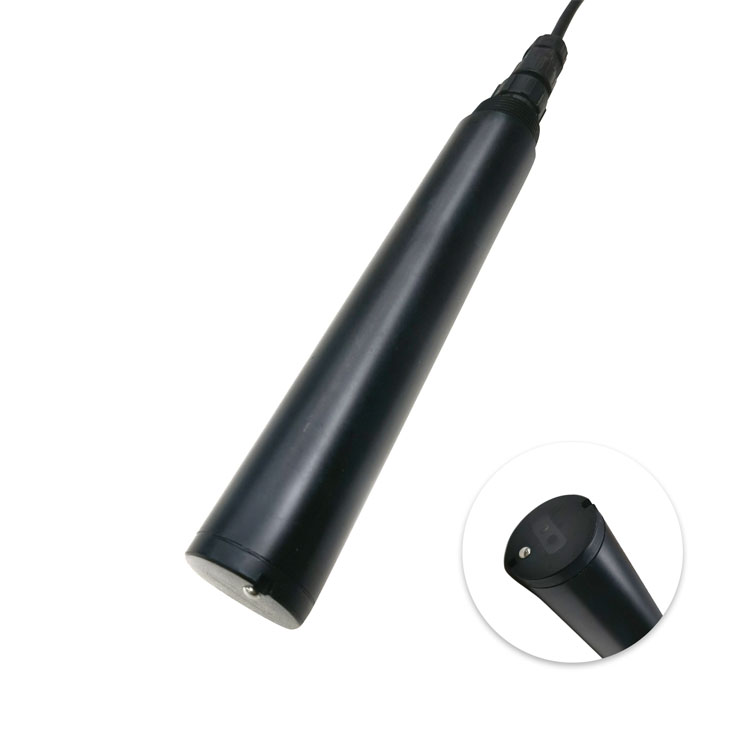 Online Turbidity Sensor RS485 Modbus | NBL-WQ-TS
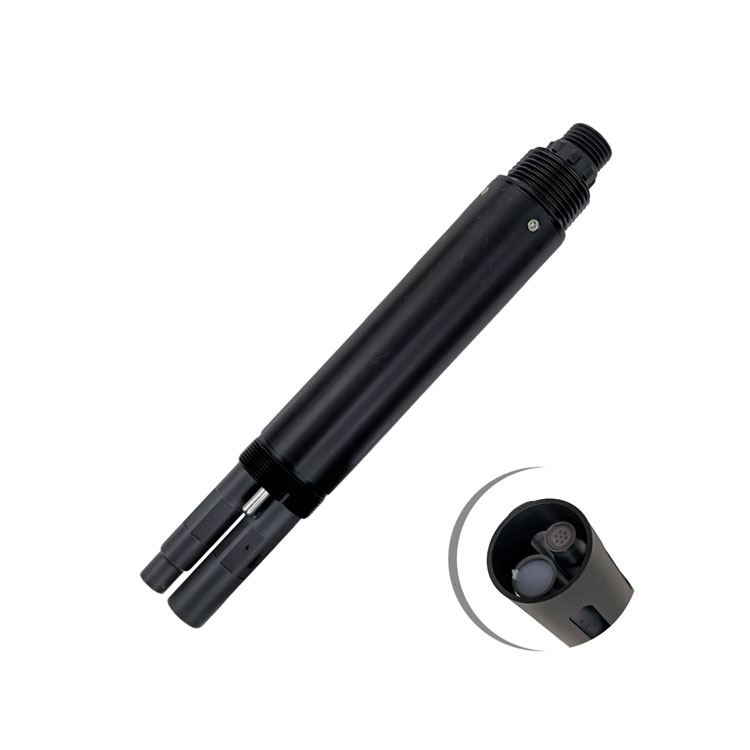 Online Ammonia Nitrogen Sensor (Ammonium ISE) | NBL-WQ-NHN
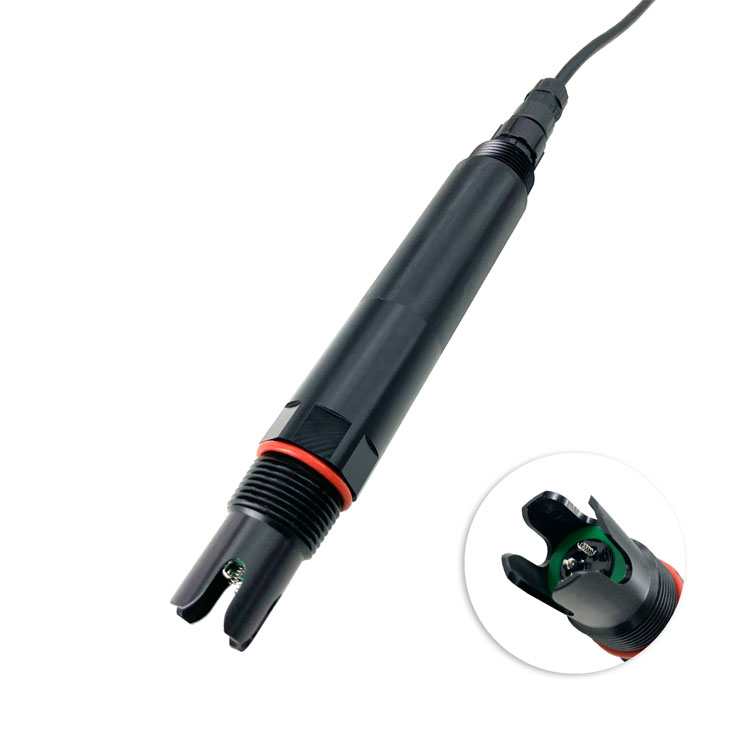 Online Residual Chlorine Sensor (HOCl) RS485 | Water Quality Sensor| NBL-WQ-CL
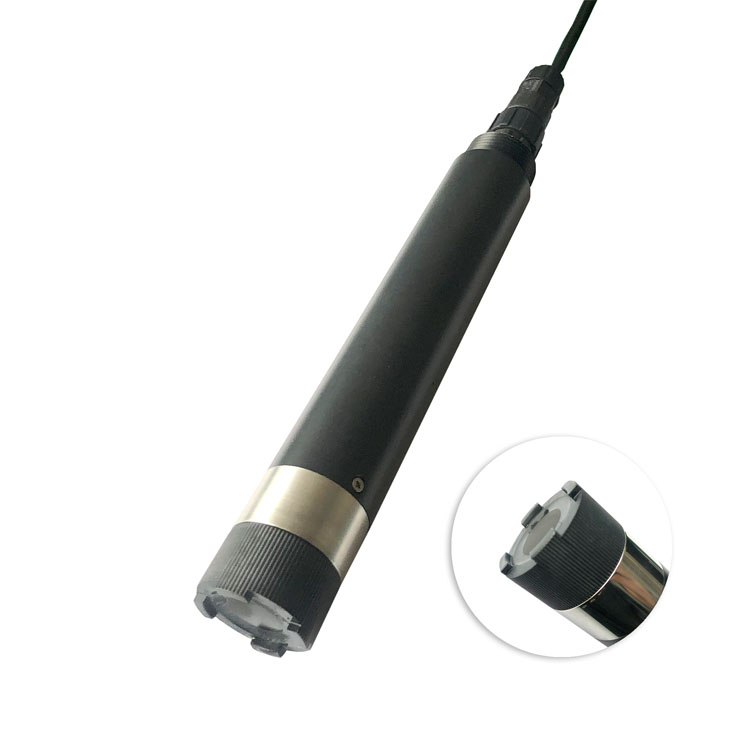 NBL-WQ-DO Online Fluorescence Dissolved Oxygen Sensor
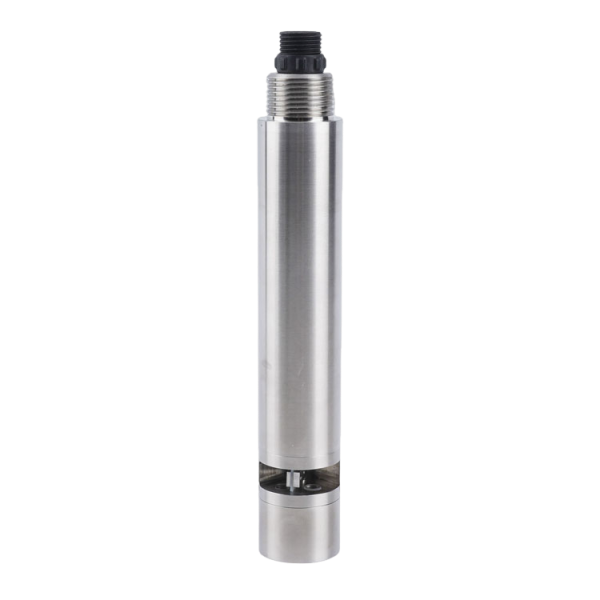 NBL-WQ-COD Online COD Water Quality Sensor
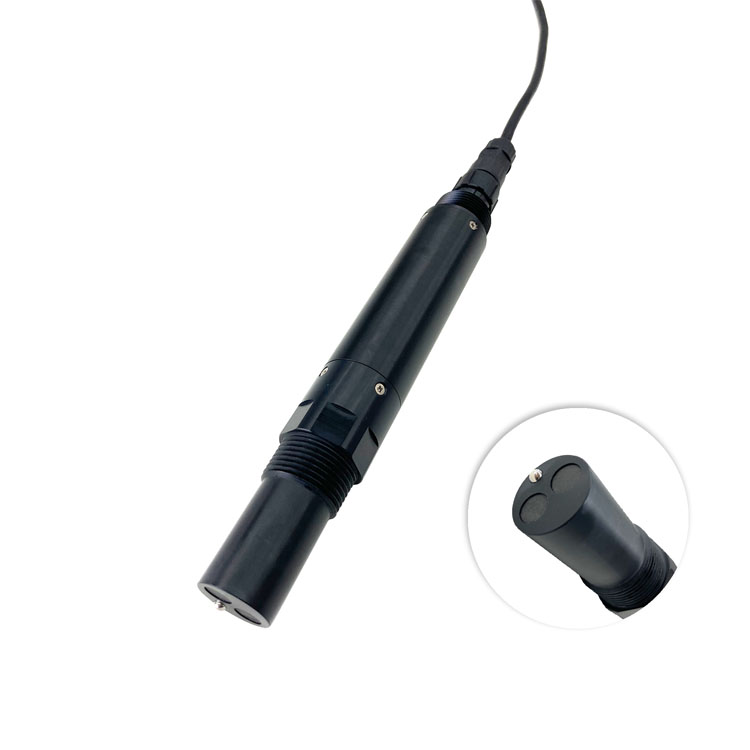 Water Conductivity EC Sensor RS485 Modbus IP68 | NBL-WQ-EC


Screenshot, WhatsApp to identify the QR code
WhatsApp number:+8615367865107
(Click on WhatsApp to copy and add friends)

