





— Products —
 Consumer hotline +8618073152920
WhatsApp:+8615367865107
Address:Room 102, District D, Houhu Industrial Park, Yuelu District, Changsha City, Hunan Province, China
Water Quality Sensors
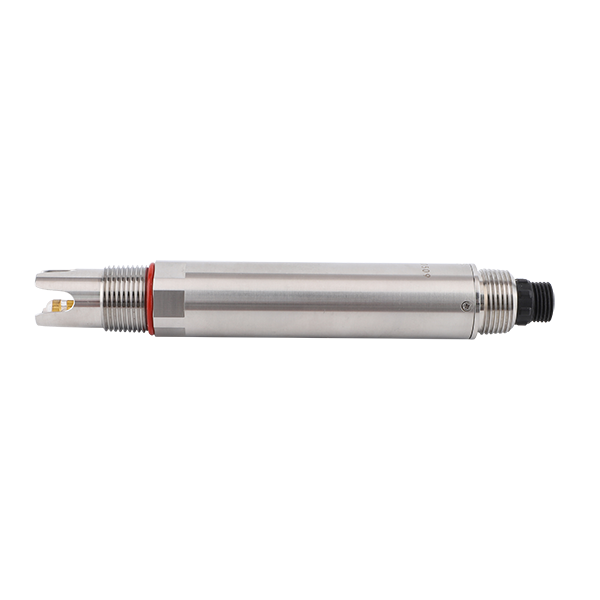
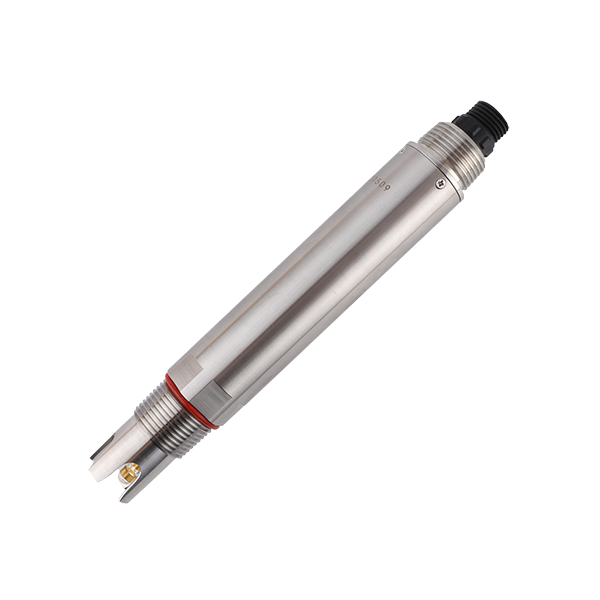
NiuBoL NBL-WQ-CL-4 series online residual chlorine sensor adopts the constant voltage measurement principle and is specially designed for drinking water safety, swimming pool water quality, and industrial circulating water monitoring. The product supports RS485 Modbus RTU protocol, requires no replacement of membranes or electrolyte, and features fast response, high accuracy, and minimal zero drift. It solves the engineering pain points of frequent maintenance and expensive c···
Tel/WhatsApp:+8615367865107
Email:Arvin@niubol.com +Nearly 100 partner companies in more than 75 countries. We are committed to providing high-quality, practical products to meet your needs and help you solve problems. Our products comply with international standards and are certified with ISO, CE and RoHS.Product Details
Product Overview: The NiuBoL NBL-WQ-CL-4S is an online residual chlorine sensor designed for continuous hypochlorous acid (HOCl) monitoring in water treatment applications. It uses a constant-voltage electrochemical measurement method and offers 0–2.000 mg/L and 0–20.00 mg/L measurement range configurations. The sensor supports RS485 Modbus RTU communication, optional 4–20 mA output and automatic Pt1000 temperature compensation. Its 316L stainless steel housing is rated IP68, and the sensor is designed for use with a matching flow cell.
Residual chlorine monitoring is an important part of water disinfection process management. Measuring chlorine-related concentrations helps operators observe changes in water treatment conditions and evaluate the performance of disinfection systems.
The NBL-WQ-CL-4S uses a constant-voltage electrochemical sensing system to measure a signal associated with hypochlorous acid (HOCl) in water.
The sensor incorporates platinum measuring electrodes and a reference electrode. The electrical current generated by electrochemical reactions at the electrode surface is processed to produce a concentration reading.
The sensor is intended for continuous measurement in a matching circulation flow cell, with a recommended sample flow of 30–60 L/h.
It can be integrated with compatible PLCs, data loggers, RTUs and industrial water monitoring systems using RS485 Modbus RTU.

Constant-voltage electrochemical method for HOCl-related measurement.
Two available measurement ranges: 0–2.000 mg/L and 0–20.00 mg/L.
0.001 mg/L or 0.01 mg/L resolution, depending on the selected range.
Manufacturer-specified detection limit of 0.05 mg/L.
T90 response time of less than 90 seconds.
RS485 Modbus RTU digital communication.
Optional 4–20 mA analog output.
Automatic temperature compensation using Pt1000.
316L stainless steel housing with IP68 protection.
Flow-cell installation with recommended sample flow of 30–60 L/h.
Two-point calibration for measurement verification and adjustment.
12–24 VDC power supply.
The NBL-WQ-CL-4S is available in two concentration range configurations. Select the required range according to the expected chlorine concentration and monitoring requirements.
| Measurement Parameter | Specification |
|---|---|
| Low Measurement Range | 0–2.000 mg/L HOCl |
| Low-Range Resolution | 0.001 mg/L |
| Low-Range Accuracy | ±5% (specified percentage basis to be confirmed) |
| High Measurement Range | 0–20.00 mg/L HOCl |
| High-Range Resolution | 0.01 mg/L |
| High-Range Accuracy | ±0.05 (manufacturer notation; unit and basis require confirmation) |
| Detection Limit | 0.05 mg/L |
| Response Time | T90 <90 seconds |
Range selection: The two measurement ranges represent available product configurations. Confirm the required range when ordering.
The resolution is the displayed measurement increment. It does not represent the minimum detectable concentration or the measurement accuracy.
For projects requiring formal accuracy verification, request the accuracy definition and acceptance conditions for the selected measurement range.
| Parameter | Specification |
|---|---|
| Brand | NiuBoL |
| Model | NBL-WQ-CL-4S |
| Product Type | Online Residual Chlorine Sensor |
| Measurement Principle | Constant-Voltage Electrochemical Method |
| Measurement Species | Hypochlorous Acid (HOCl / HClO) |
| Measurement Ranges | 0–2.000 / 0–20.00 mg/L |
| Resolution | 0.001 / 0.01 mg/L |
| Response Time | T90 <90 s |
| Minimum Detection Limit | 0.05 mg/L |
| Temperature Accuracy | ±0.3°C |
| Temperature Compensation | Automatic, Pt1000 |
| Calibration | Two-Point Calibration |
| Digital Output | RS485 Modbus RTU |
| Optional Output | 4–20 mA |
| Power Supply | 12–24 VDC |
| Power Consumption | 0.2 W @ 12 V |
| Operating Temperature | 0–60°C |
| Operating Pressure | ≤0.2 MPa |
| Medium pH Range | 4–9 |
| Storage Temperature | -5 to 65°C |
| Housing Material | 316L Stainless Steel |
| Installation | Matching Flow Cell |
| Recommended Flow Rate | 30–60 L/h |
| Mounting Thread | 3/4-inch NPT |
| Sensor Dimensions | Approximately Ø30 × 185 mm |
| Connector | M16, 5-Core Waterproof Male Connector |
| Standard Cable Length | 5 m |
| Protection Rating | IP68 |
Output configuration: RS485 Modbus RTU is the standard digital interface. A 4–20 mA output is optional and should be specified before ordering. Simultaneous operation of both output types should not be assumed.
Operating conditions: Temperature, pressure and pH must remain within the specified limits. The sensor's IP68 rating does not define the pressure rating of the complete sampling assembly.
The NBL-WQ-CL-4S uses a constant-voltage electrochemical measurement principle.
The sensing system contains platinum electrodes and a reference electrode. A controlled electrical potential is maintained at the measuring electrodes.
When the sensor is exposed to a suitable water sample, electrochemical reactions involving the target disinfectant species produce a measurable electrical current.
The sensor processes the resulting signal using calibration information to provide a concentration reading.
Measurement performance depends on the electrochemical condition of the electrodes, sample flow, water pH, temperature and chemical composition.
The constant-voltage method does not require chemical reagents during routine online measurement. However, electrode conditioning, cleaning and calibration verification remain necessary.

Chlorine-related water quality measurements are not all interchangeable.
In chlorinated water, free chlorine is generally present as hypochlorous acid (HOCl) and hypochlorite ion (OCl-).
The balance between these two forms changes with water pH and temperature.
The equilibrium can be expressed as:
HOCl ⇌ H+ + OCl-
HOCl is one of the principal forms of free chlorine in water. The NBL-WQ-CL-4S measurement ranges are specified on an HOCl basis.
Free chlorine generally includes both HOCl and OCl-. A measurement of HOCl alone is not automatically equivalent to total free chlorine under every pH condition.
Combined chlorine refers to chlorine present in combined chemical forms, including chloramines.
Total chlorine represents free chlorine plus combined chlorine.
| Measurement | Description |
|---|---|
| HOCl | Hypochlorous acid, one component of free chlorine. |
| Free Chlorine | Primarily HOCl and OCl- in typical chlorinated water. |
| Combined Chlorine | Chlorine associated with combined chemical species. |
| Total Chlorine | Free chlorine plus combined chlorine. |
Measurement selection: The NBL-WQ-CL-4S is specified for HOCl-related monitoring. It should not be selected as a direct total chlorine measurement instrument without confirming that the measurement principle matches the project's requirements.
When comparing online readings with a laboratory or DPD colorimetric result, confirm that both methods use compatible measurement definitions and concentration reporting units.
Water pH influences the balance between hypochlorous acid and hypochlorite ion.
At relatively lower pH values, a greater proportion of free chlorine is generally present as HOCl.
As pH increases, the proportion of OCl- generally increases.
As a result, two water samples with similar total free chlorine concentrations may have different HOCl concentrations if their pH values differ.
The NBL-WQ-CL-4S is specified for water with pH between 4 and 9.
Its integrated Pt1000 element provides temperature compensation. This should not be interpreted as independent pH measurement or automatic correction of all changes in chlorine speciation.
Where both parameters are important, a separate online pH sensor may be integrated into the same monitoring system.
Residual chlorine monitoring provides useful information about disinfection-related water conditions at suitable treatment sampling points.
The NBL-WQ-CL-4S can be installed in a matching flow cell to observe HOCl-related measurements under controlled sampling conditions.
For applications requiring compliance with a specific drinking water regulation, confirm the required disinfectant parameter, reference method and measurement performance.
Residual chlorine concentrations may change as treated water moves through a distribution network.
The sensor can be considered for monitoring water supplied from a suitable distribution sampling connection.
A pressure-reducing arrangement, stable sample flow and compatible flow cell may be required.
The sensor should not be connected directly to a pressurized main without confirming the pressure rating of the complete installation.
Pool water monitoring may require assessment of free chlorine, pH and other water quality parameters.
The NBL-WQ-CL-4S may be considered where the HOCl measurement basis, water pH and concentration range meet the monitoring objective.
Projects requiring a particular free chlorine test method or reporting unit should verify the suitability of the selected instrument.
Some industrial cooling water systems use chlorine-based disinfection treatments.
The sensor may provide HOCl-related monitoring data in compatible sampling arrangements.
Water treatment chemicals, temperature, pH and possible electrode interference should be considered before installation.
Water used in food and beverage facilities may require monitoring of disinfectant-related parameters at defined treatment or utility-water sampling points.
The appropriate measurement method depends on the process and applicable requirements.
Selection of the NBL-WQ-CL-4S should be based on the target chlorine species, sample conditions and required analytical performance.
The NBL-WQ-CL-4S is designed for installation in a matching circulation flow cell.
The flow cell helps maintain suitable water contact with the measuring electrode and provides a controlled sample path.
The recommended sample flow rate is 30–60 L/h.
Install the matching flow cell at an accessible sampling location.
Connect the water inlet and outlet using compatible tubing and fittings.
Position the electrode measuring section near the flow cell inlet.
Maintain a stable sample flow of 30–60 L/h.
Ensure the measurement section remains in contact with water.
Prevent air bubbles and unstable flow around the electrode.
Keep sample pressure within 0.2 MPa.
Verify that sample temperature and pH remain within the specified limits.
Provide access for electrode inspection, calibration and maintenance.
For higher-pressure sampling lines, use a suitable pressure regulation arrangement to protect the sensor and flow cell.
Flow interruptions can affect the electrochemical measurement. The monitoring system should distinguish a loss of sample flow from an actual change in chlorine concentration where this distinction is important to the application.
The NBL-WQ-CL-4S operates from a 12–24 VDC power supply and provides RS485 Modbus RTU communication.
| Wire Color | Function |
|---|---|
| Red | 12–24 VDC Positive |
| Black | Power Ground (GND) |
| Blue | RS485 A |
| Green | RS485 B |
| Yellow | Optional Current Output |
The yellow conductor is used for the optional current output configuration. If the output is not used, leave the conductor disconnected and properly insulated.
Verify the actual supplied cable and connector before applying power.
Use suitable waterproof protection for cable connections exposed to moisture.
The standard digital sensor supports the Modbus RTU protocol over RS485.
| Parameter | Default Setting |
|---|---|
| Interface | RS485 |
| Protocol | Modbus RTU |
| Baud Rate | 9600 bps |
| Data Bits | 8 |
| Parity | None |
| Stop Bits | 1 |
| Default Device Address | 10 (0x0A) |
| Configurable Address Range | 1–255 |
| Read Function Code | 03 |
| Write Function Code | 06 |
| Register Address | Function |
|---|---|
| 0x0000 | Residual Chlorine and Temperature Data Block, 4 Registers |
| 0x1000 | Zero-Point Calibration |
| 0x1004 | Slope Calibration |
| 0x1010 | Temperature Correction |
| 0x2002 | Device Address Configuration |
| 0x2020 | Restore Calibration Defaults |
The measurement data block contains four consecutive 16-bit registers for the chlorine-related reading, its decimal scaling, the temperature reading and its decimal scaling.
The following command reads four measurement registers from the sensor at its default device address.
Request: 0A 03 00 00 00 04 45 72
In the corresponding data example, a raw chlorine-related value of 359 with three decimal places represents 0.359 mg/L.
A raw temperature value of 367 with one decimal place represents 36.7°C.
PLC and data logger software should apply the correct register scaling and use the selected measurement range when interpreting the result.
The NBL-WQ-CL-4S requires electrode preparation and periodic inspection.
Before first use, or after long-term storage, immerse the sensor electrode in tap water for approximately 24 hours.
After activation, install the sensor in the flow cell, establish a stable sample flow and verify the measurement.
Inspect the measuring electrodes for deposits and contamination. Check the flow cell, sample tubing and electrical connections.
Maintain a stable sample flow and verify the electrode response when operating conditions change.
Clean the electrode carefully when deposits affect measurement. Avoid abrasive cleaning methods that could damage the sensing surfaces.
Compare the sensor reading with a suitable reference method when required by the monitoring plan.
The reference method should report the appropriate chlorine species and use compatible concentration units.
The NBL-WQ-CL-4S is factory calibrated and supports zero-point and slope calibration.
Place the electrode in chlorine-free water and allow the reading to stabilize.
When required, perform the zero-point calibration using Modbus register 0x1000.
Use a suitable reference solution with an established HOCl concentration.
The calibration procedure uses a reference concentration of approximately 1–2 mg/L.
Place the sensor in the flow cell containing the reference solution and maintain a suitable sample flow.
After the reading stabilizes, perform slope calibration through register 0x1004.
The calibration register uses the reference concentration multiplied by 1000.
For example, a 2.000 mg/L reference corresponds to a register value of 2000.
Calibration recommendation: Because chlorine reference solutions can change with preparation, storage, pH and measurement conditions, calibration should be performed using an appropriately assigned reference and a qualified procedure.
After restoring calibration defaults, recalibrate the sensor before returning it to normal measurement service.
Before choosing the NBL-WQ-CL-4S, confirm the disinfectant parameter required by the project.
| Selection Item | What to Confirm |
|---|---|
| Measurement Species | HOCl, total free chlorine or total chlorine. |
| Expected Range | 0–2.000 or 0–20.00 mg/L. |
| Sample pH | Within the specified range of 4–9. |
| Sample Temperature | Within 0–60°C. |
| Sample Pressure | At or below 0.2 MPa. |
| Sample Flow | Stable flow of 30–60 L/h. |
| Reference Method | Required comparison method and concentration reporting unit. |
| Signal Output | RS485 Modbus RTU or optional 4–20 mA. |
| Installation | Flow cell, sample tubing, fittings and maintenance access. |
The NBL-WQ-CL-4S and NBL-WQ-CL-4A are separate residual chlorine sensor configurations.
The NBL-WQ-CL-4S features a 316L stainless steel housing and is intended for applications requiring this material configuration.
The NBL-WQ-CL-4A uses a different housing construction.
Both models use constant-voltage electrochemical measurement, but customers should verify the specific measurement range, housing, electrical connections and accessories for the selected model.
For the other configuration, see the NBL-WQ-CL-4A Online Residual Chlorine Sensor.
A1. The sensor uses the constant-voltage electrochemical method for HOCl-related monitoring in water. Available measurement ranges are 0–2.000 and 0–20.00 mg/L.
A2. No. HOCl is one component of free chlorine. Total chlorine also includes combined chlorine species. Select the measurement method according to the parameter required by the project.
A3. The specified detection limit is 0.05 mg/L. The displayed resolution should not be interpreted as the detection limit or measurement accuracy.
A4. Yes. Water pH affects the balance between HOCl and OCl-. The specified operating pH range is 4–9.
A5. The flow cell provides a controlled water sample around the measuring electrode. The recommended flow rate is 30–60 L/h.
A6. The specified T90 response time is less than 90 seconds. Sampling-line transport time and actual flow conditions can affect the response observed by the complete monitoring system.
A7. Yes. The default settings are 9600 baud, 8 data bits, no parity, one stop bit and device address 10.
A8. A 4–20 mA configuration is available as an option. Specify the required interface when ordering.
A9. Yes. New electrodes and electrodes stored for an extended period should be immersed in tap water for approximately 24 hours before use.
A10. The sensor is factory calibrated and supports two-point calibration. Verification and recalibration depend on the electrode condition and project measurement requirements.
A11. Yes. The standard RS485 Modbus RTU interface supports connection to compatible PLCs, RTUs and data loggers.
A12. The NBL-WQ-CL-4S provides measurement data. Automatic chlorine dosing requires a separate compatible controller, dosing equipment and appropriate control logic.
A13. No. Electrode activation, inspection, cleaning and measurement verification remain necessary.
A14. Provide the required chlorine measurement type, concentration range, sample pH, temperature, pressure, flow conditions, output interface, quantity and installation requirements.
Download the NBL-WQ-CL-4S user manual for installation drawings, flow-cell requirements, electrical wiring, Modbus register addresses and calibration procedures.
The technical information can be used when connecting the sensor to a compatible PLC, RTU or data logger.
 NBL-WQ-CL-4S User Manual (PDF)
For a product quotation or technical recommendation, please provide the following information:
Required measurement: HOCl, free chlorine or total chlorine.
Expected concentration range and measurement threshold.
Water application: drinking water, swimming pool, industrial cooling water or another process.
Sample pH and operating temperature.
Available sample flow and pressure.
Required signal output: RS485 Modbus RTU or 4–20 mA.
Required cable length and quantity.
Whether the quotation should include the matching flow cell and sampling accessories.
Receiving PLC, RTU or data logger model.
NiuBoL can provide technical documentation and quotation information for the selected measurement range and interface.
Explore other NiuBoL Online Water Quality Sensors for pH, ORP, conductivity, dissolved oxygen and other monitoring parameters.
Sensors & Weather Stations Catalog
 Agriculture Sensors and Weather Stations Catalog-NiuBoL.pdf
Weather Stations Catalog-NiuBoL.pdf
Agriculture Sensors Catalog-NiuBoL.pdf
Water Quality Sensor Catalog-NiuBoL.pdf
Related recommendations
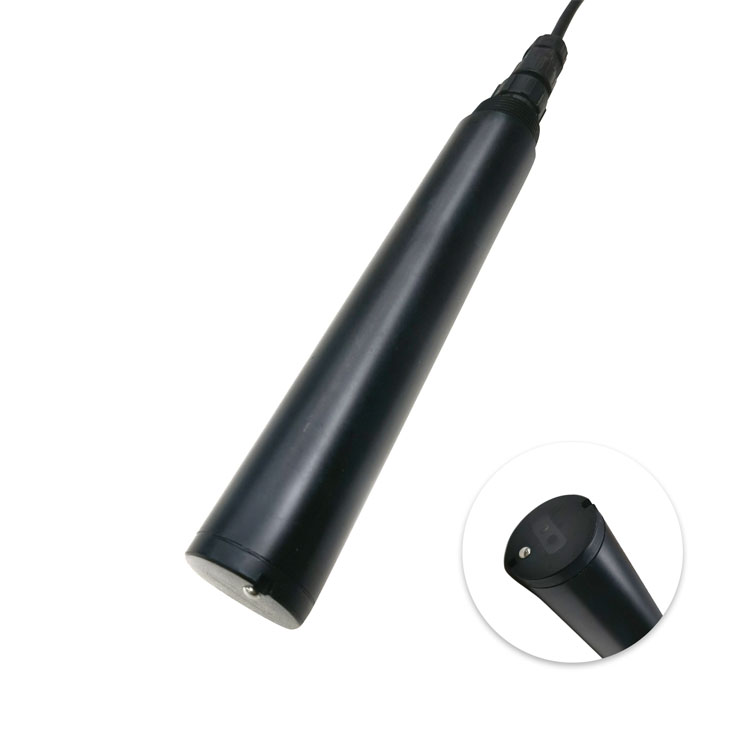 Online Turbidity Sensor RS485 Modbus | NBL-WQ-TS
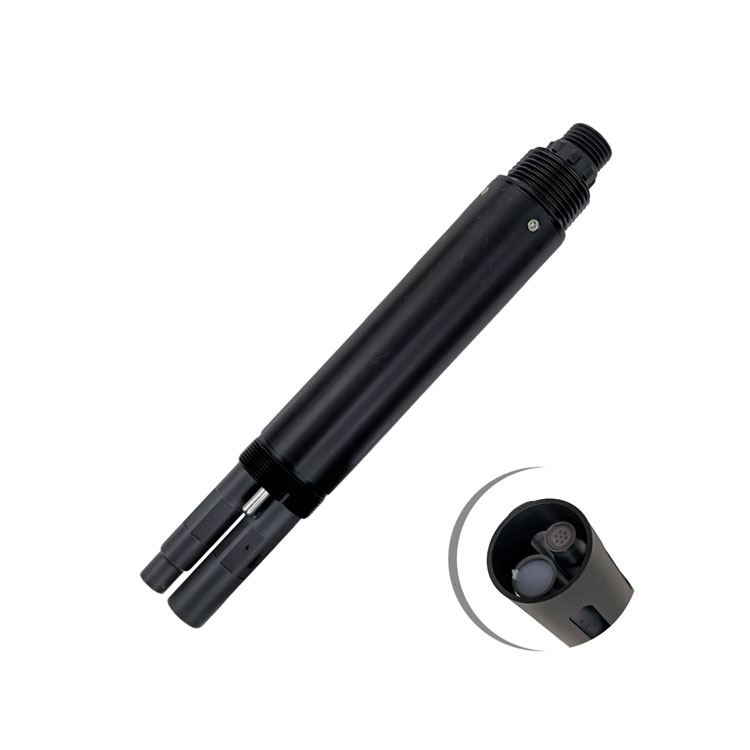 Online Ammonia Nitrogen Sensor (Ammonium ISE) | NBL-WQ-NHN
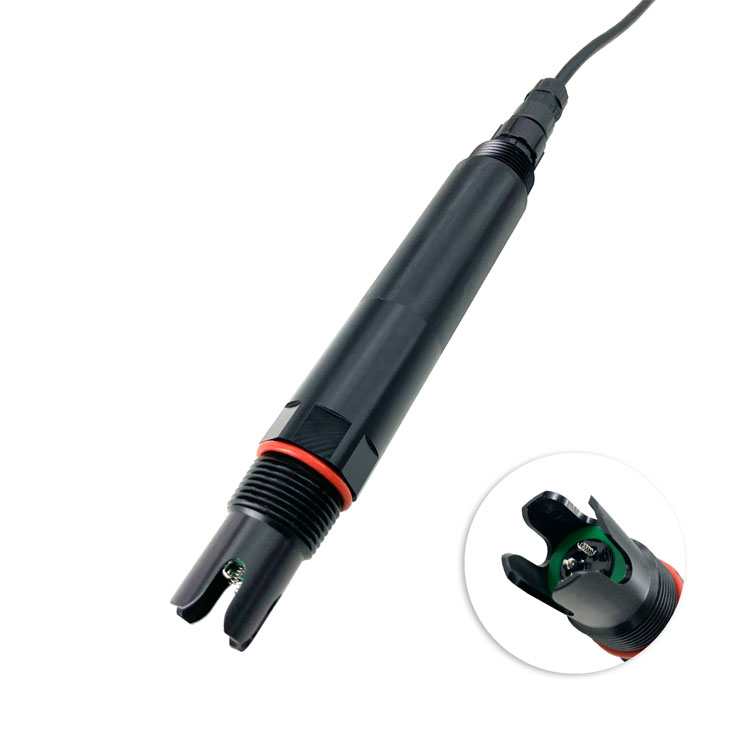 Online Residual Chlorine Sensor (HOCl) RS485 | Water Quality Sensor| NBL-WQ-CL
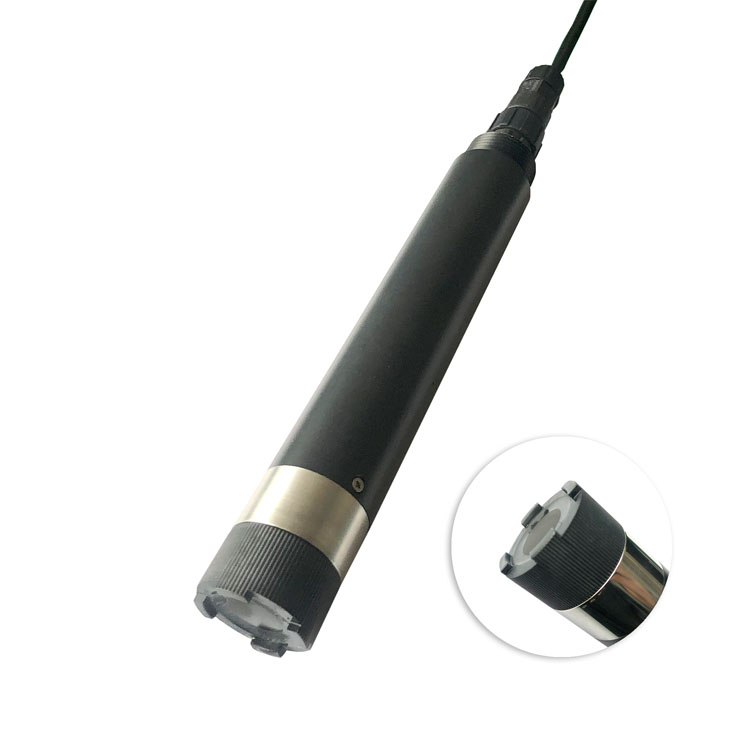 NBL-WQ-DO Online Fluorescence Dissolved Oxygen Sensor
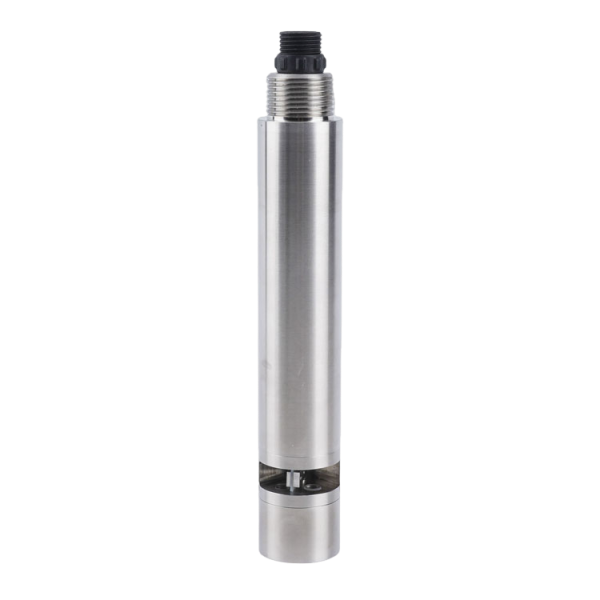 NBL-WQ-COD Online COD Water Quality Sensor
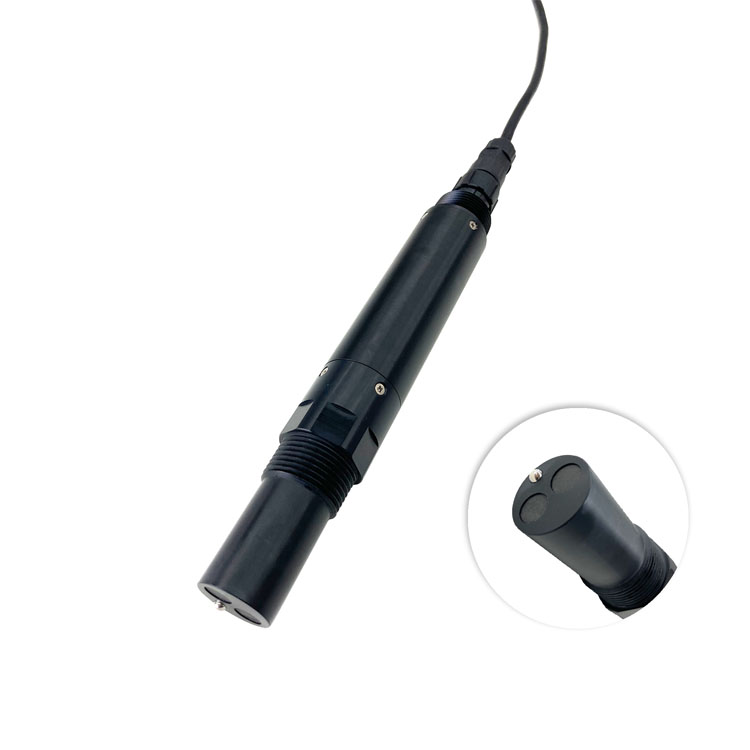 Water Conductivity EC Sensor RS485 Modbus IP68 | NBL-WQ-EC


Screenshot, WhatsApp to identify the QR code
WhatsApp number:+8615367865107
(Click on WhatsApp to copy and add friends)

