





— Solutions —
—Products—
 Consumer hotline +8618073152920
WhatsApp:+8615367865107
Address:Room 102, District D, Houhu Industrial Park, Yuelu District, Changsha City, Hunan Province, China
Agriculture
Time:2025-11-10 15:09:56 Popularity:1653
NiuBoL precision agriculture solutions combine soil monitoring sensors, automatic weather stations, data acquisition equipment and IoT communication gateways to support data-driven agricultural management.
A precision agriculture monitoring system collects soil moisture, soil temperature, electrical conductivity, meteorological and other environmental measurements from representative locations across farmland. These observations provide a practical data foundation for irrigation planning, soil management, crop production and agricultural resource management.
NiuBoL supplies agricultural measurement instruments and configurable remote monitoring equipment for open-field farming, orchards, plantations, greenhouses and agricultural research projects.
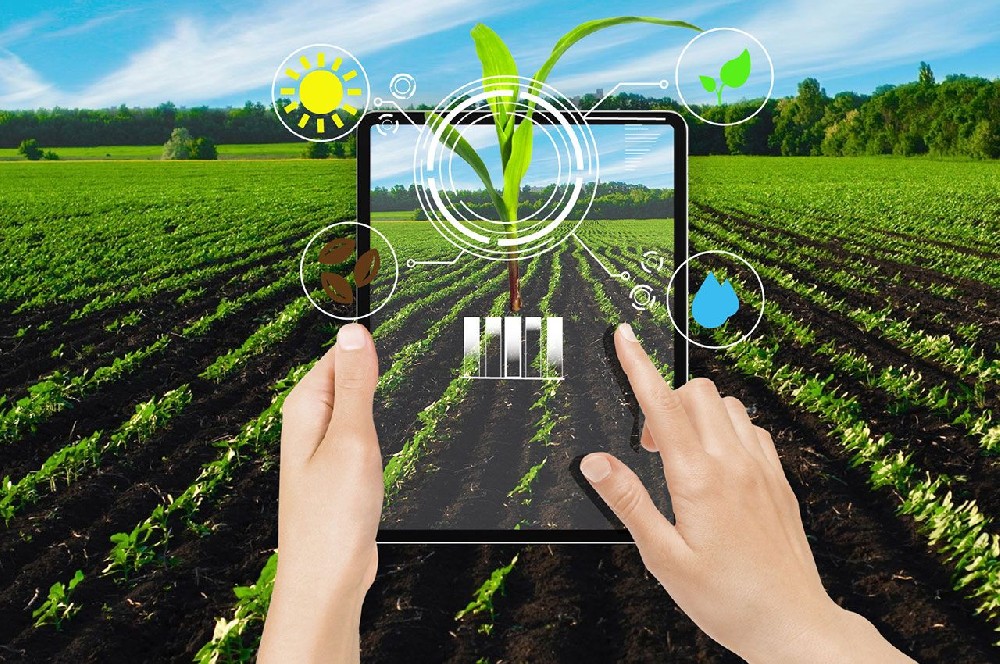
Soil properties, water availability, crop development and local weather conditions can vary considerably within the same agricultural field.
Traditional management based only on manual inspections or fixed irrigation schedules may not adequately represent these variations.
Continuous monitoring provides additional information for understanding field conditions and evaluating agricultural management decisions.
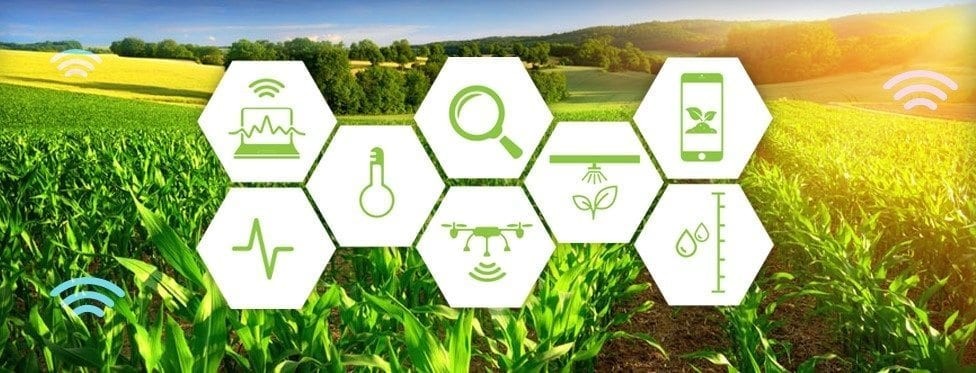
| Agricultural Challenge | Monitoring Approach | Management Value |
|---|---|---|
| Uneven Soil Moisture | Multi-point soil moisture monitoring | Identify differences in root-zone water conditions |
| Irrigation Scheduling | Soil moisture and rainfall observations | Support irrigation timing and water management decisions |
| Soil Salinity Changes | Soil EC and moisture measurements | Assess changes in root-zone conductivity conditions |
| Weather Variability | Automatic agricultural weather stations | Support field operation and crop management planning |
| Manual Data Collection | Automatic data loggers and remote communication | Reduce routine manual measurement work |
| Distributed Farmland | Multiple monitoring stations | Improve access to environmental information across different plots |
The NiuBoL precision agriculture solution uses a modular system architecture that allows agricultural sensors, weather monitoring instruments and communication devices to be selected according to the requirements of each project.
The system can support:
Continuous soil moisture and temperature monitoring.
Root-zone electrical conductivity and soil pH assessment.
Multi-depth soil moisture profile monitoring.
Automatic agricultural weather observations.
Remote environmental data collection and viewing.
Integration with compatible third-party agricultural management systems.
Sensor-based input for externally configured irrigation control systems.
The monitoring system provides environmental information for agricultural management. Automatic irrigation, fertilizer dosing and other equipment control functions require compatible external hardware and separately configured control logic.
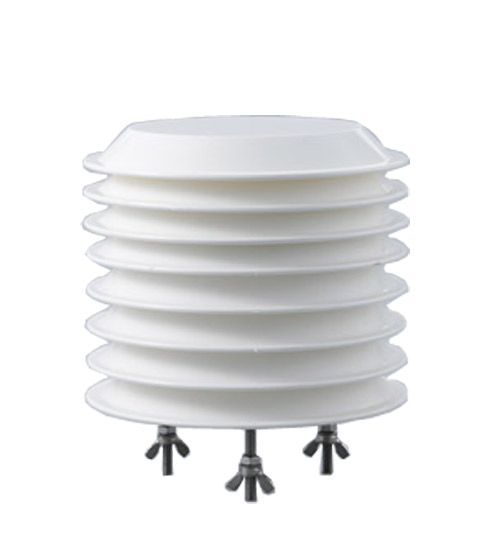
| Equipment | Measured Parameters | Typical Application |
|---|---|---|
| NBL-S-THR | Soil Moisture and Temperature | TDR soil moisture monitoring and irrigation assessment |
| NBL-S-TM | Soil Moisture and Temperature | General agricultural root-zone monitoring |
| NBL-S-TMC | Soil Moisture, Temperature and EC | FDR soil water content and conductivity monitoring |
| NBL-S-TMC-7 | Moisture, Temperature, EC, pH and NPK Reference Values | Integrated multi-parameter soil monitoring |
| Multi-Depth Soil Moisture Sensor | Soil Moisture and Temperature at Multiple Depths | Root-zone water distribution and soil profile monitoring |
| NBL-S-PH | Soil pH | Soil acidity and alkalinity assessment |
| Leaf Wetness Sensor | Leaf Surface Wetness | Crop microclimate and moisture condition assessment |
| Agricultural Weather Station | Temperature, Humidity, Wind, Rainfall and Optional Solar Radiation | Field microclimate and agricultural weather monitoring |
| Data Logger and IoT Gateway | Sensor Data Acquisition and Transmission | Local or remote agricultural data collection |
Measurement ranges, accuracy, power supply requirements and communication interfaces depend on the selected sensor model.
Soil moisture is one of the most important measurements for irrigation management. It indicates the amount of water present around the sensor and helps users observe changes before and after irrigation or rainfall.
Volumetric water content (VWC) represents the volume of water relative to the total volume of soil, commonly expressed as a percentage.
Suitable irrigation thresholds should be established according to soil texture, field capacity, crop root depth and crop water requirements.
A universal moisture threshold should not be applied to every soil type or crop.
Water conditions can differ significantly between shallow and deeper soil layers.
Multi-depth monitoring helps users evaluate water movement through the root zone, observe irrigation penetration and identify conditions associated with insufficient irrigation or deep water movement.
Measurement depths should be selected according to the crop root system, soil profile and irrigation method.
Soil temperature provides information about root-zone thermal conditions. Soil electrical conductivity (EC) indicates the overall conductivity associated with dissolved ions and salts.
EC readings are influenced by moisture, temperature, soil composition and dissolved ion content.
Soil EC measurements can support salinity assessment and observation of changing root-zone conditions, but they cannot independently identify individual nutrient concentrations.
Soil pH influences nutrient availability and root-zone chemical conditions.
Integrated multi-parameter soil sensors may provide nitrogen, phosphorus and potassium reference values calculated from electrical characteristics using empirical relationships.
These NPK reference values are intended for field screening and trend observation. They are not equivalent to laboratory measurements of plant-available nutrients or total nutrient concentrations.
Fertilizer recommendations should combine appropriate laboratory soil testing, crop requirements, field observations and agricultural expertise.
Local weather observations provide additional information for understanding crop water demand and agricultural operating conditions.
A configurable agricultural weather station may measure:
Air temperature and relative humidity.
Wind speed and wind direction.
Rainfall and accumulated precipitation.
Atmospheric pressure.
Solar irradiance or other light-related measurements.
Suitable meteorological measurements can be used by external agricultural software to estimate reference evapotranspiration (ET0). Crop water requirements also depend on crop coefficients, growth stage and local field conditions.
NiuBoL offers individual agricultural sensors, environmental monitoring instruments and compatible data acquisition equipment that can be combined according to project requirements.
The following instruments provide different measurement options for agricultural field monitoring and controlled growing environments.
 | 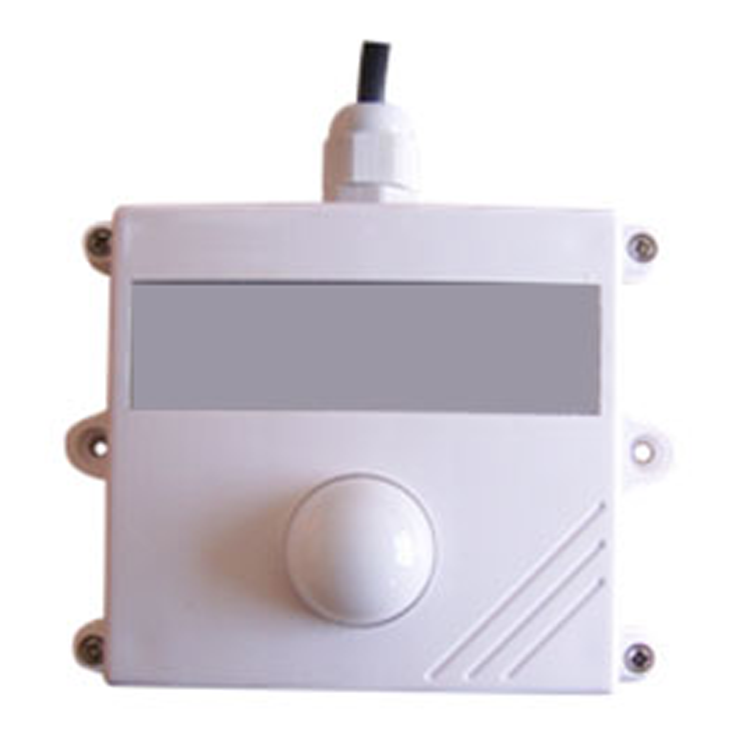 | 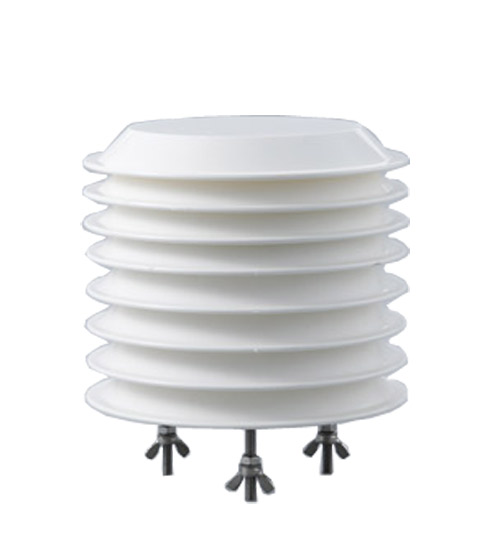 | 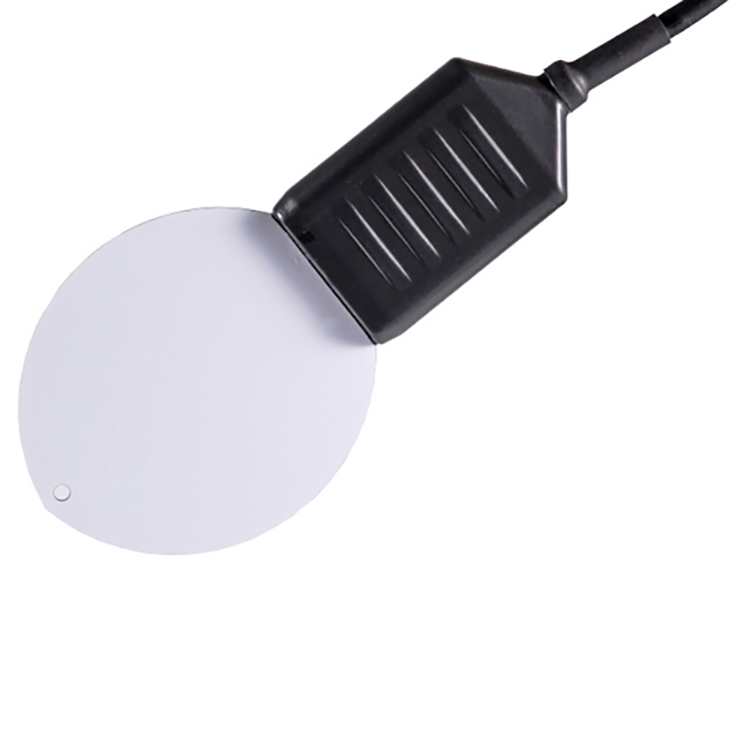 |
| Atmospheric Temperature Humidity pressure Sensor | illumination sensor | CO2 sensor | Leaf Wetness Sensor |
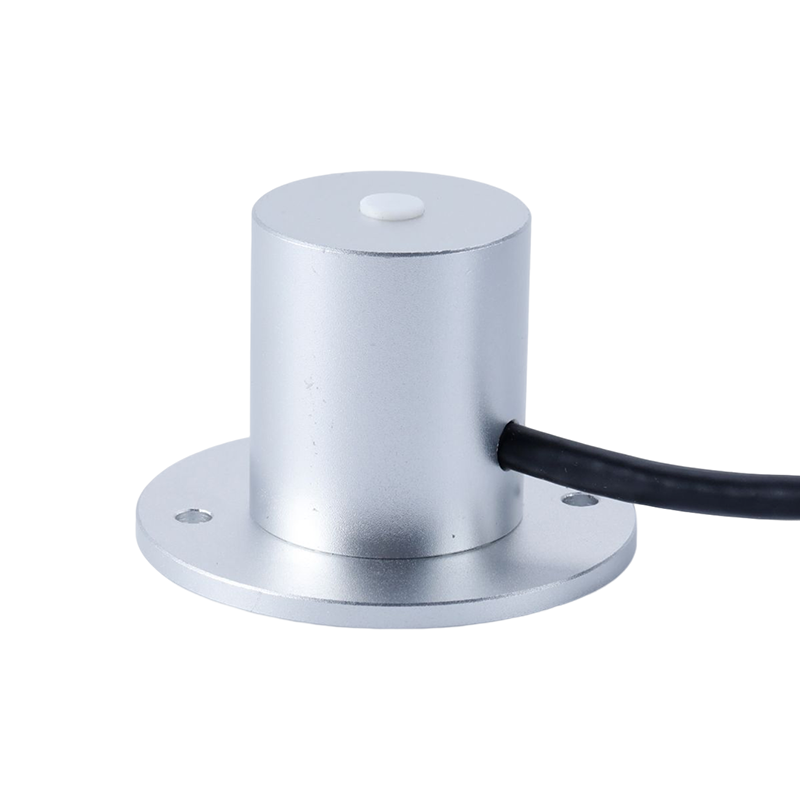 | 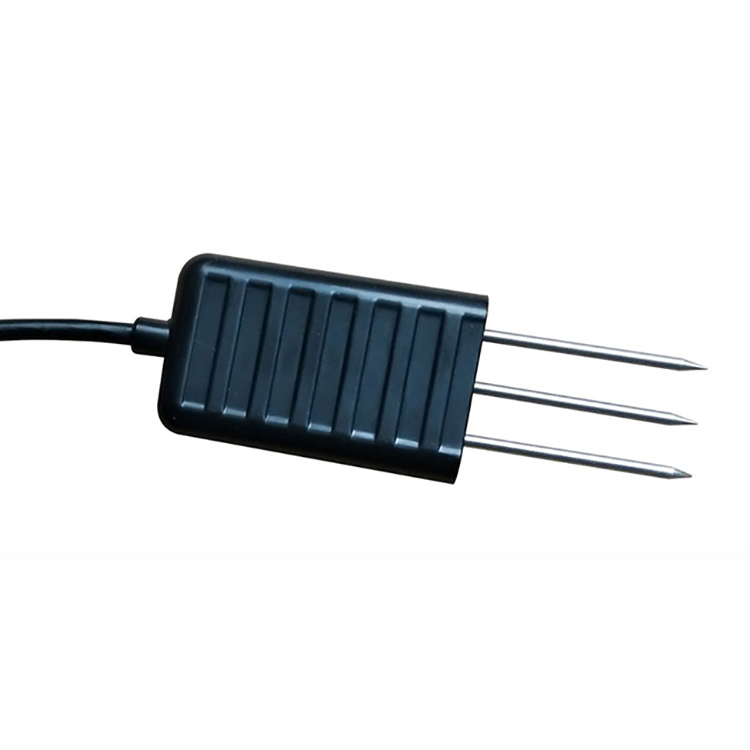 | 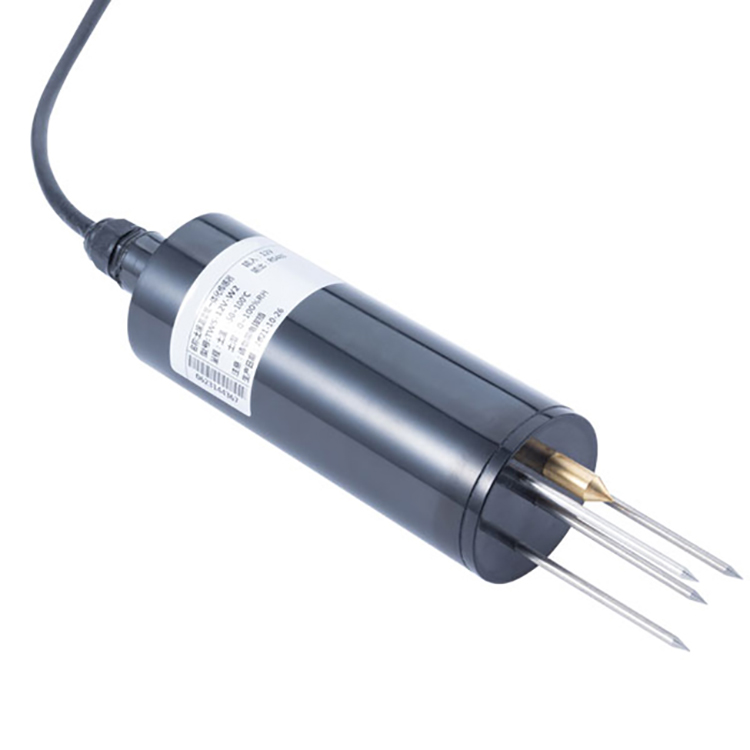 | 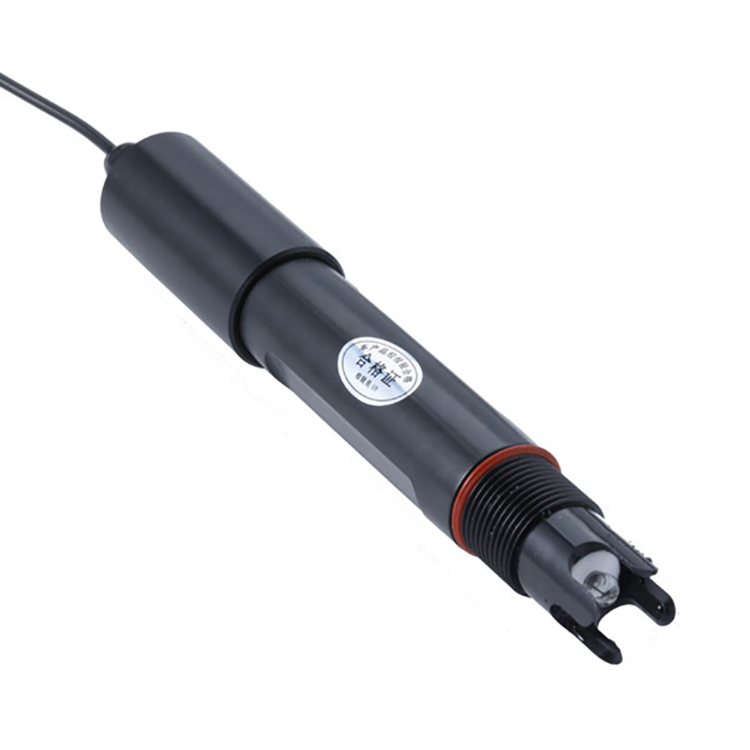 |
| PAR Sensor | 3-in-1 Soil Temperature Humidity EC Sensor | Soil Moisture Temperature sensor | Soil pH sensor |
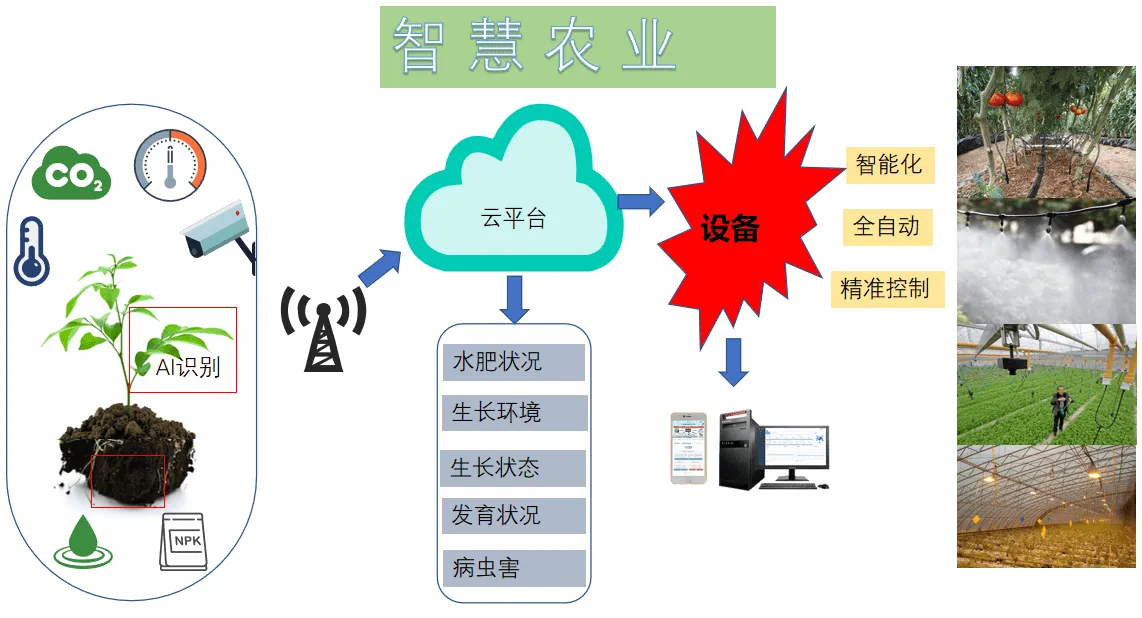
A typical agricultural IoT monitoring system connects field sensors to compatible data acquisition equipment and transmits the collected measurements to a local or remote monitoring platform.
Soil Sensors and Weather Stations → Data Logger or RTU → Communication Gateway → Monitoring Platform or Private Server
Soil sensors and meteorological instruments collect environmental measurements from representative monitoring locations.
A compatible data logger, RTU or controller reads sensor measurements through suitable electrical interfaces.
Many NiuBoL agricultural sensors support RS485 Modbus RTU communication. Selected sensor models also provide analog output configurations.
Compatible IoT gateways can transmit agricultural monitoring data through supported cellular, Ethernet or Wi-Fi connections.
Depending on the selected device, upstream communication may use MQTT, HTTP or other supported protocols.
The standard NiuBoL cloud platform supports remote viewing of collected monitoring data.
Compatible gateways may also transmit measurements to external agricultural management platforms or private servers.
Growers and agricultural engineers can evaluate soil moisture, rainfall, soil EC and weather observations together with crop requirements to support irrigation and field management decisions.
Automatic decision-making, fertilizer dosing calculations, equipment control and advanced predictive analytics require separately configured software or control systems.
A monitoring system and an automatic irrigation control system serve different functions within a precision agriculture project.
The monitoring system collects environmental measurements, while an irrigation controller uses available measurements and configured operating logic to manage irrigation equipment.
| Function | Monitoring System | External Control System |
|---|---|---|
| Soil and Weather Measurements | Supported with selected sensors | Uses compatible measurements as control inputs |
| Remote Data Viewing | Supported with compatible communication equipment | Depends on the selected control platform |
| Automatic Irrigation Scheduling | Provides soil and weather data | Requires suitable irrigation logic and control software |
| Pump and Valve Control | Not a standard monitoring function | Requires compatible controllers and actuators |
| Automatic Fertilizer Dosing | Provides relevant environmental measurements | Requires separate fertigation equipment and validated dosing logic |
| SMS and Email Alerts | Not supported by the standard NiuBoL cloud platform | Requires compatible external alerting equipment or software |
Optional irrigation control architecture:
Soil and Weather Measurements → External Irrigation Controller or PLC → Configured Control Logic → Relays and Actuators → Pumps and Irrigation Valves
Automatic irrigation projects should also consider water availability, hydraulic design, pump protection, valve compatibility and safe operating limits.
Identify the crop type, field area, soil texture, irrigation method, topography and differences between growing zones.
Determine whether the monitoring objectives focus on root-zone moisture, soil salinity, agricultural weather conditions or a combination of these measurements.
Install soil sensors at locations that represent the conditions of the selected management zones.
Consider differences in soil texture, irrigation distribution, drainage, crop development and field elevation.
A single soil sensor measures conditions within its local sensing volume. It does not represent the average water content of an entire agricultural field.
The required number of monitoring points should therefore be determined from field variability and project objectives rather than a fixed number of sensors per hectare.
Soil moisture sensors should be installed at depths representative of the active crop root zone.
For deeper-rooted crops or projects requiring information about water movement through the soil profile, multiple measurement depths can be used.
Ensure suitable contact between the sensor and surrounding soil, while avoiding unnecessary air gaps and excessive soil disturbance.
Select suitable power supplies, sensor interfaces, communication devices and protective enclosures.
Remote monitoring stations may use appropriately configured solar panels, rechargeable batteries and charge controllers where grid electricity is unavailable.
For RS485 Modbus RTU networks, confirm sensor addresses, serial communication settings, register definitions and compatible bus installation requirements.
Measurement intervals and data reporting intervals should be configured according to the monitoring objectives, available power supply and communication requirements.
Use representative soil measurements, crop water requirements and local agricultural knowledge to establish appropriate management targets.
Soil moisture thresholds should reflect soil characteristics and crop development stages.
Where automatic irrigation is required, configure and verify the external irrigation controller separately.
Confirm correct sensor installation and electrical connections.
Verify measurement units and data scaling.
Check communication stability and measurement availability.
Evaluate soil moisture responses following irrigation and rainfall.
Compare measurements with suitable reference methods where required.
Review monitoring locations as crop and field conditions change.
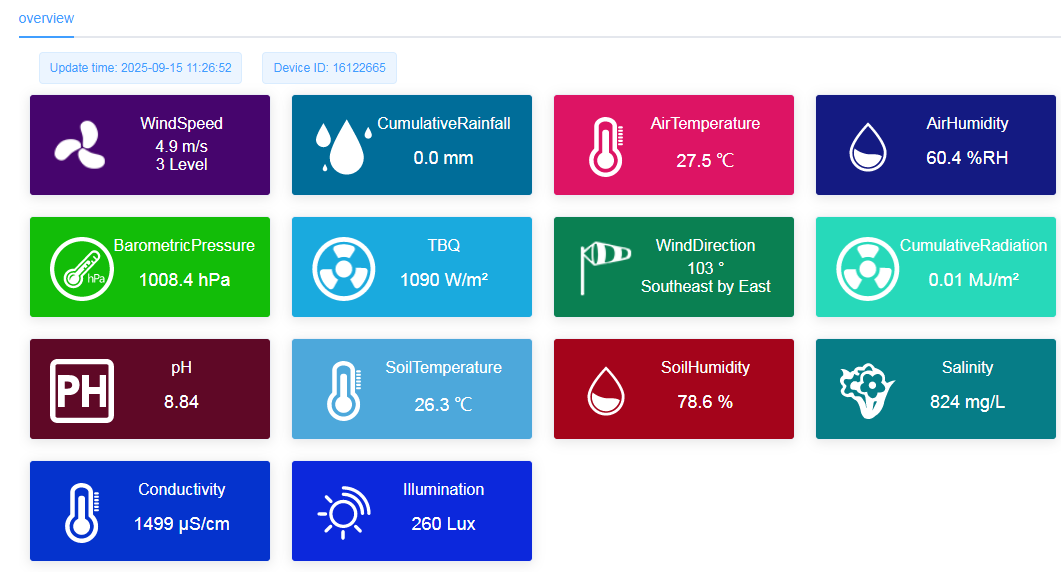
The displayed measurements depend on the connected sensors and the selected monitoring configuration.
| Application | Suggested Monitoring Configuration | Monitoring Objective |
|---|---|---|
| Open-Field Crops | Soil moisture sensors, rainfall measurement and optional weather station | Irrigation planning and field water monitoring |
| Orchards and Vineyards | Multi-depth soil moisture sensors and agricultural weather station | Root-zone water distribution and microclimate monitoring |
| Drip Irrigation | Soil moisture and EC sensors, compatible flow and pressure instruments where required | Root-zone water conditions and irrigation system assessment |
| Greenhouse Agriculture | Soil moisture, temperature, EC, air temperature, humidity and optional CO2 and light sensors | Growing environment and root-zone monitoring |
| Salinity Monitoring | Soil EC, moisture and temperature sensors with appropriate reference testing | Assessment of changing conductivity and salinity conditions |
| Remote Agricultural Fields | Field sensors, compatible logger, 4G gateway and solar power | Remote environmental monitoring |
| Agricultural Research | Project-specific soil and meteorological sensors with suitable data acquisition | Controlled field observations and experimental measurements |
For controlled agricultural environments, see the NiuBoL Greenhouse Climate Monitoring System.
Continuous soil moisture observations help growers evaluate root-zone water conditions and understand how soil water content changes following irrigation or precipitation.
This information can support irrigation timing and water allocation decisions when combined with crop water requirements and soil characteristics.
Monitoring multiple locations can reveal differences in soil moisture, temperature and conductivity between agricultural management zones.
These observations may support more targeted field management and investigation of areas with unusual growing conditions.
Soil and weather measurements can support the evaluation of irrigation practices, water consumption and environmental conditions associated with agricultural production.
Actual savings in water, fertilizer and energy depend on the existing management practices, crop characteristics, irrigation infrastructure and how the collected information is used.
Automated environmental monitoring can reduce the need for frequent manual sensor readings, particularly when monitoring locations are distributed across large agricultural areas.
Regular field inspections, crop assessment and equipment maintenance remain necessary.
Modular sensor configurations allow users to select monitoring parameters and expand measurement networks according to project requirements.
Compatible industrial communication interfaces can also support integration with existing agricultural software and control infrastructure.
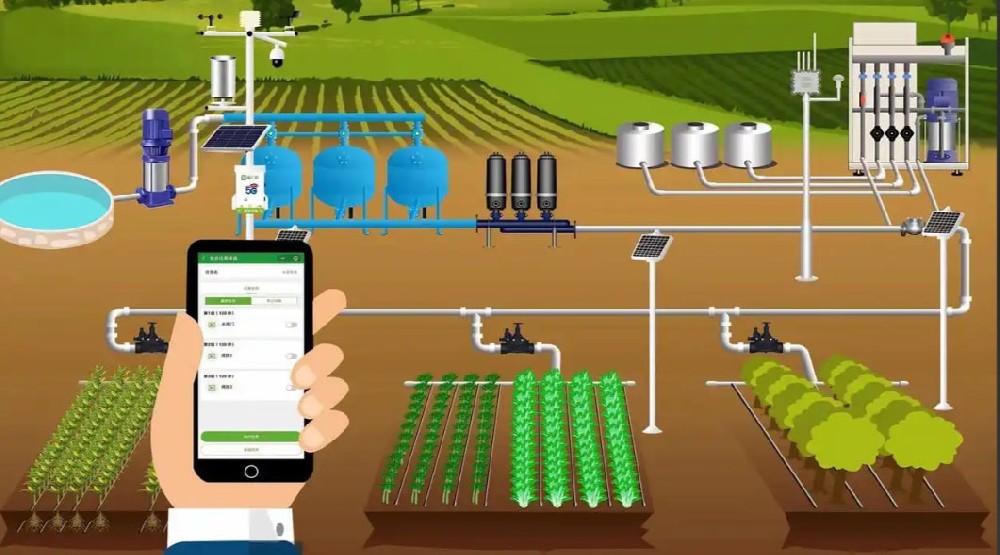
The following is an illustrative system configuration for a 100-hectare wheat production area. It demonstrates a possible equipment selection approach rather than reporting the results of a completed customer project.
The farm can be divided into monitoring zones according to soil characteristics, irrigation distribution, topography and crop development.
| System Component | Configuration Approach |
|---|---|
| Soil Moisture Monitoring | Deploy sensors at representative locations within each selected management zone. |
| Monitoring Depths | Select depths according to the active root zone and soil profile. |
| Agricultural Weather Station | Install at a representative site and add further stations if local weather variability requires them. |
| Data Acquisition | Select compatible loggers according to sensor interfaces, cable distances and monitoring locations. |
| Remote Communication | Evaluate cellular coverage and select appropriate gateway configurations. |
| Optional Irrigation Automation | Use separately configured irrigation controllers, pumps and valves where automatic operation is required. |
Actual sensor quantities and installation positions should be determined after evaluating the field layout, soil variability, irrigation zones and monitoring objectives.
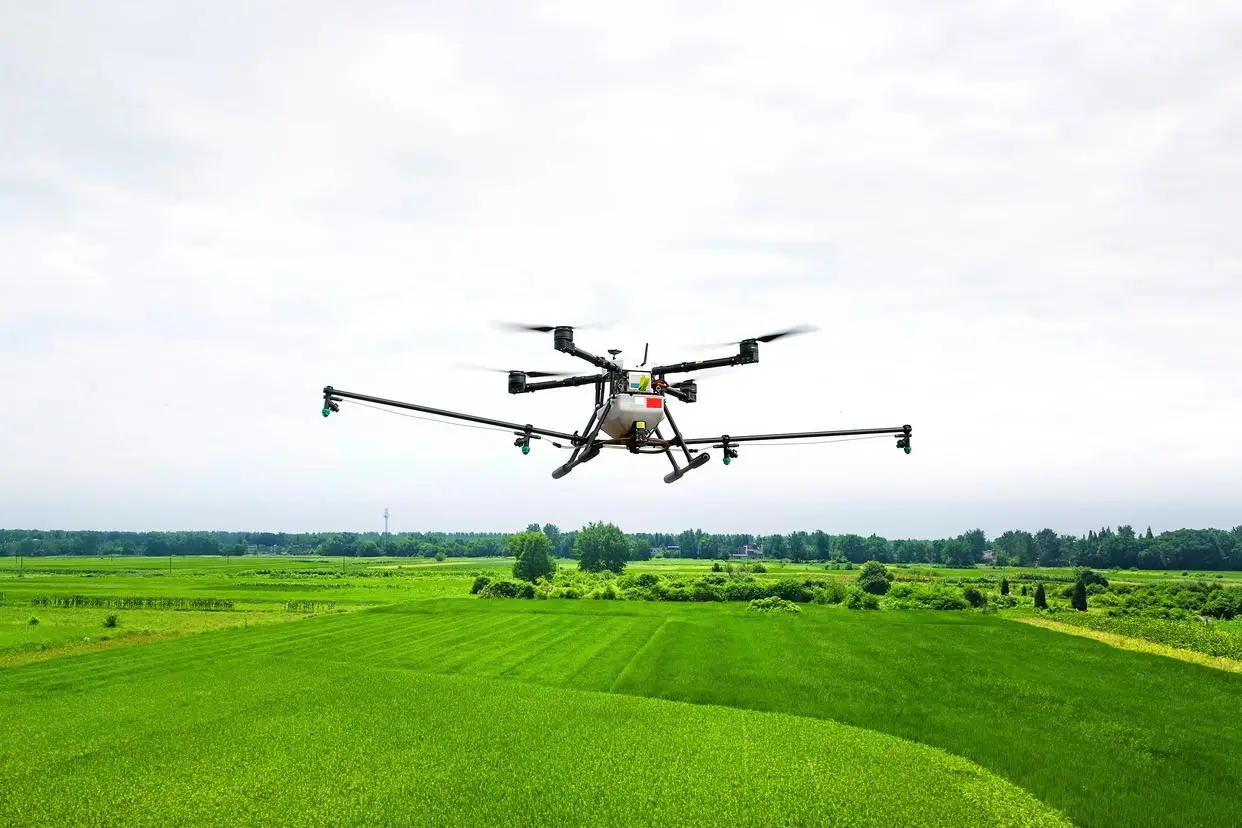
The financial value of precision agriculture monitoring depends on the agricultural production system and the improvements achieved through better management decisions.
Potential evaluation indicators include:
Irrigation water consumption per hectare.
Energy consumption associated with irrigation.
Fertilizer consumption and application costs.
Time spent on manual environmental observations.
Crop yield and marketable production.
Equipment purchase, installation and maintenance costs.
Communication and monitoring service expenses.
A simple investment payback estimate can be calculated using the following relationship:
Payback Period (Years) = Initial Investment / Annual Net Financial Benefit
Annual net financial benefit should account for verified savings or additional income after subtracting recurring monitoring and operating costs.
If the annual net financial benefit is zero or negative, a positive simple payback period cannot be established.
Actual crop yield improvements, resource savings and payback periods must be evaluated using project-specific data. Monitoring equipment alone does not guarantee a particular financial return.
Before purchasing agricultural monitoring equipment, define the following project requirements.
| Project Information | Requirements to Confirm |
|---|---|
| Agricultural Application | Open-field crops, orchards, vineyards, greenhouses or agricultural research |
| Field Area and Layout | Total area, plot dimensions and irrigation management zones |
| Crop Type | Crop species, growth stages and expected root depths |
| Soil Conditions | Soil texture, drainage characteristics, salinity and growing medium |
| Required Measurements | Soil moisture, temperature, EC, pH, rainfall and other meteorological variables |
| Monitoring Locations | Number of stations, sensor quantities and installation depths |
| Irrigation Method | Drip, sprinkler, center-pivot, surface irrigation or rainfed agriculture |
| Communication | Sensor interfaces, cellular coverage, Ethernet or other compatible networks |
| Power Supply | Grid electricity, DC power or solar-powered field stations |
| Data Platform | NiuBoL monitoring platform or compatible third-party software |
| Automation Requirements | Existing irrigation controllers, PLCs, pumps, valves or fertigation equipment |
Providing these details helps determine suitable sensor models, monitoring quantities, communication configurations and power supply requirements.
Common precision agriculture sensors include soil moisture sensors, soil temperature sensors, electrical conductivity sensors, soil pH sensors, rainfall gauges, air temperature and humidity sensors, wind sensors, solar radiation sensors and leaf wetness sensors.
The appropriate combination depends on crop requirements and monitoring objectives.
There is no universal sensor quantity per hectare. The required number depends on soil variability, crop distribution, irrigation zones, root depth and the spatial resolution required by the project.
TDR sensors evaluate the propagation response of electromagnetic pulses through a sensing probe, while FDR sensors evaluate dielectric-related characteristics using frequency-domain measurement techniques.
Both methods can estimate soil water content. Actual measurement performance depends on sensor design, calibration, soil properties and installation conditions.
No. EC represents overall electrical conductivity and cannot independently identify individual nutrient concentrations. Integrated NPK outputs based on empirical electrical relationships should be treated as reference values.
Laboratory soil testing is recommended when quantitative nutrient analysis is required.
The monitoring equipment provides environmental measurements that can be used by a compatible external irrigation controller or PLC. Automatic operation requires appropriate control hardware, actuators and separately configured operating logic.
Yes, provided that the existing controller and selected sensors support compatible electrical interfaces, communication protocols and data formats.
Many NiuBoL agricultural sensors provide RS485 Modbus RTU communication for integration with compatible equipment.
Yes. Remote stations can be configured with suitable solar panels, rechargeable batteries and charge controllers. Required capacity depends on the total equipment power consumption, local solar conditions and backup operating time.
The standard NiuBoL cloud platform supports monitoring data viewing but does not provide automatic SMS or email alerts. Automatic notifications require a compatible external monitoring platform or dedicated alerting equipment.
No. Monitoring provides information that can support improved agricultural management. Crop yield depends on crop variety, soil conditions, water availability, climate, nutrition, pest management and other factors.
The payback period depends on equipment costs, farm conditions, existing agricultural practices and verified financial benefits. It should be calculated using project-specific investment and operating data rather than a universal estimate.
Product documentation and technical integration assistance can be provided according to the selected equipment. Installation, commissioning and training service requirements should be agreed upon separately for each project.

System architecture note: The illustration represents a conceptual agricultural monitoring and automation architecture. The standard NiuBoL cloud platform provides monitoring data viewing. Automatic irrigation, pump and valve operation require suitable external control hardware and compatible software.
NiuBoL provides agricultural sensors, meteorological instruments, data acquisition equipment and configurable IoT monitoring solutions for agricultural distributors, system integrators, irrigation equipment suppliers, research organizations and commercial farming projects.
Available equipment can be selected according to soil measurement requirements, local weather conditions, installation locations, communication interfaces and data integration objectives.
Whether the project requires an individual soil moisture sensor, a multi-depth soil monitoring station, an agricultural weather station or a distributed environmental monitoring network, NiuBoL offers configurable measurement and data acquisition equipment.
Explore our agricultural soil sensors, weather station sensors and data loggers and IoT gateways to configure a precision agriculture monitoring system for your project.
Prev:Solutions for Building a Smart Greenhouse System
Next:Greenhouse Monitoring System | Smart Climate Control & Crop Protection with Niubol
Related recommendations
Sensors & Weather Stations Catalog
 Agriculture Sensors and Weather Stations Catalog-NiuBoL.pdf
Weather Stations Catalog-NiuBoL.pdf
Agriculture Sensors Catalog-NiuBoL.pdf
Water Quality Sensor Catalog-NiuBoL.pdf
Related products
 Combined air temperature and relative humidity sensor
 TDR Soil Moisture & Temperature Sensor for irrigation| RS485 |4-20mA| NBL-S-THR
 Soil pH sensor RS485 soil Testing instrument soil ph meter for agriculture |NBL-S-PH
 Wind Speed sensor Output Modbus/RS485/Analog/0-5V/4-20mA
 0.2mm Tipping Bucket Rain Gauge for Weather & Hydrology | NiuBoL
 Pyranometer Solar Radiation Sensor 4-20mA/RS485


Screenshot, WhatsApp to identify the QR code
WhatsApp number:+8615367865107
(Click on WhatsApp to copy and add friends)

