





— Blogs —
—Products—
 Consumer hotline +8618073152920
 WhatsApp:+8615367865107
Address:Room 102, District D, Houhu Industrial Park, Yuelu District, Changsha City, Hunan Province, China
Product knowledge
Time:2026-09-18 13:00:00 Popularity:14
Dissolved oxygen work changes sharply between ponds, aeration basins, and clean-water checks because bubbles, depth, and biological load affect the reading. For fluorescence do sensor vs electrochemical do sensor, separate confirmed NiuBoL product facts from the range, accessory, and host details that still need RFQ confirmation.
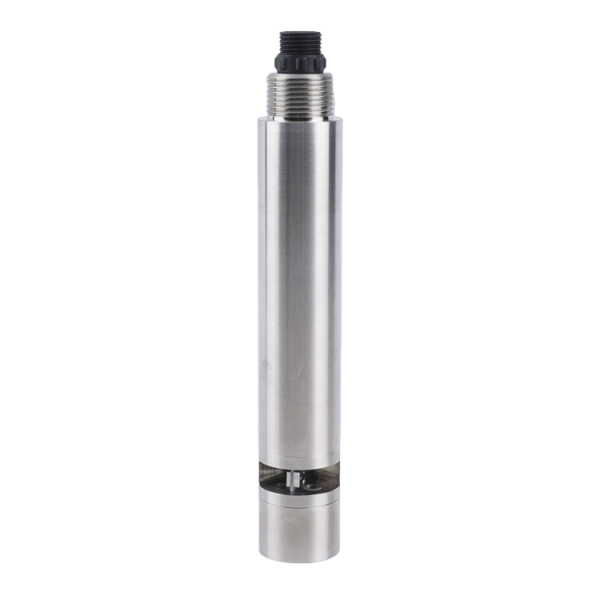
Fluorescence do sensor vs electrochemical do sensor should be described from the actual water contact point: process water, cooling water, boiler support, RO pretreatment, or plant discharge. State the operating purpose of fluorescence do vs electrochemical do explicitly because trending, process control and discharge release require different alarm and evidence rules.
The useful dissolved oxygen record for fluorescence do sensor vs electrochemical do sensor says where the water came from, how fast the condition moves, and who responds when the value changes.
The site risk to write down for fluorescence do sensor vs electrochemical do sensor is grounding noise.
| NiuBoL item | Documented or selectable basis | Project role |
|---|---|---|
| NBL-WQ-DO optical dissolved oxygen sensor | fluorescence dissolved oxygen measurement for fluorescence do sensor vs electrochemical do sensor; no electrolyte replacement in the selection scope; RS485 Modbus RTU output in the selection scope; 12-24VDC supply in the selection scope | Fits points where dissolved oxygen supports membrane protection, scaling control, corrosion warning, utility-water release, and process diagnostics for this selection scope. |
| Mounting, controller, logger, gateway, cabinet, or power option | Selected from site layout, cable distance, enclosure, host, and access requirement | Keeps fluorescence do sensor vs electrochemical do sensor from being quoted as a loose probe when the job needs an installed package. |
For fluorescence do sensor vs electrochemical do sensor, the quoted product basis starts with NBL-WQ-DO optical dissolved oxygen sensor. Any added item for fluorescence do sensor vs electrochemical do sensor should state whether it handles mounting, control output, logging path, power, or monitoring scope.
Keep the technical file honest for fluorescence do sensor vs electrochemical do sensor.
A consumer weather monitoring equipment device can connect when the selected product provides the required interface. A fluorescence do vs electrochemical do station may combine RS485 Modbus RTU sensors with pulse or analog channels for rain, radiation or legacy instruments. Before commissioning Fluorescence DO Sensor vs Electrochemical DO Sensor, obtain the wiring definition, communication settings, register map, data type, scaling and engineering units.
For quotation, describe the fluorescence do sensor vs electrochemical do sensor point as a mounted job.
| Host or data path | Set before commissioning | Proof to keep |
|---|---|---|
| RTU cabinet | power recovery, grounding, surge path, and missing-data alarm; tag tied to fluorescence do sensor vs electrochemical do sensor | restart record and uploaded trend |
| data logger | sample interval, memory depth, clock source, and export format; tag tied to fluorescence do sensor vs electrochemical do sensor | downloaded CSV or platform trend |
| SCADA screen | tag name, unit, decimal place, alarm class, and operator note; tag tied to fluorescence do sensor vs electrochemical do sensor | screen capture with live value |
| cloud platform | gateway mapping, alarm recipient, site name, and channel order; tag tied to fluorescence do sensor vs electrochemical do sensor | remote alarm and history screen |
Do not accept communication on wiring alone.
For multi-channel work, finish the fluorescence do sensor vs electrochemical do sensor channel before wiring the next probe. During fluorescence do vs electrochemical do acceptance, save a screenshot showing the engineering unit, tag and site name together.
Before ordering fluorescence do sensor vs electrochemical do sensor, check whether the selected point can be mounted, powered, cleaned, and connected without redesign.
A good offer comparison for fluorescence do sensor vs electrochemical do sensor uses one table of confirmed facts and one list of open items. That lets distributors and integrators compare equal scope without hiding site-dependent work.
The final selection paragraph should point to the decision the reading supports. On this site, start with release treated discharge; a parameter without an action is a weak procurement reason. Selection of Fluorescence DO Sensor vs Electrochemical DO Sensor should begin with the measurement duty, site condition and receiving-system interface.
For fluorescence do sensor vs electrochemical do sensor, make the open questions explicit. Range, cable, mounting, controller, gateway, and comparison method should remain RFQ items until NiuBoL confirms the ordered configuration.
If fluorescence do sensor vs electrochemical do sensor compares two approaches, state what changes in the field. Different ranges, principles, sample paths, or host outputs matter more than a broad claim that one option is better.
A1: Before comparing offers, start with water matrix and the action tied to dissolved oxygen. Then match NBL-WQ-DO optical dissolved oxygen sensor and any required controller or station equipment to that real point.
A2: For fluorescence do vs electrochemical do, document the normal band, alarm threshold and credible peak at the selected measuring point when site records are available. Measurement-point record for environmental monitoring system: Record the agreed range, alarm response, interface check and maintenance evidence in the commissioning or acceptance file. The required class of Fluorescence DO Sensor vs Electrochemical DO Sensor depends on whether the project needs continuous data, remote alarms or documented handover records.
A3: For fluorescence do sensor vs electrochemical do sensor, name the host first: PLC, RTU, logger, controller, or platform.
A4: Integration note for environmental monitoring system: Those details often decide whether the selected model will hold trust. The fluorescence do vs electrochemical do site-review record should capture the approved range, alarm response, interface test and maintenance evidence required for acceptance. During Fluorescence DO Sensor vs Electrochemical DO Sensor commissioning, verify this point and retain the result in the acceptance file.
A5: The sensor body is only one element of a complete fluorescence do vs electrochemical do measuring point. Supply-scope check for environmental monitoring system: Record the agreed range, alarm response, interface check and maintenance evidence in the commissioning or acceptance file. Installation quality is part of measurement quality for Fluorescence DO Sensor vs Electrochemical DO Sensor, so exposure and service access must be checked together.
A6: Project requirement for environmental monitoring system: At the selected measuring point, compare the installed scope, not the shortest product name. Apply this decision specifically to Fluorescence DO Sensor vs Electrochemical DO Sensor.
A7: For fluorescence do sensor vs electrochemical do sensor, do not invent accuracy, certification, reagent life, chemical resistance, or detection limits when they are not in the verified product material. Put them into the RFQ for confirmation.
A8: In the RFQ, no. Acceptance check for environmental monitoring system: Online data gives continuous trend and alarm evidence, while formal reporting or disputes may still need the owner's sampling or laboratory method. Apply this decision specifically to Fluorescence DO Sensor vs Electrochemical DO Sensor.
| Offer item | What to compare | Decision use |
|---|---|---|
| Fixed product data | fluorescence dissolved oxygen measurement for fluorescence do sensor vs electrochemical do sensor; no electrolyte replacement checked before quotation; RS485 Modbus RTU output checked before quotation | Write directly into the comparison sheet. |
| Open configuration | dissolved oxygen range, cable run, accessory choice, output path, host mapping, and service material | Ask NiuBoL to confirm before price comparison. |
| Installed scope | NBL-WQ-DO optical dissolved oxygen sensor with holder, controller, gateway, power, or startup support when temperature, chemical dosing points, grounding, and service isolation should be settled early requires it | Compare complete measuring points, not bare names. |
A good handover pack for fluorescence do sensor vs electrochemical do sensor reads like field evidence, not sales wording.
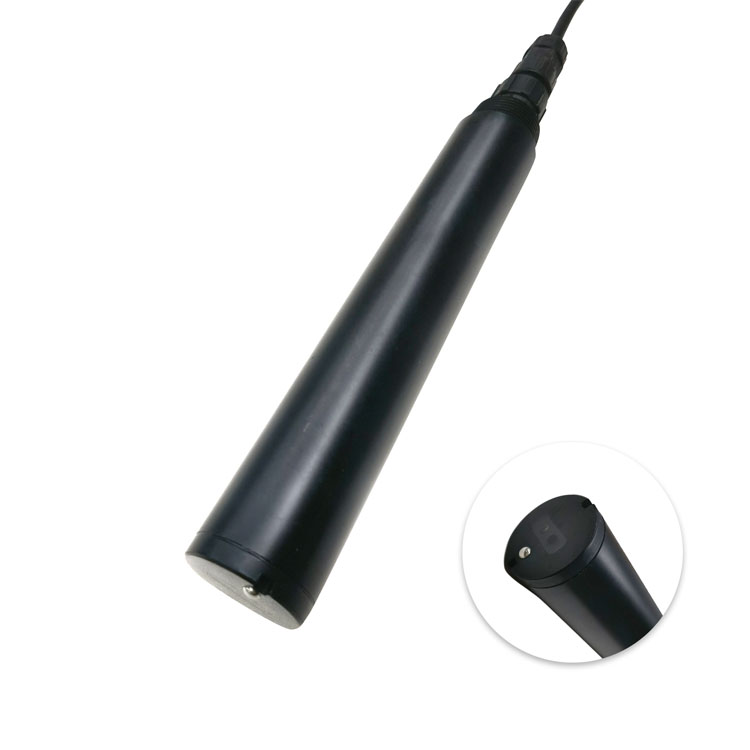
Close fluorescence do sensor vs electrochemical do sensor by separating verified NiuBoL facts from RFQ questions so offers can be compared by the same installed scope.
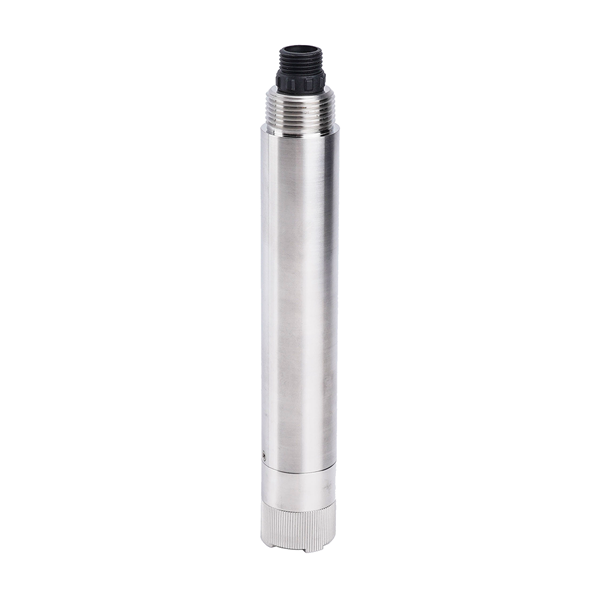
For fluorescence do sensor vs electrochemical do sensor, choose between NBL-WQ-DO optical dissolved oxygen sensor and related equipment by range, output, site risk, accessories, and whether the reading supports the buyer's actual decision.
Prev:Optical Dissolved Oxygen Sensor for Aquaculture and Aeration Control
Next:RS485, Modbus RTU, Device Address, Registers and CRC: A Complete Sensor Communication Guide
Related recommendations
Sensors & Weather Stations Catalog
 Agriculture Sensors and Weather Stations Catalog-NiuBoL.pdf
Weather Stations Catalog-NiuBoL.pdf
Agriculture Sensors Catalog-NiuBoL.pdf
Water Quality Sensor Catalog-NiuBoL.pdf
Related products
 Combined air temperature and relative humidity sensor
 Soil Moisture Temperature sensor for irrigation|NBL-S-THR
 Soil pH sensor RS485 soil Testing instrument soil ph meter for agriculture |NBL-S-PH
 Wind Speed sensor Output Modbus/RS485/Analog/0-5V/4-20mA
 Tipping bucket rain gauge for weather monitoring auto rainfall sensor RS485/Outdoor/stainless steel
 Pyranometer Solar Radiation Sensor 4-20mA/RS485

Screenshot, WhatsApp to identify the QR code
WhatsApp number:+8615367865107
(Click on WhatsApp to copy and add friends)

