





— Blogs —
—Products—
 Consumer hotline +8618073152920
 WhatsApp:+8615367865107
Address:Room 102, District D, Houhu Industrial Park, Yuelu District, Changsha City, Hunan Province, China
Product knowledge
Time:2026-05-14 16:45:01 Popularity:452
The composition of organic pollutants in wastewater is complex. Actual industrial wastewater may contain dozens or even hundreds of organic compounds such as alcohols, esters, aromatic hydrocarbons, organic acids, and surfactants. It is not feasible in engineering practice to perform qualitative and quantitative analysis on each one individually.
All organic substances share two common characteristics: first, their molecular structure contains at least carbon and hydrogen elements; second, the vast majority of organic matter can be decomposed into carbon dioxide and water during chemical oxidation or microbial metabolism, a process accompanied by oxygen consumption. There is a linear correlation between the concentration of organic matter and oxygen consumption.
Based on this principle, two comprehensive indicators have been established in the field of environmental engineering:
Chemical Oxygen Demand (COD): The amount of oxygen consumed when organic matter and reducing inorganic substances in a water sample are oxidized by chemical oxidants such as potassium dichromate under strong acid conditions, expressed in mg/L.
Biochemical Oxygen Demand (BOD): The amount of dissolved oxygen consumed by microorganisms decomposing organic matter in water under constant temperature and dark conditions at 20°C. The conventional detection period is 5 days, recorded as BOD5.
Both indicators can reflect the overall level of organic pollutants in wastewater with a single value. The detection process is highly standardized, so they are widely used in wastewater analysis, treatment process design, and environmental compliance assessment.
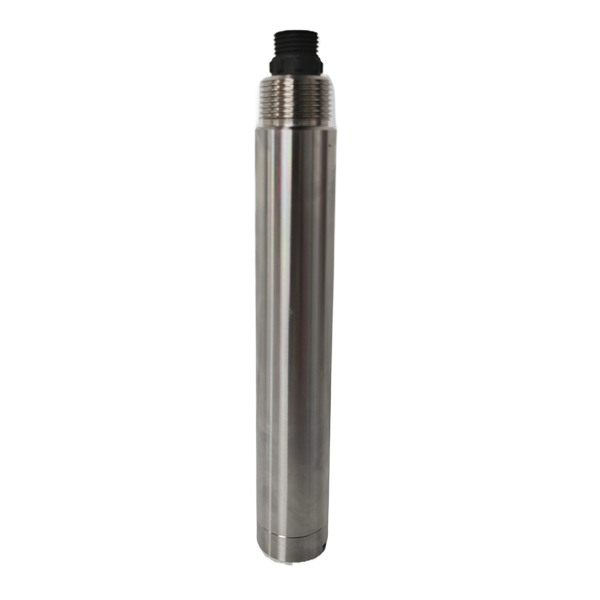
COD determination is not limited by the biodegradability of organic matter and can detect most organic substances, including refractory ones. However, COD cannot distinguish between organic matter and reducing inorganic substances.
In actual wastewater treatment projects, COD test results may be interfered with by the following inorganic substances:
| Interfering Substance Type | Common Source | Impact on COD Detection |
|---|---|---|
| Sulfide (S²⁻) | Anaerobic process effluent | Positive interference, causing falsely high COD |
| Ferrous Ion (Fe²⁺) | Iron-carbon micro-electrolysis, coagulation precipitation | Positive interference, requires complete oxidation and removal |
| Sodium Sulfite (Na₂SO₃) | Dechlorination dosing | Positive interference |
| Chloride Ion (Cl⁻) | Raw water or chemical introduction | Requires mercury sulfate masking, otherwise positive error occurs |
BOD₅ directly reflects the content of organic matter in sewage that can be degraded by microorganisms and can evaluate pollution load and the suitability of treatment processes from a biochemical perspective. However, this indicator has the following engineering limitations:
Long detection cycle: The standard method requires 5 days of cultivation and cannot meet real-time process control needs.
Microbial activity dependence: For industrial wastewater containing toxic substances such as bactericides and antibiotics, microorganisms cannot metabolize normally, making BOD₅ results unreliable.
Strict operating conditions: Dissolved oxygen, pH, temperature, and microbial population must be maintained stable.
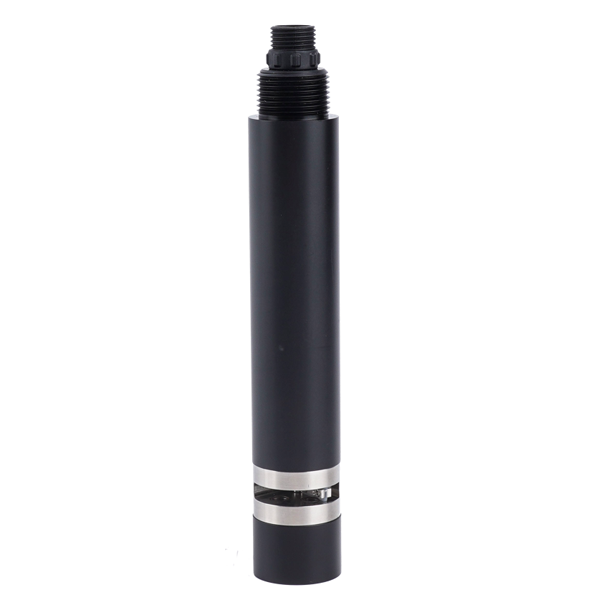
| Comparison Dimension | CODCr | BOD₅ |
|---|---|---|
| Oxidation Method | Chemical oxidation (potassium dichromate, reflux 2h) | Biological oxidation (microbial metabolism, 5d/20℃) |
| Detection Object | All organic matter + reducing inorganic matter | Biodegradable organic matter |
| Detection Cycle | 3~4h (standard reflux method) | 5d |
| Applicability for On-site Process Control | High, can be used for rapid regulation | Low, serious lag |
For wastewater systems with relatively fixed pollutant sources, there is a calculable proportional relationship between CODCr and BOD5. The common B/C ratio (BOD5/CODCr) ranges for different water quality types are as follows:
| Wastewater Type | BOD₅/CODCr Range | Biodegradability Assessment |
|---|---|---|
| Municipal Domestic Sewage | 0.45 ~ 0.65 | High |
| Food Processing Wastewater | 0.50 ~ 0.70 | High |
| Papermaking Wastewater | 0.20 ~ 0.35 | Medium |
| Printing and Dyeing Wastewater | 0.15 ~ 0.30 | Low |
In biochemical treatment systems such as AO, AAO, SBR, and MBR, fluctuations in influent COD directly affect sludge load, dissolved oxygen demand, and carbon source dosing. Online COD monitoring data can be connected to PLC/DCS systems for regulating inlet lift pump frequency, controlling aeration intensity and dissolved oxygen setpoints, calculating external carbon source dosing ratios, and judging sludge poisoning or inhibition status.
Environmental supervision requires regular testing of COD and BOD5. Discharge standards refer to GB 8978-1996 "Integrated Wastewater Discharge Standard" and industry-specific standards. First-class discharge standards typically require: COD ≤ 100mg/L, BOD₅ ≤ 30mg/L.
Q1: Which indicator, COD or BOD, better reflects the actual pollution level of water bodies?
They reflect different dimensions. BOD5 is closer to the actual dissolved oxygen consumed during the self-purification process of water bodies and is suitable for assessing the impact on receiving water bodies; COD reflects the total organic load and is suitable for process design and discharge control. In actual engineering, both are used together.
Q2: Why is COD always higher than BOD5?
COD detection covers all organic matter and reducing inorganic substances; BOD5 only detects organic matter that can be degraded by microorganisms within 5 days. The difference mainly comes from refractory organic matter and reducing inorganic substances.
Q3: What causes BOD5 to be unmeasurable in industrial wastewater?
Possible reasons include toxic substances in the wastewater that inhibit microbial activity (such as heavy metals, cyanides, phenols, antibiotics); initial pH outside the 5.5~8.5 range; insufficient dissolved oxygen or lack of necessary nutrients (nitrogen, phosphorus).
Q4: How to select treatment processes based on the COD/BOD5 ratio?
When BOD5/COD > 0.4, direct biochemical treatment can be used; 0.2~0.4 requires hydrolysis acidification pretreatment; < 0.2 suggests advanced oxidation (Fenton, ozone, etc.) + biochemical combined process.
Q5: What are the reasons for deviation between online COD monitoring values and laboratory reflux method values?
Common deviation reasons: differences in water sample representativeness (uneven distribution of suspended particles); differences in digestion time, oxidant concentration, and temperature conditions between online equipment and laboratory; ineffective elimination of chloride interference.
COD and BOD, as comprehensive indicators of organic pollutants in wastewater, have irreplaceable value in engineering applications by reflecting complex organic pollution loads with a single detection parameter. COD has a short detection cycle and wide applicability, making it suitable as a core parameter for process control and influent early warning; although BOD5 has detection lag, it can evaluate water body self-purification capacity and biochemical treatment suitability from the perspective of biodegradability, serving as a key basis in the process design stage.
In actual system integration projects, the following strategies are recommended:
Conduct long-term simultaneous testing of COD and BOD5 to establish a B/C ratio database for specific water qualities.
Use online COD monitoring data as the basis for daily control and link with PLC to automatically adjust process parameters.
Conduct regular BOD5 spot checks to verify the actual degradation efficiency of the biochemical system.
Pay attention to interference from reducing inorganic substances, especially after process units such as iron-carbon micro-electrolysis and chemical dechlorination.
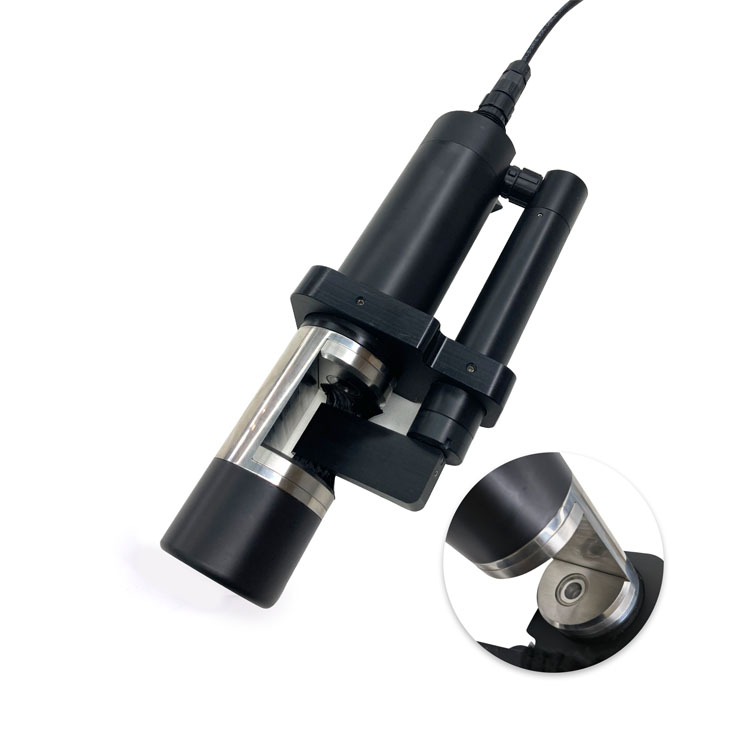
NiuBoL's COD/BOD water quality analysis instruments support multiple protocol outputs including Modbus RTU, Modbus TCP, and 4-20mA, and can be directly connected with existing SCADA systems to meet the integration needs of industrial wastewater treatment, municipal sewage plants, and environmental online monitoring projects.
 NBL-WQ-CL Water Quality Sensor Online Residual Chlorine Sensor.pdf
NBL-WQ-DO Online Fluorescence Dissolved Oxygen Sensor.pdf
NBL-WQ-NHN Ammonia Nitrogen Water Quality Sensor.pdf
NBL-WQ-COD Online Water Quality COD Sensor.pdf
NBL-WQ-PH Online pH Water Quality Sensor.pdf
NBL-WQ-EC water quality conductivity sensor.pdf
Next:BOD5 Determination Methods and Application of Online BOD Sensors in Wastewater Treatment Engineering
Related recommendations
Sensors & Weather Stations Catalog
Agriculture Sensors and Weather Stations Catalog-NiuBoL.pdf
Weather Stations Catalog-NiuBoL.pdf
Agriculture Sensors Catalog-NiuBoL.pdf
Water Quality Sensor Catalog-NiuBoL.pdf
Related products
 Combined air temperature and relative humidity sensor
 TDR Soil Moisture & Temperature Sensor for irrigation| RS485 |4-20mA| NBL-S-THR
 Soil pH sensor RS485 soil Testing instrument soil ph meter for agriculture |NBL-S-PH
 Wind Speed sensor Output Modbus/RS485/Analog/0-5V/4-20mA
 Tipping bucket rain gauge for weather monitoring auto rainfall sensor RS485/Outdoor/stainless steel
 Pyranometer Solar Radiation Sensor 4-20mA/RS485

Screenshot, WhatsApp to identify the QR code
WhatsApp number:+8615367865107
(Click on WhatsApp to copy and add friends)

