





— Blogs —
—Products—
 Consumer hotline +8618073152920
 WhatsApp:+8615367865107
Address:Room 102, District D, Houhu Industrial Park, Yuelu District, Changsha City, Hunan Province, China
Product knowledge
Time:2026-05-13 11:51:25 Popularity:383
Urban sewage treatment plants have used COD as the main assessment indicator for many years. In actual operation, abnormal effluent COD is often not caused by a single factor, but the combined result of influent water quality, biochemical system operating conditions, and inorganic reducing substances. Accurately identifying the causes is the prerequisite for formulating targeted solutions.
COD (Chemical Oxygen Demand) refers to the amount of oxygen consumed by reducing substances in a water sample under certain conditions. It essentially reflects the total amount of reducing substances in water, rather than purely organic matter content. In conventional sewage, reducing substances are mainly organic matter, so the two are often regarded as equivalent. However, the actual measured value also includes inorganic reducing substances such as nitrite, sulfide, and ferrous salts, resulting in COD values higher than the true oxygen consumption of organic matter.
This is particularly typical during the commissioning stage of high ammonia nitrogen wastewater: nitrite accumulation during short-range nitrification will directly push up COD readings, while organic matter removal may not have deteriorated. Such interference frequently occurs during periods of complex influent water quality or process adjustments, requiring precise judgment by distinguishing organic and inorganic contributions.
The biochemical system is the core link for COD removal, and its stability directly determines the effluent compliance rate. Common influencing factors include:
Temperature fluctuations: Microbial activity is sensitive to temperature; seasonal changes or sudden low temperatures will reduce the rate of organic matter decomposition.
Imbalanced nutrient ratio: Long-term imbalance of C:N:P leads to decreased sludge activity and reduced metabolic efficiency.
Dissolved oxygen (DO) fluctuations: Insufficient or excessive aeration affects aerobic microbial activity.
Toxic substance shock: Industrial mixing or sudden pollutants cause sludge poisoning.
High salt environment: Excessive salt inhibits microbial metabolism.
Sludge aging: Degradability of aged sludge decreases.
Poor front-end anaerobic hydrolysis effect: Reduced biodegradability increases treatment difficulty in the subsequent aerobic section.
Excessive aeration: Floc fragmentation releases tiny particulate matter, increasing effluent COD.
These factors often overlap, requiring real-time monitoring data to support operation adjustment.
Influent water volume and quality fluctuations are another major cause. When the regulating tank buffering capacity is insufficient, peak flow will shorten the hydraulic retention time (HRT) of the biochemical tank, causing organic matter to be discharged without sufficient degradation. At the same time, sudden high-concentration organic loads or toxic substances will also disrupt system balance, leading to abnormal effluent COD.
Overall, COD exceedance is a systemic problem. Relying solely on intermittent laboratory testing makes it difficult to capture dynamic changes. Online continuous monitoring has become a key technical means to improve operational levels.
Although the traditional potassium dichromate method is the standard method, it has problems such as reagent consumption, secondary pollution, and time lag. The ultraviolet absorption online COD sensor achieves reagent-free, real-time monitoring by measuring the absorption of specific wavelength ultraviolet light by organic matter, significantly improving response speed and data continuity.
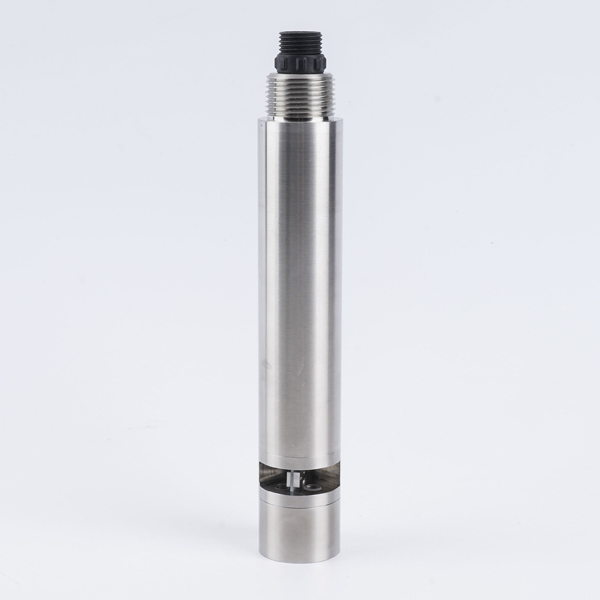
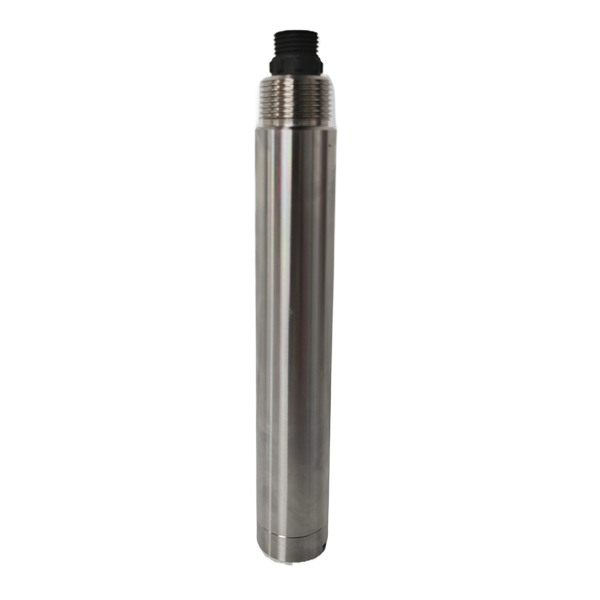
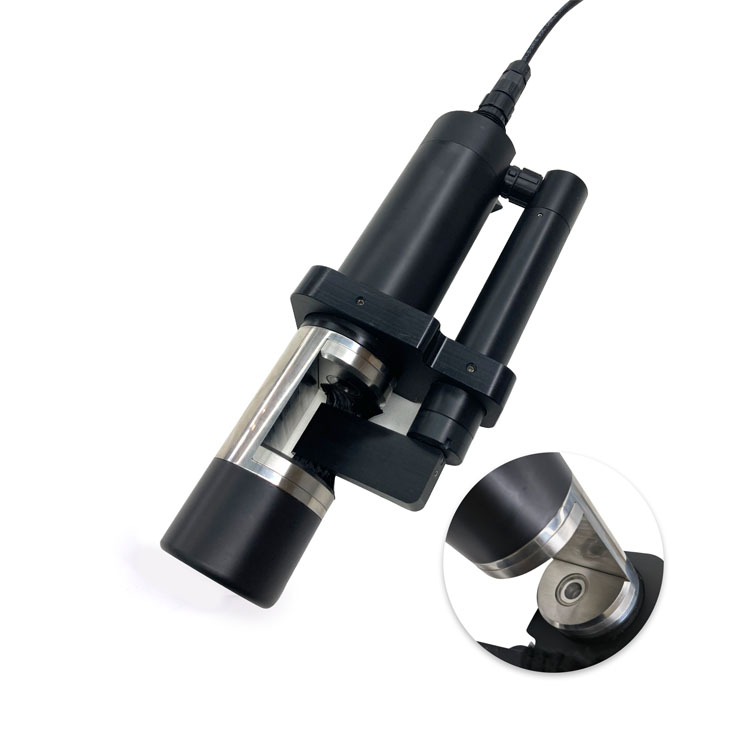
As a professional water quality monitoring equipment manufacturer, NiuBoL focuses on providing stable and reliable products for system integrators, IoT solution providers, and environmental protection engineering companies. The NBL-WQ-COD-408-S online COD sensor is a solution developed specifically for the complex working conditions of urban sewage treatment plants.
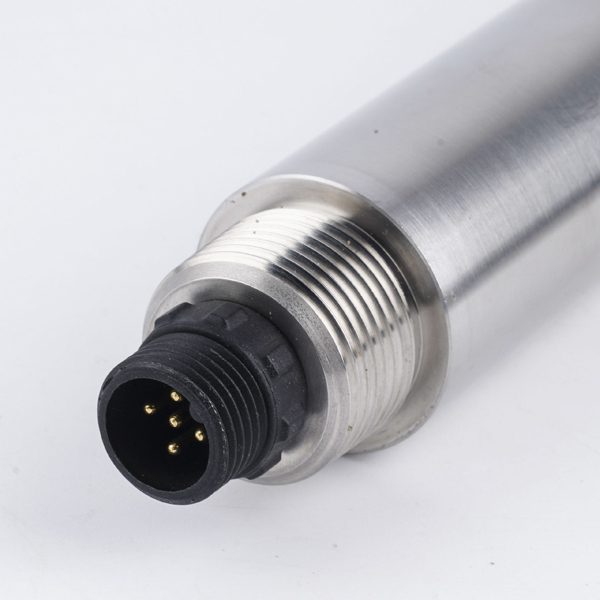
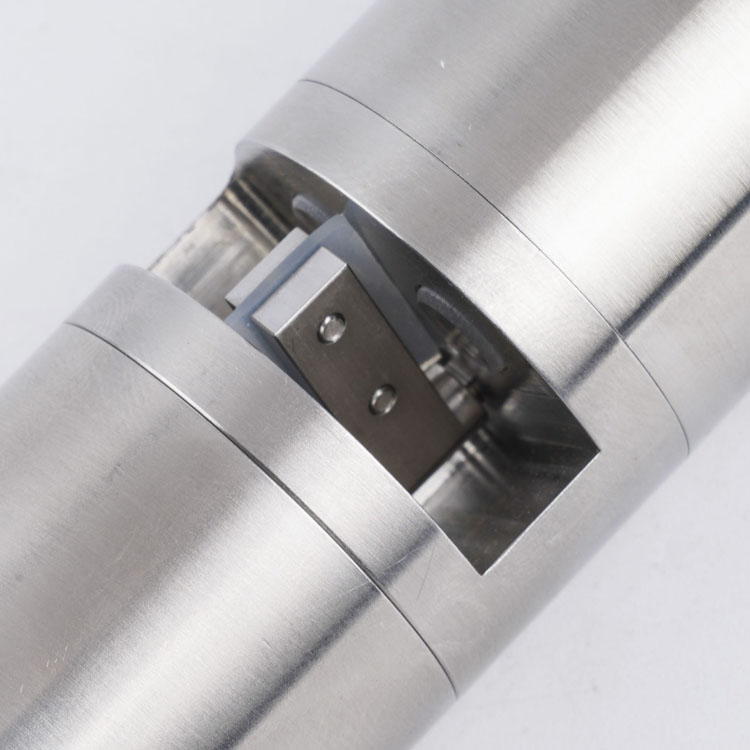
The NBL-WQ-COD-408-S adopts the dual-wavelength ultraviolet absorption method. One 254nm ultraviolet light measures the absorption of dissolved organic matter in water, and the other reference light is used for turbidity compensation. Through algorithm correction of light path attenuation and particulate interference, high-stability measurement is achieved. This method responds quickly to dissolved organic pollutants and can effectively reduce the impact of suspended solids and turbidity on the results.
Main Features:
No reagents required, no secondary pollution, economical and environmentally friendly
Compact size, supports submersible installation, online continuous monitoring
Simultaneous measurement of COD, turbidity and temperature
Automatic turbidity interference compensation
Built-in cleaning brush to reduce biofilm attachment
Low drift, fast response, high long-term stability
Long maintenance-free cycle and low usage cost
Supports RS-485 (Modbus RTU) and 4-20mA output
Low power consumption and anti-interference design
| Parameter | Specification |
|---|---|
| Measurement Principle | Dual-wavelength ultraviolet absorption method |
| COD Range | 0~200.0 mg/L; 0~500.0 mg/L; 0~1500.0 mg/L |
| Turbidity Range | 0~200.0 NTU; 0~400.0 NTU; 0~1000.0 NTU |
| Resolution | 0.1 |
| Accuracy | 0~200 range: ±5% of reading; other ranges ±10% or ±5%; temperature ±0.3℃ |
| Response Time (T90) | <30s |
| Minimum Detection Limit | 0.2 mg/L (0-200 range) |
| Calibration Method | Two-point calibration |
| Cleaning Method | Built-in cleaning brush |
| Temperature Compensation | Automatic temperature compensation (Pt1000) |
| Output Mode | RS-485 (Modbus RTU), 4-20mA (optional) |
| Working Conditions | 0~45℃, ≤0.2MPa |
| Shell Material | 316L stainless steel |
| Protection Rating | IP68 |
| Power Supply | 12~24V DC |
| Power Consumption | 0.4W (working) / 2W (cleaning) @12V |
When selecting an online COD sensor, it is recommended to comprehensively evaluate from the following dimensions:
Range matching: Urban sewage treatment plant effluent COD is usually low (target 30-50mg/L). Prioritize low-range high-precision models while considering high-range requirements for influent monitoring.
Anti-interference ability: Models with automatic turbidity compensation and cleaning functions are more suitable for activated sludge process environments.
Communication compatibility: Support for Modbus RTU and 4-20mA, easy to integrate with PLC, SCADA or IoT platforms.
Installation and maintenance convenience: Submersible installation and self-cleaning function can significantly reduce daily operation and maintenance workload.
Long-term stability: Prioritize products with low drift and long maintenance-free cycles to reduce full lifecycle costs.
Material durability: 316L stainless steel shell is suitable for most corrosive water qualities.
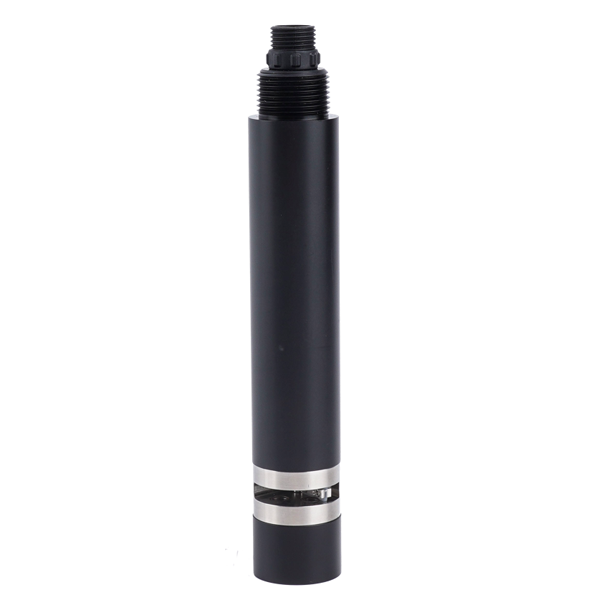
NiuBoL NBL-WQ-COD-408-S performs well in the above aspects and is suitable for urban sewage, industrial wastewater co-treatment and other scenarios.
Installation Position: Choose areas with stable water flow and no large air bubbles. Sensor immersion depth should be more than 30cm below the lowest water level to avoid water level fluctuations affecting measurement.
Fixing Method: Fix the sensor when water flow is turbulent to prevent impact on facilities. Horizontal placement is recommended, with the measurement area facing the water flow.
Cable Protection: Add protective sleeves externally to extend service life.
Electrical Connection: Use M16-5 core waterproof connectors and ensure good sealing. Power supply adopts 12-24V DC and connects to a reliable grounding system.
System Integration: Access the host computer through RS-485 Modbus RTU protocol to achieve data acquisition, remote monitoring and linkage control. It is recommended to deploy jointly with sensors such as DO and NH3-N to form a multi-parameter collaborative monitoring system.
Maintenance Recommendations: Regularly check the operating status of the cleaning brush. Two-point calibration cycle is determined according to actual water quality, generally once every 3-6 months.
Standardized installation and integration can maximize sensor performance and ensure reliable data.
Q1: What is the reason for COD exceedance but normal BOD?
There may be more refractory organic matter or interference from inorganic reducing substances (such as nitrite). It is recommended to combine ultraviolet online monitoring with laboratory analysis for joint judgment.
Q2: Is the result of ultraviolet absorption COD sensor consistent with the potassium dichromate method?
The ultraviolet method mainly measures dissolved organic matter and has a certain correlation with the national standard method but is not completely equivalent. In actual applications, a correction model can be established through on-site comparison.
Q3: Is the NBL-WQ-COD-408-S suitable for high turbidity water bodies?
The sensor has a built-in turbidity compensation algorithm that can effectively reduce suspended solids interference and is suitable for most scenarios in activated sludge processes.
Q4: How does the sensor cleaning brush work?
The device supports timed or manual triggering of cleaning, effectively preventing biofilm attachment and reducing maintenance frequency.
Q5: How to access the existing SCADA system?
It can be seamlessly integrated through RS-485 Modbus RTU or 4-20mA analog output, supporting standard industrial protocols.
Q6: Does low winter temperature affect sensor measurement?
The device has automatic temperature compensation (Pt1000) and a working temperature range of 0-45℃, which can adapt to seasonal changes.
Q7: Is there technical support for large-volume procurement?
NiuBoL provides selection guidance, installation training and after-sales technical support services for system integrators and engineering companies.
Q8: What is the sensor calibration cycle?
It is recommended to perform two-point calibration every 3-6 months according to water quality complexity. Daily drift is small.
COD compliance management in urban sewage treatment plants requires starting from cause analysis and combining advanced online monitoring technology to achieve precise regulation. NiuBoL NBL-WQ-COD-408-S online COD sensor takes dual-wavelength ultraviolet absorption method as the core, featuring stability, convenience and economy, providing reliable data support for environmental protection engineering projects.
Choosing professional and stable monitoring equipment is an important guarantee for improving operational efficiency and coping with stricter discharge standards. Welcome system integrators and engineering companies to contact NiuBoL to jointly discuss monitoring solutions suitable for the project.
 NBL-WQ-CL Water Quality Sensor Online Residual Chlorine Sensor.pdf
NBL-WQ-DO Online Fluorescence Dissolved Oxygen Sensor.pdf
NBL-WQ-NHN Ammonia Nitrogen Water Quality Sensor.pdf
NBL-WQ-COD Online Water Quality COD Sensor.pdf
NBL-WQ-PH Online pH Water Quality Sensor.pdf
NBL-WQ-EC water quality conductivity sensor.pdf
Related recommendations
Sensors & Weather Stations Catalog
Agriculture Sensors and Weather Stations Catalog-NiuBoL.pdf
Weather Stations Catalog-NiuBoL.pdf
Agriculture Sensors Catalog-NiuBoL.pdf
Water Quality Sensor Catalog-NiuBoL.pdf
Related products
 Combined air temperature and relative humidity sensor
 TDR Soil Moisture & Temperature Sensor for irrigation| RS485 |4-20mA| NBL-S-THR
 Soil pH sensor RS485 soil Testing instrument soil ph meter for agriculture |NBL-S-PH
 Wind Speed sensor Output Modbus/RS485/Analog/0-5V/4-20mA
 Tipping bucket rain gauge for weather monitoring auto rainfall sensor RS485/Outdoor/stainless steel
 Pyranometer Solar Radiation Sensor 4-20mA/RS485

Screenshot, WhatsApp to identify the QR code
WhatsApp number:+8615367865107
(Click on WhatsApp to copy and add friends)

