





— Blogs —
—Products—
 Consumer hotline +8618073152920
 WhatsApp:+8615367865107
Address:Room 102, District D, Houhu Industrial Park, Yuelu District, Changsha City, Hunan Province, China
Product knowledge
Time:2026-05-13 11:47:13 Popularity:478
In modern water treatment plants (drinking water treatment, municipal sewage, industrial wastewater), automated online instruments are the basic sensing layer equipment for achieving closed-loop control and process optimization. Their core functions include:
Continuous collection of physical parameters (pressure, liquid level, flow, temperature) and water quality analysis parameters (turbidity, pH, residual chlorine, dissolved oxygen, SCD, COD, total phosphorus, total nitrogen)
Providing real-time data sources for PLC, DCS or SCADA systems
Supporting over-limit alarms, trend recording and process interlock control
For system integrators, IoT solution providers and project contractors, the system compatibility of instruments, standardization of communication protocols, long-term stability and maintenance convenience are key evaluation dimensions in selection.
NiuBoL brand automation instrument product line covers the entire process links such as inlet pretreatment, flocculation sedimentation, filtration, disinfection, dosing control, and effluent monitoring. It supports industrial standard communication interfaces such as Modbus RTU, Modbus TCP, Profibus DP, 4-20mA, and HART, and can seamlessly connect with mainstream PLC brands (Siemens, Rockwell, Schneider, Mitsubishi, Huichuan, etc.) and third-party IoT platforms.
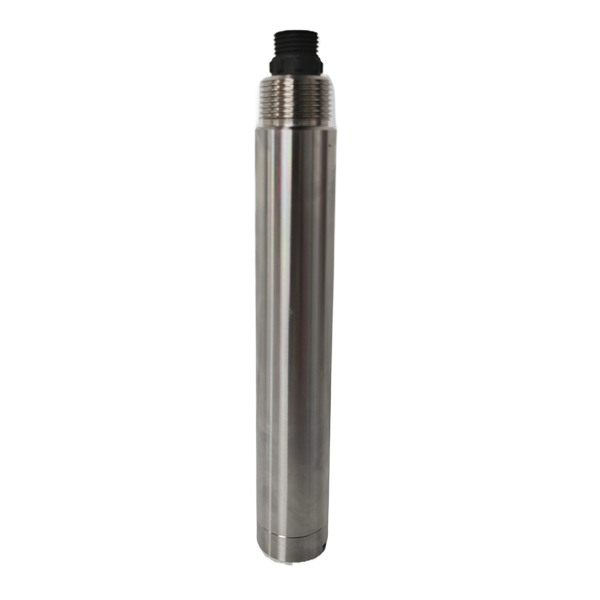
| Instrument Type | Measurement Parameter | Typical Range | Output Signal | Engineering Application Scenarios |
|---|---|---|---|---|
| Pressure Transmitter | Pipe network pressure, pump outlet pressure | 0–1.6 MPa | 4-20mA / RS485 | Pump group control, pipeline leak monitoring |
| Ultrasonic Level Meter | Tank / water tank level | 0–5 m / 0–10 m | 4-20mA / Modbus | Inlet channel, clean water tank, sludge tank |
| Electromagnetic Flow Meter | Raw water / effluent / dosing flow | DN15–DN2000 | Pulse / 4-20mA / Modbus | Water metering, chemical dosing ratio |
| Thermal Mass Flow Meter | Dosing pipeline flow | 0–200 L/h | 4-20mA | PAC, PAM dosing control |
| Instrument Type | Key Indicator | Communication Compatibility | Application Scenarios |
|---|---|---|---|
| Online Turbidity Meter | 0–100 NTU / 0–1000 NTU | Modbus / 4-20mA | Sedimentation tank effluent, filter backwash water, factory water |
| pH/ORP Meter | pH:0–14 / ORP:±1000mV | Modbus / 4-20mA | Neutralization regulation, disinfection process control |
| Residual Chlorine Analyzer | 0–5 mg/L (free chlorine/total chlorine) | Modbus / 4-20mA | Chlorination room, secondary water supply |
| Dissolved Oxygen Sensor | 0–20 mg/L | RS485 / Modbus | Biochemical tank (AO, AAO process) |
| COD Online Analyzer | 0–500 / 0–2000 mg/L | Modbus / 4-20mA / Dry contact | Influent/effluent organic pollutant monitoring |
| Ammonia Nitrogen Analyzer | 0–100 mg/L | Modbus / 4-20mA | Denitrification process control |
Selection Suggestions (for engineering companies and system integrators):
Prioritize instruments supporting dual output (analog + digital) for redundancy design and later system expansion
Water quality analysis instruments are recommended to adopt modular electrode structure to reduce operation and maintenance spare parts costs
For outdoor or corrosive environments (dosing room, sludge dewatering room), the instrument protection rating should be no less than IP65
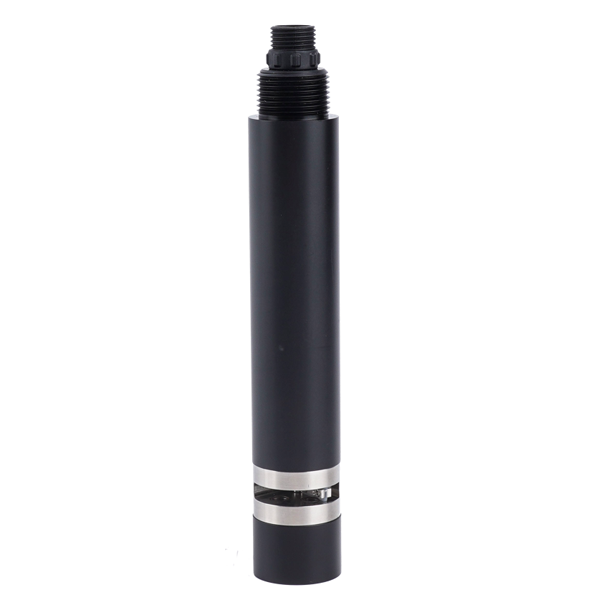
The instrument integration solution provided by NiuBoL follows a three-layer architecture:
Field Instrument Layer: Deploy NiuBoL automation instruments in each process section, outputting standard 4-20mA or RS485 (Modbus RTU) signals
Acquisition and Control Layer: Data aggregation through RTU, PLC or edge gateways, supporting data breakpoint retransmission and local logic control
Platform Layer: SCADA, IoT cloud platform or local central control system to realize whole-plant process monitoring, alarm management, historical trends and report generation
Typical protocol docking methods:
Analog signal: 4-20mA + 24VDC loop power supply, compatible with three-wire/two-wire systems
Digital communication: Modbus RTU (9600–115200 bps, 8/N/1), supporting multi-slave networking
Ethernet interface: Modbus TCP, MQTT (optional)
Project Background: A sewage treatment plant in an industrial park with a treatment scale of 20,000 tons/day. The original dosing system relied on manual adjustment, resulting in serious chemical waste and large fluctuations in effluent COD.
NiuBoL Integration Solution:
Install online COD analyzer and electromagnetic flow meter at the inlet to monitor water quality and quantity load in real time
Deploy SCD meter and pH meter at the front end of the coagulation tank to dynamically sense flocculation effect
Field PLC reads the above instrument data and automatically adjusts PAC/PAM dosing pump frequency through PID algorithm
Install online COD and turbidity meters at the effluent end to form dual closed-loop control
Implementation Results:
Chemical consumption reduced by 23%
Effluent COD stabilized within 40 mg/L (original fluctuation range 30–65 mg/L)
On-site inspection frequency of operation and maintenance personnel reduced from 4 times per day to 1 time
This solution can be replicated in municipal sewage plants, printing and dyeing wastewater, papermaking wastewater and other scenarios. NiuBoL provides instrument selection, communication docking and PLC program template support.
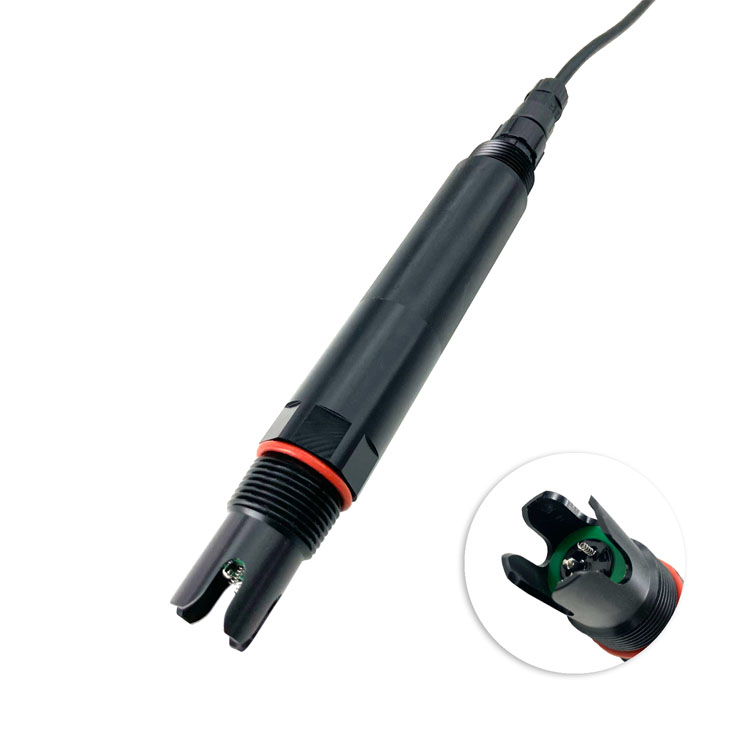
For engineering companies and project contractors, portable multi-parameter water quality analyzers are not used for continuous online monitoring but serve the following scenarios:
Site survey and baseline calibration before instrument installation
Online instrument comparison verification (such as deviation verification between portable turbidity meter and online turbidity meter)
Emergency troubleshooting (quick judgment during sudden water quality anomalies or instrument failures)
Water quality spot checks during project delivery and acceptance
| Item | Parameter Description |
|---|---|
| Measurement Indicators | COD, ammonia nitrogen, total phosphorus, total nitrogen, turbidity, pH, dissolved oxygen, residual chlorine (customizable combination) |
| Digestion Function | Built-in digestion module, can operate independently, supports COD, total phosphorus, total nitrogen digestion |
| Power Supply | Built-in lithium battery, supports 2 rounds of conventional COD digestion + measurement on full charge |
| Protection Rating | IP54 (suitable for outdoor and field environments) |
| Data Storage | 1000 sets of historical data, USB export |
| Compatibility | Can be compared with NiuBoL online instrument data, supports on-site printing (optional Bluetooth printer) |
| Problem Phenomenon | Cause Analysis | NiuBoL Solution |
|---|---|---|
| PLC frequently times out when reading RS485 data | Baud rate/parity inconsistency or excessive bus load | Provide standard Modbus address table and PLC routines (Siemens/Mitsubishi/Huichuan) |
| Large fluctuation in 4-20mA signal | Shielded cable not used or power ripple interference | Recommend split-screen twisted pair with magnetic ring on instrument side |
| Water quality analysis instrument zero drift | Electrode aging or lack of regular cleaning | Provide maintenance cycle recommendation and support remote calibration guidance |
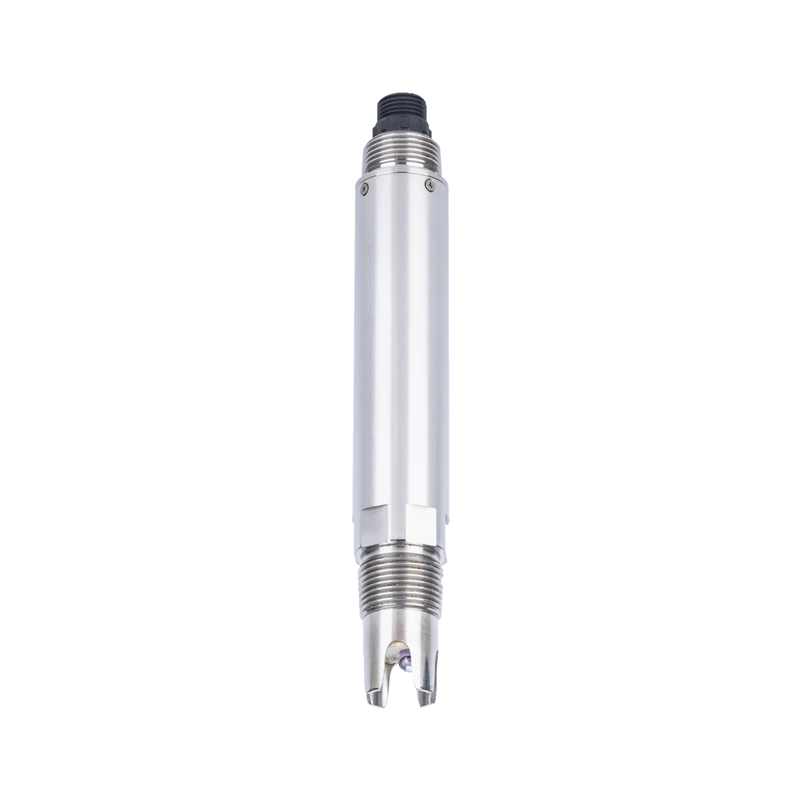
Q1: Can NiuBoL automation instruments be directly integrated with our existing SCADA system?
Yes. All online instruments support 4-20mA or Modbus RTU/TCP output and provide detailed register address tables. We have provided import templates for mainstream SCADA systems such as Siemens WinCC, KingView, Force Control, Intouch, and Ignition to quickly complete point configuration.
Q2: How to achieve remote centralized management of instrument data in multi-plant projects?
It is recommended to adopt an edge gateway + IoT cloud platform architecture. NiuBoL instruments connect to the gateway via RS485, and the gateway supports MQTT protocol upload to third-party cloud platforms or NiuBoL-Cloud (optional). Supports multi-plant data aggregation, alarm push and remote operation and maintenance work order management.
Q3: Is the portable multi-parameter water quality analyzer suitable as a comparison standard for online instruments?
It is suitable as a quick verification tool, but it is not recommended to replace laboratory standard methods. We recommend comparing the portable instrument with the online instrument at the same sampling point every two weeks. When the deviation exceeds 10%, the online sensor should be cleaned or calibrated. For comparisons requiring formal reports, national standard laboratory methods must still be followed.
Q4: For automation renovation of old water plants that have already been put into production, is production stoppage required for instrument installation?
In most cases, production stoppage is not required. NiuBoL provides bypass installation solutions (such as external ultrasonic level meters, electromagnetic flow meters installed without stopping water, and water quality analysis instruments using sampling flow cells). On-site survey and renovation solution design services can be provided.
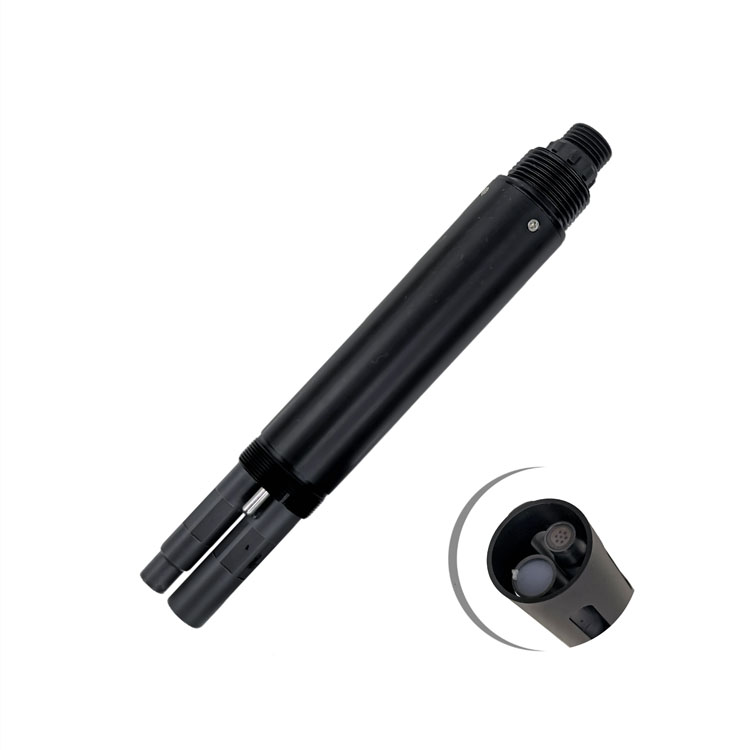
Automation instruments in water treatment plants have evolved from a single “data display” role to a core sensing node for process optimization, energy saving, consumption reduction and intelligent operation and maintenance. For system integrators, IoT solution providers and engineering companies, instrument selection should not only focus on accuracy and price, but also evaluate:
Standardization of communication protocols and docking convenience
Whether the product line covers the full scene of physical parameters + water quality analysis + portable verification
Whether the supplier provides technical support capabilities from the instrument layer to the platform layer
NiuBoL is positioned as an automation instrument and integration solution provider for the B-end engineering market. Its products cover online monitoring instruments, portable multi-parameter water quality analyzers, and supporting communication and software support. We undertake OEM/ODM, system supporting and technical joint bidding cooperation models, and provide full-cycle services from pre-sales solution design, PLC docking and debugging to long-term after-sales operation and maintenance.
 NBL-WQ-CL Water Quality Sensor Online Residual Chlorine Sensor.pdf
NBL-WQ-DO Online Fluorescence Dissolved Oxygen Sensor.pdf
NBL-WQ-NHN Ammonia Nitrogen Water Quality Sensor.pdf
NBL-WQ-COD Online Water Quality COD Sensor.pdf
NBL-WQ-PH Online pH Water Quality Sensor.pdf
NBL-WQ-EC water quality conductivity sensor.pdf
Next:Analysis of COD Exceedance Causes in Urban Sewage Treatment Plants and Online COD Sensor Solutions
Related recommendations
Sensors & Weather Stations Catalog
Agriculture Sensors and Weather Stations Catalog-NiuBoL.pdf
Weather Stations Catalog-NiuBoL.pdf
Agriculture Sensors Catalog-NiuBoL.pdf
Water Quality Sensor Catalog-NiuBoL.pdf
Related products
 Combined air temperature and relative humidity sensor
 TDR Soil Moisture & Temperature Sensor for irrigation| RS485 |4-20mA| NBL-S-THR
 Soil pH sensor RS485 soil Testing instrument soil ph meter for agriculture |NBL-S-PH
 Wind Speed sensor Output Modbus/RS485/Analog/0-5V/4-20mA
 Tipping bucket rain gauge for weather monitoring auto rainfall sensor RS485/Outdoor/stainless steel
 Pyranometer Solar Radiation Sensor 4-20mA/RS485

Screenshot, WhatsApp to identify the QR code
WhatsApp number:+8615367865107
(Click on WhatsApp to copy and add friends)

