





— Blogs —
—Products—
 Consumer hotline +8618073152920
 WhatsApp:+8615367865107
Address:Room 102, District D, Houhu Industrial Park, Yuelu District, Changsha City, Hunan Province, China
Product knowledge
Time:2026-05-13 11:40:34 Popularity:420
In industrial process control and water treatment projects, online pH meters are core monitoring equipment for achieving precise acid-base balance, ensuring process stability, and meeting discharge standards. This article systematically organizes the application points of online pH meters in typical scenarios such as electroplating, water treatment, sewage treatment, and neutralization reactions for system integrators, environmental protection engineering companies, and IoT solution providers. It also details the technical parameters, selection guide, and system integration solutions of NiuBoL series online pH sensors.
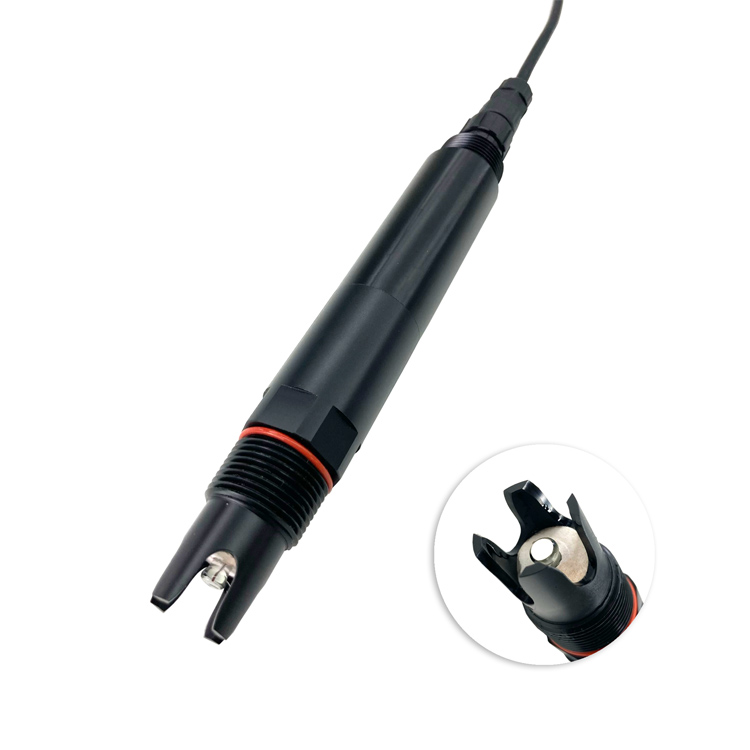
Online pH measurement is widely used in industrial processes that require continuous and stable pH monitoring. Unlike intermittent laboratory testing, online pH meters can output signals in real time, facilitating integration with PLC, DCS, or SCADA systems to achieve closed-loop automatic control. The modular design allows flexible adaptation to different working conditions: basic models provide measurement and alarm functions, while expansion modules support high precision and long-life operation in special environments.
Different industries have significantly different requirements for pH electrode tolerance. Correct selection is the key to ensuring long-term reliable system operation.
Electroplating solutions contain high concentrations of heavy metal ions. Conventional pH electrodes are easily contaminated, resulting in shortened lifespan. It is recommended to use specialized pH electrodes resistant to heavy metal pollution (such as OPF19), which can effectively resist interference from metal ions on the glass membrane and maintain measurement stability.
In municipal water supply and water resource protection, environmental water quality components are relatively simple. Economical pH electrodes (such as M-10) can meet the requirements, balancing accuracy and cost control. Mainly used to confirm whether the pH value is within the qualified range to avoid affecting subsequent treatment processes or aquatic ecosystems.
Sewage treatment influent has complex water quality, containing oil, suspended solids, and various chemical substances. It is recommended to select oil-resistant pH electrodes (M-12) or economical general-purpose electrodes (M-10) according to specific water quality. In complex conditions, the electrode’s anti-fouling ability and reference system stability directly affect measurement continuity.
Acid-base neutralization reactions require high pH control precision and need real-time feedback to accurately adjust dosing volume. It is recommended to use high-precision chemical-specific electrodes (such as OPS71 or OPS91), combined with high-response transmitters, to achieve fast and stable closed-loop control, reduce chemical waste, and improve reaction efficiency.
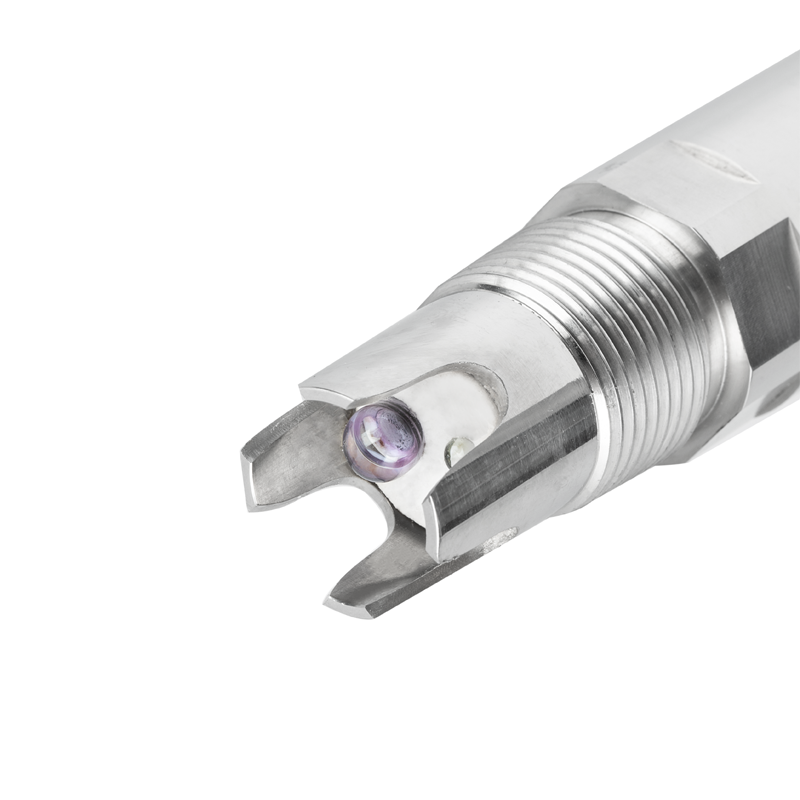
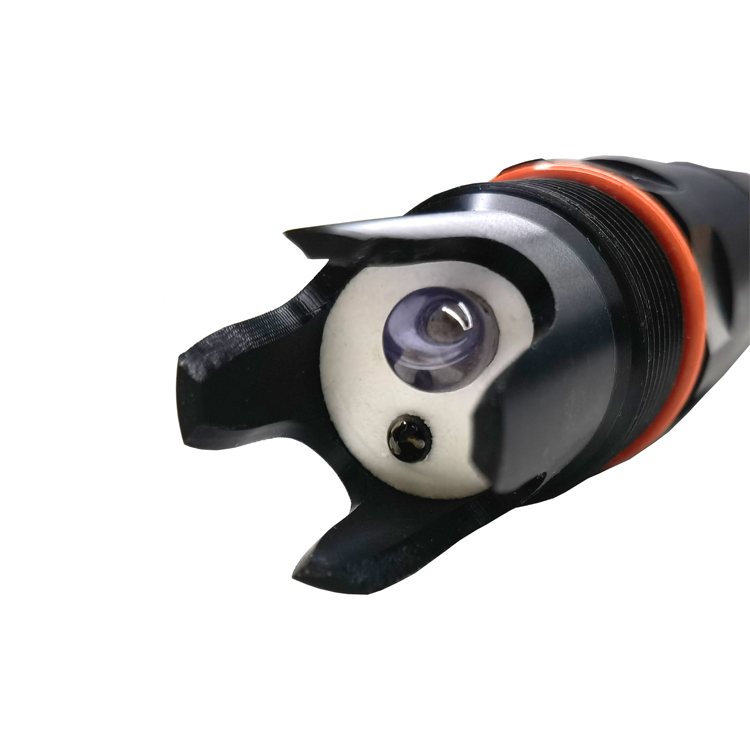
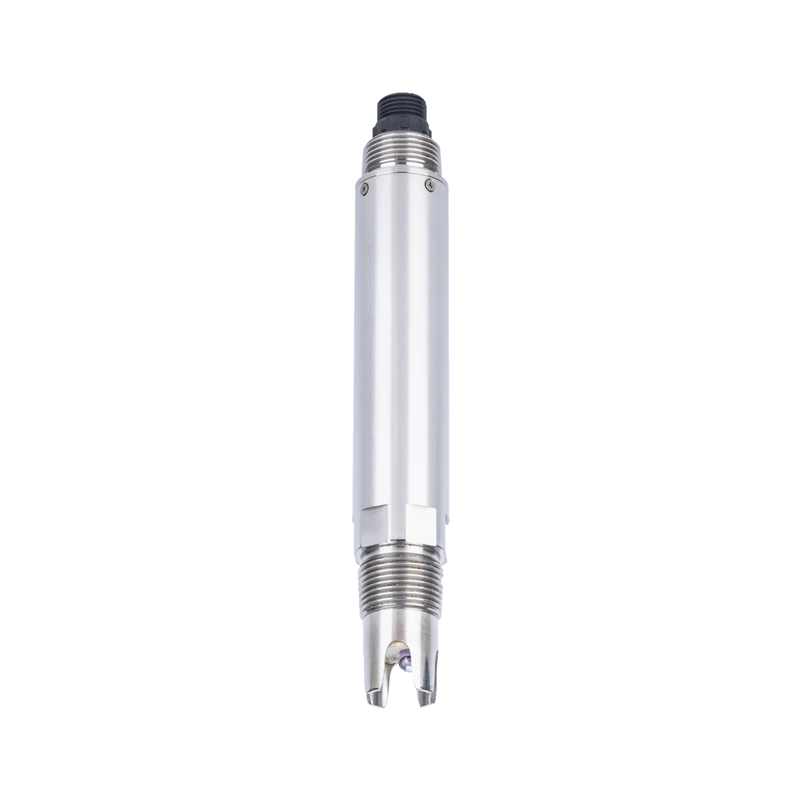
NiuBoL focuses on providing high-reliability online water quality monitoring equipment for system integrators and engineering projects. The NBL-WQ-PH series adopts patented pH electrodes and dual high-impedance differential amplification circuits, featuring strong anti-interference capability and long life, suitable for environmental water quality monitoring, acid-base salt solutions, and industrial process control.
Signal output supports RS-485 (Modbus RTU), easy to integrate with third-party control systems
Patented pH electrode: internal reference liquid slowly seeps out through microporous salt bridge under ≥100kPa pressure, positive seepage sustainable for more than 20 months, significantly extending electrode service life
Dual high-impedance differential amplifier, fast response speed, strong anti-interference ability
IP68 protection rating, suitable for submersible installation
Automatic temperature compensation (Pt1000), ensuring measurement accuracy under different temperature conditions
3/4 NPT pipe thread, easy installation, can be used for pipelines, tanks, and open water bodies
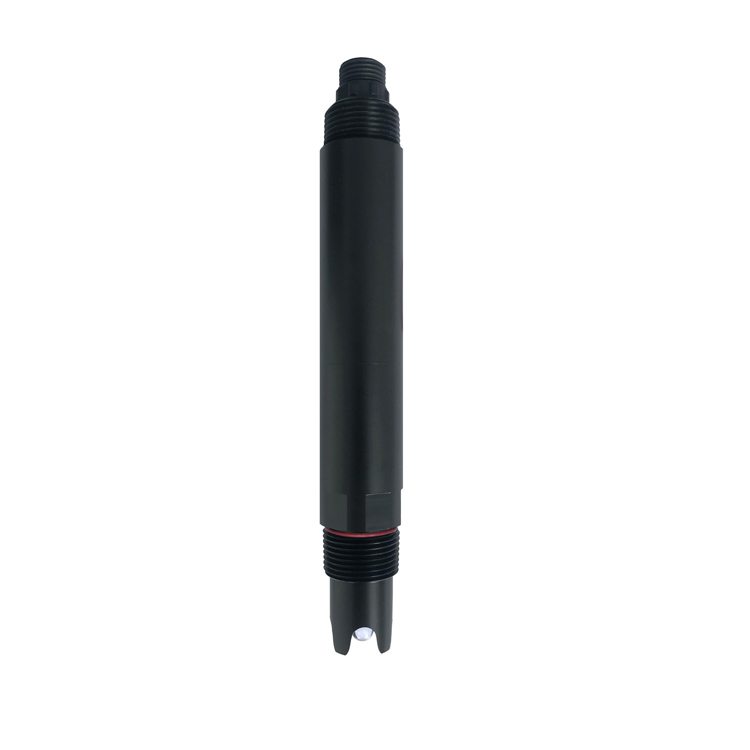
| Parameter | Specification |
|---|---|
| Model | NBL-WQ-PH |
| Shell Material | ABS/PC alloy |
| Measurement Principle | Glass Electrode Method |
| Range | 0~14.00 |
| Resolution | 0.01 |
| Accuracy | ±0.1 pH, ±0.3℃ |
| Response Time (T90) | <30s |
| Calibration Method | Two-point calibration |
| Temperature Compensation | Automatic temperature compensation (Pt1000) |
| Output Mode | RS-485 (Modbus RTU) |
| Working Conditions | 0~50℃, ≤0.2MPa |
| Protection Rating | IP68 |
| Power Supply | 12~24V DC |
| Power Consumption | 0.2W@12V |
| Cable Length | 5 meters (customizable) |
| Parameter | NBL-WQ-PH-4A | NBL-WQ-PH-4S |
|---|---|---|
| Shell Material | POM and ABS | POM and 316L |
| Measurement Principle | Glass Electrode Method | Glass Electrode Method |
| Range / Resolution | 0~14.00 / 0.01 | 0~14.00 / 0.01 |
| Accuracy | ±0.1 pH, ±0.3℃ | ±0.1 pH, ±0.3℃ |
| Output Mode | RS-485 + 4-20mA (optional) | RS-485 + 4-20mA (optional) |
| Working Conditions | 0~50℃, ≤0.2MPa | 0~50℃, ≤0.2MPa |
| Protection Rating | IP68 | IP68 |
| Installation Method | 3/4 NPT submersible type | 3/4 NPT submersible type |
The NBL-WQ-PH-4 series adds optional 4-20mA analog output to meet different control system integration needs. The 4S model adopts a 316L stainless steel shell, suitable for highly corrosive industrial environments.
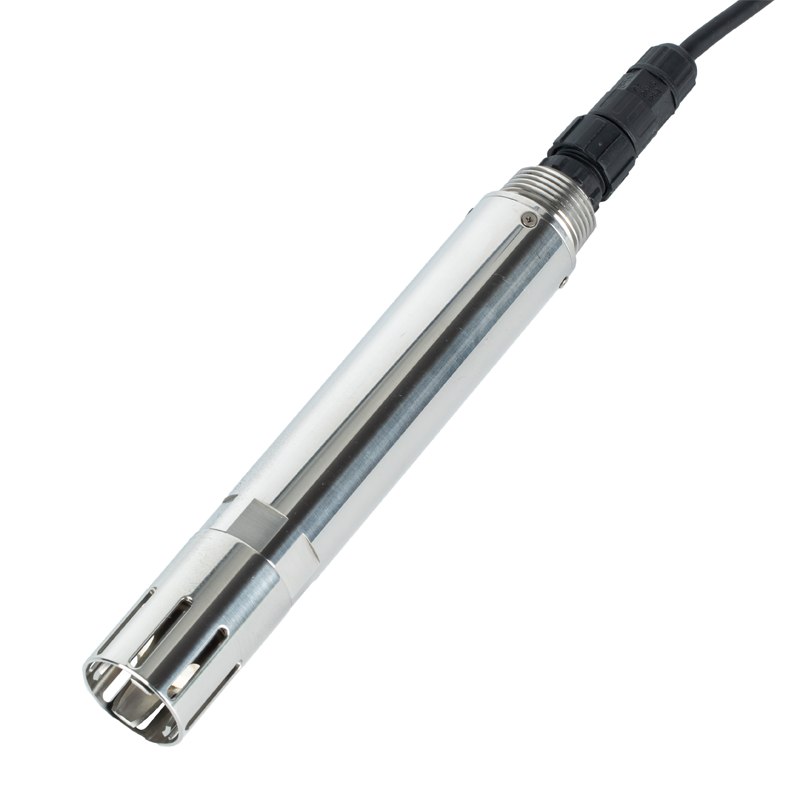
According to actual project requirements, selection is recommended based on the following dimensions:
1. Application environment: For electroplating or high heavy metal scenarios, prioritize OPF19; for oily sewage, select M-12; for conventional water treatment, select M-10.
2. Output requirements: Select RS-485 Modbus RTU for digital communication only; select NBL-WQ-PH-4 series for analog signals or dual output.
3. Material adaptability: Recommend 316L shell models for strong corrosive environments.
4. Life and maintenance: Patented reference system can significantly reduce replacement frequency, suitable for long-term unattended projects.
5. System compatibility: Modbus RTU protocol supports seamless access to mainstream PLC, DCS, and IoT platforms.
6. Installation conditions: Supports 3/4 NPT standard interface for open water bodies, pipelines, or tank installations.
Installation Position: Choose locations with stable water flow and strong representativeness, avoiding dead zones and strong turbulence areas. Sensor immersion depth is recommended to be no less than 1/3 of the effective electrode part.
Fixing Method: Use supporting installation accessories to ensure the sensor is stable and prevent vibration from causing signal fluctuations.
Electrical Connection: Keep wiring terminals dry and use shielded cables to reduce interference. Power supply should use stable 12-24V DC with good grounding.
System Integration: Read pH, temperature and other parameters through Modbus RTU protocol. It can form a multi-parameter monitoring network with sensors such as COD, dissolved oxygen, and ammonia nitrogen. Supports access to PLC for PID dosing control or upload to cloud platforms.
Maintenance Recommendations: Regularly clean electrodes with distilled water. Avoid long-term immersion in pure water or protein solutions. When the glass membrane is contaminated, clean with dilute hydrochloric acid and recalibrate. Calibration cycle is generally 1-3 months, adjusted according to water quality complexity.
Standardized integration can maximize equipment performance and reduce full lifecycle operation and maintenance costs of the project.
Q1: What is the main reason for large differences between online pH meter and laboratory benchtop meter measurements?
Mainly affected by temperature compensation, ionic strength, and reference system stability. The patented reference design of industrial online electrodes can significantly improve on-site consistency.
Q2: How does the Modbus RTU protocol communicate with other devices?
NiuBoL sensors support standard Modbus RTU and can be directly connected to PLC or connected to other protocol systems through converters. Address and baud rate are configurable.
Q3: Is the NBL-WQ-PH series suitable for high temperature or strong corrosive environments?
Working temperature upper limit is 50℃. The 316L shell model (4S) is suitable for most corrosive media. For extreme conditions, please consult for customized solutions.
Q4: How long is the general electrode life?
The patented microporous salt bridge reference system enables positive seepage for more than 20 months. Actual life is usually 1-2 times that of ordinary industrial electrodes, depending on working conditions.
Q5: Does it support 4-20mA output?
NBL-WQ-PH-4 series can be optionally equipped with 4-20mA current output to meet traditional instrument access requirements.
Q6: Does oil contamination in sewage treatment have a big impact on pH measurement?
Oil is easy to adhere to the glass membrane. It is recommended to use oil-resistant specialized electrodes (such as M-12) and perform regular cleaning and maintenance.
Q7: How to achieve pH automatic neutralization dosing control?
Access the sensor RS-485 or 4-20mA signal to PLC and write a PID control program to achieve precise automatic dosing.
Q8: Is there technical support service for bulk procurement projects?
NiuBoL provides selection guidance, on-site installation and commissioning training, and long-term technical support for system integrators and engineering companies.
Online pH meters are indispensable monitoring and control components in industrial water treatment, process control, and environmental protection engineering. NiuBoL NBL-WQ-PH series provides stable data support for various projects with reliable patented electrode technology, flexible output methods, and convenient installation features.
Choosing professional and highly compatible online pH monitoring solutions helps improve system automation levels, reduce operating costs, and ensure process stability and compliance. Welcome system integrators, project contractors, and IoT solution providers to communicate specific needs with NiuBoL to jointly build efficient and reliable monitoring systems.
 NBL-WQ-PH Online Water Quality pH Sensor.pdf
Related recommendations
Sensors & Weather Stations Catalog
Agriculture Sensors and Weather Stations Catalog-NiuBoL.pdf
Weather Stations Catalog-NiuBoL.pdf
Agriculture Sensors Catalog-NiuBoL.pdf
Water Quality Sensor Catalog-NiuBoL.pdf
Related products
 Combined air temperature and relative humidity sensor
 TDR Soil Moisture & Temperature Sensor for irrigation| RS485 |4-20mA| NBL-S-THR
 Soil pH sensor RS485 soil Testing instrument soil ph meter for agriculture |NBL-S-PH
 Wind Speed sensor Output Modbus/RS485/Analog/0-5V/4-20mA
 Tipping bucket rain gauge for weather monitoring auto rainfall sensor RS485/Outdoor/stainless steel
 Pyranometer Solar Radiation Sensor 4-20mA/RS485

Screenshot, WhatsApp to identify the QR code
WhatsApp number:+8615367865107
(Click on WhatsApp to copy and add friends)

