





— Blogs —
—Products—
 Consumer hotline +8618073152920
 WhatsApp:+8615367865107
Address:Room 102, District D, Houhu Industrial Park, Yuelu District, Changsha City, Hunan Province, China
Product knowledge
Time:2026-05-12 17:24:01 Popularity:440
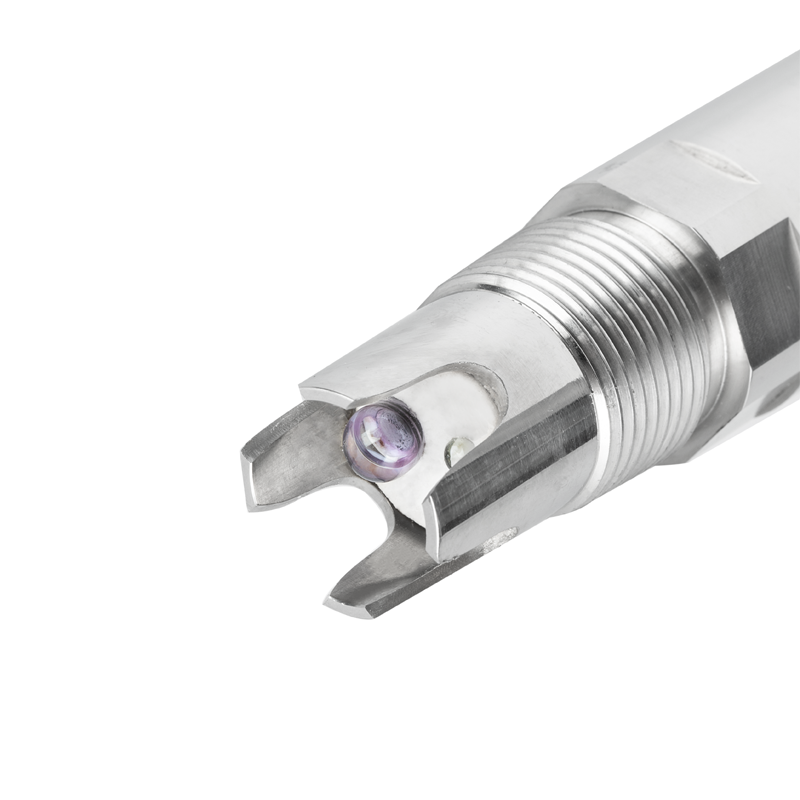
The online pH meter is a widely used analytical instrument in industrial process control and water quality monitoring fields. It is mainly used to achieve real-time and continuous measurement and automatic control of solution pH value. NiuBoL NBL-WQ-PH online pH meter adopts glass electrode measurement principle, integrates automatic temperature compensation, RS-485 Modbus RTU communication, and supports 4-20mA output (optional). It is suitable for industrial scenarios such as sewage treatment, chemical industry, pharmaceutical, printing and dyeing, electroplating, etc. This article details its working principle, maintenance methods, selection points and integration applications, providing professional reference for system integrators, environmental protection engineering companies and industrial automation projects.
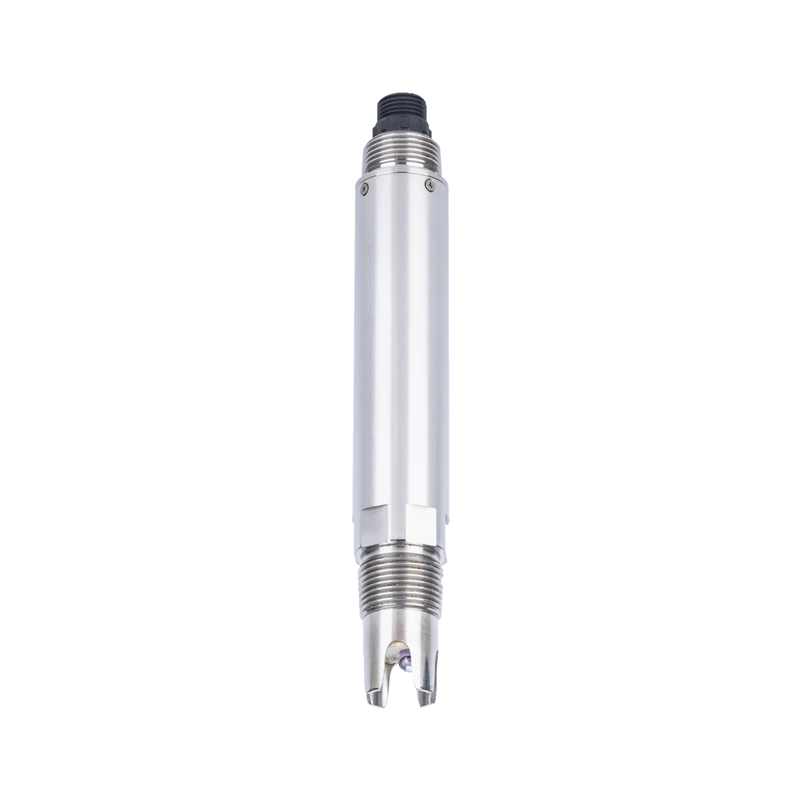
The core measurement principle of the online pH meter is the primary battery principle in electrochemical methods. The pH electrode system consists of a glass measuring electrode and a reference electrode, forming a primary battery. The pH value of the solution is determined by measuring the potential difference (EMF) between the two electrodes.
The glass electrode is sensitive to hydrogen ion activity, and its potential changes with the pH of the solution. The reference electrode (usually silver/silver chloride electrode) provides a stable reference potential. The internal reference solution mostly uses neutral phosphate mixed solution with zero potential point at 7 pH to ensure the electrode system has a stable zero point.
The theoretical Nernst slope is 59.16 mV/pH at 25℃. The actual industrial electrode slope generally reaches more than 98% of the theoretical value. The instrument collects weak electrical signals through a high-impedance differential amplification circuit, combined with Pt1000 automatic temperature compensation, and calculates and outputs accurate pH value and temperature in real time.
NiuBoL patented pH electrode design allows the internal reference liquid to seep out extremely slowly through the microporous salt bridge under ≥100 kPa pressure. The positive seepage can last for more than 20 months, significantly improving the stability of the reference system and extending the electrode service life.
| Parameter | Specification |
|---|---|
| Model | NBL-WQ-PH |
| Measurement Principle | Glass Electrode Method |
| Range | 0~14.00 pH |
| Resolution | 0.01 pH |
| Accuracy | ±0.1 pH, ±0.3℃ |
| Response Time (T90) | <30 s |
| Temperature Compensation | Automatic (Pt1000) |
| Calibration Method | Two-point calibration |
| Output Mode | RS-485 (Modbus RTU) |
| Power Supply | 12~24 V DC |
| Power Consumption | 0.2 W @ 12 V |
| Protection Rating | IP68 |
| Operating Temperature | 0~50℃ |
| Operating Pressure | ≤0.2 MPa |
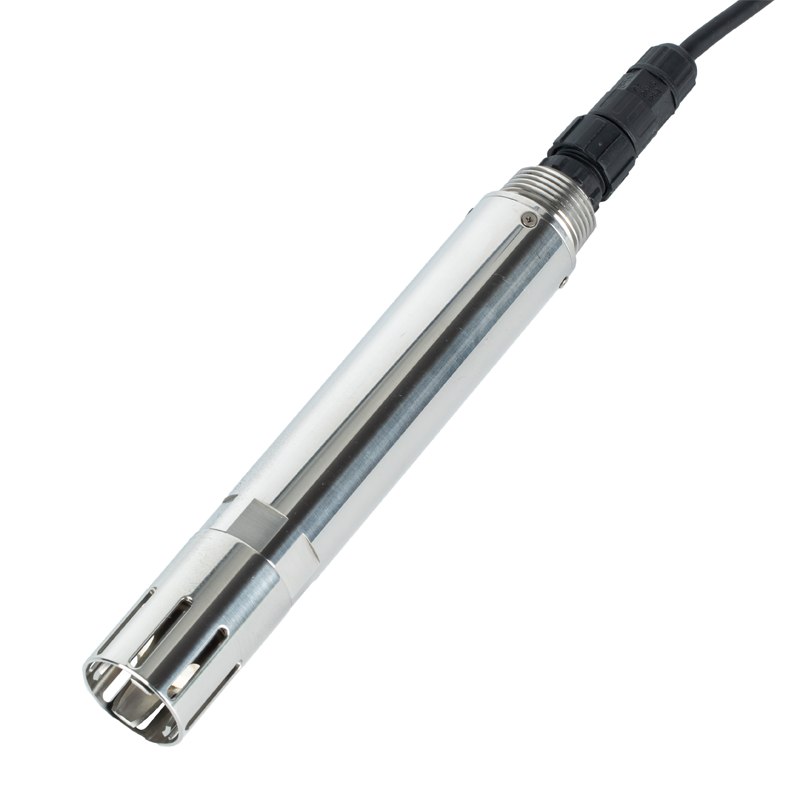
| Installation Method | Submersible type, 3/4 NPT |
| Cable Length | Standard 5 meters (customizable) |
| Shell Material | ABS/PC alloy |
| Sensor Connector | M16-5 core waterproof connector |
The instrument supports direct connection to PLC, DCS, industrial control computer or paperless recorder to realize data acquisition and linkage control.
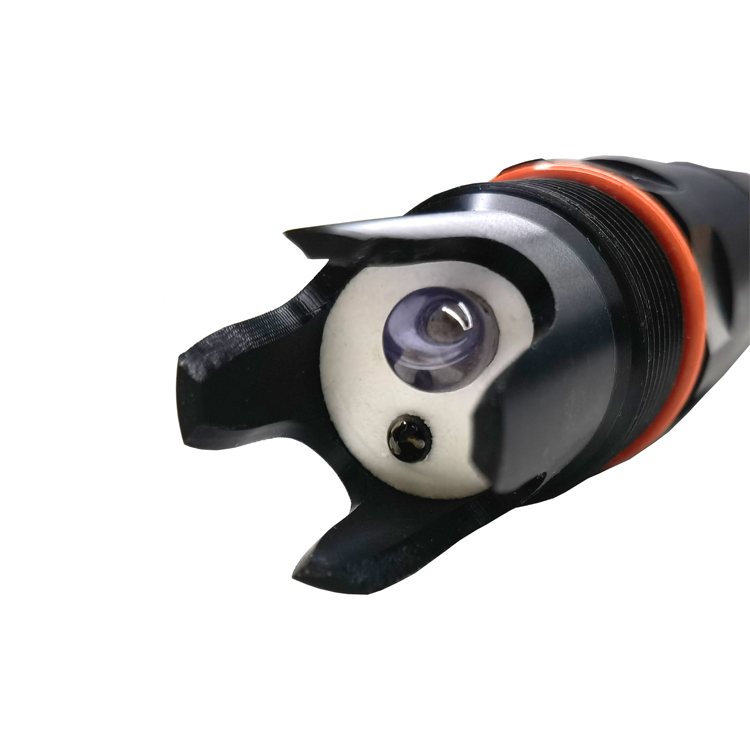
NBL-WQ-PH online pH meter is widely used in industrial processes that require continuous acidity monitoring and control:
Urban sewage treatment plants: pH monitoring in aeration tanks, regulating tanks, and neutralization tanks to ensure biochemical treatment efficiency and compliance discharge.
Chemical and pharmaceutical industries: precise control of pH in reaction kettles, crystallization processes, and raw material solutions to ensure reaction yield and product quality.
Printing and dyeing and papermaking industries: pH adjustment in dyeing baths, pulp preparation, and wastewater treatment links to reduce chemical consumption.
Electroplating and surface treatment: stable control of plating solution composition to extend plating solution service life.
Environmental monitoring: industrial park total discharge outlets and river water quality online monitoring stations.
Its IP68 protection rating and pressure-resistant design are particularly suitable for long-term submersible installation. The 3/4 NPT thread facilitates pipeline or tank integration.
When selecting an online pH meter, the following factors should be considered:
1. Measurement medium characteristics: strong acid, strong alkali, high temperature, high salt or media containing organic matter/oil need to evaluate electrode compatibility.
2. Installation environment: pressure, temperature, flow rate and whether automatic cleaning function is required.
3. Output and communication requirements: RS-485 Modbus RTU is the mainstream protocol, easy to integrate with IoT and SCADA systems; if analog output is needed, select the corresponding transmitter.
4. Maintenance cycle: patented slow-seepage reference structure is suitable for long-cycle unattended occasions.
5. Installation angle: The sensor must not be installed upside down or horizontally. It is recommended to tilt more than 15° to avoid air bubbles affecting measurement.
NiuBoL NBL-WQ-PH meets most neutral to moderately strong acid-base industrial applications with high cost performance and stable performance. For extreme media, please communicate with the manufacturer’s technical team for customized solutions.
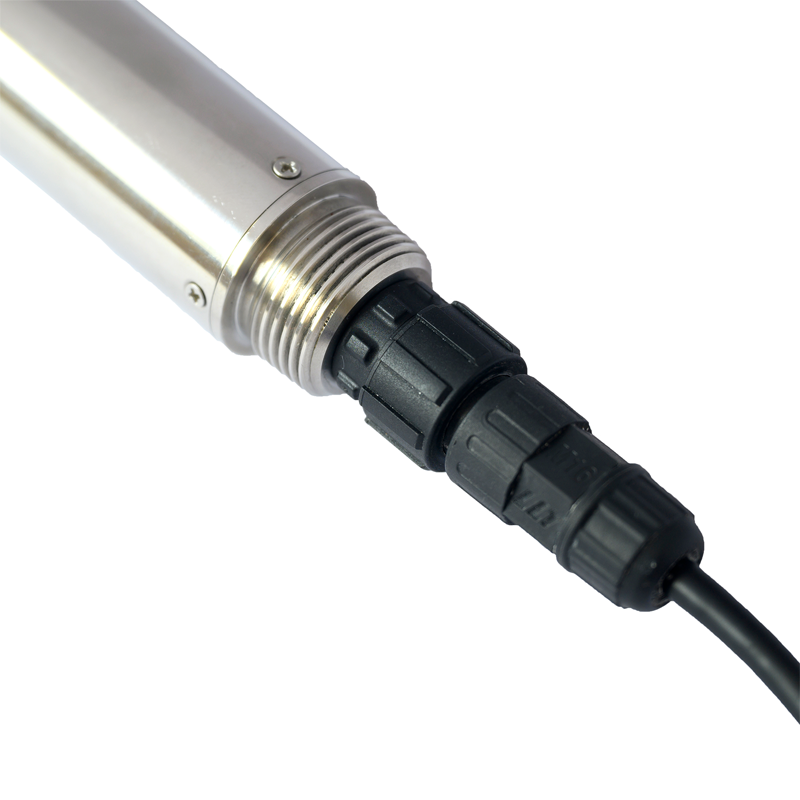
Mechanical Installation:
Use 3/4 NPT thread for submersible installation.
The sensor should be tilted at least 15° or more to avoid air bubbles gathering when the electrode head faces upward.
Ensure the glass bulb and liquid junction are completely immersed in the measured solution. The recommended insertion depth is more than 1/3 of the sensor length.
Electrical Connection:
Use 4-core twisted shielded wire: red (12~24V DC), black (GND), blue (485A), white (485B).
Verify the wiring sequence before powering on to prevent reverse connection from damaging the equipment.
All wiring terminals need waterproof treatment. Additional protection is recommended for long-term immersion or corrosive environments.
Good grounding is recommended to reduce electromagnetic interference.
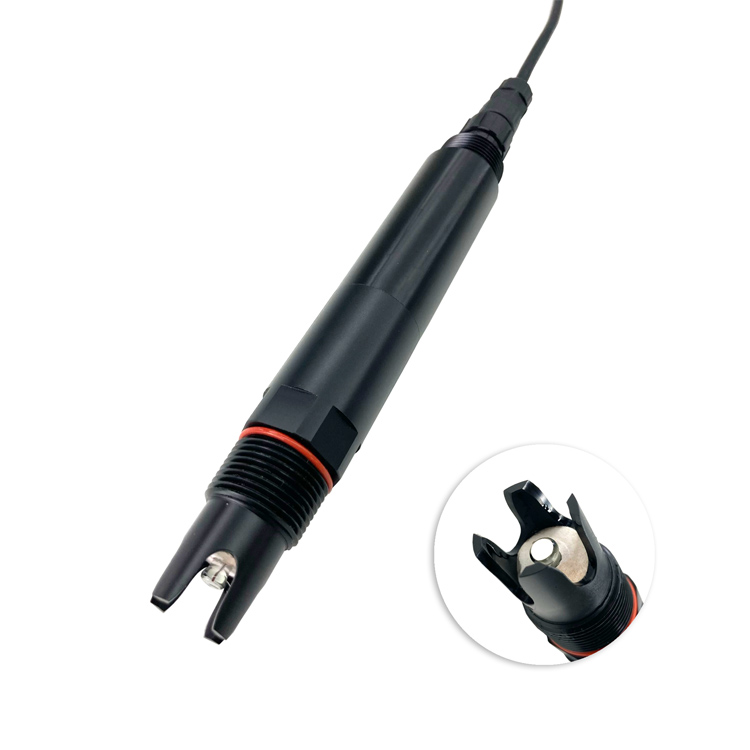
Proper maintenance can significantly extend electrode life and maintain measurement accuracy:
1. Clean the sensor with distilled water (or deionized water) before measurement and gently blot dry with filter paper.
2. When not in use, clean the sensor and store it immersed in a protective sleeve or container containing 3 mol/L potassium chloride solution.
3. Regularly check the dryness of wiring terminals. If polluted, wipe with absolute alcohol and blow dry.
4. Avoid long-term immersion in pure water or protein solutions, and prevent contact with silicone grease.
5. When the glass membrane appears translucent or has deposits, soak in dilute hydrochloric acid and rinse with clean water.
6. It is recommended to perform two-point calibration every 1-3 months and adjust the calibration frequency according to process requirements.
7. The electrode lead is a dedicated shielded wire. Do not cut or extend it privately to avoid introducing interference.
When normal response cannot be restored after multiple cleanings and calibrations, replace the sensor in time to ensure system reliability.
NBL-WQ-PH comes standard with RS-485 Modbus RTU protocol and can be directly connected to existing industrial control networks. Combined with host computer monitoring software, it can realize multi-instrument networking centralized monitoring, data recording, alarm linkage and trend analysis.
Typical integration methods include:
Seamless docking with PLC/DCS systems to achieve automatic start/stop of acid and alkali dosing pumps when pH exceeds limits.
Connect to paperless recorders via 4-20mA output.
Access to IoT platforms to support remote monitoring and mobile viewing.
Q1: What is the main difference between online pH meters and laboratory pH meters?
Online pH meters adopt industrial-grade protection design and stable reference systems, with automatic temperature compensation, long-distance transmission and continuous operation capabilities, suitable for harsh industrial environments; laboratory pH meters focus more on high-precision short-term measurement.
Q2: What communication protocols does NBL-WQ-PH support?
Standard RS-485 Modbus RTU protocol, convenient for integration with PLC, DCS and host computer systems.
Q3: How often does the electrode need to be calibrated?
It is recommended to perform two-point calibration every 1-3 months. The specific frequency depends on the degree of medium pollution and measurement accuracy requirements.
Q4: Can the sensor be installed horizontally?
No. It must be installed with a tilt of more than 15° to prevent air bubbles from staying on the glass bulb surface and affecting measurement accuracy.
Q5: How to determine whether the electrode needs to be replaced?
If the reading is still unstable or the response is sluggish after standard cleaning and multiple calibrations, the electrode has failed and should be replaced.
Q6: What is the upper limit of working pressure?
The conventional model has a working pressure of ≤0.2 MPa (about 2 Bar), which can meet most open or low-pressure tank applications.
Q7: Can it be used in seawater or high-salt solutions?
Yes, but pay attention to regularly cleaning the liquid junction and strengthening wiring waterproof and anti-corrosion measures. For high-salt environments, please consult technical support for optimization solutions.
Q8: What is the power supply voltage range?
It supports wide voltage power supply of 12~24 V DC, adapting to different power conditions in industrial sites.
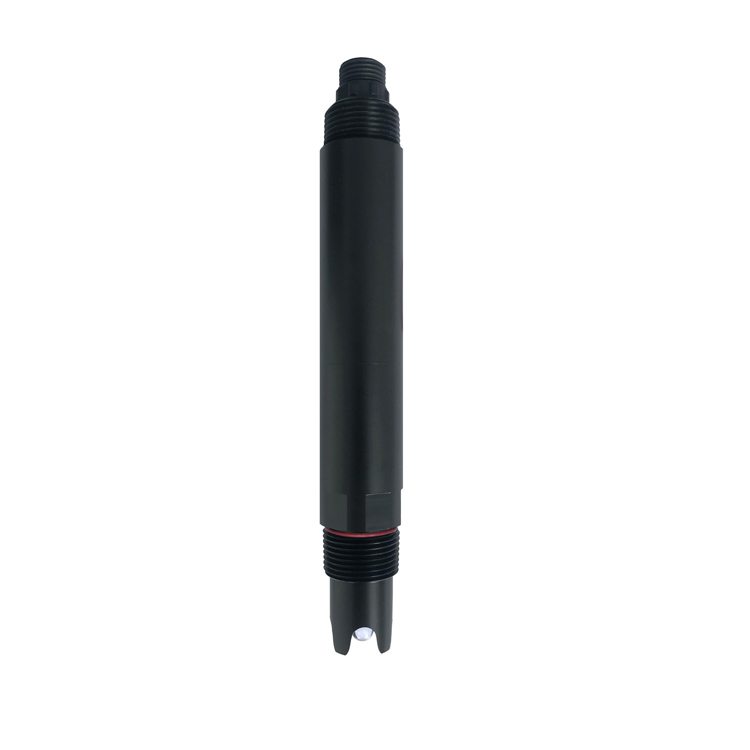
NiuBoL NBL-WQ-PH online pH meter provides a high cost-performance solution for industrial process pH monitoring and control with reliable glass electrode measurement technology, stable patented reference system and convenient Modbus integration capabilities. Its IP68 protection, automatic temperature compensation and simple maintenance features effectively reduce long-term operating costs and improve system automation levels.
For system integrators, environmental protection engineering companies and chemical project owners, choosing a stable, easy-to-integrate and easy-to-maintain online pH meter is a key step to ensure production safety, compliance discharge and process optimization. Welcome to communicate with our technical team according to specific working conditions to obtain more matching configuration suggestions and engineering implementation support.
 NBL-WQ-PH Online Water Quality pH Sensor.pdf
Related recommendations
Sensors & Weather Stations Catalog
Agriculture Sensors and Weather Stations Catalog-NiuBoL.pdf
Weather Stations Catalog-NiuBoL.pdf
Agriculture Sensors Catalog-NiuBoL.pdf
Water Quality Sensor Catalog-NiuBoL.pdf
Related products
 Combined air temperature and relative humidity sensor
 TDR Soil Moisture & Temperature Sensor for irrigation| RS485 |4-20mA| NBL-S-THR
 Soil pH sensor RS485 soil Testing instrument soil ph meter for agriculture |NBL-S-PH
 Wind Speed sensor Output Modbus/RS485/Analog/0-5V/4-20mA
 Tipping bucket rain gauge for weather monitoring auto rainfall sensor RS485/Outdoor/stainless steel
 Pyranometer Solar Radiation Sensor 4-20mA/RS485

Screenshot, WhatsApp to identify the QR code
WhatsApp number:+8615367865107
(Click on WhatsApp to copy and add friends)

