





— Blogs —
—Products—
 Consumer hotline +8618073152920
 WhatsApp:+8615367865107
Address:Room 102, District D, Houhu Industrial Park, Yuelu District, Changsha City, Hunan Province, China
Product knowledge
Time:2026-05-13 11:30:35 Popularity:440
In the context of increasingly strict environmental supervision, whether it is a municipal sewage treatment plant or an industrial enterprise, establishing a high-precision pollutant online automatic monitoring system has become a mandatory requirement for compliant discharge. For system integrators and environmental protection project managers, deeply understanding the technical logic behind monitoring indicators and selecting highly compatible hardware equipment is the key to ensuring the project passes acceptance smoothly.
This article will provide an in-depth explanation of the four core indicators in sewage monitoring — Chemical Oxygen Demand (COD), Ammonia Nitrogen (NH3-N), Total Nitrogen (TN), and Total Phosphorus (TP) — from a professional engineering perspective, and discuss the integration advantages of NiuBoL online monitoring solutions.
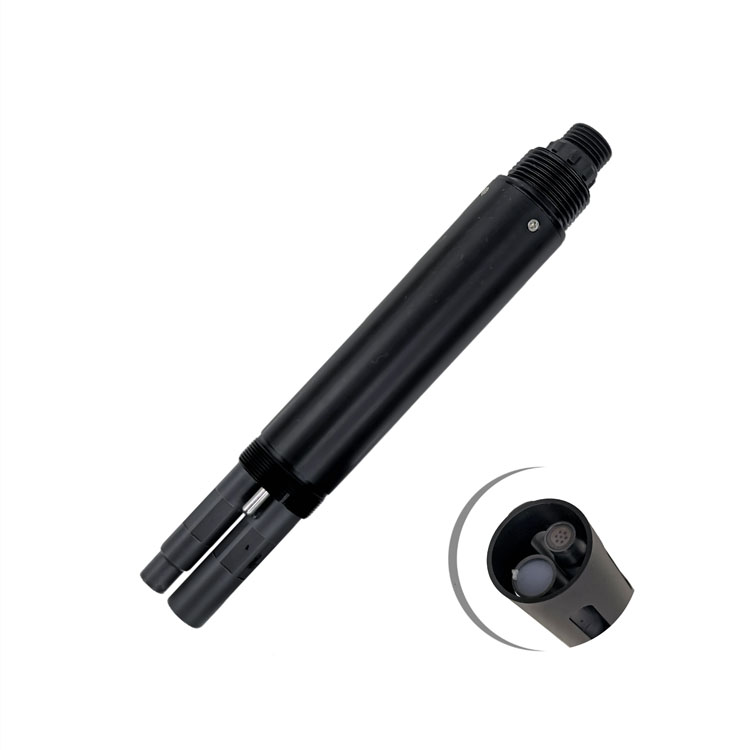
In the emission monitoring of non-heavy metal wastewater, the following four indicators constitute the cornerstone of water quality assessment.
COD is not a single pollutant, but measures the amount of oxygen consumed by reducing substances (mainly organic matter) in wastewater through chemical oxidation processes.
Engineering Significance: COD is the most intuitive indicator for measuring the degree of organic pollution in water bodies. In industrial sites, the potassium dichromate method (CODcr) is usually used for online automatic analysis.
Standard Reference: According to the "Pollutant Discharge Standards for Urban Sewage Treatment Plants" (GB18918-2002), the first-class A standard requires a COD discharge limit of 50 mg/L (Note: commonly referenced as 50 mg/L in Grade A).
Ammonia nitrogen exists in the form of ammonium ions (NH4+) and free ammonia (NH3).
Engineering Significance: Ammonia nitrogen not only consumes dissolved oxygen in water but also has certain toxicity to aquatic organisms.
Standard Reference: GB18918-2002 first-class A standard requires 5 mg/L (relaxed to 8 mg/L when water temperature is below 12°C). Online monitors need to have precise temperature compensation mechanisms to cope with seasonal fluctuations.
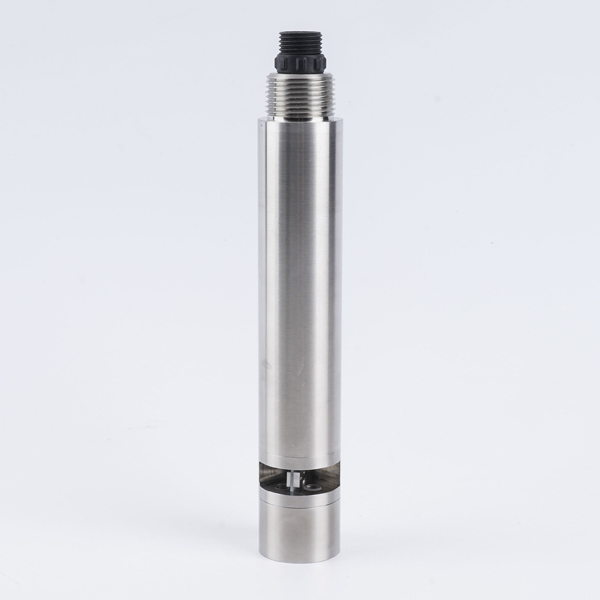
Total nitrogen is the collective term for various forms of inorganic nitrogen (ammonia nitrogen, nitrate nitrogen, nitrite nitrogen) and organic nitrogen in water.
Engineering Significance: Monitoring ammonia nitrogen alone is insufficient to assess the risk of water eutrophication, as biochemical treatment processes often only convert ammonia nitrogen into nitrate nitrogen. Total nitrogen monitoring can more comprehensively reflect the effectiveness of the denitrification process.
Standard Reference: First-class A standard requires a total nitrogen limit of 15 mg/L.
Total phosphorus covers all dissolved and non-dissolved phosphates.
Engineering Significance: Phosphorus is one of the dominant factors causing water eutrophication. Online analyzers convert various forms of phosphorus into orthophosphate after digestion and then perform colorimetric determination.
Standard Reference: First-class A standard requires a total phosphorus limit of 0.5 mg/L.
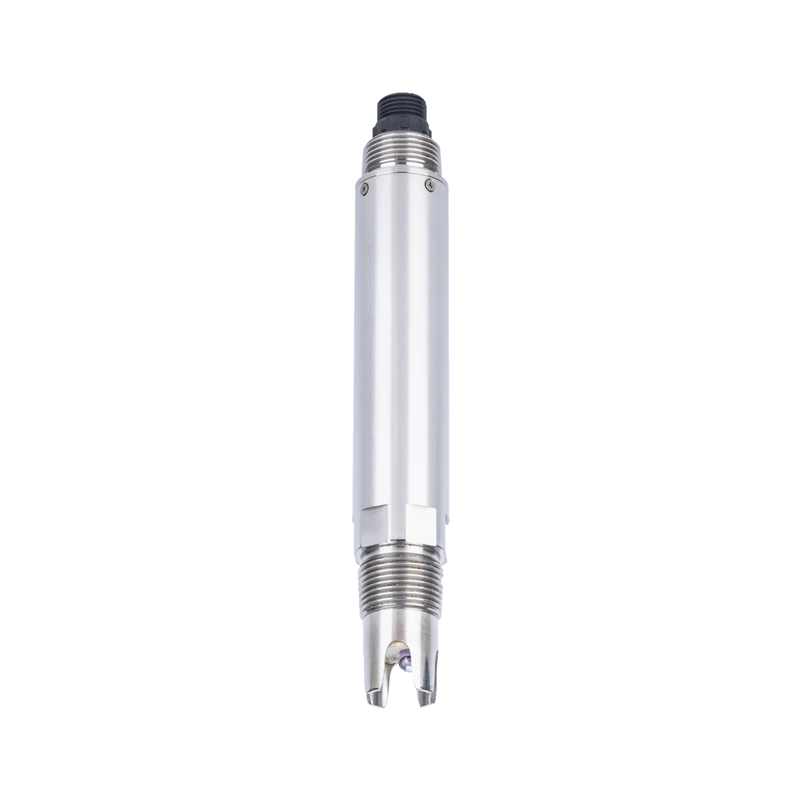
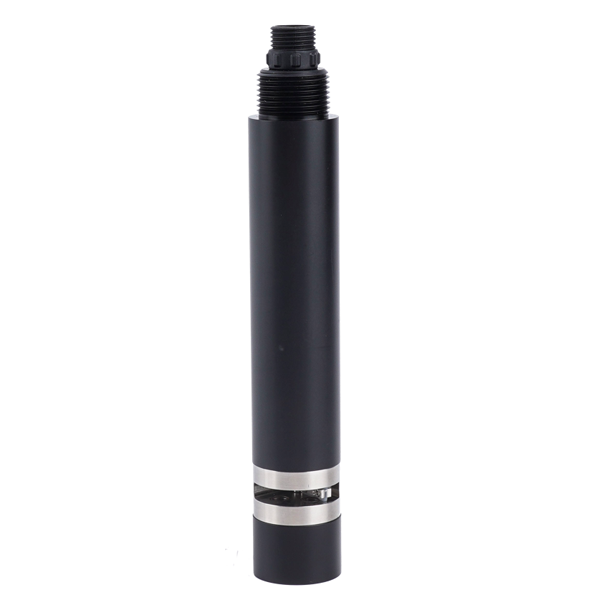
To meet the needs of system integrators for high integration and low maintenance costs, NiuBoL has developed sensors based on various detection principles (such as ultraviolet absorption method, electrochemical method, etc.). The following are technical parameters of typical integrated models:
| Technical Parameter Item | COD Online Sensor | Ammonia Nitrogen / Total Nitrogen Analysis Module | Total Phosphorus Monitoring Module |
|---|---|---|---|
| Measurement Principle | UV Ultraviolet Absorption Method / Electrochemical Method | Ion Selective Electrode / Colorimetric Method | Ammonium Molybdate Spectrophotometry |
| Range | 0~500 mg/L (customizable) | 0~100 mg/L | 0~20 mg/L |
| Resolution | 0.1 mg/L | 0.01 mg/L | 0.001 mg/L |
| Accuracy | ±5% F.S. | ±3% F.S. | ±2% F.S. |
| Output Interface | RS-485 (Modbus RTU) | RS-485 / 4-20mA | RS-485 / 4-20mA |
| Power Supply Voltage | 12~24V DC | 12~24V DC | 24V DC |
| Protection Rating | IP68 | IP65 (transmitter part) | IP65 |
| Maintenance Cycle | 3~6 months/time | 1~2 months/time | 1 month/time |
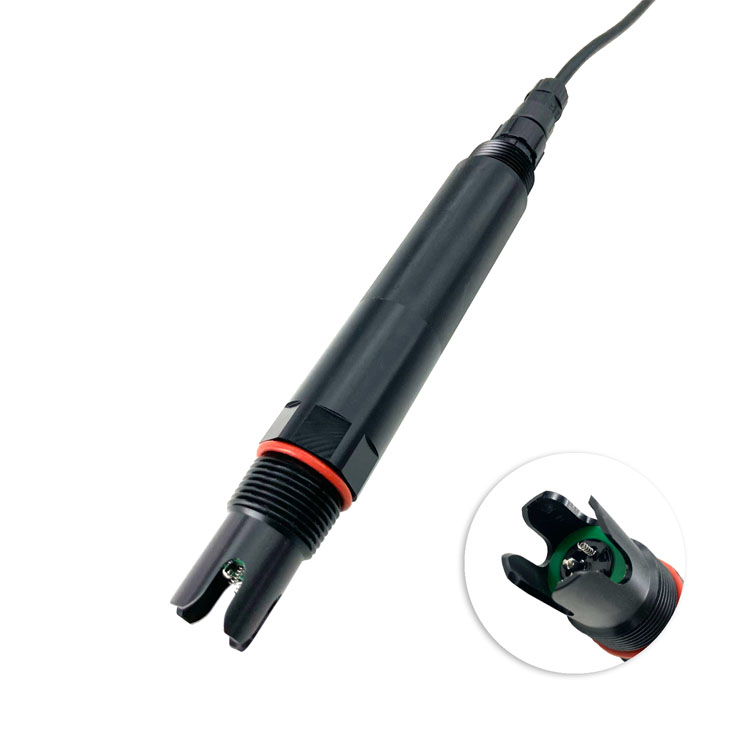
When building a pollutant online monitoring system, hardware stability and system compatibility are the core of project success.
NiuBoL sensors natively support the Modbus RTU communication protocol and can be directly connected to various PLCs (such as Siemens S7 series), DCS, and DTU data acquisition terminals. For projects that need to connect to environmental protection bureau platforms, device data can be easily converted into protocol formats compliant with the "Pollutant Online Monitoring (Monitoring) System Data Transmission Standard" (HJ 212) through gateways.
Industrial sewage composition is complex, and high suspended solids and chromaticity often interfere with optical measurements. NiuBoL recommends adding self-cleaning filter units or configuring sensors with automatic cleaning functions during integration to reduce manual maintenance frequency and extend electrode life.
Municipal sewage treatment plants: Deploy COD and total nitrogen monitoring at inlet and outlet to adjust aeration volume and carbon source dosing in real time.
Industrial park discharge outlets: Perform four-indicator joint monitoring at discharge outlets of papermaking and chemical industries to ensure real-time data upload to environmental supervision cloud platforms.
Q1: Why is the total nitrogen indicator often more difficult to degrade than ammonia nitrogen?
Ammonia nitrogen is mainly removed by nitrification, while total nitrogen removal involves two stages: nitrification and denitrification. If the carbon source in the system is insufficient or the reflux ratio is improperly configured, nitrate nitrogen cannot be effectively converted into nitrogen gas for discharge, resulting in total nitrogen exceeding the standard.
Q2: What are the advantages of NiuBoL COD sensor using ultraviolet method compared to the potassium dichromate method?
The ultraviolet method (UV254) has the advantages of no chemical reagents, fast response speed (second level), and low secondary pollution, making it very suitable for online process monitoring and overflow warning.
Q3: How to calibrate data drift in the online monitoring system?
It is usually recommended to conduct a field comparison experiment (standard sample calibration) once a month. NiuBoL equipment supports remote command-triggered calibration logic, which greatly facilitates operation and maintenance personnel.
Q4: How to ensure stability of RS-485 communication during long-distance transmission?
It is recommended to use shielded twisted pair cables and connect a 120 ohm termination resistor in parallel at the end of the bus. For strong interference environments, electromagnetic isolation modules can be added.
Q5: Does the equipment support simultaneous output of 4-20mA analog and RS-485 digital signals?
Some models support dual signal output, which is convenient for the system to retain analog signals as hard-wired interlock control while achieving digital integration.
Q6: What should be noted when monitoring ammonia nitrogen in cold regions (water temperature < 12°C)?
Low temperature will inhibit biological activity, leading to increased effluent ammonia nitrogen. Monitoring equipment must have precise Pt1000 temperature compensation function to correct electrode potential drift at low temperatures.
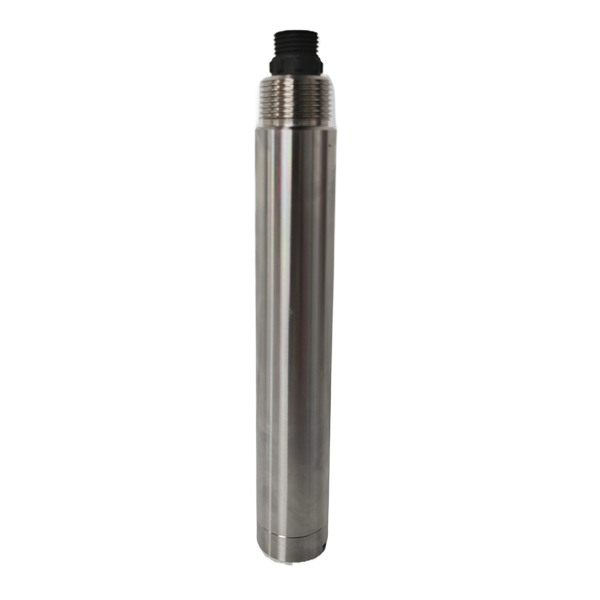
Wastewater online monitoring is not only a requirement for enterprise compliance but also a powerful tool for process optimization, cost reduction, and efficiency improvement. Through precise control of the four indicators — COD, ammonia nitrogen, total nitrogen, and total phosphorus — combined with NiuBoL high-performance analytical instruments and flexible system integration solutions, engineering companies can provide more competitive environmental protection solutions for end customers. In the trend of digital environmental governance, stable and reliable underlying data collection will always be the core value of system integration.
 NBL-WQ-CL Water Quality Sensor Online Residual Chlorine Sensor.pdf
NBL-WQ-DO Online Fluorescence Dissolved Oxygen Sensor.pdf
NBL-WQ-NHN Ammonia Nitrogen Water Quality Sensor.pdf
NBL-WQ-COD Online Water Quality COD Sensor.pdf
NBL-WQ-PH Online pH Water Quality Sensor.pdf
NBL-WQ-EC water quality conductivity sensor.pdf
Related recommendations
Sensors & Weather Stations Catalog
Agriculture Sensors and Weather Stations Catalog-NiuBoL.pdf
Weather Stations Catalog-NiuBoL.pdf
Agriculture Sensors Catalog-NiuBoL.pdf
Water Quality Sensor Catalog-NiuBoL.pdf
Related products
 Combined air temperature and relative humidity sensor
 TDR Soil Moisture & Temperature Sensor for irrigation| RS485 |4-20mA| NBL-S-THR
 Soil pH sensor RS485 soil Testing instrument soil ph meter for agriculture |NBL-S-PH
 Wind Speed sensor Output Modbus/RS485/Analog/0-5V/4-20mA
 Tipping bucket rain gauge for weather monitoring auto rainfall sensor RS485/Outdoor/stainless steel
 Pyranometer Solar Radiation Sensor 4-20mA/RS485

Screenshot, WhatsApp to identify the QR code
WhatsApp number:+8615367865107
(Click on WhatsApp to copy and add friends)

