





— Blogs —
—Products—
 Consumer hotline +8618073152920
 WhatsApp:+8615367865107
Address:Room 102, District D, Houhu Industrial Park, Yuelu District, Changsha City, Hunan Province, China
Product knowledge
Time:2026-05-12 17:16:06 Popularity:424
In the fields of modern water treatment engineering and industrial automation, precise monitoring of residual chlorine content is the core link to ensure disinfection effectiveness and water quality safety. Whether it is process control in water treatment plants or compliance discharge in sewage treatment projects, choosing the appropriate measurement technology is not only related to project quality but also directly affects later operation and maintenance costs and efficiency.
As a professional sensing equipment manufacturer, NiuBoL deeply analyzes market demand and presents a comprehensive technical comparison between the colorimetric method and the electrode method, aiming to provide highly valuable decision-making support for system integrators and project contractors.
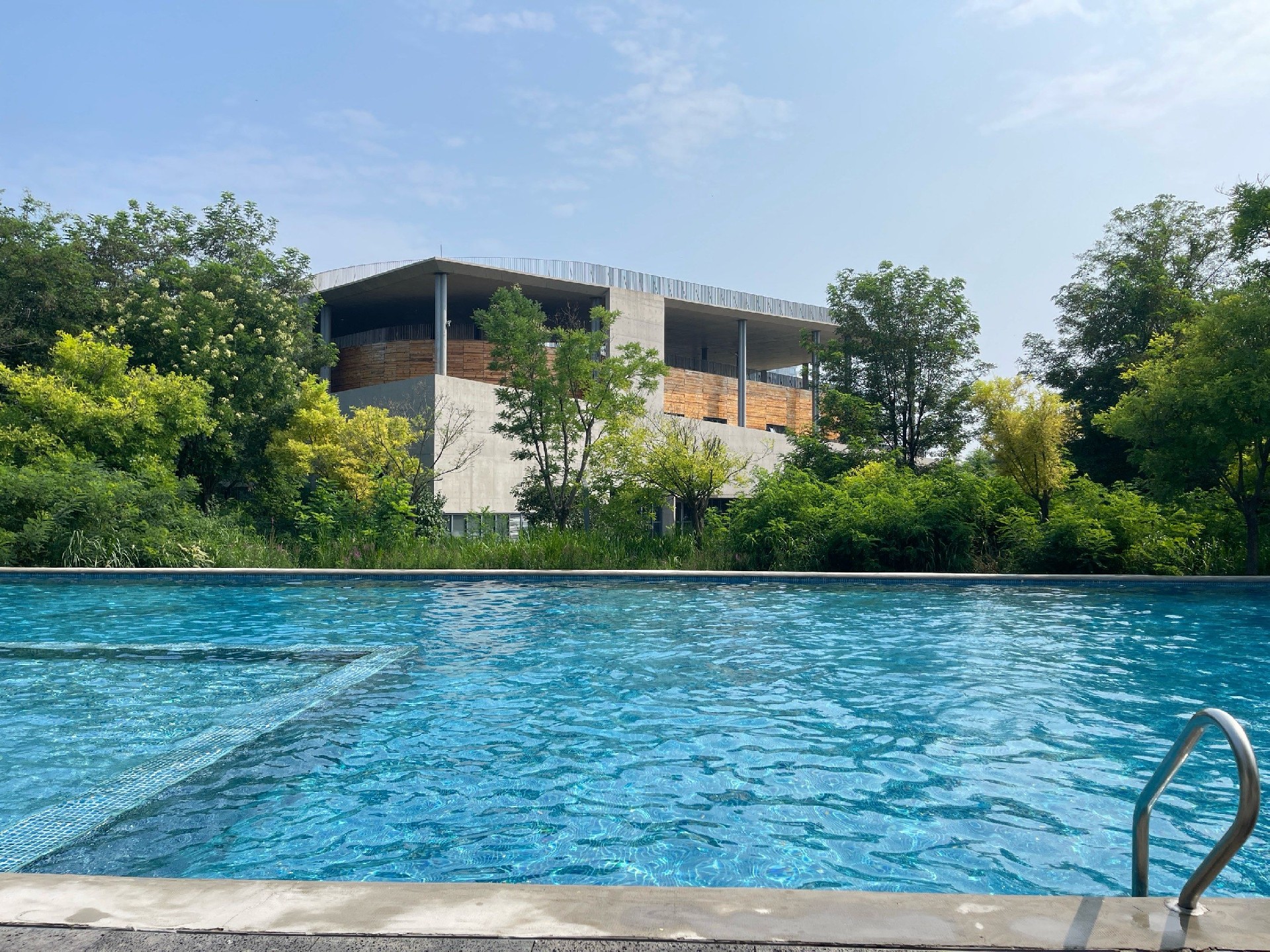
Water disinfection is usually divided into physical methods (such as ultraviolet light, high temperature) and chemical methods. Chemical disinfection has become the mainstream due to its high cost-effectiveness, simple operation, and continuous disinfection capability. However, chlorine, as the main disinfectant, has strong toxicity and residual characteristics: insufficient concentration will lead to disinfection failure and microbial growth; excessive concentration will produce carcinogenic by-products and endanger human health.
Therefore, installing a stable and reliable residual chlorine monitoring system in industrial and civil water supply systems is a necessary prerequisite for projects to achieve intelligent control and compliant operation.
DPD (N,N-diethyl-1,4-phenylenediamine) colorimetric method is an internationally recognized standard method for residual chlorine measurement.
Residual Chlorine Measurement: In an environment with pH 6.3-6.6, residual chlorine oxidizes the DPD indicator into a purplish-red compound, and the color intensity is directly proportional to the concentration.
Total Chlorine Measurement: By adding potassium iodide, chloramine is oxidized to release iodine, which then reacts with DPD to develop color, used to evaluate the overall disinfection level.
Advantages: Extremely high measurement accuracy and few interfering factors. It is the “gold standard” for laboratory analysis and on-site verification.
Disadvantages: Cannot achieve true real-time continuous online monitoring. It requires manual sampling, reagent addition, and color development, resulting in high single measurement cost and time consumption.
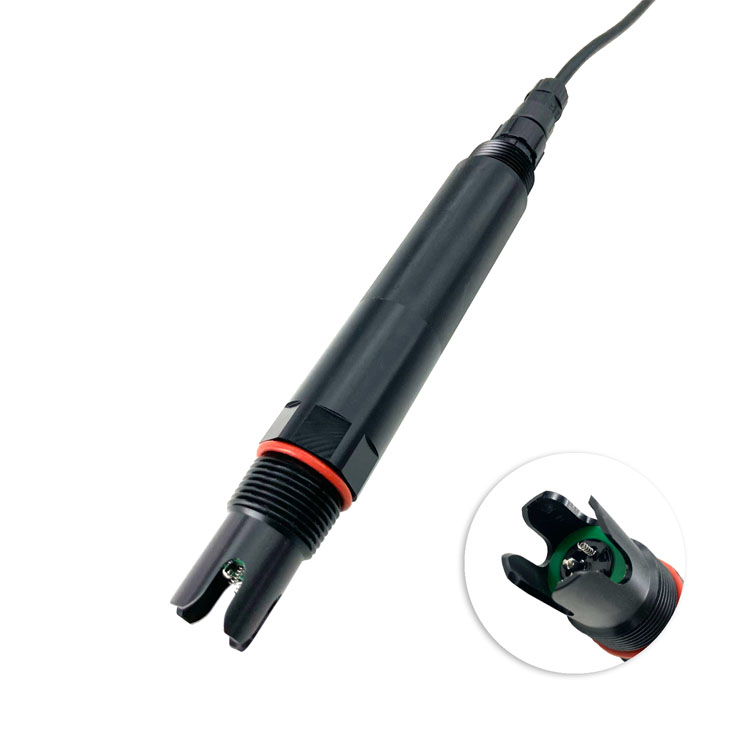
For IoT projects and automation systems that require 24-hour real-time monitoring, the electrode method (especially the constant voltage method) demonstrates incomparable advantages. Its core structure consists of a three-electrode system, electrode membrane cap, and electrolyte.
A constant potential is maintained between the measuring electrodes. Using molecular permeation technology, residual chlorine passes through the membrane into the electrolyte and undergoes electrochemical reaction on the electrode surface to generate micro-current. The magnitude of this current has a linear relationship with the concentration of residual chlorine in the solution and is converted into standard signal output through digital processing.
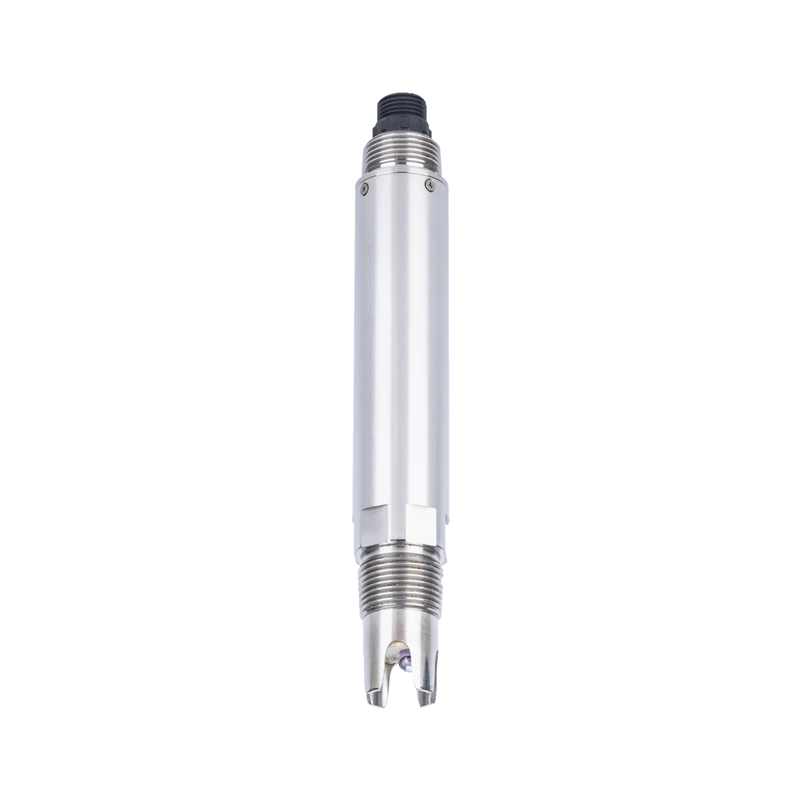
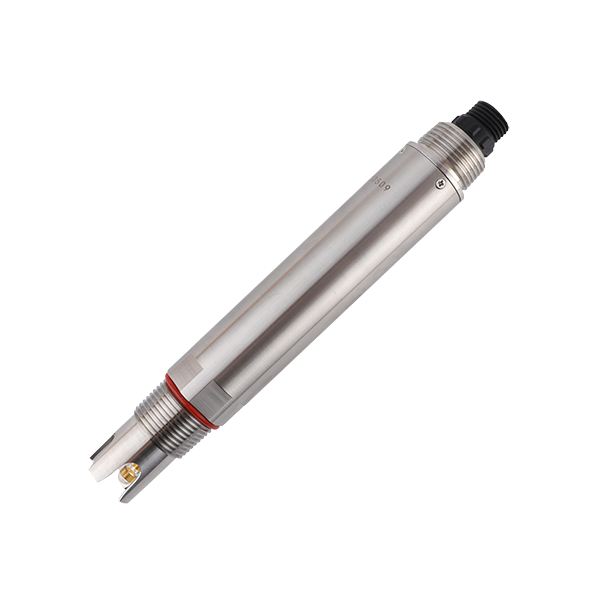
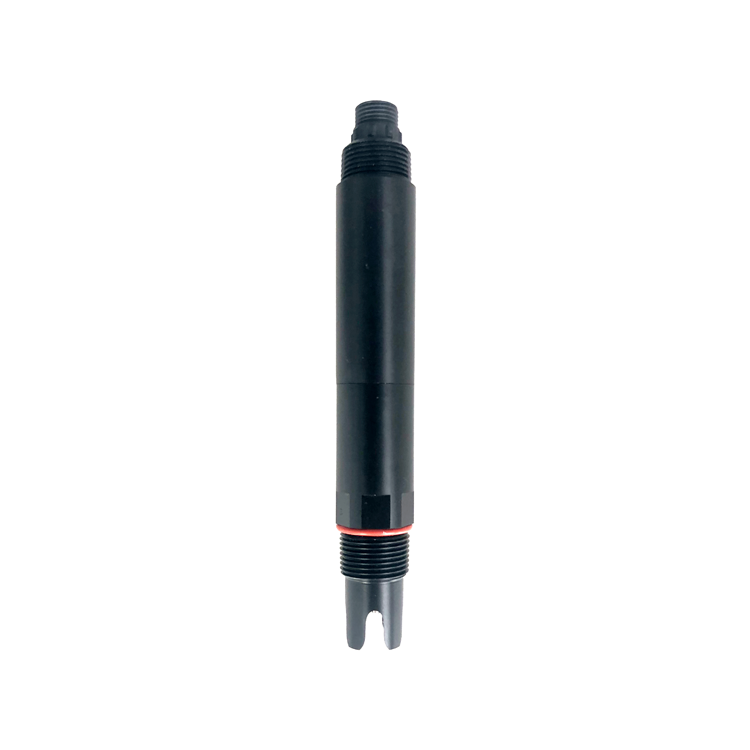
For industrial-grade integration needs, NiuBoL’s NBL-WQ-CL sensor provides a high-precision digital solution.
| Parameter Item | Technical Specification |
|---|---|
| Model | NBL-WQ-CL |
| Measurement Principle | Constant Voltage Method (Potentiostatic Method) |
| Range | 0-2.000 mg/L / 0-20.00 mg/L (optional) |
| Resolution | 0.001 mg/L / 0.01 mg/L |
| Measurement Accuracy | ±5% of reading (0-2.000 mg/L) |
| Temperature Compensation | Automatic temperature compensation (Pt1000) |
| Response Time (T90) | < 90s |
| Working Conditions | 5-50℃, ≤0.2MPa, pH 4-9 |
| Output Signal | RS-485 (Modbus RTU) / 4-20mA (optional) |
| Shell Material / Protection | ABS/PC alloy, IP68 rating |
| Installation Method | Dedicated flow cell installation (3/4NPT) |
| Power Supply Voltage | 12-24VDC |
In tap water pipe networks, community pump stations, and storage tanks, the terminal residual chlorine must be no less than 0.05 mg/L. Using NiuBoL online sensors combined with flow path control can realize real-time data return of water quality.
Real-time monitoring of residual chlorine can prevent algae growth in water bodies and ensure tourist skin safety. System integrators can automatically control the dosing volume of sodium hypochlorite pumps according to feedback signals from residual chlorine sensors to achieve closed-loop control.
Microbial slime in cooling towers affects heat exchange efficiency. Collecting multi-point residual chlorine data to the host computer via RS485 bus can effectively reduce chemical waste and extend equipment life.
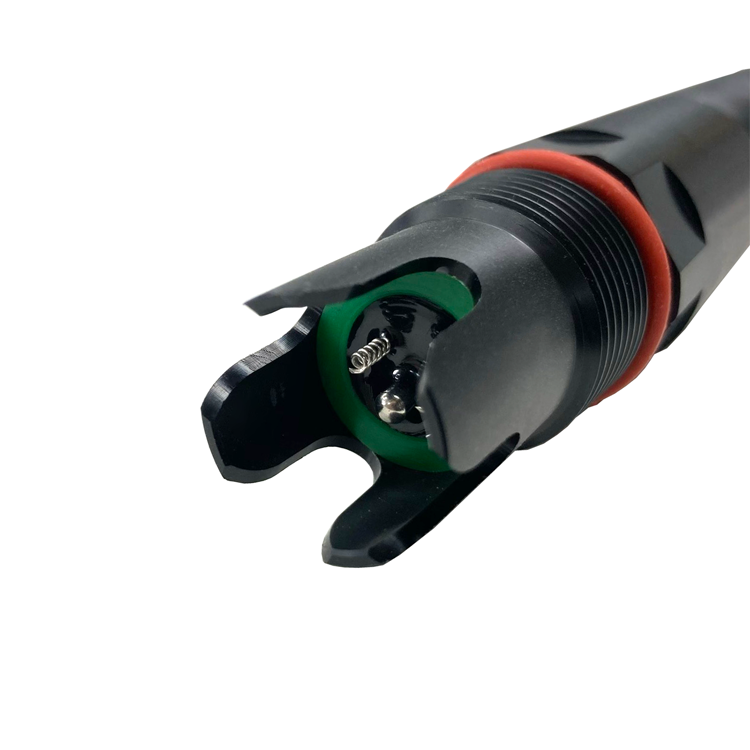
For project engineering companies, installation environment details directly determine the sensor’s service life and data reliability:
1. Flow Velocity Stability Control: The electrode method relies on the renewal of water samples on the electrode surface. It is recommended to install with a dedicated flow cell and control the flow rate at 30-60 L/h. Avoid directing water samples at the outlet to prevent fluctuations caused by uneven flow velocity.
2. Bubble Interference Elimination: Flow path design should try to exhaust air bubbles in the pipeline. Bubbles attached to the membrane surface will cause low or unstable readings.
3. Avoid Strong Interference Sources: Although NiuBoL sensors have excellent anti-electromagnetic interference performance, it is still recommended to route separately from frequency converters and power cables during wiring and use shielded twisted pairs for RS485 communication.
4. Regular Calibration: It is recommended to regularly use a DPD handheld meter for manual sampling comparison and correct using the sensor’s two-point calibration function to compensate for drift caused by electrolyte consumption.
Q1: What is the difference between residual chlorine, free chlorine and total chlorine?
Free chlorine refers to hypochlorous acid (HClO) and hypochlorite ion (ClO⁻) in water. Total chlorine is the sum of free chlorine and combined chlorine (such as chloramine). Industrial online monitoring usually focuses on free residual chlorine because it represents immediate bactericidal ability.
Q2: Why must the sensor be installed in a flow cell?
The constant voltage electrode has flow velocity dependence. The flow cell can provide a stable pressure environment and constant flow velocity, ensuring that the water sample passes the probe evenly, thereby obtaining a linear electrical signal.
Q3: How far can RS485 signal be transmitted?
Using standard Modbus RTU protocol, the reliable transmission distance can reach 1200 meters without repeaters, which is very suitable for large sewage treatment plants or pipe network monitoring.
Q4: How often does the sensor probe need to be replaced?
Under normal maintenance (regular cleaning of the membrane and replacement of electrolyte), NiuBoL electrode life is usually 1-2 years, depending on the impurity content and corrosiveness in the water quality.
Q5: Does this sensor support pH compensation?
The form of residual chlorine is greatly affected by pH fluctuations. Although NBL-WQ-CL performs stably in the pH 4-9 range, for working conditions with drastic pH fluctuations, it is recommended to integrate a pH sensor for linkage compensation.
Q6: What to do if the electrode method and colorimetric method data do not match?
Due to differences in measurement principles, the colorimetric method (standard method) is usually used as the benchmark to perform slope calibration on the online sensor. Ensuring that the sampling point is consistent with the sensor installation point is the premise of comparison.
Q7: Does the sensor have requirements for installation direction?
Vertical installation or an angle of no more than 45 degrees with the vertical direction is recommended to ensure that the electrolyte fully contacts the internal electrode and eliminates internal air bubbles.
Q8: Why is NiuBoL sensor not recommended for seawater?
High salinity environments will cause chemical corrosion and severe electrochemical interference to the electrodes. If seawater monitoring is required, please consult our technical team in advance for customized corrosion-resistant versions.
In today’s deep integration of environmental monitoring and Industry 4.0, choosing efficient sensing terminals is the cornerstone of project success. Although the DPD colorimetric method has authority in accuracy, in the context of digital operation and maintenance, online monitoring technology represented by NiuBoL constant voltage residual chlorine sensors has become the industry’s preferred solution due to its real-time performance, low maintenance cost, and powerful integration protocols.
As a partner of NiuBoL, you can not only obtain high-performance sensor hardware but also enjoy comprehensive technical support from solution design to later operation and maintenance. We will continue to assist system integrators to jointly build a smarter and safer water treatment ecosystem.
 NBL-WQ-CL Water Quality Sensor Online Residual Chlorine Sensor.pdf
NBL-WQ-CL-4A Industrial-grade Online Residual Chlorine Sensor.pdf
NBL-WQ-CL-4S Series Online Water quality Residual Chlorine Sensor.pdf
NBL-WQ-PH Online Water Quality pH Sensor.pdf
NBL-WQ-PH-4S online Water Quality pH Sensor.pdf
NBL-WQ-PH-4A online Water Quality pH Sensor.pdf
Related recommendations
Sensors & Weather Stations Catalog
Agriculture Sensors and Weather Stations Catalog-NiuBoL.pdf
Weather Stations Catalog-NiuBoL.pdf
Agriculture Sensors Catalog-NiuBoL.pdf
Water Quality Sensor Catalog-NiuBoL.pdf
Related products
 Combined air temperature and relative humidity sensor
 TDR Soil Moisture & Temperature Sensor for irrigation| RS485 |4-20mA| NBL-S-THR
 Soil pH sensor RS485 soil Testing instrument soil ph meter for agriculture |NBL-S-PH
 Wind Speed sensor Output Modbus/RS485/Analog/0-5V/4-20mA
 Tipping bucket rain gauge for weather monitoring auto rainfall sensor RS485/Outdoor/stainless steel
 Pyranometer Solar Radiation Sensor 4-20mA/RS485

Screenshot, WhatsApp to identify the QR code
WhatsApp number:+8615367865107
(Click on WhatsApp to copy and add friends)

