





— Blogs —
—Products—
 Consumer hotline +8618073152920
 WhatsApp:+8615367865107
Address:Room 102, District D, Houhu Industrial Park, Yuelu District, Changsha City, Hunan Province, China
Product knowledge
Time:2026-05-12 17:08:46 Popularity:429
For professional teams engaged in water quality monitoring system integration, IoT solutions, or industrial water treatment projects, understanding the sources of chloride in water is not only a technical foundation but also a prerequisite for judging pollution risks and designing monitoring schemes.
Chloride mainly exists in water bodies in the form of chloride ions (Cl⁻), and its concentration changes directly reflect the degree of water pollution. The following are the three main sources:
If groundwater flows through salt-bearing rock layers (such as rock salt layers, brine layers) or chlorine-rich mineral formations, chloride ions will naturally dissolve into the water body. This type of source is characterized by relatively stable concentrations with small variation ranges, but significant differences in different geological regions. For example, the background values of chloride in groundwater in the northwest inland basins are often higher than those in the southeast coastal mountainous areas.
This is the key reason for abnormal fluctuations in chloride concentration and the core indicator for judging water pollution:
Domestic sewage: Human urine and feces contain large amounts of chloride (metabolic products of table salt)
Industrial wastewater: Food processing, printing and dyeing, pharmaceutical, chemical and other industries discharge high-concentration chlorine-containing wastewater
Agricultural runoff: Fertilizers (potassium chloride) enter surface water bodies with rainwater after application
Engineering Judgment Key Points: When the chloride concentration of the same water source shows sharp “wave-like” fluctuations in a short period of time (non-seasonal changes), it can basically be determined as subject to external pollution.
In coastal areas, seawater backflow, tidal jacking, or salt deposition carried by sea breeze will lead to higher background values of chloride in rivers, lakes, and nearshore groundwater. At this time, high chloride cannot be simply equated with pollution — it must be compared with the normal background values of the region and season.
Professional Tip: In summer during the wet season, precipitation dilution is obvious, and chloride usually decreases; while in winter dry season or drought conditions, chloride concentration may naturally increase. Seasonal interference must be excluded when judging pollution.
For engineering companies and project contractors, installing online chloride ion monitoring equipment is not simply “measuring salt”, but based on the following engineering needs:
| Application Scenario | Monitoring Purpose | Engineering Consequences |
|---|---|---|
| Drinking Water Source | Determine fecal pollution and domestic sewage intrusion | Excessive chloride affects digestion and produces salty taste |
| Industrial Boiler Makeup Water | Prevent chloride ion corrosion of equipment | Causes pipeline pitting and stress corrosion cracking |
| Irrigation Water Quality | Control soil salinization risk | Affects crop growth and destroys soil structure |
| Wastewater Discharge Outlet | Comply with environmental discharge standards | Excessive discharge faces penalties |
| Seawater Desalination Pretreatment | Protect reverse osmosis membranes | High chloride accelerates membrane aging |
> Chloride itself is not directly toxic, but its content has unique value as a “tracer indicator” — it is more stable than bacterial indicators and easier to detect online than organic matter indicators, thus becoming the first line of defense for water quality pollution early warning.
Targeted at a business positioning that does not directly face end consumers but serves system integrators and equipment suppliers, the following provides technical specifications that can be directly embedded into project solutions.
Solid membrane ion selective electrode: no need for frequent electrolyte replacement, long maintenance cycle
Patented reference system: internal reference liquid slowly seeps out through microporous salt bridge under ≥100 kPa pressure, electrode life is significantly better than ordinary industrial electrodes
Multiple signal outputs: RS-485 (Modbus RTU) + optional 4-20 mA, compatible with PLC, DCS, industrial controllers, touch screens
3/4 inch NPT thread: supports submersible, pipeline, and tank installation
IP68 protection rating: suitable for harsh environments such as humid, underwater, and outdoor
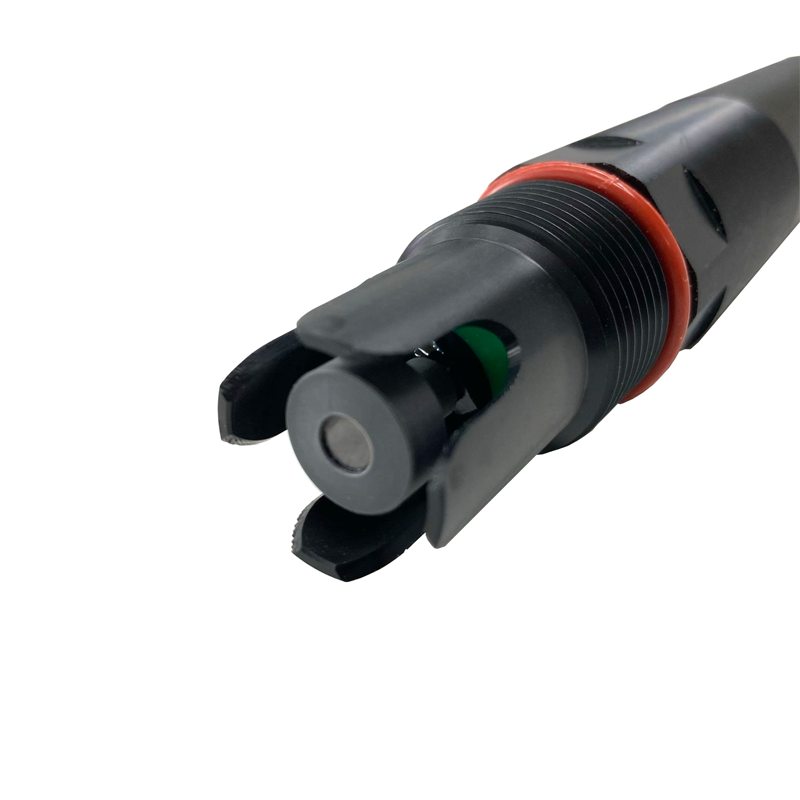
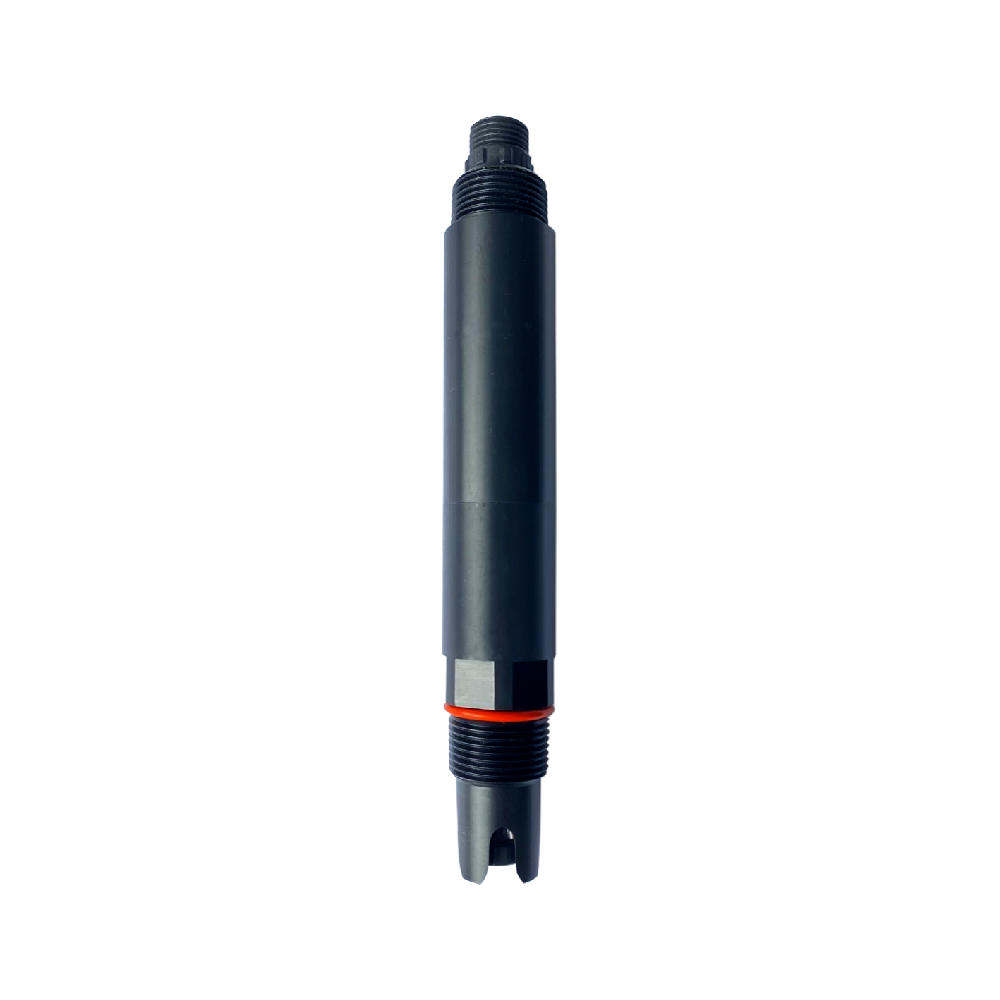
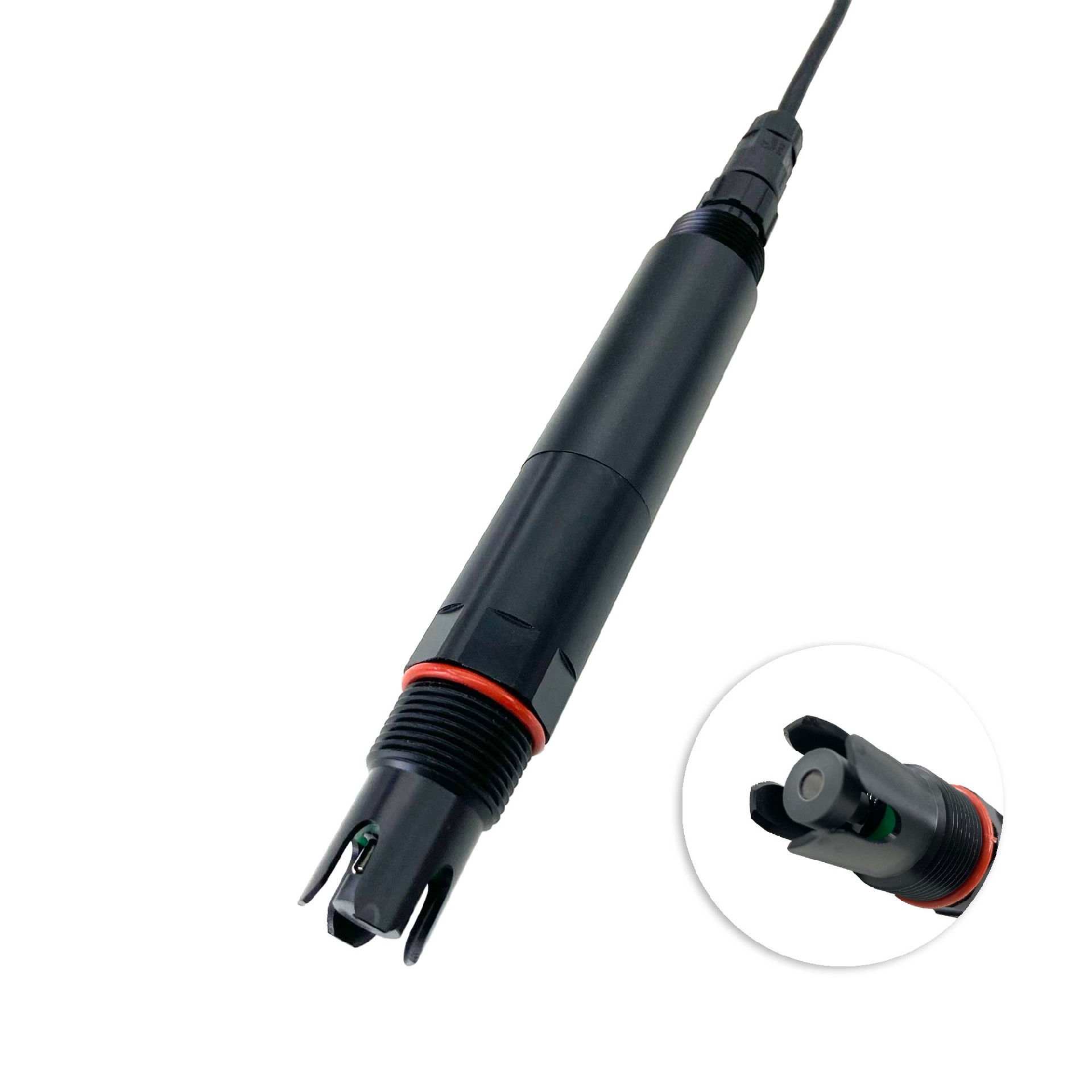
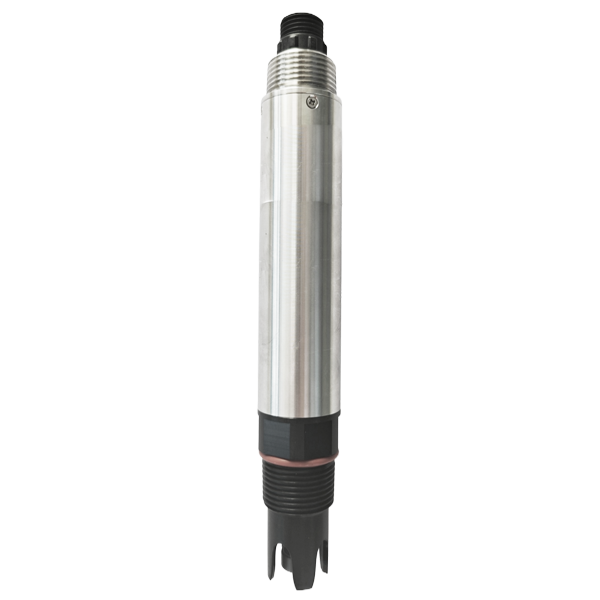
| Parameter | NBL-WQ-CLI-4A | NBL-WQ-CLI-4S |
|---|---|---|
| Shell Material | POM + ABS | POM + 316L Stainless Steel |
| Measurement Principle | Ion Selective Method | Ion Selective Method |
| Range (Optional) | 0~3500.0 mg/L, resolution 0.1 mg/L | 0~35000 mg/L, resolution 1 mg/L |
| Accuracy | ±5% reading; ±0.3℃ | ±5% reading; ±0.3℃ |
| Response Time (T90) | <60 seconds | <60 seconds |
| Minimum Detection Limit | 0.1 mg/L | 1 mg/L |
| Calibration Method | Two-point calibration | Two-point calibration |
| Temperature Compensation | Automatic (Pt1000) | Automatic (Pt1000) |
| Output Protocol | RS-485 (Modbus RTU), optional 4-20 mA | RS-485 (Modbus RTU), optional 4-20 mA |
| Working Conditions | 0~50℃, ≤0.2 MPa, pH 2~12 | 0~50℃, ≤0.2 MPa, pH 2~12 |
| Power Supply | 12~24 V DC, power consumption 0.2W@12V | 12~24 V DC, power consumption 0.2W@12V |
| Protection Rating | IP68 | IP68 |
| Cable Length | 5 meters (customizable) | 5 meters (customizable) |
| Interfering Ions | S²⁻, I⁻, Br⁻ | S²⁻, I⁻, Br⁻ |
> Selection Suggestion: Choose 4A for freshwater monitoring (0~3500 mg/L); choose 4S for seawater/high-salt wastewater.
Monitoring points: upstream of water intake, pump station forebay
Integration method: chloride ion sensor + multi-parameter water quality analyzer + 4G DTU → cloud platform
Engineering value: Realize online early warning of fecal pollution, replacing traditional manual sampling laboratory testing
Monitoring points: makeup water inlet, circulating water return
Integration method: chloride ion sensor + pH/conductivity/ORP + PLC automatic blowdown/make-up valve
Engineering value: Control chloride ion <500 mg/L, extend heat exchange equipment life by more than 30%
Monitoring points: inlet channel, industrial wastewater connection port
Integration method: chloride ion sensor + ammonia nitrogen/COD/flow meter → central control SCADA system
Engineering value: Quickly identify abnormal high-salt wastewater impact and provide early warning of biochemical system risks
Monitoring points: ponds, river sections, wetland entrances and exits
Integration method: solar buoy + chloride ion sensor + LoRa/NB-IoT transmission
Engineering value: Assess seawater intrusion range and monitor the impact of salt discharge from aquaculture tail water
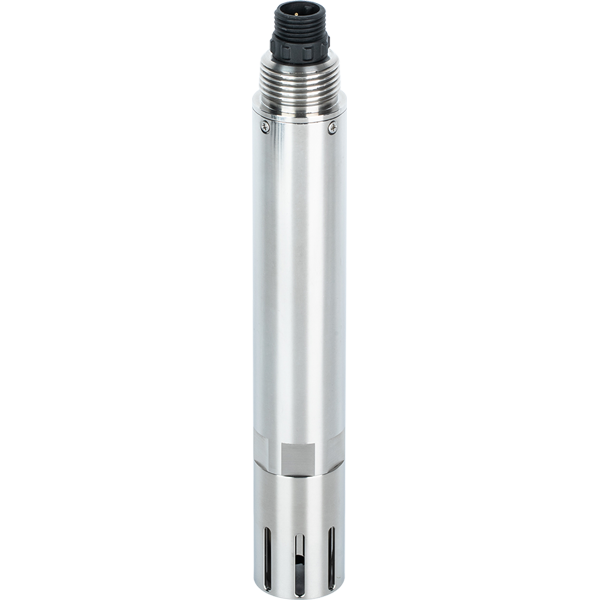
When integrating the NBL-WQ-CLI series chloride ion sensors into existing systems, please focus on confirming the following 6 items:
1. Power Supply and Signal Isolation: The sensor is powered by 12-24V DC. It is recommended to use an isolated power module to avoid sharing the same circuit with frequency converters and high-power motors.
2. Communication Protocol Docking: RS-485 interface adopts Modbus RTU, default baud rate 9600, 8 data bits, 1 stop bit, no parity. Compatibility of master equipment (PLC/DTU/RTU) must be confirmed in advance.
3. Installation Position Selection:
- Avoid proximity to water inlets or aeration devices (bubble interference)
- Avoid excessively high flow velocity (recommended <0.5 m/s)
- During submersible installation, the sensor end should be ≥20 cm from the pool bottom
4. Electrode Pretreatment and Activation: New electrodes or electrodes that have not been used for a long time should be powered and soaked in tap water for 24 hours before use. Do not put them directly into distilled water or pure water.
5. Calibration Cycle: It is recommended to perform two-point calibration every 1-2 months (low point with deionized water, high point with known concentration NaCl solution). Shorten the calibration cycle when interfering ions (S²⁻, I⁻, Br⁻) concentrations are too high.
6. Storage and Transportation: When not in use, clean the electrode head with deionized water, dry it, and put it back into the protective bottle. It is strictly prohibited to let the electrode head contact silicone grease or soak in protein solutions (such as milk, sewage) for a long time.
Q1: Can chloride ion sensors distinguish whether chloride comes from seawater or domestic sewage?
Cannot directly distinguish. It needs to be combined with other parameters: conductivity, sodium ions, bromide ions, etc. During seawater intrusion, chloride ions and sodium ions rise synchronously, while domestic sewage is accompanied by increases in ammonia nitrogen and COD.
Q2: Why does my sensor reading fluctuate greatly?
Possible reasons: ① Air bubbles attached to the electrode membrane head; ② Unstable flow velocity or excessive turbulence; ③ Affected by interfering ions (S²⁻, etc.); ④ Electrode aging requires replacement. It is recommended to first troubleshoot the installation environment.
Q3: Can the sensor be directly put into seawater or high-salt wastewater?
The 0~35000 mg/L version (CLI-4S) can be directly used in seawater (about 19000 mg/L Cl⁻) and most high-salt industrial wastewater.
Q4: How to troubleshoot Modbus RTU communication failure?
Check sequence: ① A/B wires reversed; ② Terminal resistor not matched (for long distances); ③ Device address conflict (factory default 1); ④ Baud rate inconsistency.
Q5: What is the electrode life?
Under normal use conditions (non-corrosive media, no frequent dry-wet alternation), electrode life is about 12-18 months. The patented reference system design can extend it by more than 20%, but actual life is affected by water quality.
Q6: How to wire the 4-20 mA output version?
Adopts three-wire system: power positive (red), common negative (black), signal output (white). Note that the signal receiving end needs to be connected to a 250Ω sampling resistor.
Q7: Does the sensor support automatic cleaning?
The standard version does not have automatic cleaning function. If the water body is prone to biological fouling, it is recommended to add compressed air cleaning or ultrasonic cleaning devices during system integration.
Q8: Why is the measured value still inaccurate after calibration?
Possible reasons: ① Calibration solution preparation error; ② Temperature compensation probe (Pt1000) failure; ③ Electrode membrane head contamination or scratches; ④ Presence of unknown concentration interfering ions. It is recommended to retest in a laboratory pure water environment.
For system integrators, IoT solution providers, project contractors, and engineering companies, the core considerations for choosing online chloride ion monitoring equipment should not only be “whether data can be measured”, but also:
Engineering reliability: electrode life, anti-interference ability, IP68 protection meeting site conditions
Integration convenience: standard Modbus RTU protocol, multiple signal outputs, universal NPT interface
Data validity: understanding chloride sources to correctly interpret concentration changes and avoid misjudgment
The NBL-WQ-CLI-4A and 4S series chloride ion sensors, with solid membrane ion selective technology, patented reference system, and industrial-grade protection, provide stable and low-maintenance chloride ion monitoring solutions for water treatment projects. From drinking water safety to industrial corrosion control, from wastewater treatment to environmental monitoring, this series of sensors has become a reliable choice for many engineering companies’ water quality online monitoring systems.
If you are planning a water quality monitoring project or upgrading an existing system, it is recommended to include chloride indicators in the core monitoring parameters — it is not only a sensitive indicator of water pollution but also an irreplaceable engineering defense line.
 NBL-WQ-CLI-2A online chloride ion sensor.pdf
Related recommendations
Sensors & Weather Stations Catalog
Agriculture Sensors and Weather Stations Catalog-NiuBoL.pdf
Weather Stations Catalog-NiuBoL.pdf
Agriculture Sensors Catalog-NiuBoL.pdf
Water Quality Sensor Catalog-NiuBoL.pdf
Related products
 Combined air temperature and relative humidity sensor
 TDR Soil Moisture & Temperature Sensor for irrigation| RS485 |4-20mA| NBL-S-THR
 Soil pH sensor RS485 soil Testing instrument soil ph meter for agriculture |NBL-S-PH
 Wind Speed sensor Output Modbus/RS485/Analog/0-5V/4-20mA
 Tipping bucket rain gauge for weather monitoring auto rainfall sensor RS485/Outdoor/stainless steel
 Pyranometer Solar Radiation Sensor 4-20mA/RS485

Screenshot, WhatsApp to identify the QR code
WhatsApp number:+8615367865107
(Click on WhatsApp to copy and add friends)

