





— Blogs —
—Products—
 Consumer hotline +8618073152920
 WhatsApp:+8615367865107
Address:Room 102, District D, Houhu Industrial Park, Yuelu District, Changsha City, Hunan Province, China
Product knowledge
Time:2026-05-12 16:50:49 Popularity:428
In modern high-density aquaculture, "stress" is the core cause of breeding failure, disease outbreaks, and even large-scale mortality. Stress refers to the physiological tension state of fish stimulated by environmental factors (such as temperature differences, water quality deterioration, physical handling). Although moderate stress can help fish adapt to changes, excessive stress leads to low immunity, increased morbidity, and growth retardation.
For IoT solution providers and aquaculture engineering contractors, how to monitor and warn of stress triggers in real time through precise water quality sensing devices is key to enhancing project value and customer breeding profitability.
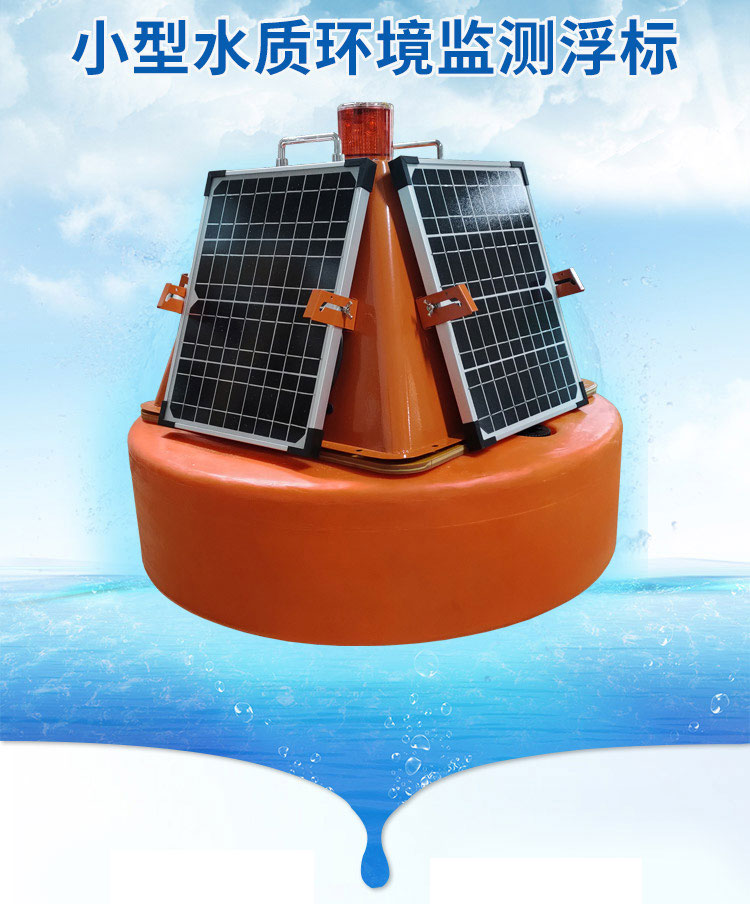
Understanding the causes of stress response is the first step in building intelligent water quality monitoring logic.
Water temperature is the baseline for fish survival. Typically, a sudden temperature change exceeding 3°C will induce significant stress. In winter open ponds or when new fish are introduced, improper temperature control can cause fish to become restless, dart around, or even die.
Dissolved Oxygen (DO) Deficiency: Hypoxia is the most direct physical trigger leading to fish stress or even surface breathing.
Accumulation of Toxic Substances: Excess ammonia nitrogen and nitrite damage fish gill tissue, causing respiratory obstruction.
pH Fluctuation: Too high or too low pH destroys the mucus protective layer on fish body surface.
These include excessive stocking density, lack of feed nutrition, as well as mechanical disturbances such as seining, long-distance transport, etc.
NiuBoL is committed to providing system integrators with industrial-grade water quality sensing terminals, making "stress factors" transparent through digital means.
| Parameter | Corresponding Sensor Solution | Role in Alleviating Stress |
|---|---|---|
| Real-time Water Temperature | NBL-WQ-T High-Precision Temperature Probe | Monitor day-night and vertical water layer differences, trigger insulation covers or heating devices. |
| Dissolved Oxygen (DO) | NBL-WQ-DO Fluorescence DO Sensor | Set low oxygen threshold, automatically activate aerators to avoid respiratory stress caused by hypoxia. |
| Ammonia Nitrogen / Nitrite | NBL-WQ-NHN Ion Selective Electrode | Real-time monitoring of organic decomposition products, guide precise sediment improvement and water exchange through data feedback. |
| pH Value | NBL-WQ-PH Industrial pH Electrode | Maintain acid-base balance of water body, prevent mucus loss and congestion due to sudden pH changes. |
| Technical Item | Specifications |
|---|---|
| Communication Interface | RS-485 |
| Communication Protocol | Modbus RTU (Standard) |
| Supply Voltage | 12-24V DC |
| Protection Rating | IP68 (Fully submersible design) |
| Output Signal | Digital signal or 4-20mA (optional) |
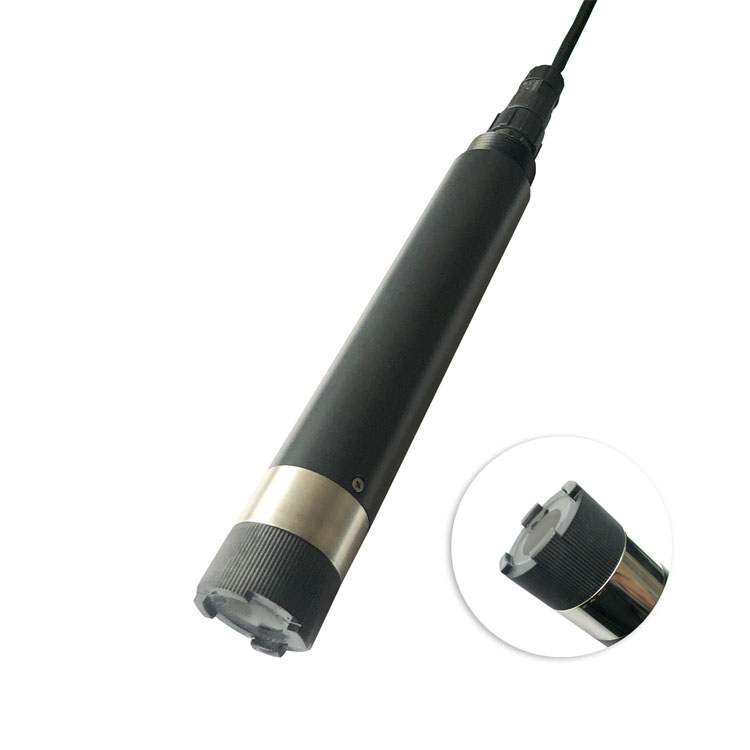
When planning smart pond systems, integrators should consider the following multi-dimensional prevention integration logic:
Water Level Control: Link water pumps via level sensors to maintain stable water level, reducing external temperature differences.
Intelligent Aeration: Use real-time DO sensor feedback to achieve on-demand operation of aerators, saving electricity while ensuring sufficient oxygen.
Sediment Improvement Warning: Based on rising trends of ammonia nitrogen and nitrite data, remind farmers to perform biological sediment improvement or use lactic acid bacteria preparations.
Transport Buffer: In fry transport system integration, add on-board dissolved oxygen monitoring, and equip multi-parameter portable detectors at fish unloading areas to ensure temperature difference within safe range of 2-5°C.
Catch-and-Release Monitoring: During high-risk periods such as dawn harvesting, the system should forcibly activate all aeration equipment to wash off excess mucus secreted by fish due to stress.
Q1: Why is monitoring temperature difference more important than monitoring absolute temperature?
Fish are poikilothermic animals; they can adapt to slow seasonal temperature changes but cannot handle drastic fluctuations in a short time. The RS-485 temperature sensor can set a temperature difference alarm slope, providing early warning when the rate of temperature change is too fast.
Q2: Why rely more on online monitoring in winter aquaculture?
In winter, photosynthesis of phytoplankton weakens, dissolved oxygen sources are limited, and water quality stability is poor. Online sensors can monitor subtle water quality changes 24/7 that are invisible to the naked eye.
Q3: How to reduce secondary stress on fish caused by sensors?
NiuBoL sensors adopt non-contact (e.g., fluorescence method) or polymer membrane electrodes, requiring no chemical reagents, causing no pollution to water body, making them the best integrated choice for green aquaculture.
Q4: What are the advantages of electrode-based ammonia nitrogen sensors in stress prevention?
Compared to traditional colorimetric methods, electrode method (ISE) requires no sampling or reagent addition, with a short response time (< 60s), enabling immediate detection of sudden rises in ammonia nitrogen concentration.
Q5: How to solve fouling problems of sensors in fish ponds?
Integrators are advised to use sensor brackets with automatic cleaning brushes, or regularly guide customers to clean with deionized water to ensure measurement accuracy.
Q6: How can the system identify whether fish are already under stress?
Integrators can use camera-based visual recognition of fish swimming trajectories (e.g., restlessness, darting) combined with water quality sensor data to build a multi-dimensional "stress assessment model".
Q7: What preparations should the water quality monitoring system make before seining?
The dissolved oxygen target value should be increased in advance, and monitoring data should confirm that ammonia nitrogen is at a low level, reducing the risk of hypoxic asphyxia caused by intense activity during harvesting.
Q8: How is the Modbus RTU protocol applied in multi-point monitoring?
This protocol supports multiple water quality sensors on the same bus, allowing integrators to easily collect all pond temperature, pressure, oxygen, ammonia data via a single gateway and upload to the cloud platform.
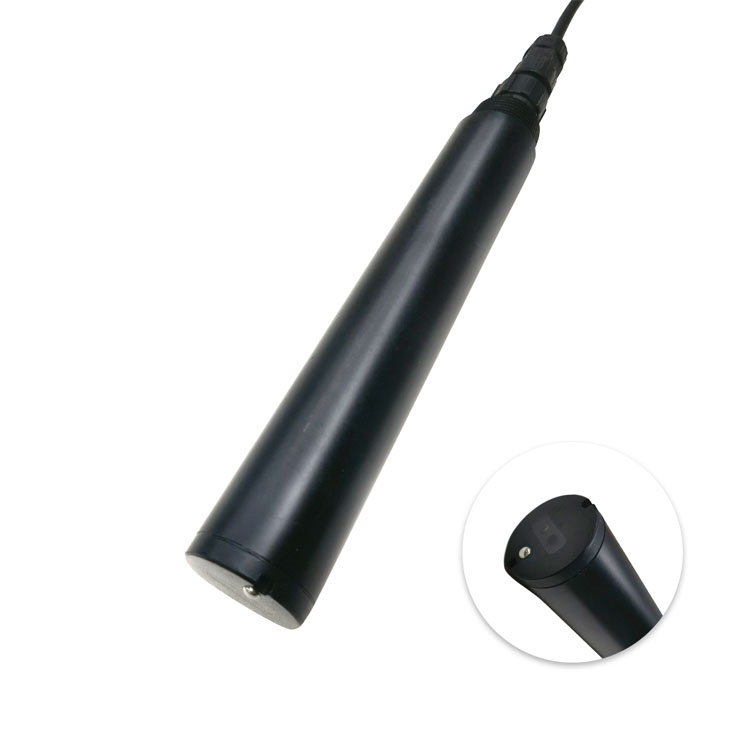
Raising fish starts with raising water; the core of anti-stress lies in maintaining the stability of the water quality environment. For system integrators, using high-precision sensors to convert complex biological stress responses into quantifiable, early-warning digital indicators is the core barrier to modern smart aquaculture projects.
The NBL-WQ series sensing terminals provided by NiuBoL, with their IP68 protection rating, standard Modbus protocol, and excellent stability, have become fundamental components in global aquaculture IoT projects. We not only manufacture devices but also assist partners in building a complete anti-stress closed-loop from "sensing" to "control", safeguarding cost reduction and efficiency improvement for the aquaculture industry.
 NBL-WQ-CL Water Quality Sensor Online Residual Chlorine Sensor.pdf
NBL-WQ-DO Online Fluorescence Dissolved Oxygen Sensor.pdf
NBL-WQ-NHN Ammonia Nitrogen Water Quality Sensor.pdf
NBL-WQ-COD Online Water Quality COD Sensor.pdf
NBL-WQ-PH Online pH Water Quality Sensor.pdf
NBL-WQ-EC water quality conductivity sensor.pdf
Related recommendations
Sensors & Weather Stations Catalog
Agriculture Sensors and Weather Stations Catalog-NiuBoL.pdf
Weather Stations Catalog-NiuBoL.pdf
Agriculture Sensors Catalog-NiuBoL.pdf
Water Quality Sensor Catalog-NiuBoL.pdf
Related products
 Combined air temperature and relative humidity sensor
 TDR Soil Moisture & Temperature Sensor for irrigation| RS485 |4-20mA| NBL-S-THR
 Soil pH sensor RS485 soil Testing instrument soil ph meter for agriculture |NBL-S-PH
 Wind Speed sensor Output Modbus/RS485/Analog/0-5V/4-20mA
 Tipping bucket rain gauge for weather monitoring auto rainfall sensor RS485/Outdoor/stainless steel
 Pyranometer Solar Radiation Sensor 4-20mA/RS485

Screenshot, WhatsApp to identify the QR code
WhatsApp number:+8615367865107
(Click on WhatsApp to copy and add friends)

