





— Blogs —
—Products—
 Consumer hotline +8618073152920
 WhatsApp:+8615367865107
Address:Room 102, District D, Houhu Industrial Park, Yuelu District, Changsha City, Hunan Province, China
Product knowledge
Time:2026-05-10 16:37:11 Popularity:471
During the operation of wastewater treatment plants, disinfection is a key unit to ensure that effluent microbiological indicators meet standards. Different disinfection methods (chlorine dioxide, sodium hypochlorite, liquid chlorine, ultraviolet light, ozone) correspond to different equipment operating procedures, safety protection measures, and maintenance intervals. For operating units and engineering service providers, understanding and strictly implementing these regulations is the foundation for reducing safety risks, extending equipment life, and meeting environmental compliance reviews.
NiuBoL recommends deploying online monitoring equipment (such as residual chlorine, turbidity, pH, oxidation-reduction potential) before and after the disinfection unit, validating disinfection effectiveness through real-time data, and linking with the process alarm system to form a "monitoring-control-recording" closed loop.
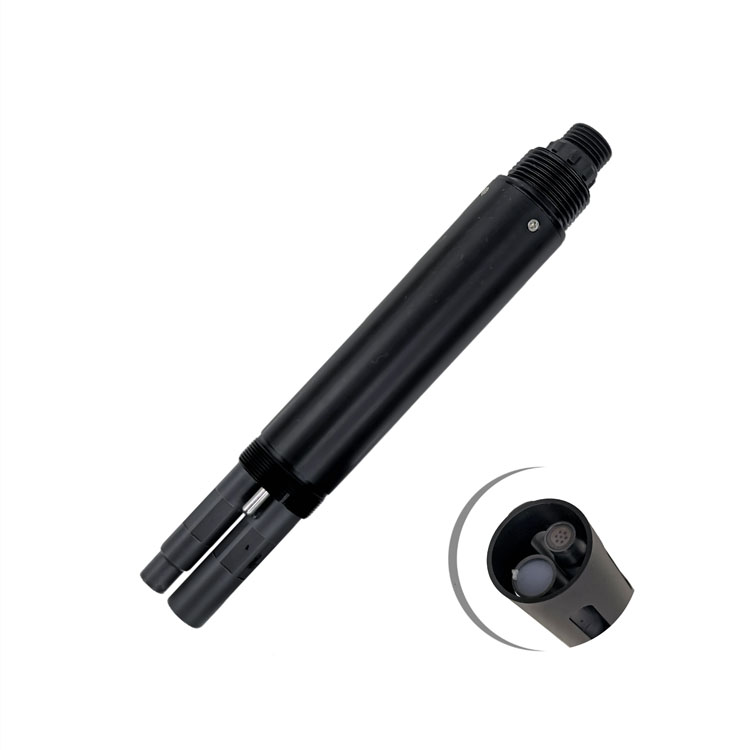
Wastewater treatment plants using chlorine dioxide generators must comply with the following regulations:
Chemical Storage Requirements
Procurement and storage of hydrochloric acid must comply with current hazardous chemical management standards
Solid sodium chlorate must be stored separately, with a distance of not less than 5 meters from equipment
The storage room must be well-ventilated and cool, avoiding high temperatures and direct sunlight
Operational Safety Specifications
During handling and preparation of sodium chlorate, hammering or striking with metal devices is strictly prohibited
Open flames are strictly prohibited in the operating area
Operators must wear protective gloves and goggles
Equipment Operation and Maintenance
Determine the dosage based on influent flow and water quality requirements
Periodically clean the strainer in the gate valve of the chlorine dioxide raw material filling port
Before startup, check whether the explosion-proof port is blocked and ensure it is open
Before startup, check the water bath refill valve and confirm that the water bath tank has sufficient water
When shutting down, after the dosing pump stops working, the equipment must continue to run for 30 minutes before shutting off the water inlet
Turn off the heater power supply when shutting down
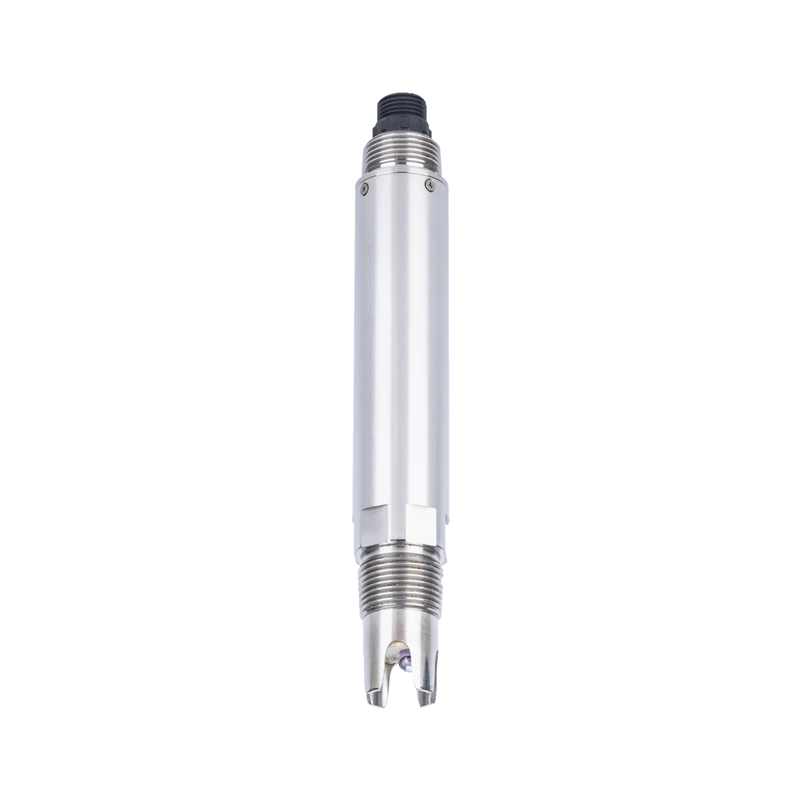
Operational requirements for using sodium hypochlorite generators:
Determine the dosage based on flow and effluent quality requirements
Clean the electrodes of the sodium hypochlorite generator monthly
Store chemicals in a dark, dry, well-ventilated, and clean room
During transportation, protect from sunlight and rain, and avoid inverted handling
Liquid chlorine is the disinfection method with the highest risk level, and the following regulations must be implemented:
Detection and Alarm Systems
Weekly check the effective interlocking function of the alarm, chlorine leak absorption unit, and chlorine leak detector
Manually start the interlocking device once a week to ensure it is in normal condition
The chlorine storage room must be equipped with a chlorine leak detection alarm device and protective equipment
Inspect and maintain the chlorine leak detector once a month
Check the gas mask once a week
The chlorine leak absorption unit should be cleaned every 6 months
Chlorination Operating Procedures
The chlorine dosage is determined based on water quality, flow, water temperature, and pH value
Chlorinate according to the chlorination equipment operating procedures
The main chlorine outlet gate valve must be closed before stopping the pump
The ventilation system in the chlorination room must run for 5-10 minutes before the chlorinator operates
Use a dedicated wrench to open and close the chlorine cylinder valve, apply even force, never hammer, and check for leaks after operation
Emergency Plans and Long-Term Shutdown
Develop emergency response plans and procedures for liquid chlorine leaks
If chlorination facilities are shut down for an extended period, the chlorine cylinders must be properly disposed of
When restarting, follow the commissioning inspection and acceptance plan
Chlorine cylinder management must comply with GB11984 "Safety Code for Chlorine"
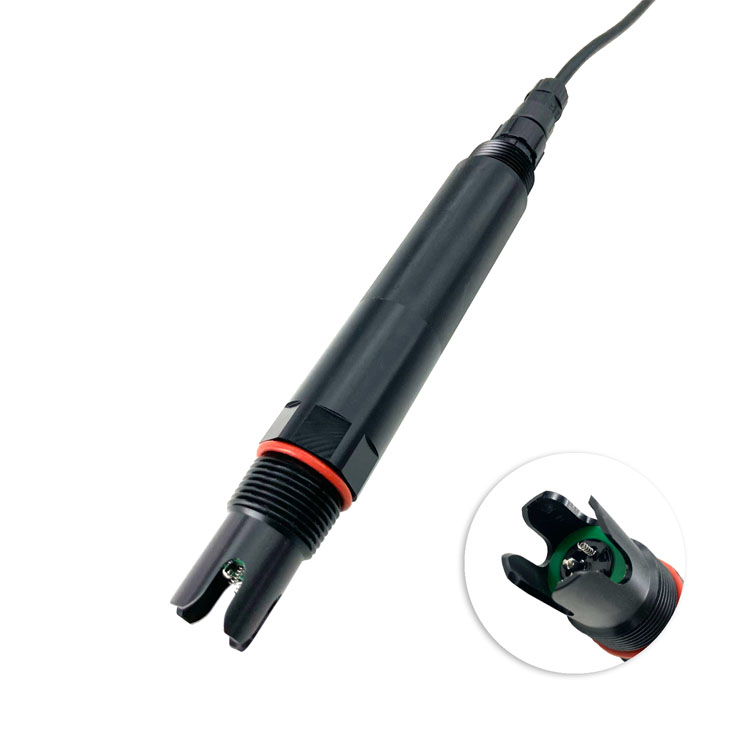
When using ultraviolet disinfection, do not turn on the equipment if the water channel is dry or the flow rate does not reach the equipment's operating water level.
Sleeve Cleaning and Replacement
Regardless of whether an automatic cleaning mechanism is equipped, regular manual cleaning of glass sleeves must be performed based on wastewater quality and site conditions
Periodically replace UV lamps, glass sleeves, glass sleeve cleaning rings, and intensity sensors
Hydraulic Condition Assurance
Regularly remove sludge from the channel in front of the overflow weir
Maintain an effective water level in front of the overflow weir to ensure sufficient submergence depth of UV lamps
For wastewater treated with ultraviolet disinfection, transmittance must be greater than 30%
Safety Protection
Personnel working on or visiting the UV process system must take protective measures
Unauthorized personnel are strictly prohibited from staying in the work area
The equipment lamp module and control cabinet must be strictly grounded to avoid electric shock
Wear rubber gloves and protective goggles when manually cleaning glass sleeves

When using ozone, the ozone concentration detection alarm device in the ozone generation room must be calibrated regularly. In the event of a leak, immediately open doors and windows and start the exhaust fan.
Start/Stop Sequence
The start and stop of the ozone generator must lag behind other equipment in the ozone system
Strictly follow the start and stop sequence
Air Compressor Management
Increase or decrease the blowdown frequency of the air compressor according to temperature and humidity
The air compressor must be equipped with a safety valve to ensure operation within the specified pressure range
If the system pressure exceeds the set value, check the cause and troubleshoot
Adjust the cooling water flow of water-cooled air compressors according to the season; the inlet temperature of the circulating cooling water should be controlled at 20-32°C, and the outlet temperature should not exceed 38°C
Dryer and Catalyst
The dryer should minimize regeneration gas consumption while meeting air quality requirements
When using an off-gas destructor, periodically check the catalyst effectiveness and replace it in a timely manner
Winter Shutdown and Annual Maintenance
In winter or when the ozone generator is not used for an extended period, drain water from all system equipment
Perform monthly maintenance on the air compressor, dryer, precooler, and ozone generator
Clean the ozone contact tank and off-gas absorption facilities at least once a year, and paint iron parts once a year
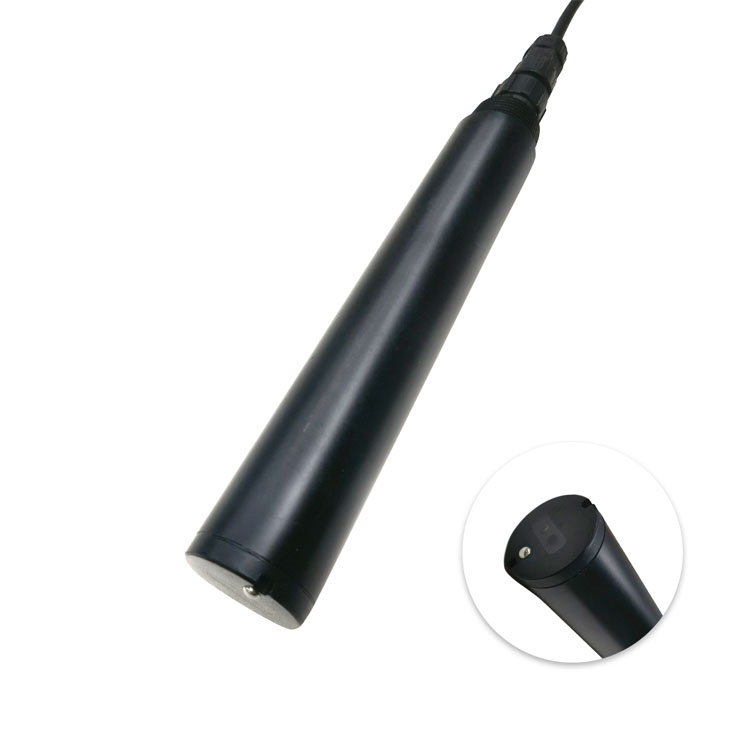
Recommended Key Parameter Monitoring for Disinfection Processes (NiuBoL Solution)
| Disinfection Method | Online Monitoring Parameters | Recommended Monitoring Points | Typical Range | Data Purpose |
|---|---|---|---|---|
| Chlorine Dioxide / Liquid Chlorine / Sodium Hypochlorite | Total residual chlorine, pH, temperature | Disinfection tank outlet, end of contact tank | Residual chlorine: 0-2 mg/L | Validate disinfection effectiveness, avoid over-dosing |
| Ultraviolet | Turbidity, UV transmittance, flow rate | Front section of UV channel, inside sleeve | Turbidity: 0-20 NTU | Ensure transmittance >30%, indicate sleeve cleaning |
| Ozone | Dissolved ozone concentration, ORP, off-gas ozone concentration | Contact tank, off-gas destructor outlet | ORP: 0-1000 mV | Optimize dosing, alarm interlock for leakage |
| General Pre-treatment | COD, ammonia nitrogen, suspended solids | Inlet of disinfection unit | COD: 0-100 mg/L | Assess impact of pre-disinfection water quality on chemical consumption |
Q1: As a WWTP operator, how to determine the feasibility of converting the disinfection method from liquid chlorine to sodium hypochlorite or chlorine dioxide?
A: It is necessary to assess whether the existing dosing room safety distance, storage conditions, and ventilation system meet the requirements of the new process. When converting from liquid chlorine to chlorine dioxide, special attention should be paid to the segregated storage capacity for hydrochloric acid and sodium chlorate. It is recommended to commission a design institute to conduct a HAZOP analysis and refer to GB 50014 "Standard for Design of Outdoor Drainage". Online monitoring equipment should be configured with residual chlorine and pH analyzers for closed-loop control.
Q2: How should the frequency of manual cleaning of glass sleeves in UV disinfection systems be determined?
A: Depends on influent suspended solids concentration and water hardness. Generally, visual inspection weekly and manual cleaning every 2-4 weeks is recommended. For wastewater with high SS (>30 mg/L), the cleaning interval should be shortened to weekly. NiuBoL turbidity online monitors can assist in determining the trend of sleeve fouling.
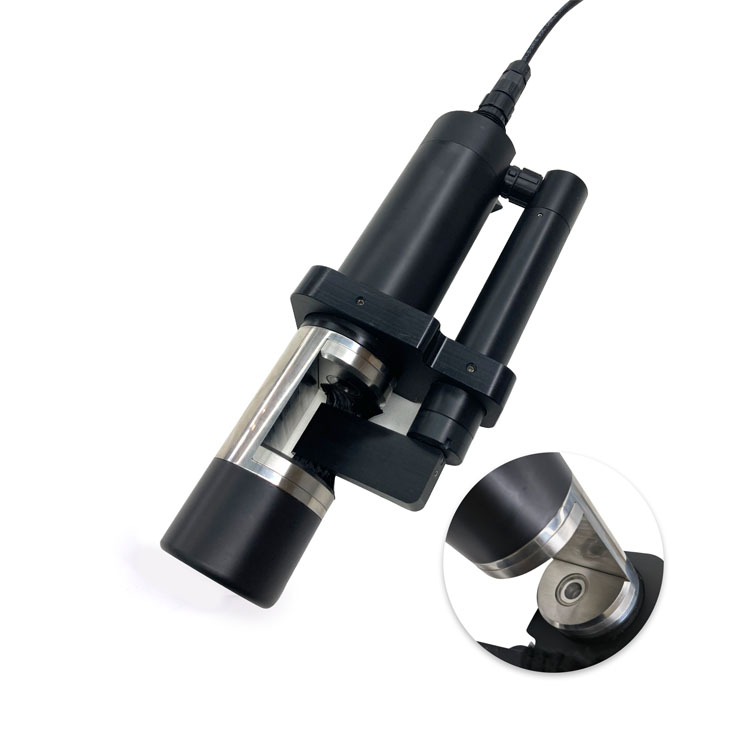
The safe operation of disinfection units in wastewater treatment plants relies on strict implementation of differentiated operating procedures for five processes: chlorine dioxide, sodium hypochlorite, liquid chlorine, ultraviolet light, and ozone. From chemical storage, handling, and dosing to equipment start/stop sequences, maintenance intervals, and leak emergency response, each link has clear technical specifications. At the same time, it is recommended that operating units deploy NiuBoL water quality online monitors (parameters such as residual chlorine, turbidity, pH, ORP) before and after the disinfection unit, using real-time data to validate disinfection effectiveness, warn of sleeve fouling or transmittance decline, and assist in leak alarm system interlocking. Combining process operating procedures with an online monitoring data closed loop is an effective path to reduce safety risks, ensure stable effluent compliance, and pass environmental compliance reviews.
 NBL-WQ-CL Water Quality Sensor Online Residual Chlorine Sensor.pdf
NBL-WQ-DO Online Fluorescence Dissolved Oxygen Sensor.pdf
NBL-WQ-NHN Ammonia Nitrogen Water Quality Sensor.pdf
NBL-WQ-COD Online Water Quality COD Sensor.pdf
NBL-WQ-PH Online pH Water Quality Sensor.pdf
NBL-WQ-EC water quality conductivity sensor.pdf
Related recommendations
Sensors & Weather Stations Catalog
Agriculture Sensors and Weather Stations Catalog-NiuBoL.pdf
Weather Stations Catalog-NiuBoL.pdf
Agriculture Sensors Catalog-NiuBoL.pdf
Water Quality Sensor Catalog-NiuBoL.pdf
Related products
 Combined air temperature and relative humidity sensor
 TDR Soil Moisture & Temperature Sensor for irrigation| RS485 |4-20mA| NBL-S-THR
 Soil pH sensor RS485 soil Testing instrument soil ph meter for agriculture |NBL-S-PH
 Wind Speed sensor Output Modbus/RS485/Analog/0-5V/4-20mA
 Tipping bucket rain gauge for weather monitoring auto rainfall sensor RS485/Outdoor/stainless steel
 Pyranometer Solar Radiation Sensor 4-20mA/RS485

Screenshot, WhatsApp to identify the QR code
WhatsApp number:+8615367865107
(Click on WhatsApp to copy and add friends)

