





— Blogs —
—Products—
 Consumer hotline +8618073152920
 WhatsApp:+8615367865107
Address:Room 102, District D, Houhu Industrial Park, Yuelu District, Changsha City, Hunan Province, China
Product knowledge
Time:2026-05-10 16:14:41 Popularity:384
Water pollution has become a persistent issue that the environmental engineering field must continuously address. For system integrators, IoT solution providers, and project contractors, the core task is not basic science communication, but rather how to use reliable water quality online monitoring technology to achieve precise identification of pollution sources, verify compliance, and ensure the operational stability of wastewater treatment plants.
The combined discharge of industrial wastewater, agricultural non-point source pollution, and municipal domestic sewage has led to excessive concentrations of toxic and hazardous substances (such as cadmium, mercury, arsenic, copper, acids, alkalis, etc.) in receiving water bodies, thereby damaging aquatic ecosystems and threatening human health through the food chain. Meanwhile, organic matter in wastewater consumes dissolved oxygen during microbial decomposition. When dissolved oxygen is depleted, anaerobic decomposition occurs, producing odorous gases like hydrogen sulfide and mercaptans, further exacerbating pollution.
Against this backdrop, NiuBoL provides industrial-grade water quality online monitoring solutions for professional engineering clients, focusing on conventional yet critical parameters such as COD, ammonia nitrogen, total phosphorus, and total nitrogen, ensuring that data at discharge outlets and various process stages of WWTPs is authentic, real-time, and traceable.
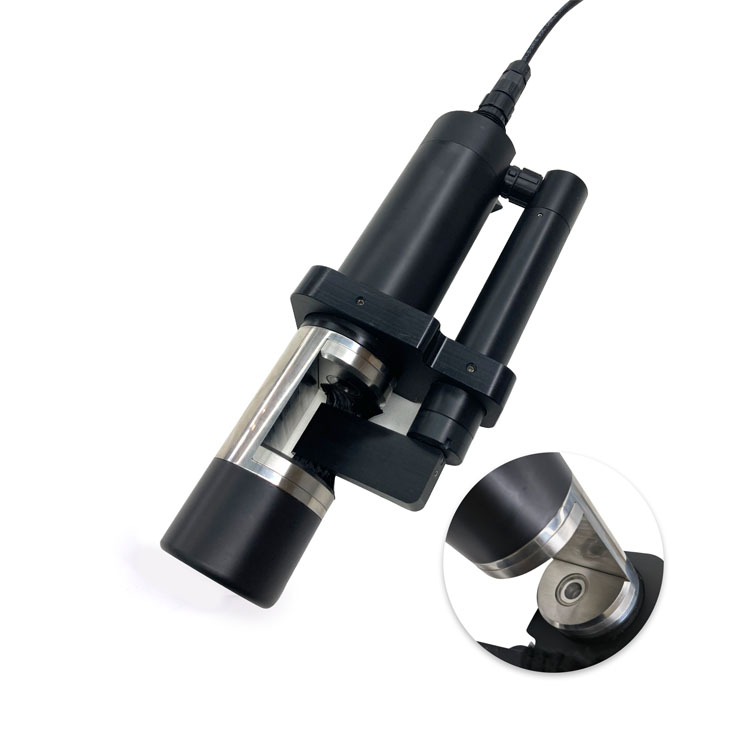
Influent to a wastewater treatment plant refers to untreated sewage entering the first process stage. Severe fluctuations in influent quality—especially sudden exceedances of COD or ammonia nitrogen—directly impact the biological system, leading to massive death of activated sludge and loss of nitrification function. Common issues in engineering practice include:
Illegal discharge of unknown toxic industrial wastewater into the sewer network
Influent pH severely deviating from the normal range of 6-9
Ammonia nitrogen concentration exceeding design load (e.g., >300 mg/L)
Deploying NiuBoL water quality online monitors at the influent point provides real-time data on key indicators such as ammonia nitrogen and COD. Data is transmitted to the central control system or cloud platform via 4-20mA or Modbus RTU/TCP protocols, enabling exceedance alarms and automatic sampling, thereby buying response time for downstream process adjustments.
Effluent is the water body that, after complete treatment, meets national or local discharge standards and is discharged externally. Even with a reasonably designed treatment process, intermittent exceedances may still occur in the effluent. Typical scenario analysis:
A municipal WWTP discovered through NiuBoL effluent online monitoring equipment that ammonia nitrogen data showed intermittent exceedances. After investigation, the engineering team confirmed that the influent was impacted by unknown toxic wastewater, inhibiting the activity of nitrosomonas and nitrobacter in the biological system and causing floc disintegration. Since the original design influent quality baseline was disrupted, the system could not complete the nitrification reaction within the standard retention time, resulting in periodic ammonia nitrogen exceedance in the effluent.
This case illustrates that relying solely on end-of-pipe monitoring is insufficient; a full-process online monitoring network covering influent, biological tanks, and effluent is essential.
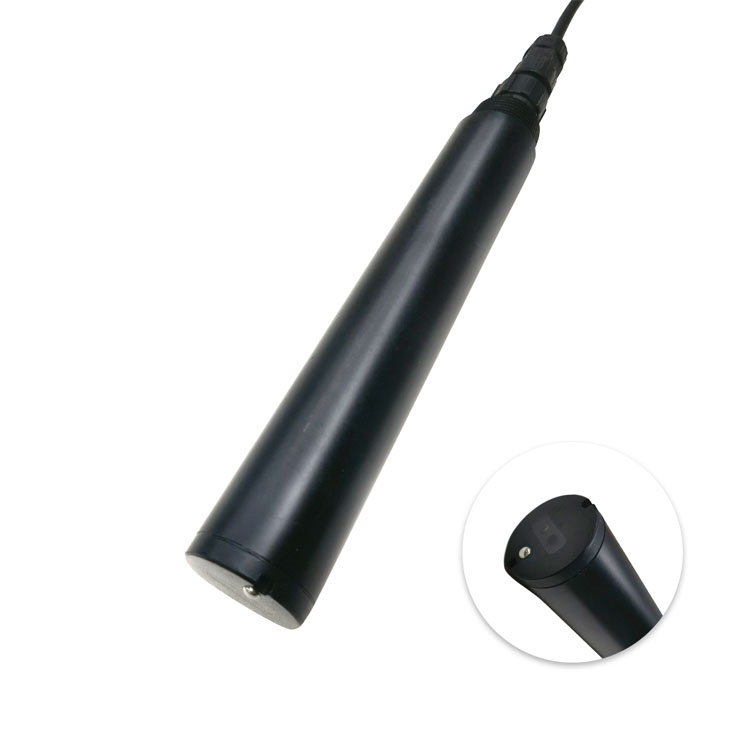
Industrial wastewater has complex compositions, with significant differences in characteristic pollutants across industries (electroplating, printing and dyeing, chemical, pharmaceutical, etc.). For industrial wastewater discharge outlets, NiuBoL recommends modular water quality monitors that support expansion for special parameters such as heavy metals (e.g., hexavalent chromium, total mercury, total arsenic), cyanide, and sulfides as needed.
Common Parameter Combinations for Industrial Wastewater Monitoring
| Industry Type | Core Monitoring Parameters | Optional Extended Parameters | Typical Range |
|---|---|---|---|
| Electroplating/PCB | Total copper, total nickel, COD, pH | Total chromium, hexavalent chromium, cyanide | COD:0-500mg/L |
| Printing/Dyeing/Textile | COD, ammonia nitrogen, color, pH | Total phosphorus, sulfide | Ammonia nitrogen:0-200mg/L |
| Chemical/Pharmaceutical | COD, ammonia nitrogen, total nitrogen, TOC | Volatile phenols, BTEX | Total phosphorus:0-50mg/L |
| Food/Slaughterhouse | COD, ammonia nitrogen, total phosphorus, SS | Animal/vegetable oils, pH | Total nitrogen:0-100mg/L |
Sediment, pesticides, and fertilizers carried by farmland runoff are major drivers of surface water eutrophication. Although it is difficult to monitor every discharge point for non-point source pollution, for large-scale irrigation district outlets or watershed sections, project contractors can use NiuBoL outdoor small automatic water quality monitoring stations, focusing on eutrophication indicators such as total phosphorus, total nitrogen, and ammonia nitrogen.
Domestic sewage mainly comes from kitchens, bathrooms, toilets, etc. Its characteristics are relatively stable COD and ammonia nitrogen concentrations (typically COD 200-500 mg/L, ammonia nitrogen 20-50 mg/L), but large flow fluctuations. For key nodes in the pipeline network and pumping stations, online COD monitors and ammonia nitrogen analyzers are recommended to identify the impact of extraneous water (e.g., illegal industrial discharge, groundwater infiltration) on WWTP influent.

Q1: As a system integrator, what technical indicators should be prioritized when selecting water quality online monitors?
A: Focus on measurement principles (e.g., electrode method vs. Nessler's reagent colorimetry for ammonia nitrogen), whether the range and detection limit match site conditions, data protocol compatibility (Modbus/Profibus/OPC UA), automatic cleaning and calibration functions, and maintenance intervals. It is recommended to request real-water test reports from suppliers.
Q2: Can COD, ammonia nitrogen, total phosphorus, and total nitrogen be measured simultaneously by a single device?
A: Some multi-parameter water quality monitors can achieve this, but note: COD and total phosphorus/total nitrogen have different digestion conditions. If a single device uses time-sharing measurement, the cycle will be extended (typically 1-2 hours/cycle). For scenarios requiring high-frequency monitoring (e.g., influent warning), it is recommended to use independent analyzers for COD and ammonia nitrogen, while total phosphorus and total nitrogen can be combined into one device.
Q3: When severe influent quality exceedance causes a biological system crash, how should online monitoring data assist emergency decision-making?
A: When influent ammonia nitrogen or COD exceeds 1.5 times the design upper limit for more than 1 hour, the system should automatically trigger a three-level alarm: on-site audible/visual alarm, pop-up notification on the central control, and SMS push to the operation and maintenance person in charge. Simultaneously, an automatic sampler should be activated to preserve the water sample, and an emergency procedure such as bypass discharge or adding carbon source/nitrifying bacteria should be initiated.
Q4: What data upload protocols does the NiuBoL water quality online monitor support? Does it meet national environmental protection standards?
A: Supports HJ 212-2017 national standard for data transmission of pollution source online automatic monitoring systems, as well as Modbus RTU/TCP, MQTT, and OPC UA. It can interface with major domestic environmental protection platforms and third-party IoT platforms.
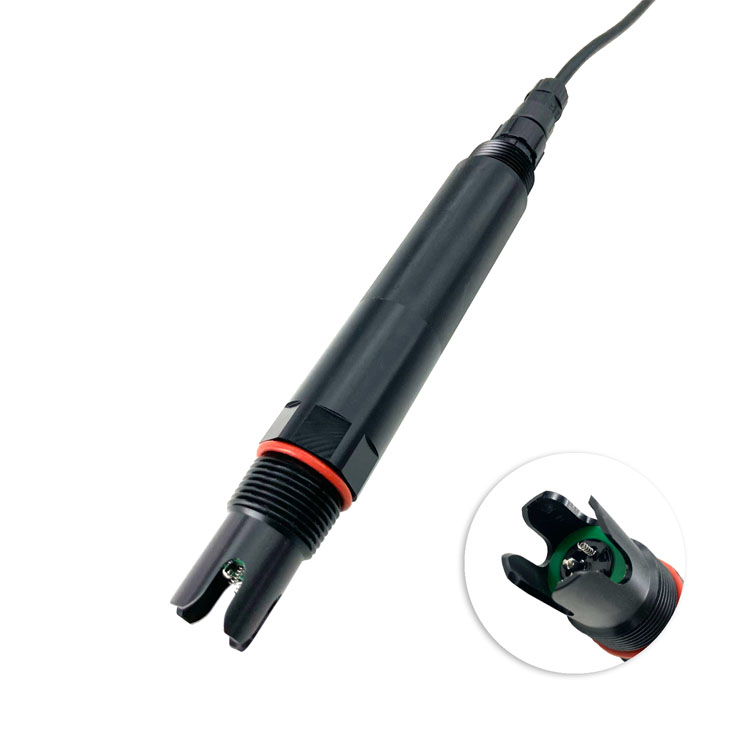
Q5: The deviation between effluent monitoring data and laboratory comparison is large. What could be the reasons?
A: Common reasons include: insufficient representativeness of sampling point (proportional sampler recommended), contamination of pipeline residues, aging sensor membrane head or expired calibration solution, interference of suspended solids in water samples with optical measurement. It is recommended to perform a standard solution check weekly and a laboratory comparison monthly.
Q6: Does high salinity or high suspended solids in industrial wastewater affect the lifespan of online monitors?
A: Yes. High salinity corrodes electrodes and flow paths, and high suspended solids easily block pipelines. Solutions include: using sensors with corrosion-resistant materials (PTFE, titanium alloy), installing self-cleaning filtration pretreatment systems, and performing regular acid or ultrasonic cleaning. NiuBoL offers ruggedized analyzers for harsh conditions.
Q7: How should the calibration cycle and maintenance frequency of online monitoring instruments be set?
A: Generally recommended: zero/span drift check weekly, multi-point calibration monthly, reagent replacement and pipeline cleaning every 15-30 days (depending on water sample cleanliness). For high-pollution points like influent, the maintenance interval should be shortened to 7-10 days.
Q8: How to evaluate the long-term operational reliability of different brands of water quality online monitors?
A: Request MTBF (Mean Time Between Failures) data from the supplier, field operation cases in the same industry for more than 3 years, spare parts supply cycle, and localized after-sales service response time. It is advisable to conduct a trial use on a small scale for 3 months to assess data validity rate and fault intervals.
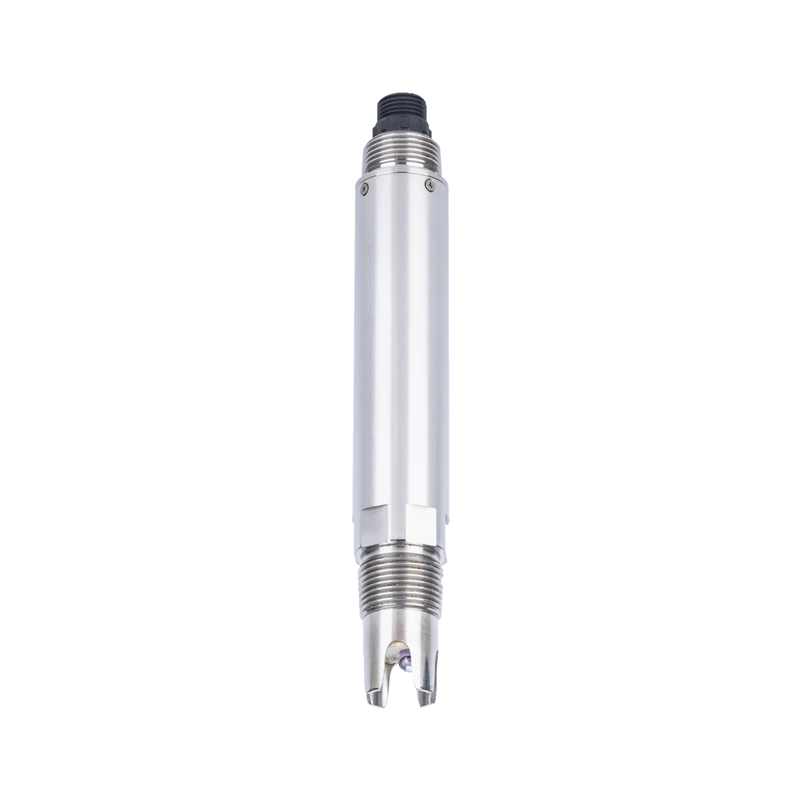
Water pollution control has shifted from end-of-pipe treatment to full-process online monitoring. For system integrators, IoT solution providers, and project contractors, selecting water quality online monitors with industrial-grade reliability, standardized protocols, and easy maintenance is the key path to ensuring wastewater discharge compliance and enhancing the shock resistance of wastewater treatment plants. NiuBoL focuses on core parameters such as COD, ammonia nitrogen, total phosphorus, and total nitrogen, providing complete solutions from the sensor layer to the platform layer, supporting customized ranges and extended parameters, and adapting to diverse scenarios including industrial wastewater, municipal sewage, and surface water sections. Through three-stage deployment of influent warning, process monitoring, and effluent compliance verification, NiuBoL helps professional customers reduce exceedance risks and improve project delivery quality.
 NBL-WQ-CL Water Quality Sensor Online Residual Chlorine Sensor.pdf
NBL-WQ-DO Online Fluorescence Dissolved Oxygen Sensor.pdf
NBL-WQ-NHN Ammonia Nitrogen Water Quality Sensor.pdf
NBL-WQ-COD Online Water Quality COD Sensor.pdf
NBL-WQ-PH Online pH Water Quality Sensor.pdf
NBL-WQ-EC water quality conductivity sensor.pdf
Related recommendations
Sensors & Weather Stations Catalog
Agriculture Sensors and Weather Stations Catalog-NiuBoL.pdf
Weather Stations Catalog-NiuBoL.pdf
Agriculture Sensors Catalog-NiuBoL.pdf
Water Quality Sensor Catalog-NiuBoL.pdf
Related products
 Combined air temperature and relative humidity sensor
 TDR Soil Moisture & Temperature Sensor for irrigation| RS485 |4-20mA| NBL-S-THR
 Soil pH sensor RS485 soil Testing instrument soil ph meter for agriculture |NBL-S-PH
 Wind Speed sensor Output Modbus/RS485/Analog/0-5V/4-20mA
 Tipping bucket rain gauge for weather monitoring auto rainfall sensor RS485/Outdoor/stainless steel
 Pyranometer Solar Radiation Sensor 4-20mA/RS485

Screenshot, WhatsApp to identify the QR code
WhatsApp number:+8615367865107
(Click on WhatsApp to copy and add friends)

