





— Blogs —
—Products—
 Consumer hotline +8618073152920
 WhatsApp:+8615367865107
Address:Room 102, District D, Houhu Industrial Park, Yuelu District, Changsha City, Hunan Province, China
Product knowledge
Time:2026-05-10 15:26:58 Popularity:336
Industrial online pH sensors with temperature compensation directly affect measurement accuracy in aquaculture, chemical processes and environmental monitoring. NiuBoL NBL-WQ-PH industrial-grade pH sensor adopts Pt1000 automatic temperature compensation and RS-485 Modbus RTU output, providing stable and reliable online pH monitoring solutions for system integrators and engineering companies.
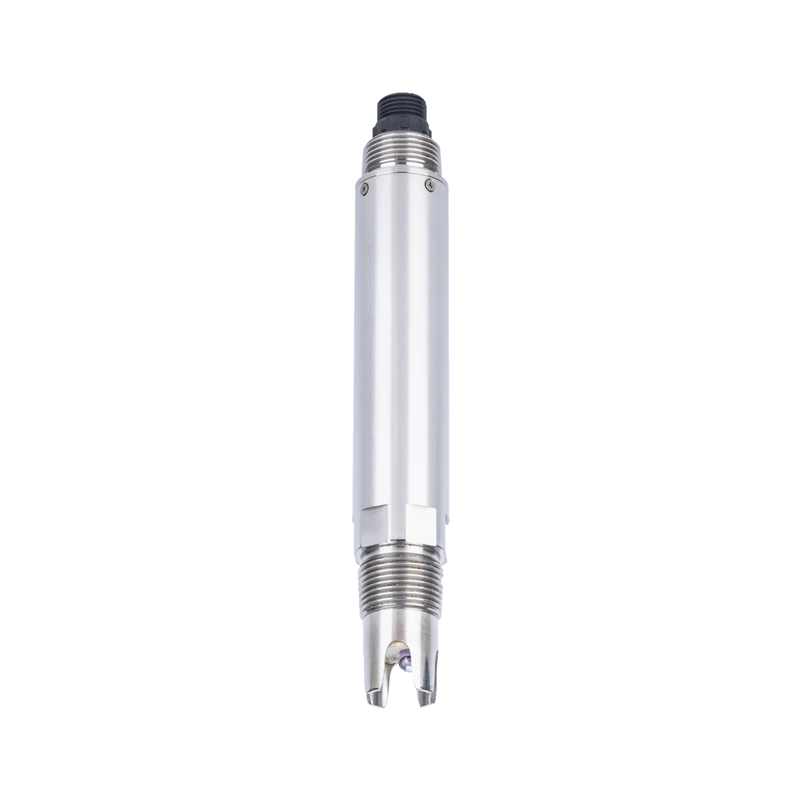
For system integrators, IoT solution providers and project contractors, selecting an industrial online pH sensor with reliable temperature compensation is the foundation for ensuring the accuracy and stability of the entire monitoring system.
This article focuses on engineering application requirements, analyzes the mechanism of temperature influence on pH measurement, key points of compensation technology, and the selection and integration practice of NiuBoL NBL-WQ-PH water quality sensor.
The potential output of pH electrodes follows the Nernst equation, and temperature directly affects the electrode slope. Standard theoretical values show that for each unit deviation from pH 7.00, a temperature change of 1°C will produce an error of approximately 0.003 pH.
Quantitative Examples:
In the pH 6~8 range (one unit deviation from pH 7), a 60°C temperature difference can introduce an error of approximately 0.18 pH.
In the wide pH 4~10 range (three units deviation), the error can reach 0.54 pH under the same temperature difference.
For industrial applications requiring accuracy better than 0.1 pH, pH meters without temperature compensation are difficult to meet engineering requirements. In the absence of compensation, the actual usable accuracy of a 0.2-level instrument is usually limited to around 0.2 pH.
Main Influence Paths:
Electrode slope changes with temperature.
The pH value of the solution itself is affected by temperature (especially weak acid and weak base buffer systems).
Reference electrode potential drift.
Therefore, industrial sites are recommended to preferentially select online pH sensors with automatic temperature compensation (ATC), and combine the following engineering practices to reduce errors:
The pH value of calibration buffer solution should be as close as possible to the measured medium.
Calibration temperature should be consistent or close to the operating temperature.
Use instruments with Pt1000 or equivalent temperature compensation.
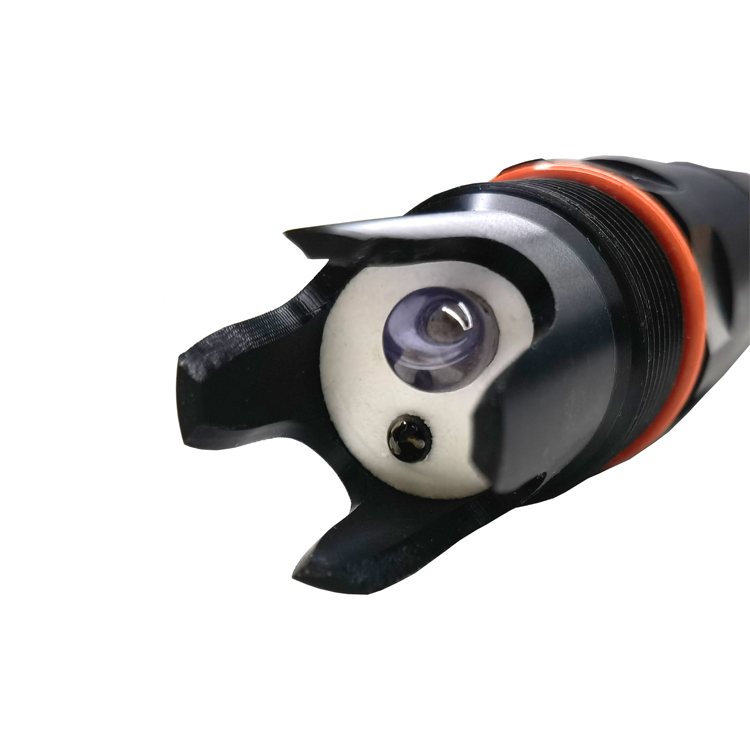
NiuBoL NBL-WQ-PH industrial pH sensor is widely suitable for engineering projects that require continuous and stable pH data:
Intelligent aquaculture systems: Real-time monitoring of pH fluctuations in ponds or recirculating aquaculture systems, linked with oxygenation and feeding control to reduce ammonia nitrogen synergy risks.
Chemical process control: Precise dosing control for acid-base neutralization reactions and wastewater treatment.
Environmental water quality monitoring stations: Online monitoring of surface water and sewage treatment plant effluent, supporting environmental data reporting.
Food, beverage and pharmaceutical industries: Production process pH parameter recording and traceability.
Large-scale water treatment projects: Multi-point distributed deployment, connected to PLC or SCADA systems via RS-485 bus for centralized monitoring.
In these scenarios, temperature changes are drastic (such as day-night temperature differences, process heating/cooling), and automatic temperature compensation becomes the core technology to ensure data reliability.
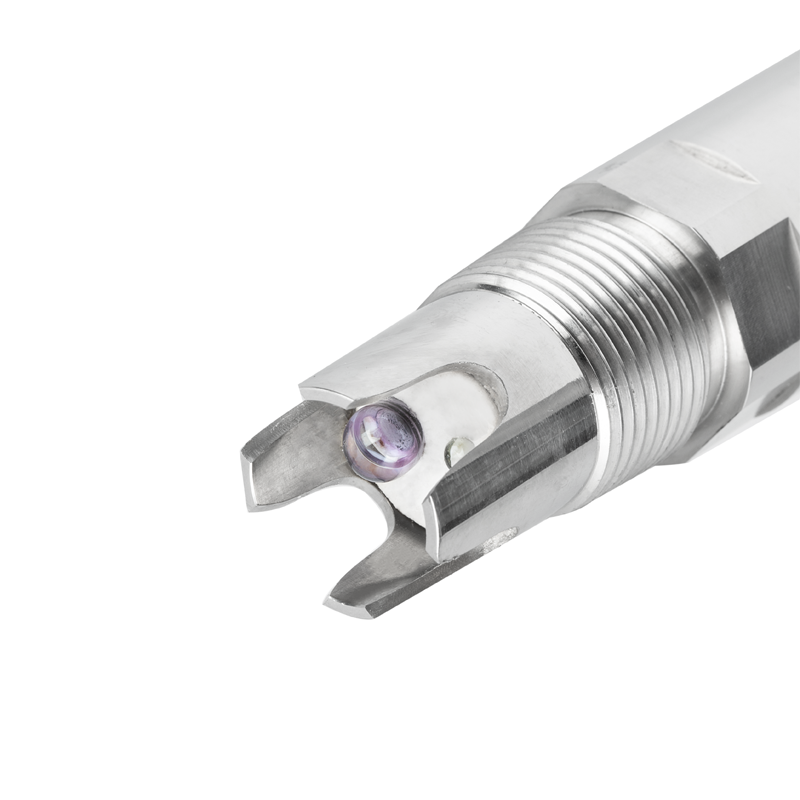
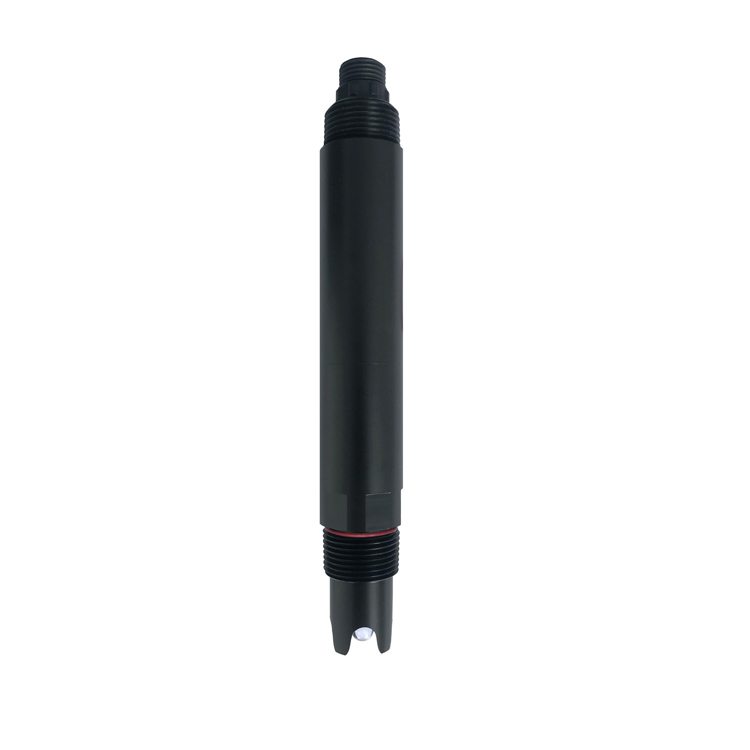
NBL-WQ-PH adopts glass electrode method, integrates dual high-impedance differential amplifier and Pt1000 automatic temperature compensation, meeting most industrial online measurement requirements.
| Parameter | Specification |
|---|---|
| Measurement Principle | Glass Electrode Method |
| Range | 0~14.00 |
| Resolution | 0.01 |
| Accuracy | ±0.1 pH, ±0.3℃ |
| Response Time (T90) | <30 s |
| Calibration Method | Two-point Calibration |
| Temperature Compensation | Automatic (Pt1000) |
| Output Signal | RS-485 (Modbus RTU) |
| Power Supply Voltage | 12~24 V DC |
| Power Consumption | 0.2 W @ 12 V |
| Protection Level | IP68 |
| Working Conditions | 0~50℃, ≤0.2 MPa |
| Installation Method | Submersible, 3/4 NPT Pipe Thread |
| Shell Material | ABS/PC Alloy |
| Cable Length | 5 meters (customizable) |
The patented reference system slowly seeps out the internal reference liquid under ≥100 kPa pressure, significantly extending electrode life and reducing maintenance frequency.
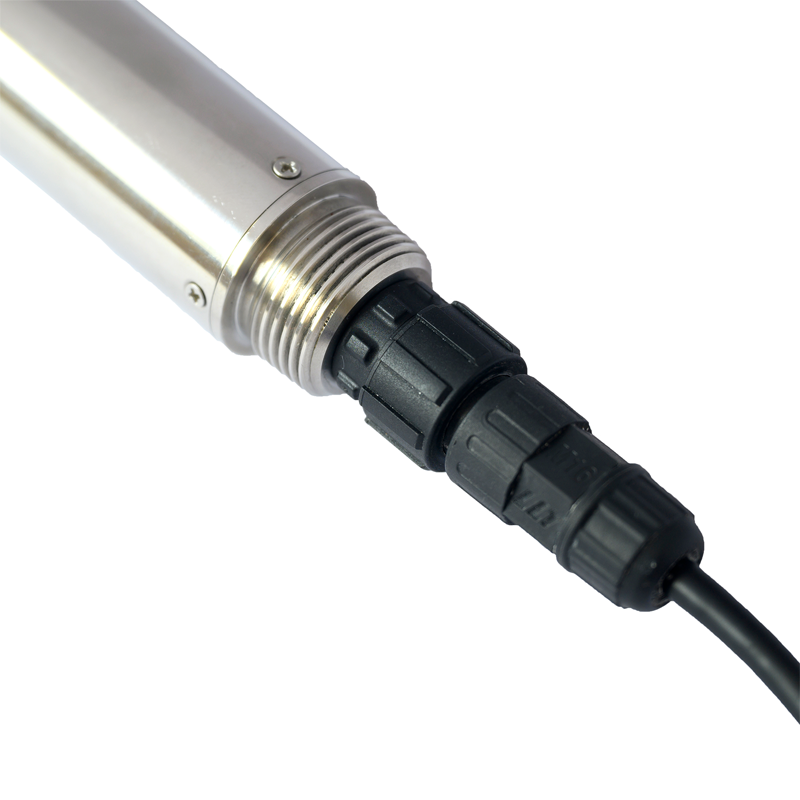
Selection Key Points:
Accuracy requirements: ±0.1 pH is sufficient for conventional water treatment; for high-precision chemical processes, regular calibration verification with instruments is recommended.
Temperature range: Confirm whether the on-site temperature fluctuation is within the 0-50℃ operating range.
Output interface: RS-485 Modbus RTU supports multi-node networking, convenient for integration with PLC, DCS and IoT gateways.
Installation environment: IP68 protection is suitable for immersion installation. Oil, protein or high suspended solids content in the medium should be evaluated, and pre-cleaning devices should be added if necessary.
Integration Notes:
During installation, the sensor should be immersed at least 1/3 into the measured medium, avoiding installation in dead corners or strong flow impact positions.
Wiring terminals must be properly waterproof sealed. Anti-corrosion cables are recommended for long-term immersion environments.
Modbus register mapping adopts standard protocol, convenient for upper computer to read pH value, temperature and diagnostic information.
During system debugging, it is recommended to record temperature and pH data synchronously to verify compensation effect.
Combined with actual on-site temperature difference, evaluate whether additional manual temperature correction is needed as backup.
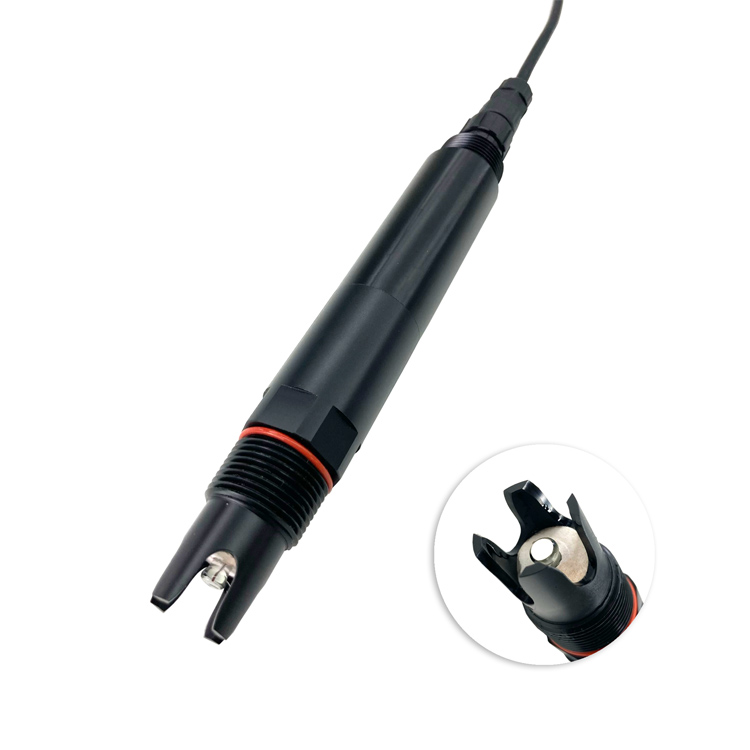
To extend service life, the following engineering maintenance procedures are recommended:
Clean with distilled water or deionized water and dry before use.
When not in use, place the electrode in 3 mol/L KCl solution for storage. Avoid dry storage or long-term immersion in distilled water.
Use dilute hydrochloric acid to clean glass membrane contamination; pepsin/hydrochloric acid cleaning solution is recommended for protein contamination; acetone or ethanol for oily media.
Use special thiol cleaning solution when the liquid junction turns black.
When response becomes slow, regeneration solution can be used for activation treatment (soak for 30 seconds then transfer to 3 mol/L KCl solution for 5 hours).
Perform two-point calibration regularly. Replace the sensor if it cannot be restored.
Standardized maintenance can extend the effective electrode life to more than 12-24 months, reducing the full life cycle cost of the project.
Q1. How necessary is temperature compensation for industrial online pH measurement?
In sites with temperature differences exceeding 20℃, errors can easily exceed 0.1 pH without compensation. Automatic temperature compensation (ATC) can minimize temperature-induced errors and is an essential function for systems with accuracy better than 0.1 pH.
Q2. Does NBL-WQ-PH support 4-20mA output?
The standard configuration is RS-485 Modbus RTU. 4-20mA output module can be optionally configured according to project requirements for easy integration with traditional control systems.
Q3. How to select for high turbidity or oily wastewater environments?
It is recommended to evaluate the characteristics of the medium. If necessary, pair with automatic cleaning devices or select dedicated anti-corrosion electrodes. Glass membrane contamination can be restored through standardized cleaning procedures.
Q4. What is the recommended calibration cycle?
In conventional industrial environments, two-point calibration is recommended every 2-4 weeks. In harsh conditions, shorten to once per week and judge based on historical data trends.
Q5. How does the sensor achieve multi-point distributed monitoring?
The RS-485 bus supports parallel networking of multiple sensors. A single bus can access multiple nodes, significantly reducing wiring costs and PLC port occupancy.
Q6. What is the correct method for long-term storage of pH electrodes?
It must be stored in 3 mol/L KCl solution. Dry storage or immersion in distilled water will accelerate glass membrane aging and shorten service life.
Q7. How difficult is Modbus protocol integration?
It adopts the standard Modbus RTU protocol and provides detailed register address tables. Most PLCs and configuration software can quickly complete the connection, reducing integration workload.
Q8. What are the advantages of the patented reference system compared to ordinary industrial electrodes?
The reference liquid slowly seeps out under pressure, maintaining stable liquid junction. Positive seepage can reach more than 20 months, effectively reducing potential drift and extending the overall electrode life.
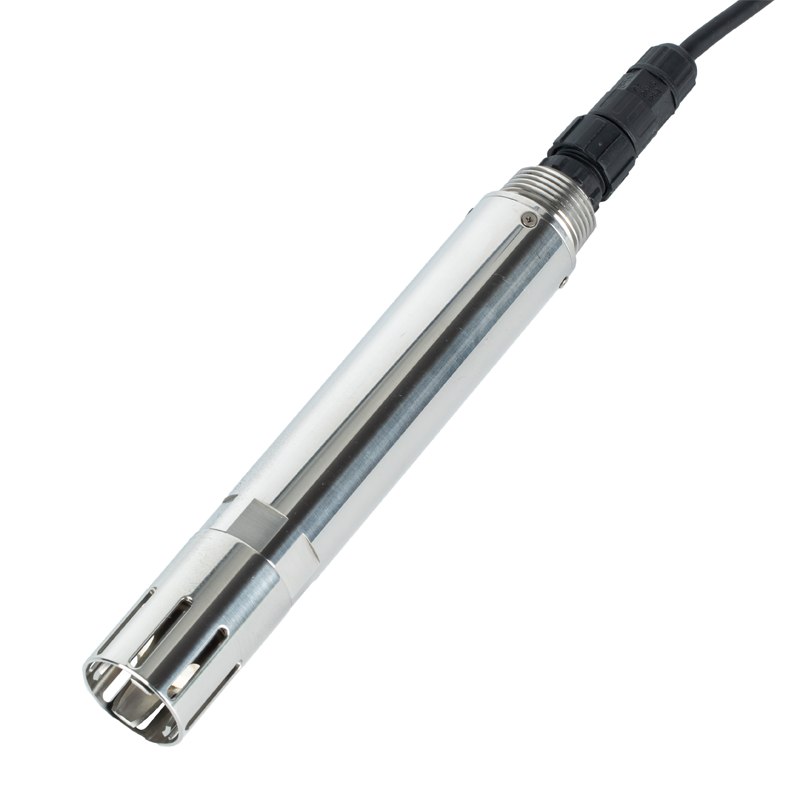
Temperature compensation is one of the core technologies for reliable operation of industrial online pH monitoring systems. NiuBoL NBL-WQ-PH water quality sensor provides mature online monitoring solutions for water treatment, aquaculture and chemical engineering projects through glass electrode method, Pt1000 automatic temperature compensation and robust IP68 design.
System integrators and project contractors can rely on its standardized RS-485 Modbus interface to quickly build highly reliable distributed pH monitoring platforms, achieving process optimization, risk control and data-driven decision-making. Welcome engineering technical teams to contact us for complete technical materials, selection support and integration guidance.
 NBL-WQ-PH Online Water Quality pH Sensor.pdf
Related recommendations
Sensors & Weather Stations Catalog
Agriculture Sensors and Weather Stations Catalog-NiuBoL.pdf
Weather Stations Catalog-NiuBoL.pdf
Agriculture Sensors Catalog-NiuBoL.pdf
Water Quality Sensor Catalog-NiuBoL.pdf
Related products
 Combined air temperature and relative humidity sensor
 TDR Soil Moisture & Temperature Sensor for irrigation| RS485 |4-20mA| NBL-S-THR
 Soil pH sensor RS485 soil Testing instrument soil ph meter for agriculture |NBL-S-PH
 Wind Speed sensor Output Modbus/RS485/Analog/0-5V/4-20mA
 Tipping bucket rain gauge for weather monitoring auto rainfall sensor RS485/Outdoor/stainless steel
 Pyranometer Solar Radiation Sensor 4-20mA/RS485

Screenshot, WhatsApp to identify the QR code
WhatsApp number:+8615367865107
(Click on WhatsApp to copy and add friends)

