





— Blogs —
—Products—
 Consumer hotline +8618073152920
 WhatsApp:+8615367865107
Address:Room 102, District D, Houhu Industrial Park, Yuelu District, Changsha City, Hunan Province, China
Product knowledge
Time:2026-05-10 15:47:07 Popularity:362
Online ammonia nitrogen monitoring is critical for stable operation of aquaculture systems. Aquaculture project contractors, IoT integrators, and engineering companies can achieve seamless RS-485 Modbus integration through NiuBoL NBL-WQ-NHN online ammonium nitrogen sensor, improving water quality control precision and system reliability.
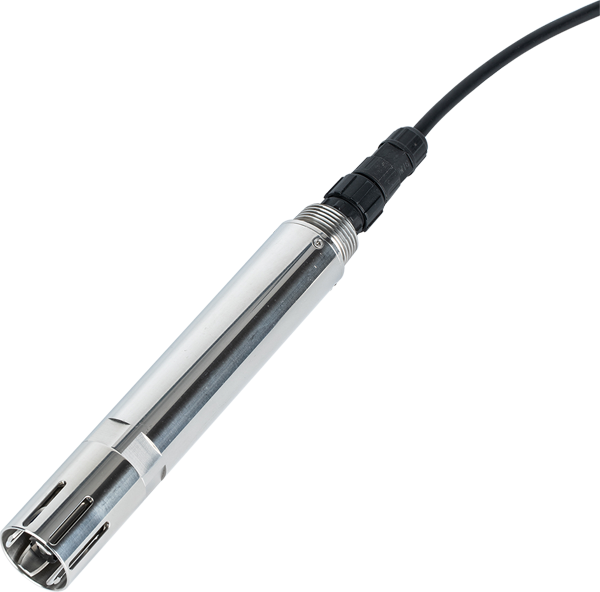
For system integrators, IoT solution providers, and engineering companies, selecting a stable and reliable online ammonium nitrogen sensor is the foundation for building a complete water quality monitoring platform.
This article focuses on industrial-grade application scenarios, analyzing the engineering necessity of ammonia nitrogen monitoring, technical implementation paths, and deployment key points of NiuBoL NBL-WQ-NHN integrated online ammonium nitrogen sensor.
Ammonia nitrogen in water mainly exists in the form of ammonium ions (NH4+) and non-ionic ammonia (NH3), which are in dynamic equilibrium affected by pH value and temperature. Non-ionic ammonia (NH3) has strong permeability and can quickly enter organisms through gill tissue, interfering with oxygen transport and damaging the nervous system.
Main hazards include:
Destruction of gill filament structure, causing gill lamellae to bend, adhere or fuse, reducing dissolved oxygen absorption efficiency.
Chronic exposure inhibits feeding behavior, prolongs feeding time, and increases feed waste and secondary water pollution.
Acute poisoning causes massive death of fish and shrimp, resulting in direct economic losses.
Positive correlation with eutrophication; high ammonia nitrogen environments easily induce cyanobacterial blooms, further deteriorating water quality.
The main source of nitrogen in aquaculture systems is high-protein feed. The digestion and absorption rate of feed protein by fish and shrimp is usually only 20%-40%. The remaining portion is converted into ammonia nitrogen and nitrate nitrogen through microbial decomposition, forming a continuous load. Therefore, precise monitoring of ammonia nitrogen is a prerequisite for achieving precise feeding and water quality regulation.
Traditional laboratory testing has problems such as sampling delay and strict preservation requirements (pH≤2, 4℃ refrigeration), which cannot meet the real-time control needs of modern intensive aquaculture. Online sensors can directly output continuous data and support access to PLC, DCS or IoT platforms for automated response.
High-density recirculating aquaculture (RAS) systems: Ammonia nitrogen must be strictly controlled below 0.5 mg/L, with sensor data linked to aeration and biological filters.
Intelligent transformation of traditional pond aquaculture: Multi-point deployment to monitor different water layers and areas, guiding aerator and water exchange operations.
Shrimp and crab aquaculture projects: Higher sensitivity to ammonia nitrogen, requiring temperature compensation for precise early warning.
Centralized monitoring platforms for large aquaculture bases: Multiple sensors’ data unified and uploaded to cloud or local SCADA systems via Modbus RTU protocol.
Environmental supervision and traceability projects: Provide traceable historical water quality data to meet discharge standard verification requirements.
For system integrators, choosing sensors with IP68 protection, wide temperature operation, and support for standard industrial protocols can significantly reduce on-site debugging difficulty and later maintenance costs.
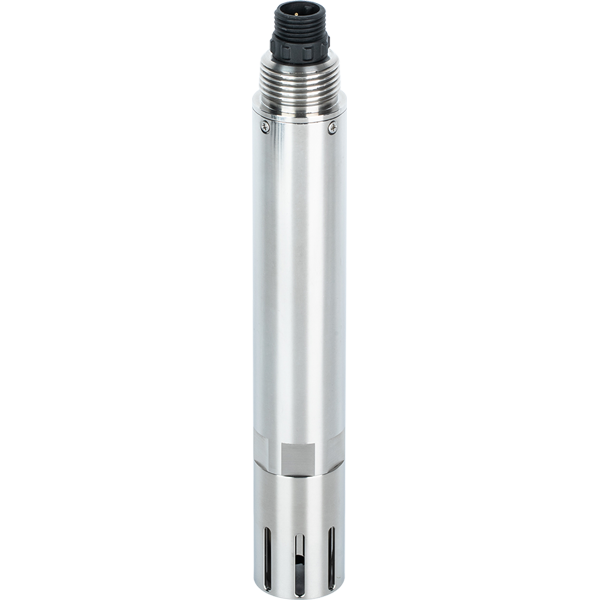
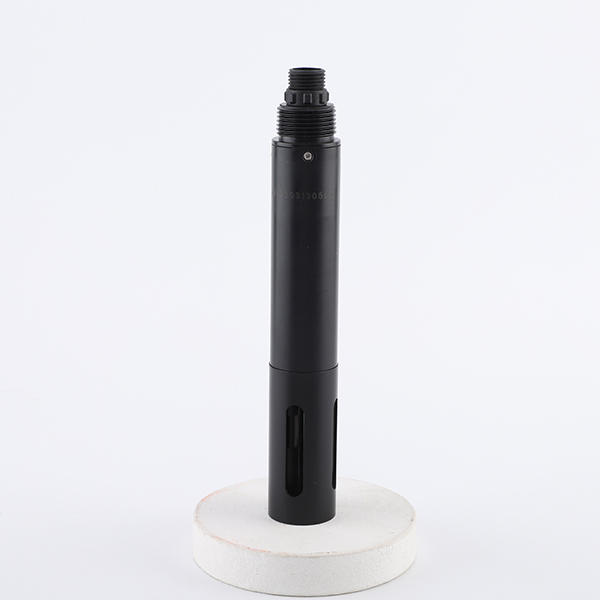
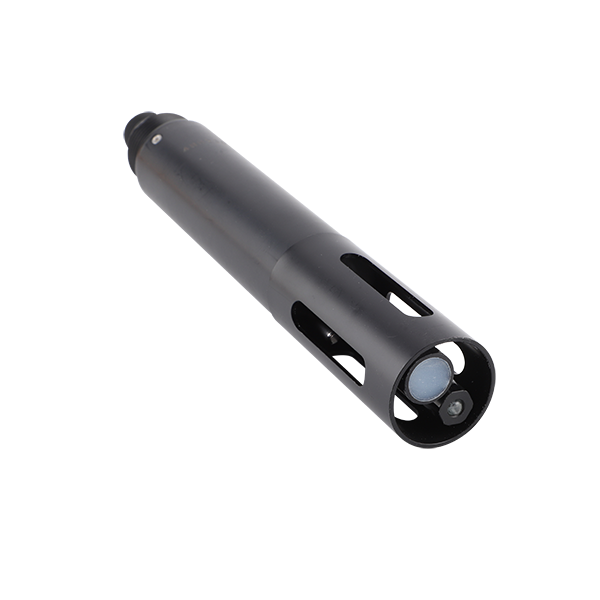
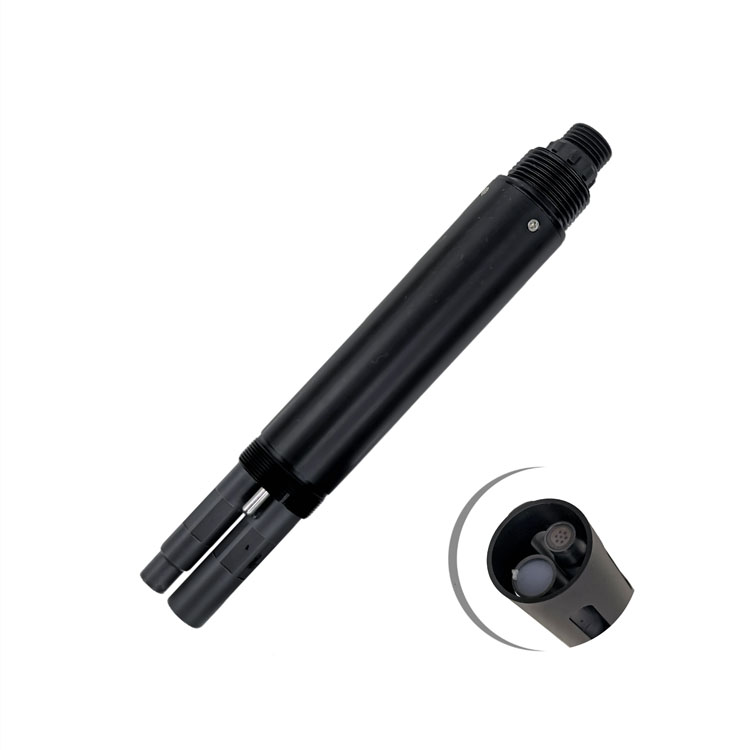
NiuBoL NBL-WQ-NHN adopts ammonium ion selective electrode technology based on PVC membrane, with built-in temperature compensation, suitable for various aquaculture water environments.
| Parameter | Specification |
|---|---|
| Measurement Principle | Ion Selective Electrode Method |
| Range Options | 0~10.00 mg/L 0~100.00 mg/L 0~1000.0 mg/L |
| Resolution | 0.01 mg/L (low range) 0.1 mg/L (high range) 0.1℃ |
| Accuracy | ±10% FS or ±1 mg/L (whichever is greater) ±0.5℃ |
| Response Time (T90) | <60 s |
| Minimum Detection Limit | 0.09 mg/L (0-10/100 mg/L range) |
| Calibration Method | Two-point Calibration |
| Temperature Compensation | Automatic (Pt1000) |
| Output Signal | RS-485 (Modbus RTU) 4-20 mA (optional) |
| Power Supply | 12~24 V DC |
| Power Consumption | 0.2 W @ 12 V |
| Protection Level | IP68 |
| Working Conditions | 0~40℃, <0.1 MPa, pH 4~10 |
| Installation Method | Submersible, 3/4 NPT Pipe Thread |
| Shell Material | ABS, PVC, POM |
| Cable Length | 5 meters (customizable) |
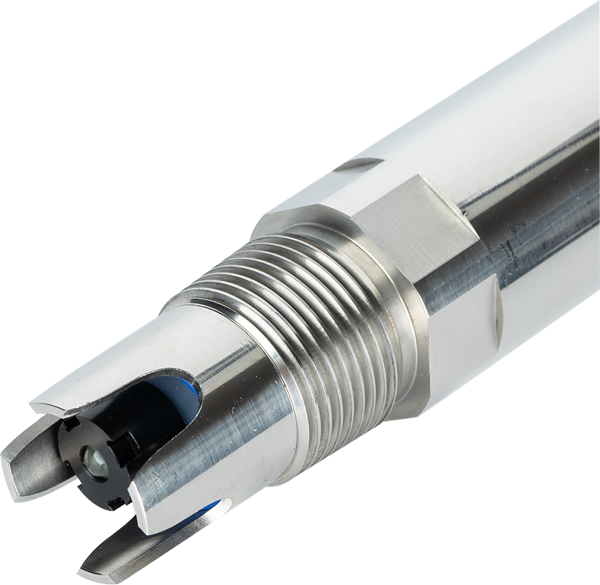
Installation Key Points:
Avoid upside-down or horizontal installation.
Installation position should be representative, avoiding dead corners or direct impact from water inlets.
In long-term immersion environments, ensure waterproof treatment of wiring terminals and recommend the use of anti-corrosion cables.
Electrical Connection:
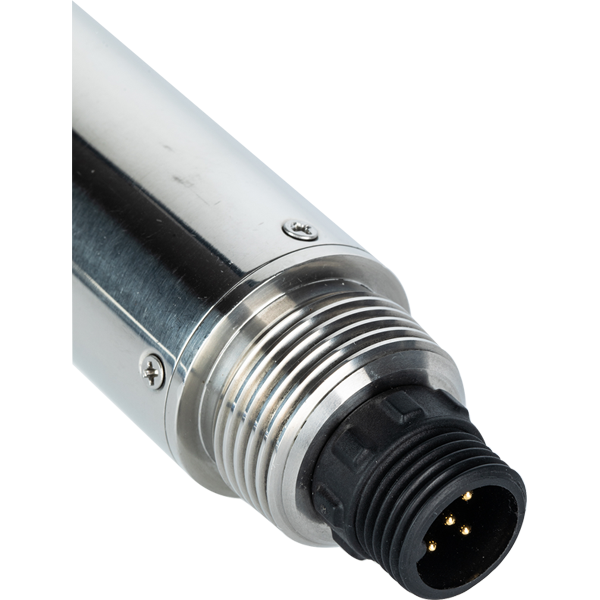
Uses M16-5 core waterproof connector.
RS-485 bus supports multi-sensor networking, convenient for building distributed monitoring networks.
For integration, it is recommended to use standard Modbus RTU protocol register mapping for easy connection with mainstream PLC and host computer software.
Maintenance Recommendations:
New electrodes should be soaked and activated in clean water for 2 hours before use.
Clean regularly with deionized water; avoid long-term placement in distilled water or high-protein solutions.
Rinse with distilled water when sediment appears; perform two-point calibration when long-term error increases.
Replace electrode components when exceeding service life or unable to calibrate.
After deploying online ammonia nitrogen sensors, engineering projects can achieve:
Data-driven precise feeding strategies to reduce feed conversion ratio.
Automated linkage control to reduce manual inspection costs.
Risk early warning mechanisms to control ammonia nitrogen-related losses at the lowest level.
Complete digital water quality archives to support project acceptance and continuous optimization.
For IoT solution providers, NBL-WQ-NHN provides standardized interfaces that can be quickly integrated into existing platforms, shortening project delivery cycles.
Q1. What is the difference between ammonia nitrogen monitoring, total nitrogen, and nitrate nitrogen monitoring? Why prioritize ammonia nitrogen as the core indicator?
Ammonia nitrogen is the form with direct acute and chronic toxicity in water bodies and has the strongest correlation with cultured organism health. Total nitrogen includes multiple forms, while ammonia nitrogen can more timely reflect feed feeding and decomposition load, making it suitable as a daily control parameter.
Q2. Is the NBL-WQ-NHN sensor suitable for seawater aquaculture?
The sensor is suitable for freshwater and low-salinity water bodies with pH 4-10. For high-salinity seawater environments, please confirm compatibility and selection with the technical team in advance.
Q3. How to achieve multi-point ammonia nitrogen data access to existing SCADA systems?
Direct connection via RS-485 Modbus RTU protocol, supporting standard function codes to read concentration, temperature and other parameters. Communication protocol documentation is provided for easy integration.
Q4. What is the recommended sensor calibration frequency?
In conventional environments, two-point calibration is recommended every 2-4 weeks, adjusted according to water body pollution level and measurement accuracy requirements.
Q5. What is the general electrode lifespan? How to reduce long-term usage costs?
Under standardized maintenance, electrode life can reach 12-24 months. Modular design supports individual electrode replacement, reducing overall replacement costs.
Q6. What anti-corrosion measures should be noted during on-site installation?
All wiring must be waterproof sealed. It is recommended to use cables with anti-corrosion outer sheaths, especially in saline or high-humidity environments.
Q7. Can a 4-20 mA output version be provided?
Optional 4-20 mA output is supported for easy direct connection with traditional industrial instruments.
Q8. How to handle the impact of high turbidity or high chromaticity water samples on measurement?
The online sensor design already considers conventional aquaculture environments. For extreme high-turbidity scenarios, combine with pre-filtration or regular cleaning maintenance. Distillation pretreatment can be used as a laboratory verification method if necessary.
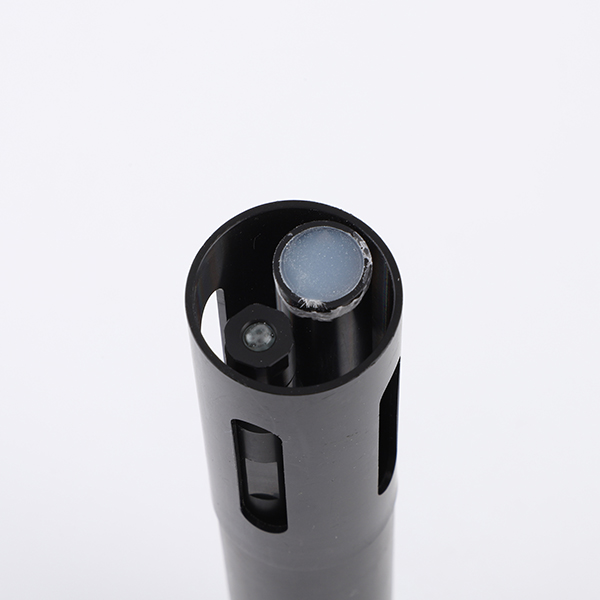
In the intelligent upgrading process of aquaculture, online ammonia nitrogen monitoring is a key link to improve system stability and economic benefits. NiuBoL NBL-WQ-NHN integrated online ammonium nitrogen sensor provides mature engineering solutions for system integrators, project contractors, and engineering companies with reliable ion selective electrode technology, standard industrial protocols, and robust protection design.
Through continuous and precise ammonia nitrogen data collection, aquaculture risks can be effectively reduced, resource utilization optimized, and a foundation laid for building higher-level smart aquaculture monitoring platforms. Welcome engineering technical teams to contact us for detailed technical materials, selection guidance, and integration support.
 NBL-WQ-NHN-4S Online Ammonia Nitrogen Sensor.pdf
Related recommendations
Sensors & Weather Stations Catalog
Agriculture Sensors and Weather Stations Catalog-NiuBoL.pdf
Weather Stations Catalog-NiuBoL.pdf
Agriculture Sensors Catalog-NiuBoL.pdf
Water Quality Sensor Catalog-NiuBoL.pdf
Related products
 Combined air temperature and relative humidity sensor
 TDR Soil Moisture & Temperature Sensor for irrigation| RS485 |4-20mA| NBL-S-THR
 Soil pH sensor RS485 soil Testing instrument soil ph meter for agriculture |NBL-S-PH
 Wind Speed sensor Output Modbus/RS485/Analog/0-5V/4-20mA
 Tipping bucket rain gauge for weather monitoring auto rainfall sensor RS485/Outdoor/stainless steel
 Pyranometer Solar Radiation Sensor 4-20mA/RS485

Screenshot, WhatsApp to identify the QR code
WhatsApp number:+8615367865107
(Click on WhatsApp to copy and add friends)

