





— Blogs —
—Products—
 Consumer hotline +8618073152920
 WhatsApp:+8615367865107
Address:Room 102, District D, Houhu Industrial Park, Yuelu District, Changsha City, Hunan Province, China
Product knowledge
Time:2026-05-10 15:54:15 Popularity:422
In municipal water supply, industrial wastewater treatment and secondary water supply projects, chlorine indicators are the core parameters for disinfection effect evaluation, process control and discharge compliance. For system integrators, IoT solution providers and project contractors, clearly distinguishing the technical differences between free residual chlorine, combined residual chlorine, total chlorine, chlorine dioxide and chloride ions, and selecting appropriate online sensors, directly affects the accuracy, stability and later operation and maintenance costs of the monitoring system.
This article focuses on engineering application requirements, analyzes the engineering significance of each chlorine form, measurement technology paths, and the deployment strategy of NiuBoL NBL-WQ-CL online residual chlorine sensor.

Free residual chlorine mainly exists in the form of hypochlorous acid (HOCl) and hypochlorite ion (OCl⁻), with strong oxidizing properties, and is the direct embodiment of disinfection effect. In drinking water plant effluent, pipe network ends and swimming pool water treatment, free residual chlorine is the primary control indicator. The proportion of HOCl is significantly affected by pH value, and disinfection ability is stronger in low pH environments.
When ammonia nitrogen or organic nitrogen exists in water, chlorine reacts with it to generate chloramine substances such as monochloramine and dichloramine. This part of residual chlorine has weaker disinfection ability but longer duration, and is suitable for secondary disinfection assurance in long-distance water transmission networks.
Total Chlorine = Free Residual Chlorine + Combined Residual Chlorine.
In sewage treatment plant effluent monitoring, industrial wastewater discharge and some process control, total chlorine is used to evaluate the overall disinfectant residual load and meet environmental protection regulatory requirements.
Chlorine dioxide, as a new generation disinfectant, has an available chlorine content of approximately 2.6 times that of elemental chlorine. It hardly hydrolyzes in water, is less affected by pH, and almost does not generate carcinogenic by-products such as trihalomethanes during disinfection. It is commonly used in hospital wastewater, high-end industrial circulating cooling water and occasions with strict control of by-products.
Chloride ion is the stable, non-oxidizing final form, without disinfection ability, and does not participate in the determination of residual chlorine or total chlorine. Although the use of disinfectants may cause an increase in chloride ion concentration, it is mainly used as a water quality background indicator or corrosivity evaluation parameter, and has nothing to do with disinfection effect monitoring.
In engineering practice, most municipal and industrial projects prioritize online monitoring of free residual chlorine, supplemented by total chlorine as verification. Accurately distinguishing these indicators helps optimize dosing amount, reduce operating costs and avoid exceedance risks.
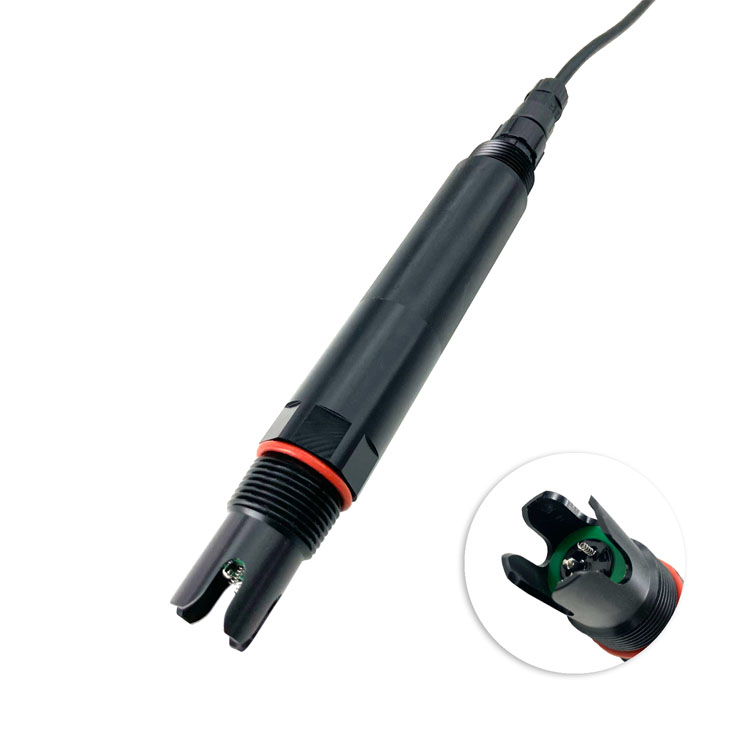
Online chlorine sensors such as NiuBoL NBL-WQ-CL are suitable for the following engineering projects:
Municipal drinking water treatment plants: Continuous monitoring of effluent and pipe network end residual chlorine to ensure factory water residual chlorine is maintained within the safe range of 0.05–0.8 mg/L.
Secondary water supply and high-rise building water tanks: Prevent secondary pollution and control residual chlorine level in real time.
Swimming pools and landscape water treatment: Maintain free residual chlorine at 0.3–1.0 mg/L to ensure water quality safety.
Industrial circulating cooling water systems: Control microbial growth and optimize corrosion and scale inhibition schemes.
Hospital and pharmaceutical wastewater treatment: Residual monitoring in chlorine dioxide disinfection scenarios.
IoT water quality monitoring platforms: Multi-parameter (residual chlorine, pH, turbidity, temperature) integration, connected to SCADA or cloud platforms via Modbus protocol.
In these scenarios, temperature fluctuations, flow rate changes and background interference have significant impacts on measurement accuracy. Selecting industrial-grade sensors with automatic temperature compensation can significantly improve system reliability.
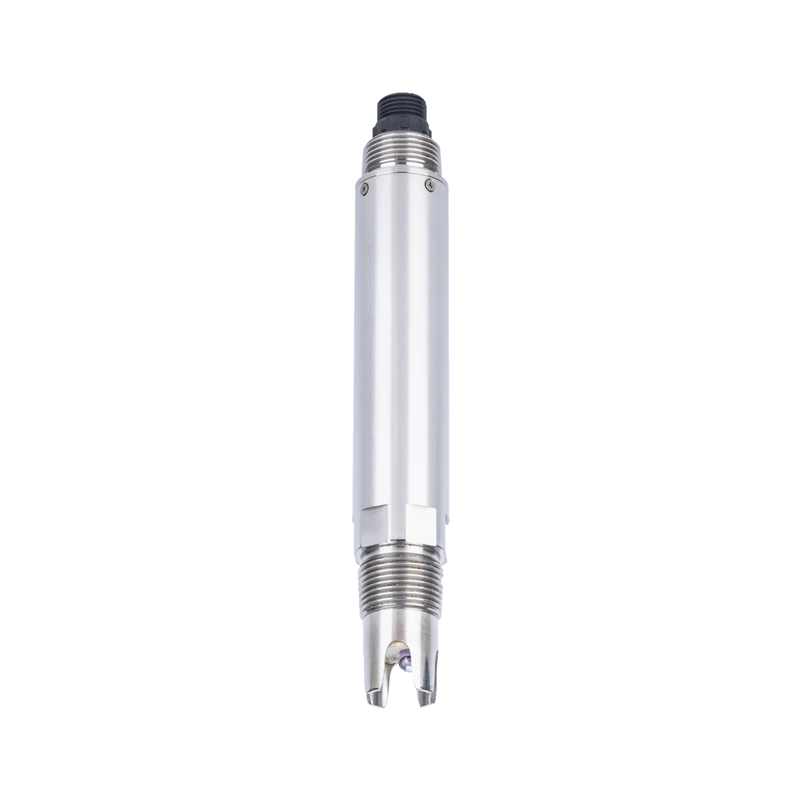
NBL-WQ-CL adopts constant voltage method measurement principle, integrates Pt1000 automatic temperature compensation, and is suitable for continuous online monitoring requirements.
| Parameter | Specification |
|---|---|
| Measurement Principle | Constant Voltage Method |
| Range Options | 0~2.000 mg/L (HClO) 0~20.00 mg/L (HClO) |
| Resolution | 0.001 mg/L (low range) 0.01 mg/L (high range) |
| Accuracy | Low range: ±5% of reading or ±0.05 mg/L High range: ±5% of reading or ±0.05 mg/L Temperature: ±0.3℃ |
| Response Time (T90) | <90 s |
| Minimum Detection Limit | 0.05 mg/L |
| Calibration Method | Two-point Calibration (zero point + slope) |
| Temperature Compensation | Automatic (Pt1000) |
| Output Signal | RS-485 (Modbus RTU), 4-20 mA (optional) |
| Power Supply Voltage | 12~24 V DC |
| Power Consumption | 0.2 W @ 12 V |
| Protection Level | IP68 |
| Working Conditions | 5~50℃, ≤0.2 MPa, pH 4~9 |
| Installation Method | Flow cell installation, 3/4 NPT |
| Shell Material | ABS/PC Alloy |
| Cable Length | 5 meters (customizable) |
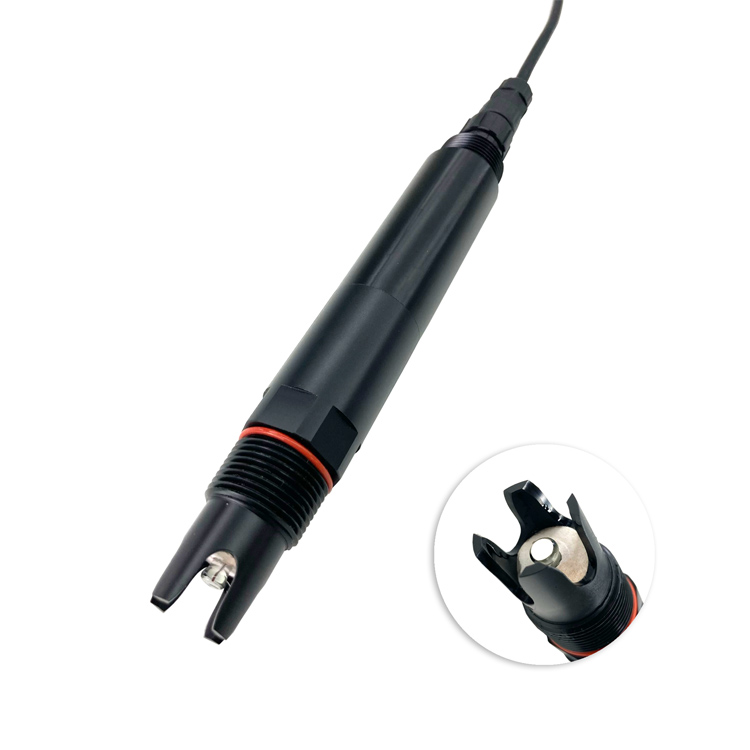
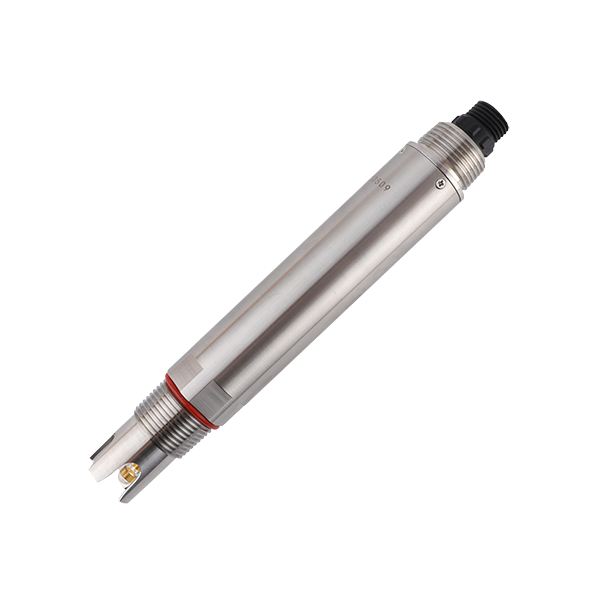
The sensor connector adopts M16-5 core waterproof connector and supports long-term stable operation.
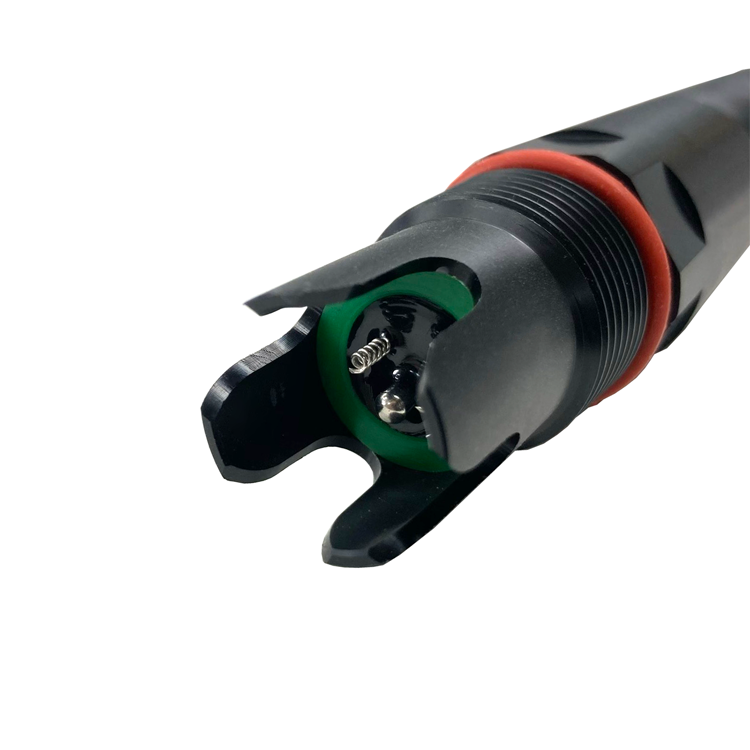
Selection Key Points:
Range selection: 0-2 mg/L range is recommended for municipal drinking water; 0-20 mg/L for industrial high residual scenarios.
Installation form: Flow cell installation is better than direct immersion. Controllable flow rate (recommended 30-60 L/h) significantly improves measurement repeatability.
Output interface: RS-485 Modbus RTU supports multi-sensor networking, reducing wiring complexity; optional 4-20 mA is compatible with traditional DCS systems.
Environmental adaptability: Confirm on-site pH, temperature and suspended solids content, and pair with pre-filtration or automatic cleaning devices if necessary.
Integration Notes:
During installation, place the sensor measurement end near the flow cell inlet to avoid turbulence interference caused by facing the outlet directly.
Perform waterproof sealing treatment on all wiring points. Use anti-corrosion cables in long-term immersion environments.
Modbus protocol adopts standard RTU mode, convenient for quick docking with PLC, IoT gateways or configuration software.
During system debugging, synchronously monitor temperature, pH and flow rate to verify compensation effect and overall accuracy.
Combined with project regulatory requirements, select upper computer solutions that support data upload and historical curve recording.
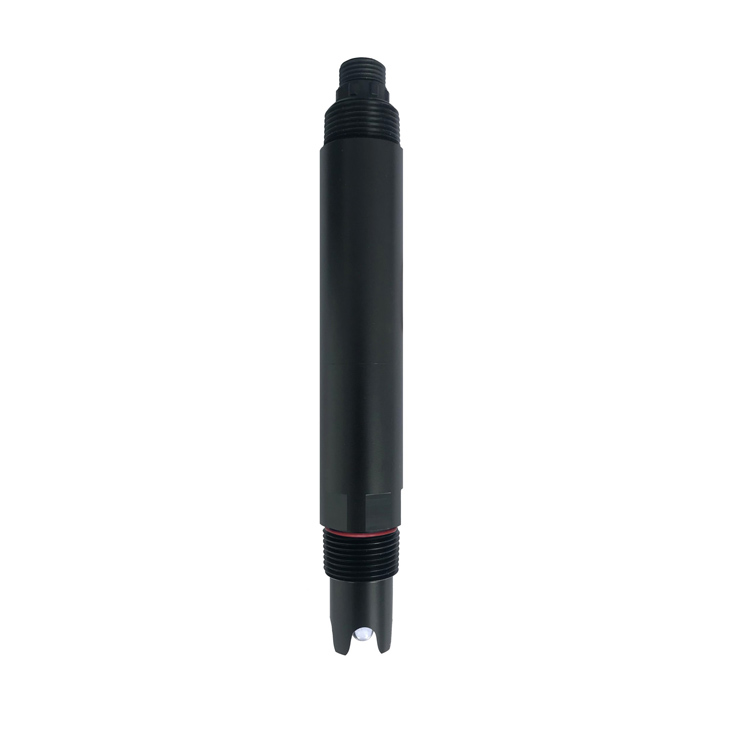
NBL-WQ-CL online residual chlorine sensor installation requirements: Use matching flow cell to ensure stable flow rate. Check sealing after installation to avoid water leakage affecting electrode life.
Calibration Process:
Zero point calibration: Place in chlorine-free water and execute after value stabilizes.
Slope calibration: Use 1–2 mg/L HClO standard solution under flowing state.
New sensors or sensors that have been out of use for a long time are recommended to be activated in tap water for 24 hours first.
Daily Maintenance:
Regularly check glass/membrane component contamination.
Avoid dry storage of sensors or long-term placement in high-concentration chlorine solutions.
When measurement value deviates, prioritize two-point calibration. Contact the manufacturer for factory repair or replacement if it cannot be restored.
Standardized maintenance can effectively extend sensor service life and reduce project full life cycle costs.
Q1. What is the difference between residual chlorine sensor and total chlorine sensor in selection?
Residual chlorine sensor mainly measures free residual chlorine. Total chlorine measurement needs to additionally consider the combined part. Most projects first deploy free residual chlorine sensors and then verify total chlorine through laboratory comparison.
Q2. Does NBL-WQ-CL support chlorine dioxide measurement?
This model is optimized for free residual chlorine (HClO). For chlorine dioxide monitoring, it is recommended to select a dedicated ClO₂ sensor or consult the manufacturer for customized solutions.
Q3. What are the advantages of flow cell installation compared to immersion type?
Flow cell can precisely control flow rate and pressure, reduce bubbles and turbulence interference, and improve measurement stability and response consistency.
Q4. What issues should be noted during Modbus RTU integration?
Use standard baud rate and register address mapping. It is recommended to conduct multi-machine communication testing to ensure no address conflicts and proper grounding.
Q5. How much does temperature compensation affect residual chlorine measurement?
Temperature changes affect electrode reaction rate and HOCl/OCl⁻ equilibrium. Pt1000 automatic compensation can significantly reduce temperature-induced errors.
Q6. How to prepare calibration standard solution?
It is recommended to use 1–2 mg/L HClO standard solution. On-site calibration has high requirements for operational standardization. Non-professional personnel are advised to have it completed by manufacturer technical support.
Q7. What is the impact of high turbidity water samples on the sensor? How to deal with it?
High suspended solids easily contaminate the electrode. It is recommended to add pre-filtration devices or shorten the maintenance cycle.
Q8. How should the sensor be stored when not in use for a long time?
Perform wet storage according to manufacturer instructions to avoid dry storage causing electrode activity decline. Activation and calibration must be completed before reuse.
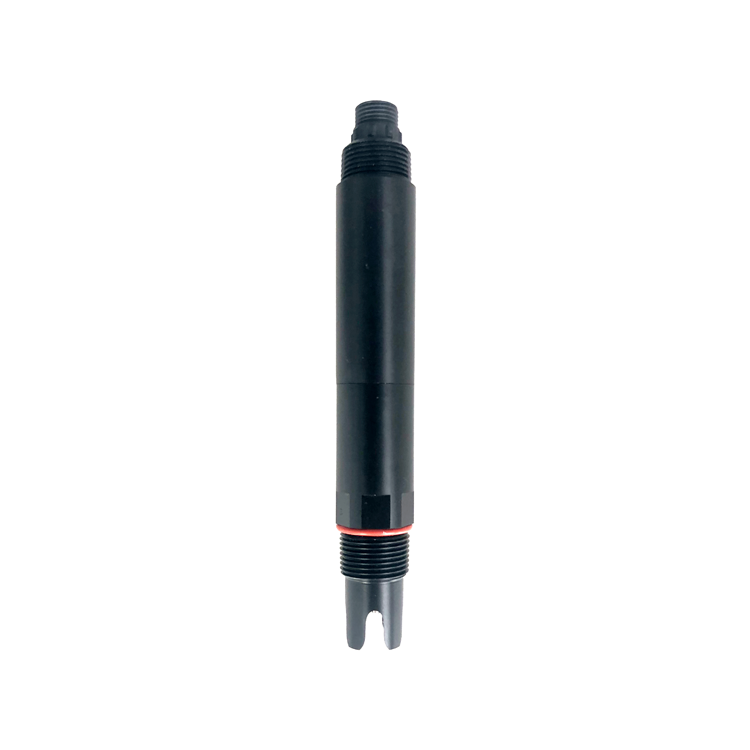
Accurate online monitoring of chlorine indicators is an important guarantee for safe operation and compliance of water treatment projects. NiuBoL NBL-WQ-CL online residual chlorine sensor provides mature and reliable solutions for system integrators and engineering contractors with constant voltage method measurement, automatic temperature compensation and industrial-grade Modbus RTU interface.
Through reasonable selection, standardized installation and regular maintenance, the overall performance of the water quality monitoring system can be effectively improved, operation and maintenance difficulty reduced, and a stable data foundation provided for IoT platform construction. Welcome engineering technical teams to contact us for detailed communication protocols, selection configuration and project integration support.
 NBL-WQ-CL Water Quality Sensor Online Residual Chlorine Sensor.pdf
NBL-WQ-CL-4A Industrial-grade Online Residual Chlorine Sensor.pdf
NBL-WQ-CL-4S Series Online Water quality Residual Chlorine Sensor.pdf
NBL-WQ-PH Online Water Quality pH Sensor.pdf
Related recommendations
Sensors & Weather Stations Catalog
Agriculture Sensors and Weather Stations Catalog-NiuBoL.pdf
Weather Stations Catalog-NiuBoL.pdf
Agriculture Sensors Catalog-NiuBoL.pdf
Water Quality Sensor Catalog-NiuBoL.pdf
Related products
 Combined air temperature and relative humidity sensor
 TDR Soil Moisture & Temperature Sensor for irrigation| RS485 |4-20mA| NBL-S-THR
 Soil pH sensor RS485 soil Testing instrument soil ph meter for agriculture |NBL-S-PH
 Wind Speed sensor Output Modbus/RS485/Analog/0-5V/4-20mA
 Tipping bucket rain gauge for weather monitoring auto rainfall sensor RS485/Outdoor/stainless steel
 Pyranometer Solar Radiation Sensor 4-20mA/RS485

Screenshot, WhatsApp to identify the QR code
WhatsApp number:+8615367865107
(Click on WhatsApp to copy and add friends)

