





— Blogs —
—Products—
 Consumer hotline +8618073152920
 WhatsApp:+8615367865107
Address:Room 102, District D, Houhu Industrial Park, Yuelu District, Changsha City, Hunan Province, China
Product knowledge
Time:2026-05-10 15:22:40 Popularity:410
For high-difficulty industrial wastewater such as electroplating, pharmaceutical, and chemical sectors, this article deeply analyzes 6 treatment methods for COD exceedance, including chemical coagulation, biodegradation, and micro-electrolysis. It also provides a digital monitoring solution based on NiuBoL UV online COD sensors for system integrators to help engineering contractors achieve compliant discharge and intelligent supervision.
Chemical Oxygen Demand (COD) is the core indicator for measuring the content of reducing substances (mainly organic matter) in industrial wastewater. For system integrators and environmental engineering contractors, choosing the appropriate physical and chemical treatment process combined with precise real-time monitoring is the cornerstone for ensuring project delivery and compliant discharge when facing high-concentration organic wastewater from electroplating, circuit boards, papermaking, textile printing and dyeing, etc.
By adding specific flocculants (such as polyaluminum chloride PAC or polyacrylamide PAM), the principles of adsorption bridging and electric double layer compression are used to destabilize colloids and suspended solids in water and aggregate them into large flocs. This process can significantly reduce COD contributed by particulate organic matter and is often used as a pretreatment step.
Biological methods use enzymes secreted by microorganisms to metabolize organic matter into carbon dioxide, water, or biomass. This technology has low cost and strong adaptability and is widely used in textile scouring wastewater and municipal sewage treatment. For system integration, real-time monitoring of COD load in biological tanks is required to prevent shock loads from causing microbial inactivation.
Using electrolysis to directly generate highly oxidizing hydroxyl radicals (·OH) on the electrode surface, converting refractory toxic organic pollutants into non-toxic or low-toxicity small molecules. This method has fast reaction speed and small footprint, making it suitable for advanced treatment of fine chemical wastewater.
Also known as internal electrolysis, it uses micro-electrolysis materials (such as iron-carbon fillers) to generate a potential difference of about 1.2V without electricity. It degrades COD through the combined effects of redox, physical adsorption, and flocculation precipitation. It is particularly suitable for pretreatment of high-salinity, high-chromaticity, and poorly biodegradable organic wastewater.
Using high specific surface area materials such as activated carbon, macroporous resin, or bentonite to physically adsorb chromaticity, odor, and dissolved organic matter in wastewater. In ultrapure water treatment or terminal advanced treatment processes, adsorption is the “last line of defense” to ensure COD compliance.
Using semiconductor catalysts to generate electron-hole pairs under light, inducing strong redox reactions. Although this technology still faces engineering challenges in catalyst recovery and light utilization efficiency, it shows broad market prospects in treating high-toxicity organic wastewater such as pharmaceuticals.
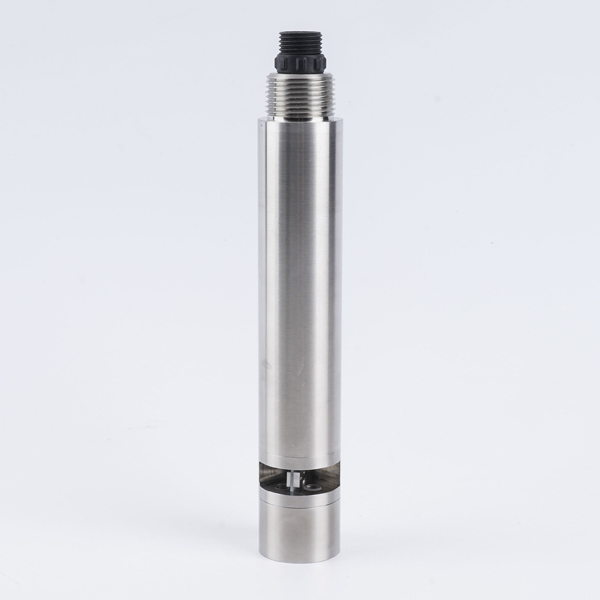
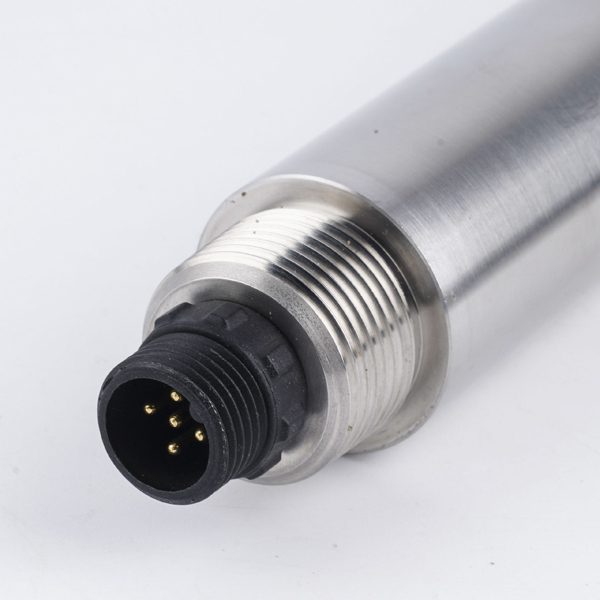
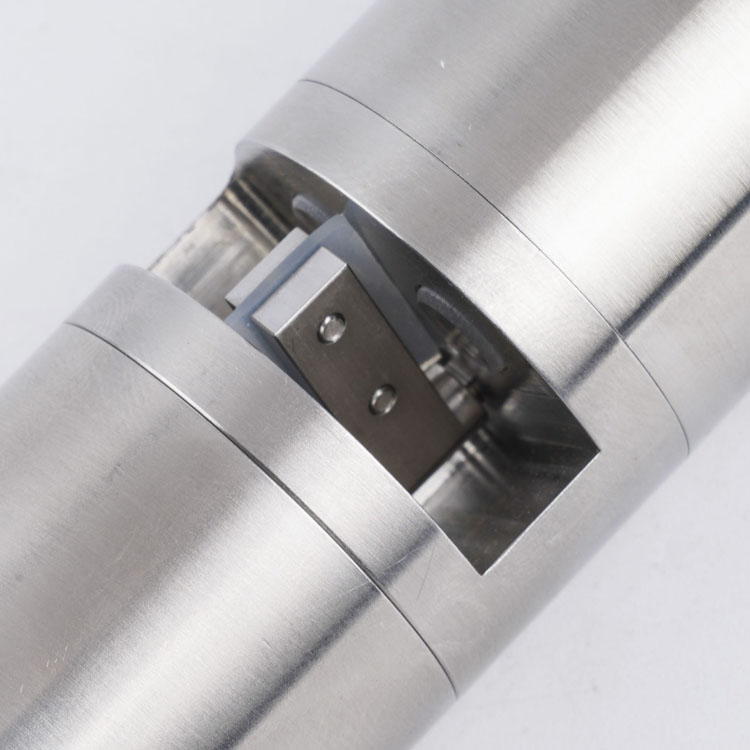
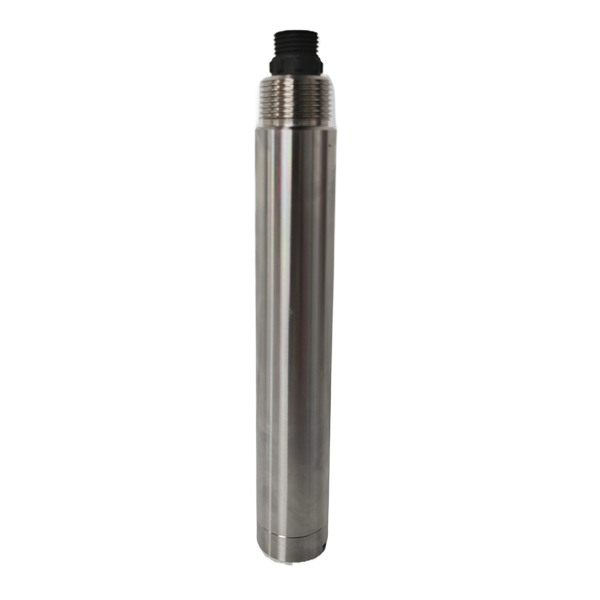
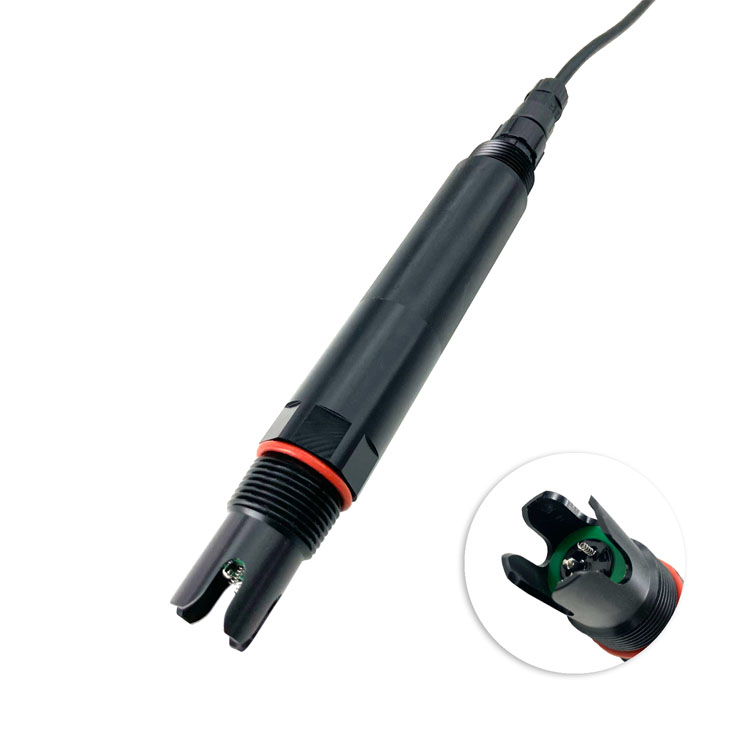
In the operation of the above treatment processes, real-time COD monitoring is key to optimizing chemical dosing and evaluating process efficiency. NiuBoL NBL-WQ-COD sensor adopts advanced dual-wavelength UV absorption method, providing a reagent-free, low-maintenance monitoring solution for IoT solution providers.
| Item | Specification |
|---|---|
| Model | NBL-WQ-COD |
| Measurement Principle | Dual-wavelength UV absorption (254nm / 365nm) |
| Range | 0~200.0 mg/L or 0~500.0 mg/L |
| Turbidity Compensation Range | 0~200.0 NTU or 0~400.0 NTU |
| Resolution | 0.1 mg/L / 0.1 NTU |
| Accuracy | ±5% of reading |
| Response Time (T90) | <30 s |
| Output Interface | RS-485 (Modbus RTU) / 4-20 mA (optional) |
| Shell Material | 316L Stainless Steel (corrosion resistant) |
| Protection Level | IP68 |
Q1. How is data consistency between UV method COD measurement and laboratory potassium dichromate method?
The UV method converts COD by measuring the ultraviolet absorption coefficient (SAC) at 254nm. For industrial wastewater with relatively stable composition, after establishing correlation through two-point calibration, the correlation is extremely high and the response speed is faster.
Q2. Can the sensor withstand strong acid and alkali wastewater with 316L shell material?
316L has excellent corrosion resistance. However, in strongly oxidizing or ultra-strong acid-base environments, it is recommended to use with a dedicated flow cell or protective sleeve, and ensure the working environment is within 0~45℃.
Q3. How to connect NiuBoL sensors to existing PLC systems?
The sensors support standard Modbus RTU protocol and can be directly connected to PLC, DCS or industrial computers via RS-485 bus. Protocol details are in the product user manual.
Q4. Will a large amount of suspended solids in wastewater affect measurement?
The sensor has built-in turbidity compensation, which can eliminate impurity interference to a certain extent. However, if suspended solids concentration exceeds 400 NTU, it is recommended to add simple sedimentation or filtration in the front section.
Q5. What is the power consumption of the sensor? Does it support solar power?
Working power consumption is only 0.4W@12V. The low-power design makes it very suitable for IoT wireless monitoring terminals and solar-powered systems.
Q6. What does T90 response time less than 30 seconds mean?
It means the sensor can capture instantaneous changes in water quality in real time, which is very suitable for dosing feedback control in industrial wastewater treatment processes.
Q7. Is there any requirement for water flow direction during installation?
There is no specific direction requirement for submersible installation, but it is recommended that the sensor measurement window face the flow direction to reduce sediment accumulation.
Q8. Why does the sensor have two light sources?
One UV light is used for COD measurement, and the other reference light is specially used to measure and compensate for turbidity interference, thereby achieving higher stability in online monitoring.
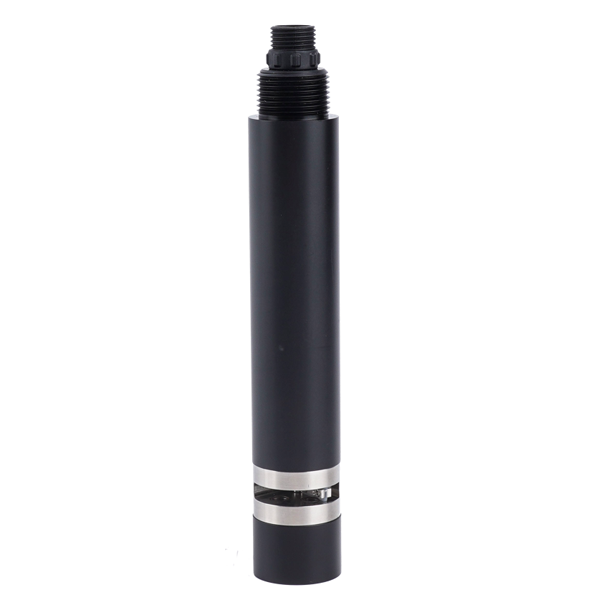
The treatment of sewage COD is a systematic project that covers multiple process combinations from physical coagulation to advanced oxidation. In the field of system integration, NiuBoL NBL-WQ-COD online sensor has become the preferred solution for project contractors and IoT suppliers to achieve water quality digitization with its dual-wavelength compensation technology, IP68 protection level, and reagent-free maintenance advantages.
By mastering the fluctuation patterns of COD in real time, engineering contractors can significantly optimize treatment process efficiency and ensure that every drop of wastewater achieves green and compliant discharge.
 NBL-WQ-BOD-4A Online BOD Sensor.pdf
NBL-WQ-BOD-4S Online BOD Sensor.pdf
Related recommendations
Sensors & Weather Stations Catalog
Agriculture Sensors and Weather Stations Catalog-NiuBoL.pdf
Weather Stations Catalog-NiuBoL.pdf
Agriculture Sensors Catalog-NiuBoL.pdf
Water Quality Sensor Catalog-NiuBoL.pdf
Related products
 Combined air temperature and relative humidity sensor
 TDR Soil Moisture & Temperature Sensor for irrigation| RS485 |4-20mA| NBL-S-THR
 Soil pH sensor RS485 soil Testing instrument soil ph meter for agriculture |NBL-S-PH
 Wind Speed sensor Output Modbus/RS485/Analog/0-5V/4-20mA
 Tipping bucket rain gauge for weather monitoring auto rainfall sensor RS485/Outdoor/stainless steel
 Pyranometer Solar Radiation Sensor 4-20mA/RS485

Screenshot, WhatsApp to identify the QR code
WhatsApp number:+8615367865107
(Click on WhatsApp to copy and add friends)

