





— Blogs —
—Products—
 Consumer hotline +8618073152920
 WhatsApp:+8615367865107
Address:Room 102, District D, Houhu Industrial Park, Yuelu District, Changsha City, Hunan Province, China
Product knowledge
Time:2026-05-09 11:12:53 Popularity:409
In industrial IoT (IIoT) and smart city infrastructure construction, the stability and accuracy of water quality monitoring systems directly determine the delivery quality of engineering projects. For system integrators (SI) and engineering contractors, water quality monitoring is no longer just data reading, but a comprehensive engineering consideration involving sensor lifespan, signal anti-interference, protocol compatibility, and long-term maintenance costs (OPEX).
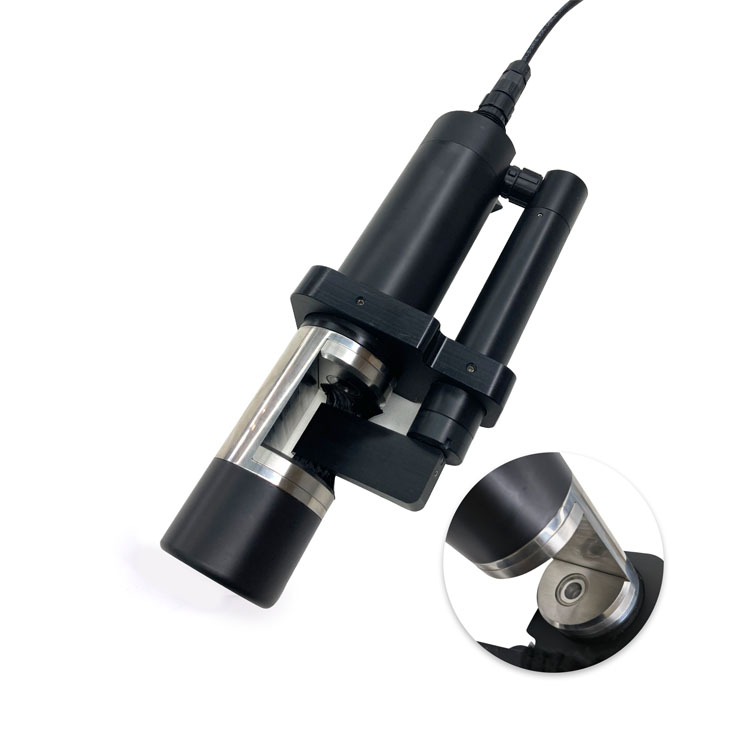
Turbidity is one of the most important indicators for evaluating the purification efficiency of water treatment equipment. In engineering practice, a decrease in turbidity means a reduction in organic matter, bacteria, and virus carriers in the water body.
Engineering Logic: For system integrators, it is crucial to choose sensors based on the 90° infrared scattered light principle (such as NiuBoL NTU series). Infrared technology can effectively filter ambient light interference, not only improving disinfection and sterilization effects, but also optimizing the backwash cycle of filter tanks through linkage with frequency converters, reducing system energy consumption.
Although chromaticity above 15 degrees can be perceived by the naked eye, in industrial pure water or precision manufacturing fields, slight chromaticity fluctuations often indicate changes in raw water quality or breakthrough of resin beds.
Engineering Logic: Odor generation is usually related to increased biological activity or industrial organic pollution. In system integration solutions, precise tracking of pollution sources can be achieved through correlation analysis of multi-parameter monitoring (chromaticity, UV254, pH), providing value-added data services for end customers.
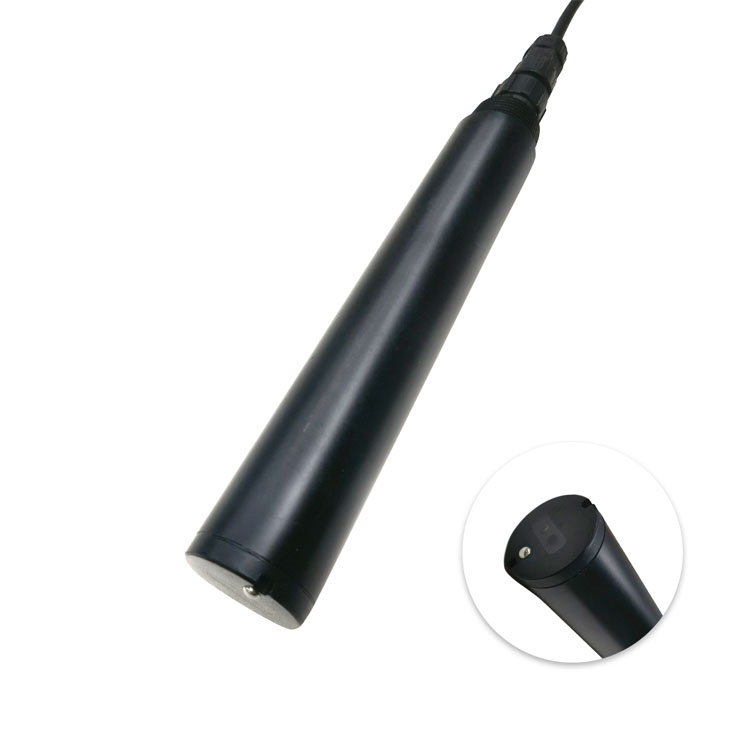
COD is a key indicator for measuring the content of organic pollutants in water and directly reflects the discharge intensity of domestic sewage or industrial wastewater.
Engineering Logic: Traditional chemical methods (dichromate method) for online monitoring instruments are complex to maintain. NiuBoL recommends that integrators adopt UV optical COD sensors. This technology uses the absorption characteristics of organic matter to 254nm ultraviolet light to achieve reagent-free, low-maintenance real-time monitoring, which is very suitable for industrial wastewater discharge outlets and process control.
The presence of residual chlorine ensures the continuous sterilization capability of the water supply system and prevents secondary pollution of the pipe network.
Engineering Logic: In reverse osmosis (RO) membrane treatment processes, excessive residual chlorine will cause irreversible oxidative damage to expensive membrane elements. NiuBoL’s constant voltage principle residual chlorine sensor requires no replacement of membranes or reagents and can provide millisecond-level response speed to ensure instantaneous triggering of protective dosing logic.
Total coliforms and fecal coliforms, as indicator bacteria of fecal pollution, directly determine the compliance of drinking water.
Engineering Logic: Although biological culture is lagging, engineers usually establish prediction models by monitoring the coupling relationship between residual chlorine and turbidity. When turbidity < 1.0 NTU and residual chlorine is maintained at 0.3-0.5 mg/L, microbial indicators are usually under control.

| Indicator (Parameter) | Measurement Principle | Measurement Range | Protection Rating |
|---|---|---|---|
| pH/ORP | Potentiometric Method | 0 - 14 pH / ±2000 mV | IP68 (Stainless Steel Housing) |
| Turbidity | 90° Scattered Light | 0 - 1000 NTU (optional) | IP68 / With Optical Fiber Structure |
| Residual Chlorine | Constant Voltage Method | 0 - 20 mg/L | IP65 (Fluid Chamber Installation) |
| COD (UV254) | UV Absorption Spectroscopy | 0 - 1000 mg/L equiv. | IP68 / With Self-cleaning |
| Conductivity (EC) | Four-electrode Technology | 0 - 200,000 µS/cm | 316L Material / IP68 |
In smart water projects, sensor selection is only the first step. How to achieve stable transmission and integration of massive data is the core competitiveness of engineering contractors:
1. Unified Digital Protocols: NiuBoL full series sensors natively support the standard Modbus RTU (RS485) protocol. This means integrators can directly connect sensors to PLC, HMI or edge computing gateways without expensive transmitter middleware, significantly reducing hardware costs (CAPEX).
2. Anti-interference Design: Industrial sites generally have frequency converters and heavy electromagnetic interference. NiuBoL sensors use isolated power supplies and signal conversion technology to ensure signals do not drift during long-distance transmission (>500 meters), minimizing data packet loss rate.
3. Self-cleaning and Long-term Maintenance: For sewage and circulating water conditions, NiuBoL optical sensors (COD, turbidity, DO) are equipped with mechanical self-cleaning scrapers, effectively preventing biological attachment and scaling, extending on-site maintenance cycles from weekly to quarterly.
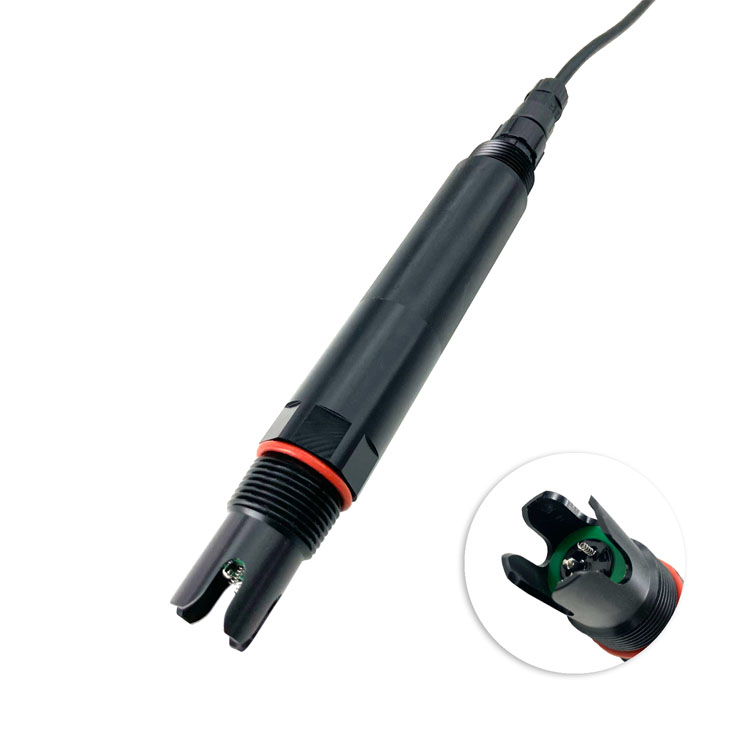
Q1. What is the recommended calibration frequency for sensors in highly polluted industrial environments?
It depends on specific working conditions. Usually, NiuBoL pH sensors are recommended to be calibrated once a month, while optical sensors (such as turbidity and COD) have excellent long-term stability, and the calibration cycle can be extended to 3-6 months, requiring only regular window cleaning.
Q2. Why don’t your sensors provide LoRaWAN interfaces?
In industrial site monitoring, stability and real-time performance are the primary tasks. NiuBoL currently focuses on RS485 digital hard-wired solutions to ensure 100% reliability of data transmission and avoid wireless signal interruptions in metal-shielded complex factory environments.
Q3. Does NiuBoL sensor support direct connection with third-party PLCs (such as Siemens, Schneider)?
Fully supported. Through the standard Modbus RTU register mapping table, engineers can quickly complete address mapping without writing complex drivers.
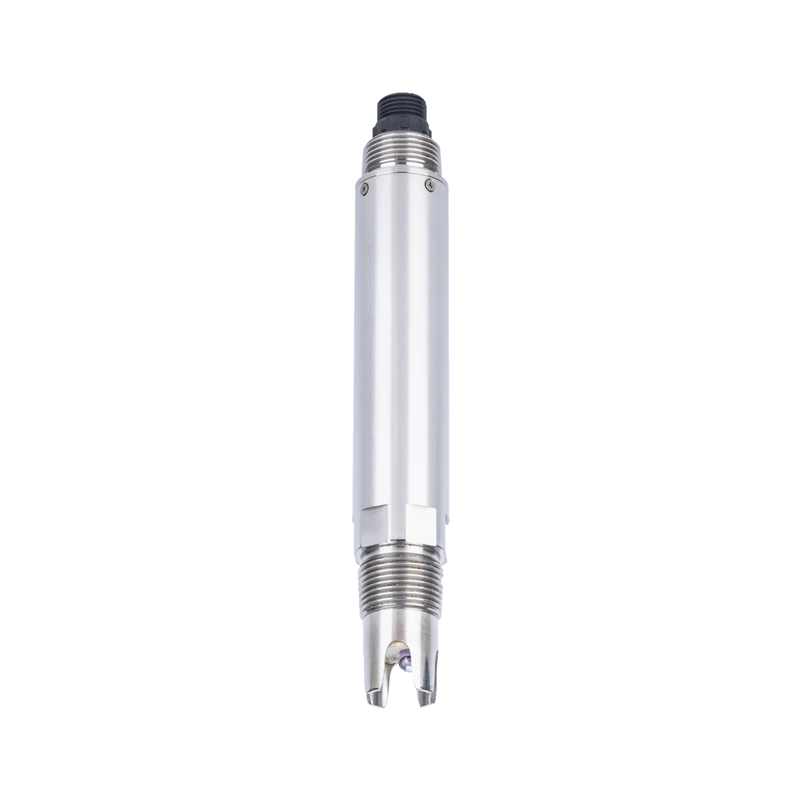
Q4. What are the advantages of constant voltage residual chlorine sensors compared to membrane methods?
The constant voltage method does not require replacement of electrolyte and membrane, has faster response speed, and is particularly suitable for engineering applications that require instantaneous action such as RO membrane protection.
Q5. Can COD sensors measure organic pollution in specific industries?
Our UV254 sensors support calibration through slope coefficient (K) to match laboratory method (dichromate method) data of specific industries, achieving high-correlation online trend monitoring.
Q6. How to handle anti-freezing issues for sensors operating in northern winters?
The sensor itself supports operating temperatures of 0-50°C. In extreme cold environments, we recommend that integrators install the sensor in a circulating sampling box with thermal insulation or use pipeline heat tracing.
Q7. Does NiuBoL provide supporting data acquisition software?
We can provide basic PC-side configuration software. For system-level applications, we provide open protocol documentation to support integrators in seamlessly embedding it into their own cloud platforms or SCADA systems.
Q8. Can the sensor cable length be customized?
Yes. NiuBoL standard cable is 5 meters. Integrators can customize 10 meters, 20 meters or longer waterproof shielded cables according to on-site wiring requirements.
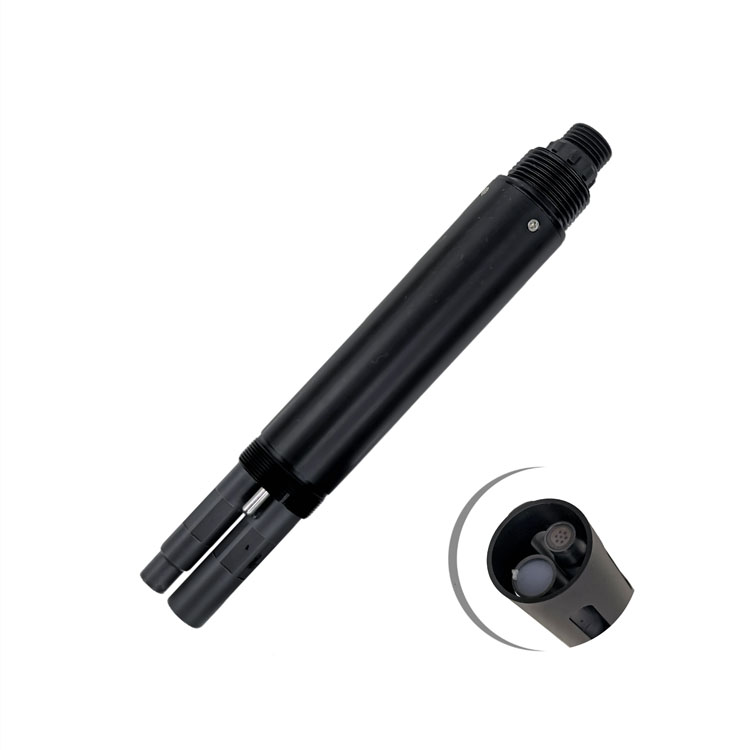
In the smart water market competition, specialization, digitization, and low maintenance are the core competitiveness of engineering projects. NiuBoL assists integrators in transforming complex water quality monitoring into simple, reliable, and easy-to-manage digital assets by providing high-precision industrial-grade sensors.
From ultrapure water monitoring in precision electronics manufacturing to stringent chemical wastewater discharge control, our sensor solutions are always oriented toward solving practical engineering pain points. Choosing NiuBoL is not just choosing a piece of hardware, but choosing a strategic partner that deeply cultivates industrial IoT and understands business logic.
NiuBoL is committed to providing system integrators worldwide with extremely reliable water quality sensing technology.
 NBL-WQ-CL Water Quality Sensor Online Residual Chlorine Sensor.pdf
NBL-WQ-DO Online Fluorescence Dissolved Oxygen Sensor.pdf
NBL-WQ-NHN Ammonia Nitrogen Water Quality Sensor.pdf
NBL-WQ-COD Online Water Quality COD Sensor.pdf
NBL-WQ-PH Online pH Water Quality Sensor.pdf
NBL-WQ-EC water quality conductivity sensor.pdf
Related recommendations
Sensors & Weather Stations Catalog
Agriculture Sensors and Weather Stations Catalog-NiuBoL.pdf
Weather Stations Catalog-NiuBoL.pdf
Agriculture Sensors Catalog-NiuBoL.pdf
Water Quality Sensor Catalog-NiuBoL.pdf
Related products
 Combined air temperature and relative humidity sensor
 TDR Soil Moisture & Temperature Sensor for irrigation| RS485 |4-20mA| NBL-S-THR
 Soil pH sensor RS485 soil Testing instrument soil ph meter for agriculture |NBL-S-PH
 Wind Speed sensor Output Modbus/RS485/Analog/0-5V/4-20mA
 Tipping bucket rain gauge for weather monitoring auto rainfall sensor RS485/Outdoor/stainless steel
 Pyranometer Solar Radiation Sensor 4-20mA/RS485

Screenshot, WhatsApp to identify the QR code
WhatsApp number:+8615367865107
(Click on WhatsApp to copy and add friends)

