





— Blogs —
—Products—
 Consumer hotline +8618073152920
 WhatsApp:+8615367865107
Address:Room 102, District D, Houhu Industrial Park, Yuelu District, Changsha City, Hunan Province, China
Product knowledge
Time:2026-05-09 11:00:47 Popularity:432
In industrial production, environmental governance, and water resource management, water quality analysis is a key link to ensure process stability, compliant discharge, and equipment safety. NiuBoL series water quality testing instruments cover COD analyzers, ammonia nitrogen analyzers, multi-parameter water quality analyzers, and online monitoring systems to help users grasp organic load, redox status, and scaling/corrosion risks in real time, enabling efficient water treatment decisions.
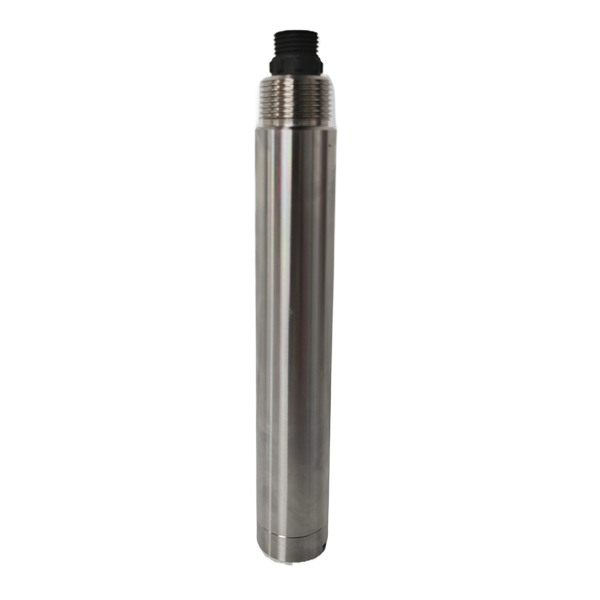
Water quality parameters directly affect process selection, equipment selection, and operating costs. The following 16 core concepts are professional knowledge that water treatment engineers, laboratory directors, and procurement decision-makers must master.
Total Organic Carbon (TOC) is expressed as the carbon element content in organic matter in water and is an important comprehensive indicator for assessing the degree of organic pollution in water bodies. Under 950°C high-temperature catalytic combustion conditions, organic matter is converted into CO₂, which is quantitatively measured by a non-dispersive infrared (NDIR) detector. TOC value is obtained after subtracting inorganic carbon (IC).
Total Oxygen Demand (TOD) is the amount of oxygen consumed when organic matter is completely combusted and oxidized under 900°C platinum catalytic conditions. Compared with COD, TOD is closer to the theoretical oxygen demand, has good reproducibility, and takes only about 3 minutes to measure.
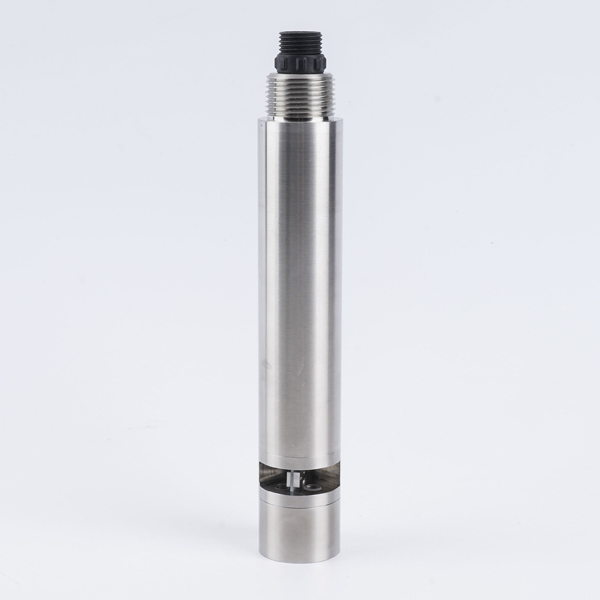
Biochemical Oxygen Demand (BOD) refers to the amount of dissolved oxygen consumed by microorganisms decomposing biodegradable organic matter in water under aerobic conditions. It directly reflects the degree of biodegradable organic pollution in water bodies. Standard determination uses the 20°C incubation method, commonly BOD5 (5 days) and BOD20 (20 days).
BOD5 is currently the most widely used indicator for evaluating the organic load of influent and effluent in sewage treatment plants, the self-purification capacity of rivers and lakes, and discharge compliance. High BOD values indicate severe oxygen-consuming pollution in water bodies, which may lead to dissolved oxygen depletion and anaerobic conditions.
Chemical Oxygen Demand (COD) is the amount of oxidant consumed by reducing substances (mainly organic matter) in water under the action of strong oxidants, commonly expressed in mg/L (as O₂). Mainstream methods include the potassium dichromate method (CODCr, high oxidation rate) and potassium permanganate method (CODMn, easy operation).
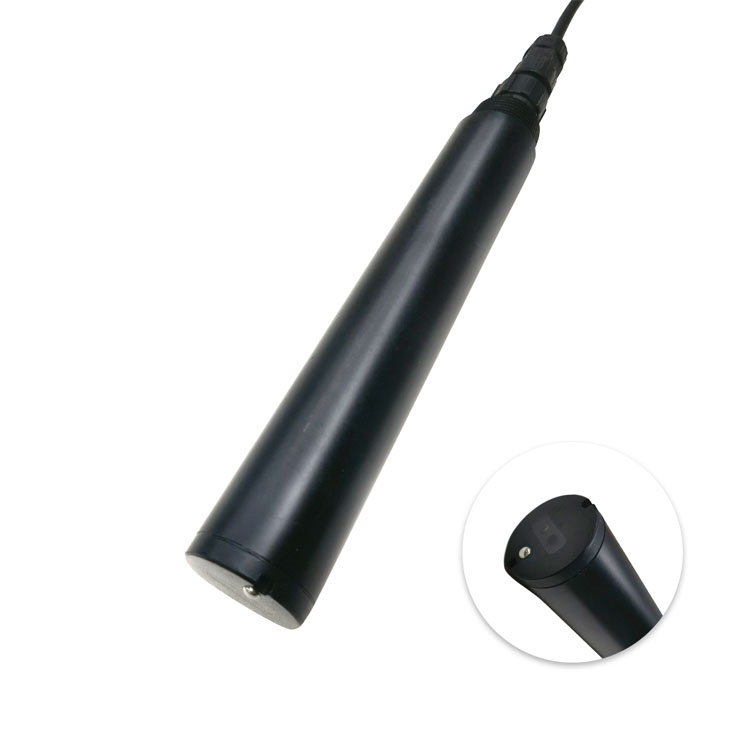
Dissolved Oxygen (DO) refers to molecular oxygen dissolved in water, usually expressed in mg/L or %. DO content is affected by temperature, pressure, salinity, and organic load. It is a key indicator for evaluating the self-purification capacity of water bodies and aerobic biological activity.
Resistivity (specific resistance) is an important physical quantity characterizing water purity, in units of Ω·cm. Pure water has extremely high resistivity, and ultrapure water can reach 18.2 MΩ·cm.
Acidity refers to the total amount of H⁺ in water that can neutralize with strong bases, including strong acids, weak acids, and acids produced by hydrolysis of strong acid-weak base salts.
Hardness is mainly composed of Ca²⁺ and Mg²⁺, and alkalinity is mainly composed of HCO₃⁻, CO₃²⁻, and OH⁻. The relationship between the two can determine water type.
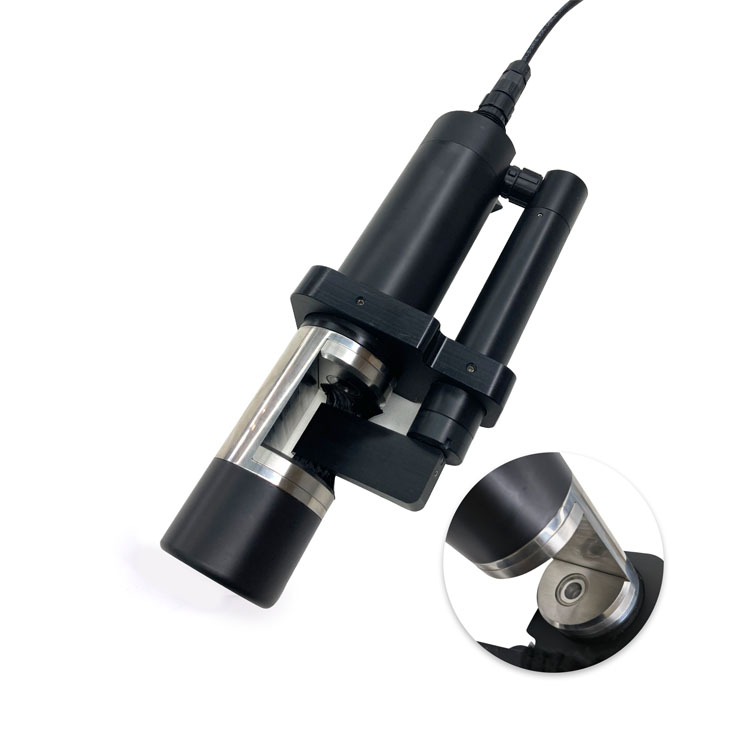
Alkalinity is determined by acid titration. Phenolphthalein alkalinity (P alkalinity) and methyl orange alkalinity (M alkalinity, total alkalinity) reflect different components.
Alkalinity is the total amount of substances in water that can accept H⁺, mainly including bicarbonate alkalinity, carbonate alkalinity, and hydroxide alkalinity.
Hard water causes scaling in heat exchangers in cooling systems, reduces heat transfer efficiency, increases energy consumption, and may cause under-scale corrosion and equipment perforation.
Common units are mmol/L (1 mmol/L as CaCO₃ = 100 mg/L). NiuBoL hardness analyzers provide automatic conversion of multiple units.
Total Solids (TS) = Dissolved Solids (TDS) + Suspended Solids (TSS). High TDS increases conductivity and scaling risk; high TSS affects disinfection effect and membrane treatment flux.
Water odor comes from microbial metabolism, organic matter decay, dissolved gases (H₂S, NH₃), industrial pollutants, and disinfection by-products.
Major cations (Ca²⁺, Mg²⁺, Na⁺, K⁺, Fe³⁺, Mn²⁺) affect hardness, scaling, and microbial growth; major anions (Cl⁻, SO₄²⁻, HCO₃⁻, CO₃²⁻) affect corrosiveness, conductivity, and pH balance.
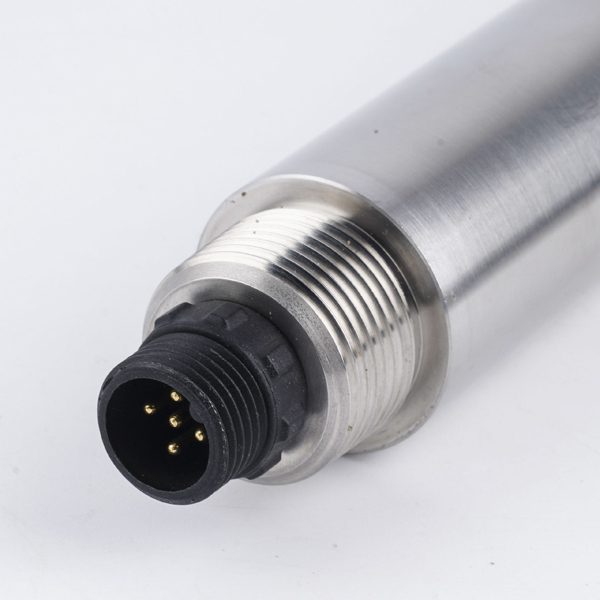
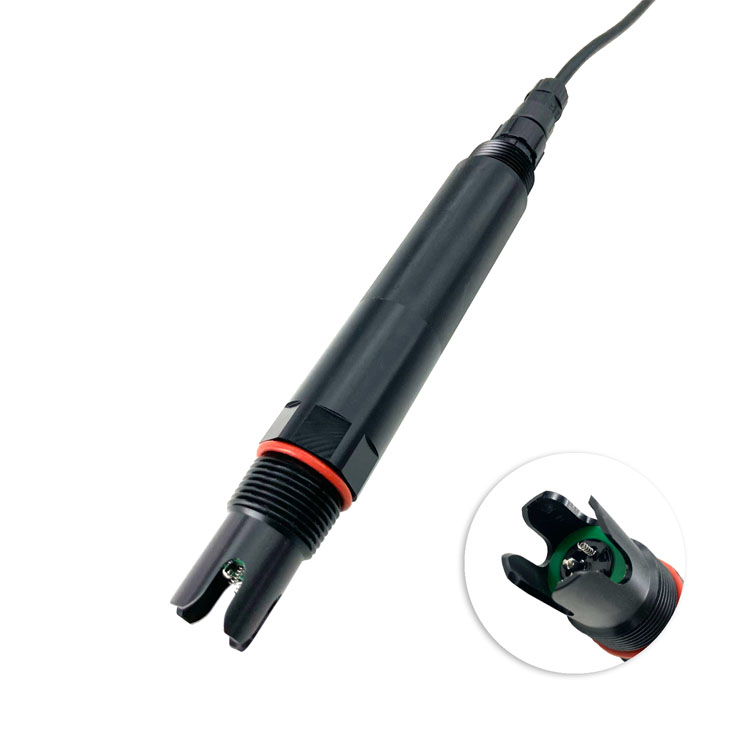
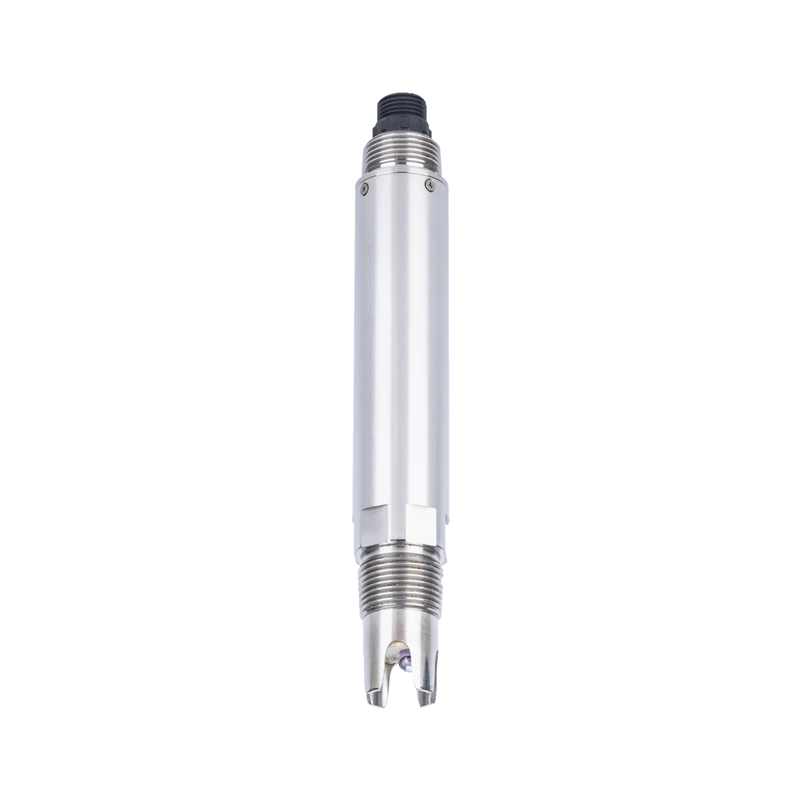
NiuBoL has developed a full range of instruments from portable to online for the above core parameters:
Multi-parameter water quality analyzers: simultaneous determination of COD, ammonia nitrogen, total phosphorus, total nitrogen, DO, turbidity, etc.
TOC/TOD online analyzers: high-temperature catalytic oxidation technology
BOD rapid testers: microbial sensor method
Hardness/alkalinity/ion analyzers: titration or colorimetric method
Online monitoring systems: support RS485, Modbus, 4-20mA protocols, access to SCADA systems
Q1. What is the difference between TOC and COD?
TOC directly measures organic carbon, which is more stable and not affected by oxidant selection; COD reflects the total amount of chemically oxidizable substances. The two are often used together to evaluate organic pollution characteristics.
Q2. The BOD5 determination cycle is too long. How to find a fast alternative?
TOD, BOD rapid testers, or TOC/BOD correlation models can be used. NiuBoL BOD rapid testers can provide reliable results within a few hours.
Q3. What parameters should be monitored in industrial circulating cooling water?
Focus on monitoring COD, hardness, alkalinity, DO, turbidity, Cl⁻, SO₄²⁻, and total bacterial count to control scaling, corrosion, and microbial risks.
Q4. How to convert between resistivity and conductivity?
Conductivity (μS/cm) = 1,000,000 / Resistivity (Ω·cm). The conductivity of ultrapure water is usually <0.055 μS/cm.
Q5. What analysis is needed before softening hard water?
A comprehensive test of total hardness, calcium hardness, magnesium hardness, total alkalinity, pH, and major cations and anions is required to develop a targeted softening or desalination plan.
Q6. How does an online water quality monitoring system connect to the existing control system?
NiuBoL online instruments support Modbus RTU/TCP, 4-20mA, and OPC UA protocols, enabling seamless integration with PLC and DCS systems.
Q7. What is the difference in focus between drinking water testing and industrial wastewater testing?
Drinking water focuses on residual chlorine, turbidity, microbial indicators, and heavy metals; industrial wastewater focuses on COD, ammonia nitrogen, total phosphorus, chromaticity, and characteristic pollutants.
Q8. How to choose the right water quality testing instrument?
Comprehensive evaluation should be based on application scenario (laboratory/online), parameter range, accuracy requirements, maintenance cost, and communication needs. NiuBoL provides selection consultation and technical support services.
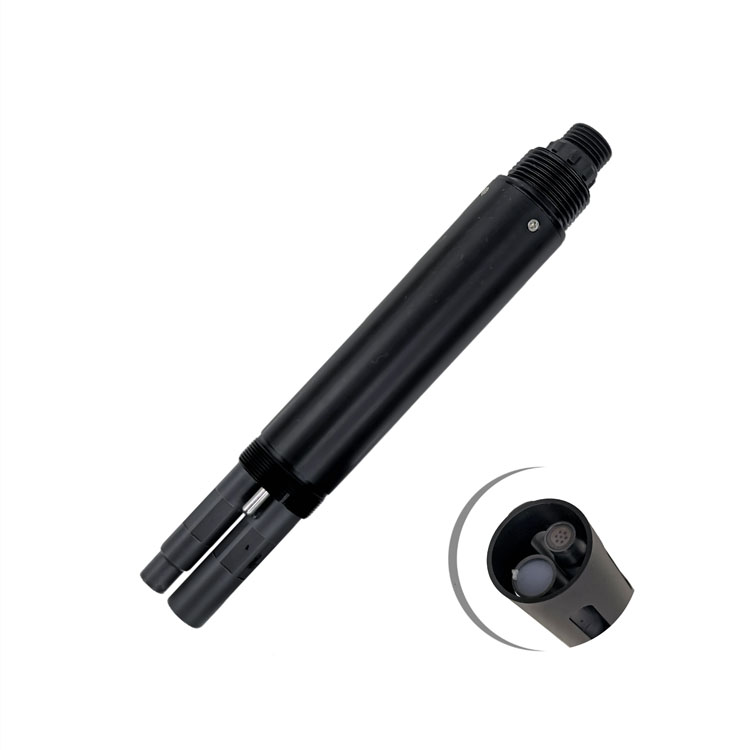
Mastering the 16 core concepts of water quality analysis is the foundation for implementing scientific water treatment, reducing operational risks, and optimizing costs. NiuBoL is committed to providing users with high-precision, easy-to-maintain, and intelligent water quality testing instruments and complete solutions to help enterprises achieve stable production, compliant discharge, and sustainable development.
Whether for new projects or existing system upgrades, professional water quality monitoring equipment is a key infrastructure. Welcome to contact the NiuBoL technical team to provide customized configuration solutions based on your specific working conditions.
 NBL-WQ-CL Water Quality Sensor Online Residual Chlorine Sensor.pdf
NBL-WQ-DO Online Fluorescence Dissolved Oxygen Sensor.pdf
NBL-WQ-NHN Ammonia Nitrogen Water Quality Sensor.pdf
NBL-WQ-COD Online Water Quality COD Sensor.pdf
NBL-WQ-PH Online pH Water Quality Sensor.pdf
NBL-WQ-EC water quality conductivity sensor.pdf
Related recommendations
Sensors & Weather Stations Catalog
Agriculture Sensors and Weather Stations Catalog-NiuBoL.pdf
Weather Stations Catalog-NiuBoL.pdf
Agriculture Sensors Catalog-NiuBoL.pdf
Water Quality Sensor Catalog-NiuBoL.pdf
Related products
 Combined air temperature and relative humidity sensor
 TDR Soil Moisture & Temperature Sensor for irrigation| RS485 |4-20mA| NBL-S-THR
 Soil pH sensor RS485 soil Testing instrument soil ph meter for agriculture |NBL-S-PH
 Wind Speed sensor Output Modbus/RS485/Analog/0-5V/4-20mA
 Tipping bucket rain gauge for weather monitoring auto rainfall sensor RS485/Outdoor/stainless steel
 Pyranometer Solar Radiation Sensor 4-20mA/RS485

Screenshot, WhatsApp to identify the QR code
WhatsApp number:+8615367865107
(Click on WhatsApp to copy and add friends)

