





— Blogs —
—Products—
 Consumer hotline +8618073152920
 WhatsApp:+8615367865107
Address:Room 102, District D, Houhu Industrial Park, Yuelu District, Changsha City, Hunan Province, China
Product knowledge
Time:2026-05-09 11:06:10 Popularity:341
In scenarios such as industrial wastewater treatment, drinking water plants, tap water networks, aquaculture farms, sewage treatment plants, and environmental monitoring stations, water quality testing instruments are core equipment to ensure water quality compliance, process optimization, and compliant discharge. As a brand focused on IoT monitoring solutions, NiuBoL provides a full range of water quality testing equipment from portable rapid analyzers to online continuous monitoring systems, supporting RS485, Modbus, 4-20mA and other communication protocols to meet laboratory, on-site inspection, and SCADA system integration needs.
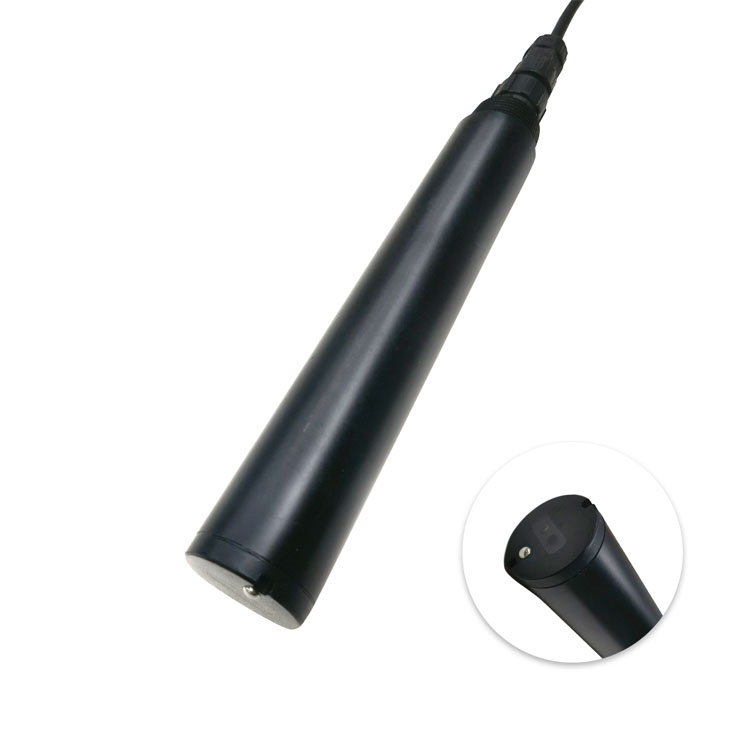
Water quality testing instruments are mainly used to quantitatively evaluate the physical, chemical, and biological indicators of water bodies, helping engineering and technical personnel to grasp key parameters such as organic load, nutrient levels, dissolved gas content, and microbial activity in real time. In the context of increasingly stringent environmental protection regulations, selecting appropriate instruments and equipment can significantly improve treatment efficiency, reduce operating costs, and minimize the risk of exceeding standards.
When selecting equipment, focus on: detection parameter range and accuracy, measurement methods (spectrophotometry, electrochemical method, infrared method, etc.), applicable water sample types (surface water, groundwater, industrial wastewater, domestic sewage, high-salt water, etc.), response time, maintenance cycle, and data transmission and integration capabilities. NiuBoL series instruments adopt a modular design, support free combination of parameters, and adapt to different working conditions.
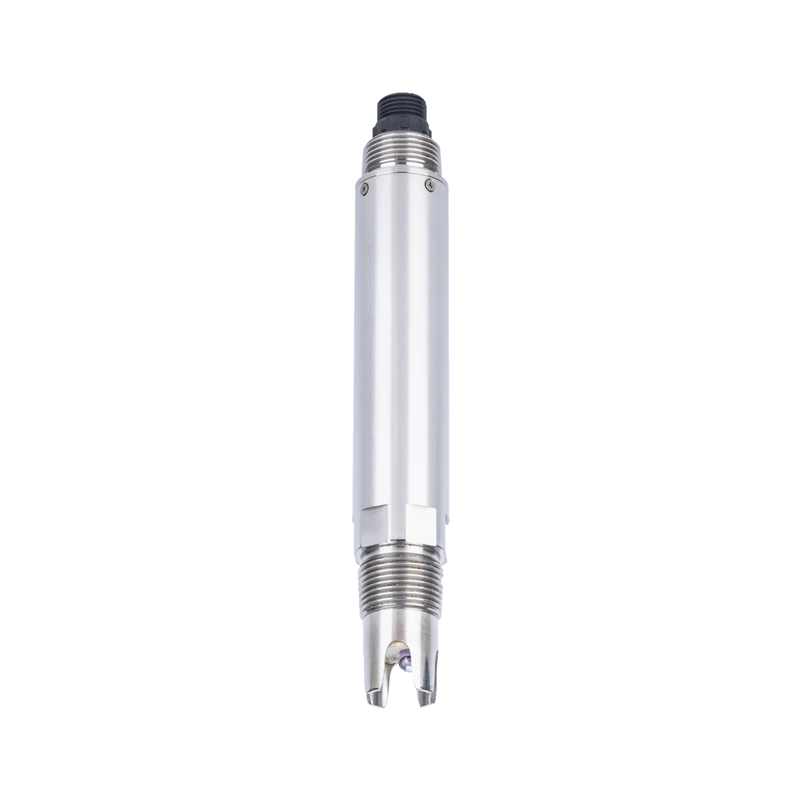
Chemical Oxygen Demand (COD) is the core indicator for evaluating the degree of organic pollution in water bodies, usually expressed in mg/L. NiuBoL COD analyzers support the potassium dichromate method or UV absorption method, suitable for industrial wastewater and sewage treatment process monitoring.
| Parameter | Specification Range | Notes |
|---|---|---|
| Measurement Range | 0-10000 mg/L | Expandable to higher ranges |
| Detection Time | 5-15 minutes | Rapid digestion + spectrophotometry |
| Operating Temperature | 5-45℃ | Built-in temperature compensation |
| Output Interface | RS485/Modbus/4-20mA | Supports wireless transmission |

Biochemical Oxygen Demand (BOD) reflects the amount of oxygen required for the biodegradation of organic matter in water. NiuBoL BOD rapid testers use microbial electrode method or differential pressure method and can complete equivalent measurement of the traditional 5-day incubation method within a few hours.
Ammonia nitrogen (NH3-N) is toxic to aquatic organisms and is a key control parameter in sewage treatment plants. NiuBoL ammonia nitrogen analyzers use the Nessler reagent spectrophotometric method or ion selective electrode method.
Total phosphorus (TP) and total nitrogen (TN) are key indicators for controlling eutrophication of water bodies. NiuBoL multi-parameter analyzers support persulfate digestion + spectrophotometry, with one machine serving multiple purposes.
NiuBoL multi-parameter water quality analyzers can simultaneously detect parameters such as COD, ammonia nitrogen, total phosphorus, total nitrogen, dissolved oxygen (DO), turbidity, chromaticity, and suspended solids (SS), suitable for five-parameter or more comprehensive monitoring in sewage plants.
Uses infrared spectrophotometry, specially designed for the determination of petroleum and animal/vegetable oils, complies with HJ 637-2018 standard, suitable for groundwater, surface water, and catering wastewater monitoring.
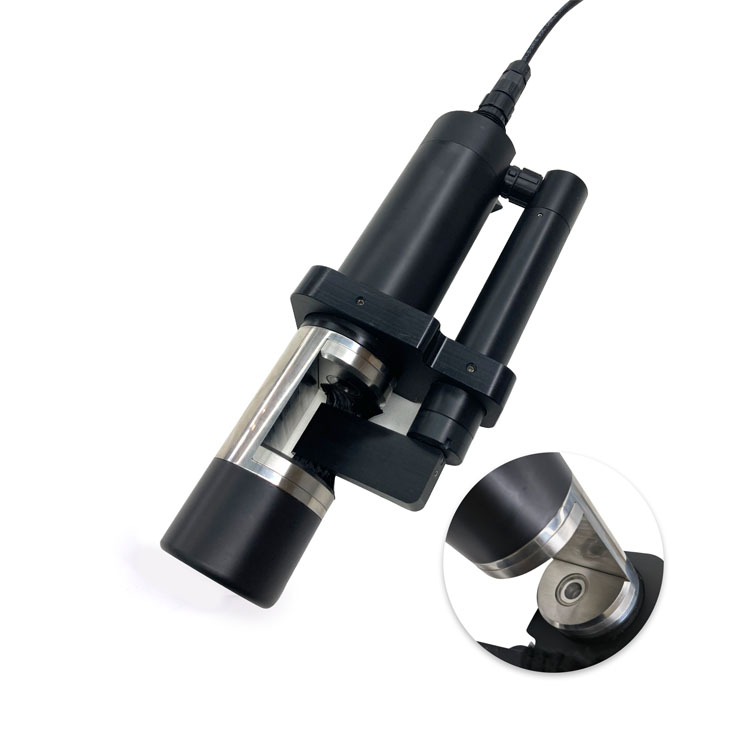
NiuBoL series equipment adopts high-precision photoelectric sensors and intelligent algorithms, with built-in temperature and turbidity compensation to reduce environmental interference. Modular design facilitates parameter expansion and maintenance; data recording and export functions support traceability analysis; compatible with mainstream PLC and SCADA systems to achieve factory-level intelligent water treatment.
Sewage Treatment Plants: Prioritize online multi-parameter monitoring systems + COD/BOD/ammonia nitrogen combination instruments.
Water Plant Laboratories: Portable or desktop multi-parameter rapid analyzers.
Aquaculture: Dedicated aquaculture water quality analyzers + online dissolved oxygen probes.
Environmental Monitoring Stations: Combination of portable and online equipment to build a mobile + fixed monitoring network.
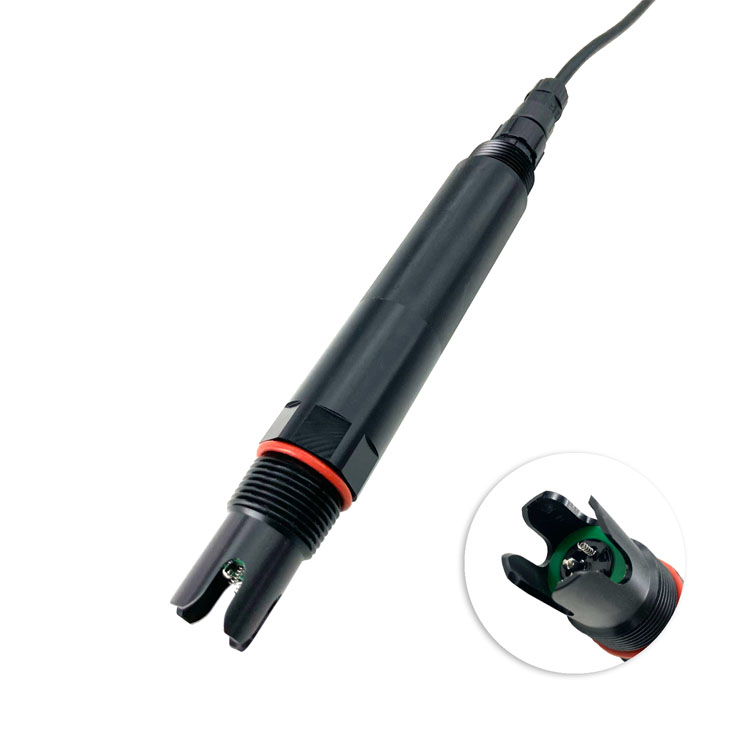
Q1. What is the difference between COD and BOD in water quality testing instruments?
COD reflects the oxygen demand for chemical oxidation and has fast detection; BOD reflects the oxygen demand for biological degradation and is closer to natural processes. They are often used together in engineering to evaluate biodegradability.
Q2. Does the multi-parameter water quality analyzer support custom parameter combinations?
Yes. NiuBoL multi-parameter instruments support modular configuration, allowing users to combine parameters such as COD, ammonia nitrogen, total phosphorus, and total nitrogen according to actual needs.
Q3. How does the online water quality monitoring instrument ensure data accuracy?
It is achieved through regular automatic calibration, cleaning systems, and built-in compensation algorithms, while supporting manual comparison verification.
Q4. What scenarios are portable instruments suitable for?
They are suitable for on-site inspections, emergency monitoring, laboratory auxiliary testing, and daily quality control in small and medium-sized water plants.
Q5. What are the key parameters for swimming pool water quality testing?
Mainly include residual chlorine/total chlorine, pH, turbidity, urea, etc., which must be maintained within the ranges specified by national standards.
Q6. How to choose the measurement method for ammonia nitrogen analyzers?
Spectrophotometry is recommended for laboratory precision testing; ion selective electrode or spectroscopic methods are recommended for online continuous monitoring.
Q7. What is the importance of instrument communication protocols for system integration?
RS485/Modbus protocols facilitate connection with PLC, DCS, or cloud platforms to achieve automatic data collection and remote control.
Q8. What is the general maintenance cycle for water quality testing instruments?
Portable devices should be cleaned after each use; online instruments are recommended to check reagents monthly and calibrate quarterly, depending on working conditions.
NiuBoL water quality testing instruments provide efficient monitoring means for water treatment projects with professional and reliable performance, flexible configuration solutions, and complete integration capabilities. Whether in drinking water safety assurance, industrial wastewater treatment, or ecological water body protection, selecting the right instruments and equipment is the key to achieving refined management, energy saving and consumption reduction, and compliant operation. Welcome to contact the NiuBoL professional team to obtain customized water quality monitoring solutions tailored to your specific working conditions and jointly improve water environment management levels.
 NBL-WQ-CL Water Quality Sensor Online Residual Chlorine Sensor.pdf
NBL-WQ-DO Online Fluorescence Dissolved Oxygen Sensor.pdf
NBL-WQ-NHN Ammonia Nitrogen Water Quality Sensor.pdf
NBL-WQ-COD Online Water Quality COD Sensor.pdf
NBL-WQ-PH Online pH Water Quality Sensor.pdf
NBL-WQ-EC water quality conductivity sensor.pdf
Related recommendations
Sensors & Weather Stations Catalog
Agriculture Sensors and Weather Stations Catalog-NiuBoL.pdf
Weather Stations Catalog-NiuBoL.pdf
Agriculture Sensors Catalog-NiuBoL.pdf
Water Quality Sensor Catalog-NiuBoL.pdf
Related products
 Combined air temperature and relative humidity sensor
 TDR Soil Moisture & Temperature Sensor for irrigation| RS485 |4-20mA| NBL-S-THR
 Soil pH sensor RS485 soil Testing instrument soil ph meter for agriculture |NBL-S-PH
 Wind Speed sensor Output Modbus/RS485/Analog/0-5V/4-20mA
 Tipping bucket rain gauge for weather monitoring auto rainfall sensor RS485/Outdoor/stainless steel
 Pyranometer Solar Radiation Sensor 4-20mA/RS485

Screenshot, WhatsApp to identify the QR code
WhatsApp number:+8615367865107
(Click on WhatsApp to copy and add friends)

