





— Blogs —
—Products—
 Consumer hotline +8618073152920
 WhatsApp:+8615367865107
Address:Room 102, District D, Houhu Industrial Park, Yuelu District, Changsha City, Hunan Province, China
Product knowledge
Time:2026-05-09 10:47:19 Popularity:370
NiuBoL COD analyzers, rapid digestion spectrophotometric systems, and online COD sensors provide reliable testing solutions for sewage treatment plants, industrial wastewater treatment stations, environmental monitoring agencies, and water treatment engineering projects.
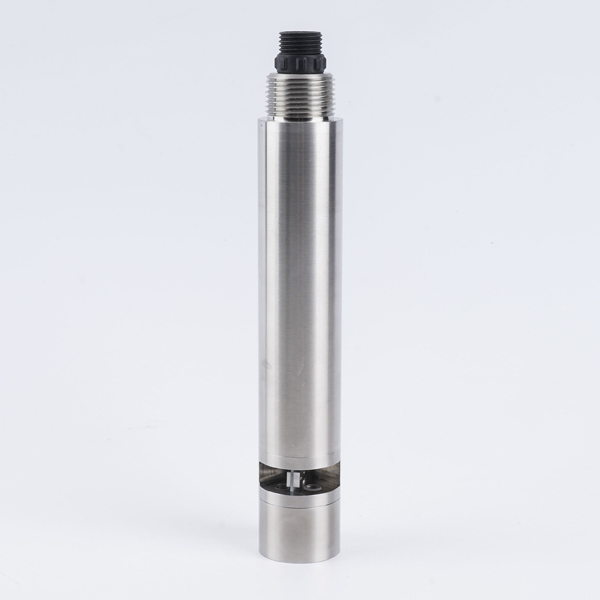
In industrial wastewater treatment, sewage treatment plant operation, and environmental compliance monitoring, COD (Chemical Oxygen Demand) is the core parameter for assessing organic pollution load, controlling treatment processes, and calculating pollutant discharge fees. Choosing the appropriate COD detection method directly affects data accuracy, analysis efficiency, and operating costs. NiuBoL’s COD detection equipment covers laboratory rapid analysis and online continuous monitoring needs, complies with standards such as HJ/T 399-2007, and supports complete configurations from portable to fully automatic online systems.
The spectrophotometric method is based on the oxidation of organic matter in water by potassium dichromate in sulfuric acid medium, where Cr⁶⁺ is reduced to Cr³⁺. The absorbance of remaining Cr⁶⁺ or generated Cr³⁺ is measured to establish a linear relationship with COD concentration. This method is based on the classic reflux titration method and achieves instrumental determination.
The traditional standard reflux method requires 2 hours of heating. To improve efficiency, various rapid digestion technologies have been developed. By increasing sulfuric acid concentration and reaction temperature, digestion time is shortened to 10–15 minutes. Rapid digestion spectrophotometry is currently the most mainstream laboratory COD detection technology and has been incorporated into the national standard HJ/T 399-2007.
1. Reagent and Sample Preparation: Use pre-made COD digestion tubes. Add 2.0 mL water sample for low-range tubes or 0.2 mL for high-range tubes.
2. Digestion Process: Place tubes in a COD digester, heat according to the program, then cool to room temperature.
3. Colorimetric Measurement: Insert the cooled tube into the COD analyzer to directly read the COD concentration in mg/L. No manual standard curve drawing is required.
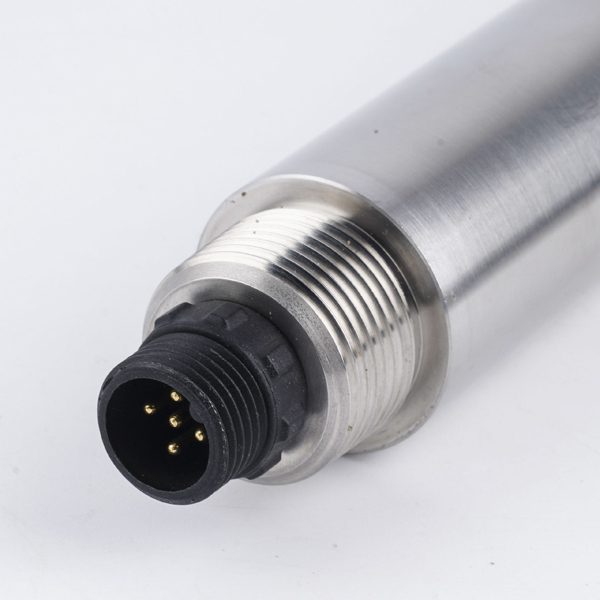
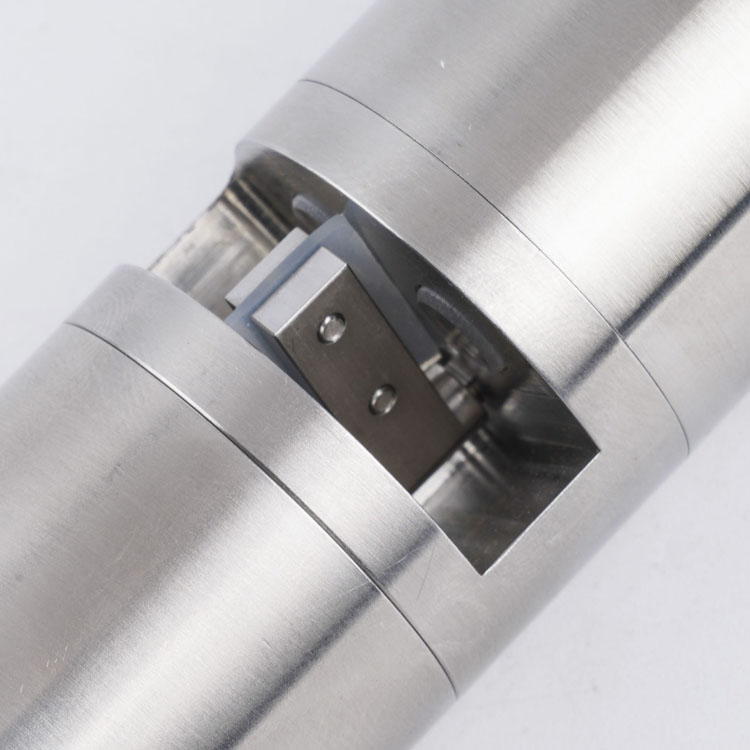
Online COD sensors mainly use the UV absorption method (254 nm wavelength). Dissolved organic matter in water has characteristic absorption of UV light. Dual optical path design compensates for turbidity interference, combined with algorithms to correct particle effects for stable measurement.
| Item | Specification |
|---|---|
| Model | NBL-WQ-COD |
| Measurement Principle | Dual-wavelength UV absorption method |
| Range | 0~200.0 mg/L (COD) 0~500.0 mg/L (optional) |
| Resolution | 0.1 mg/L |
| Accuracy | ±5% of reading |
| Response Time (T90) | <30 s |
| Cleaning Method | Built-in mechanical cleaning brush |
| Output Signal | RS-485 (Modbus RTU), 4-20 mA |
| Protection Level | IP68 |
Q1. What is the main difference between rapid digestion spectrophotometry and traditional reflux titration?
Rapid digestion significantly shortens reaction time (10-15 minutes vs 2 hours), uses less reagent, produces less waste liquid, while maintaining good oxidation efficiency and accuracy.
Q2. Does the online COD sensor need to add chemical reagents frequently?
NiuBoL UV absorption online COD sensor requires no chemical reagents, has low operating costs and minimal maintenance, making it suitable for long-term continuous monitoring.
Q3. How to accurately measure COD in high-chloride water samples?
Add sufficient mercury sulfate as a masking agent, or use special chlorine-resistant reagent tubes. In severe cases, distillation pretreatment can be used.
Q4. How to determine the calibration frequency of a COD analyzer?
It is recommended to verify with standard samples weekly or before each batch of samples. For stable instruments, this can be extended to once per month.
Q5. Is the online COD sensor greatly affected by turbidity?
NBL-WQ-COD uses dual optical path design and algorithm compensation, which can effectively reduce the interference of suspended particles.
Q6. What is the shelf life of pre-made COD reagent tubes?
Unopened reagent tubes usually have a shelf life of 12–18 months and should be stored away from light in a cool, dry place.
Q7. What is the relationship between COD, TOC, and BOD?
COD reflects chemically oxidizable organic matter, TOC directly measures total organic carbon, and BOD reflects the biodegradable portion. The combination of the three provides a comprehensive assessment of organic pollution characteristics in water.
Q8. How to choose between laboratory-type and online-type COD equipment?
Laboratory type is suitable for intermittent and precise analysis scenarios; online type is suitable for systems requiring real-time data and process control. The choice depends on testing frequency and degree of automation.
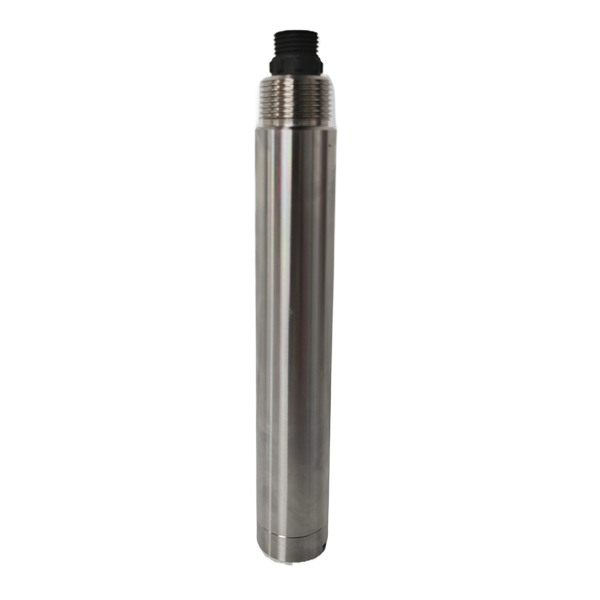
Scientific selection of COD detection methods is the key to ensuring stable operation of water treatment processes and environmental compliance. NiuBoL provides a complete product line from laboratory rapid digestion spectrophotometric solutions to UV online COD sensors, helping users achieve efficient, accurate, and economical chemical oxygen demand monitoring.
Whether for new sewage treatment projects or existing system upgrades, professional and reliable COD testing equipment can significantly improve management levels and operational efficiency. Welcome to contact the NiuBoL technical team according to actual working conditions. We will provide targeted selection advice, solution design, and on-site support services.
 NBL-WQ-CL Water Quality Sensor Online Residual Chlorine Sensor.pdf
NBL-WQ-DO Online Fluorescence Dissolved Oxygen Sensor.pdf
NBL-WQ-NHN Ammonia Nitrogen Water Quality Sensor.pdf
NBL-WQ-COD Online Water Quality COD Sensor.pdf
NBL-WQ-PH Online pH Water Quality Sensor.pdf
NBL-WQ-EC water quality conductivity sensor.pdf
Related recommendations
Sensors & Weather Stations Catalog
Agriculture Sensors and Weather Stations Catalog-NiuBoL.pdf
Weather Stations Catalog-NiuBoL.pdf
Agriculture Sensors Catalog-NiuBoL.pdf
Water Quality Sensor Catalog-NiuBoL.pdf
Related products
 Combined air temperature and relative humidity sensor
 TDR Soil Moisture & Temperature Sensor for irrigation| RS485 |4-20mA| NBL-S-THR
 Soil pH sensor RS485 soil Testing instrument soil ph meter for agriculture |NBL-S-PH
 Wind Speed sensor Output Modbus/RS485/Analog/0-5V/4-20mA
 Tipping bucket rain gauge for weather monitoring auto rainfall sensor RS485/Outdoor/stainless steel
 Pyranometer Solar Radiation Sensor 4-20mA/RS485

Screenshot, WhatsApp to identify the QR code
WhatsApp number:+8615367865107
(Click on WhatsApp to copy and add friends)

