





— Blogs —
—Products—
 Consumer hotline +8618073152920
 WhatsApp:+8615367865107
Address:Room 102, District D, Houhu Industrial Park, Yuelu District, Changsha City, Hunan Province, China
Product knowledge
Time:2026-05-09 10:42:24 Popularity:391
This article systematically sorts out the conventional testing indicators and toxic substance indicators of water quality testing instruments for environmental monitoring stations, sewage treatment plants, industrial enterprises and third-party testing institutions. It covers more than 20 key parameters such as COD, ammonia nitrogen, total phosphorus, total nitrogen, turbidity, residual chlorine, etc. NiuBoL provides multi-parameter water quality analysis systems suitable for on-site rapid testing and laboratory comparison.
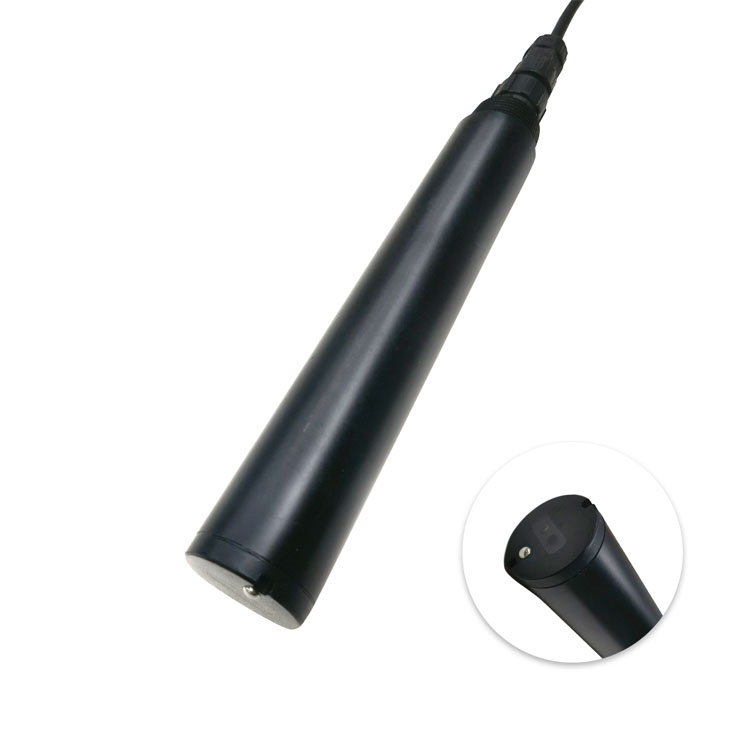
The selection of water quality testing instruments first depends on the nature of the monitoring object and the monitoring purpose. From an engineering application perspective, testing indicators can be divided into two major categories:
Comprehensive Water Quality Indicators: Reflect the basic physical and chemical state of the water body, such as temperature, pH, conductivity, turbidity, dissolved oxygen, chemical oxygen demand, biochemical oxygen demand, etc.
Specific Toxic Substance Indicators: Targeted at pollutants with biological toxicity or environmental persistence, such as heavy metals (lead, chromium, cadmium, mercury, arsenic), cyanide, phenols, organic pesticides, etc.
Different application scenarios have significantly different emphases on the above two categories. Based on years of on-site engineering experience, NiuBoL recommends that purchasers first clarify the type of pollution source of the monitoring object, then determine the indicator combination and instrument selection.
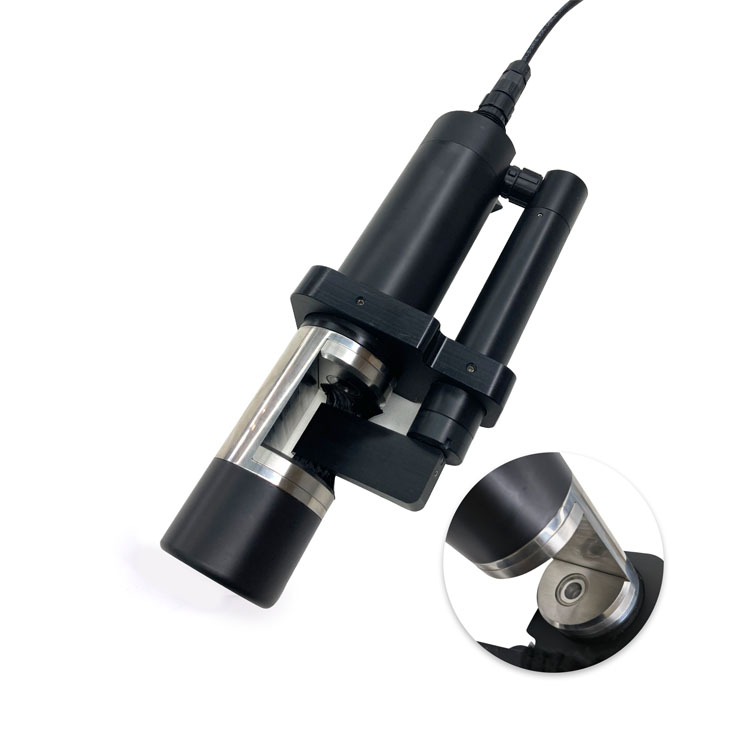
The following are more than 20 indicators most commonly configured in water quality testing instruments, covering monitoring of drinking water, surface water, groundwater, and sewage discharge outlets.
| Indicator | Engineering Meaning | Typical Range | Applicable Scenarios |
|---|---|---|---|
| High-range COD | Chemical Oxygen Demand, reflects total organic matter | 0–2000 mg/L | Industrial wastewater, high-concentration organic sewage |
| Low-range COD | Same as above, suitable for lower concentration water bodies | 0–150 mg/L | Surface water, drinking water sources, sewage plant effluent |
| Ammonia Nitrogen | Calculated as NH₃-N, reflects nitrogen-containing organic pollution | 0–50 mg/L | Domestic sewage, aquaculture wastewater, industrial wastewater |
| Total Phosphorus | Calculated as P, reflects eutrophication risk | 0–20 mg/L | Surface water, sewage treatment plant discharge outlets |
| Total Nitrogen | Calculated as N, covers organic and inorganic nitrogen | 0–100 mg/L | Lakes, reservoirs, coastal waters |
| Indicator | Engineering Meaning | Unit | Standard Limit Reference |
|---|---|---|---|
| Chromaticity | Color intensity of water sample, exceeding standard causes user dissatisfaction | Degree | Drinking water ≤15 degrees |
| Turbidity | Obstruction of light transmittance by suspended particles in water | NTU | Drinking water ≤1 NTU |
| Residual Chlorine | Residual effective chlorine after chlorination disinfection to ensure continuous sterilization | mg/L | End of pipe network ≥0.05 mg/L |
| Total Chlorine | Free residual chlorine + combined residual chlorine | mg/L | — |
| Chlorine Dioxide | Residual disinfectant replacing chlorine gas | mg/L | Drinking water ≤0.8 mg/L |

The following indicators usually require dedicated detection modules or laboratory-grade instruments, but are essential items in key pollution source monitoring:
Phenols: Characteristic pollutants in coking and petrochemical wastewater, with extremely low olfactory threshold.
Cyanide: Characteristic in electroplating and gold mining, highly toxic, drinking water limit 0.05 mg/L.
Arsenic: Common natural pollutant in groundwater, emissions from mining and semiconductor industries.
Lead, Chromium (hexavalent), Cadmium, Mercury: Typical heavy metals with bioaccumulation.
Organic Pesticides: Agricultural non-point source pollution, requiring gas chromatography or dedicated enzyme inhibition rapid detectors.
NiuBoL Recommendation: Conventional online monitoring stations should focus on COD, ammonia nitrogen, total phosphorus, and total nitrogen; heavy metals and organic toxins can be supplemented with portable testing instruments for regular spot checks.
For the following scenarios, portable multi-parameter water quality analysis systems are recommended:
Daily inspection of drinking water and its source water
On-site rapid screening of surface water and groundwater
Preliminary qualitative testing for emergency pollution incidents
On-site acceptance of rural water supply projects
Q1. Must water quality testing instruments cover COD and ammonia nitrogen?
For sewage discharge monitoring and surface water evaluation, COD and ammonia nitrogen are core indicators. However, pure drinking water or cooling water circulation systems may only need basic parameters such as turbidity, residual chlorine, and pH. Selection should be based on discharge standards.
Q2. Can high-range COD and low-range COD share one instrument?
Some spectrophotometric instruments support dual-range switching, but different pre-made reagents need to be replaced. NiuBoL portable water quality analysis systems provide separate reagent packs for high and low ranges.
Q3. What is the difference between total phosphorus and phosphate?
Total phosphorus includes orthophosphate, polyphosphate and organic phosphorus; phosphate usually refers to dissolved orthophosphate. Total phosphorus is used to evaluate eutrophication potential, while phosphate is used for short-term biological effect assessment.
Q4. Why must residual chlorine be measured immediately on site?
Residual chlorine decays with time and light exposure. Results measured after sampling and transport to the laboratory are seriously low and unrepresentative. Therefore, portable residual chlorine meters must be used for on-site testing.
Q5. Can turbidity and chromaticity be combined into one indicator?
No. High-chromaticity water may have low turbidity (e.g., dyed wastewater), and high-turbidity water may also have low chromaticity (e.g., muddy water). The two evaluate dissolved colored substances and suspended particles respectively.
Q6. Which indicators are key monitoring items for heavy metal pollution?
According to the "Integrated Wastewater Discharge Standard" and "Surface Water Environmental Quality Standard", lead, cadmium, mercury, hexavalent chromium, and arsenic are the five priority heavy metal toxins for monitoring.
Q7. Can water quality testing instruments detect organic pesticides?
Conventional electrochemical or optical water quality testing instruments cannot directly detect organic pesticides. Gas chromatography-mass spectrometry (GC-MS) or dedicated enzyme inhibition rapid detectors are required.
Q8. How many indicators can NiuBoL portable water quality analysis system detect at one time?
Depending on the host model, a single device can support reagent packs for 20–25 conventional indicators, including COD, ammonia nitrogen, total phosphorus, total nitrogen, hexavalent chromium, residual chlorine, chlorine dioxide, sulfate, phosphate, sulfide, fluoride, etc.
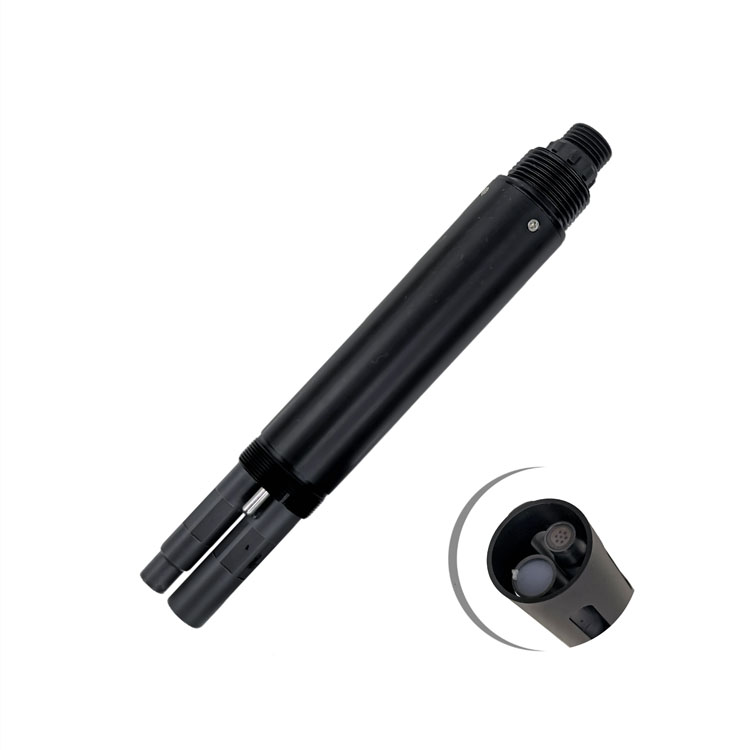
The indicator configuration of water quality testing instruments is not the more the better, but a reasonable combination based on discharge standards, process control requirements and on-site operating conditions.
NiuBoL | Integrated Solution for Water Quality Testing and Sampling Retention
 NBL-WQ-CL Water Quality Sensor Online Residual Chlorine Sensor.pdf
NBL-WQ-DO Online Fluorescence Dissolved Oxygen Sensor.pdf
NBL-WQ-NHN Ammonia Nitrogen Water Quality Sensor.pdf
NBL-WQ-COD Online Water Quality COD Sensor.pdf
NBL-WQ-PH Online pH Water Quality Sensor.pdf
NBL-WQ-EC water quality conductivity sensor.pdf
Related recommendations
Sensors & Weather Stations Catalog
Agriculture Sensors and Weather Stations Catalog-NiuBoL.pdf
Weather Stations Catalog-NiuBoL.pdf
Agriculture Sensors Catalog-NiuBoL.pdf
Water Quality Sensor Catalog-NiuBoL.pdf
Related products
 Combined air temperature and relative humidity sensor
 TDR Soil Moisture & Temperature Sensor for irrigation| RS485 |4-20mA| NBL-S-THR
 Soil pH sensor RS485 soil Testing instrument soil ph meter for agriculture |NBL-S-PH
 Wind Speed sensor Output Modbus/RS485/Analog/0-5V/4-20mA
 Tipping bucket rain gauge for weather monitoring auto rainfall sensor RS485/Outdoor/stainless steel
 Pyranometer Solar Radiation Sensor 4-20mA/RS485

Screenshot, WhatsApp to identify the QR code
WhatsApp number:+8615367865107
(Click on WhatsApp to copy and add friends)

