





— Blogs —
—Products—
 Consumer hotline +8618073152920
 WhatsApp:+8615367865107
Address:Room 102, District D, Houhu Industrial Park, Yuelu District, Changsha City, Hunan Province, China
Product knowledge
Time:2026-05-07 09:19:38 Popularity:358
In water environment governance and industrial drainage monitoring, accurately understanding sewage pollution indicators and their interrelationships is the cornerstone of process design. Wastewater can be divided into industrial wastewater, domestic sewage, and medical wastewater according to its source. Different categories of wastewater have significantly different pollutant compositions, and the focus of detection also varies.
As a professional brand in the field of environmental sensing, NiuBoL is committed to transforming abstract chemical indicators into intuitive production data through high-precision digital sensors. This article will deeply explore the physical and chemical characteristics of core sewage indicators and analyze their internal logic in engineering applications.
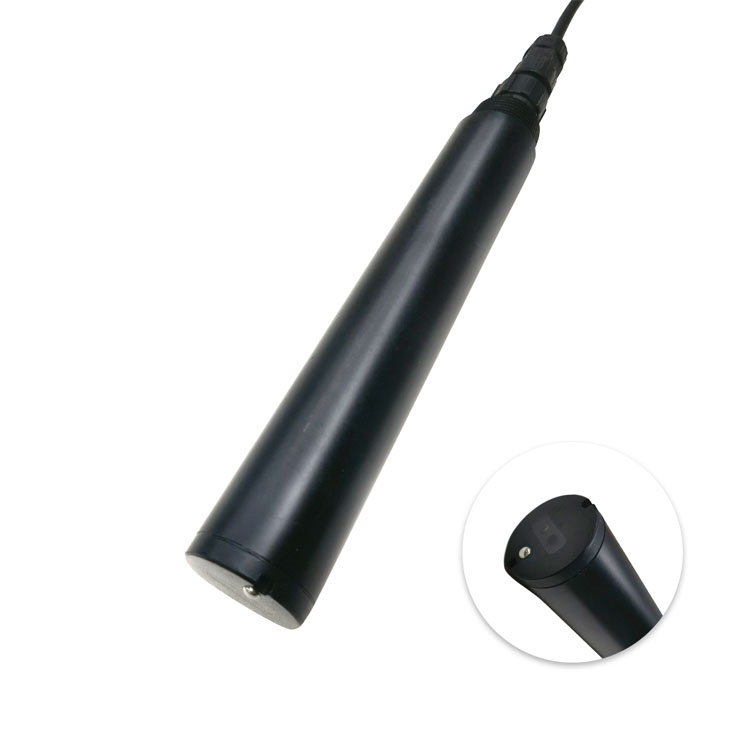
The sewage indicator system is usually divided into two major categories: physical indicators and chemical indicators. They together outline the degree of pollution in the water body.
Water Temperature: Water temperature not only affects chemical reaction rates but also directly determines the activity of microorganisms in biochemical treatment. Generally, the optimal temperature range for sewage biological treatment is 5–40°C.
Odor: Polluted water bodies often produce abnormal odors and are the most intuitive sensory indicator for judging water quality deterioration or anaerobic fermentation.
Chromaticity: Domestic sewage is mostly gray, while industrial wastewater (such as printing and dyeing, papermaking) shows specific tones due to dyes or lignin.
Solid Matter: Includes suspended solids (SS), dissolved solids (DS), etc. They are the sum of residues in water and reflect the physical load of the water body.
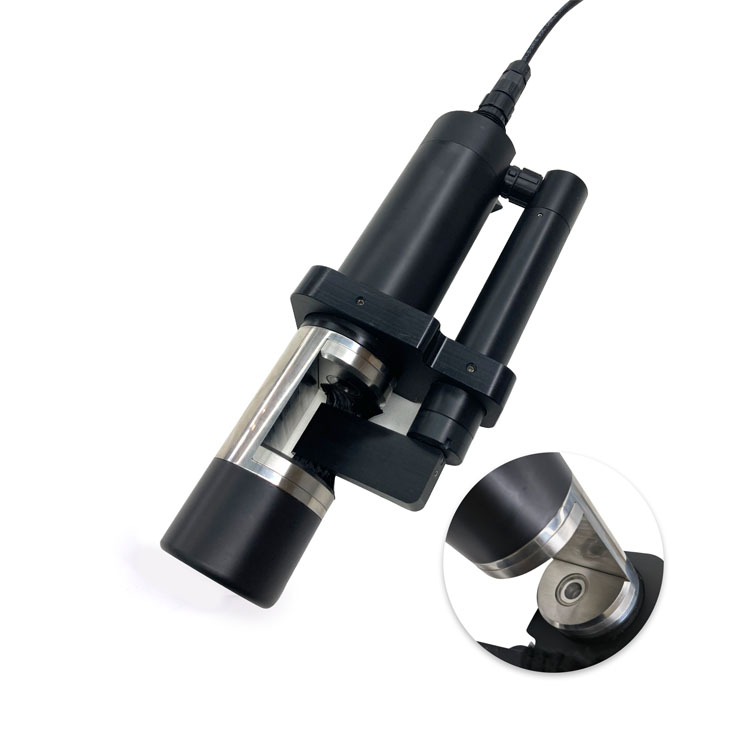
Chemical indicators are the core for evaluating the degree of water pollution, especially organic matter indicators, which reflect the oxygen-consuming substance content in water bodies from different angles.
Biochemical Oxygen Demand (BOD): The amount of dissolved oxygen consumed by aerobic microorganisms oxidizing organic matter into inorganic matter at 20°C.
Chemical Oxygen Demand (COD): Uses strong chemical oxidants to oxidize organic pollutants and calculates the oxidant consumption. COD has fast response and is the most commonly used indicator in industrial wastewater monitoring.
Total Organic Carbon (TOC): Converts organic carbon into carbon dioxide through high-temperature catalytic combustion and directly measures carbon content. It is the most essential indicator of organic pollution.
Total Oxygen Demand (TOD): The amount of oxygen consumed when substances are converted into carbon dioxide, water, nitrogen dioxide and sulfur dioxide during combustion.

In water quality monitoring engineering, understanding the quantitative relationships between various organic indicators is crucial for estimating treatment difficulty. When sewage water quality conditions are relatively stable, the measured indicators usually follow the following sequence:
TOD > CODcr > BODu > BOD5 > TOC
Determination Significance Comparison: COD usually includes most organic matter and reducing inorganic substances in water, while BOD only represents the portion that can be biodegraded.
Biodegradability Judgment: In engineering practice, the BOD5/CODCr ratio is commonly used to evaluate the biodegradability of wastewater. The higher the ratio, the easier the wastewater is to treat through biological degradation processes.
With the improvement of environmental protection requirements, traditional manual sampling can no longer meet the needs of strict monitoring. NiuBoL intelligent water quality sensors provide a complete online monitoring closed loop:
24/7 Real-time Monitoring: Provides uninterrupted data streams for parameters such as pH, conductivity, dissolved oxygen, COD and ammonia nitrogen.
High Anti-interference Performance: Designed for complex industrial wastewater environments, sensors use chemically corrosion-resistant housings and isolation circuits.
Seamless Data Integration: Supports RS485 (Modbus-RTU) standard communication protocol and can be directly connected to enterprise PLC or smart environmental protection cloud platforms.
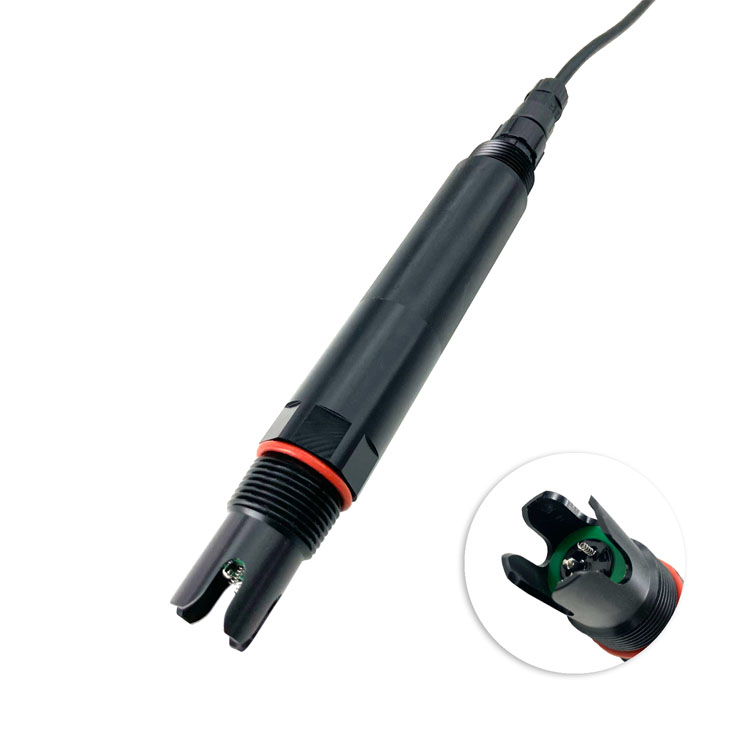
Q1. Why is TOD always greater than COD for the same water sample?
TOD is measured by high-temperature combustion above 900°C, which can almost completely oxidize all organic matter and reducing inorganic substances (such as nitrogen, sulfur, phosphorus, etc.), while the chemical oxidants used in COD (such as potassium dichromate) have limited oxidation capacity and cannot oxidize elements such as nitrogen.
Q2. Why must conductivity be measured before industrial wastewater treatment?
Conductivity reflects the total salt content in water. High salinity increases the osmotic pressure of wastewater, inhibits microbial growth, and leads to biochemical system collapse. Monitoring conductivity can provide timely warning of high-salt wastewater shocks.
Q3. What does a BOD5/COD ratio below 0.3 mean?
It means the wastewater has poor biodegradability and contains a large amount of refractory organic matter. Biological methods alone cannot be relied upon at this time, and physicochemical treatment (such as advanced oxidation, coagulation sedimentation) is usually required as pretreatment.
Q4. What is “thermal pollution”?
In industrial production, although the discharged cooling water is not polluted, if its temperature exceeds 60°C, discharging it into natural water bodies will reduce dissolved oxygen in the water and affect fish survival. This ecological damage caused by temperature rise is called thermal pollution.
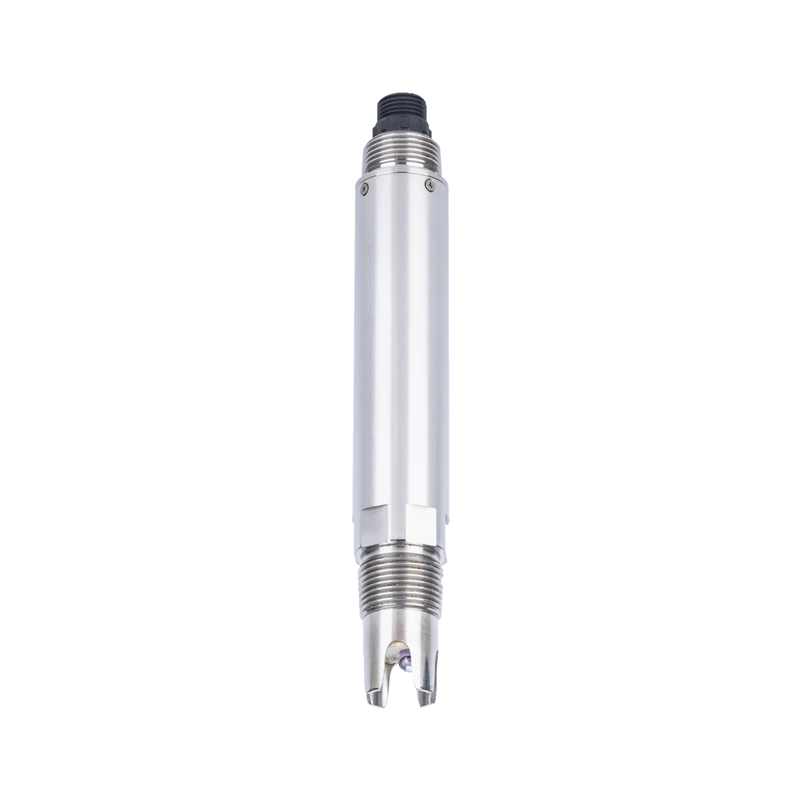
Q5. What are the advantages of TOC monitoring compared to COD?
TOC determination does not use strong acid and highly toxic reagents such as potassium dichromate. It is more environmentally friendly, faster (usually 3-5 minutes), and is not interfered with by reducing inorganic ions in water samples.
Q6. How do NiuBoL sensors cope with acid-base corrosion in industrial wastewater?
Our pH and conductivity sensors offer optional PTFE or 316L stainless steel housing options, combined with high-sealing technology, to ensure long service life under extreme pH conditions.
Q7. What does Total Nitrogen (TN) include?
Total nitrogen includes organic nitrogen (such as protein decomposition products) and inorganic nitrogen (ammonia nitrogen, nitrite nitrogen, nitrate nitrogen). Monitoring total nitrogen is key to preventing red tides and algal blooms.
Q8. Why do domestic sewage and industrial wastewater need to be monitored separately?
Domestic sewage has relatively stable composition, mainly organic matter and pathogens; industrial wastewater contains unique toxic substances such as heavy metals and benzene compounds. Classified monitoring ensures targeted treatment measures and prevents the treatment system from being damaged by toxic substances.
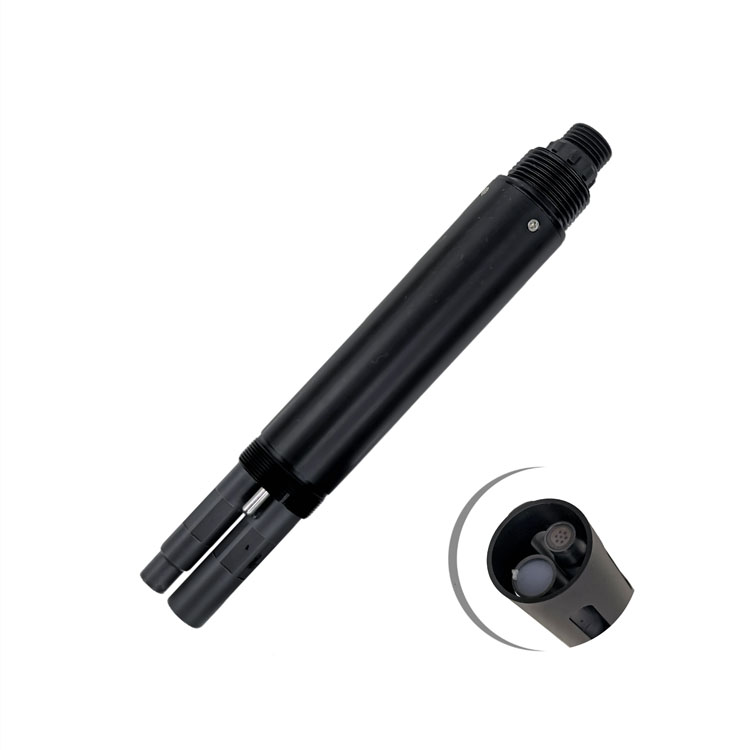
Water quality monitoring is an indispensable strict monitoring method in water processing, production and treatment links. From the disinfection and use of groundwater to the complex purification of industrial wastewater, fluctuations in every indicator indicate changes in water quality characteristics.
By mastering the internal connections between parameters such as BOD, COD, TOC and heavy metals, and combining them with NiuBoL's intelligent sensing equipment, enterprises can more accurately grasp water quality characteristics, adjust treatment processes in a timely manner, and ensure smooth and efficient operation.
 NBL-WQ-CL Water Quality Sensor Online Residual Chlorine Sensor.pdf
NBL-WQ-DO Online Fluorescence Dissolved Oxygen Sensor.pdf
NBL-WQ-NHN Ammonia Nitrogen Water Quality Sensor.pdf
NBL-WQ-COD Online Water Quality COD Sensor.pdf
NBL-WQ-PH Online pH Water Quality Sensor.pdf
NBL-WQ-EC water quality conductivity sensor.pdf
Related recommendations
Sensors & Weather Stations Catalog
Agriculture Sensors and Weather Stations Catalog-NiuBoL.pdf
Weather Stations Catalog-NiuBoL.pdf
Agriculture Sensors Catalog-NiuBoL.pdf
Water Quality Sensor Catalog-NiuBoL.pdf
Related products
 Combined air temperature and relative humidity sensor
 TDR Soil Moisture & Temperature Sensor for irrigation| RS485 |4-20mA| NBL-S-THR
 Soil pH sensor RS485 soil Testing instrument soil ph meter for agriculture |NBL-S-PH
 Wind Speed sensor Output Modbus/RS485/Analog/0-5V/4-20mA
 Tipping bucket rain gauge for weather monitoring auto rainfall sensor RS485/Outdoor/stainless steel
 Pyranometer Solar Radiation Sensor 4-20mA/RS485

Screenshot, WhatsApp to identify the QR code
WhatsApp number:+8615367865107
(Click on WhatsApp to copy and add friends)

