





— Blogs —
—Products—
 Consumer hotline +8618073152920
 WhatsApp:+8615367865107
Address:Room 102, District D, Houhu Industrial Park, Yuelu District, Changsha City, Hunan Province, China
Product knowledge
Time:2026-05-07 09:16:11 Popularity:338
In the process of modern industrialization, industrial wastewater, as the third largest pollution source after agricultural sewage and urban domestic sewage, poses a particularly serious threat to the ecological environment due to its complex composition, high toxicity, and high degradation difficulty. With the increasingly stringent global environmental protection regulations, achieving compliant discharge of industrial wastewater is not only a basic legal requirement for enterprises but also a core part of practicing green and sustainable development.
According to the process characteristics of different industries, industrial wastewater can be subdivided into papermaking wastewater, textile printing and dyeing wastewater, electroplating etching wastewater, pharmaceutical wastewater, and metallurgical wastewater. Through scientific detection methods and real-time monitoring equipment, enterprises can accurately grasp the concentration of heavy metals, organic matter, and physicochemical indicators in wastewater, thereby optimizing treatment processes and reducing environmental risks.
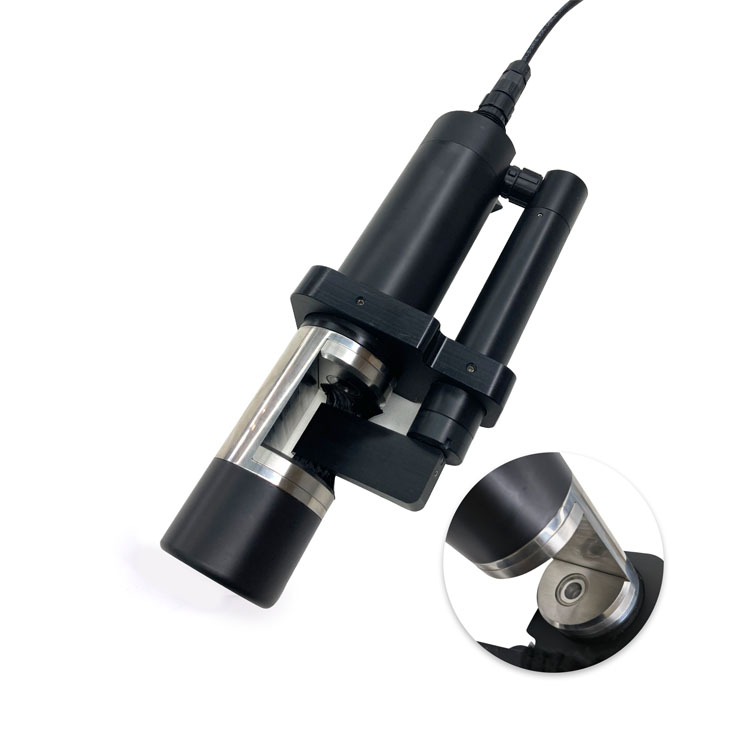
The nature of industrial wastewater varies significantly depending on the processing objects and production processes. National and industry standards have set detailed detection scopes for these differences.
Papermaking and Fiber Industry: Mainly contains large amounts of suspended solids (SS) and high biochemical oxygen demand (BOD) organic matter.
Etching and Electroplating Industry: Contains high concentrations of heavy metal ions (such as copper, nickel, chromium, cadmium) and acid-base substances.
Food Processing and Pesticides: Contains large amounts of nitrogen and phosphorus nutrients and complex organophosphorus and organochlorine compounds.
Medical and Laboratory Wastewater: Contains pathogenic microorganisms, radioactive substances, and disinfectant residues.

| Monitoring Item | Abbreviation | Technical Significance | Recommended Protocol |
|---|---|---|---|
| Hydrogen Ion Concentration Index | pH | Measures acidity and alkalinity of water, affects chemical precipitation and biochemical treatment effects | RS485 (Modbus-RTU) |
| Chemical Oxygen Demand | COD | Reflects the content of organic pollutants and reducing inorganic substances in water | RS485 (Modbus-RTU) |
| Five-day Biochemical Oxygen Demand | BOD5 | Evaluates the concentration of biodegradable organic matter in sewage | Laboratory Determination / Online Simulation |
| Suspended Solids | SS | Measures insoluble solid content in water, related to transparency and pipeline siltation | RS485 (Modbus-RTU) |
| Ammonia Nitrogen | NH3-N | Main cause of water eutrophication, toxic to aquatic organisms | RS485 (Modbus-RTU) |
| Total Phosphorus | TP | Key eutrophication indicator for controlling excessive algae reproduction | RS485 (Modbus-RTU) |
| Dissolved Oxygen | DO | Core parameter for evaluating the efficiency of aerobic biological treatment systems | RS485 (Modbus-RTU) |
| Heavy Metal Ions | Cu, Ni, Cr | Class I pollutants, must be strictly monitored at workshop discharge outlets | Special Analyzer |
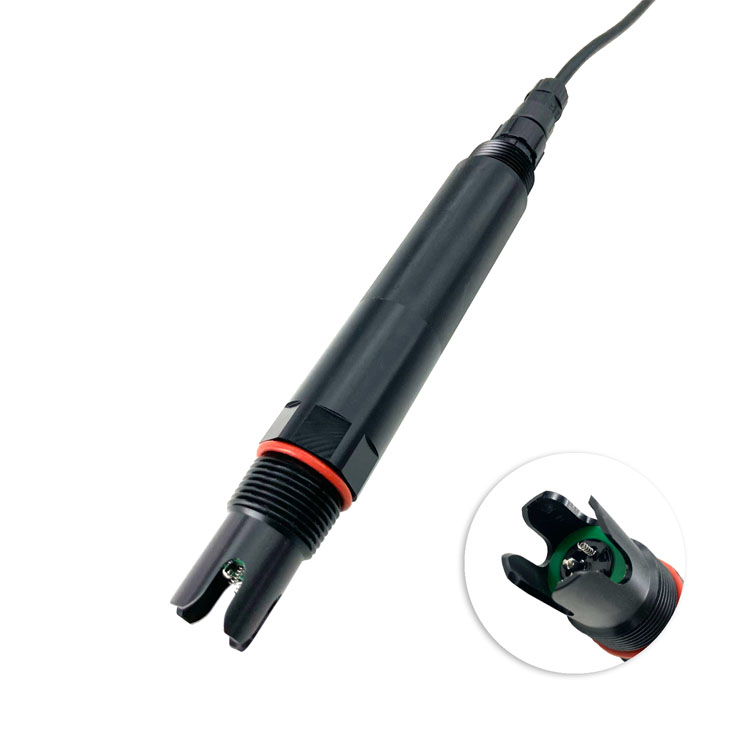
pH value is the most basic and important physicochemical parameter in water treatment. The pH value of industrial wastewater varies widely (from strong acid to strong alkali), which directly affects the dosing amount of flocculants, microbial activity, and the precipitation efficiency of heavy metals. NiuBoL high-precision pH sensors use industrial-grade electrodes to provide real-time feedback, ensuring the treatment process operates in the optimal range.
COD is a comprehensive indicator for evaluating the degree of organic pollution in water bodies. Due to its fast analysis speed, it is widely used for real-time control in production processes. The higher the COD, the more reducing substances in water and the greater the oxygen consumption. Through online COD analyzers, enterprises can timely adjust aeration intensity or oxidant dosing.
Suspended solids not only cause turbidity in receiving water bodies but also block fish gills leading to death and provide attachment points for bacteria. In engineering practice, SS removal is usually achieved through physical sedimentation or filtration. Monitoring SS concentration is key to evaluating the effectiveness of physical treatment units.
Ammonia nitrogen mainly comes from the decomposition of nitrogen-containing organic matter. Excessive ammonia nitrogen discharged into natural water bodies will consume dissolved oxygen and promote abnormal algae growth. In treatment systems, ammonia nitrogen is removed through nitrification and denitrification reactions, requiring precise sensor data as feedback control basis.
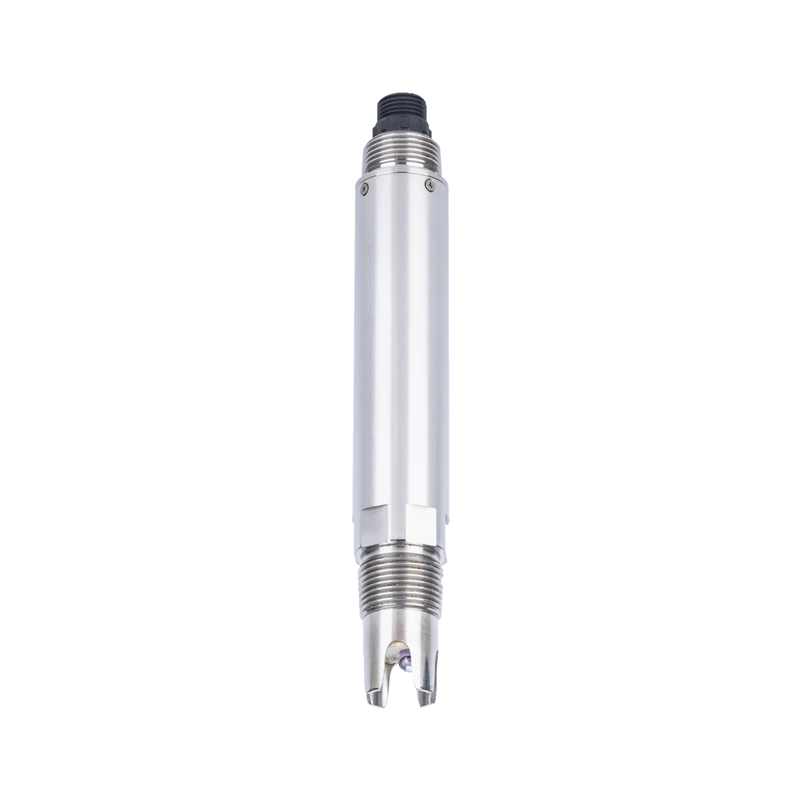
Accurate detection data is based on reasonable sampling. The setting of sampling points must follow the principles of objectivity and representativeness.
In the context of Industry 4.0, traditional manual sampling can no longer meet enterprises' high requirements for production efficiency and environmental compliance. NiuBoL has launched a series of intelligent sensor solutions for industrial wastewater. Its advantages are reflected in:
Full Parameter Coverage: Integrates multiple parameters such as pH, conductivity, turbidity (SS), COD, ammonia nitrogen, and dissolved oxygen.
Standard Communication Protocol: Equipment uniformly adopts RS485 (Modbus-RTU) protocol, which can be easily connected to enterprise PLC, DCS or smart cloud platforms.
Industrial-grade Durability: Sensor housings are designed with corrosion-resistant materials and can cope with high-salt and highly corrosive industrial wastewater environments.
Low Maintenance Design: Equipped with self-cleaning function, greatly extending the calibration cycle of sensors in complex water quality.
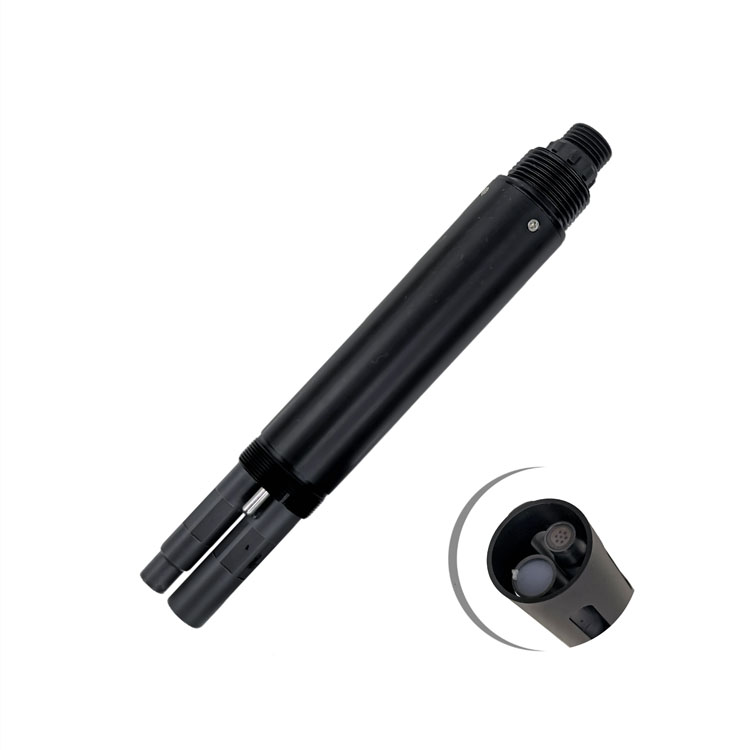
Q1. What is the main difference between industrial wastewater and domestic sewage detection standards?
Industrial wastewater testing focuses on heavy metals, toxic and harmful substances, and specific organic pollutants; domestic sewage testing focuses more on pathogens, total coliforms, and conventional nutrient indicators (such as phosphorus and nitrogen).
Q2. Why is COD used more frequently than BOD5 when monitoring organic matter?
Because COD determination usually only takes 2-3 hours, and can even achieve second-level response through online instruments; while BOD5 takes 5 days and cannot meet the real-time feedback needs of industrial production.
Q3. What are the advantages of the RS485 (Modbus-RTU) protocol in water quality monitoring?
This protocol supports long-distance transmission (up to 1200 meters), has strong anti-interference ability, and allows multiple sensors to be mounted on one bus, greatly simplifying system wiring and later integration costs.
Q4. How to solve the corrosion problem of sensors in industrial wastewater?
NiuBoL sensors provide PTFE or stainless steel housing options for strong acid and alkali environments, combined with non-contact optical measurement technology, effectively reducing chemical corrosion risks.
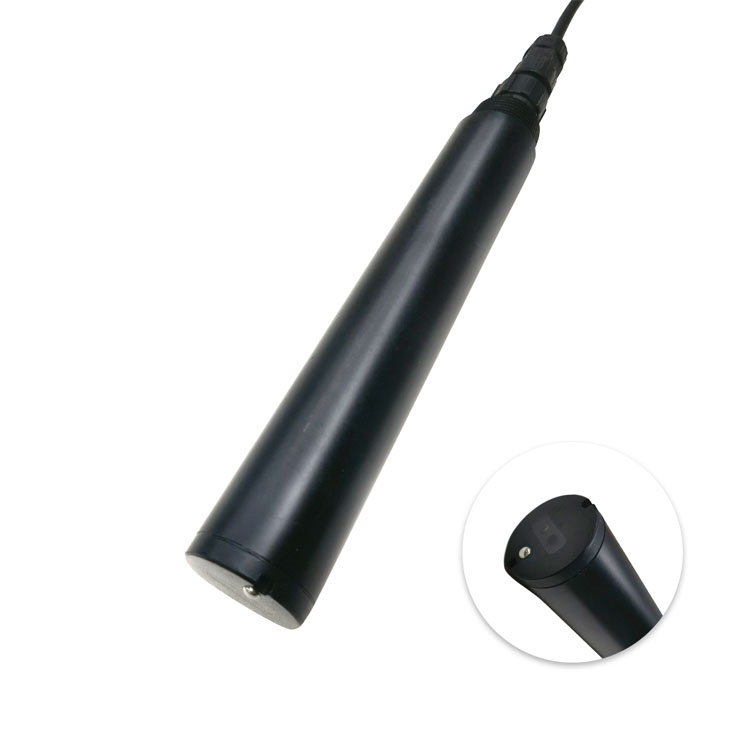
Q5. What are "Class I pollutants"? Why must sampling be done at the workshop outlet?
Class I pollutants refer to substances that can accumulate in the environment or organisms and are extremely harmful (such as mercury, lead, hexavalent chromium). Sampling at the workshop outlet is to prevent enterprises from diluting and discharging by mixing with other wastewater, ensuring pollution sources are controlled at the source.
Q6. What should be the calibration frequency of pH sensors?
In complex industrial wastewater, it is usually recommended to perform point-to-point verification once a week. If water quality is relatively stable and has self-cleaning function, the calibration cycle can be extended to 15-30 days.
Q7. What is the relationship between Total Organic Carbon (TOC) and COD?
TOC directly measures the carbon content in water and is not interfered with by inorganic reducing substances. It is a purer organic matter indicator than COD. The two have a strong linear correlation under specific wastewater compositions.
Q8. Can online water quality analyzers directly link with wastewater treatment processes?
Yes. Through the RS485 signal output by the sensors, the central control system can automatically adjust the frequency of dosing pumps or the speed of aeration fans according to real-time monitored COD or pH values.
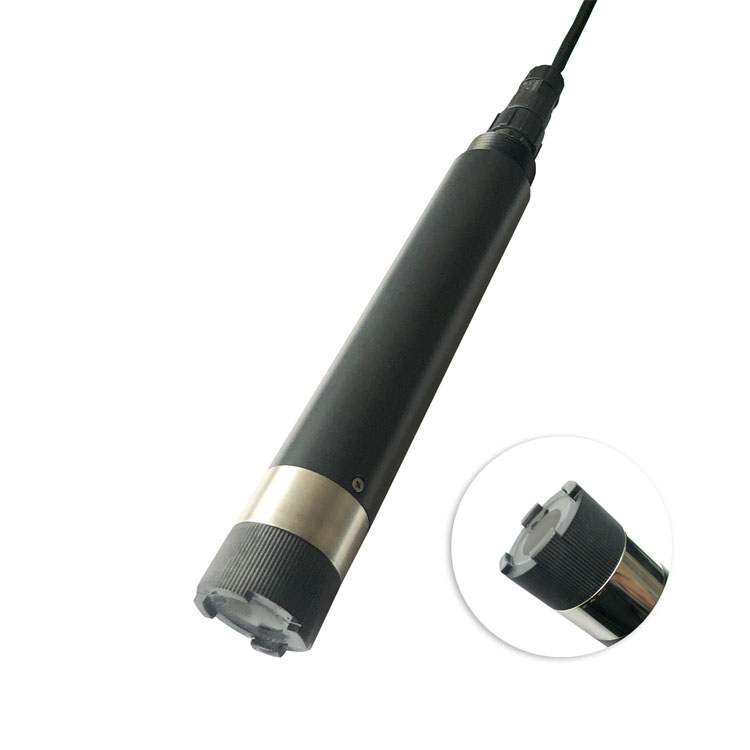
Industrial wastewater detection is not only an environmental protection regulatory requirement but also an important tool for enterprises to improve production processes, reduce chemical consumption, and protect brand reputation. Through systematic monitoring of core indicators such as pH, COD, SS, and ammonia nitrogen, enterprises can build a solid environmental defense system.
NiuBoL always stands at the forefront of environmental monitoring technology and helps global enterprises achieve precise perception and intelligent governance in complex industrial water environments by providing high-precision and highly reliable water quality sensors and monitoring systems. Choosing professional monitoring equipment means choosing a development path that is responsible to the environment and the future.
 NBL-WQ-CL Water Quality Sensor Online Residual Chlorine Sensor.pdf
NBL-WQ-DO Online Fluorescence Dissolved Oxygen Sensor.pdf
NBL-WQ-NHN Ammonia Nitrogen Water Quality Sensor.pdf
NBL-WQ-COD Online Water Quality COD Sensor.pdf
NBL-WQ-PH Online pH Water Quality Sensor.pdf
NBL-WQ-EC water quality conductivity sensor.pdf
Related recommendations
Sensors & Weather Stations Catalog
Agriculture Sensors and Weather Stations Catalog-NiuBoL.pdf
Weather Stations Catalog-NiuBoL.pdf
Agriculture Sensors Catalog-NiuBoL.pdf
Water Quality Sensor Catalog-NiuBoL.pdf
Related products
 Combined air temperature and relative humidity sensor
 TDR Soil Moisture & Temperature Sensor for irrigation| RS485 |4-20mA| NBL-S-THR
 Soil pH sensor RS485 soil Testing instrument soil ph meter for agriculture |NBL-S-PH
 Wind Speed sensor Output Modbus/RS485/Analog/0-5V/4-20mA
 Tipping bucket rain gauge for weather monitoring auto rainfall sensor RS485/Outdoor/stainless steel
 Pyranometer Solar Radiation Sensor 4-20mA/RS485

Screenshot, WhatsApp to identify the QR code
WhatsApp number:+8615367865107
(Click on WhatsApp to copy and add friends)

