





— Blogs —
—Products—
 Consumer hotline +8618073152920
 WhatsApp:+8615367865107
Address:Room 102, District D, Houhu Industrial Park, Yuelu District, Changsha City, Hunan Province, China
Product knowledge
Time:2026-05-14 16:48:50 Popularity:396
BOD (Biochemical Oxygen Demand) is a core indicator for evaluating the degree of organic pollution in water bodies. It mainly reflects the amount of dissolved oxygen consumed by microorganisms when decomposing organic matter. In wastewater treatment, laboratory wastewater treatment, and industrial organic wastewater treatment projects, BOD data is directly used for process optimization and discharge control.
Traditional BOD determination is mainly based on the BOD5 standard dilution method, which involves culturing for 5 days under constant temperature conditions at 20°C and calculating the BOD5 value by measuring the difference in dissolved oxygen before and after cultivation. This method is adopted by ISO and China's GB7488-87 standard, but it has problems such as long cultivation cycle, complex operation, and delayed results, making it unable to meet the needs of continuous process control. Other methods include microbial electrode method, activated sludge aeration degradation method, and manometric method, each with applicable scenarios, but all are mainly offline analysis.
When building real-time monitoring systems, system integrators need an online BOD detection device with fast response, continuous operation capability, and standardized protocols. The NBL-WQ-BOD-4A sensor achieves rapid indirect BOD measurement through the dual-wavelength fluorescence method, providing real-time data support for processes such as chemical coagulation, electrochemical oxidation, O3 oxidation, and biological phosphorus removal, helping engineering teams adjust parameters in time and ensure stable effluent compliance.
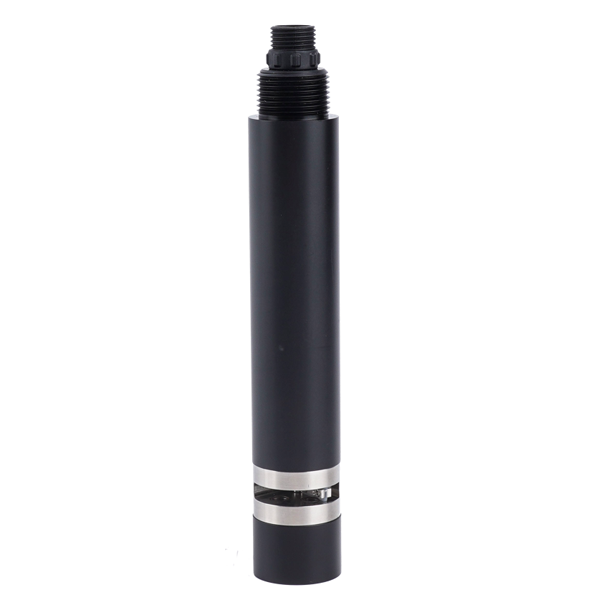
The NBL-WQ-BOD-4A online BOD sensor, as the front-end sensing device for process monitoring, is mainly deployed at anaerobic tanks, aerobic tank outlets, or total discharge outlets in wastewater treatment. Together with multi-parameter water quality monitoring stations, PLC control systems, and upper-level monitoring platforms, it forms a closed loop. The simultaneously output BOD and turbidity data can directly participate in PID regulation, alarm linkage, or process optimization, supporting intelligent upgrading of laboratory wastewater treatment and industrial wastewater treatment projects.
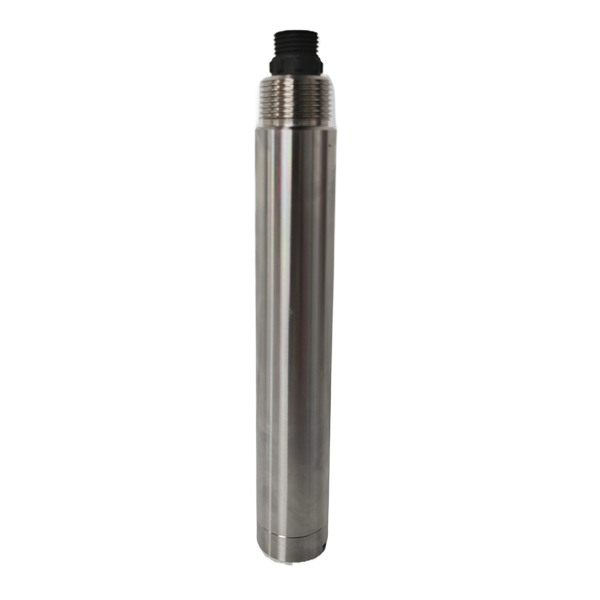
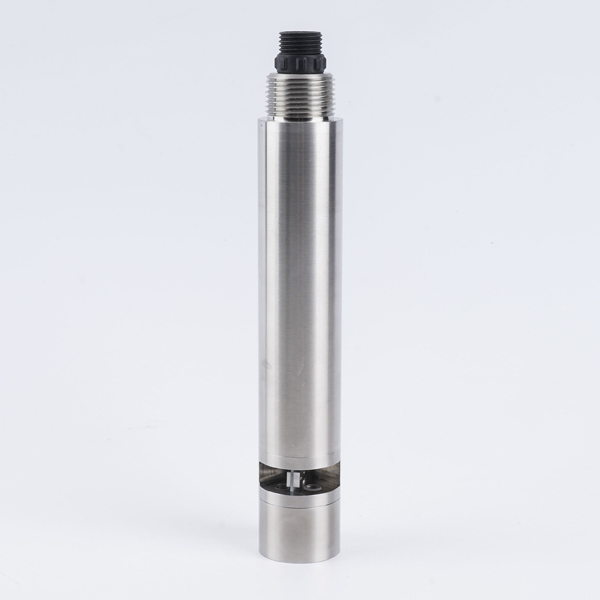
The sensor adopts submersible installation, IP68 protection rating, and shell material of POM and 316L stainless steel, adapting to corrosive and high-humidity environments, suitable for long-term online operation.
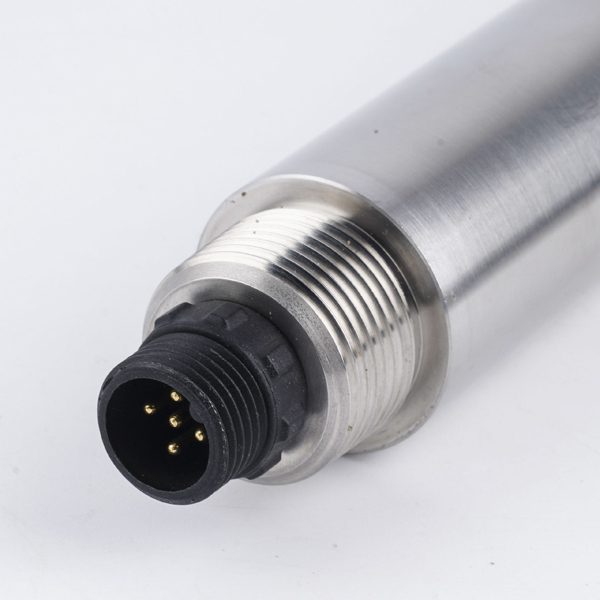
The sensor comes standard with an RS-485 interface and follows the Modbus RTU protocol, allowing direct connection with mainstream industrial control equipment:
Compatible with PLC master stations such as Siemens, Schneider, and Omron.
Supports various IoT gateways, RTUs, and SCADA systems.
Multiple sensors (BOD, ammonia nitrogen, pH, dissolved oxygen, etc.) can be connected on a single bus, reducing wiring costs.
Stable data transmission with strong resistance to electromagnetic interference in industrial sites.
The standardized protocol design greatly shortens the system integration cycle, offers good scalability, and meets the communication needs of projects of different scales.
| Parameter | Specification |
|---|---|
| Model | NBL-WQ-BOD-4A |
| Measurement Principle | Dual-wavelength fluorescence method |
| BOD Range | 0~150 mg/L |
| Turbidity Range | 0~100 NTU |
| BOD Accuracy | ±5% F.S. |
| BOD Resolution | 0.1 mg/L |
| Turbidity Accuracy | ±5% F.S. |
| Turbidity Resolution | 0.1 NTU |
| Calibration Method | Two-point calibration |
| Signal Output | RS-485 (Modbus/RTU) |
| Power Supply | 12~24VDC |
| Power Consumption | 0.2W@12V |
| Working Conditions | 0~45℃, <0.1MPa |
| Storage Temperature | -5~65℃ |
| Protection Rating | IP68 |
| Installation Method | Submersible installation |
| Cable Length | 5 meters (customizable) |
| Shell Material | POM + 316L stainless steel |
1. Laboratory and Small-to-Medium Wastewater Treatment Stations: Real-time monitoring of BOD changes in chemical coagulation, electrochemical, or O3 oxidation processes to guide organic acid utilization in the anaerobic section and chemical dosing control.
2. Industrial Organic Wastewater Treatment Projects: Suitable for wastewater treatment systems in industries such as pharmaceuticals, chemicals, and food processing. Supports BOD monitoring at the inlet and outlet of biochemical treatment units to achieve dynamic adjustment of process parameters.
3. Aquaculture Tail Water and Environmental Protection Projects: Combined with turbidity measurement to evaluate the relationship between organic load and suspended solids, providing process control data for tail water treatment facilities and meeting environmental regulatory requirements.
Accuracy Selection: 0.1mg/L resolution and ±5% F.S. accuracy are suitable for most process monitoring scenarios. For projects with strict discharge standards, data reliability can be further ensured through regular calibration.
Communication Method Selection: RS-485 Modbus RTU is the preferred choice and is compatible with most existing automation systems; wireless transmission can be achieved through gateways in special cases.
Installation Environment Selection: Submersible installation. It is recommended to choose areas with stable water flow and avoid strong turbulence and grease accumulation points. The operating temperature of 0~45℃ covers conventional wastewater treatment scenarios.
Power Supply Selection: 12~24VDC wide voltage input. The low power consumption feature is suitable for distributed monitoring stations powered by solar energy.
Two-point calibration is required for the first use after installation, and regular verification should be performed according to water quality conditions.
RS-485 bus wiring is recommended to use shielded twisted pair cables with correct grounding and unique addresses.
Data collection cycle is recommended to be 1-5 minutes to balance real-time performance and data storage requirements.
During long-term operation, pay attention to probe cleaning to avoid excessive biofilm attachment affecting fluorescence measurement.
When linking with other parameter sensors, it is recommended to unify the calibration cycle and time synchronization.
Technical Questions
Q1: What is the relationship between the dual-wavelength fluorescence method and the traditional BOD5 standard dilution method?
The fluorescence method quickly and indirectly reflects biochemical oxygen demand through the fluorescence characteristics of organic matter and has good correlation with BOD5, making it suitable for process control.
Q2: Does the sensor measure turbidity simultaneously?
Yes, it can output BOD and turbidity data simultaneously, facilitating comprehensive water quality assessment.
Q3: Can the response speed meet real-time control requirements?
The dual-wavelength fluorescence method has a relatively fast response and is suitable for continuous online monitoring scenarios.
Selection Questions
Q1: Is the 0~150mg/L range sufficient for wastewater treatment applications?
The BOD of most domestic sewage and industrial organic wastewater treatment processes falls within this range, making it suitable for conventional engineering use.
Q2: How is the Modbus RTU protocol compatibility?
It supports mainstream PLC and SCADA systems, facilitating integration with mixed brands.
Q3: What are the installation method requirements?
Submersible installation is used. Cable length can be customized to adapt to monitoring points of different depths.
Procurement/Project Questions
Q1: Does the cable length support on-site customization?
Yes. Lengths beyond 5 meters can be customized. Please specify installation requirements when ordering.
Q2: What technical support can be provided during project implementation?
Protocol documentation, integration guidance, and debugging support can be provided.
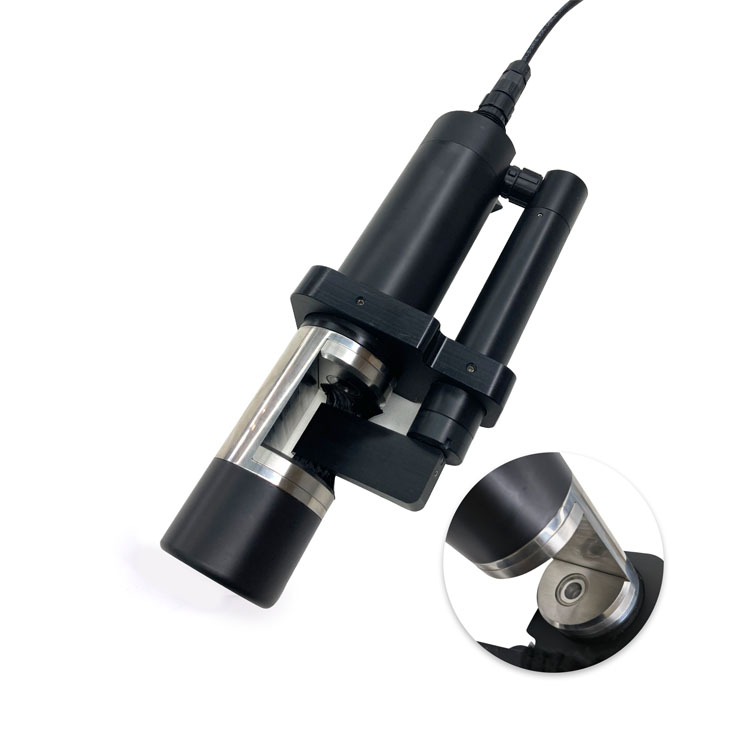
The BOD5 standard dilution method, as a classic determination method, still holds an important position in laboratory precise analysis, while online BOD sensors provide real-time monitoring means for engineering projects. NiuBoL NBL-WQ-BOD-4A combines dual-wavelength fluorescence method with industrial-grade design, meeting the needs of system integrators in terms of compatibility, stability, and scalability, helping to improve wastewater treatment process control levels and operation & maintenance efficiency.
In engineering procurement decisions, it is recommended to combine specific process routes, water quality characteristics, and existing automation systems for on-site verification, and select monitoring solutions suitable for the long-term operation of the project.
 NBL-WQ-CL Water Quality Sensor Online Residual Chlorine Sensor.pdf
NBL-WQ-DO Online Fluorescence Dissolved Oxygen Sensor.pdf
NBL-WQ-NHN Ammonia Nitrogen Water Quality Sensor.pdf
NBL-WQ-COD Online Water Quality COD Sensor.pdf
NBL-WQ-PH Online pH Water Quality Sensor.pdf
NBL-WQ-EC water quality conductivity sensor.pdf
Related recommendations
Sensors & Weather Stations Catalog
Agriculture Sensors and Weather Stations Catalog-NiuBoL.pdf
Weather Stations Catalog-NiuBoL.pdf
Agriculture Sensors Catalog-NiuBoL.pdf
Water Quality Sensor Catalog-NiuBoL.pdf
Related products
 Combined air temperature and relative humidity sensor
 TDR Soil Moisture & Temperature Sensor for irrigation| RS485 |4-20mA| NBL-S-THR
 Soil pH sensor RS485 soil Testing instrument soil ph meter for agriculture |NBL-S-PH
 Wind Speed sensor Output Modbus/RS485/Analog/0-5V/4-20mA
 Tipping bucket rain gauge for weather monitoring auto rainfall sensor RS485/Outdoor/stainless steel
 Pyranometer Solar Radiation Sensor 4-20mA/RS485

Screenshot, WhatsApp to identify the QR code
WhatsApp number:+8615367865107
(Click on WhatsApp to copy and add friends)

