





— Blogs —
—Products—
 Consumer hotline +8618073152920
 WhatsApp:+8615367865107
Address:Room 102, District D, Houhu Industrial Park, Yuelu District, Changsha City, Hunan Province, China
Product knowledge
Time:2026-05-14 16:30:08 Popularity:374
Under the background of increasingly strict national water pollutant discharge standards, the removal rates of Chemical Oxygen Demand (COD) and Ammonia Nitrogen (NH3-N) have become core assessment indicators for wastewater treatment plants (WWTP) and industrial wastewater treatment systems. For system integrators and engineering contractors, it is not only necessary to understand process principles but also to deploy highly stable online monitoring equipment to cope with influent load shocks and optimize biochemical feedback control.
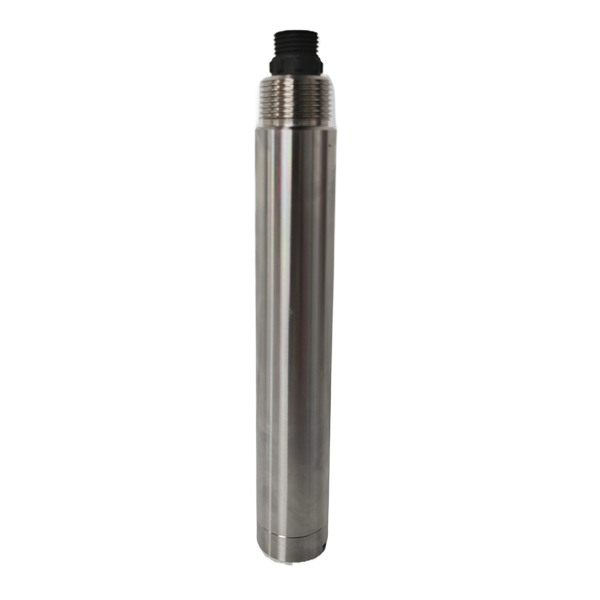
As an indicator measuring the content of reducing substances in water, abnormal effluent COD values usually originate from the following dimensions:
Inorganic Reducing Substance Interference: In addition to organic matter, inorganic substances such as nitrite, sulfide, and ferrous salts in water significantly increase the measured COD value, causing monitoring errors.
Biochemical System Imbalance: Temperature fluctuations (especially reduced nitrification activity in winter), imbalanced nutrient ratios (C:N:P), insufficient dissolved oxygen (DO), or entry of toxic substances (such as heavy metals, strong alkalis) lead to decreased sludge activity.
Shock Loading: Sudden sharp increases in influent water volume or organic matter concentration result in insufficient hydraulic retention time (HRT) in the biochemical tank.
Ammonia nitrogen mainly exists in domestic sewage and industries such as meat processing, fertilizers, and coking. Its exceedance reasons usually involve:
Nitrification Rate Obstruction: Nitrifying bacteria are extremely sensitive to pH value (optimal 7.5-8.5) and dissolved oxygen.
Sludge Age and Reflux: Too short sludge age (SRT) leads to loss of nitrifying bacteria, or improper internal reflux ratio settings affect denitrification effect.
To achieve precise dosing and preventive maintenance, NiuBoL digital sensors are deployed at three key nodes in wastewater treatment:
2.1 Influent Monitoring: Real-time perception of COD and ammonia nitrogen shock loads, linked to regulate pretreatment units or increase emergency buffering.
2.2 Biochemical Reaction Tank: Monitor real-time parameter fluctuations during nitrification/denitrification to optimize aeration volume.
2.3 Effluent Compliance Outlet: Ensure effluent meets national discharge standards such as GB 18918-2002 and provide digital archiving.
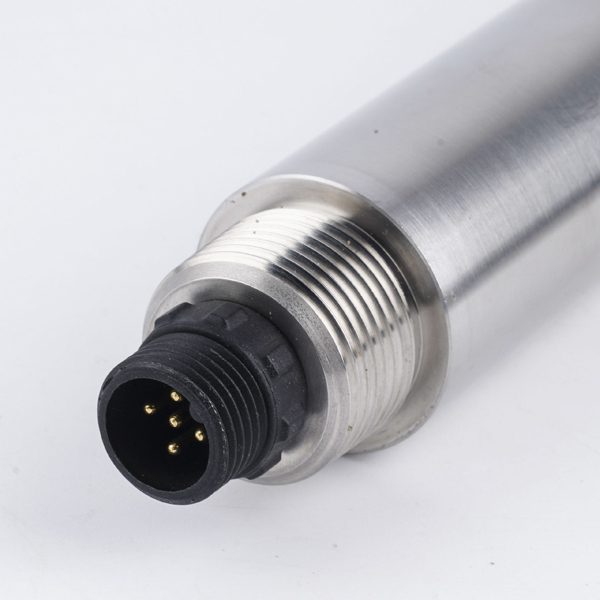
For IoT solution providers, device scalability is crucial. NiuBoL sensors adopt a standard industrial architecture:
RS485 Bus: Supports long-distance differential signal transmission and resists electromagnetic interference from frequency converters.
Modbus RTU Protocol: Highly versatile, can be directly connected to mainstream PLCs (Siemens, Schneider, etc.) and industrial IoT gateways.
Digital Output: Compared with analog 4-20mA signals, digital output supports remote address modification, status self-check, and multi-parameter synchronous collection, reducing system wiring costs and debugging cycles.
| Parameter Item | COD Sensor (Optical Method) | Ammonia Nitrogen Sensor (Ion Electrode Method) |
|---|---|---|
| Brand | NiuBoL | NiuBoL |
| Communication Interface | RS485 (Modbus RTU) | RS485 (Modbus RTU) |
| Power Supply | 12~24V DC | 12~24V DC |
| Power Consumption | < 0.5W | < 0.2W |
| Range Options | 0-1000 mg/L / 0-2000 mg/L | 0-100 mg/L / 0-1000 mg/L |
| Accuracy | ±5% F.S. | ±5% F.S. |
| Automatic Compensation | Turbidity Compensation | Temperature/pH/Potassium Ion Compensation |
| Protection Rating | IP68 | IP68 |
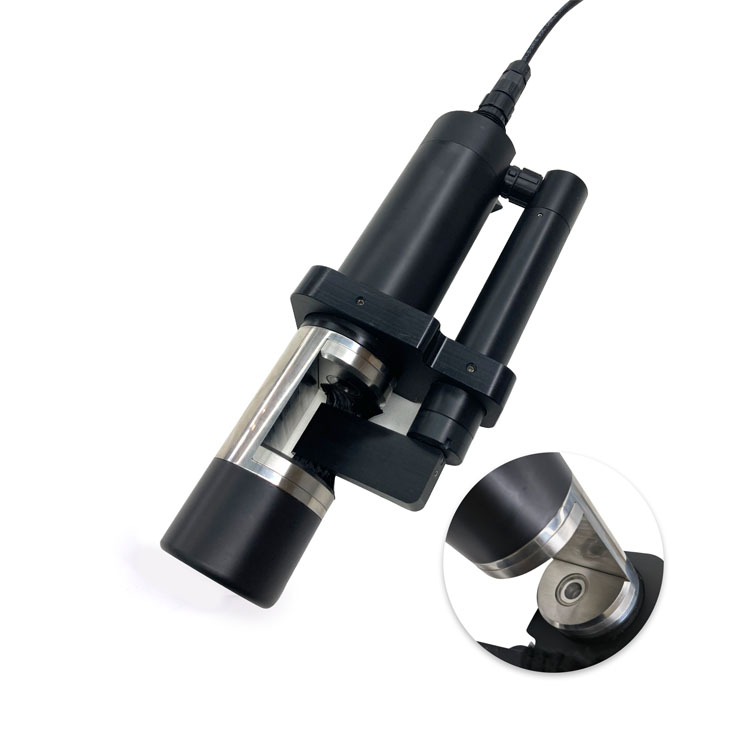
Through online monitoring of ammonia nitrogen concentration, the integrated system can achieve "on-demand oxygen supply" in aeration tanks. When ammonia nitrogen drops to the set threshold, the fan frequency is automatically reduced, significantly lowering power consumption in sewage plants.
In wastewater reuse treatment, COD removal is the key to preventing equipment scaling. When integrators deploy activated carbon adsorption or ozone treatment processes, NiuBoL sensors can evaluate process efficiency in real time, ensuring recycled water COD is maintained at around 10mg/L.
Ammonia nitrogen is highly toxic to fish and shrimp. In smart farming solutions, digital ammonia nitrogen sensors can link with aerators and water change systems to prevent free ammonia generation from organic matter decomposition due to hypoxia, thus avoiding large-scale mortality risks.
Accuracy and Range Balance: For effluent compliance monitoring, select low-range high-precision configurations; for influent shock monitoring, prioritize wide-range options.
Installation Method Selection: Submersible installation is suitable for biochemical tanks and requires stainless steel brackets; flow cell installation is suitable for process nodes with extremely high sampling frequency requirements.
Power Supply System Design: Considering possible voltage fluctuations on industrial sites, it is recommended to use DC stabilized power supply with isolation modules.
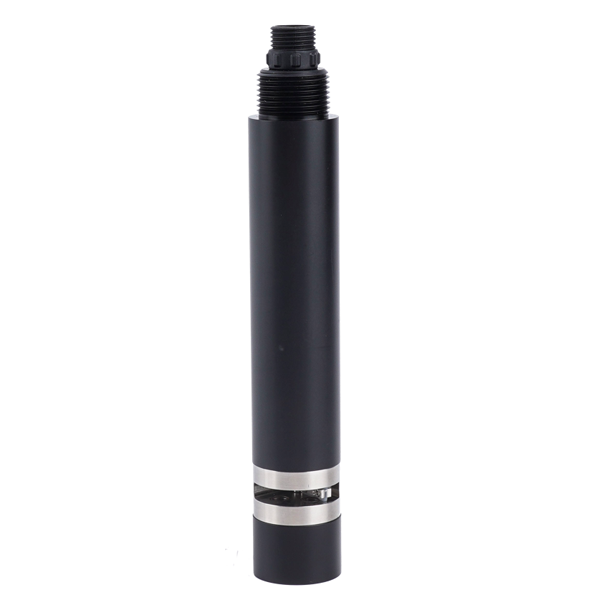
Q1: How does the optical COD sensor avoid turbidity interference?
NiuBoL sensors adopt multi-wavelength compensation technology and use specific algorithms to eliminate the influence of suspended solids on absorbance in real time.
Q2: How does the ammonia nitrogen sensor perform in low-temperature environments?
Low temperature affects ion activity. The sensor has a built-in Pt1000 temperature compensation algorithm, providing stable readings in the 0-45℃ range.
Q3: What is the maximum transmission distance for RS485 signals?
Up to 1200 meters under standard shielded twisted pair cables, suitable for distributed wiring in large plants.
Q4: How to select ammonia nitrogen sensors according to pH fluctuations?
The ratio of free ammonia to ammonium salts is greatly affected by pH. It is recommended to integrate with pH sensors and use the Modbus protocol to transmit pH values back to the host computer in real time for secondary correction.
Q5: Does the system require regular reagent replacement?
NiuBoL digital sensors are usually based on optical or electrode methods, significantly reducing reagent consumption and maintenance costs compared to traditional chemical methods (titration).
Q6: Can the equipment adapt to highly corrosive wastewater?
The probe is packaged with POM or stainless steel and has an IP68 protection rating, suitable for most neutral and weakly corrosive environments.
Q7: What is the typical maintenance cycle of the equipment?
Depending on water quality contamination, probe cleaning and calibration are usually performed once every 1-3 months.
Q8: Is a Modbus register manual provided for secondary development?
Yes. NiuBoL provides system integrators with a detailed communication manual, ensuring protocol docking can be completed within 1-2 hours.
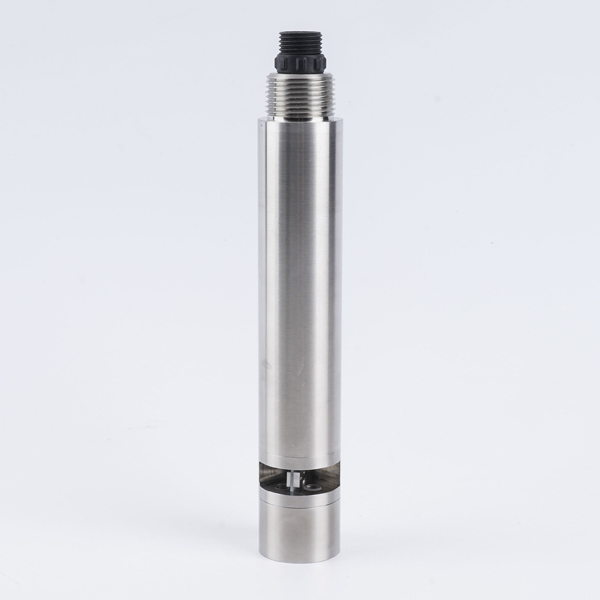
In COD and ammonia nitrogen treatment projects, the "timeliness" of data acquisition is better than "post-event laboratory testing". The digital sensing solutions provided by NiuBoL not only help engineering contractors pass environmental protection acceptance but also significantly reduce the complexity of later operation and maintenance through standardized Modbus RTU integration capabilities.
For customers pursuing high stability and low operating costs, digital online monitoring is no longer an option but a cornerstone for building industrial automated water treatment systems.
 NBL-WQ-CL Water Quality Sensor Online Residual Chlorine Sensor.pdf
NBL-WQ-DO Online Fluorescence Dissolved Oxygen Sensor.pdf
NBL-WQ-NHN Ammonia Nitrogen Water Quality Sensor.pdf
NBL-WQ-COD Online Water Quality COD Sensor.pdf
NBL-WQ-PH Online pH Water Quality Sensor.pdf
NBL-WQ-EC water quality conductivity sensor.pdf
Related recommendations
Sensors & Weather Stations Catalog
Agriculture Sensors and Weather Stations Catalog-NiuBoL.pdf
Weather Stations Catalog-NiuBoL.pdf
Agriculture Sensors Catalog-NiuBoL.pdf
Water Quality Sensor Catalog-NiuBoL.pdf
Related products
 Combined air temperature and relative humidity sensor
 TDR Soil Moisture & Temperature Sensor for irrigation| RS485 |4-20mA| NBL-S-THR
 Soil pH sensor RS485 soil Testing instrument soil ph meter for agriculture |NBL-S-PH
 Wind Speed sensor Output Modbus/RS485/Analog/0-5V/4-20mA
 Tipping bucket rain gauge for weather monitoring auto rainfall sensor RS485/Outdoor/stainless steel
 Pyranometer Solar Radiation Sensor 4-20mA/RS485

Screenshot, WhatsApp to identify the QR code
WhatsApp number:+8615367865107
(Click on WhatsApp to copy and add friends)

