





— Blogs —
—Products—
 Consumer hotline +8618073152920
 WhatsApp:+8615367865107
Address:Room 102, District D, Houhu Industrial Park, Yuelu District, Changsha City, Hunan Province, China
Product knowledge
Time:2026-01-08 11:50:41 Popularity:755
With the improvement of national living standards, tourism has upgraded from simply "viewing mountains and waters" to pursuing "high-quality ecological experiences." In this context, major famous scenic areas across the country have introduced high-tech monitoring equipment, with the most notable being scenic area automatic weather stations.
Perhaps many people are curious: As carriers of natural or cultural landscapes, is it really necessary for scenic areas to install weather stations to monitor changing weather? As experts in smart environmental monitoring, NiuBoL will deeply analyze the commercial logic and ecological value behind scenic area weather stations for you. Installing a weather station is not just for monitoring weather; it is a key tool for scenic areas to enhance brand image, optimize service experience, and ensure tourist safety.
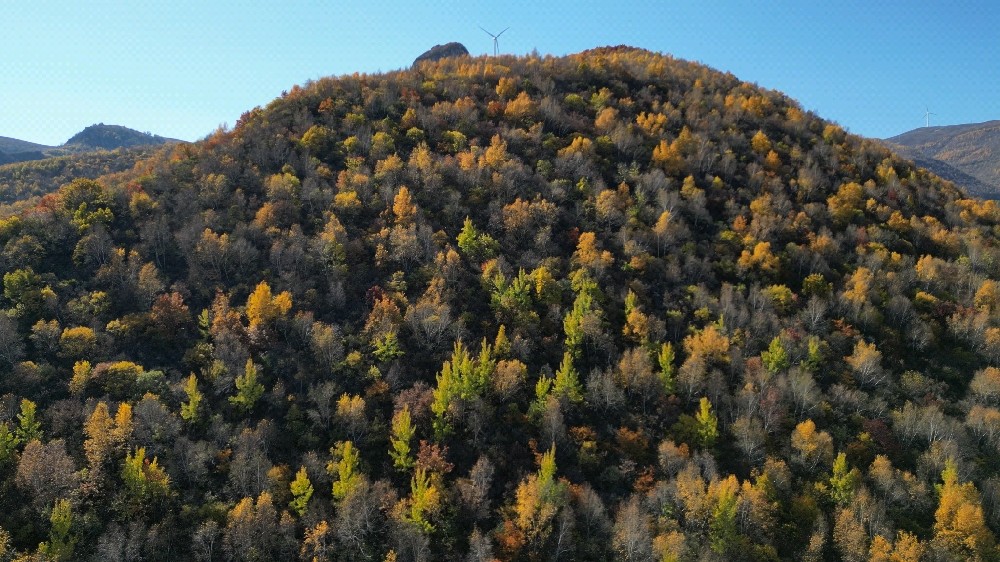
1.1 Monitoring Negative Oxygen Ions: Creating a Golden Sign for "Natural Oxygen Bar"
In the process of urbanization, fresh and clean air has become a scarce resource. Negative oxygen ions are known as "air vitamins" and "air growth factors," and are an important indicator for measuring air cleanliness in a region.
Scientific Endorsement: Through NiuBoL negative oxygen ion sensors, scenic areas can obtain real-time negative oxygen ion content per cubic centimeter of air. Data is far more convincing than empty adjectives.
Precise Marketing: Displaying real-time monitored high-concentration negative oxygen ion data on scenic area large screens, official websites, or Apps can intuitively showcase environmental advantages to tourists, attracting groups pursuing health and summer escape, becoming the most hardcore promotional material for the scenic area.
1.2 Optimizing Tourist Experience: Providing Thoughtful "Travel Guides"
Meteorological elements directly determine tourist comfort. Through real-time data provided by the monitoring station, scenic areas can offer nanny-level suggestions to tourists:
Clothing and Protection Advice: Real-time monitoring of temperature, humidity, and ultraviolet intensity. If ultraviolet rays are too strong, the scenic area can remind tourists via broadcasts or bulletin boards to apply sunscreen and wear sun hats, greatly enhancing service finesse.
Itinerary Optimization: Light intensity and radiation data can assist photography enthusiasts in capturing the most beautiful light and shadow, and help ordinary tourists avoid midday high-temperature exposure periods.
1.3 Ensuring Scenic Area Safety: Preventing Problems Before They Occur
For mountain, forest, or water-type scenic areas, extreme weather is the biggest safety hazard. The weather station can monitor wind speed, rainfall, and air pressure changes in real time. Once strong winds or short-term heavy rain occur, management departments can close cable cars in advance or evacuate waterside tourists based on data, minimizing safety risks.
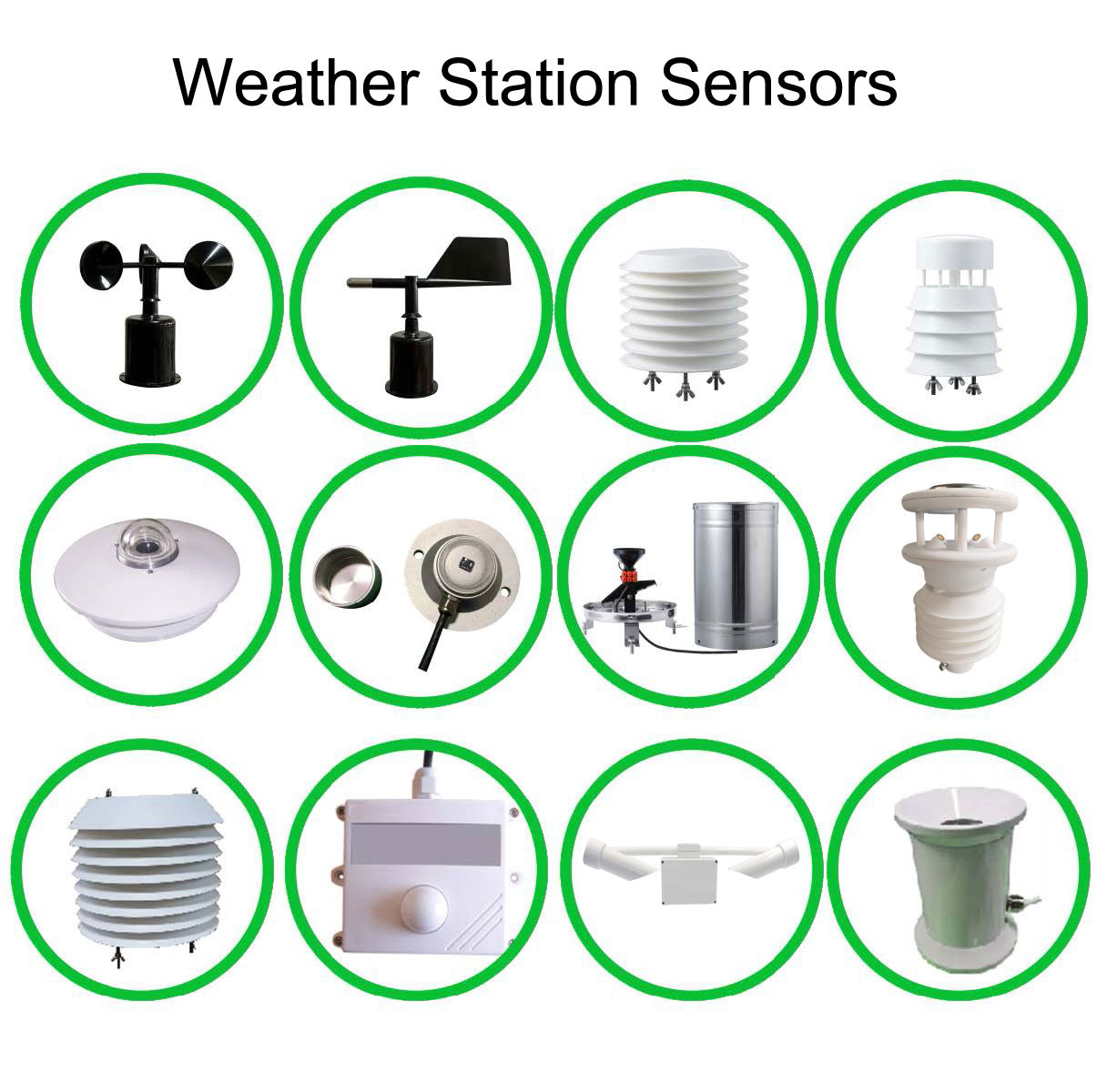
A complete NiuBoL scenic area weather station solution is modular and customizable, usually consisting of the following core sensor array:
2.1 Negative Oxygen Ion Sensor
Function: Uses electromagnetic induction principle or suction capacitor method to accurately measure negative ion concentration in the air.
Role: Evaluate scenic area air freshness, support "health tourism" promotion.
2.2 Air Temperature and Humidity Sensor
Function: Monitors real-time atmospheric temperature and relative humidity.
Role: Calculates perceived temperature, provides clothing reference for tourists, and prevents fire risks in forest scenic areas due to excessively dry air.
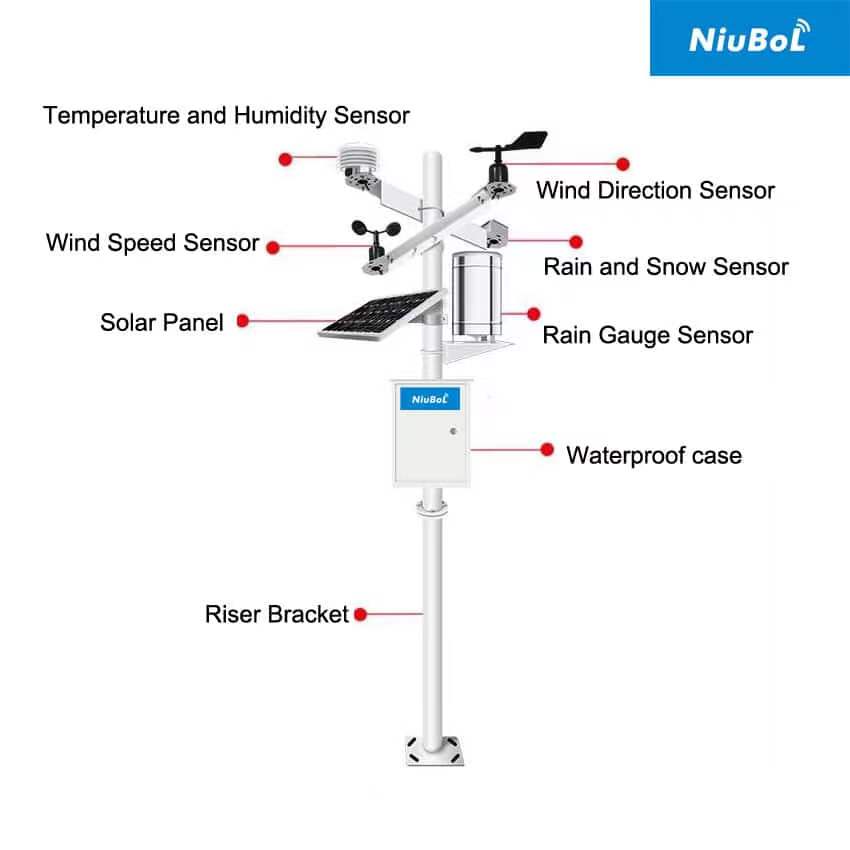
2.3 Ultraviolet (UV) Sensor
Function: Monitors ultraviolet radiation intensity in sunlight (UV Index).
Role: Warn of skin damage risk, prompt sunscreen levels, enhance caring services in the scenic area.
2.4 Total Radiation and Light Intensity Sensor
Function: Monitors total solar radiation energy and light lux value.
Role: Provides data for vegetation growth monitoring, and guides tourists to avoid high-radiation areas.
2.5 Wind Speed and Direction Sensor
Function: Real-time monitoring of wind direction and speed.
Role: Plays a core safety guidance role in high-altitude cable cars, glass walkways, and water projects management.
2.6 PM2.5 / PM10 Air Quality Sensor
Function: Monitors concentration of particulate matter in the air.
Role: Combined with negative oxygen ion data, comprehensively depict the transparency of scenic area air quality.
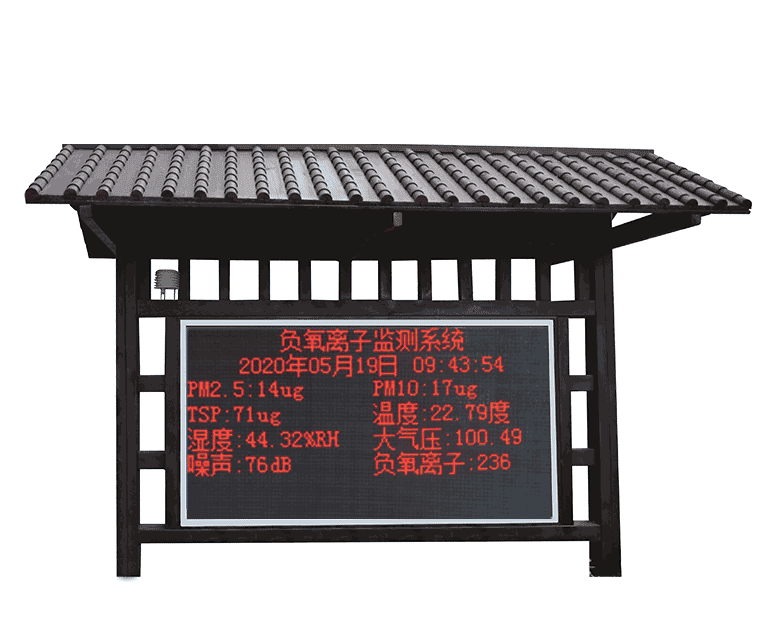
After installing a NiuBoL weather station, data should not just sit in the background but be transformed into productivity through multiple channels:
LED Real-Time Display Screens: Install high-definition screens at scenic area entrances and rest areas to scroll current temperature, negative oxygen ion concentration, and ultraviolet index. This is not only part of the landscape but also gives tourists a strong "ecological feel."
Smart Tourism Cloud Platform: Data is transmitted to the cloud via RS485 or 4G/LoRaWAN. Scenic area managers can view full-domain meteorological distribution maps anytime via mobile phones or computers, achieving remote smart scheduling.
Big Data Analysis Suggestions: Through analysis of one year's meteorological data, scenic areas can more scientifically arrange activities (such as determining the best dates for summer escape festivals or ice and snow festivals), achieving optimal resource allocation.
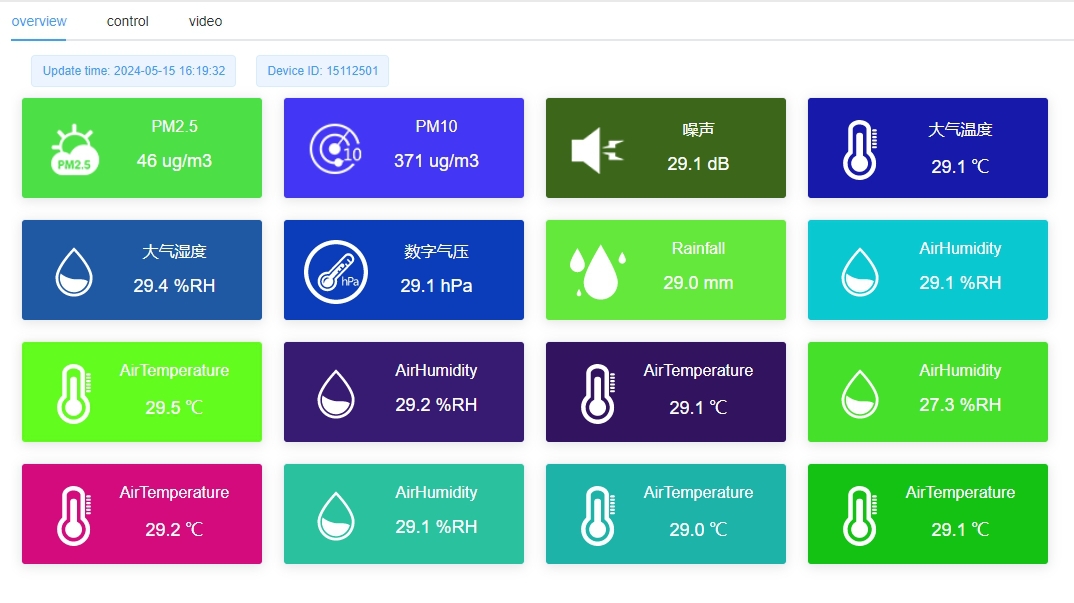
Q1: Are there any specifics for the installation location of scenic area weather stations?
A: To ensure data representativeness, it is recommended to install in relatively open areas within the scenic area with minimal interference from buildings or artificial heat sources. Negative oxygen ion sensors should be prioritized in areas with dense forests, flowing waterfalls, or high vegetation coverage to collect the most promotional value data.
Q2: Does this weather station require dedicated personnel for maintenance?
A: NiuBoL weather stations adopt industrial-grade design with extremely strong anti-interference and lightning protection capabilities. The system supports unattended automatic operation. Since sensors have self-cleaning or dust-proof designs, usually only periodic checks of batteries (under solar power) or simple cleaning of accumulated leaves on sensor shells are needed, with very low maintenance costs.
Q3: How to compare negative oxygen ion data with national standards?
A: According to relevant standards, when negative oxygen ion concentration reaches 1000-1500 per cm³, it is "fresh air," and above 2000 per cm³ has obvious immune-enhancing effects on the human body. Scenic areas can make promotions more impactful by comparing measured data with these standards.
Q4: How does the equipment cope with harsh weather in mountainous areas?
A: Our equipment brackets use 304 stainless steel material, with protection boxes reaching IP65 level or above, effectively resisting dense fog, severe cold, and heavy rain in mountainous areas. Even in winter ice and snow environments, sensors can still stably output data.
Q5: What communication protocols does data transmission support?
A: NiuBoL full series equipment supports standard Modbus RTU protocol with good compatibility. Transmission methods include wired RS485, or wireless 4G, WIFI, LoRaWAN, etc., ensuring data can be transmitted no matter how complex the scenic area terrain.
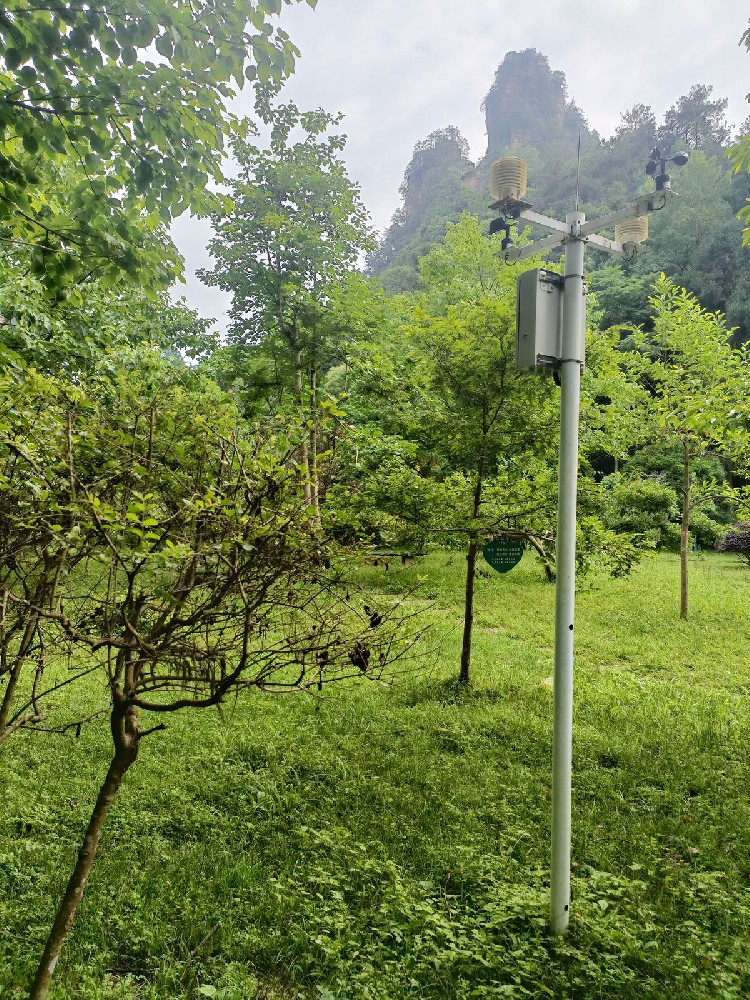
For scenic areas, installing a weather station is not just adding a few instruments; it is practicing the digital implementation of "lucid waters and lush mountains are invaluable assets." With the support of NiuBoL high-precision sensors, scenic areas can transform invisible good air and good environment into visible and tangible digital indicators.
This transparent ecological data not only enhances the brand premium of the scenic area but also provides irreplaceable support in ensuring safety, optimizing services, and scientific operations. In the smart tourism track, whoever masters the initiative in environmental data first grasps the "traffic code" for attracting tourists.
Does your scenic area also need to create a exclusive "air report card"? Contact NiuBoL; we will provide you with tailored full-case support for smart scenic area meteorological monitoring.
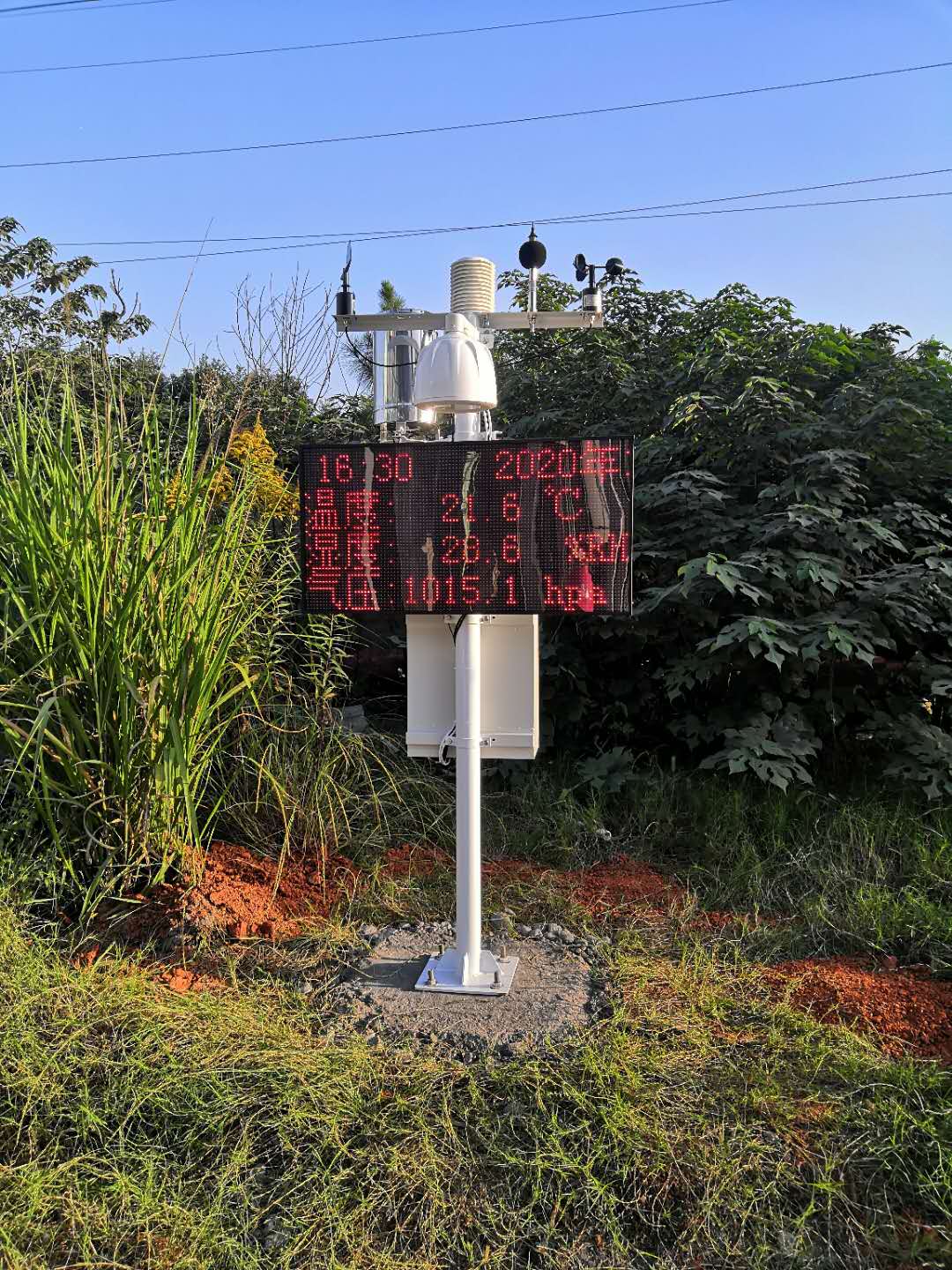
Sensor Interface: RS485
Communication Protocol: Modbus RTU
Negative Oxygen Ion Measurement Range: 0~50,000 per cm³ or 0~500,000 per cm³
Ultraviolet Index Range: 0~15 UV Index
Temperature and Humidity Resolution: 0.1℃ / 0.1%RH
Power Supply System: DC 12V / 24V or Solar + Battery Redundant Power Supply
Protection Level: IP65 Industrial-Grade Waterproof and Dustproof
Wireless Transmission: 4G /5G/LoRaWAN / GPRS Optional
Related recommendations
Sensors & Weather Stations Catalog
 Agriculture Sensors and Weather Stations Catalog-NiuBoL.pdf
Weather Stations Catalog-NiuBoL.pdf
Agriculture Sensors Catalog-NiuBoL.pdf
Water Quality Sensor Catalog-NiuBoL.pdf
Related products
 Combined air temperature and relative humidity sensor
 TDR Soil Moisture & Temperature Sensor for irrigation| RS485 |4-20mA| NBL-S-THR
 Soil pH sensor RS485 soil Testing instrument soil ph meter for agriculture |NBL-S-PH
 Wind Speed sensor Output Modbus/RS485/Analog/0-5V/4-20mA
 Tipping bucket rain gauge for weather monitoring auto rainfall sensor RS485/Outdoor/stainless steel
 Pyranometer Solar Radiation Sensor 4-20mA/RS485

Screenshot, WhatsApp to identify the QR code
WhatsApp number:+8615367865107
(Click on WhatsApp to copy and add friends)

